When Alberta trout streams get too warm to fish
There's nothing quite as frustrating as planning a glorious day out on one of Alberta's pristine trout streams, only to arrive and find the water feeling more like a bath than a refreshing mountain flow. Many anglers worry about fishing in conditions that might harm these sensitive fish. This comprehensive guide will walk you through how to determine when Alberta's trout streams are simply too warm, what that means for the fish, and how you can be a responsible angler when temperatures climb.
Understanding Trout and Water Temperature
Trout are truly magnificent creatures, but they are also incredibly delicate, especially when it comes to their environment. Unlike many other fish species that can tolerate a wider range of conditions, trout are cold-water fish, and their very survival hinges on specific water temperatures. Ignoring these critical parameters not only makes for poor fishing but can also severely stress the fish, leading to unnecessary mortality.
Why Temperature Matters for Trout
Imagine trying to run a marathon on the hottest day of summer while wearing a heavy winter coat. That's a bit like what happens to trout when water temperatures get too high. Trout, and all fish, are cold-blooded, meaning their body temperature mirrors that of the surrounding water. As the water warms up, their metabolism speeds up, requiring more oxygen.
Here's the problem: warmer water holds less dissolved oxygen than colder water. It's a double-whammy – they need more oxygen, but there's less available. This creates immense physiological stress. When oxygen levels drop too low, trout become sluggish, struggle to feed, and are far more susceptible to disease and predators. They actively seek out cooler refuges, like spring-fed creeks, deep pools, or shaded areas, but these spots can become crowded and competitive, adding even more stress. A fish that's been caught and fought in warm water, even if released, might not have the energy reserves or oxygen capacity to recover, often leading to delayed mortality days later. This is especially true for our native species like Bull Trout: Alberta's Threatened Native Fish, which are particularly sensitive.
Ideal Temperature Ranges for Different Trout Species
Alberta is home to a fantastic variety of trout, each with its own preferred "comfort zone" when it comes to water temperature. While all trout prefer cold, oxygen-rich water, their exact tolerances can vary slightly. Knowing these ranges is crucial for ethical angling.
- Rainbow Trout: These vibrant fish, particularly those we target with a fly rod on the Bow River, generally thrive in water temperatures between 10°C and 18°C (50-65°F). They can tolerate temperatures up to about 20°C (68°F) for short periods, but sustained exposure above this, especially combined with the stress of being caught, is extremely dangerous for them.
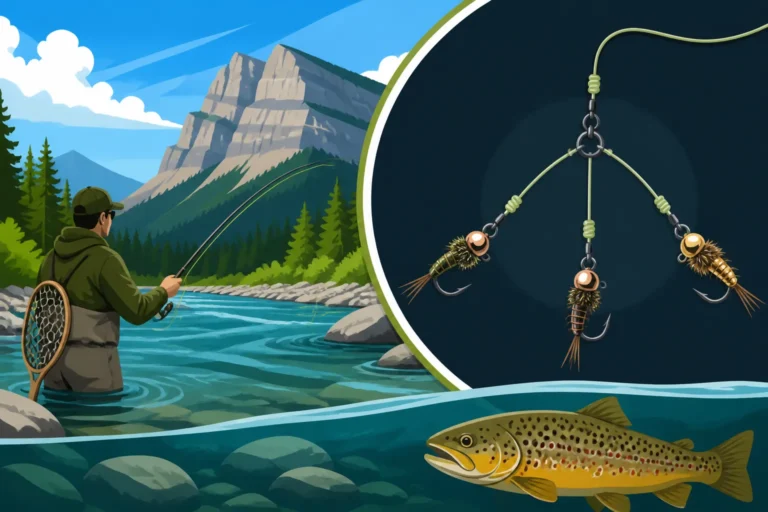
- Brown Trout: Often a bit more tolerant of slightly warmer water than rainbows, brown trout still prefer a similar range, ideally between 12°C and 20°C (54-68°F). They are known to seek out cooler springs or deeper sections when temperatures peak. You'll find these resilient fish in many of our rivers like the Crowsnest River Trout Fishing.
- Cutthroat Trout: Our beautiful native cutthroat trout, found in Alberta's Mountain Streams, are perhaps the most sensitive of the common species. They prefer cooler, pristine waters, ideally between 8°C and 15°C (46-59°F). Temperatures above 18°C (64°F) are considered critical for cutthroat, and they really struggle quickly.
- Bull Trout: As mentioned, bull trout are a species of special concern in Alberta, with a strict Alberta Bull Trout Zero Possession Rule. They are highly dependent on very cold, clear water, typically thriving below 13°C (55°F). Anything above 16°C (61°F) puts them under severe stress. If you happen to catch one, knowing How to Catch Bull Trout and Release Them Safely in cold conditions is vital, but in warm water, it's best not to target them at all.
When water temperatures creep up, even if they're not at the absolute lethal limit, the fish become lethargic, less active, and much harder to catch anyway. It's not just about keeping them alive, but also about minimizing any undue suffering.
Recognizing "Too Warm" Conditions on Alberta Streams
So, how do you know if the water is too warm without just dunking your hand in? While your hand can give you a rough idea, it's not precise enough for the delicate physiology of a trout. There are several indicators, both visual and scientific, that can tell you when it’s time to either change tactics or pack it in for the day.
Visual Cues and Environmental Signs
Sometimes, the river itself will give you hints that things are getting too hot for trout. Keep an eye out for these subtle, and not-so-subtle, signs:
- Lack of Insect Activity: Trout streams are typically buzzing with insect life. If you notice a significant absence of hatches or general insect activity, it could be an indicator that the water chemistry, influenced by temperature, isn't ideal.
- Stressed Fish Behavior: This is a major red flag. If you see trout gasping at the surface, especially in slow-moving or stagnant sections, they are severely stressed due to low oxygen. This sight should immediately tell you to stop fishing. Trout in distress might also be lethargic and easily visible in shallow areas, rather than hiding in deeper, cooler spots.
- Warmer Surface Water: While this isn't always foolproof, if the surface water feels noticeably warm to the touch, it's a good bet the overall water column is warming up. This is particularly noticeable in shallower riffles and slower-moving sections.
- Algae Blooms: While not always directly tied to immediate dangerous temperatures, excessive algae growth can indicate nutrient-rich, warmer water conditions, which can lead to lower dissolved oxygen at night.
- No Fish Activity: If you're usually seeing rises or finding fish in typical holding lies, and suddenly there's nothing, it's worth considering temperature as a factor. Fish might have moved to deeper, cooler zones, or simply become inactive.
The Critical Role of Water Thermometers
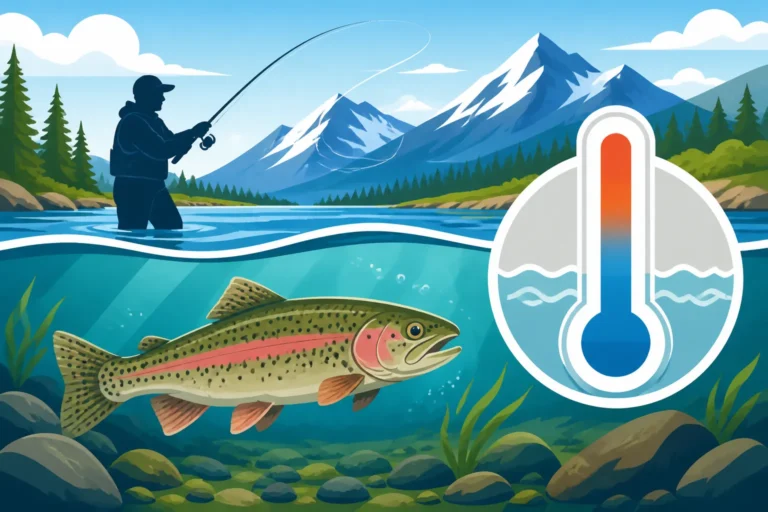
While visual cues are helpful, nothing beats hard data when it comes to water temperature. A reliable water thermometer is an indispensable tool for any ethical trout angler in Alberta. It's truly a must-have piece of gear.
You can find a variety of water thermometers. Simple, inexpensive analog thermometers on a lanyard are widely available and perfectly adequate. You just dip them in the water for a minute or two to get a reading. For a quicker, digital read, there are also pocket-sized digital thermometers available on platforms like Amazon that offer precise measurements. Always take a reading in the main current, away from direct sunlight, and preferably in a section of water that represents where you plan to fish. Don't just check the shallow edges; get into the main flow. Checking the water temperature throughout your fishing day is a good practice, as conditions can change, especially on hot, sunny afternoons.
Local Resources and Online Tools
Fortunately, you don't always have to guess or rely solely on your own thermometer. There are several excellent resources that can help you gauge water conditions before you even leave home.
- Provincial Advisories: Alberta Environment and Protected Areas (AEPA) sometimes issues advisories during prolonged heatwaves, recommending anglers avoid fishing certain sensitive trout streams. Keep an eye on the official provincial websites or local fishing reports.
- Fishing Forums and Social Media: Local fishing communities are often a fantastic source of up-to-the-minute information. Anglers will share their experiences and water temperature readings from popular rivers like the Bow River.
- River Flow and Temperature Gauges: Many larger rivers, including some of Alberta's Best Fishing Rivers, have online flow and temperature gauges operated by Environment and Climate Change Canada or other provincial bodies. While not every small stream will have one, major rivers like the Bow River often do. These real-time data points are incredibly valuable.
- Local Fly Shops: Don't underestimate the wealth of knowledge at your local fly shop. They are often the first to know about local conditions and can give you invaluable advice on where to go, or more importantly, where not to go, based on current temperatures.
By combining these resources with your own observations and a trusty thermometer, you'll be well-equipped to make informed and responsible decisions.
Ethical Angling Practices During Warm Water Periods
Being an ethical angler means prioritizing the health and survival of the fish. When trout streams get warm, this responsibility becomes even more critical. It’s not just about following the Alberta Fishing Regulations Explained, but about understanding the impact of your actions.
When to Stay Home or Fish Elsewhere
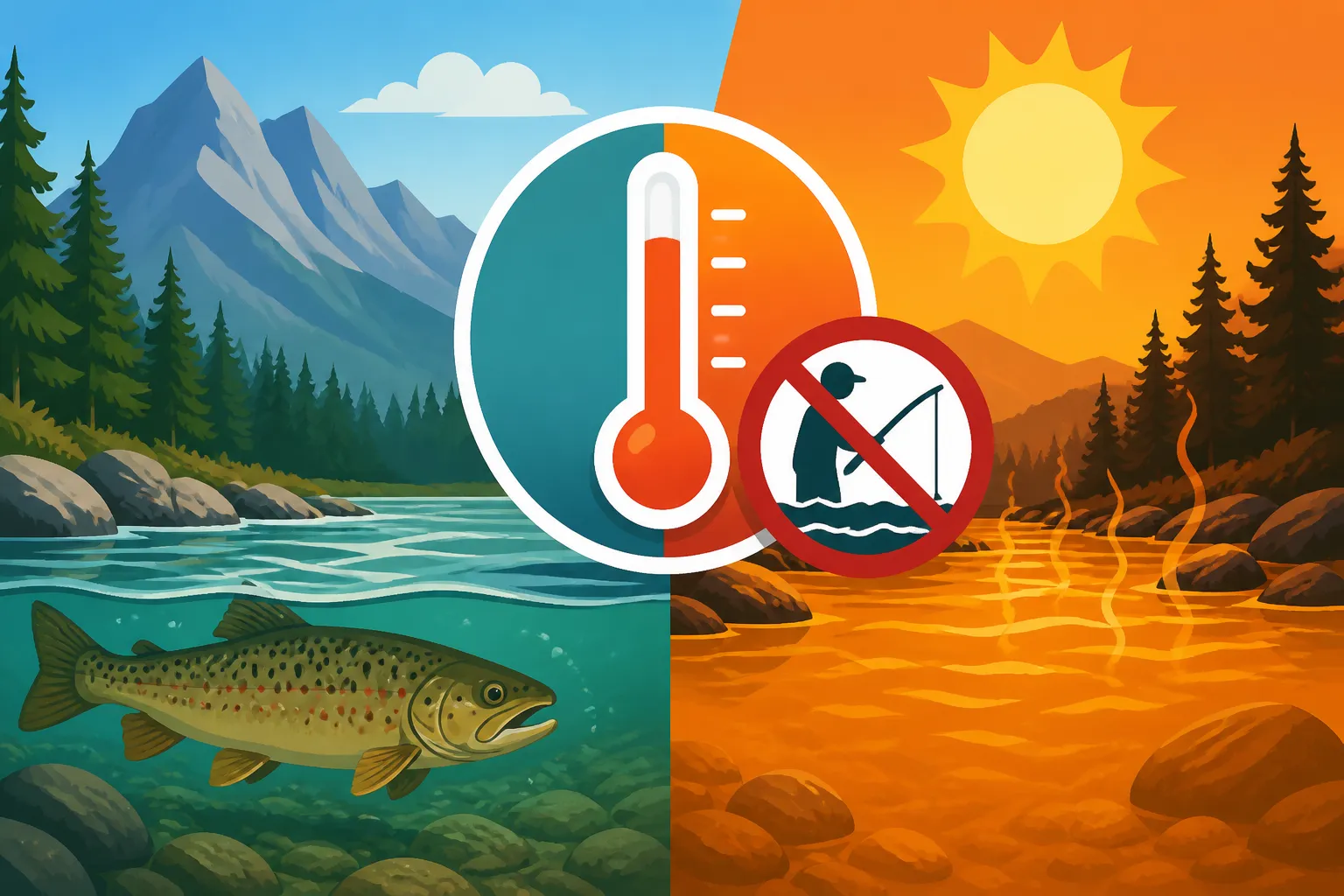
This is perhaps the most important decision you can make. As a general guideline, if the water temperature in a trout stream reaches or exceeds 19°C (66°F), it's strongly recommended that you stop fishing for trout entirely. Many seasoned anglers will even call it quits around 18°C (64°F) as a precautionary measure, especially for more sensitive species or during prolonged heatwaves. For the highly vulnerable Bull Trout, anything consistently over 16°C (61°F) should be a definite no-go.
Why is this so important? Even with careful handling, the stress of being caught, especially an extended fight, combined with low oxygen levels in warm water, significantly reduces a trout's chance of survival after release. A trout might swim away, but could die hours or even days later from exhaustion and oxygen deprivation.
Instead of putting trout at risk, consider alternative fishing opportunities:
- Target Warm-Water Species: Many of Alberta's lakes and slower rivers are home to species like Walleye Fishing in Alberta or Northern Pike Fishing in Alberta, which are far more tolerant of warmer water. Head to one of the Best Walleye Lakes in Alberta or explore a local pond for perch.
- High-Elevation Lakes: Some of Alberta's high alpine lakes remain cold even during the hottest summer days, offering excellent opportunities for cutthroat or other trout species. Always check access and regulations for these remote locations.
- Wait for a Cold Front or Rain: Often, a good rainstorm or a significant drop in air temperature can bring river temperatures back down to safe levels within a day or two. Keep an eye on the forecast.
Minimizing Stress for Caught Fish
If you find yourself on the water and the temperatures are borderline, or if you're fishing in early morning when conditions are still favorable, but know they'll warm up, there are several practices you can employ to minimize stress on any trout you might catch. The goal is a quick, clean release.
- Fish During the Coolest Times: The first few hours after dawn are usually the coolest part of the day, as are the evenings once the sun drops. Avoid fishing during the hottest part of the afternoon (typically 1 PM to 6 PM).
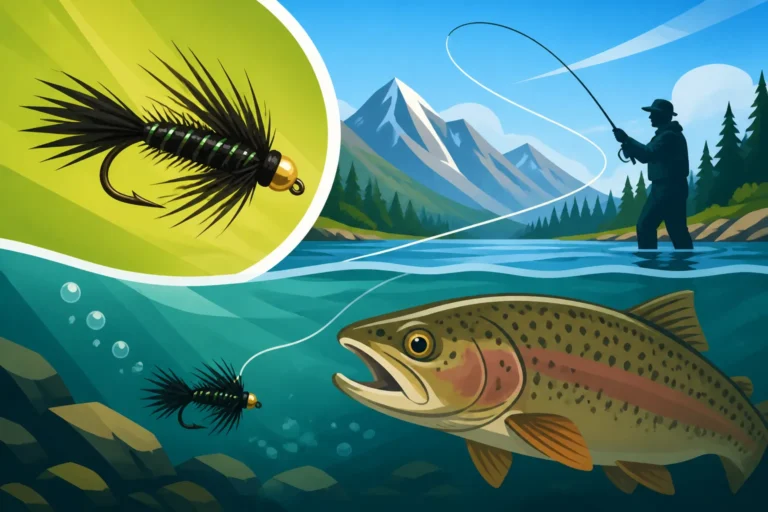
- Use Barbless Hooks: Alberta Barbless Hook Requirement Waters are common, and for good reason. Barbless hooks greatly reduce the time it takes to remove a hook and minimize injury to the fish's mouth. You can easily pinch down the barbs on most hooks with a pair of pliers. Many brands, including some found on Amazon, now sell barbless hooks directly.
- Fight Fish Quickly: While it's tempting to enjoy a long fight, especially with a big fish, a prolonged struggle exhausts the trout. Use appropriate tackle that allows you to land the fish efficiently, minimizing the time it spends fighting on the line.
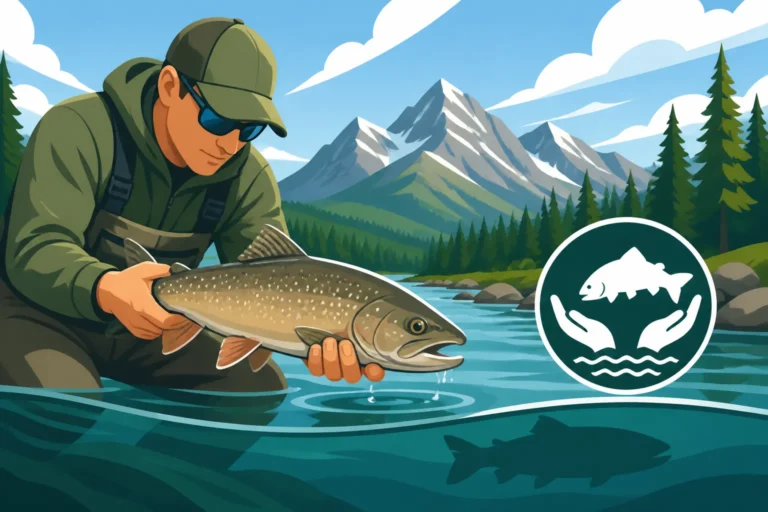
- Keep Fish in the Water: This is paramount. Never take a trout out of the water for photos, even for a few seconds, if the water is warm. The air can be significantly warmer than the water, and exposure to air can damage their gills and remove the protective slime layer. Use a net with a rubberized mesh (which is also less damaging to fins and scales) to cradle the fish in the water, unhook it, and release it while it's still submerged.
- Wet Your Hands: If you absolutely must touch the fish, always wet your hands thoroughly beforehand. Dry hands can remove the fish's protective slime coat, leaving it vulnerable to infection.
- Careful Unhooking: Use forceps or pliers to quickly remove the hook. If the fish is deeply hooked and removal would cause more damage, cut the line as close to the hook as possible. The hook will often rust out over time.
- Revive the Fish: Gently hold the fish facing upstream in the current until it vigorously swims away on its own power. Don't "pump" it back and forth, as this forces water the wrong way through its gills. Wait until it can hold itself upright and shows signs of wanting to depart.
By adopting these practices, you significantly increase the chances of a caught fish surviving to spawn another day.
Targeting Other Species
Alberta boasts a fantastic diversity of fish species beyond just trout. When trout streams are too warm, it's a perfect opportunity to explore other angling adventures.
- Walleye: These delicious fish are found in many of Alberta's larger, warmer lakes and rivers. They are excellent fighters and provide great table fare. Consider heading to Lesser Slave Lake Walleye Fishing or other popular walleye spots.
- Northern Pike: Aggressive and powerful, pike offer thrilling fishing experiences. They are abundant in many prairie lakes and are quite resilient to warmer temperatures. Learn How to Catch Northern Pike in Alberta and explore some of the Best Pike Gear for Alberta Lakes.
- Yellow Perch: A panfish favorite, yellow perch are fun to catch, especially for families, and make for a tasty meal. They tolerate warmer waters well and can be found in countless smaller lakes and ponds.
- Burbot: If you're willing to try something a bit different, burbot (often called "freshwater cod") can be targeted in deeper, cooler sections of lakes, even in summer evenings. Learn about Burbot Fishing in Alberta.
Changing your focus to these species not only protects our valuable trout populations but also broadens your angling skills and introduces you to new favorite fishing spots. It’s all part of making the most of the Best Time of Year to Fish in Alberta, even if that means adapting to the conditions.
Seasonal Considerations and Long-Term Trends
Understanding when and why trout streams heat up can help you plan your fishing trips more effectively and adapt to changing environmental conditions.
Peak Summer Warmth in Alberta Rivers
In Alberta, the warmest water temperatures in trout streams typically occur from mid-July through August. This period often coincides with prolonged hot, sunny weather and sometimes, lower water levels due to lack of precipitation or glacier melt receding. Rivers like the lower sections of the Bow River downstream of Calgary, or certain stretches of the Oldman River, can be particularly prone to warming up quickly during heatwaves. Conversely, higher elevation streams or rivers fed by significant cold-water springs tend to stay cooler longer.
When planning your summer trips, it's wise to consider the elevation and source of the river. A stream originating high in the Rockies, fed by snowmelt and glaciers, will generally remain colder than a river that has traveled a long distance through open plains. Always check current conditions and reports if you're heading out during these peak summer months.
Impact of Drought and Climate Change
It's also important to acknowledge the broader trends affecting our fisheries. Alberta, like many regions, is experiencing shifts in climate patterns that can lead to more frequent and intense heatwaves, as well as prolonged drought conditions. These factors have a direct and significant impact on water temperatures and overall water levels in our rivers and lakes.
Lower water levels mean less volume to absorb heat, causing water temperatures to rise more rapidly. Drought conditions also mean less snowpack and rainfall, which are crucial for replenishing cold water sources. Climate change also impacts insect hatches, fish migration patterns, and the overall health of aquatic ecosystems. As responsible stewards of our natural resources, anglers should be aware of these challenges and support conservation efforts aimed at protecting our cold-water fisheries for future generations. This includes advocating for sound water management policies and practicing strict catch-and-release, especially in sensitive areas or during stressful conditions, often designated as Alberta Catch and Release Only Waters.
| Trout Species | Ideal Temperature Range (Celsius) | Max Stress Temperature (Celsius) | General Advice for Anglers |
|---|---|---|---|
| Rainbow Trout | 10°C – 18°C | 20°C+ | Avoid fishing above 19°C. Fish early/late in day. |
| Brown Trout | 12°C – 20°C | 22°C+ | More tolerant, but still avoid above 20°C. |
| Cutthroat Trout | 8°C – 15°C | 18°C+ | Very sensitive. Avoid above 17°C, seek high-elevation. |
| Bull Trout | < 13°C | 16°C+ | Extremely sensitive. Avoid above 15°C. Zero possession. |
Always remember that these are general guidelines, and local conditions can vary. Your personal thermometer and local reports are your best friends.
Disclaimer
The information provided in this guide is for general informational purposes only and is not intended as legal advice or a substitute for official regulations. Fishing regulations, season dates, and water conditions in Alberta can change frequently. Always consult the most current Alberta Guide to Sportfishing Regulations before heading out. The author and publisher are not responsible for any incidents, accidents, or regulatory infractions that may occur. Fish responsibly and safely.