Alberta Trout Season Opener Dates by Zone
It can be incredibly frustrating to plan that first fishing trip of the season, only to discover you’ve shown up to a river or lake where the trout season isn't even open yet. Alberta's diverse landscapes mean a patchwork of regulations, and trout season opener dates can vary significantly depending on which management zone you're in and even the specific waterbody. This comprehensive guide is here to untangle that confusion, providing you with a clear understanding of when and where you can cast your line for trout across our beautiful province, ensuring your fishing adventures start on the right foot.
Understanding Alberta's Management Zones for Trout Fishing
Alberta is a big province, stretching from the prairies in the south and east to the towering Rockies in the west and the vast boreal forests up north. It stands to reason that managing our precious fisheries, especially for sensitive species like trout, requires a nuanced approach. That's where Alberta's fishing management zones come in. These aren't just arbitrary lines on a map; they represent distinct ecological regions, each with its own unique fish populations, habitats, and environmental pressures. Ignoring these zones is not just against the rules, it's missing a key piece of the puzzle for successful and responsible angling.
Why Zones Matter for Anglers
Think of Alberta's fishing zones as custom playbooks for different ecosystems. For example, the cold, oxygen-rich rivers of the Eastern Slopes, teeming with native cutthroat and bull trout, face different challenges than a warm, shallow prairie lake stocked with rainbow trout. The regulations, including trout season opener dates, are specifically designed to protect fish during vulnerable times, like spawning periods, and to manage harvest pressure to ensure sustainable populations for generations to come.
For the angler, understanding these zones is paramount. It means knowing when the fish you're targeting are most active and when they need a break to reproduce. Fishing outside of an open season, even if it's open just a few kilometers away in a different zone, can result in hefty fines and penalties. More importantly, it can disrupt critical life cycles, undermining the very resource we love. Imagine eagerly anticipating the rainbow trout opener on the Bow River, only to realize the section you planned to fish isn't part of the general opening, but rather a special regulation water with a later start or year-round catch-and-release rules. This is why a quick check of the zone and its specific rules is as essential as checking your tackle box before you leave the house.
How to Identify Your Fishing Zone
So, how do you actually figure out what zone you're in? It’s simpler than it sounds, but it does require a bit of homework. The primary tool for this is the official Reading the Alberta Guide to Sportfishing Regulations published annually by the Government of Alberta. This guide details all the regulations, including a comprehensive map that outlines each management zone. You’ll find codes like ES1, ES2, PP1, NB1, and so on.
Here’s a practical approach:
- Pinpoint Your Waterbody: Know the exact name of the lake, river, or stream you intend to fish. Even a specific section of a long river, like the Bow, can have different regulations than another section just downstream.
- Consult the Regulations Map: Open the guide to the map section. These maps are usually quite detailed, allowing you to locate your chosen fishing spot and identify which zone it falls within.
- Cross-Reference the Zone-Specific Rules: Once you have the zone code (e.g., ES2), turn to the section in the guide that lists regulations specific to that zone. Here, you'll find species-specific opener dates, bag limits, and any special regulations for individual water bodies within that zone.
- Utilize Digital Tools: For modern convenience, there's also the Alberta Fishing Regulations App and Zone Lookup, Explained. This app uses your location or allows you to search for water bodies, immediately telling you which zone you're in and displaying the relevant regulations. It’s an absolute lifesaver when you're on the go and need quick access to current information, effectively replacing the need to carry a bulky paper guide, though a digital copy is always recommended.
Staying informed isn't just about avoiding a ticket; it's about being a responsible steward of Alberta's fisheries.
General Trout Season Openers Across Alberta
While specific dates can vary wildly, there are some common patterns and important distinctions to understand when it comes to trout season openers in Alberta. It's not a one-size-fits-all situation, and what applies to one popular trout species or region might be completely different for another. Getting a handle on these generalities can help you narrow down your planning before diving into the hyper-specifics.
The Common Provincial Start Dates
For many of Alberta's most beloved trout fisheries, particularly those in the Eastern Slopes and some stocked ponds, there are a few recurring opener dates. Historically, many trout seasons, especially for streams and rivers, tend to open on June 1st. This later start date is crucial for allowing native trout species like cutthroat and bull trout, as well as wild rainbow and brown trout, to complete their spring spawning rituals undisturbed. Imagine trying to catch a fish that's busy trying to make more fish – it's not only less effective for you but harmful to the population. This June 1st opener allows eggs to hatch and fry to emerge before intense fishing pressure begins, giving the next generation a fighting chance.
However, many stocked trout lakes and ponds, particularly those found in the Prairie and Parkland zones, often see an earlier opener, frequently around May 1st. These waters are often managed differently because they rely heavily on stocking programs. The fish in these lakes are typically catchable-sized rainbow trout, and they don't have the same sensitive spawning needs as wild populations in rivers. An earlier opener means more opportunity for anglers, especially families, to enjoy fishing as soon as the ice comes off the lakes. It's a fantastic opportunity for folks to get out there and catch some fish, often in easily accessible locations.
It's also worth noting that some larger, deeper lakes that hold lake trout might have different opening dates, often aligning with the general June 1st period for their specific species, but always double-check. The sheer variety can be a head-scratcher, which is why a careful review of the Alberta Fishing Season Dates by Zone is absolutely necessary each year.
Exceptions and Year-Round Opportunities
Just when you think you've got the hang of it, Alberta throws in some delightful (and sometimes confusing) exceptions to the rule. Not all trout waters adhere to the May 1st or June 1st general openers. Some highly productive or particularly sensitive waters have unique regulations tailored to their specific ecological needs.
For instance, certain sections of iconic rivers like the Bow River near Calgary often operate under a year-round open season, but with strict catch-and-release-only regulations for trout. This means you can fish for trout any day of the year, but you must release them unharmed. This kind of regulation is fantastic for extending the angling season, but it requires anglers to be extra vigilant about proper fish handling to ensure those released fish survive and thrive. Similarly, some stocked ponds might have a continuous open season once the initial opener passes, allowing for fishing right up until the ice forms again.
Then there are specific areas with later openers. Some high-alpine lakes, which remain frozen well into summer, might not open until late June or even July, simply because accessing them earlier is impossible due to snowpack and ice. For the adventurous angler, these remote lakes can offer incredible golden trout or cutthroat fishing, but only once nature permits. Always keep an eye out for these specific waterbody rules, as they often supersede general zone regulations. You'll find these exceptions meticulously detailed in the "Individual Waterbody" sections of the official regulations guide.
Key Zone-Specific Trout Season Openers
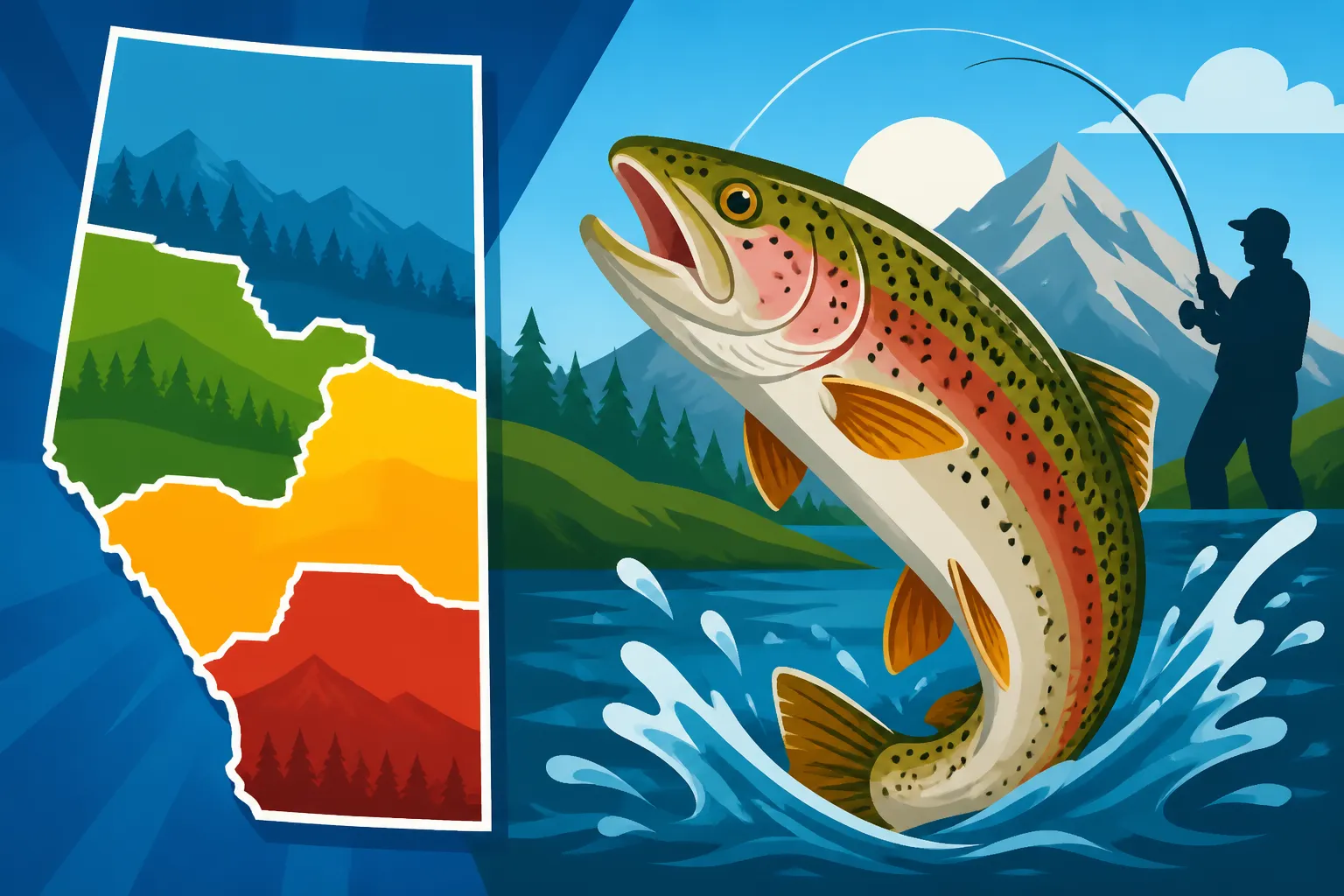
Navigating Alberta's trout season openers really boils down to understanding the specifics of each major fishing zone. Each region, whether it's the rugged Eastern Slopes, the productive Parkland, or the vast Northern Boreal, has its own unique character and, consequently, its own set of rules governing when you can chase trout. This segmented approach helps manage the diverse and often fragile trout populations across the province, so let's break down what you can expect in each.
Eastern Slopes Zones (ES1, ES2, ES3, ES4)
The Eastern Slopes zones are arguably the most renowned for trout fishing in Alberta. These include ES1 (Bow River Management Zone), ES2 (Oldman River Management Zone), ES3 (Highwood River Management Zone), and ES4 (Kananaskis River Management Zone), among others. This is where you'll find the majestic Rocky Mountains and the pristine, cold-water rivers that flow from them, hosting healthy populations of wild brown trout, rainbow trout, cutthroat trout, and the provincially threatened bull trout.
For many rivers in these zones, the general trout season opener typically falls on June 1st. This timing is critical. It allows the trout populations, particularly the wild browns and rainbows, to complete their spring spawning activities. For instance, the legendary Bow River Fishing Guide outlines sections where regulations are year-round catch-and-release, but many tributaries and upper sections of the river system will adhere to this June 1st start. This isn't just a suggestion; it's a hard rule designed to protect vulnerable fish during their reproductive cycle. Anglers hitting the Bow or the Crowsnest River in early spring will likely find it closed for retention, even if fishing is permitted on a catch-and-release basis.
However, it's not always a blanket June 1st rule. Some specific waterbodies within these zones might have different rules. For example, some high-elevation lakes in the Kananaskis region might have later openers due to prolonged ice cover. Conversely, certain heavily managed streams or designated catch-and-release zones might be open year-round with specific gear restrictions, like the mandatory use of single barbless hooks. The Crowsnest River Fishing Guide provides an excellent example of a river with complex, varied regulations depending on the section, often involving season dates and specific catch limits for different trout species, so always check the guide for your exact location. The bottom line here is that the Eastern Slopes offer world-class trout fishing, but they demand diligence from anglers to understand and follow the precise, often nuanced, regulations for each stretch of water.
Prairie and Parkland Zones (PP1, PP2, PP3)
Moving away from the mountains, the Prairie (PP1) and Parkland (PP2, PP3) zones offer a different kind of trout fishing experience, largely characterized by stocked ponds and lakes. These areas, typically south and east of the Eastern Slopes, don't have the same abundance of wild, self-sustaining trout populations due to warmer water temperatures and less natural trout habitat. Instead, they provide fantastic "put-and-take" fisheries, thanks to extensive stocking programs by Alberta Environment and Protected Areas.
For the vast majority of stocked trout ponds and lakes in the Prairie and Parkland zones, the trout season opener is often around May 1st. This earlier date coincides with the ice-off period for many of these smaller, shallower water bodies. Once the ice is safely gone, and the provincial fisheries staff have had a chance to stock them, these waters become prime locations for anglers, particularly those new to fishing or families looking for an accessible day out. You'll primarily be targeting rainbow trout, which are stocked in significant numbers across the province. A great resource to explore these opportunities is the List of Alberta stocked trout lakes, which details where and when these fish are planted.
While May 1st is common, some larger lakes in these zones might have slightly different schedules, especially if they support other species alongside stocked trout. It’s less about protecting wild spawning trout and more about maximizing angling opportunities when conditions are favorable for the stocked fish. These lakes often offer diverse fishing for species like pike and walleye too, and their combined regulations can sometimes influence the trout opener. Always assume a May 1st opener for stocked ponds in these zones, but verify with the official guide or app for the exact waterbody you plan to visit, as dates can shift slightly year to year or for specific projects.
Northern Zones (NB1, NB2, NB3, NB4)
Venturing further north into Alberta's vast boreal forest brings us to the Northern Boreal zones (NB1, NB2, NB3, NB4). This region is characterized by immense wilderness, huge lakes, and numerous rivers, and offers a distinctly different trout fishing experience compared to the south. While some smaller, stocked ponds exist here, the true gems are the natural populations of lake trout and Arctic grayling, along with bull trout in certain river systems.
Given the later spring and ice-off conditions in northern Alberta, trout season openers in these zones often reflect this colder climate. For many major lakes that hold robust populations of Lake Trout Fishing in Alberta, such as Cold Lake or Lake Athabasca, the season typically opens around June 1st. This later opener ensures that the lake trout, which are deep-water dwellers, have completed any potential spawning activities (though lake trout often spawn in the fall) and that the ice has fully melted, making boat access safe and practical. The window for open water fishing in these northern giants can be shorter, making those early summer days particularly precious.
For species like Arctic Grayling in Northern Alberta Rivers, which are often found in the pristine, clear rivers of the region, the season opener will also generally align with the June 1st date. These fish are highly sensitive to habitat disturbance, and a later opener protects them during their most vulnerable periods. Access to many of these northern waterways can also be challenging, sometimes requiring float planes or extensive bushwhacking, which naturally limits early season pressure. As with all zones, individual waterbodies may have specific closures or year-round catch-and-release rules, particularly for species of concern like bull trout, even if the general zone is open. Always consult the official regulations for your specific lake or river in the northern zones to confirm dates and limits.
Here’s a simplified table outlining general trout season openers by common zone types. Remember, this is a general guide and specific waterbodies will have their own rules which always take precedence.
| Zone Type | Primary Trout Species Targeted | Common Opener Date | Key Considerations |
|---|---|---|---|
| Eastern Slopes (ES) | Rainbow, Brown, Cutthroat, Bull Trout | June 1st | Often year-round C&R on main rivers; spawning protection. |
| Prairie/Parkland (PP) | Stocked Rainbow Trout | May 1st | Heavily reliant on stocking; good family fishing. |
| Northern Boreal (NB) | Lake Trout, Arctic Grayling, Bull Trout (in specific rivers) | June 1st | Later ice-off; protection for native species. |
| Special Regulations | Varies by waterbody | Varies | Always check specific waterbody rules in the guide. |
Navigating Special Regulations and Closures
Understanding the general trout season openers by zone is a fantastic starting point, but Alberta's fisheries management is incredibly dynamic and detailed. To truly be a responsible and effective angler, you need to dive into the nuances of "special regulations" and, occasionally, outright closures. These aren't designed to make your life harder; they're vital tools used by fisheries biologists to protect vulnerable fish populations, rehabilitate struggling species, or enhance particular angling experiences. Ignoring them could mean an empty creel, a hefty fine, or worse, inadvertently harming the very fish you love to pursue.
Waters with Unique Opening Rules or Year-Round Seasons
Some of Alberta's most famous and productive trout waters fall under what are known as "special regulations." These are specific rules that apply to an individual lake, river, or even a section of a river, overriding the general zone regulations. Often, these special rules pertain directly to season dates.
For instance, the lower sections of the Bow River, particularly around Calgary, are renowned for their incredible wild brown and rainbow trout populations. Many stretches of this river are designated as Alberta Catch and Release Only Waters and are open for trout fishing year-round. This allows anglers to pursue trophy trout even in the depths of winter, but with the strict mandate that all trout must be immediately released unharmed. This differs drastically from a standard June 1st opener where retention might be permitted. Similarly, some smaller, highly productive mountain streams or lakes might have specific "fly-fishing-only" designations or later openers to protect very sensitive species like westslope cutthroat trout during their spawning runs. You might also find waters where fishing is permitted only during daylight hours or where specific bait restrictions apply.
Another example can be found in small, remote alpine lakes. While the general zone might open in June, a particular lake at 2,000 meters elevation might have an opener pushed back to July 1st or even later to account for delayed ice-out. Conversely, some small, heavily stocked ponds near urban centers might have a continuous open season for trout once the initial spring stocking and opener has occurred, providing extended opportunities for families and beginners. These Special Regulation Waters in Alberta are often highlighted in bold or with specific codes in the regulations guide, making them easier to spot, but it requires careful attention to detail. Always look beyond the general zone rules for the specific waterbody you plan to fish.
Checking the Latest Regulations Guide
This point cannot be stressed enough: the single most important tool in your arsenal as an Alberta angler is the current year's Alberta Guide to Sportfishing Regulations. Every single piece of information you need, from general zone openers to hyper-specific rules for a tiny pond, is contained within its pages. The guide is usually released annually, typically in late March or early April, and it is absolutely imperative that you consult the most current version, as regulations can and do change from year to year.
You can find the guide in a few ways:
- Online: The full PDF version is available for free download on the MyWildAlberta website. This is often the most convenient way to access it, and you can easily search for specific waterbodies or regulations.
- Printed Copies: Many sporting goods stores, fish and tackle shops, and Alberta Provincial Parks offices will have free printed copies available. This is great for those who prefer a physical book for reference.
- The MyWildAlberta App: As mentioned before, the official Alberta Fishing Regulations App and Zone Lookup, Explained is a phenomenal resource. It’s essentially a digital, interactive version of the guide in your pocket. You can use its map feature to tap on any waterbody and instantly see its current regulations, including season dates, limits, and special conditions. This eliminates guesswork and ensures you're always operating with the most up-to-date information.
Before every fishing trip, especially if you're venturing to a new spot or haven't fished a particular waterbody in a while, take a few minutes to confirm the regulations. It only takes a moment, and it can save you from a ruined trip, a significant fine, or inadvertently damaging a fishery that you care deeply about.
Preparing for Trout Opener Success
The excitement leading up to trout opener is palpable for many anglers across Alberta. That first cast of the season feels different, full of hope and the promise of bent rods. But a successful opener isn't just about showing up; it's about preparation. Just like a chef preps their kitchen before a busy service, an angler needs to ensure all their ducks (or in this case, trout) are in a row. From making sure your paperwork is in order to having the right gear, a little foresight goes a long way in turning anticipation into triumph.
Essential Gear Checks and Licenses
Before you even think about what lure to tie on, make sure your administrative house is in order. The absolute first thing you need is a valid Alberta fishing license. Without it, you’re not just breaking the rules, you’re potentially facing significant penalties. The process for getting your Alberta Fishing License Guide for 2026 is straightforward, and it typically requires an active Wildlife Identification Number (WIN card). If you don't have a WIN card, or if yours has expired, you'll need to sort that out first. The Alberta WIN Card, Explained article can walk you through that. You can easily purchase or renew both your WIN card and fishing license How to Buy an Alberta Fishing License Online through the MyWildAlberta portal, which is incredibly convenient. Don't leave this to the last minute on opening day, as internet outages or portal issues can occur.
Once the paperwork is done, turn your attention to your gear. Winter can be tough on equipment, so give everything a thorough once-over:
- Rods and Reels: Check your rods for any cracks or damaged guides. Ensure your reels are clean, lubricated, and functioning smoothly. Now is the time to replace old line – monofilament and fluorocarbon can develop memory and weaken over time, and braided lines can fray.
- Tackle Box: Organize your tackle. Are your hooks sharp? Do you have a good selection of trout-specific lures like spinners, spoons, and soft plastics? If you're fly fishing, are your fly boxes stocked with the right patterns for the season and water conditions? Consider browsing retailers like Amazon for new fly patterns or a fresh stock of Panther Martin spinners for trout.
- Waders and Boots: Inspect waders for leaks and boots for worn soles or broken laces. There's nothing worse than getting a cold, wet surprise on your first day out.
- Safety Gear: If you're using a boat or even a kayak, ensure all required safety gear is aboard and in good working order. This includes life jackets, a bailing device, and signaling devices.
- Essentials: Pack a small first-aid kit, insect repellent, sunscreen, a hat, and plenty of water. Conditions can change rapidly, especially in the mountains. A good quality landing net, especially one with rubberized mesh for catch and release, is also crucial for protecting fish.
Best Practices for Opening Day
Opening day, especially for popular trout waters, can often mean crowds. Being prepared for this helps ensure a more enjoyable and successful experience. Firstly, arrive early. Not only does this give you a better chance at prime spots, but it also allows you to observe the water, look for rising fish, and plan your approach without feeling rushed. Respect other anglers' space; a little courtesy goes a long way on crowded waters.
Weather can be a huge factor, particularly in late spring and early summer. Trout are sensitive to temperature changes, and spring runoff can mean high, murky water. Check the weather forecast, but also monitor river flows and lake levels. Often, early season trout might be holding in slower currents, eddies, or deeper pockets to escape fast water or find stable temperatures. Adjust your tactics accordingly; heavier presentations might be needed in high flows, and brighter lure colors might be more visible in stained water.
For ethical angling, particularly when dealing with vulnerable trout species, always practice responsible catch-and-release, especially if regulations demand it. Handle fish gently with wet hands, minimize their time out of the water, and use barbless hooks to reduce injury. Having a pair of forceps or needle-nose pliers handy can make hook removal quicker and less stressful for the fish. For many passionate anglers, opening day isn't just about catching fish; it's about reconnecting with nature, the thrill of the chase, and fostering a deep respect for Alberta's aquatic environments. By being prepared and thoughtful, you ensure a memorable and sustainable start to your trout season.
Disclaimer
The information provided in this guide is for general informational purposes only and is not a substitute for the official Alberta Guide to Sportfishing Regulations. Regulations are subject to change and vary significantly by zone, waterbody, and species. Always consult the most current official guide published by the Government of Alberta (available on MyWildAlberta or through their app) before planning any fishing trip to ensure compliance with all rules and regulations. Fishing without a valid license or in violation of regulations may result in fines and penalties.