How to fish right after Alberta’s trout opener
You've been waiting all winter, meticulously planning for the big day, and finally, Alberta's trout opener is here! There's an undeniable thrill in being out on the water again, but let's be honest, fishing right after the opener can sometimes be a head-scratcher. One day the fish are biting everything in sight, and the next, they've completely clammed up, leaving you wondering if you missed the memo. It's a common frustration, but with a bit of insight into trout behavior and smart adjustments to your tactics, you can consistently find success even after the initial frenzy subsides. This guide is all about helping you understand how trout react in those crucial days and weeks following the opener and what you can do to put more fish on the line.
Understanding Post-Opener Trout Behavior
The period immediately following the trout opener in Alberta is a dynamic time for fish, especially in lakes and rivers that see heavy angling pressure or fresh stockings. Their behavior can change rapidly, and recognizing these shifts is key to consistent success.
The Initial Feeding Frenzy: A Short Window of Opportunity
When a lake or pond gets freshly stocked with rainbow trout or brook trout, there's often a short window where the fish are incredibly aggressive. These hatchery-raised fish are used to being fed and can be disoriented by their new environment, making them less wary than their wild counterparts. They'll often hit almost anything that moves or looks remotely like food. Think of it as a supermarket sweep for trout – they're just grabbing whatever they can. This is the time when brightly colored PowerBait, shiny spoons, and fast-moving spinners can be exceptionally effective. Anglers often experience rapid-fire action, sometimes catching multiple fish in quick succession. It's a blast, but don't expect it to last forever.
However, it's a different story for wild trout in rivers like the Bow or Crowsnest. While the opener marks the official start of their season for anglers, these fish have been in their natural environment all along. They haven't been "stocked" and aren't disoriented. Their feeding patterns will be more closely tied to natural insect hatches, water temperatures, and the availability of forage. They might be a bit more active as water temperatures rise, but they won't typically exhibit the same "frenzy" as newly planted hatchery fish. Understanding this distinction between wild and stocked waters is crucial for selecting the right approach. For detailed information on specific opening dates, you can check out the guide on Alberta Trout Season Opener Dates by Zone.
Post-Stocking Adaptation and Wary Wild Fish
After that initial burst of activity, usually within a few days to a week, stocked trout start to adapt. They become more accustomed to their surroundings, begin to seek out natural food sources, and, unfortunately for us, become much warier of hooks and lines. They learn quickly! This is when you can't just toss out a bright jig and expect instant results. They'll also spread out more from the initial stocking locations, moving into deeper water, finding cover, and becoming more selective about what they eat.
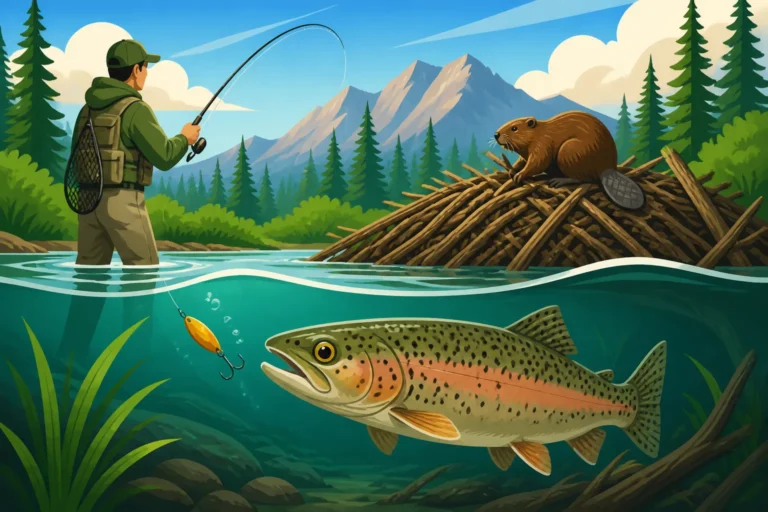
For wild trout, the post-opener period sees them settling into more consistent seasonal patterns. As spring progresses, different insect hatches will become more prevalent, and trout will key in on those. They'll move to areas offering both food and protection, often holding in deeper runs, behind structure like large rocks or submerged logs, or along undercut banks. They've seen anglers before, they're smart, and they demand a more refined approach. You might even find them spooking easily if your presentation isn't subtle. This is where patience and observation really start to pay off.
Tackle and Techniques for Early Season Success
Adapting your gear and approach is paramount when fishing immediately after Alberta's trout opener. What worked on day one might not cut it a week later.
Lure Selection for Adaptive Trout
When those trout start to wise up, it's time to refine your lure selection. Initially, bright colors might have worked wonders, but as the fish adapt, more natural, subdued colors often become more effective. Think about what natural prey looks like in the water: minnows, leeches, or aquatic insects.
- Spinners: Small inline spinners are still incredibly effective, but you might want to switch from neon green to more natural silver, gold, or black blades. Brands like Mepps and Panther Martin are perennial favorites. The key is a slower retrieve; cold water means slower metabolism for trout, so they're less likely to chase down a zipping lure. A slow, steady retrieve that allows the blade to just barely spin can be deadly. You can find a fantastic selection of these on Amazon.
- Spoons: Similar to spinners, small casting spoons (like a Little Cleo or a Kastmaster) in silver, gold, or even subtle patterns can mimic baitfish. A lift-and-drop retrieve, allowing the spoon to flutter enticingly on the fall, often triggers strikes from trout that are less willing to chase.
- Soft Plastics: Small soft plastic baits, especially those scented, can be highly effective. PowerBait dough, PowerWorms, or Gulp! Minnows in natural colors (white, clear, brown, chartreuse) can be irresistible. Rig them on a small jig head or under a float for a slow, natural presentation. These are particularly good for stocked pond trout.
Versatile Bait Choices and Presentations
Bait fishing remains a reliable method, especially in stocked waters or for less pressured wild trout. The trick is presentation.
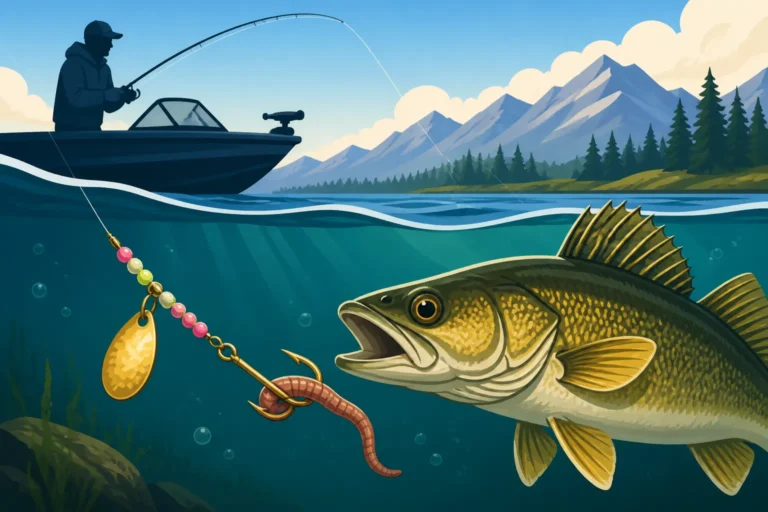
- Worms and Live Bait: A simple nightcrawler or a piece of worm can be incredibly effective. Thread it on a small, sharp hook (size 8 or 10 is often ideal for trout) and fish it under a bobber or on the bottom with a minimal weight. The natural movement and scent of live bait are hard to beat. Just ensure you're using legal bait for your specific fishing zone, as some Alberta rivers have bait bans.
- Scented Baits: PowerBait, especially the floating varieties, is a staple for stocked trout. Pinch off a pea-sized amount, mold it around your hook, and cast it out with a small sinker, allowing the bait to float off the bottom. The scent trail attracts trout, and the floating presentation keeps it visible above submerged vegetation. For different options and how to rig them, you might want to check out Best Baits for Opening Day Trout in Alberta.
- Salmon Eggs: Real or artificial salmon eggs can also be potent, especially in clear, cold water. Use a single egg on a small hook, again, often fished under a float or drifted naturally in a river.
Remember, presentation is everything. Use light line (4-6 lb test fluorocarbon or monofilament) and small hooks to avoid spooking wary fish.
Fly Fishing Approaches for Post-Opener Trout
For the fly angler, the post-opener period in Alberta's rivers transitions from purely subsurface nymphing to potentially some dry fly action as hatches begin.
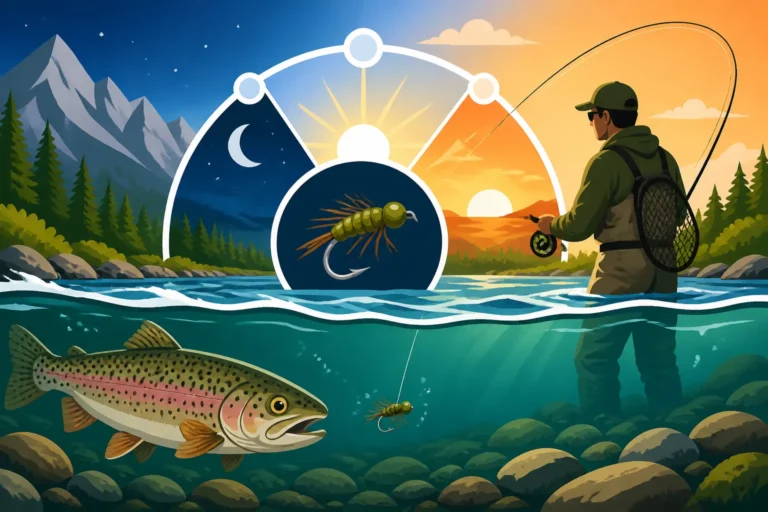
- Nymphing: This is often the most productive method, especially when water temperatures are still on the cooler side and surface hatches are inconsistent. Imitate emerging insects like stoneflies (e.g., Kaufmann's Stone, Prince Nymph), caddis larvae (e.g., Caddis Larva, Green Rock Worm), and mayfly nymphs (e.g., Pheasant Tail, Hare's Ear). A two-nymph rig with appropriate weight and a strike indicator is a go-to setup. Ensure a dead-drift presentation, matching the speed of the current. You can learn more about this in guides like Fly Fishing for Trout on the Bow River.
- Streamers: For aggressive, larger trout or when water is a bit off-color, stripping streamers can be highly effective. Patterns like a Wooly Bugger, Sculpzilla, or Clouser Minnow, in black, olive, or white, can imitate baitfish or leeches. Fish them with a slow, erratic retrieve, targeting deeper pools and undercut banks.
- Emergers and Dries: As temperatures rise and insect activity increases, look for signs of hatching insects and rising fish. Carry a variety of emerger patterns (e.g., CDC Caddis Emerger, Sparkle Dun) and dry flies (e.g., Parachute Adams, Elk Hair Caddis, Blue-winged Olive) to match the prevalent hatch. This is typically later in the spring, but sometimes after a warm spell, you'll see early hatches.
Reading the Water and Finding Productive Spots
The ability to "read the water" – understanding where trout are likely to hold and feed – is a skill that dramatically increases your chances of success, especially when the easy bites disappear.
Identifying Holding Areas in Rivers
In rivers, trout are always looking for three things: food, cover, and a break from the current. Early season fish are no different, though they might be less inclined to chase food aggressively in colder water.
- Slow Seams and Eddies: These are prime locations. Trout will sit in the slower water adjacent to faster currents, waiting for food to drift by with minimal effort. Look for the distinct line where fast and slow water meet; that's often where the fish are positioned.
- Deeper Pools and Runs: Trout often retreat to deeper water for safety and more stable temperatures. Cast your lures or flies through these areas, paying attention to the bottom contour.
- Structure: Submerged logs, large boulders, undercut banks, and even overhanging vegetation provide excellent cover from predators and strong currents. Fish will often hold tight to these features.
- Confluences: Where two streams or rivers meet, the converging currents can create feeding lanes and scour out deeper holes, making them hotspots. This is also where warmer tributary water might flow in, attracting baitfish and insects. Exploring the Best Fishing Rivers in Alberta can give you ideas on where to apply these principles.
Locating Trout in Stocked Ponds and Lakes
For stillwaters, especially smaller stocked ponds, trout behavior can be a bit different.
- Near Stocking Points: Immediately after stocking, fish might still be somewhat concentrated near where they were released. However, as they disperse, this becomes less reliable.
- Deeper Water: Like in rivers, trout in lakes often retreat to deeper, cooler water as they adapt and as surface temperatures fluctuate. Look for drop-offs, submerged humps, or the deepest sections of the pond. A good fish finder, if you're boating, can be invaluable here. Even from shore, observant anglers can often find clues by studying the bank contours.
- Structure: Submerged timber, rock piles, or even healthy weed lines can hold fish by providing cover and ambush points for feeding.
- Inflow/Outflow Areas: Any area where fresh water flows into or out of a lake can concentrate food and provide oxygenated water, attracting trout.
Don't be afraid to move around. If a spot isn't producing after a reasonable amount of time, switch it up. Patience is important, but stubbornness can keep you fishless.
Adapting to Conditions and Ethical Practices
Even the most well-laid plans can be thrown off by Mother Nature. Being prepared for changing conditions and always practicing ethical angling ensures good fishing for everyone.
Dealing with Changing Weather and Water Levels
Alberta weather can be notoriously unpredictable, especially in spring. A sunny, warm day can quickly turn into a cold, wet one, and these shifts impact fish behavior.
- High, Muddy Water: After heavy rains or snowmelt, rivers can become high and murky. In these conditions, trout often move closer to the banks to escape the main current. They also rely more on scent and vibration, so using larger, more brightly colored lures or scented baits can be effective. Streamers and dark-colored nymphs are good fly choices. Think about anything that creates a strong silhouette and moves a lot of water.
- Low, Clear Water: Conversely, extended dry spells can lead to low, crystal-clear water. This makes trout incredibly wary. You'll need to scale down your tackle: lighter lines, smaller lures, and more natural presentations. Approach the water stealthily to avoid spooking fish. Long casts are often necessary, and precise, delicate presentations are key.
- Cold Fronts: A sudden drop in temperature can make trout lethargic. They'll often move to deeper water and become less willing to chase. Slow down your retrieve, focus on bottom presentations, and use baits that sit in the strike zone longer.
Always check local weather forecasts and consider the impact on the water conditions before heading out.
Conservation and Adhering to Regulations
As responsible anglers, it's our duty to protect Alberta's fisheries. The early season is no exception, especially when fish are still vulnerable.
- Know the Regulations: Alberta has complex and specific regulations, including varying seasons, bag limits, and special restrictions for different zones and even individual water bodies. Always consult the current Alberta Guide to Sportfishing Regulations before you go. Ignorance is no excuse, and penalties for violations can be steep. You also need a valid license, of course, and understanding Alberta Fishing License Age Requirements is a good starting point.
- Practice Catch and Release: For species like bull trout (which have a Alberta Bull Trout Zero Possession Rule) and even wild rainbow or brown trout, practicing proper catch and release is vital. Minimize handling time, keep the fish in the water as much as possible, use wet hands to hold them, and revive them gently before release. Barbless hooks are mandatory on many waters and strongly recommended everywhere else to reduce fish mortality.
- Respect the Environment: Pack out everything you pack in, and leave no trace. Be mindful of spawning areas (though early season might be post-spawn for some species) and other wildlife.
Essential Gear for Post-Opener Angling
Having the right gear makes a huge difference in comfort and success.
- Layered Clothing: Spring weather in Alberta is unpredictable. Dress in layers that you can add or remove as temperatures fluctuate. Waterproof outer layers are a must.
- Waders: If you're planning on wading rivers, a good pair of waders and wading boots is essential for staying warm and dry. Look for breathable waders, which you can find good deals on through Amazon, and sturdy boots with good grip. For more on this, check out Best Waders for Alberta Trout Rivers.
- Polarized Sunglasses: These are not just for looking cool! They cut glare, allowing you to see into the water, spot structure, and even see fish holding, which is a huge advantage in clear water.
- Landing Net: A good quality, rubberized landing net is crucial for quickly and safely landing fish, especially if you plan on releasing them. The rubber mesh protects the fish's slime coat and fins. You can find excellent options online; a quick search on Amazon for a "rubber landing net" will show you many. For advice on net selection, refer to Best Landing Net for Trout.
- Tackle Box/Bag: Keep your tackle organized and easily accessible. A well-stocked bag with a variety of lures, baits, extra line, leader, and tools like pliers and clippers will prevent frustration on the water. Consider reviewing the tips in Best Tackle Box Setup for Alberta Anglers.
- Rod and Reel: A versatile medium-light spinning rod and reel combo (6-7 feet long) is suitable for most trout fishing scenarios. Pair it with good quality monofilament or fluorocarbon line. For fly anglers, a 5 or 6-weight fly rod is a great all-around choice for Alberta's trout waters. For specific recommendations, check out Best Fishing Rods for Alberta Rivers.
Fishing right after Alberta's trout opener requires a blend of enthusiasm and adaptability. By understanding how trout behave, refining your techniques, reading the water, and always practicing responsible angling, you'll ensure that your post-opener trips are not just successful, but truly enjoyable and memorable.
Disclaimer
The information provided in this guide is for general informational purposes only and is not intended as legal advice. Fishing regulations in Alberta are subject to change, and it is the responsibility of each angler to consult the current Alberta Guide to Sportfishing Regulations prior to fishing. Always adhere to local regulations and practice safe fishing techniques.