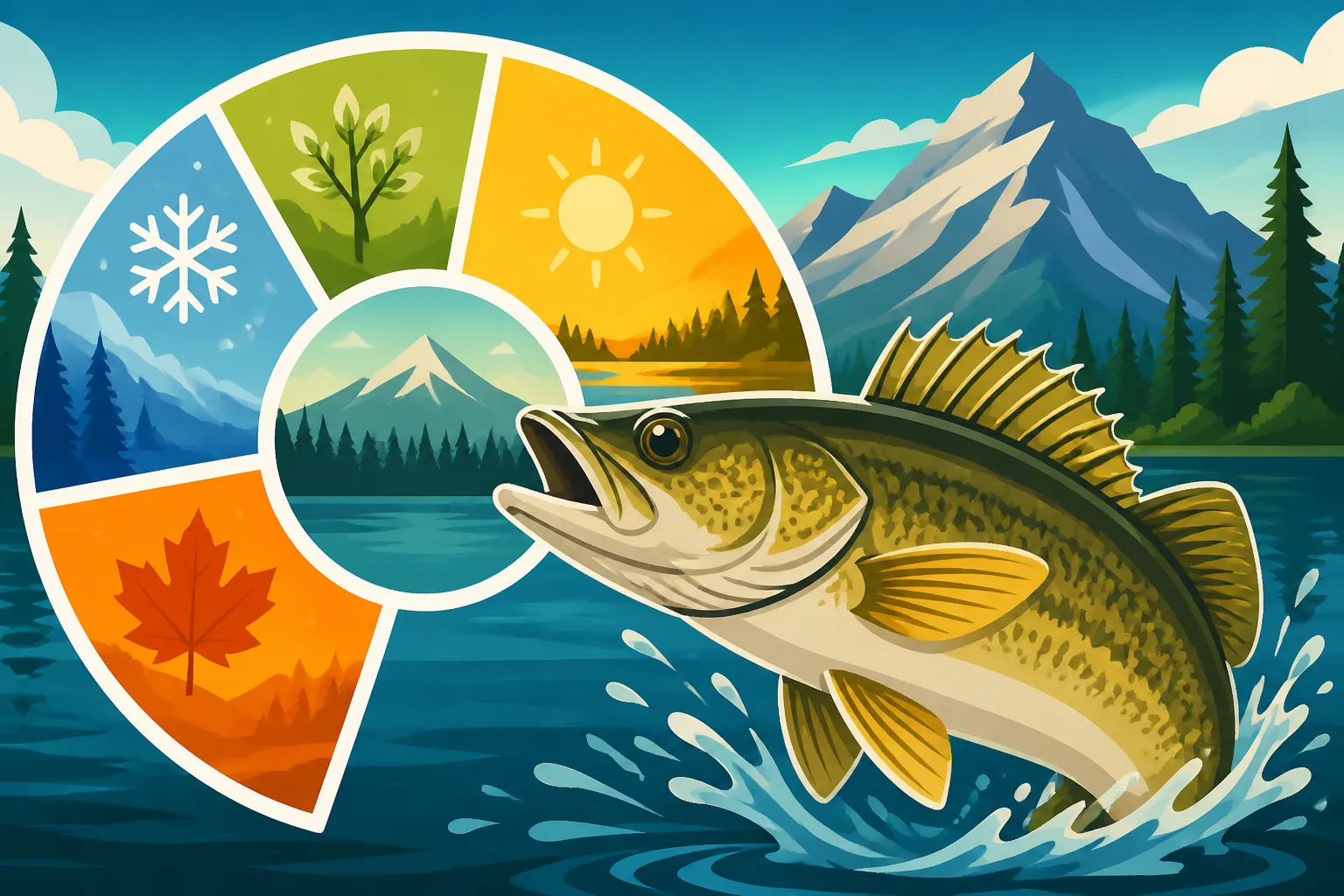
Best months to catch walleye in Alberta
Figuring out the absolute best months to catch walleye in Alberta can feel like trying to solve a puzzle, especially with our province's ever-changing weather and diverse fishing zones. Many anglers get frustrated by inconsistent results, wondering if they're simply fishing at the wrong time of year. This comprehensive guide is designed to cut through that confusion, breaking down the walleye fishing calendar month by month, and sharing insights into their seasonal behaviors so you can maximize your chances of success.
Understanding the Walleye Lifecycle and Seasonal Movements
Walleye in Alberta are fascinating creatures, and their behavior, particularly their feeding habits and locations, is heavily dictated by their life cycle and the changing seasons. Knowing these patterns is your first step to consistent success. They're not just randomly swimming around; they have specific needs for spawning, feeding, and seeking comfortable water temperatures, all of which influence when and where you'll find them.
Pre-Spawn and Early Spring Bite: April to Early May
As the ice finally recedes from Alberta's lakes, usually by late April or early May depending on the year and specific lake, walleye begin to shake off their winter lethargy. This "ice-off" period marks the beginning of the pre-spawn staging, where these fish start to congregate in preparation for reproduction.
During this time, walleye are hungry and looking to bulk up after a long winter under the ice. You'll often find them moving towards shallower areas near river mouths, creek inlets, or rocky points that offer warmer water and potential spawning grounds. The water temperature might only be a few degrees above freezing, perhaps 4-8°C (39-46°F), but it's enough to get them active. Lures that mimic baitfish, or even slow-moving jigs tipped with live bait like minnows or leeches, can be incredibly effective. Remember that walleye often aren't super aggressive just yet, so a slower presentation is key.
This early spring window can be short but incredibly productive, offering some of the biggest walleye of the year as they are full of roe. However, anglers must pay extremely close attention to local regulations, as many walleye waters have specific closed seasons or restrictions to protect spawning fish. Always consult the official Alberta Guide to Sportfishing Regulations for the specific body of water you intend to fish to avoid any disappointment or fines.
The Spawn Period: Mid-May to Early June
The actual walleye spawn typically occurs in mid-May to early June, depending on water temperatures, which usually need to reach around 7-10°C (45-50°F). During this time, walleye migrate to specific areas, often rocky shoals, gravel beds, or submerged vegetation in shallow water, where females deposit their eggs and males fertilize them.
Fishing during the spawn can be a bit of a mixed bag, and in many areas, it's explicitly prohibited or strongly discouraged to protect the population. Walleye are highly focused on reproduction, and while they might strike at a lure out of territorial aggression, their primary motivation isn't feeding. Furthermore, disturbing spawning fish can negatively impact future generations, making it an ethical consideration for many anglers. If you do find yourself on waters where fishing is permitted during this window, focus on the areas just outside the main spawning grounds, where some pre- or post-spawn fish might still be lingering.
It's crucial to understand that even if a lake or river isn't fully closed for walleye during this period, there might be specific regulations or recommendations. For instance, some zones might have a zero-possession limit, or restrictions on certain gear. Checking the "Alberta Fishing Regulations Explained" is non-negotiable before heading out. Respecting these rules helps ensure healthy walleye populations for years to come.
Post-Spawn Recovery and Transition: Mid-June
After the exhausting process of spawning, walleye enter a recovery phase. The males typically remain on the spawning grounds for a while longer, guarding the eggs, while the females often retreat to slightly deeper water to recuperate. Both sexes are generally lethargic and less interested in feeding immediately after the spawn.
As water temperatures continue to rise in June, walleye begin to transition from their spawning areas to summer feeding grounds. This can be a tricky time to pinpoint them, as they are often spread out and not yet in predictable patterns. They might be found near the edges of spawning flats, moving towards deeper weed lines, or congregating around submerged timber. Light presentations and patient fishing are often required, as their metabolism is still somewhat slow.
This transitional period can be frustrating for anglers seeking consistent action. However, it's a great time for exploration, using your sonar to locate changes in depth, structure, or submerged cover where these recovering fish might be resting. Keep your baits smaller and your retrieves slower, as they're not yet in full summer feeding mode.
Peak Walleye Action: Summer and Early Fall
If you're looking for consistent bites and active fish, the warmer months from July through October generally offer the best opportunities for walleye fishing in Alberta. This is when their metabolism is high, and they're actively feeding to build up reserves.
Summer Aggression: The Warm Water Window (July – August)
When Alberta lakes fully warm up in July and August, walleye become much more aggressive. However, they also tend to move deeper, seeking cooler, more oxygenated water. You'll often find them congregated around main lake points, humps, reefs, and structural elements where they can ambush baitfish. Weed lines, particularly those with access to deeper water, are also prime locations. Lakes like Lesser Slave Lake and Pigeon Lake are renowned for their summer walleye fishing.
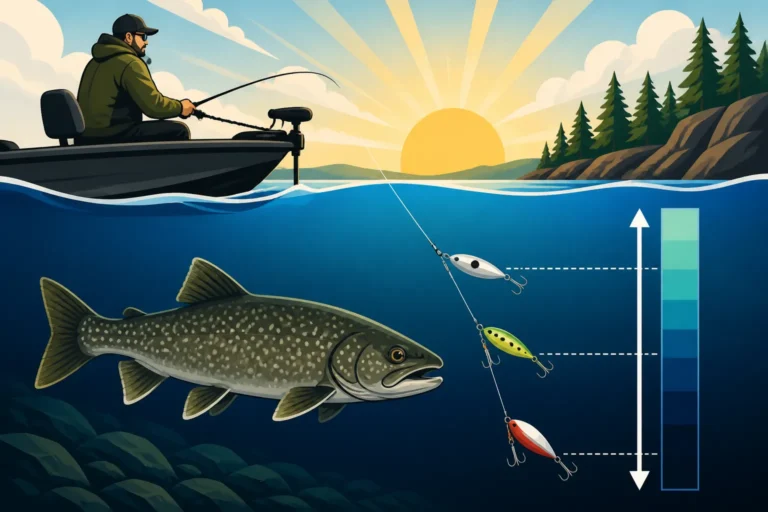
Trolling is an incredibly popular and effective technique during the summer months. Using crankbaits that dive to different depths allows you to cover vast amounts of water and locate active schools. Bottom bouncing with a crawler harness is another classic summer tactic, particularly when walleye are hugging the bottom structure. For those who love the thrill of the chase, jigging spoons or swimbaits over deeper humps can also produce fierce strikes. If you're out late, you might even consider trying some techniques for Night Fishing for Walleye in Alberta, as they often move shallower under the cover of darkness. Many anglers find specific deep-diving crankbaits or planer boards for trolling on Amazon to help them target these deeper walleye effectively.
The key to summer walleye is often patience and a good fish finder. Learning how to fish deep structure for summer walleye effectively by identifying drop-offs, underwater islands, and thermoclines will significantly increase your success rate. The Best Time to Fish Lesser Slave Lake in Summer often means targeting these deeper structures early in the morning, late in the evening, or even at night.
Early Fall Feast: Preparing for Winter (September – Mid-October)
As the days shorten and water temperatures begin to cool in September and early October, walleye enter a crucial feeding frenzy. They instinctively know winter is coming and need to pack on as much weight as possible. This period can offer some of the most exciting and productive walleye fishing of the entire year, often with larger, fatter fish.
Walleye often move shallower during early fall, particularly during overcast days or low light conditions, as baitfish move into bays and flats. They become very aggressive, striking at a wide range of lures. Crankbaits, especially those with rattles or in natural baitfish patterns, become highly effective. Jigs tipped with minnows or plastics are also excellent choices for vertical presentations over deeper flats or breaks. This is when the fish really start to school up, so when you find one, there are often many more nearby.
Many anglers consider this the prime time for trophy walleye, as the fish are at their heaviest and most active. Knowing the Best techniques for fall crankbait fishing can really pay off. Investing in quality cold-weather gear, such as warm insulated gloves or a waterproof fishing jacket, available on Amazon, will allow you to comfortably enjoy these prime fall days on the water.
Late Fall and Winter Walleye Strategies
Just because the leaves have fallen and the temperatures plummet doesn't mean walleye fishing is over. Alberta offers fantastic opportunities for walleye in late fall and throughout the hardwater season.
Late Fall Deep Water Hunt (Late October – November, Pre-Ice)
Before the ice truly sets in, usually from late October through November, walleye continue their deep-water schooling patterns. The water temperatures drop significantly, pushing baitfish into deeper, more stable environments, and the walleye follow. This period requires anglers to be vigilant about weather changes and quickly changing conditions, but the rewards can be substantial.
During late fall, walleye often hold tight to significant structural features in the main lake basins. Think deep ledges, submerged humps, and steep drop-offs from 20 to 40 feet or more. Vertical jigging becomes the most effective presentation, as walleye are less likely to chase a fast-moving lure. Heavy jigs, blade baits, or even jigging spoons worked slowly just off the bottom are excellent choices. Your fish finder is your most critical piece of equipment during this time, helping you locate both structure and the schools of fish. Learning Best sonar settings for finding structure on Cold Lake can be adapted for any walleye lake, helping you pinpoint these deep-water haunts.
This can be a challenging period, often marked by cold winds and unpredictable conditions. However, for those willing to brave the elements, the pre-ice bite can yield some truly impressive catches, as walleye are still feeding heavily, albeit more slowly. Dress in layers and be prepared for rapidly changing weather.
Ice Fishing for Walleye (December – March)
Once the ice forms and is safe enough for access, usually from December to March, a whole new world of walleye fishing opens up in Alberta. Ice fishing for walleye is a winter tradition for many, and it can be incredibly productive, especially on large lakes known for their walleye populations.
Walleye under the ice often hold in specific areas, moving between deeper basins and shallower feeding flats, particularly during low light hours. Early morning and late afternoon are generally the most productive times, but overnight stays in a warm ice shack can also yield results. Jigging spoons, flashy spoons tipped with a minnow head, or small lipless crankbaits are go-to lures. Deadsticking a minnow under a bobber in a nearby hole is also very effective, especially for wary walleye. Lakes like Gull Lake, Pigeon Lake, and Lesser Slave Lake are popular choices for Ice Fishing in Alberta.
Safety on the ice is paramount, so always check ice thickness and conditions before venturing out. Equipping yourself with the right gear, from a reliable ice auger to a comfortable ice hut, will make your experience much more enjoyable. Many ice fishing essentials, including portable heaters and specialized electronics, are readily available on Amazon. For specific locations, check out guides on the Best Ice Fishing Lakes in Alberta to find your next winter adventure. The best techniques for winter walleye often involve a combination of active jigging and passive bait presentations.
Essential Factors Beyond the Calendar
While knowing the general seasonal patterns is key, several other crucial factors heavily influence walleye behavior and your success on any given day, regardless of the month.
Weather, Water Temperature, and Clarity
Walleye are incredibly sensitive to changes in their environment. Weather fronts, water temperature fluctuations, and water clarity can make a huge difference in whether the fish are biting or not.
- Cold Fronts: A sudden drop in air temperature or a sharp increase in barometric pressure can shut walleye down. They often become lethargic and move to deeper, more stable water. Understanding How barometric pressure affects Alberta walleye fishing can help you predict these challenging periods and adjust your tactics accordingly, perhaps by slowing down your presentation dramatically.
- Water Temperature: This is arguably the most critical factor. Walleye have preferred temperature ranges for feeding, spawning, and resting. The Best water temperature for walleye fishing is typically between 18-24°C (65-75°F) for peak activity, though they can be caught in much colder water. Knowing the optimal temperature for your target lake can help you locate them.
- Water Clarity: Walleye are often called "low-light feeders" for a reason. They have excellent eyesight in dim conditions, thanks to a reflective layer in their eyes. They tend to be more active and less wary in stained or turbid water, or during low light periods like dawn, dusk, and overcast days. In very clear water, they might feed deeper or only at night.
Alberta Regulations and Zone-Specific Rules
No matter how well you understand walleye behavior or the best times to fish, it's absolutely critical to be intimately familiar with Alberta's fishing regulations. These rules are put in place to manage fish populations and ensure sustainable fishing for everyone.
Alberta's regulations are highly specific, not just by species, but also by body of water and even by specific dates. Walleye, being a popular and sometimes vulnerable species, often have complex regulations. You'll encounter:
- Closed Seasons: Many lakes and rivers have specific periods where walleye fishing is entirely prohibited, especially during spawning.
- Slot Limits: These require you to release fish within a certain size range while allowing you to keep fish above or below that range. This protects breeding-size fish. Understanding the Alberta Walleye Limit by Zone is fundamental.
- Bag Limits: The number of fish you can legally keep per day.
- Special Harvest Licenses: Some waters participate in the Alberta Walleye Special Harvest Licence Program, which allows a limited, controlled harvest of walleye through a draw system, aimed at managing specific lake populations.
It's your responsibility as an angler to check the most current regulations before every fishing trip. The official Alberta Guide to Sportfishing Regulations is updated annually and is available online through the MyWildAlberta portal. While a physical copy is helpful, carrying a digital version on your phone, perhaps protected in a waterproof case purchased from Amazon, ensures you always have the most up-to-date rules at your fingertips. Failing to comply with regulations can result in significant fines and loss of fishing privileges. Always double-check!
Monthly Walleye Fishing Overview for Alberta
To give you a clearer picture, here's a general overview of walleye fishing conditions and tactics across the year in Alberta. Remember, these are general guidelines, and local conditions and regulations always supersede.
| Month | Walleye Behavior & Location | General Tactics & Best Bites | Key Considerations |
|---|---|---|---|
| April | Pre-spawn staging, moving shallow near river mouths/inlets. Still lethargic from winter. | Slow-moving jigs, live minnows, small crankbaits. | Ice-off varies. Check specific lake/zone regulations for closed seasons! |
| May | Spawning (mid-May to early June), post-spawn recovery. Fish are concentrated but often inactive. | Very slow presentations, targeting edges of spawning areas. | Peak spawning period. Many waters are closed or have strict catch & release. |
| June | Post-spawn recovery, spreading out, transitioning to summer patterns. | Small baits, finesse jigs, trolling slower crankbaits. | Often a tougher month; fish are recuperating. |
| July | Summer aggression! Deeper structure, main lake points, humps, weed lines. | Trolling crankbaits, bottom bouncing, jigging spoons, night fishing. | Excellent bite. Focus on early morning/late evening, deeper water during day. |
| August | Continued summer aggression, similar to July. Can be sensitive to heat waves. | Trolling, jigging, exploring main lake basin structure. | Good bite. Consider Night Fishing for Walleye in Alberta during hot spells. |
| September | Early Fall Feast! Aggressive feeding, moving shallower, schooling up. | Crankbaits, swimbaits, vertical jigs, spinnerbaits. | Often the best month for active, trophy-sized walleye! Aggressive bites. |
| October | Late fall schooling, moving to deeper main lake basins. Feeding heavily. | Vertical jigging, blade baits, slow trolling deeper crankbaits. | Excellent bite, fish are fat. Watch weather for pre-ice conditions. |
| November | Pre-ice deep water hunt. Schools concentrated. | Heavy vertical jigs, deadsticking minnows. | Can be tough due to cold. Last chance before hardwater season begins. |
| December | Early ice fishing. Walleye often still active, moving to shallower feeding flats. | Jigging spoons, minnows, small lipless crankbaits. | Ice safety paramount. Good initial ice bite. |
| January | Mid-winter lethargy. Fish deeper, less active. | Slow jigs, deadsticking, patience. | Can be slow. Target low-light periods. |
| February | Continued mid-winter lethargy, but can see brief flurries of activity. | Similar to January, focus on structure. | Still challenging, but a patient angler can find them. |
| March | Late ice. Fish can become more active pre-spawn, moving towards inlets. | Jigging, minnows. Pre-spawn staging in some areas. | Ice safety becomes critical as ice degrades. Last chance before ice-out. |
Disclaimer
The information provided in this guide is for general informational purposes only and is not a substitute for the official Alberta Guide to Sportfishing Regulations. Regulations can change annually and may vary significantly by water body. Always consult the most current official regulations before engaging in any fishing activity. Fishing involves inherent risks, and adherence to safety guidelines, including ice safety and boating regulations, is the sole responsibility of the individual angler.