Best Baitcasting Reels for Pike Fishing
Ah, the thrill of battling a big northern pike in Alberta! Many of us have felt that heart-stopping strike, the powerful head shakes, and then the gut-wrenching moment when you realize your reel just isn't cutting it. It's frustrating to lose a fish of a lifetime because your gear failed, or to spend a day with constant backlashes when you should be enjoying the water. This guide is all about helping you understand and choose the best baitcasting reels specifically designed to stand up to Alberta's formidable pike, ensuring your next fishing adventure is filled with successful hooksets and powerful retrieves, not gear headaches.
Why Baitcasting Reels for Alberta Pike?
When you’re targeting northern pike in Alberta, you’re not just going after any fish; you’re looking for aggressive predators that often inhabit dense cover and hit hard. Using the right gear is paramount, and for many seasoned anglers, that means a baitcasting reel. There's a reason these reels are so popular among pike fanatics – they offer a unique combination of power, precision, and durability that spinning reels, while versatile, just can't always match when it comes to tackling these toothy giants.
Power and Control Over Big Fish
Imagine hooking into a massive pike in a weedy bay on Lesser Slave Lake. That fish isn't going to politely swim to your boat; it's going to dive, wrap itself around submerged vegetation, and generally try every trick in the book to throw the hook. This is where the sheer power of a baitcasting reel shines. Unlike spinning reels, baitcasters are designed with a direct drive system that offers incredible torque. This means when you crank, you're directly engaging with the fish, giving you superior leverage to pull it out of heavy cover and dictate the fight. You’ll feel every head shake, but you’ll also have the brute strength to turn a pike's head and keep it from burying itself in the weeds. This control is absolutely crucial when you’re dealing with the sheer size and strength that How big northern pike get in Alberta can exhibit.
The line directly leaves the spool in a straight line with the rod, which translates to a more direct transfer of power from your hands through the reel and rod to the fish. This mechanical advantage is a game-changer when you're trying to muscle a five or ten-pound pike away from a submerged log or a thick patch of lily pads. It allows you to put significant pressure on the fish without feeling like your gear is going to buckle under the strain. For anglers chasing truly trophy-sized pike, this power and control is non-negotiable, offering the confidence needed to tackle these beasts head-on.
Precision Casting for Structure
Northern pike love structure. Whether it’s a fallen tree, a weed line, or a rock pile, they ambush their prey from cover. To effectively fish these spots, you need to be able to cast accurately and often. This is another area where baitcasting reels excel. With practice, baitcasters allow for incredibly precise casting, letting you drop a lure exactly where you want it – a few inches from a log, right along the edge of a reed bed, or under an overhanging bush. This precision is difficult to achieve with a spinning reel, especially when you’re throwing heavier baits.
The controlled release of line from a baitcaster's spool, managed by your thumb and braking system, means you can feather your casts, stopping the lure exactly when and where you need it. This ability to "pitch" or "flip" a lure into tight spots is invaluable for pike fishing. Furthermore, baitcasters handle heavier lures and thicker lines with ease, which are often necessary for targeting pike. Best Lures for Northern Pike in Alberta often include larger spoons, swimbaits, and jerkbaits that cast much better on a baitcasting setup. This combination of precision and the capacity to launch bigger baits accurately makes baitcasters an indispensable tool for working all those high-percentage pike haunts.
Durability in Tough Conditions
Alberta's fishing conditions can be tough. From battling strong winds on large lakes to navigating rocky rivers, your gear needs to be robust. Northern pike fishing, by its very nature, demands a reel that can take a beating. Pike often have abrasive teeth, and the environments they inhabit are harsh on equipment. Baitcasting reels are generally built with more rugged components and heavier-duty frames compared to many spinning reels of a similar price point.
The internal gearing and drag systems in quality baitcasters are designed to withstand the sustained pressure and sudden shocks of fighting powerful fish. When you're constantly casting heavy lures, battling fish, and perhaps even encountering some rough handling in the boat or on the shore, you need a reel that won't give up on you. Many baitcasters feature corrosion-resistant materials and sealed components, offering greater longevity even when exposed to the elements or the occasional dunk in the water. Investing in a durable baitcaster means you won't be constantly replacing gear, which is a big plus for dedicated anglers who spend a lot of time on the water chasing Northern Pike Fishing in Alberta.
Key Features to Look For in a Pike Baitcaster
Choosing the right baitcasting reel for pike isn't just about grabbing the first one you see. There are specific features that truly make a difference in performance and durability when you're targeting these aggressive fish. Understanding these nuances will help you select a reel that not only performs well but also lasts for many seasons of exciting pike fishing.
Gear Ratio Considerations
The gear ratio of a baitcasting reel indicates how many times the spool rotates with one full turn of the handle. This is a critical factor because it directly impacts your retrieve speed and power. For pike fishing, you generally want a versatile gear ratio, or sometimes even specific ones depending on your technique.
- High Gear Ratios (7.1:1 and up): Reels with higher gear ratios are fantastic for techniques that require a fast retrieve. Think about burning spinnerbaits over weed tops, quickly reeling in slack after a fish strikes, or rapidly covering water with search baits. A 7.1:1 or even an 8.1:1 reel can be a huge asset when you need to pick up line quickly, which is often the case when a pike makes a run towards you, creating slack. It’s also great for repetitive casting, as it reduces the amount of time the lure is out of the strike zone. However, these reels typically offer less raw cranking power.
- Medium Gear Ratios (6.1:1 to 6.9:1): These are often considered the sweet spot for general pike fishing. A medium ratio provides a good balance of retrieve speed and cranking power. It’s versatile enough for most lures, including larger crankbaits, swimbaits, and spoons, where you want a consistent, moderate retrieve. You won't feel underpowered, and you won't be cranking forever to get your lure back. If you're only going to own one pike baitcaster, a mid-range gear ratio is often the most practical choice.
- Low Gear Ratios (Under 6.0:1): While less common for active pike fishing, lower gear ratio reels offer maximum cranking power. These are ideal for throwing really large, heavy baits that create a lot of drag, like big musky-sized swimbaits or oversized deep-diving crankbaits. They excel at slow, deliberate presentations and grinding fish out of heavy cover, where pure torque is more important than speed. Some anglers use these for specific How to fish a spinnerbait for Alberta lake pike techniques where a slow, thumping blade is key.
When you're out on the water, you'll appreciate having a gear ratio that matches your presentation. For example, Bass Pro Shops often carries a wide selection of reels with varying gear ratios, allowing you to fine-tune your setup.
Drag System Strength and Smoothness
The drag system is arguably the most important feature on any fishing reel, especially when you're battling a hard-fighting pike. A good drag system allows line to peel off the spool smoothly when a fish pulls hard, preventing line breakage and protecting your rod. For pike, you need a drag system that can withstand significant pressure and operate without sticking or chattering.
- Strength: Pike are powerful, and they make strong runs. Your reel needs a drag system with enough maximum drag force (often measured in pounds) to control these runs, especially if you're using heavier line and trying to keep the fish out of cover. While you rarely use the maximum drag setting, having that reserve power means your drag components are likely more robust and won't wear out as quickly.
- Smoothness: A strong drag is useless if it's not smooth. A jerky or sticky drag can lead to sudden surges of pressure that snap your line or pull the hook. A smooth drag system allows for a consistent, even release of line, absorbing the shock of a pike's head shakes and powerful surges. Look for reels with carbon fiber or high-quality composite drag washers, which tend to offer superior smoothness and heat dissipation. When a pike takes off on a strong run, you want that line peeling off like silk, not shuddering and catching. This is especially important when using a heavy Best Braided Line for Pike Fishing which has minimal stretch.
Many manufacturers highlight their drag systems, often giving them proprietary names. Do some research, read reviews, and if possible, handle a reel to feel the drag for yourself. A reliable drag system instills confidence and is crucial for landing those trophy pike.
Line Capacity for Heavy Lines
Pike fishing often involves using heavier lines than you might for other species. Whether it's robust monofilament, strong fluorocarbon, or nearly indestructible braided line, your reel needs to hold enough of it. Best Line Weight for Pike Fishing can vary, but generally, you'll be looking at lines in the 20-50lb test range, sometimes even higher for braided.
- Braided Line: When fishing with braided line, which has a much thinner diameter for its breaking strength, a reel with a good line capacity for its physical size is excellent. You can load 50lb braid onto a spool that might only hold 15lb mono, giving you a huge advantage in power without sacrificing much capacity. Braided line is also a great choice when fishing for Northern Pike Habits in Alberta Lakes that frequent areas with thick vegetation.
- Heavy Mono/Fluoro: If you prefer monofilament or fluorocarbon, which have thicker diameters, you'll need a reel with a larger spool to hold enough line. You don't want to be caught short on a long run from a big pike.
- Overall Capacity: Always check the reel's specifications for its line capacity for your preferred line type and strength. A reel that can comfortably hold 100-150 yards of 30lb braid or 17lb mono is a good starting point for most pike scenarios. This ensures you have enough line for powerful runs and for cutting off frayed sections without having to re-spool constantly. Having ample line capacity also provides a cushion for those times when you might need to make a longer cast or a fish decides to run further than expected.
Frame Material and Construction
The frame of your baitcasting reel is its backbone. It houses all the internal components and needs to be rigid enough to prevent flex under pressure. Frame material and construction play a huge role in the reel's overall durability and strength.
- Aluminum Frames: Many high-quality baitcasting reels feature aluminum frames. Aluminum is strong, rigid, and relatively lightweight, making it an excellent choice for a robust pike reel. It resists flexing, ensuring that the gears remain properly aligned, even when fighting a heavy fish. This rigidity translates directly into better power transfer and a more solid feel in your hand.
- Graphite Frames: Graphite frames are lighter and generally less expensive than aluminum. While modern graphite composites are quite strong, they can flex more under extreme pressure compared to aluminum. For lighter pike applications or anglers on a budget, a graphite frame can be acceptable. However, for chasing trophy pike with heavy baits, most serious anglers prefer the solid feel and durability of an aluminum frame.
- One-Piece Frames: A reel with a one-piece frame (meaning the main body is a single piece) generally offers superior rigidity and strength compared to multi-piece designs. This construction minimizes potential weak points and ensures the reel can withstand the stresses of hard fishing.
- Corrosion Resistance: Given the exposure to water and sometimes harsh weather, look for reels with corrosion-resistant finishes and components. Anodized aluminum, sealed bearings, and stainless steel hardware all contribute to a reel's longevity, especially when fishing in various Alberta conditions.
A well-constructed frame means your reel will perform consistently over time, handling the demands of Northern Pike Fishing in Alberta without faltering.
Understanding Spool Size and Line Type
The relationship between your baitcasting reel's spool size and the type of fishing line you choose is incredibly important for optimizing performance when targeting pike. It affects everything from casting distance and accuracy to how much line you can hold, and ultimately, how effectively you can fight a fish.
Monofilament and Fluorocarbon for Pike
Traditional lines like monofilament and fluorocarbon each have their place in pike fishing, and your reel needs to accommodate their unique characteristics.
- Monofilament (Mono): Mono is known for its stretch, which can be a double-edged sword. The stretch acts as a shock absorber, which is great for softening the impact of a hard strike and preventing hooks from tearing out of a pike's mouth. It's also more forgiving for new baitcaster users, as minor backlashes are less severe. However, the stretch means less sensitivity, making it harder to feel subtle bites or detect what your lure is doing at a distance. Its larger diameter also means less line capacity compared to braid of the same breaking strength. For general casting and when fishing lures that require a bit more "give," 17-20lb test mono can be a good choice, especially on a reel with a sufficiently large spool.
- Fluorocarbon (Fluoro): Fluorocarbon is much less stretchy than mono, offering increased sensitivity and better hook-setting power. It's also nearly invisible underwater, a huge advantage in clear water conditions or when targeting wary pike. Fluoro is also more abrasion-resistant than mono, which is a big plus around pike teeth and rocky structure. However, it's typically stiffer and can be more prone to memory, sometimes leading to more backlashes if not managed correctly on a baitcaster. For pitching jigs or working precise presentations where sensitivity is key, 15-25lb test fluorocarbon on a well-tuned baitcaster can be deadly. Both mono and fluoro require slightly larger spools to hold adequate lengths compared to braid.
When spooling these lines, pay attention to the manufacturer's recommended line capacities for specific pound tests, ensuring you don't overfill or underfill the spool. Underfilling can lead to reduced casting distance, while overfilling is a common cause of backlashes.
Braided Line Advantages and Disadvantages
Braided line has become incredibly popular for pike fishing, and for good reason. It offers several distinct advantages, but also comes with a few considerations.
-
Advantages:
- Zero Stretch: This means incredible sensitivity. You feel every bump, every weed strand, and every subtle take. More importantly, it provides powerful, instant hooksets, crucial for piercing the tough, bony mouths of pike.
- High Strength-to-Diameter Ratio: Braided line is much thinner than mono or fluoro of the same breaking strength. This means you can spool much heavier line (e.g., 50lb test) on your baitcaster without sacrificing line capacity. This is fantastic for muscling Northern Pike Growth Rate to Trophy Size out of heavy cover.
- Excellent Abrasion Resistance: While not impervious, braid is highly resistant to nicks and cuts, making it ideal for fishing around rocks, wood, and thick vegetation.
- Longevity: Braided line typically lasts much longer than mono or fluoro, resisting UV degradation and maintaining its strength over time.
-
Disadvantages:
- Visibility: Braided line is highly visible underwater, which can spook wary fish in clear conditions. This is why many anglers use a Best Leader for Pike Fishing of fluorocarbon or even wire tied to their braid.
- Digging In: Due to its thin, slick nature, braid can sometimes "dig in" on the spool under extreme pressure, especially if not spooled tightly initially. This can lead to issues on subsequent casts.
- Cost: Braided line is generally more expensive upfront, but its longevity often makes it cost-effective in the long run.
- Management: While modern baitcasters handle braid well, it can be prone to wind knots or tangles if your braking system isn't dialed in or if you're not careful with slack line.
For the vast majority of Alberta pike fishing, especially when using larger, heavier lures and fishing dense cover, braided line in the 30-65lb test range is an excellent choice for your baitcasting reel. Just remember that leader!
Spool Design for Casting Performance
The physical design of the baitcaster's spool itself plays a significant role in how well the reel casts, particularly with different line types and lure weights.
- Lightweight Spools: Many modern baitcasters feature lightweight, machined aluminum spools. A lighter spool requires less inertia to start spinning and less to stop, which translates to easier casting of lighter lures and reduced backlashing. For pike, while you're often throwing heavier baits, a lightweight spool still contributes to overall casting efficiency and less fatigue over a long day.
- Deep vs. Shallow Spools:
- Deep Spools: These hold more line and are excellent for heavier lines and when you need maximum line capacity for long casts or big fish runs. They are often found on larger, more robust baitcasters or conventional reels.
- Shallow Spools: While holding less line, shallow spools are lighter and accelerate faster. They are sometimes found on finesse baitcasters designed for lighter lures, but for pike, you generally want a deeper spool to accommodate the heavier lines needed.
- Spool Material: High-grade aluminum or even carbon fiber composite spools offer a good balance of strength and light weight. The smooth edges of the spool are also important for reducing friction as line leaves the reel, contributing to longer, smoother casts.
A well-designed spool, optimized for casting heavier lines and lures, will make your pike fishing experience much more enjoyable and efficient. When you're consistently launching baits to reach Best Kayak Fishing Spots in Alberta or those distant weed lines, spool design truly matters.
Ergonomics and Comfort for Long Days
Pike fishing often means long days on the water, sometimes battling not just fish, but also wind, waves, and changing conditions. The comfort and ergonomics of your baitcasting reel might seem like minor details, but they can significantly impact your endurance and overall enjoyment. A reel that feels good in your hand and is easy to use will keep you focused on fishing, not on discomfort or fighting your gear.
Reel Size and Weight Balance
The size and weight of your baitcasting reel need to be balanced with your rod to create a comfortable, effective fishing system. A reel that is too heavy or too light for your rod will feel awkward and lead to fatigue.
- Match to Rod: For pike fishing, you're likely using medium-heavy to heavy power rods, typically in the 7 to 8-foot range, to handle powerful fish and heavy lures. Your baitcasting reel should complement this. A larger, more robust reel is appropriate for a heavier rod. A good balance means the rod-and-reel combo feels natural in your hand, with the balance point usually just above the reel seat.
- Weight Matters: While durability is key, excessive weight can quickly become tiring. Modern manufacturing has allowed for reels that are both strong and relatively light. Look for features like aluminum frames combined with carbon fiber side plates, which shave off weight without compromising structural integrity. A comfortable setup means you can make hundreds of casts without your wrist or forearm screaming at you by the end of the day. Remember, the goal is to cast efficiently and fight fish effectively, and fatigue works against both.
Holding a few different combos at your local tackle shop or a larger retailer like Bass Pro Shops can give you a real feel for what works for you. This often overlooked aspect is crucial for sustained performance.
Handle Design and Grip
Your reel handle is your primary point of contact with the fish, and its design makes a huge difference in comfort and leverage.
- Handle Length: Longer handles provide more leverage, making it easier to reel in heavy lures or battle a strong pike. Many pike-specific baitcasters come with extended handles, sometimes featuring slightly swept designs that bring the knobs closer to the reel body for improved ergonomics.
- Knob Material and Shape: The handle knobs should be comfortable and provide a secure grip, even when wet or slimy. Common materials include EVA foam, cork, or rubberized plastic. Oversized, comfortable knobs are a significant advantage for pike fishing, as they give you a better purchase when you're cranking hard or have a fish on. They prevent your fingers from slipping and allow you to maintain control during the fight.
- Power Handles: Some heavier-duty baitcasters, particularly round profile models often used for muskies and big pike, feature larger "power handles" with single, oversized knobs or wider, more robust grips. These are designed for maximum cranking power and comfort when applying serious torque.
A poorly designed handle can lead to hand cramps and a loss of control, whereas a well-designed one becomes an extension of your hand, making the retrieve smooth and powerful.
Braking Systems for Backlash Control
Backlashes are every baitcaster user's nightmare. They happen when the spool spins faster than the line is leaving it, causing a tangled mess of line – often called a "bird's nest." Modern baitcasting reels feature sophisticated braking systems to help prevent this, making them much more user-friendly than older models.
- Centrifugal Braking Systems: These systems use small pins or blocks that move outwards due to centrifugal force during a cast. As they move, they rub against a brake ring, slowing the spool. More pins engaged, or heavier pins, create more braking force. They are generally consistent throughout the cast.
- Magnetic Braking Systems: These systems use magnets that exert a braking force on the spool. The strength of the magnetic field can be adjusted externally, often with a dial, allowing for quick and easy fine-tuning based on lure weight, wind conditions, and casting technique. They provide more braking force at the beginning of the cast.
- Dual Braking Systems: Many high-end baitcasters combine both centrifugal and magnetic brakes, offering the most comprehensive and adjustable backlash control. This allows anglers to dial in their reel precisely, minimizing backlashes while maximizing casting distance.
For pike fishing, where you might be throwing a variety of Best Lures for Northern Pike in Alberta in different wind conditions, a good, adjustable braking system is invaluable. It reduces frustration, saves you time on the water, and boosts your confidence in making accurate casts. Taking a few moments to properly adjust your brakes will make a world of difference, especially if you’re new to baitcasters. Remember that a bit of thumb control is always your final line of defense against a backlash!
Top Picks for Alberta Pike Anglers
When it comes to selecting a baitcasting reel for pike fishing in Alberta, you'll find a wide spectrum of options. While I can't name specific models or prices due to the no live data rule, I can guide you through the types of reels that consistently perform well for these powerful fish. The goal is to match the reel's capabilities with the demands of northern pike fishing, from smaller aggressive fish to truly trophy-sized beasts.
Heavy-Duty Low Profile Baitcasters
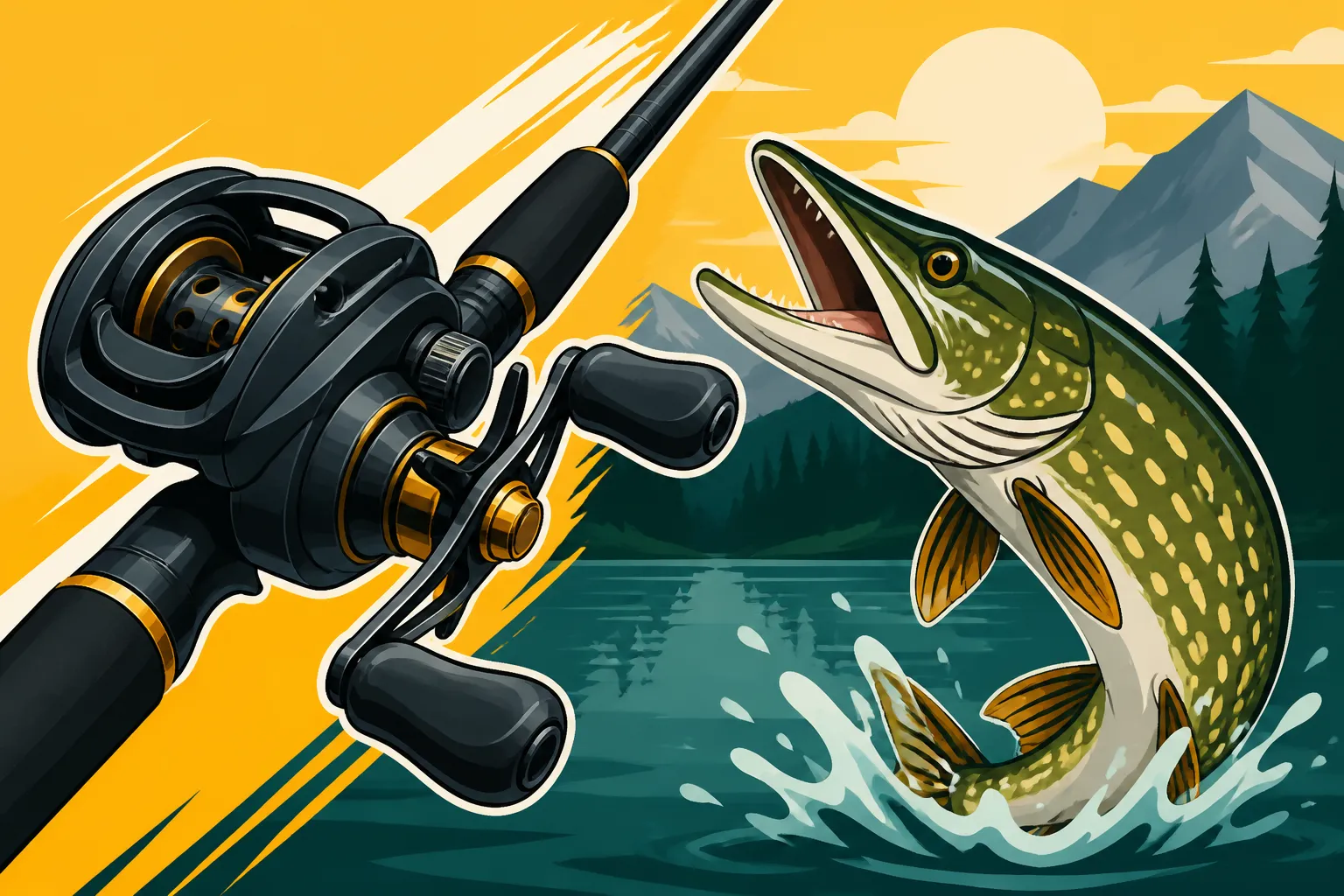
For many modern pike anglers, heavy-duty low profile baitcasters are the go-to choice. These reels are designed to be compact and sit low on the rod, making them incredibly comfortable to palm and cast all day long. Don't let their relatively small size fool you; the "heavy-duty" designation means they pack a punch.
- Construction: These reels typically feature robust aluminum frames, heavy-duty gearing, and powerful, smooth drag systems. They are built to withstand the rigors of fighting big fish and casting heavy lures. Manufacturers focus on maximizing internal strength while keeping the exterior streamlined.
- Versatility: They are incredibly versatile, capable of handling a wide range of pike lures, from spinnerbaits and jerkbaits to larger swimbaits and spoons. Their ergonomic design reduces fatigue, allowing for countless casts.
- Ideal Use: Perfect for anglers who fish frequently and appreciate the comfort and casting ease of a low-profile design but need the power and durability for How to Catch Northern Pike in Alberta. You'll often find these reels paired with longer, medium-heavy to heavy power rods. Many popular brands found at retailers like Amazon or Bass Pro Shops offer excellent options in this category, often featuring advanced braking systems and high-quality bearings for smooth operation.
These reels offer a great balance for the angler who wants a performance-oriented reel that feels natural in hand for prolonged fishing sessions.
Round Profile Conventional Reels for Large Baits
Before low-profile baitcasters dominated the scene, round profile conventional reels were the standard, and they still hold a special place for serious pike and musky anglers, particularly when throwing truly enormous baits.
- Brute Strength: Round reels are known for their exceptional strength and line capacity. Their larger, more robust gearing provides immense cranking power, making them ideal for oversized lures (think 8-12 inch swimbaits or heavy bucktails) that create significant drag. When you hook into a truly giant pike or even a musky, the sheer leverage and durability of a round reel are hard to beat.
- Line Capacity: They typically hold significantly more line than low-profile reels, which can be an advantage if you're targeting incredibly large fish in vast waters or if you want to use exceptionally thick line.
- Feel: While not as sleek to palm as low-profile reels, many anglers appreciate the traditional, solid feel of a round reel. They might not be for everyone, especially if you have smaller hands, but for those who value raw power and durability above all else, they are outstanding.
- Ideal Use: These reels excel when throwing the absolute biggest baits for the biggest fish, often in open water where extreme casting distance or managing huge, powerful fish is the primary concern. They are less about finesse and more about brute force, making them well-suited for targeting the largest Northern Pike Growth Rate to Trophy Size.
If you're looking to consistently throw the biggest, heaviest lures imaginable in search of a true Alberta monster, a high-quality round profile baitcaster is an excellent and often preferred choice.
Budget-Friendly Options for Pike
Let's be real, fishing can be an expensive hobby, and not everyone can drop a fortune on a top-tier reel. The good news is that there are many excellent budget-friendly baitcasting reels that are more than capable of handling Alberta pike. You don't need to break the bank to get a reliable workhorse.
- Key Compromises: When you're looking at more affordable options, you might see some compromises in materials (e.g., more graphite components instead of aluminum), fewer bearings, or simpler braking systems. However, modern manufacturing has come a long way, and many entry-level and mid-range reels offer fantastic performance for their price point.
- What to Prioritize: Focus on the essentials: a solid frame (even if it's high-grade graphite), a smooth and reliable drag system (even if it doesn't have the highest max drag), and a decent line capacity. A good retrieve ratio (e.g., in the 6.X:1 range) is also important for versatility. You might not get all the bells and whistles of a premium reel, but you can definitely find one that performs admirably.
- Brand Reputation: Many established brands offer excellent reels in the budget category. Look for models from reputable manufacturers that have a track record of producing durable equipment. Read reviews and consider what other anglers are saying about their experiences with these reels. A retailer like Amazon often has a huge selection of reels across various price points, making it easier to compare options and find something that fits your budget without sacrificing too much quality.
A budget-friendly reel is perfect for beginners, those who fish less frequently, or anglers who simply want to try out baitcasting without a huge investment. With proper care, even a less expensive baitcaster can land you many pike.
Maintaining Your Baitcasting Reel for Longevity
Investing in a good baitcasting reel for pike fishing is only half the battle; the other half is taking care of it. Alberta's fishing environments can be tough on gear, from the dust of the boat launch to the occasional spray of lake water. Proper maintenance is key to ensuring your reel performs flawlessly season after season and remains a reliable tool in your pursuit of Northern Pike Fishing in Alberta. Neglecting maintenance can lead to sticky drags, gritty retrieves, and ultimately, premature failure – the last thing you want when that trophy pike hits.
Regular Cleaning and Lubrication
Your reel is a collection of moving parts, and like any machine, it needs regular attention to function optimally. This isn't just about making it look shiny; it's about preserving its internal mechanics.
- After Every Trip (Light Cleaning): After each outing, especially if your reel gets wet or dusty, give it a quick wipe-down. Use a damp cloth to remove any dirt, grim, or fish slime from the exterior. Pay particular attention to the line guide and the area around the spool. If it's been exposed to heavy rain or a splash, loosen the drag completely and let it air dry thoroughly before storing it. A small soft brush, like an old toothbrush, can be great for getting into tight spots.
- Periodic Deep Cleaning (Every Few Months or Annually): Depending on how often you fish, your reel will benefit from a more thorough cleaning a few times a season or at least once a year. This involves carefully disassembling the reel (if you're comfortable doing so, or having a professional do it), cleaning old grease and dirt from the gears, bearings, and drag washers, and then re-lubricating with fresh reel grease and oil.
- Gears and Bushings: Use specific reel grease for the main gears, worm gear, and any bushings. Grease provides lasting lubrication and protection against wear.
- Bearings: High-quality reel oil is best for bearings. A tiny drop is usually all that's needed. Too much oil can attract dirt and actually hinder performance.
- Drag Washers: Check your drag washers. If they are carbon fiber, a very light application of specific carbon fiber drag grease can help maintain smoothness. Felt washers might need a light oiling. Ensure they are clean and free of debris, as this is a common cause of jerky drag.
- External Lubrication: Even if you don't do a full breakdown, regularly put a small drop of reel oil on the reel handles, line guide, and spool shaft to keep things moving smoothly. This quick step can make a big difference in how your reel feels during the retrieve. Taking the time for this simple task will keep your reel performing smoothly, which is critical for casting Best Lures for Northern Pike in Alberta and retrieving them effectively.
Always use products specifically designed for fishing reels. Automotive greases and oils can be too heavy or contain additives that can damage your reel's components.
Proper Storage and Transport
How you store and transport your baitcasting reel is just as important as regular cleaning for its long-term health. Mishandling can lead to nicks, dents, or internal damage that affects performance.
- Loosen the Drag: When storing your reel, always back off the drag knob until the drag is completely disengaged. Leaving the drag tightened puts constant pressure on the drag washers, which can compress them over time and lead to reduced performance or a sticky drag.
- Protect Your Line: If you're storing your reel for an extended period, it's a good idea to remove the line, especially if it's older monofilament or fluorocarbon, as these can take on memory and degrade over time. Fresh line each season is always a good practice, particularly for Best Line Weight for Pike Fishing where strength is paramount.
- Reel Covers: Consider using a neoprene or padded reel cover, especially when transporting your rod and reel. These covers protect against bumps, scratches, and dust, safeguarding your investment. Many rod sleeves also have integrated reel pockets.
- Dry Storage: Always store your reel in a cool, dry place, away from direct sunlight or extreme temperature fluctuations. Moisture is the enemy of metal components and can lead to corrosion. Never store a wet reel in an enclosed case without allowing it to dry first.
- Rod and Reel Combos: If your reel stays on your rod, ensure the rod is stored in a way that protects both components. Rod racks in garages or specific rod cases are ideal. Avoid leaning your rod and reel in a corner where they can easily fall or be stepped on.
By taking these simple steps for cleaning, lubricating, and properly storing your baitcasting reel, you'll ensure it's ready to perform at its best every time you hit the water, helping you land more of those feisty Alberta pike, like the ones you might encounter at Best Fishing Lakes in Alberta or the Lesser Slave Lake Fishing Guide. And when you finally need a Best Landing Net for Pike for your next trophy, you'll know your reel did its part to bring it in.
| Feature | Heavy-Duty Low Profile Baitcaster | Round Profile Conventional Reel |
|---|---|---|
| Ergonomics | Very comfortable to palm, streamlined feel, good for all-day casting | Larger and bulkier, less ergonomic for palming, more traditional feel |
| Power/Torque | Excellent power for most pike, strong enough for many big fish | Superior brute strength and cranking power, ideal for very large fish |
| Casting Range | Excellent for a wide range of pike lures, precise casting | Best for throwing oversized, heavy baits and long distances |
| Line Capacity | Good capacity for heavy braid (e.g., 30-65lb) | Excellent capacity, can hold very thick and long lines |
| Best For | General pike fishing, active casting, various lure types | Trophy pike/musky, oversized baits, situations needing max power |
| Common Use | Most common choice for modern pike anglers | Specialized for very large presentations or dedicated trophy hunting |
Disclaimer
This article is for general informational purposes only and does not constitute professional advice. Laws, prices and regulations vary by location and change over time. Consult a qualified professional for guidance on your specific situation.