Best nymph pattern for high water conditions
Oh, high water! It's one of those things that can either make an angler throw their hands up in frustration or get really excited about the potential for big fish. For us folks in Alberta, especially with our mountain-fed rivers like the Bow or the Crowsnest, those spring run-off periods or even heavy summer rains can turn a crystal-clear stream into a raging, silty torrent. It feels like the fish just vanish, but they don't – they're still there, and with the right approach, you can absolutely find success. This guide is all about helping you pick the perfect nymph patterns and techniques to confidently tackle those challenging high water conditions and keep catching fish in Alberta.
Understanding High Water Challenges for Nymphing
When rivers and streams swell with rain or snowmelt, the fishing environment changes dramatically. It's not just about more water; it's about faster currents, reduced visibility, and often a whole lot of debris moving through the system. Trying to fish your usual delicate dry fly or small nymph in these conditions can feel like trying to catch smoke.
Increased Current and Depth
The most obvious change in high water is the sheer force and speed of the current. What was once a gentle ripple might become a powerful, waist-deep run. This accelerated flow makes it incredibly difficult to get a light nymph down to where the fish are holding, which is often deeper and closer to the bottom, seeking refuge from the main current. Your fly needs to fight through that column of fast-moving water to reach the strike zone effectively. It's like trying to drop a feather to the bottom of a fast-moving escalator – it just won't get there without some serious weight. Anglers often struggle with their flies simply washing over the fish, never getting a chance to present naturally.
Reduced Water Clarity and Visibility
High water often brings with it a noticeable decrease in water clarity. Glacial flour from mountain run-off or suspended sediment from heavy rains can turn a river milky brown or tea-stained. This dramatically affects how fish see your fly. While some anglers panic about fish not being able to see, it often means they rely more on other senses, like the vibration and profile of a larger, more distinct offering. A small, subtle nymph that worked wonders in clear water might simply get lost in the murk. You need something that stands out, not something that blends in. This is where contrast and size become your best friends.
Dislodged Debris and Snags
Another frustrating aspect of high water is the amount of debris it carries. Leaves, twigs, grass, and even larger branches can be swept downstream. This makes fishing a challenge not just for presentation, but for avoiding constant snags and foul-ups. A delicate leader can quickly snap on a submerged log, or your fly can get tangled in a floating mat of weeds. Fish also tend to tuck into slower pockets and eddies to avoid this debris, so knowing where to cast and how to present your fly without constant hang-ups becomes critical. It's a delicate balance of getting deep without getting stuck. How to fish a spinnerbait for Alberta lake pike provides a different angle on lure choice, but the principle of cutting through cover applies here too.
Key Characteristics of Effective High Water Nymph Patterns
To combat the challenges of high water, your nymph patterns need to be built for battle. It's not about being subtle anymore; it's about being robust, heavy, and visible. Think of it as gearing up for a wrestling match instead of a ballet.
Weight and Sink Rate
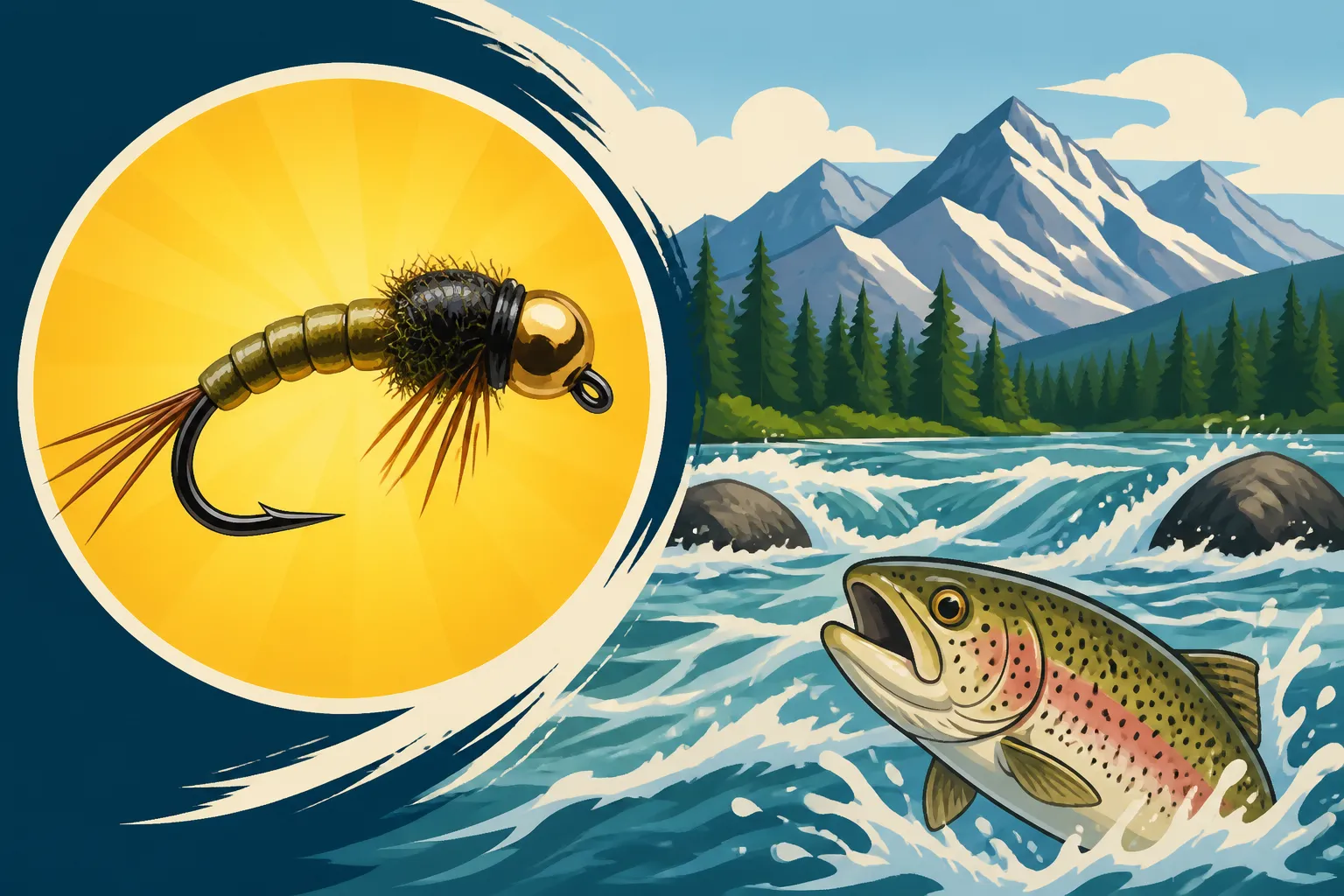
The absolute most important characteristic for a high-water nymph is its ability to get down quickly and stay down. This means integrating significant weight into the fly's construction. We're talking about heavy tungsten beads, lead wire wrapped around the shank, or even patterns tied on extra-heavy hooks. A well-weighted nymph sinks through fast currents with authority, allowing it to reach the fish's holding lies near the riverbed where the current is significantly slower. Without enough weight, your nymph will simply tumble along the surface or mid-column, far above where the fish are waiting. You might even consider adding extra split shot to your leader, but a fly that's heavy from the start gives you a more natural sink and drift.
Profile and Size
In off-color, high water, fish rely more on sensing the presence and movement of food rather than precise visual cues. This means a larger profile often outperforms smaller, more delicate flies. Think big, bulky stoneflies, caddis larvae, or even sculpin imitations. These larger patterns create a more substantial silhouette that's easier for fish to detect in reduced visibility. They also push more water, creating vibrations that fish can pick up on their lateral lines. Don't be afraid to go up a size or two from what you'd typically use in clearer conditions. Sometimes, a big, juicy morsel is exactly what a trout is looking for when smaller food items are scarce or hard to see. Best fly size for the Bow River in spring will also touch on this idea.
Visibility and Contrast
While clarity is low, your nymph still needs to be seen. This means choosing patterns with either bright "hot spots" or distinct, contrasting colors. For example, a black or dark brown stonefly nymph with a bright orange or chartreuse bead head can provide that necessary pop. The contrast allows the fish to pick out the outline of the fly even in murky water. Fluorescent materials, flashy dubbing, or even brightly colored wire ribs can all contribute to making your fly more visible. It's not about being garish, but about creating enough distinction to catch a fish's eye in tough conditions. Think of a neon sign in a foggy alley – it cuts through the gloom.
Top Nymph Patterns for Alberta's High Water
When the water is up and flowing hard, these are some of the patterns I consistently reach for. They're built tough and designed to get down and get noticed.
Pat's Rubber Legs
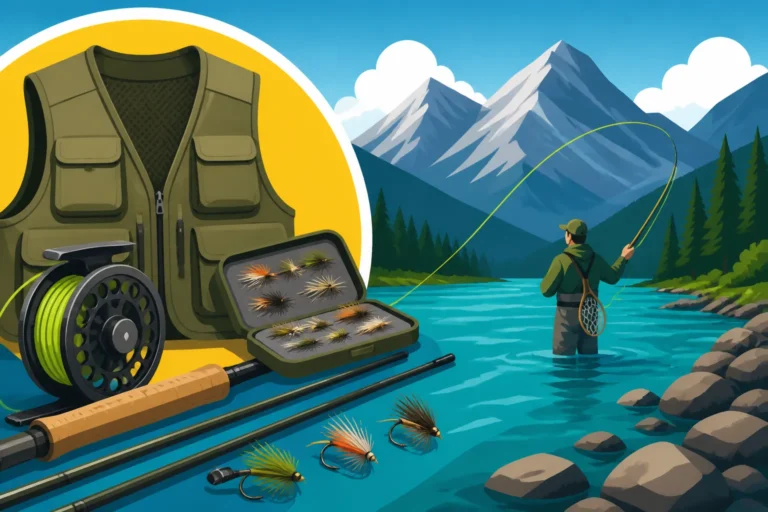
Oh, the Pat's Rubber Legs! If there's one fly that screams "high water hero," it's this one. This pattern is essentially a heavily weighted stonefly imitation, usually tied with chenille or dubbing for the body and those unmistakable rubber legs that wiggle enticingly in the current.
- Why it works in high water:
- Weight: Many Pat's Rubber Legs patterns are tied with several wraps of lead wire under the body and/or a heavy tungsten bead. They sink like a rock, which is exactly what you need to cut through fast currents and get to the bottom where fish are hunkering down.
- Profile: It's a bulky fly, often tied in sizes 4 to 10. This large profile is highly visible in murky water and imitates a substantial meal, like a big stonefly nymph that might get dislodged in high flows.
- Action: The rubber legs pulse and move with the current, creating a lifelike action and subtle vibration that fish can detect even when visual cues are limited. This movement is a huge trigger.
- Best scenarios: I love fishing Pat's Rubber Legs as my lead fly in a two-nymph rig. It acts as an anchor, dragging a smaller, lighter nymph behind it. It's fantastic in pocket water, along current seams, and in deep runs where fish are waiting for dislodged food. You can find excellent quality Pat's Rubber Legs patterns at Bass Pro Shops or through online retailers like Amazon.
Copper John
The Copper John is a classic for a reason, and it truly shines when the water is running high and discolored. It's relatively simple in design but incredibly effective.
- Why it works in high water:
- Weight: This fly is inherently heavy due to its copper wire body and often a tungsten bead. It's a compact pattern that cuts through water resistance efficiently, getting to depth quickly.
- Flash: The copper wire body provides a subtle, yet undeniable flash that can be picked up by fish even in stained water. That metallic glint can often be the difference between a look and a take.
- Durability: The wire body makes the Copper John incredibly durable, which is a big plus when you're casting into heavy currents and bumping it along the bottom.
- Best scenarios: The Copper John is a fantastic all-around nymph. It can imitate a variety of aquatic insects like caddis pupae or even small stoneflies. It works great as a dropper behind a heavier stonefly pattern or fished individually where you need to get deep in a hurry. Try it in darker colors like black or brown, especially in sizes 12 to 16, but don't shy away from larger sizes if the water is very high and dark.
Girdle Bug (or Kaufmann's Stone)
Similar in concept to the Pat's Rubber Legs, the Girdle Bug, or its close cousin Kaufmann's Stone, is another excellent choice for high water. These are large, imitative stonefly patterns designed to represent the real deal.
- Why it works in high water:
- Size: These patterns are usually tied in larger sizes (4 to 10), providing a substantial meal profile that is highly attractive to bigger fish in challenging conditions. Stonefly nymphs are a major food source in many Alberta rivers, especially the Bow, and high water often dislodges these larger insects.
- Weight: Like Pat's Rubber Legs, these flies are often tied with significant weight, either through lead wraps or heavy beads, to ensure they sink rapidly and stay in the strike zone.
- Realism (simplified): While not overly intricate, the general shape and leg movement of these patterns effectively mimic a struggling or dislodged stonefly nymph, which fish are keenly aware of during high flows.
- Best scenarios: These are perfect anchor flies in a multi-nymph rig, or excellent choices for prospecting deep pockets and runs. They are particularly effective in freestone rivers and streams with healthy stonefly populations, which describes many of Alberta's best trout waters. When river conditions are rough and turbulent, these larger patterns offer a meal worth expending energy for. You can often find great variations of these flies from specialized fly shops or online.
Prince Nymph
The Prince Nymph is a true classic and another pattern that can hold its own in high water, particularly when tied with extra weight. Its distinct profile and flash make it a standout.
- Why it works in high water:
- Weight: Many Prince Nymphs are tied with heavy bead heads (tungsten being ideal) and often lead wire under the body. This allows them to plummet through the water column.
- Flash and Contrast: The white biots for wings and the peacock herl body create a strong contrast and subtle flash that can be very visible even in off-color water. The biots really stand out.
- Versatility: While it doesn't strictly imitate one specific insect, it has a "buggy" look that fish recognize as food. It can pass for a stonefly, caddis, or even a drowned terrestrial.
- Best scenarios: I often use a larger Prince Nymph (sizes 10-14) as a point fly or as a dropper behind an even heavier stonefly pattern. It's a great searching pattern when you're not sure exactly what the fish are keying in on, but you know you need to get deep and offer something enticing. Its distinct look often triggers strikes when other flies are ignored.
Here's a quick comparison of these high-water nymph patterns:
| Nymph Pattern | Primary Attribute for High Water | Typical Sizes (Hook) | Key Visual Elements |
|---|---|---|---|
| Pat's Rubber Legs | Heavy weight, bulky profile | #4 – #10 | Chenille body, rubber legs, often heavy bead |
| Copper John | Compact weight, flash | #12 – #16 | Copper wire body, bead head, often flashy collar |
| Girdle Bug / Kaufmann's Stone | Large profile, substantial meal | #4 – #10 | Dubbed body, rubber legs, often weighted underbody |
| Prince Nymph | Weight, contrast, flash | #10 – #16 | Peacock herl body, white biots, bead head |
Techniques for Nymphing in Elevated Flows
Having the right flies is only half the battle. You also need to adjust your nymphing techniques to effectively present those patterns in strong currents. It's all about control, depth, and knowing where the fish are hiding.
High-Sticking and Short Leash Nymphing
When the water is roaring, trying to mend a long line is an exercise in futility. The current will grab your line and drag your flies unnaturally. This is where high-sticking and short leash nymphing come into their own.
- How it works: With high-sticking, you keep your rod tip high, often pointing slightly upstream, minimizing the amount of fly line on the water. This reduces drag and allows your flies to drift naturally along the bottom. You're essentially guiding your flies with the tip of your rod. For short leash nymphing, you might have very little, if any, fly line beyond your leader in the water, relying almost entirely on leader and tippet to carry your flies.
- Benefits in high water: This technique gives you maximum control over your drift and depth. It helps you keep your flies in the slower water column near the bottom, where fish are holding, instead of being swept away by the faster surface currents. It also aids in detecting subtle strikes, as you're more directly connected to your flies. Drift Fishing for Trout on the Bow River might use different gear, but the principle of managing your drift applies here.
Adding Supplemental Weight
Even with heavily weighted nymphs, there are times when you'll need a little extra help to get down. This is where split shot comes in.
- Placement is key: When adding split shot, generally place it 6-12 inches above your lead nymph. This helps pull your flies down without making them tumble unnaturally. In very fast or deep water, you might use several pieces of split shot spaced out to distribute the weight.
- Types of split shot: Use non-toxic split shot (tin or bismuth). The size you choose will depend on the current speed and depth. Start with a size or two heavier than you think you need, then adjust if you're constantly snagging. The goal is to tick the bottom occasionally, not drag it like an anchor. If you're using very small nymphs as droppers, you might put a larger piece of split shot above your heaviest nymph to act as a "cannonball" and get the whole rig down.
Reading the Water for Fish Holds
Fish are lazy. They won't fight the current if they don't have to, especially in high water. They'll seek out slower water where they can expend less energy and still intercept food.
- Target areas: Look for seams where fast water meets slow water, eddies behind large rocks or logs, the softer water along bank edges, and any distinct depth changes. Deep pockets and depressions in the riverbed are also prime spots. These are the "holding lies" where trout will stack up, waiting for dislodged nymphs or other food to come tumbling by. Best Time of Day to Catch Walleye emphasizes understanding fish behavior, and this applies equally to trout in high water.
- Casting approach: Cast upstream of these holding lies, allowing your heavily weighted nymphs enough time to sink to the appropriate depth before they reach the fish. A good cast allows for a natural, dead-drift presentation right into their waiting mouths. Don't be afraid to make multiple casts to the same spot, adjusting your angle or depth slightly until you find the sweet spot.
Safety First in High Water
Beyond the fishing techniques, it's absolutely crucial to prioritize safety when wading or boating in high water. The increased currents can be incredibly dangerous.
- Wading caution: Never wade into water that is above your knees in swift currents. Use a wading staff for stability and always enter the water carefully, testing the bottom with each step. If the current feels too strong, do not risk it. Wading Techniques for Alberta Trout Rivers provides more in-depth safety tips.
- Boating awareness: If you're drift boating or kayaking, be acutely aware of strainers (fallen trees or debris that the current pushes against) and other hazards. Always wear a life jacket. High water amplifies the risk, so experience and caution are paramount.
By combining these heavy, visible nymph patterns with adjusted techniques and a keen eye for fish-holding water, you can turn those frustrating high-water days into some of your most memorable fishing experiences in Alberta. It just takes a little confidence and the right tools for the job.
Disclaimer
This article is for general informational purposes only and does not constitute professional advice. Laws, prices and regulations vary by location and change over time. Consult a qualified professional for guidance on your specific situation.