How big northern pike get in Alberta
It's a question every angler asks when they first start chasing toothy critters: "Just how big do these northern pike actually get?" The truth is, while many folks picture a modest-sized fish, Alberta's waters hold some truly massive pike, the kind that can make your heart pound and your arms ache. This guide will take a deep dive into the fascinating world of Alberta's northern pike, exploring the factors that influence their size, where you might find a true monster, and what you can do to put one of these giants in your net (and then safely release them, of course!).
Understanding Pike Growth Factors in Alberta
Northern pike are apex predators in many of Alberta's aquatic ecosystems, and their size isn't just a matter of luck; it's a complex interplay of environmental conditions, genetics, and how they interact with anglers. Understanding these elements can give you a real edge in your pursuit of a trophy.
Habitat and Food Availability
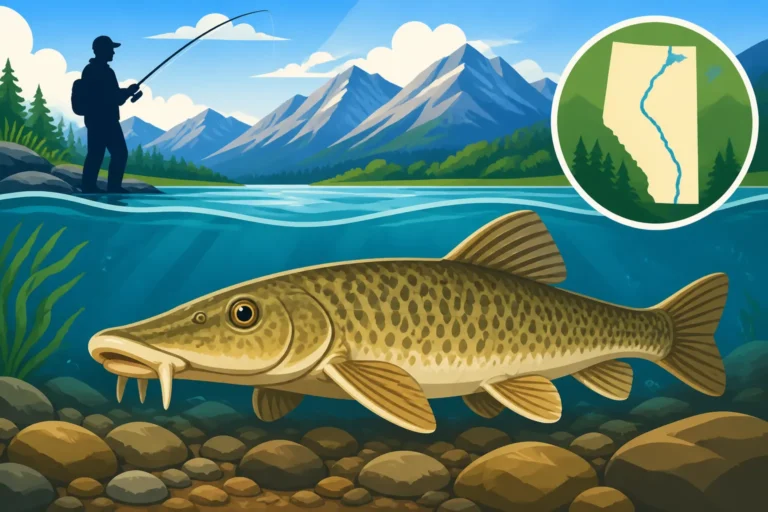
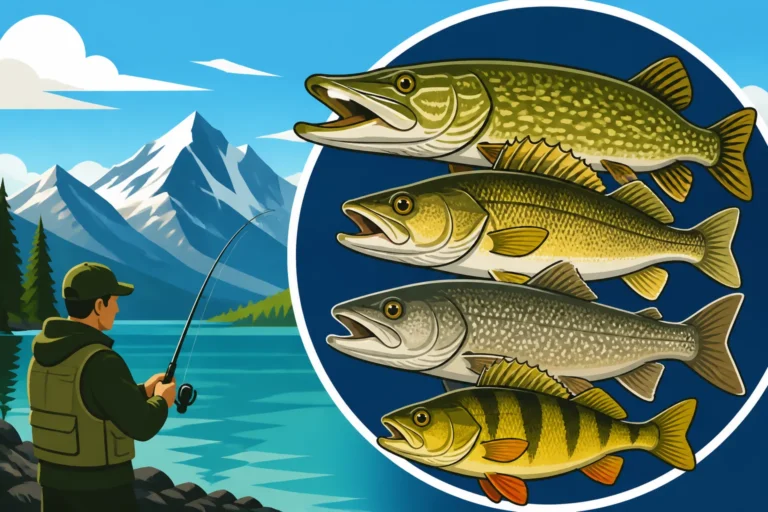
Think of a northern pike as a highly efficient eating machine. Their long, torpedo-shaped bodies and rows of razor-sharp teeth are perfectly adapted for ambushing prey. The availability of abundant, high-protein food sources is paramount for them to reach impressive sizes. Lakes and rivers with healthy populations of suckers, cisco (lake herring), whitefish, and even other smaller pike provide the calorie dense diet needed for rapid growth. Waters that are rich in structure, like extensive weed beds, submerged timber, or rocky drop-offs, also offer prime ambush points and hiding spots, making it easier for pike to hunt without expending too much energy. A pike that can eat frequently and efficiently grows faster and larger than one constantly struggling to find its next meal. This is why you often hear about certain lakes being known for their "big fish" – they simply have all the right ingredients in their underwater pantry.
Genetics and Water Temperature
Just like us, pike have genetic predispositions that can influence their maximum potential size. Some strains of pike might simply be wired to grow bigger and live longer than others. While this isn't something anglers can directly control, it's a fascinating aspect of their biology. More directly, water temperature plays a significant role. Pike are cool-water fish, and while they can tolerate a wide range of temperatures, optimal growth often occurs in waters that don't get excessively warm in the summer. Extremely warm or cold temperatures can slow down their metabolism and reduce their feeding activity, which, over many seasons, impacts their overall growth rate. A lake with a stable temperature profile, or one with ample deep, cool water refuges, can support a healthier, faster-growing population. Factors like the length of the growing season also come into play; northern Alberta lakes, despite being colder, often have extremely rich food bases that allow pike to pack on size during their shorter active feeding periods.
Fishing Pressure and Regulations
The intensity of fishing pressure on a particular body of water can heavily influence the average size of pike caught. In waters with high catch-and-keep rates, larger, older fish are often removed from the population, meaning fewer individuals reach trophy dimensions. Conversely, waters with strong catch-and-release ethics or specific slot limits (where only fish within a certain size range can be kept, or larger fish must be released) tend to produce more sizable pike. Alberta's fishing regulations are designed with sustainability in mind, including specific limits for different zones and species. Understanding the Alberta Northern Pike Limit and practicing responsible angling, especially catch and release of larger breeders, directly contributes to the presence of trophy-sized fish for future generations. It’s a collective effort, and when we all do our part, the rewards are greater for everyone.
Average vs. Trophy Pike Sizes in Alberta
When you're out on the water, what exactly constitutes an "average" pike versus a "trophy" pike? The answer can vary depending on who you ask and which part of the province you're fishing, but there are some generally accepted benchmarks that can help manage expectations and celebrate success.
Defining "Average" Pike
For most anglers in Alberta, an "average" northern pike might fall into the 20 to 30-inch range. These are robust, feisty fish that put up a good fight and are a blast to catch, whether you're using conventional tackle or fly fishing. They're often abundant in many of Alberta's lakes and rivers and represent a healthy, reproducing population. You'll encounter many pike in this size bracket, making them a common and enjoyable target. They are often aggressive feeders, willing to strike a variety of lures and baits. These fish are fantastic for honing your skills, practicing your casting, and enjoying a consistent bite. While they might not be the giants of your dreams, every 25-inch pike is a testament to healthy waters and a fun day on the lake.
What Constitutes a "Trophy" Pike
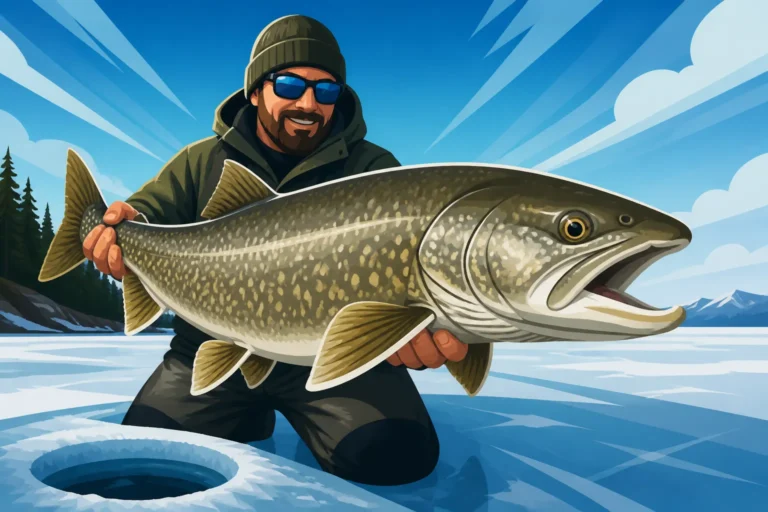
Now, when we talk about a "trophy" northern pike in Alberta, we're typically looking at fish that are 40 inches or longer. Anything over 45 inches is considered truly exceptional, and a pike pushing or exceeding 50 inches is a fish of a lifetime, a genuine monster that few anglers ever encounter. These are the fish that dominate their environment, have likely lived for a decade or more, and have learned a thing or two about survival. Catching a pike in this class requires a combination of patience, skill, and often, being in the right place at the right time. They command respect and should always be handled with extreme care to ensure their safe release. It's these giants that fuel many angling dreams and inspire countless trips to the province's best pike waters.
Alberta's Record Pike
Alberta has a long and storied history of producing impressive northern pike. While I can't provide specific dates or weights for the provincial record, it's widely known that Alberta has yielded pike of truly monumental proportions. These record-setting fish are typically caught in large, productive lakes that offer ideal conditions for pike to grow old and large, often reaching lengths well over 50 inches. Such records underscore the incredible potential of Alberta's fisheries and serve as a benchmark for what's truly possible in our waters. Pursuing a fish of this caliber is an ambition for many serious anglers, a testament to the fact that Alberta offers world-class opportunities for trophy pike.
Where to Find the Biggest Pike in Alberta
Finding big pike isn't always about finding the most remote lake, though that certainly helps! It's about understanding their preferred haunts and how they utilize their environment to grow large. Alberta is blessed with numerous waters that consistently produce impressive northern pike.
Specific Lake Types and Regions
When targeting big pike, focus your efforts on larger, nutrient-rich lakes, especially those with extensive shallow bays, plenty of submerged vegetation, and good forage bases. Lakes like Lesser Slave Lake are legendary for their abundant and large northern pike, offering expansive weed beds and a rich diet of baitfish. Other large systems in central and northern Alberta, such as Lac La Biche, Lake Athabasca, and even some of the deeper, colder lakes that hold substantial whitefish populations, are prime big-pike territory. The Peace River region, too, can surprise anglers with its robust pike populations. While the iconic Bow River is famous for trout, many larger rivers and their associated backwaters also hold significant pike. Always check the Alberta Fishing Season Dates by Zone to ensure you're fishing legally within the open season for pike in your chosen area.
Prime Structural Elements
Big pike are masters of ambush, and they use structure to their advantage. Look for:
- Weed Edges and Flats: Expansive weed beds, especially those transitioning into deeper water, are prime ambush points. Pike will lie in wait at the edges, ready to dart out and strike unsuspecting prey.
- Submerged Timber and Rock Piles: These provide excellent cover and structure for both pike and their prey. Casting around fallen trees, old docks, or distinct rock formations can be highly productive.
- Drop-offs and Reefs: Where shallow water abruptly drops into deeper sections, current often funnels baitfish, attracting hungry pike. Underwater reefs and humps in the middle of a lake can also be magnets for big fish.
- Inflows and Outflows: River mouths, creek inlets, and areas where water flows in or out of a lake can concentrate baitfish and provide oxygenated water, making them hotspots for pike.
Understanding the Northern Pike Habits in Alberta Lakes will give you a significant advantage in locating these fish.
Seasonal Movement of Big Pike
The location of big pike can shift dramatically with the seasons.
- Spring: Right after ice-out, pike are often found in shallow, warming bays where they spawn and feed aggressively to regain energy.
- Summer: As waters warm, larger pike often move deeper, seeking cooler temperatures and concentrating around weed lines, drop-offs, and submerged structures. They may still visit shallower areas during low-light conditions.
- Fall: This is often considered prime time for trophy pike. As water temperatures cool, pike go on a feeding frenzy, bulking up for winter. They can be found in a variety of depths, often chasing baitfish into shallower bays or congregating along deep weed edges.
- Winter (Ice Fishing): Through the ice, pike can be found patrolling large flats, around the edges of deep basins, or still holding near submerged structure. Using large dead baits under tip-ups is a classic big-pike tactic.
Knowing the Best Time of Year to Fish in Alberta for pike will significantly increase your chances of connecting with a giant.
Tips for Catching Larger Pike
Catching a truly massive northern pike isn't just about luck; it's about preparation, persistence, and understanding the fish. To consistently hook into those bigger, older individuals, you need to adjust your approach.
Choosing the Right Gear
Going after big pike means upsizing your gear. You wouldn't bring a knife to a gunfight, and you shouldn't bring ultralight tackle to a trophy pike hunt.
- Rods and Reels: Opt for medium-heavy to heavy power casting or spinning rods, typically 7 to 9 feet long, capable of handling larger lures and stout lines. Pair them with a robust reel with a smooth, powerful drag system. A good quality baitcasting reel, for example, can be an excellent choice for casting heavy spoons or large swimbaits, and you can find a solid selection on Amazon.
- Line: Braided line in the 30-65 lb test range is a popular choice due to its strength, sensitivity, and lack of stretch. A heavy fluorocarbon or wire leader (at least 60-80 lb test) is absolutely non-negotiable to prevent bite-offs from their razor-sharp teeth. Don't skimp here; losing a trophy fish because of a cheap leader is heartbreaking.
- Lures: Big pike want big meals. Think large spoons, oversized crankbaits, heavy bucktail spinners, big swimbaits, and large soft plastics rigged with heavy jig heads. For fly anglers, massive streamers (6-12 inches) tied on strong hooks are a must. Many experienced anglers purchase their specialty pike lures from online retailers like Amazon, as it often provides a wider selection than local shops. To get an idea of what works best, check out Best Lures for Northern Pike in Alberta.
Effective Techniques and Lures
Beyond the gear, how you present your offering makes all the difference.
- Slow Down: Big pike are often more deliberate than their smaller counterparts. Work your lures slower, allowing for pauses and erratic movements that mimic an injured baitfish.
- Cover Water: Use fan casting to thoroughly cover potential ambush points around structure like weed lines, fallen trees, or drop-offs.
- Focus on Edges: Pike love to patrol the edges of weed beds and changes in depth. Casting parallel to these features can be incredibly effective.
- Deadbaiting (Ice Fishing): During the ice fishing season, large dead baitfish (where legal) fished under a tip-up can be incredibly effective for enticing sluggish winter giants.
- Topwater Action: Don't underestimate topwater lures during warmer months, especially in low-light conditions or over shallow weed flats. A big pike exploding on a surface lure is an unforgettable experience!
For more in-depth techniques, consult guides like How to Catch Northern Pike in Alberta.
Conservation for Future Giants
The pursuit of trophy pike carries a responsibility. These large fish are often the prime breeders in the population, essential for maintaining healthy future stocks. Practicing responsible catch and release is paramount.
- Minimize Fight Time: Use appropriate tackle to bring the fish in quickly, reducing stress.
- Wet Hands Only: Always wet your hands before handling fish to protect their slime coat.
- Proper Netting: Use a large, knotless, rubberized landing net that supports the entire fish.
- Gentle Handling: Support the fish horizontally, ideally in the water, for unhooking. Avoid holding them vertically by the jaw, as this can damage their spine and internal organs.
- Quick Release: Have your camera ready, take a quick photo, and release the fish gently, allowing it to swim off on its own power.
By making these practices standard, we ensure that Alberta's waters continue to produce these magnificent creatures for generations of anglers to come. Choosing durable, high-quality tools for safe handling, which you can readily find on Amazon, is an investment in the health of our fisheries. If you’re looking to stock up on new equipment for your next adventure, be sure to look for reputable brands offering quality Best Pike Gear for Alberta Lakes.
| Pike Size Category | Length Range (Approx.) | Typical Weight (Approx.) | Characteristics | Angling Experience |
|---|---|---|---|---|
| Small | < 20 inches | < 2 lbs | Common, aggressive | Good for beginners, frequent action |
| Average | 20 – 30 inches | 2 – 8 lbs | Feisty, widespread | Consistent fun, great fight |
| Large | 30 – 39 inches | 8 – 15 lbs | Strong, sought-after | Requires heavier tackle, rewarding |
| Trophy | 40 – 49 inches | 15 – 25 lbs+ | Rare, dominant | Peak experience, careful handling |
| Monster | 50+ inches | 25 lbs+ | Fish of a lifetime | Extremely rare, often provincial record contenders |
Remember, these are general guidelines. Individual fish weights can vary significantly based on their body condition and local forage.
Disclaimer
This article is for general informational purposes only and does not constitute professional advice. Laws, prices and regulations vary by location and change over time. Consult a qualified professional for guidance on your specific situation.