Best two-handed rod for winter steelhead-style swinging
Oh, the crisp air, the snow-dusted banks, and the sheer thrill of a powerful grab in the dead of winter! If you're anything like me, you've probably spent countless hours dreaming of that perfect swing for a magnificent fish in Alberta's renowned waters, especially when the temperatures drop. But let's be honest, finding the right two-handed rod for this specialized pursuit, something that handles those heavy Skagit lines and big flies while still being a joy to cast all day, can feel like searching for a needle in a snowdrift. This guide is all about helping you navigate the options and choose a two-handed rod that will become your trusted partner for winter steelhead-style swinging here in Alberta.
Understanding Two-Handed Rods for Winter Swinging in Alberta
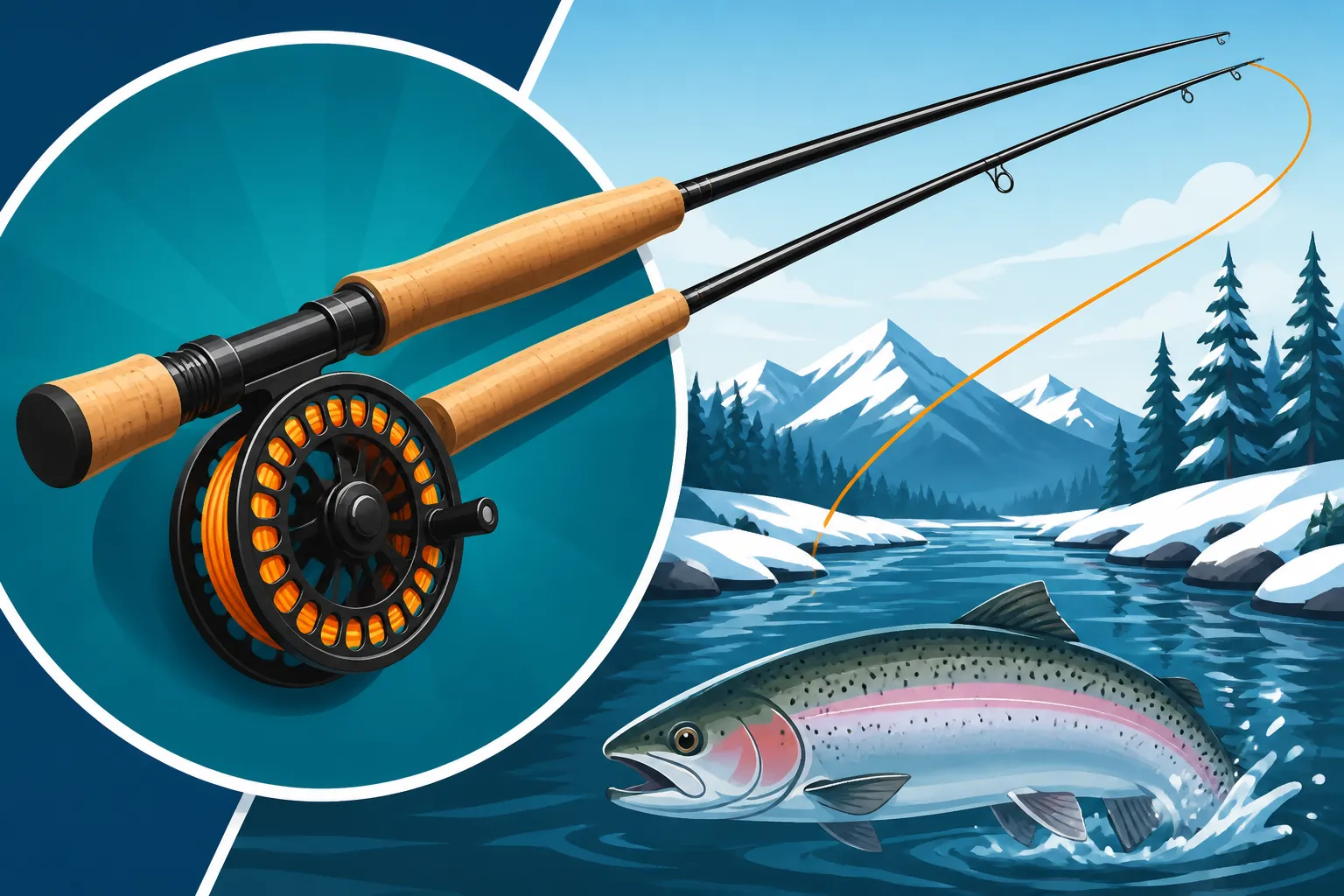
When it comes to pursuing fish in Alberta during the colder months, especially with larger flies and sink tips, a conventional single-handed rod often feels like trying to hammer a nail with a screwdriver. That's where two-handed rods, often called Spey rods, truly shine. They're not just a fancy alternative; they're a game-changer for covering water effectively and with less fatigue in challenging winter conditions.
Why Two-Handed Rods are Ideal for Winter Conditions
Think about Alberta winters on the river: you're often battling stiff winds, you need to cast heavy sink tips to get your fly down to those deeper, slower lies where fish hold, and you're doing it all while bundled up in layers. A two-handed rod addresses these challenges head-on. First, the extra length and the ability to use both hands create incredible leverage, allowing you to launch heavy line systems and large, often wind-resistant flies with surprising ease. This means you can cover more water efficiently, reaching those far banks or deeper channels that are just out of range for a single-handed setup.
Secondly, and perhaps most importantly for comfort, the two-handed casting stroke (like a roll cast or a Spey cast) relies less on shoulder and arm strength and more on the rod's loading and unloading. This significantly reduces fatigue, which is a huge bonus when you're spending hours on the water in sub-zero temperatures. No more sore shoulders after a few dozen casts! Plus, the long rod helps you mend your line more effectively, keeping your fly swinging naturally through the current without dragging. It’s all about maintaining that perfect presentation in tricky water.
Key Characteristics of a Winter Steelhead-Style Rod
So, what exactly makes a two-handed rod ideal for winter steelhead-style swinging, particularly in Alberta? It boils down to a few core characteristics:
- Length: You'll typically be looking at rods in the 12 to 14-foot range, sometimes even longer. This length is crucial for line control, casting distance, and maneuvering your line through complex currents. Shorter two-handers exist, but for genuine winter swinging with heavy gear, a longer rod is usually preferred.
- Line Weight: While single-handed rods might top out at an 8 or 9-weight for large fish, two-handed rods use a different weight scale. For winter swinging, you're often looking at a 7 or 8-weight Spey rod. This isn't about the size of the fish so much as the weight of the line and sink tip you'll be casting. These rods are designed to load powerfully with heavy Skagit heads and various sink tips, enabling you to deliver those substantial intruder patterns or weighted leeches.
- Action: Most winter steelhead-style rods will have a moderate-fast to fast action. What does that mean? It means the rod bends fairly deeply into the blank, allowing it to load easily with those heavy lines, but it also has a quick recovery, which is essential for powerful and accurate casts. A super fast-action rod might not load well enough with the heavy Skagit systems, while a very slow action could feel sluggish and lack the punch needed to turn over big flies. It's a balance.
- Blank Materials: Modern two-handed rods are predominantly made from graphite, offering a fantastic blend of strength, sensitivity, and light weight. Higher-modulus graphite rods will often be lighter and more sensitive, but also more expensive. What's important is a blank that can withstand the stresses of casting heavy lines and fighting powerful fish in cold conditions without being overly fragile. Durability matters when you're knee-deep in slush.
Line Systems and Their Impact
You can't talk about two-handed rods without talking about line systems, as they are intrinsically linked. For winter steelhead-style swinging, the Skagit line system is overwhelmingly the preference, and for good reason.
- Skagit Lines: These are short, heavy, powerful shooting heads designed specifically to cast heavy sink tips and large, bulky flies. Think of them as the muscle of your casting system. They excel at turning over heavy loads in tight casting situations and with minimal backcast room – perfect for many of Alberta's tree-lined riverbanks. When the water is cold and high, and you need to get down fast, a Skagit setup is your best friend. The short, powerful taper helps dig into the water quickly, ensuring your fly reaches the strike zone.
- Scandi Lines: While Scandi lines are fantastic for delicate presentations and smaller flies, they generally aren't the first choice for dedicated winter steelhead-style swinging. They require a longer, smoother casting stroke and don't turn over heavy sink tips and flies as efficiently as a Skagit system. There are always exceptions, but for getting deep with big bugs, Skagit is king.
Understanding these line systems is crucial because your rod needs to be able to "handle" the specific grain window of your chosen Skagit head. Manufacturers will often provide a recommended grain window for their rods, which tells you the ideal weight range of a shooting head the rod is designed to cast. Matching your line to your rod correctly is paramount for optimal performance and enjoyment on the water.
Rod Selection Criteria: What to Look for in Alberta
Alright, now that we know the basics, let's get into the nitty-gritty of what to actually look for when picking out your two-handed rod for Alberta's winter swinging scene. It’s about balancing power, feel, and versatility.
Rod Length and Power for Alberta Rivers
Alberta offers a diverse range of rivers, from the broader, more open stretches of the Bow River near Calgary to the tighter, more intimate flows of rivers like the Oldman or Crowsnest further south. The length and power of your rod should ideally match the water you typically fish.
- Longer Rods (13.5 to 15 feet): These rods are fantastic for larger rivers where long casts are often required to reach distant holding lies. They provide superior line control, allowing you to mend your line effectively over long distances and guide your fly through complex current seams. If you're consistently fishing wider sections of the Bow River or the North Saskatchewan, a longer rod might be your preference. The extra leverage also helps when battling powerful fish in strong currents.
- Mid-Length Rods (12 to 13.5 feet): For many anglers, a rod in this range hits the sweet spot. They offer a good balance of casting power and line control without feeling unwieldy in tighter spots. They are often more versatile for smaller to medium-sized rivers and are generally easier to travel with. If you're looking for a rod that can handle a variety of Alberta's rivers, this is a great starting point.
When we talk about "power," it's about the rod's ability to handle heavy lines and put pressure on a fish. A powerful rod won't feel overwhelmed by a heavy Skagit head and a monster intruder fly, and it will have the backbone to turn a strong trout or bull trout in heavy current. Keep in mind that a good winter swinging rod is designed to handle heavy loads effortlessly, which is different from just being a "stiff" rod.
Line Weight Considerations for Winter Steelhead-Style Flies
Choosing the right line weight for your two-handed rod is critical, as it directly impacts its ability to cast your chosen flies and sink tips. As mentioned, Spey rod weights don't directly correlate to single-handed rod weights in terms of fish size, but rather to the weight of the line it's designed to cast.
- 7-weight Spey Rods: These are often considered lighter-duty for dedicated winter swinging, but they can be fantastic for medium-sized rivers or when you're focusing on smaller to average-sized fish. They're still capable of casting decent-sized Skagit heads and sink tips but might feel a bit underpowered for the heaviest setups or for battling truly large fish in fierce current. They offer a bit more finesse, if that's what you're after.
- 8-weight Spey Rods: This is arguably the most versatile and popular choice for winter steelhead-style swinging in Alberta. An 8-weight rod paired with an appropriate Skagit head (often in the 500-600 grain range) can effortlessly cast heavy sink tips (like T-14 or T-17) and large, weighted flies. This combination gives you the power to punch through wind, get your fly deep, and effectively fight larger trout, bull trout, or even potentially unexpected northern pike that might grab your fly. Alberta Northern Pike Limit and Alberta Bull Trout Zero Possession Rule are important considerations here, so having a rod that can handle these fish if encountered, and release them safely, is key.
- Beyond 8-weight: While 9 and 10-weight Spey rods exist, they are generally reserved for truly massive rivers, huge flies, or much larger species like Pacific steelhead or Atlantic salmon. For Alberta, an 8-weight will likely be your workhorse.
Action and Feel: The Balance Between Casting and Fighting
The action of a rod describes how and where it bends when under load, and its feel is highly subjective but crucial for an enjoyable experience.
- Moderate-Fast Action: Many excellent winter swinging rods fall into this category. They bend deeply into the mid-section of the rod, allowing for a smooth, powerful load with a heavy Skagit head. This deeper bend makes casting feel effortless and forgiving. They also tend to have a bit more "cushion" when fighting fish, absorbing shocks and protecting lighter tippets.
- Fast Action: A faster action rod bends primarily in the upper third or quarter. These rods can generate higher line speeds and feel very responsive. However, they can be less forgiving to cast, especially with heavy Skagit lines, requiring more precise timing. When fighting a fish, a fast-action rod can feel very powerful, allowing you to apply significant pressure, but might be less forgiving on the delicate head shakes of a strong trout.
Ultimately, the "feel" is personal. Some anglers prefer a rod that feels like a powerful spring, loading deeply and smoothly, while others prefer a snappier, more direct feel. The best way to understand this is to try casting different rods, if possible. You'll quickly discover what resonates with your casting style and preference.
Top Considerations for Purchasing Your Two-Handed Rod
Deciding to invest in a two-handed rod is a big step, and you want to make sure you're getting the right tool for your adventures. It's not just about the numbers; it's about the experience.
Trying Before Buying: The Importance of a Test Cast
I cannot stress this enough: if there's any way to test cast a two-handed rod before committing, do it! A rod might look great on paper or online, but how it feels in your hands with your casting stroke is paramount.
Many specialized fly shops, sometimes even larger retailers like Bass Pro Shops or specialty fly shops, will have demonstration rods or offer casting clinics. This is an invaluable opportunity. Try to cast a few different brands and models within your target length and line weight. Pay attention to:
- How it loads: Does it feel smooth and easy to load with a Skagit head, or does it feel stiff and difficult?
- Recovery: Does the rod spring back quickly and cleanly after the cast, or does it wobble and feel sluggish?
- Balance: How does the rod feel in your hands? Is it tip-heavy, or does it feel well-balanced with a reel attached?
- Effort: How much effort does it take to make a good cast? The goal is efficiency and reduced fatigue.
Even if you can only cast one or two models, that experience will give you a baseline. Don't be shy about asking questions at the shop – they're there to help! You might be surprised at how much difference a slightly different action or taper can make.
Understanding Different Price Points and Value
Two-handed rods, like any specialized fishing gear, come in a wide range of price points, from budget-friendly options to high-end, premium models. It's easy to get overwhelmed, but understanding where the value lies can help you make an informed decision.
- Entry-Level Rods: These are typically made with more standard graphite, often have simpler componentry (guide quality, reel seat), and might have a slightly heavier swing weight. They are an excellent way to get into two-handed casting without breaking the bank. While they might not offer the ultimate in sensitivity or lightness, many are perfectly capable fishing tools and can last for years with proper care. You can often find good deals on these through online retailers like Amazon or during sales events.
- Mid-Range Rods: This is where you start to see noticeable improvements in blank technology. Expect lighter weight, better balance, more refined actions, and higher-quality components. These rods often offer the best "bang for your buck," providing excellent performance that rivals much more expensive rods, but without the premium price tag. For most dedicated Alberta winter swingers, a mid-range rod will be more than sufficient and provide years of enjoyment.
- Premium Rods: These represent the pinnacle of rod building, using the latest high-modulus graphite, advanced resin systems, and top-tier components (e.g., titanium guides, custom reel seats). They are incredibly light, sensitive, and often possess highly refined actions that make casting effortless and fighting fish a dream. If you're going to spend hundreds of days on the water, or simply demand the very best, these rods deliver. Just be prepared for the investment.
Where should you invest? Generally, prioritize the blank and its action. A rod that casts well and feels good is paramount. Components like guides and reel seats are important for durability, but a great blank with decent components will outperform a mediocre blank with fancy components any day. Don't feel pressured to buy the most expensive rod; find the one that feels right to you and fits your budget.
Maintenance and Care for Longevity in Harsh Winters
Alberta winters are tough, and your gear takes a beating. Proper maintenance of your two-handed rod is crucial for its longevity, especially if you're fishing in freezing temperatures.
- Rinse After Use: Always rinse your rod (and reel and lines!) with fresh, clean water after each outing, especially if you've been in slush or dirty water. This removes grit, salt (if you happened to be in brackish water, though less common in AB), and ice melt, which can damage cork, guides, and reel seats.
- Dry Thoroughly: Ensure your rod is completely dry before storing it in its tube. Moisture trapped in the tube can lead to mildew on the rod sock and even weaken the blank over time.
- Inspect Guides and Wraps: Regularly check your guide rings for cracks or grooves, especially the stripping guides. These can fray your line. Also, look at the guide wraps for any signs of loosening or damage. Small nicks can be repaired before they become major issues.
- Cork Care: Keep your cork handle clean. A mild soap and water solution can remove grime, but ensure it dries fully. A well-maintained cork grip provides better feel and comfort.
- Temperature Extremes: Avoid leaving your rod in extreme heat (like a hot car interior in summer) or extreme cold (like a freezing garage for prolonged periods after a wet trip). Rapid temperature changes can stress the graphite and epoxy. Store it in a relatively stable, dry environment.
By taking these simple steps, your two-handed rod will serve you faithfully for many seasons of winter swinging. For more tips on general rod care, you might find valuable information in our guide on Best Fishing Rods for Alberta Rivers.
Matching Your Rod to Alberta's Specific Fishing Scenarios
Now, let's tie it all together and consider how your chosen two-handed rod truly performs in the scenarios you'll encounter on Alberta's winter rivers.
Casting Heavy Sink Tips and Intruders: How the Rod Handles the Load
This is where the rubber meets the road (or rather, the line meets the water!). Winter swinging often means casting some serious weight: a heavy Skagit head, a significant chunk of T-material for your sink tip, and a large, often dumbbell-eyed intruder fly. Your two-handed rod needs to be able to handle this load efficiently.
A well-matched rod and line system will feel like it helps you cast. You'll feel the rod load deeply with minimal effort, storing kinetic energy that it then releases smoothly to propel your heavy rig across the river. If the rod feels sluggish, or like you're muscling the cast, chances are your line is either too heavy or too light for that particular rod's grain window, or the rod's action isn't quite right for your casting style.
- The "D" Loop: The primary casting mechanism with two-handed rods for winter swinging involves creating a "D" loop (or "V" loop for some casts) with your line on the water. The heavier the line and tip, the more resistance this creates, which loads the rod. Your rod needs to be able to "feel" and utilize this resistance effectively.
- Turning Over Heavy Flies: Beyond just casting distance, the ability to turn over those large, often wind-resistant intruder flies is critical. A good winter swinging rod will have enough power in its tip section to deliver these flies with authority, ensuring they land straight and ready to swing, rather than collapsing in a pile. This is particularly important when you're targeting fish holding in fast, oxygenated water.
Battling Fish in Cold, Strong Currents: The Rod's Role in Control and Protection
When a fish hits your swinging fly in winter, it's often a solid, aggressive grab. And fighting a fish in cold, strong currents is a different ballgame than in summer. The water is denser, and fish are often incredibly powerful, using the current to their advantage.
- Backbone: Your two-handed rod needs a strong "backbone" – the lower, stiffer sections of the blank – to apply consistent pressure to a fish. This isn't about cranking down but about leveraging the fish against the current. A rod with good backbone allows you to steer the fish, prevent it from running into snags, and bring it to hand more efficiently. This is especially important for larger species where a powerful rod helps to quickly subdue the fish for a safe release, as detailed in guides like How to Catch Bull Trout and Release Them Safely.
- Shock Absorption: While strong, the rod also needs enough flex to absorb the sudden surges and head shakes of a powerful fish. This acts as a shock absorber, preventing snapped tippets and straightening hooks. A rod that is too stiff throughout can be unforgiving in a fight.
- Hand Comfort: Fighting a strong fish on a two-handed rod means engaging your core and both arms. The length of the handle and the ergonomics of the reel seat become important for comfort and leverage during a prolonged fight, especially with cold, numb hands.
Versatility for Different Species and Seasons (within reason)
While this guide focuses on winter steelhead-style swinging, it's worth briefly touching on versatility. A high-quality 7 or 8-weight two-handed rod, primarily designed for winter swinging, can sometimes pull double duty.
- Summer Swinging: With a lighter Skagit head or even a Scandi head, your winter rod could potentially be used for swinging smaller flies in summer for trout.
- Other Species: While not its primary purpose, don't be surprised if you hook into other species like pike or even a stray whitefish while swinging your winter patterns. The power of these rods makes them adept at handling such unexpected encounters. Remember to check local regulations for specific species limits, such as the Alberta Walleye Limit by Zone or Alberta Northern Pike Limit, as you never know what might bite!
However, it's important to understand that a specialized winter swinging rod is optimized for a specific task. While it might be capable of other things, it won't be the best tool for them. For example, a heavy 8-weight Skagit rod would feel like overkill for delicate dry fly fishing in summer. The primary focus for this type of rod is getting deep and swinging big flies in cold water for aggressive fish. Choose it for that purpose, and you'll be thrilled with its performance.
| Rod Characteristic | Winter Swinging (Alberta) | Why it Matters |
|---|---|---|
| Length | 12' – 14' (or even 15') | Casting distance, line control, mending in complex currents, leverage |
| Line Weight | 7-8 weight Spey | Efficiently casting heavy Skagit heads, sink tips, and large flies |
| Action | Moderate-Fast to Fast | Smooth loading for heavy lines, powerful turnover, quick recovery for casts |
| Blank Material | Graphite | Strength, sensitivity, light weight, durability in cold temps |
| Line System | Skagit (with heavy sink tips) | Power for heavy loads, short casting strokes, getting flies deep quickly |
| Components | Durable guides, reliable reel seat | Withstanding cold, ice, and frequent use in harsh conditions |
This table provides a quick reference for the essential features to prioritize when looking for your ideal two-handed rod for winter swinging in Alberta. Happy swinging, and may your indicator never stop!
Disclaimer
This article is for general informational purposes only and does not constitute professional advice. Laws, prices and regulations vary by location and change over time. Consult a qualified professional for guidance on your specific situation.