How to catch trout in a beaver pond stream
Fishing a beaver pond stream in Alberta can feel like stepping into a secret garden, a hidden gem where the trout might just be bigger and less pressured. But let's be real, these spots aren't always easy to access, and the fishing itself requires a particular touch. You're dealing with tangled brush, muddy banks, and often spooked fish in tight quarters. This guide is all about helping you unlock the potential of these unique waterways, sharing the strategies, gear, and mindset you'll need to successfully catch trout in a beaver pond stream, and perhaps, find a new favourite angling adventure.
Understanding the Beaver Pond Ecosystem
Beaver pond streams are truly unique micro-ecosystems, and they offer a vastly different fishing experience than wide-open rivers or large lakes. It’s not just a stream with some still water; it’s a dynamic environment that, while challenging, can be incredibly rewarding for the persistent angler.
What Makes Beaver Ponds So Special for Trout?
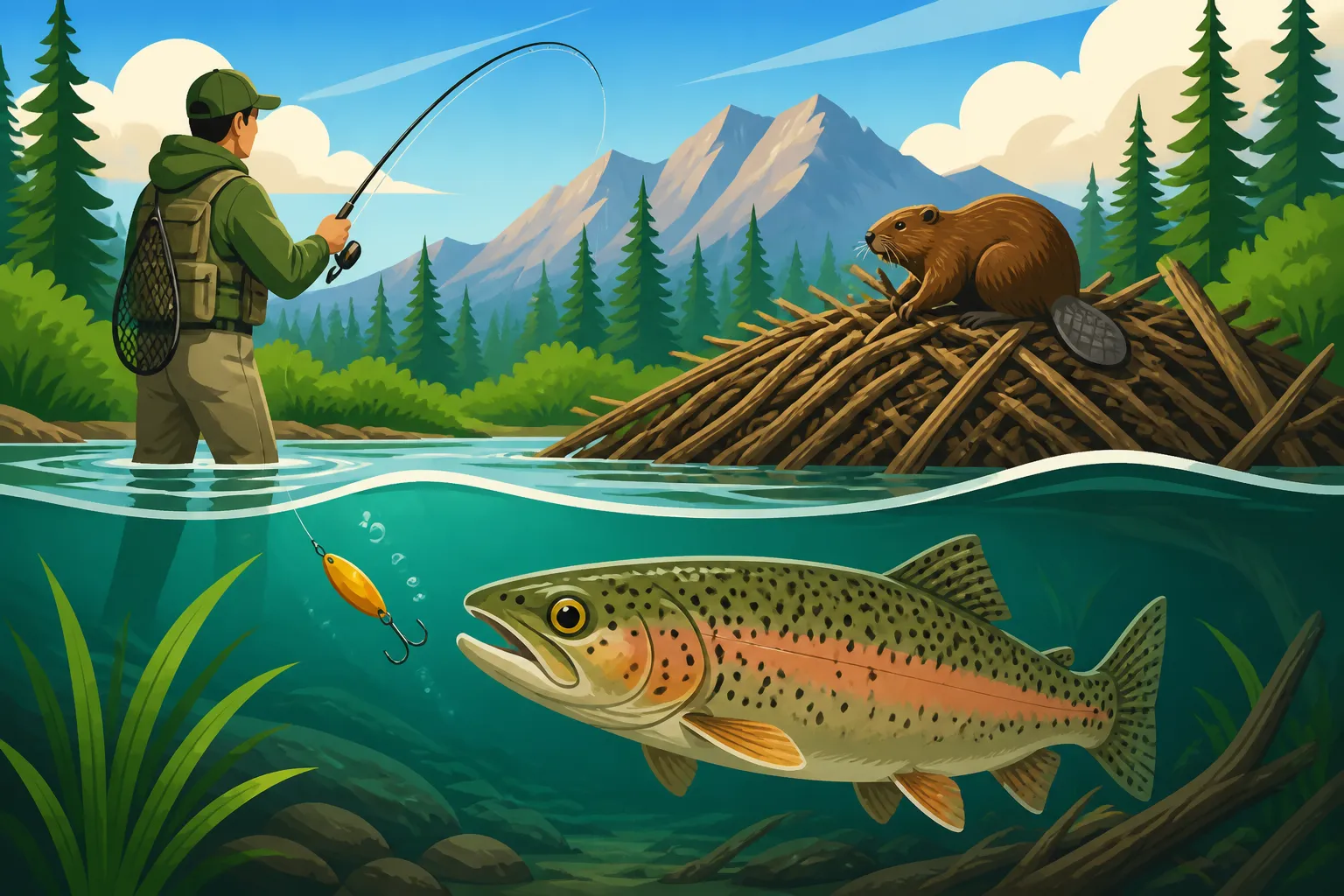
First, let’s talk about why these places hold fish. Beavers, in their diligent work of damming streams, inadvertently create prime trout habitat. The dams slow down the water flow, creating deeper pools that offer refuge from predators and provide stable water temperatures. These ponds also allow for more insect life to flourish – think of all the aquatic insects like caddis, mayflies, and stoneflies, plus terrestrial insects that fall in. This abundance of food means trout here often grow larger and are generally healthier than their counterparts in faster-moving, less nutrient-rich sections of the same stream.
Beyond food, the woody debris, submerged logs, and undercut banks created by the beavers themselves offer incredible cover. Trout feel safe in these areas, ambushing prey from behind a sunken branch or a dark shadow. They’re less exposed to aerial predators and can conserve energy in the slower currents. It’s essentially a trout paradise, hidden away from the main thoroughfares. You might be targeting rainbow trout, brown trout, or even the beautiful native Cutthroat Trout in Alberta's Mountain Streams. These ponds can be especially productive for catching holdover trout that have survived previous seasons, growing large and wary.
The Challenges and Rewards of Beaver Pond Fishing
Alright, so it sounds great, right? Big fish, hidden spots. But there’s a flip side. The very features that make these ponds so attractive to trout also make them challenging for anglers. Access can be brutal. You might find yourself bushwhacking through dense willows, navigating boggy terrain, or climbing over fallen trees. Once you’re there, casting can be a nightmare due to overhanging branches and tight quarters. Stealth is absolutely paramount; the water in these ponds is often still and clear, meaning any sudden movement or heavy footfall will send trout scattering for cover.
However, the rewards are immense. The sheer joy of finding an untouched stretch of water, the thrill of a fat trout exploding on your fly or lure in a confined space, and the satisfaction of mastering a truly wild environment – it’s an experience unlike any other. Plus, these spots are often less pressured than popular rivers like the Bow, meaning the trout can be a bit less educated, if you can present your offering properly. The tranquility of these remote locations, far from the crowds, is a reward in itself. It's a true escape into the wild, reminding you why you got into fishing in the first place.
Essential Gear for Beaver Pond Success
When you’re heading into the backcountry to fish a beaver pond stream, your gear selection needs to be thoughtful and specific. You won't be able to carry a giant tackle box or a ten-foot rod through thick brush, so smart choices are key.
Rods, Reels, and Line Choices
For rods, think compact and versatile. A shorter spinning rod, say 5.5 to 6.5 feet, with a light to medium-light action, is often ideal. This length gives you enough leverage for casting in tight spots without constantly snagging on overhead branches. A shorter rod also makes precise casting easier, which is critical when you’re trying to drop a lure into a small opening in the reeds. For fly anglers, a 7.5 to 8.5-foot, 3 to 5-weight fly rod is a solid choice. Again, the shorter length is for maneuverability, and the lighter weight is perfect for delicate presentations of small flies to often spooky trout. The Best Fishing Rods for Alberta Rivers article might give you some ideas, but remember, beaver ponds are a different beast.
When it comes to reels, a small, reliable spinning reel spooled with 4-6 lb monofilament or fluorocarbon line is usually sufficient. Braided line can work, but its lack of stretch might lead to more pulled hooks on aggressive strikes in close quarters, and it's more visible. For fly reels, a standard click-and-pawl or disc drag reel that balances your chosen rod will do the trick. A weight-forward floating line is almost always the best choice for fly fishing these ponds, allowing for delicate dry fly presentations and easy nymphing. A good quality leader and tippet, usually 4x to 6x, will ensure your fly looks natural and gives you a fighting chance against a feisty trout.
Lures, Flies, and Bait: What Works Best?
This is where the fun begins! The key is to think small, natural, and versatile.
For spinners and spoons, choose compact, lighter options. Size 0 or 1 Mepps Aglia, Panther Martin, or Blue Fox Vibrax spinners in silver, gold, or black are perennial favourites. Small Kastmaster or Little Cleo spoons can also be effective, especially in deeper pockets. The flash and vibration mimic small baitfish or fleeing insects, which trout simply can't resist. Keep a variety of colours handy. Sometimes a bright chartreuse will trigger a strike when natural colours fail, especially in murkier water.
When it comes to flies, you'll want a selection of patterns that imitate the abundant insect life. Dry flies like Elk Hair Caddis, Adams, Parachute Adams, and various hoppers or ant patterns are essential, especially on warmer days when trout are looking up. Nymphs such as Prince Nymphs, Hare's Ear Nymphs, Pheasant Tail Nymphs, and Caddis Larva imitations are crucial for prospecting deeper water. And don't forget a few small streamers like Woolly Buggers (black, olive, or brown) to imitate leeches or small baitfish. For specific advice, consider looking at articles like Fly Patterns for the Bow River, but remember to size down for these smaller, tighter waters. A good basic fly box with a variety of sizes (12-20 for dries/nymphs, 8-12 for streamers) will serve you well. You can find many excellent fly selections and individual patterns on platforms like Amazon.
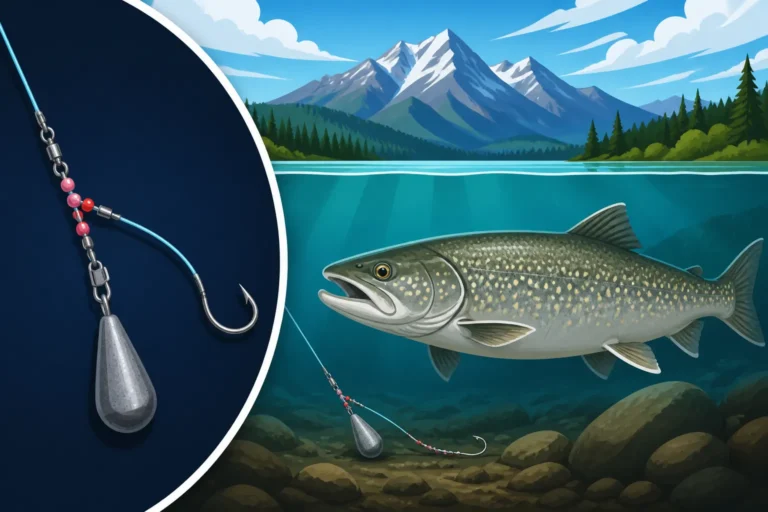
If you prefer bait fishing, worms (like garden worms or dew worms) are incredibly effective and widely available. Small pieces of corn or PowerBait can also work, especially in ponds where trout might be more accustomed to these offerings. Present them under a small bobber or lightly weighted on the bottom. Remember to check local regulations; some special regulation waters may prohibit bait fishing.
| Lure/Fly Type | Recommended Sizes | Effective Colors | Notes |
|---|---|---|---|
| Spinners | #0, #1 | Silver, Gold, Black, Chartreuse | Mimics baitfish/insects, good flash |
| Spoons | 1/16 oz – 1/8 oz | Silver, Gold, Copper, Rainbow | For deeper pockets, good flutter on the fall |
| Dry Flies | #14 – #20 | Natural colors (grey, brown, tan) | Imitates surface insects, delicate presentation required |
| Nymphs | #12 – #18 | Olive, Brown, Black, Tan | For subsurface feeding, essential for prospecting deep |
| Streamers | #8 – #12 | Black, Olive, White | Imitates leeches/minnows, good for aggressive trout |
| Bait (if permitted) | Small pieces | Natural | Garden worms, corn, PowerBait – effective, but check rules |
Wading Gear and Other Essentials
Wading gear is a non-negotiable for most beaver pond stream fishing. You'll likely encounter soft, muddy banks and need to enter the water to get decent casting angles or retrieve snagged lures. Breathable chest waders are often the best choice, allowing you to stay dry and comfortable. Pair them with sturdy wading boots that offer good ankle support and grip on slippery, uneven ground. Rubber soles are often preferred over felt in muddy conditions, as felt can track invasive species and get caked with mud. Check out articles like Best Waders for Alberta Trout Rivers for more detailed reviews.
Beyond waders, here’s a quick checklist of other essentials:
- Polarized Sunglasses: Crucial for spotting fish, submerged structure, and protecting your eyes from glare and errant hooks.
- Hat: For sun protection and extra eye shade.
- Pliers/Hemostats: Absolutely necessary for safely removing hooks, especially when practicing catch and release.
- Small Net: A rubberized, knotless landing net helps protect the fish's slime coat and fins. Make sure it's compact enough to carry easily through brush. Look for a Best Landing Net for Trout that's lightweight.
- Water and Snacks: You'll be expending energy, so stay hydrated and fueled.
- Bug Spray: Mosquitos and black flies can be relentless in these environments.
- Small Backpack: To carry all your gear, keep it organized, and leave your hands free for bushwhacking.
- First Aid Kit: For minor cuts, scrapes, or insect bites.
- Whistle/Bear Spray: For safety in remote areas.
- Fishing License and WIN Card: Always have your Alberta Fishing License Guide for 2026 and Alberta WIN Card, Explained with you.
- Regulations Guide: A printed copy or the digital version of the Reading the Alberta Guide to Sportfishing Regulations is vital to ensure you're compliant with zone-specific rules, especially concerning Alberta Catch and Release Only Waters.
Strategic Approaches and Techniques
Successfully fishing beaver pond streams isn't just about having the right gear; it’s about having the right strategy. These unique environments demand stealth, precision, and a keen understanding of trout behaviour.
Scouting Your Approach: Reading the Water
Before you even make a cast, take a moment to observe. Stealth is your biggest ally here. Trout in beaver ponds are often easily spooked due to the clearer, stiller water and the confined nature of their habitat. Approach the pond quietly, staying low and out of sight as much as possible. Wear drab clothing that blends with the surroundings, not bright colours.
Start by looking for signs of fish. Are there any rises on the surface indicating feeding activity? Are baitfish scattering? More importantly, identify key holding areas. Look for deeper pockets, especially near the dam itself, which often provides the deepest water. Undercut banks, fallen trees, beaver lodges, and dense weed beds all provide cover and ambush points for trout. The confluence of the main stream entering or exiting the pond is also a prime location, as it brings in fresh oxygen and food. When trout feel safe and have easy access to food, that's where they'll be.
Don't just cast blindly into the middle of the pond. Instead, systematically work the edges and structure. Think of it like a puzzle: where would a trout hide and wait for food? The calmer water along the edges, especially those with overhanging vegetation or submerged logs, is often surprisingly productive. Pay attention to how the wind is blowing, as it might be concentrating insects on a particular bank.
Casting and Presentation: Getting Your Offering In Front of Them
This is where finesse shines. Due to the often-dense bankside vegetation and overhead canopy, long, sweeping casts are rarely possible. You'll need to master shorter, more accurate casts. Roll casts, bow-and-arrow casts, and even flipping techniques can be invaluable for getting your lure or fly into those tight windows. Practice these casts in your backyard before you hit the stream; it'll save you a lot of frustration and snagged gear.
Your presentation needs to be delicate. A heavy splash down will send trout fleeing. For lures, try to cast beyond your target and reel it in softly, letting it settle naturally into the strike zone. For flies, aim for a gentle landing, imitating a natural insect falling onto the water. If you're nymphing, ensure your drift is natural and drag-free. Trout are masters of detecting unnatural movement, especially in still water.
One common mistake is trying to cast too far. Often, the biggest fish are holding just a few feet from the bank under cover. Make a short, accurate cast to these close-in spots first, before venturing into the middle of the pond. Remember, you can't catch a fish you've already spooked.
Working the Water: Retrieving and Detecting Strikes
Once your lure or fly is in the water, the retrieve is critical. For spinners and spoons, a slow, steady retrieve often works best, allowing the lure to flash and wobble enticingly without overpowering the trout. Vary your retrieve speed and add small pauses; sometimes a subtle jig or twitch is all it takes to trigger a strike.
For fly fishing, especially with nymphs or streamers, allowing the current (even if minimal) to carry your fly naturally is paramount. If you're using dry flies, let them drift without drag. Watch your line and strike indicator intently. Beaver pond trout can be incredibly subtle with their takes, often just a slight hesitation or sideways movement of your line. Don't be afraid to set the hook on anything that looks suspicious – it's better to make a few false strikes than miss a trophy fish.
When working a beaver pond, cover all the potential holding water systematically. Start upstream and work your way down, or work around the pond edges. After you've fished a likely spot, move on. If you hook a fish, try to land it quickly and quietly away from other potential holding areas to minimize disturbance. Remember, these fish live in confined spaces, and one spooked fish can alert others. On a good day, you might find yourself connecting with several trout from a single, well-placed series of casts. This is particularly true in early spring, where you might adapt Spring Trout Fishing Techniques for Alberta Streams to these stiller waters.
Ethical Angling and Safety Tips
Fishing in these wild, sometimes remote, environments comes with a responsibility to both the fish and your personal safety. Taking a few extra precautions and adopting an ethical mindset will ensure these unique fishing experiences continue for years to come.
Practicing Catch and Release in Delicate Habitats
Beaver pond streams are often home to vibrant, yet delicate, ecosystems. Many of the trout you encounter here might be wild, native fish, including potentially protected species like Bull Trout. Alberta has specific regulations, and understanding How to Catch Bull Trout and Release Them Safely is vital if you're in an area where they might be present, as they are a zero-possession species.
To ensure the survival of released fish:
- Minimize Handling: Try to keep the fish in the water as much as possible. If you must handle it, do so with wet hands and support its weight horizontally.
- Use Barbless Hooks: This is the golden rule for catch and release. Barbless hooks greatly reduce injury and make hook removal quick and easy. If your hooks aren't barbless, crimp down the barb with pliers. Some areas have a Alberta Barbless Hook Requirement Waters rule, so always check.
- Quick Hook Removal: Use pliers or hemostats to remove the hook gently. If the fish is deeply hooked, it’s often best to cut the line as close to the hook as possible rather than tearing vital organs.
- Revive Carefully: If a fish is exhausted, hold it gently in the current (or gently move it back and forth in still water) until it can swim away under its own power. Don't just toss it back; ensure it's strong enough to make it.
- Respect Spawning Areas: Be extra careful during spawning seasons. Disturbing fish or their redds (nests) can have significant impacts on future generations.
These practices aren't just good manners; they're essential for preserving the quality of these fisheries. Every fish you safely release is a potential future catch for yourself or another angler.
Navigating the Terrain and Staying Safe
Accessing beaver ponds often means venturing into wild, unmaintained areas. This can pose several safety challenges.
- Terrain Awareness: The banks around beaver ponds can be incredibly muddy, unstable, and covered in slippery vegetation or fallen logs. Watch your footing constantly. A good wading staff can be a lifesaver for probing the ground ahead and maintaining balance. Carrying one is just smart practice.
- Wildlife Encounters: You are in prime wildlife territory. Bears, cougars, moose, and other animals inhabit these areas. Carry bear spray and know how to use it. Make noise as you travel to avoid surprising animals. Storing food properly and keeping your camp clean (if camping) are also crucial.
- Weather Changes: Mountain and wilderness weather can change rapidly. Always check the forecast, but be prepared for anything. Pack extra layers, rain gear (like a good rain jacket you can find on Amazon), and emergency supplies. Hypothermia is a real risk even in summer if you get wet and the temperature drops.
- Communication: Cell service is often non-existent in remote areas. Let someone know where you are going and when you expect to return. Consider carrying a satellite communication device like a SPOT or inReach if you're venturing deep into the backcountry.
- Know Your Limits: Don't attempt to cross swift or deep water, or scale unstable banks, if you're not confident in your abilities. A fish isn't worth a serious injury.
Embrace the adventure, but do so with a healthy respect for the wild, and always prioritize your safety. The thrill of exploring these hidden gems and connecting with wild trout is truly special, and with responsible practices, we can ensure they remain that way for future generations. Knowing the Best Time of Year to Fish in Alberta can also help you plan for optimal weather and fishing conditions.
Disclaimer
This article is for general informational purposes only and does not constitute professional advice. Laws, prices and regulations vary by location and change over time. Consult a qualified professional for guidance on your specific situation.