Fishing after a heavy rain on Alberta rivers
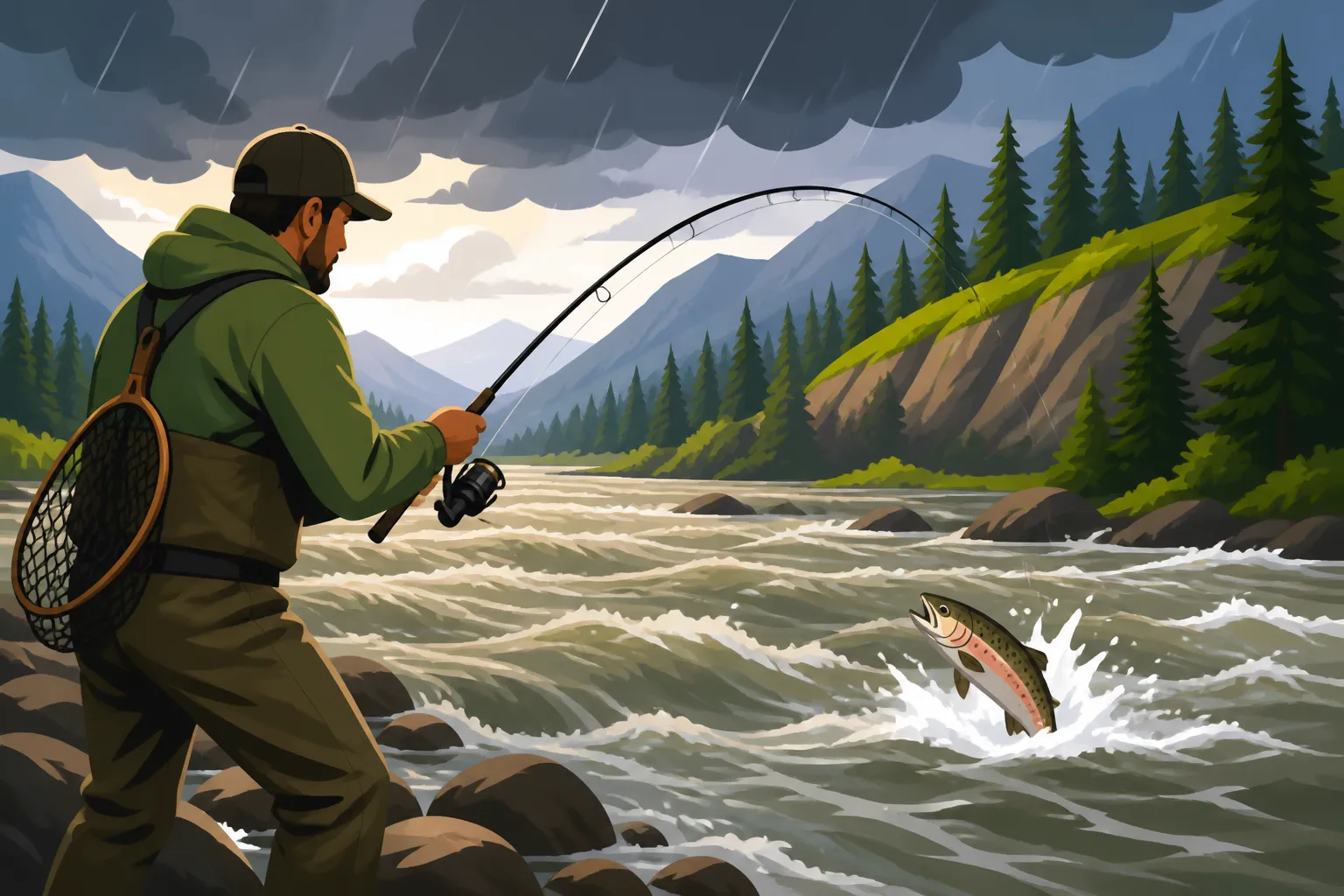
There's nothing quite as deflating as planning an epic fishing trip to one of Alberta's beautiful rivers, only for a sudden, torrential downpour to turn the clear, fishable water into a raging, muddy torrent. Many anglers, understandably, pack up their gear and call it a day, feeling frustrated that their plans have been washed out. But I'm here to tell you that fishing after a heavy rain on Alberta rivers, while challenging, can actually be incredibly rewarding if you understand the changes and know how to adapt your strategy. This guide will walk you through how to tackle those high, turbid waters and increase your chances of success.
Understanding How Rain Impacts River Dynamics
Heavy rainfall doesn't just make the water look different; it fundamentally alters the entire river ecosystem in ways that drastically affect fish behavior and location. Ignoring these changes is a surefire way to come home empty-handed. You need to think like a fish experiencing this upheaval, trying to find comfort and food in a suddenly chaotic environment.
The Immediate Effects of Runoff and Turbidity
When rain lashes down across Alberta, especially in agricultural or developed areas, it picks up everything in its path – soil, organic matter, debris, and pollutants – and washes it into the nearest river. This influx creates what we call turbidity, or murkiness, turning that usually inviting clear water into a cloudy, often brown or grey soup. The impact on fish is profound. Their primary sense for hunting, sight, becomes almost useless, forcing them to rely heavily on lateral line vibrations and smell. This can make them harder to spot and harder to entice with visually appealing lures. Moreover, the sudden change in water quality can stress fish, making them lethargic or prompting them to seek out areas of cleaner, less turbulent water.
Consider a favourite stretch of the Bow River after a significant rain event. That pristine, clear blue-green water that's usually teeming with trout can quickly become a churning mess. Anglers accustomed to sight-fishing or using subtle presentations will find their usual tactics completely ineffective. The suspended particles can also irritate fish gills, pushing them to seek refuge in calmer, less turbid pockets. This isn't just an aesthetic change; it's a complete environmental shift that dictates where fish will hold and what they'll be willing to eat.
Temperature Swings and Their Influence on Fish Behavior
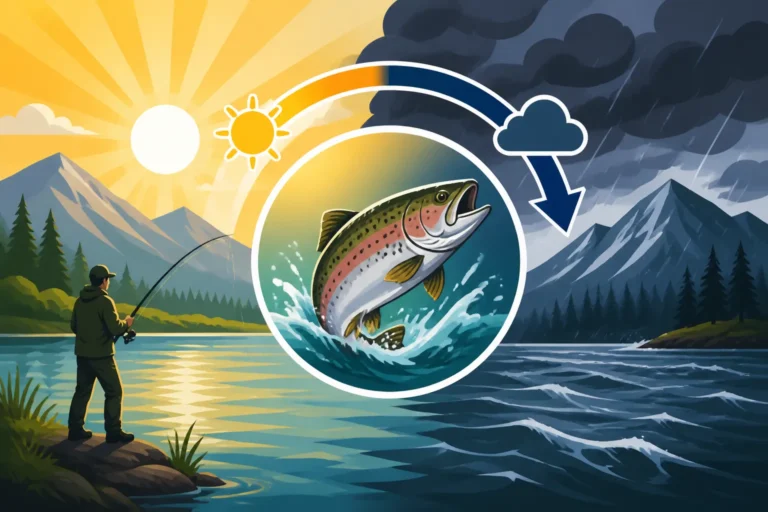
Another critical, yet often overlooked, factor after heavy rain is water temperature. Rainwater, especially from a summer storm, can be significantly cooler than the river water it's entering, or it could be warmer if the rain has been passing over hot ground. This sudden influx of different temperature water can create thermoclines or localized temperature gradients within the river. Fish are highly sensitive to temperature changes, as it directly impacts their metabolism, oxygen uptake, and overall activity levels. A sudden drop in temperature can make fish lethargic and less inclined to feed aggressively, while a rapid warm-up might spur a short burst of activity.
For cold-water species like trout, a sudden surge of much colder runoff might temporarily shock them, driving them to find warmer, more stable pockets of water. Conversely, a prolonged warm rain could elevate river temperatures, potentially pushing trout into deeper, cooler zones or areas fed by cold springs. Understanding the ambient temperature of the rainfall and the river itself, and how they interact, is crucial for predicting where fish might be most comfortable and therefore more likely to bite. This is particularly relevant in systems like the Crowsnest River or Oldman River, where sudden mountain runoff can dramatically alter conditions.
Water Levels, Current Speed, and Their Impact on Fish Location
Perhaps the most obvious change after a heavy rain is the increase in water levels and current speed. What was once a gentle flow can transform into a powerful, even dangerous, torrent. This surge in volume and velocity has several implications for fish. First, it makes holding a position in the main current much more energetically demanding. Fish will naturally seek refuge from the strongest flows, conserving energy. This means they'll often move to slower eddies, backwaters, submerged structure, or close to the bank where the current is less intense.
Secondly, the increased water level can open up new feeding opportunities as it floods previously dry banks, washing in worms, insects, and other terrestrial food sources. Fish will move into these newly accessible, shallower areas to capitalize on the easy meal, often holding just at the edge of the fast current, waiting for food to be swept by. Knowing Alberta Fishing Season Dates by Zone and how they coincide with typical rainy seasons can give you a heads-up on potential high water events. Anglers need to adjust their casting distance, weight, and presentation to reach these new holding spots, rather than casting into the unfishable main current. It's a fundamental shift from targeting primary lies to secondary, protected areas.
Adjusting Your Strategy for Post-Rain Fishing Success
Alright, so the river's a chocolate milkshake, the current's ripping, and your usual spots look like a different planet. Don't despair! This is where seasoned anglers shine. Adapting your approach is key, and it means thinking outside the box and embracing techniques you might not typically use.
Lure and Bait Selection for Muddy Waters
When visibility plummets, fish can't see your perfectly tied fly or realistically colored crankbait. This means you need to appeal to their other senses: vibration and smell. Bright, contrasting colors, strong scent, and aggressive vibration become your best friends.
For spin fishing, think about lures that displace a lot of water. Big, wide-wobbling crankbaits in fire-tiger, chartreuse, or even solid black are excellent choices. These colors create a strong silhouette against the murky background and are more easily detected. Spinnerbaits with large, thumping blades also create irresistible vibration, and many come in high-visibility skirts. For bait fishing, natural scents are paramount. Worms, pieces of cut bait, or even commercially prepared scent attractants applied to soft plastics can make a huge difference. You might want to stock up on some of these vibrant lures and powerful scents; Amazon often has a fantastic selection that arrives quickly, perfect for when you need to re-stock after an unexpected downpour. The goal is to create a disturbance and a scent trail that fish can home in on, even if they can't see your offering until it's right in front of them.
| Water Clarity | Recommended Lure Colors | Recommended Lure Types | Primary Sense Targeted |
|---|---|---|---|
| Crystal Clear | Natural, Transparent, Matte | Light Jigs, Small Baits, Dry Flies | Sight |
| Slightly Stained | Natural, Earth Tones, Silver | Spinners, Soft Plastics, Wet Flies | Sight, Vibration |
| Coffee with Cream | Chartreuse, Orange, White | Crankbaits, Blade Baits, Streamers | Vibration, Contrast |
| Chocolate Milk | Black, Fire-Tiger, Dark Blue | Large Crankbaits, Spinnerbaits, Scented Baits | Vibration, Scent, Silhouette |
Locating Fish in High and Discolored Water
Fish don't just vanish; they seek refuge. Your job is to find those refuges. As mentioned, the main current becomes a no-go zone due to the energy expenditure required to hold position. Look for seams, eddies, and slack water behind any structure – fallen trees, large boulders, bridge pilings, or even bends in the river where the current slows down. The inside bends of rivers often have slower water and softer bottom, making them attractive.
Also, don't overlook flooded areas. If the river has swelled and inundated grassy banks, fish will move into these newly submerged zones to forage for worms and insects washed in from the land. These areas can be surprisingly shallow. Target the calmer edges of the main current, especially where a distinct current seam forms between fast and slow water. Fish will often sit right on that seam, waiting for food to be delivered to them by the faster current without expending too much energy. This requires a different approach than targeting Best Fishing Rivers in Alberta in normal conditions, where fish might be more spread out. Pay attention to any slight changes in current speed, depth, or cover – these are the fish highways after a flood.
Adapting Presentation Techniques
Once you've chosen your lure and located potential fish holding spots, your presentation needs to be spot on. Heavier weights are often necessary to get your lure down through the stronger currents and keep it in the strike zone. You might need to up your line strength too, as heavy current and snaggy debris are more common.
Slow down your retrieve significantly. Fish in murky water have less time to react to a fast-moving lure. A slower presentation gives them more opportunity to detect the lure via vibration or scent and decide to strike. When drift fishing, use enough weight to keep your bait or lure bouncing slowly along the bottom, or just above it. This mimics natural food being washed downstream. For species like walleye, a slow retrieve with a bottom-bouncing rig is often incredibly effective. If you're trying to How to Catch Walleye in Alberta after a storm, slow and low is often the way to go. Consider using a heavier jig head or adding a split shot a foot or two above your bait to ensure it stays in the feeding zone. The goal is to keep your offering in front of the fish for as long as possible in a way that appears natural to them, despite the chaotic conditions.
Essential Gear and Safety Considerations After a Deluge
High, fast, and murky water isn't just tricky for fish; it poses significant challenges and potential dangers for anglers. Being properly equipped and prioritizing safety are non-negotiable. Don't let a moment of excitement overshadow common sense.
Must-Have Gear for Rainy Conditions
First and foremost, rain gear. A reliable, waterproof jacket and pants are essential. Even if the rain has stopped, splash from the high water and wet bank conditions will soak you quickly. Brands like Simms, Frogg Toggs, or even more budget-friendly options found on Amazon offer excellent waterproof protection. Beyond keeping you dry, good rain gear often acts as a windbreak, which is crucial for comfort if temperatures have dropped.
Next, waders and proper wading boots. The bank can be slippery and muddy, and the water level will be higher. A good pair of studded or felt-soled wading boots will provide much-needed traction. A wading staff is not optional; it's a lifesaver in high, fast water, helping you probe depth and test footing before you commit. A pair of polarized sunglasses might seem counterintuitive in murky water, but they can still help cut glare and allow you to see submerged obstacles just below the surface that could trip you up. Finally, bring extra weight for your lures and rigs. You'll likely need heavier sinkers and jig heads to get your offerings down in the faster current. I always keep a variety of heavier options in my tackle box for just these occasions, often sourced from Amazon for convenience.
Prioritizing Safety on Swollen Rivers
This is absolutely paramount. High water is powerful water, and it's deceptive. What looks like a calm eddy can have strong undertows. Never wade into water that is above your knees, especially if the current is strong. The force of the water can easily sweep you off your feet. Always wear a life jacket, even if you're just bank fishing near a swift section. Accidents happen fast, and a life jacket provides critical flotation. You can find many comfortable, low-profile life jackets on Amazon designed for fishing, making them less cumbersome than traditional bulky vests. Knowing Life Jacket Requirements for Alberta Boaters is a good starting point, but extending that safety mindset to all river activities is crucial.
Inform someone of your plans, including where you're going and when you expect to return. Carry a fully charged cell phone in a waterproof bag. Watch for floating debris; large logs or branches can be dangerous to both anglers and boats. If you're using a boat, be extra vigilant for submerged hazards and respect the increased current. And remember, if in doubt, don't go. A fishing trip is never worth risking your life. River conditions can change rapidly after rain, so constantly assess your surroundings and be prepared to pack up if conditions become too dangerous.
Species-Specific Approaches in Post-Rain Conditions
Different fish species react to heavy rain and high water in varied ways, largely due to their preferred habitats, feeding behaviors, and tolerance for turbidity. What works for a resilient pike might not cut it for a sensitive trout.
Targeting Trout in High Water
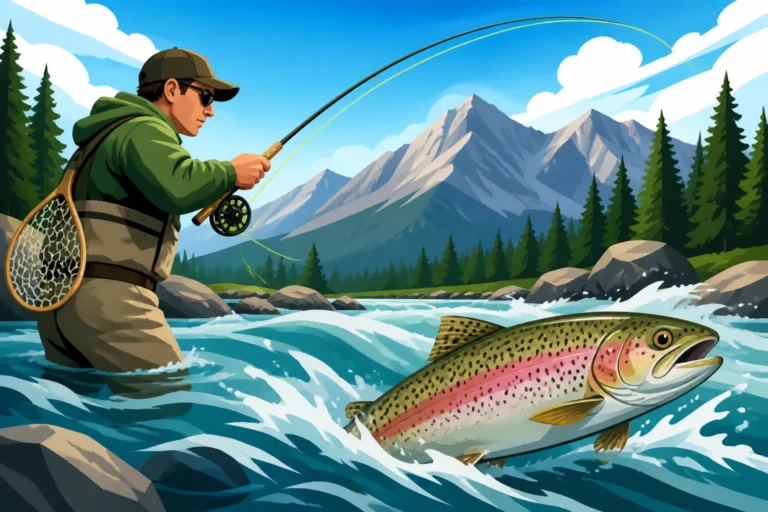
Trout, particularly native species like bull trout and cutthroat trout, are generally sensitive to water quality changes. After heavy rain, especially in mountain rivers like the Bow or Highwood, the water will likely be cold, fast, and very turbid. Trout will move out of the main current and seek refuge in slower, more oxygenated water. Look for them in back eddies, behind large rocks, in logjams, or along the soft inside bends of the river. They'll also hug the banks where the current is weakest, often close to flooded vegetation.
Forget delicate dry flies. This is a time for bigger, bolder presentations. If fly fishing, think heavy nymphs, San Juan Worms, or large streamers in dark colors like black, purple, or olive. Make sure to add enough weight (split shot or lead wraps) to get your flies down quickly. For spin anglers, try weighted spinners, small spoons, or aggressively wobbling crankbaits in bright or contrasting colors. Fly Fishing for Trout on the Bow River during these conditions means abandoning traditional approaches and embracing heavy subsurface tactics. The key is to get your offering deep and slow, right into their holding pockets, and make it stand out through vibration and silhouette.
Chasing Pike and Walleye After a Storm
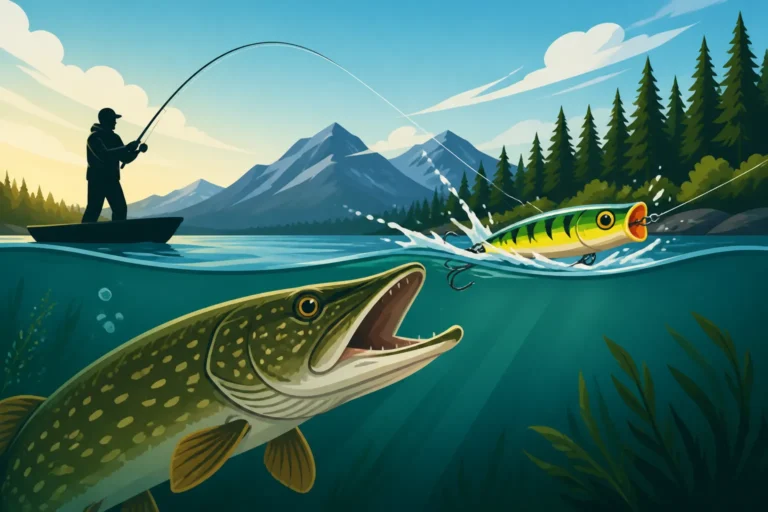
Pike and walleye, being more tolerant of murky water than trout, can actually become very active after a rain event, especially if the temperature changes are favorable. The increased turbidity can make them feel more secure and less wary, and the influx of new food sources can trigger aggressive feeding.
Northern pike will often move into newly flooded vegetation along the banks. These areas provide excellent ambush points, and the discolored water offers perfect cover. Large spinnerbaits with big blades, noisy topwater lures (if the surface debris isn't too heavy), or large swimbaits in bright colors (chartreuse, fire-tiger, white) are excellent choices. Concentrate on casting right into the cover or along its edges. For walleye, who rely heavily on their lateral line and keen sense of smell, the post-rain period can be phenomenal. They'll often move shallower, particularly into areas where runoff is washing in food. Jigging with scented plastics or live bait (like worms or minnows, where legal) fished slowly along the bottom is a deadly tactic. Crankbaits that dive to the appropriate depth and have a strong wobble can also be very effective, especially in bright or dark, contrasting colors. Focus on current breaks, submerged humps, and the edges of weed beds in lakes like Lesser Slave Lake or Pigeon Lake. Knowing Northern Pike Fishing in Alberta habits means understanding their opportunistic nature in these conditions. Look for them to be actively hunting, not just passively waiting.
Even if you're dealing with extreme post-rain conditions, remember that there's always an opportunity to learn and adapt. The most successful anglers aren't just good when conditions are perfect; they're the ones who can read the river and adjust their approach when Mother Nature throws a curveball. Stay safe, pay attention to the subtle cues the water gives you, and you might just find your next trophy in the muddy aftermath of a heavy rain.
Disclaimer
The information provided in this article is for general guidance and informational purposes only. Fishing regulations and river conditions in Alberta can change rapidly. Always consult the official Alberta Guide to Sportfishing Regulations before heading out and ensure you have all necessary licenses, including an Alberta Fishing License Guide for 2026, and a valid Alberta WIN Card, Explained. Prioritize personal safety on and around water, especially during high water events.