Best water temperature for walleye fishing
Anglers often find themselves scratching their heads, wondering why the walleye bite is on fire one day and completely shut down the next, even in prime locations. The secret often lies in something you can't see but can definitely measure: water temperature. This comprehensive guide will pull back the curtain on the best water temperatures for walleye fishing in Alberta, helping you understand how these finicky fish react to thermal changes and how to adjust your approach for consistent success on the water.
Understanding Walleye Biology and Temperature Preferences
Walleye are fascinating creatures, and much like us, they have specific comfort zones when it comes to temperature. Unlike mammals, fish are cold-blooded, which means their body temperature is directly influenced by the water around them. This fundamental biological fact is the key to unlocking consistent walleye success in Alberta's diverse waters.
Why Water Temperature Dictates Walleye Behavior
Because walleye are cold-blooded, their metabolism, activity levels, and even their digestion rate are all intrinsically linked to the surrounding water temperature. When the water is too cold, their bodily processes slow down significantly. They become sluggish, conserve energy, and are generally less inclined to chase down a meal. Think of it like trying to go for a run on a freezing winter morning – you're probably moving a bit slower, right? Walleye are much the same.
Conversely, if the water gets too warm, walleye can become stressed. High temperatures often mean lower dissolved oxygen levels, especially in shallower lakes, forcing them to seek deeper, cooler refuge. This can make them lethargic from stress rather than cold, and they'll again be less eager to feed. The perfect balance, where they are most comfortable and active, is what we're aiming to find. Understanding these physiological responses is step one in mastering How to Catch Walleye in Alberta.
The "Goldilocks Zone" for Walleye Activity
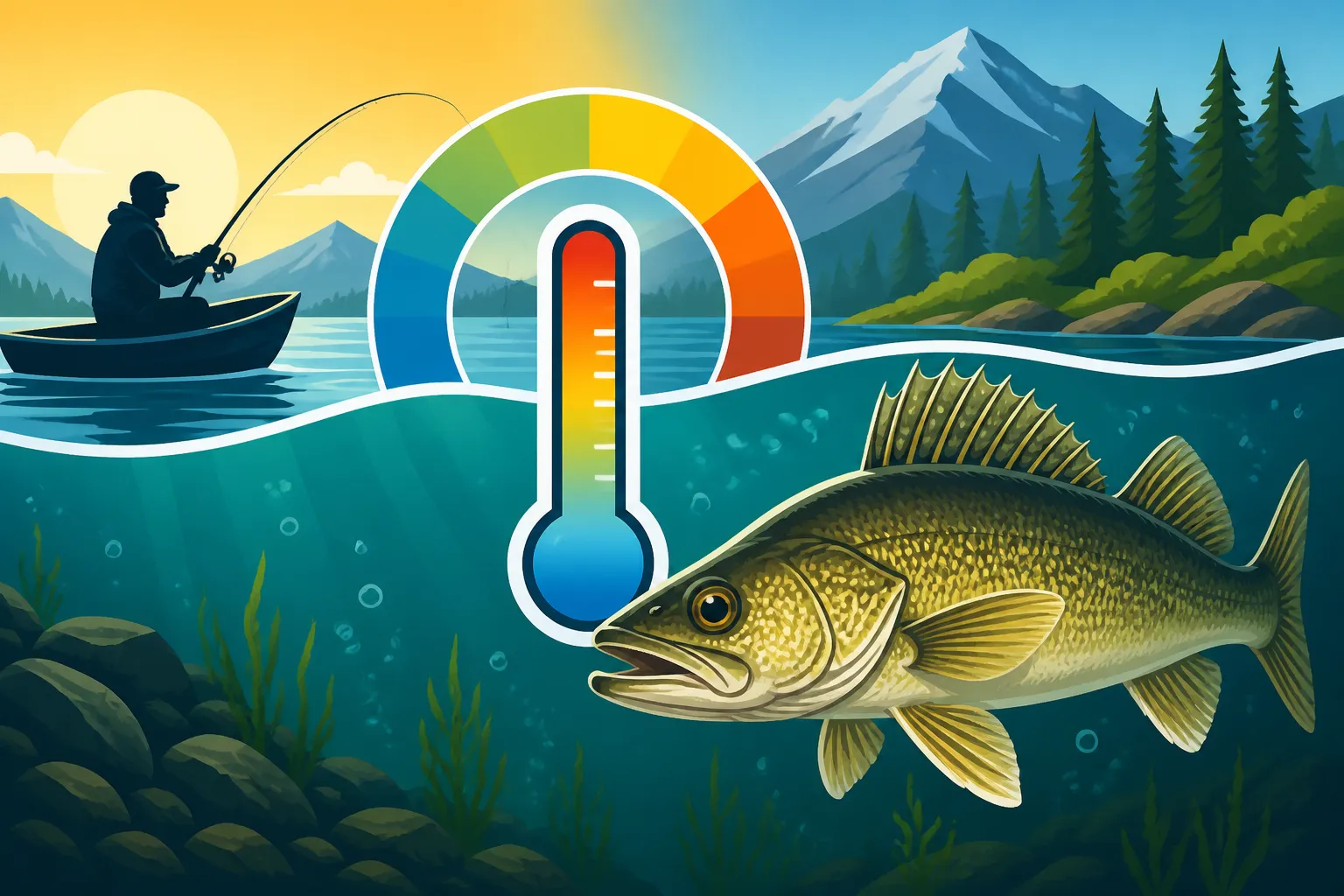
Over years of study and angler experience, a general "Goldilocks zone" for walleye activity has emerged. This is the temperature range where they are most metabolically efficient, actively digesting food, and most inclined to hunt. For walleye, this sweet spot typically falls between 60 to 70 degrees Fahrenheit (approximately 15 to 21 degrees Celsius).
Within this optimal range, walleye are often found roaming and feeding aggressively, making them prime targets for a variety of presentations. However, it's crucial to remember that this is a guideline, not a strict rule. Factors like the availability of their preferred forage, prevailing oxygen levels, and time of day can slightly shift their preferences within or even just outside this window. For instance, in a deep, clear lake, they might tolerate slightly warmer surface temperatures if a strong thermocline offers an easy retreat to cooler water below. Knowing this core temperature window is your most powerful tool for improving your catch rates on any given day.
Seasonal Water Temperature Ranges and Walleye Behavior
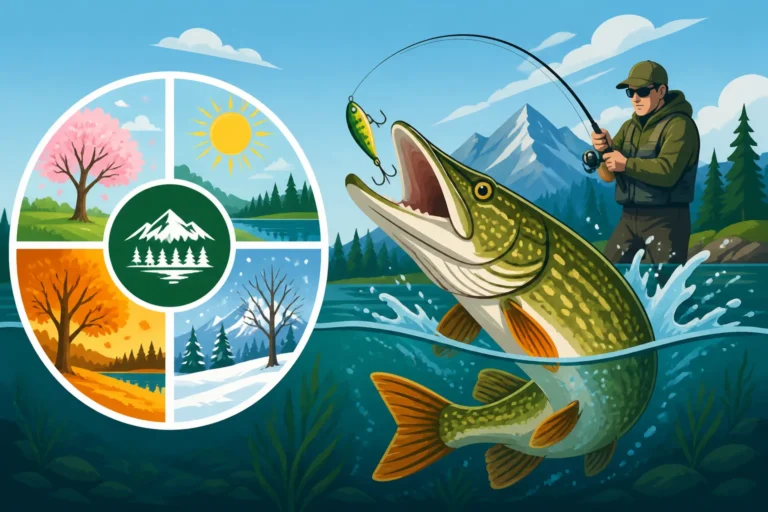
Alberta's seasons bring dramatic changes to our lakes and rivers, and understanding how walleye adapt to these shifts throughout the year is essential for consistent success. Each season presents unique challenges and opportunities based on prevailing water temperatures.
Spring Turnover and Post-Spawn Warm-up (45-60°F / 7-15°C)
Spring is a season of rebirth, and for walleye, it marks the end of winter dormancy and the beginning of the spawn. As the ice melts and Alberta's waters begin to warm, walleye will start to move shallower. The critical period for Walleye Spawning Season in Alberta typically occurs when water temperatures are between 40-50°F (4-10°C). During this reproductive phase, their focus is on procreation, and feeding often takes a backseat.
However, immediately after the spawn, as water temperatures climb into the mid-50s to low 60s F (13-17°C), walleye enter a crucial post-spawn recovery phase. They're often famished, looking to quickly regain the energy expended during spawning. This can be an incredible time to fish. You'll typically find them in shallower flats, along nascent weed lines, and near rocky points, areas where baitfish congregate and the water warms quickly under the sun's strengthening rays. Look for the warmest water you can find in these shallower zones. Slower presentations like jigging with live minnows or a leisurely retrieve of a shallow-running crankbait can be incredibly effective during this hungry phase.
Summer Heat and Deep Water Retreat (65-75°F / 18-24°C)
As Alberta moves into summer, water temperatures rise significantly, especially in shallower prairie lakes. While the optimal feeding zone is still 60-70°F, surface temperatures can push into the 70s or even 80s F (21-27°C) during prolonged heatwaves. In these conditions, walleye often seek refuge in deeper, cooler sections of the lake, particularly near the thermocline (the layer where water temperature changes rapidly). This is especially true for large, deep lakes where a distinct thermocline develops, like Cold Lake or some of the deeper sections of Lesser Slave Lake.
During the summer, your strategy should shift to locating these cooler sanctuaries. Focus your efforts on deep structure such as points, humps, submerged islands, or steep breaks that provide quick access to comfortable depths. Early mornings, late evenings, and even night fishing can be highly productive, as walleye will often move shallower under the cover of darkness when surface temperatures are cooler, making it the Best Time of Day to Catch Walleye. Trolling with deep-diving crankbaits or employing bottom bouncers with spinner rigs are classic summer tactics, allowing you to cover water efficiently at specific depths. Having a reliable fish finder is crucial to pinpointing these deeper structures and How Deep Walleye Go in Summer.
Fall Turnover and Pre-Winter Feast (50-60°F / 10-15°C)
Autumn is a time of incredible opportunity for walleye anglers in Alberta. As the air temperatures drop, the surface water cools, eventually matching the temperature of the deeper water. This causes the entire water column to mix, a phenomenon known as "fall turnover." While fishing can be challenging for a few days during the actual turnover as fish disperse, once the water stabilizes, the fall period often delivers some of the most aggressive walleye bites of the year.
With the cooling waters, walleye enter a voracious pre-winter feeding frenzy, desperate to pack on calories for the long, lean winter months. Water temperatures in the 50s F (10-15°C) are typically prime. Walleye will often be found shallower than in summer, relentlessly chasing schools of baitfish that are also moving into accessible bays and flats. This is when you can encounter large, incredibly aggressive walleye. Don't be shy with your presentations; casting larger crankbaits, lipless crankbaits, or jigging with heavier jigs and active soft plastics can be incredibly effective. They're often willing to chase, so feel free to experiment with faster retrieves. Understanding Best Techniques for Fall Crankbait Fishing can be a real game-changer during this period, often leading to some of the biggest fish of the season.
Winter Ice Fishing and Low Metabolism (32-40°F / 0-4°C)
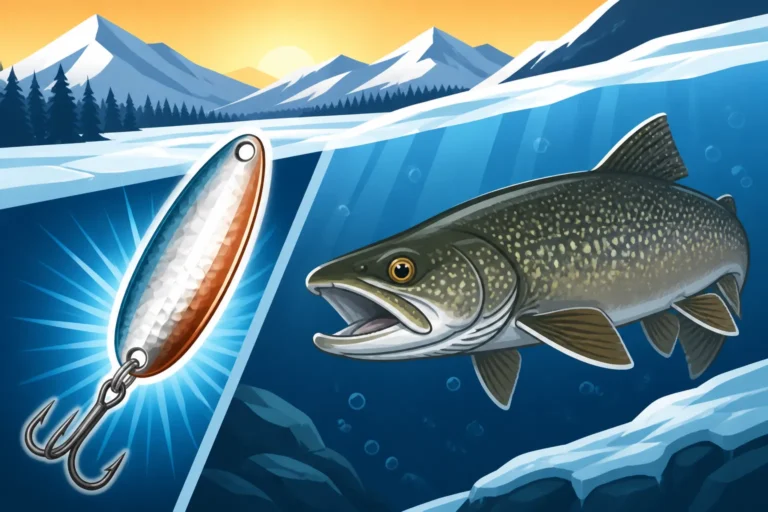
When Alberta's lakes succumb to the deep freeze, walleye activity slows considerably due to the near-freezing water temperatures. However, they don't stop feeding entirely. Ice fishing for walleye in Alberta can be immensely rewarding, but it demands patience and specialized tactics. Under the ice, water temperatures will hover just above freezing, typically between 32-40°F (0-4°C).
During winter, walleye often relate to deep main lake structure, humps, or even specific shallower bays that retain higher oxygen levels due to remaining vegetation. Their movements are minimal, and they're conserving energy, making subtle presentations absolutely critical. Focus your efforts during early morning, late evening, or during low-light periods throughout the day. Small jigging spoons, subtle lipless crankbaits, or a simple dead stick rig with a live minnow or shiner are classic ice fishing baits. Mastering Best Hair Jig Technique for Winter Walleye can also lead to surprising success. Patience is paramount, as bites can be incredibly light, and fish may only commit during short feeding windows. Utilizing a flasher or a dedicated ice fishing fish finder is invaluable for locating fish and ensuring your presentation is right in their strike zone.
Tools and Techniques for Monitoring Water Temperature
Knowing the ideal temperature ranges is one thing, but actually measuring the water temperature while you're out fishing is another. Thankfully, there are several accessible tools and techniques to help you gather this critical information, turning guesswork into informed strategy.
Essential Temperature Measurement Devices
The most straightforward and budget-friendly tool for measuring water temperature is a simple fishing thermometer. These inexpensive gadgets are readily available at most tackle shops or online retailers, like Amazon. You just clip it to your line, let it sink to your desired depth (or the depth where you expect fish to be), allow a minute or two for it to equilibrate, and then retrieve it for a reading. While basic, it's incredibly effective for getting accurate spot-checks.
For those venturing out in a boat, many modern fish finders and depth sounders come equipped with built-in water temperature gauges. These devices provide real-time surface temperature readings, and some advanced units can even generate a temperature profile of the entire water column, helping you identify crucial thermoclines. This integrated feature on a high-quality fish finder, especially one suited for Best Fish Finders for Deep Lake Fishing, is an invaluable asset. Brands like Garmin, Lowrance, and Humminbird often feature excellent, accurate temperature sensors integrated into their transducers.
Another handy device, particularly for kayak anglers or those without extensive electronics, is a handheld infrared thermometer. While these only measure surface temperature and can be affected by sun glare, they offer quick, non-contact readings across various sections of water, helping you identify warmer or cooler surface patches. Just remember that surface temperature can sometimes differ significantly from the temperature at depth, especially in stratified lakes.
Utilizing Technology and Online Resources
Beyond your personal gear, a wealth of information is often just a few clicks away. Many local Alberta fishing forums, social media groups dedicated to angling, and provincial fishing resource websites frequently share water temperature reports, particularly for popular destinations like Lesser Slave Lake Fishing Guide. Checking these community resources before you even leave home can give you a significant head start on understanding current conditions.
Satellite imaging and advanced weather apps can also offer intriguing clues. While they might not provide exact water temperatures, they can show recent air temperature trends, powerful wind patterns, and even ice coverage, all of which heavily influence water temperature. For instance, a persistent strong wind can push warmer surface water into specific bays, concentrating baitfish and, consequently, walleye in those areas.
For larger bodies of water, some government agencies or research institutions occasionally publish data on thermocline depths or overall lake temperatures. While this isn't available for every small fishing hole, a quick web search before a trip to a major lake could provide surprisingly detailed insights, helping you to How to Pattern Walleye on an Unfamiliar Alberta Lake much faster.
Tailoring Your Fishing Strategies to Water Temperature
Knowing the water temperature is powerful, but applying that knowledge to your fishing strategy is where the magic truly happens. By adapting your lure choices, presentation speeds, and even your search patterns, you can dramatically increase your chances of finding and catching active walleye.
Adapting Lure Selection and Presentation Speed
Your lure choice and how you present it should be a direct reflection of the water temperature. In colder water, generally below 50°F (10°C), walleye are less energetic, meaning subtle and slow presentations are key. Think about using live bait like minnows or leeches on a light jig, slow-rolling a spinnerbait, or gently twitching a small stickbait. The goal is to make your offering irresistible and easy for a sluggish walleye to engulf without expending much energy.
As water temperatures climb into the comfortable 60s F (15-21°C), walleye become significantly more active and aggressive. This is the time to speed things up! Crankbaits, jerkbaits, and swimbaits retrieved at a moderate to fast pace, or jigging with soft plastics that have plenty of action, will often draw powerful strikes. They are willing to chase their prey, so don't hesitate to experiment with more vibrant colors and lures with built-in rattles. Many excellent Best Crankbaits for Alberta Walleye can be found and ordered online from retailers like Amazon.
In the hottest water, above 70°F (21°C), when walleye are likely holding deeper and potentially less active during the peak heat of the day, a return to slower, more vertical presentations can be key. Jigging spoons directly over deep structure or employing a vertical jigging walleye technique can entice inactive fish. Opt for natural bait colors that accurately mimic distressed forage, as these fish might be more discerning.
Locating Walleye Based on Thermal Comfort Zones
Beyond just lure selection, water temperature provides invaluable clues about where walleye are likely to be in any given body of water. In the spring, as waters warm, actively search for shallow, dark-bottomed bays and northern shorelines that are exposed to direct sunlight. These areas warm up first, attracting baitfish and, consequently, hungry walleye. The transition lines between warmer and still-cold water are often hotspots.
During the summer, your focus should shift to finding the thermocline—the depth where water temperature changes rapidly—or the deepest parts of the lake where cooler, oxygen-rich water persists. Walleye will also utilize areas with natural springs or inflowing rivers that introduce cooler water. In river systems, they might hug deeper channels, scour holes, or congregate below dams where the water is consistently cooler and more oxygenated.
Come fall, after the crucial turnover event, as the entire water column cools and mixes, walleye often migrate back to shallower points, humps, and extensive weed lines. They do this to gorge on baitfish before the onset of winter. They will follow these baitfish schools relentlessly, so locating minnows on your fish finder is often the quickest way to pinpoint active walleye. Always remember that walleye will instinctively position themselves in water that offers the optimal combination of comfort, oxygen, and food availability. Understanding these seasonal thermal migrations is absolutely crucial for year-round success when Walleye Fishing in Alberta.
| Water Temperature Range (approx.) | Walleye Behavior | Recommended Tactics & Locations |
|---|---|---|
| 32-40°F (0-4°C) | Very lethargic, slow metabolism, conserving energy | Ice fishing, deep main lake basins, subtle jigging, dead sticking with live bait (minnows) |
| 40-50°F (4-10°C) | Pre-spawn/Spawning, beginning to activate | Shallow spawning areas (e.g., river mouths, rocky shoals), slow presentations, live bait, transition zones after ice-out |
| 50-60°F (10-15°C) | Post-spawn recovery, increasing activity | Shallow flats, early weed lines, rocky points, moderate retrieve crankbaits, jigs, spinnerbaits |
| 60-70°F (15-21°C) | Peak Activity, Optimal Feeding Zone | Structure (humps, points, submerged islands), deeper weed edges, aggressive retrieve crankbaits, jigs, faster presentations |
| 70-75°F (21-24°C) | Seeking cooler water, less active during day | Deeper thermocline, main lake points with drop-offs, early morning/late evening, trolling deep diving lures |
| 75°F+ (24°C+) | Stressed, seeking deepest, coolest refuge | Very deep water, bottom hugging, slow presentations, nocturnal feeding, focus on oxygenated areas (e.g., river inflows) |
How External Factors Influence Temperature Impact
While water temperature reigns supreme, it's never the only factor at play. Other external elements can significantly influence how walleye react to a given temperature. Barometric pressure, for instance, can drastically affect fish activity. A stable or rising barometer often correlates with active fish, even if the temperature is slightly outside the "ideal" zone. Conversely, a rapidly dropping barometer, often signaling an approaching storm, can quickly shut down the bite, regardless of how perfect the water temperature might seem. Keeping an eye on How Barometric Pressure Affects Alberta Walleye Fishing can save you a lot of frustration and help you adjust your plans.
Wind is another massive factor, particularly on Alberta's larger lakes. Persistent strong winds can create currents that stack baitfish and plankton on one side of a lake, essentially creating a 'walleye highway' for actively feeding fish. Wind also helps to oxygenate the water and can even mix warmer or cooler layers, influencing where walleye choose to hold. Never underestimate the power of a good wind chop to get walleye active, even if the temperature isn't precisely within that "sweet spot."
Finally, the availability and movement of forage are paramount. Walleye will instinctively position themselves where their preferred food source is most abundant, provided the water temperature is within their survival limits. If a massive school of shiners or perch is holding in 55°F water, walleye will likely be there, even if 65°F is their absolute ideal. Always combine your temperature knowledge with an understanding of the local baitfish populations and their movements throughout the season. Sometimes, the best lure for walleye on Lesser Slave Lake is simply the one that best imitates what they are already actively preying upon.
Understanding water temperature for walleye fishing is truly a game-changer for any angler in Alberta. It shifts your approach from guesswork to informed, strategic decision-making, dramatically increasing your chances of finding and catching active walleye throughout the year.
Disclaimer
Fishing involves inherent risks. Always consult the official Alberta Guide to Sportfishing Regulations before heading out, as rules and conditions can change. This guide provides general information and should not replace professional advice or safety precautions. Be aware of weather conditions and personal safety at all times.