What fish species thrive in cold tailwaters
Many anglers fantasize about idyllic, pristine rivers teeming with fish, but the reality of fishing Alberta's cold tailwaters often presents a unique set of challenges and triumphs. These highly specialized environments, formed below dams, offer incredibly consistent water temperatures and flows, which can make them supremely productive but also demand a different approach than your typical lake or free-flowing stream. If you've ever felt overwhelmed by the sheer power of a tailwater or struggled to understand why fish hold where they do, you're not alone. This guide aims to demystify these powerful fisheries, exploring the resilient fish species that don't just survive but truly thrive in these cold, steady flows, and arming you with the knowledge to make your next tailwater adventure a resounding success.
Understanding Alberta's Cold Tailwater Ecosystems
Tailwaters are some of Alberta's most incredible fishing opportunities, yet they often intimidate anglers who are more accustomed to the variability of natural rivers or the calm expanse of lakes. There's something truly special about these waters, but understanding their unique characteristics is the first step to unlocking their full potential.
What Exactly Are Tailwaters?
Simply put, a tailwater is the section of a river or stream immediately downstream from a dam or hydroelectric facility. The water released from the bottom of large reservoirs is consistently cold, usually hovering around the same temperature year-round, or at least experiencing much less seasonal fluctuation than surface-fed rivers. This constant cold temperature is a game-changer for aquatic life. Imagine a refrigerator for fish – it keeps things stable.
Because the water comes from deep within the reservoir, it's often very clear and highly oxygenated. This creates perfect conditions for certain insect larvae and scuds to flourish, providing a stable, rich food source for fish. Think of places like the Lower Bow River below the Carseland Weir, or sections of the Kananaskis River below Canyon Dam. These aren't just stretches of river; they are highly controlled ecosystems where the dam dictates the rhythm of the water. While the consistent cold water is fantastic, the flow can change drastically with power generation, which is a major factor anglers need to constantly monitor. One minute you could be wading comfortably, the next the water level rises several feet.
The Unique Benefits and Challenges for Fish
For certain fish species, the stable, cold, oxygen-rich environment of a tailwater is a literal paradise. They don't have to contend with wild temperature swings that stress them out in other river systems, nor do they often suffer from low oxygen levels that can plague warmer lakes in late summer or frozen-over shallow ponds in winter. This means fish in tailwaters often grow larger and can live longer, as their energy isn't spent battling environmental fluctuations. The consistent flow also means a continuous supply of food, from drifting invertebrates to unfortunate small fish caught in the current.
However, it's not all sunshine and nymphs. Tailwaters can present significant challenges. Rapid flow changes due to dam operations can disorient fish, scour spawning beds, or even strand fish in suddenly shallow areas. The sheer volume and velocity of the water can make wading treacherous, and finding holding water can be tricky because fish have to expend energy just to stay put. Sedimentation, especially right below older dams, can also impact invertebrate life. Plus, the uniform coldness, while great for growth, can sometimes prevent certain native species that rely on warmer water for spawning from successfully reproducing, leading to fisheries that rely heavily on stocking or natural recruitment from upstream tributaries. It's a delicate balance, and understanding these factors helps us appreciate why certain species thrive here while others struggle.
Prime Fish Species in Alberta's Cold Tailwaters
Alberta's cold tailwaters are synonymous with incredible trout fishing. These aquatic refrigerators create the ideal environment for several species to grow large and robust, offering some of the most exciting angling experiences in the province.
The Mighty Rainbow Trout
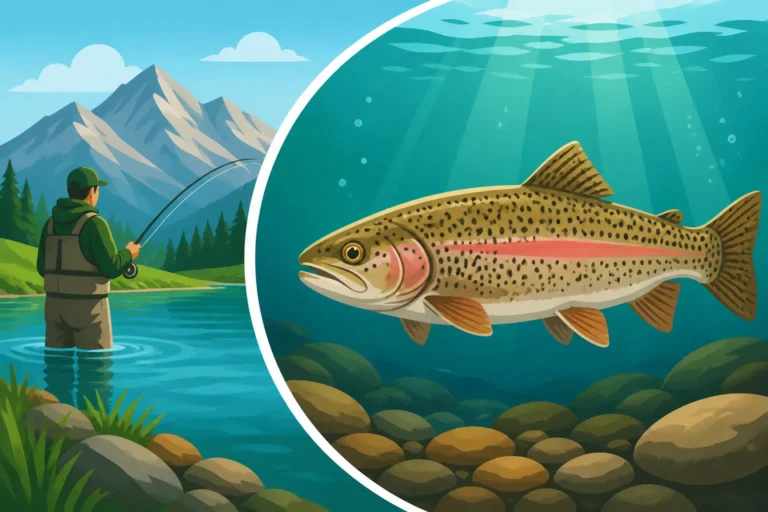
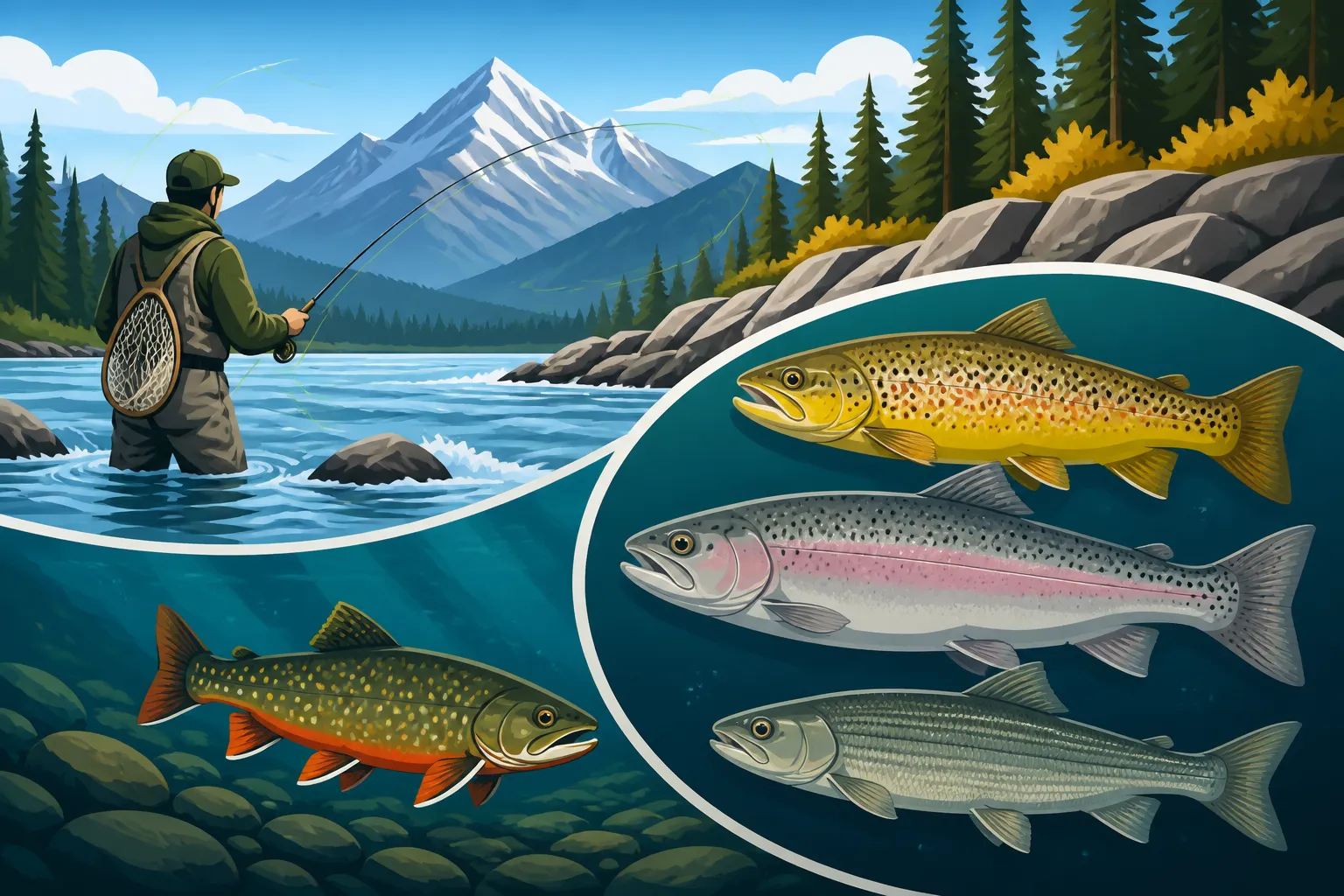
When you talk about cold tailwaters in Alberta, the rainbow trout is often the first fish that comes to mind, and for good reason. They absolutely thrive in these conditions! Rainbows are cold-water specialists, preferring water temperatures generally below 18°C (65°F), which tailwaters consistently provide. The constant flow of clear, oxygenated water carries an endless buffet of insects, scuds, and small minnows right to their waiting mouths. This abundant food supply, combined with stable conditions, allows rainbow trout to grow to impressive sizes, often reaching several pounds and providing exhilarating fights.
The Bow River, particularly downstream from Calgary, is a world-renowned example of a tailwater fishery where rainbows flourish. Anglers flock there for a chance to hook a powerful, acrobatic trout that can easily peel line off a reel. These fish often hold in the faster currents, using the flow to bring food to them while expending minimal energy. Look for them in riffles, current seams, and behind larger rocks or structure that break the current. Their aggressive nature means they'll often strike a wide variety of flies and lures, making them a fantastic target for both fly and spin anglers. Rainbow Trout Fishing on the Bow River offers specific insights into targeting these incredible fish.
Resilient Brown Trout
While rainbow trout get a lot of the spotlight in tailwaters, their cousin, the brown trout, is often just as prevalent and can reach even more gargantuan sizes. Brown trout are incredibly resilient and adaptable, perhaps even more so than rainbows in some respects. They are known for their opportunistic feeding habits, readily preying on larger insects, scuds, crayfish, and especially baitfish like sculpins and smaller trout. This piscivorous (fish-eating) tendency means they often grow larger than rainbows in the same system, becoming truly trophy-sized predators.
Brown trout in cold tailwaters tend to be warier, often preferring to hold in deeper pools, undercuts, and areas with substantial cover like submerged logs or rock ledges. They are also known for their nocturnal feeding habits, so early mornings, late evenings, or even night fishing can be prime times to target the really big ones. Fishing for brown trout requires patience and often a more subtle approach, but the reward of hooking into a powerful, deep-dwelling brown is undeniable. They are truly magnificent creatures, with their distinctive dark spots and often brilliant golden flanks. To learn more about targeting these cunning fish, check out Brown Trout Fishing in Alberta.
Native Cutthroat and Bull Trout (With Strict Rules)
Alberta's cold tailwaters, especially those originating in the mountain foothills, can also be home to precious native trout species like cutthroat and bull trout. However, fishing for these species, particularly bull trout, comes with incredibly strict regulations aimed at their conservation.
Westslope cutthroat trout, identified by the distinctive red or orange "slash" mark under their jaw, are highly sensitive to habitat degradation and often prefer the pristine, cold, well-oxygenated waters of mountain streams and their associated tailwaters. They are typically found in the upper reaches of these systems and are revered for their beauty and delicate nature. Anglers targeting cutthroat need to be mindful of their fragile populations and practice diligent catch and release. You can explore more about these beautiful fish in Cutthroat Trout in Alberta's Mountain Streams.
Bull trout are perhaps the most iconic native species in Alberta's cold waters, but their populations are threatened, leading to a province-wide zero possession rule. This means if you catch a bull trout, you must release it immediately and with the utmost care. These magnificent char prefer deep, cold water and often feed on other fish, growing to impressive sizes. They are a true indicator of a healthy, cold-water ecosystem. Catching one is a rare and special event, a testament to the pristine nature of the tailwater you're fishing. Remember to always use barbless hooks when fishing in bull trout habitat to maximize their survival chances. For comprehensive information, read Bull Trout: Alberta's Threatened Native Fish and Alberta Bull Trout Zero Possession Rule.
Mountain Whitefish: The Often Overlooked Gem
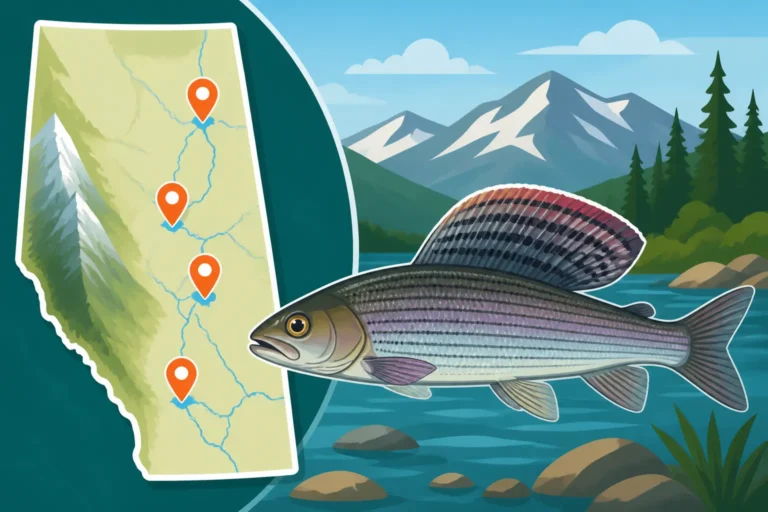
While trout get all the glory, mountain whitefish are an incredibly important and often overlooked component of Alberta's cold tailwater ecosystems. These silvery fish with their small, sucker-like mouths are masters of foraging on the bottom, vacuuming up nymphs, scuds, and other invertebrates. They are often found in the same sections of rivers as trout, sometimes in massive schools, holding in the deeper runs, calm pockets, or behind structure.
Don't let their less glamorous reputation fool you – mountain whitefish are fantastic fighters on light tackle, offering spirited runs and head shakes. They can be incredibly fun to catch, especially when the trout aren't biting, and they provide a constant source of action. Many anglers use small nymphs or tiny jigs fished dead-drift along the bottom to target them. They play a vital role in the food web, acting as both consumers of insects and a food source for larger predatory trout. Learning to appreciate and target whitefish can add a whole new dimension to your tailwater angling experience.
Here’s a quick overview of these incredible species:
| Fish Species | Preferred Habitat | Key Identifying Features | Typical Diet (Cold Tailwaters) | Notes |
|---|---|---|---|---|
| Rainbow Trout | Riffles, runs, current seams | Pink stripe, black spots, square tail | Insects, small fish, scuds, leeches | Aggressive feeders, excellent fighters, common in stocked systems. |
| Brown Trout | Undercuts, deep pools, cover | Dark spots with halos, red spots | Larger insects, minnows, crayfish | Wary, nocturnal tendencies, can grow very large. |
| Cutthroat Trout | Freestone streams, smaller runs | Red slash under jaw | Insects, small crustaceans, scuds | Delicate, easily stressed, often in specific high-elevation areas. |
| Bull Trout | Deep, cold pools, structure | Light spots on dark body, large head | Primarily fish (piscivorous), sculpins | Zero possession in Alberta, protected, require careful handling. |
| Mountain Whitefish | Deeper runs, calm pockets | Small mouth, large scales, silver | Bottom-dwelling insects, nymphs, scuds | Often overlooked, good fighters on light tackle. |
Essential Gear and Tactics for Cold Tailwater Angling
Fishing cold tailwaters successfully isn't just about knowing what fish are there; it's about understanding how to approach these unique and often challenging environments. The right gear and tactics can make all the difference between a frustrating day and an unforgettable one.
The Right Rods, Reels, and Lines
For many, fly fishing is synonymous with tailwaters, and for good reason. The sheer abundance of aquatic insects makes fly selection and presentation paramount. A good 4- to 6-weight fly rod is generally ideal for most trout and whitefish in Alberta's tailwaters, offering a balance of sensitivity for delicate presentations and backbone for fighting larger fish. Paired with a matching reel and a weight-forward floating line, you're set for many situations. However, often you'll be fishing deep, so a sinking tip or full sinking line can be invaluable for getting nymphs and streamers down to where the fish are holding in strong currents.
Spin anglers also have great success. A sensitive, medium-light spinning rod (6 to 7 feet in length) with a fast action tip is perfect for detecting subtle bites in current. Pair it with a reliable spinning reel spooled with 6-8 lb fluorocarbon or braided line with a fluorocarbon leader. Fluorocarbon is less visible in the clear tailwater, which can be a huge advantage. You can find a fantastic selection of these specialized lines and leaders on Amazon, ensuring you have the low-visibility edge you need. The clear water demands stealth, and a lighter line makes a significant difference.
Mastering Techniques: Nymphing, Streamers, and Dry Flies
Tailwaters, with their abundant insect life, are often a nymphing angler's paradise. Nymphing is probably the most consistent way to catch fish in these waters, as the majority of a trout's diet consists of subsurface insects. Techniques like indicator nymphing (using a float to suspend your flies at depth) or Euro nymphing (direct contact with the flies using specialized lines and longer rods) are incredibly effective. For those keen on exploring the nuances of this method, Euro Nymphing the Bow River offers excellent guidance. Your fly selection will often include imitations of scuds, sowbugs, caddis larvae, mayfly nymphs, and stonefly nymphs. Having a variety of patterns in different sizes and weights is key.
Streamer fishing is another highly effective tactic, especially for targeting larger, predatory brown and rainbow trout. Streamers imitate baitfish or leeches, and aggressively stripping them through deeper runs, eddies, and along cover can provoke explosive strikes. Think about streamers in natural colours like olive, black, or white, mimicking sculpins or minnows.
While less consistent than subsurface methods, dry fly fishing can be absolutely spectacular during specific hatches. When insects emerge and drift on the surface, tailwater trout can become incredibly selective, rising eagerly to the right pattern. Keep an eye out for hatches of caddis, mayflies, or even terrestrials like hoppers during the warmer months. Knowing your local hatches is crucial for dry fly success, and a well-stocked fly box is your best friend. For a deeper dive into insect patterns, check out Fly Patterns for the Bow River.
Wading Safety and River Access
Cold tailwaters, by their very nature, often involve strong currents, slippery rocks, and fluctuating water levels. Wading safety is not just a suggestion; it's a critical component of enjoying these fisheries. Invest in high-quality waders and, more importantly, excellent wading boots with proper traction. Felt soles or rubber soles with studs are often preferred for grip on slick rocks. A sturdy wading staff is an absolute necessity for maintaining balance, probing depth, and testing footing. Many experienced tailwater anglers wouldn't think of stepping into the current without one. For advice on choosing the right footwear, refer to Best Wading Boots for Rocky Rivers.
Furthermore, consider wearing a Best Waders for Alberta Trout Rivers and a life jacket or inflatable PFD, especially if you're venturing into deeper or faster currents. The constant cold water can quickly lead to hypothermia if you take an unexpected dip. Always be aware of your surroundings, know the scheduled dam release times if available, and never wade beyond your comfort or skill level. Researching public access points and understanding river etiquette before you go can also save a lot of frustration.
Reading the Water: Where Fish Hold
Understanding how fish orient themselves in current is fundamental to tailwater success. Fish are energy conservationists; they want to be in a place where food comes to them, but they don't have to fight the main current constantly.
Look for:
- Current Seams: The lines where fast water meets slow water. Fish often sit just out of the main current, waiting for food to be swept by.
- Riffles and Runs: These oxygenated, food-rich areas are prime feeding grounds for rainbows and cutthroat.
- Deep Pools: Offer refuge from strong currents and predation, especially for larger brown trout.
- Undercut Banks and Submerged Structure: Logs, boulders, and ledges provide cover and a break from the current.
- Tailouts of Pools: As water slows and spreads out, fish often stack up here, particularly during hatches.
The clear, cold water of tailwaters means fish can be easily spooked by clumsy wading, bright clothing, or heavy casts. A stealthy approach, using long leaders and making accurate, delicate presentations, will often yield the best results.
Responsible Angling and Conservation in Tailwater Fisheries
Fishing in Alberta's cold tailwaters is a privilege, and with that privilege comes a responsibility to protect these incredible ecosystems and their inhabitants. Practicing ethical angling is crucial for ensuring these fisheries remain vibrant for generations to come.
Catch and Release Best Practices
Given the quality and size of fish in many tailwaters, coupled with the conservation status of species like bull trout, catch and release is not just encouraged, it's often mandated for specific species and areas. Mastering proper catch and release techniques is perhaps the most important skill an angler can develop.
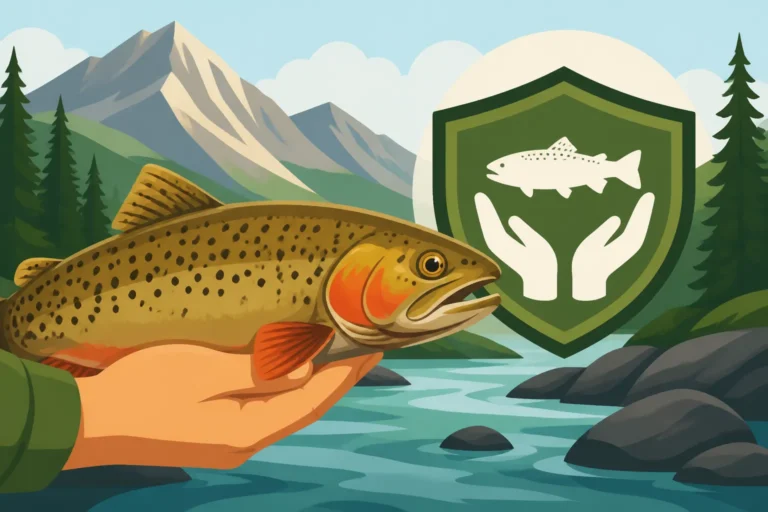
When you hook a fish, try to land it as quickly as possible to minimize its stress. Keep the fish in the water as much as you can. If you need to handle it, wet your hands thoroughly beforehand to protect its slime coat, which is vital for disease resistance. Avoid squeezing the fish, especially around the gills or belly. Use a good, rubberized landing net to cradle the fish – many studies show these nets cause less damage than knotted nylon nets. Pliers or hemostats are essential for quickly and cleanly removing hooks. Most importantly, ensure the fish is revived before release; hold it gently facing into the current until it swims away under its own power. Barbless hooks are highly recommended, and often mandatory in special regulation waters like many tailwaters. To learn more about proper release, especially for sensitive species, refer to Bull trout catch and release survival tips. Many of these special regulations are covered in Alberta Catch and Release Only Waters. You can find a great selection of barbless hooks and rubberized nets on Amazon, which are small investments that make a huge difference for fish survival.
Understanding Regulations and Zone-Specific Rules
Alberta's fishing regulations are designed to protect fish populations and ensure sustainable angling opportunities. Tailwaters often fall under specific, sometimes complex, regulations that differ from general provincial rules. These can include unique season dates, specific bait restrictions (e.g., fly fishing only, bait bans), hook restrictions (barbless hooks only), and catch limits that may even be zero possession for certain species.
It is absolutely paramount that you consult the current Alberta Guide to Sportfishing Regulations before you head out. These guides are updated annually, and ignorance of the rules is never an excuse. Pay close attention to the zone you are fishing in, as regulations can change dramatically from one river section to another, sometimes just a few kilometers apart. You might even encounter special harvest license programs for certain species like walleye, though less common in purely cold tailwaters. Regularly checking Reading the Alberta Guide to Sportfishing Regulations or the MyWildAlberta website is not just a good idea, it's your responsibility as an angler.
Respecting the Ecosystem and Other Anglers
The beauty of tailwaters often draws many anglers, and practicing good etiquette is essential for a positive experience for everyone. This means giving other anglers ample space, avoiding wading directly through productive runs where others are fishing, and keeping noise levels down. If someone is fishing a spot, move well upstream or downstream.
Beyond human interaction, our impact on the environment matters. Always practice "Leave No Trace" principles: pack out everything you pack in, and perhaps even a little more. Be mindful of streamside vegetation and avoid trampling delicate banks. If you're using a boat, understand the rules for access, launching, and navigating these often powerful currents. These cold tailwaters are fragile ecosystems that provide incredible angling opportunities; it's up to all of us to ensure they remain healthy and productive.
Disclaimer
This article is for general informational purposes only and does not constitute professional advice. Laws, prices and regulations vary by location and change over time. Consult a qualified professional for guidance on your specific situation.