What fish species thrive in warm prairie lakes
When you picture fishing in Alberta, often the first image that springs to mind is crystal-clear mountain streams teeming with trout, or deep, cold northern lakes holding massive lake trout. But let's be real, for many of us, especially those living in the vast expanse of central and southern Alberta, it's the warm, often shallower, prairie lakes that are our local fishing holes. These bodies of water present their own unique challenges and incredible opportunities, and understanding which fish species truly thrive in these distinct environments is key to a successful and enjoyable day on the water. This guide will walk you through the resilient and exciting fish species that call Alberta's warm prairie lakes home.
The Unique Charm of Alberta's Warm Prairie Lake Ecosystems
Alberta is a province of incredible ecological diversity, and its lakes are no exception. We have everything from glacier-fed alpine lakes to massive, ancient boreal lakes, but it's the prairie lakes that often get a different kind of attention. These aren't the cold, clear, rocky bottomed waters some anglers expect; they're often warmer, shallower, and much more fertile, supporting a completely different array of aquatic life.
Defining "Warm Prairie Lakes"
So, what exactly do we mean by "warm prairie lakes"? Imagine lakes nestled within Alberta's agricultural belt, or further east towards the Saskatchewan border. These lakes are typically characterized by their lower elevation, higher average water temperatures during the summer months, and often a more nutrient-rich, sometimes murkier, water column. They usually have extensive weed beds, silty or mucky bottoms, and tend to be shallower than their mountain or boreal counterparts. Think of places like Pigeon Lake, Gull Lake, or Keho Lake – these are prime examples of the kind of water we're talking about. The warmer temperatures mean certain cold-water species, like many trout species, simply can't survive or thrive here, opening the door for other, more adaptable fish.
The Challenges and Opportunities of Prairie Waters
Fishing in these lakes can be a bit of a puzzle if you're used to other environments. The abundance of submerged vegetation can make casting a challenge, and the sometimes reduced water clarity means sight fishing is often out of the question. However, these very characteristics create a incredibly rich ecosystem. The warm, nutrient-dense water supports a huge invertebrate population, which in turn feeds vast schools of baitfish, creating a perfect food chain for apex predators. This means that while you might not be chasing native bull trout, you're in for some incredible action with species perfectly adapted to this unique habitat. It's a different kind of beauty, but just as rewarding, if not more so, for the right species.
Alberta's Warm-Water Champions: Key Fish Species
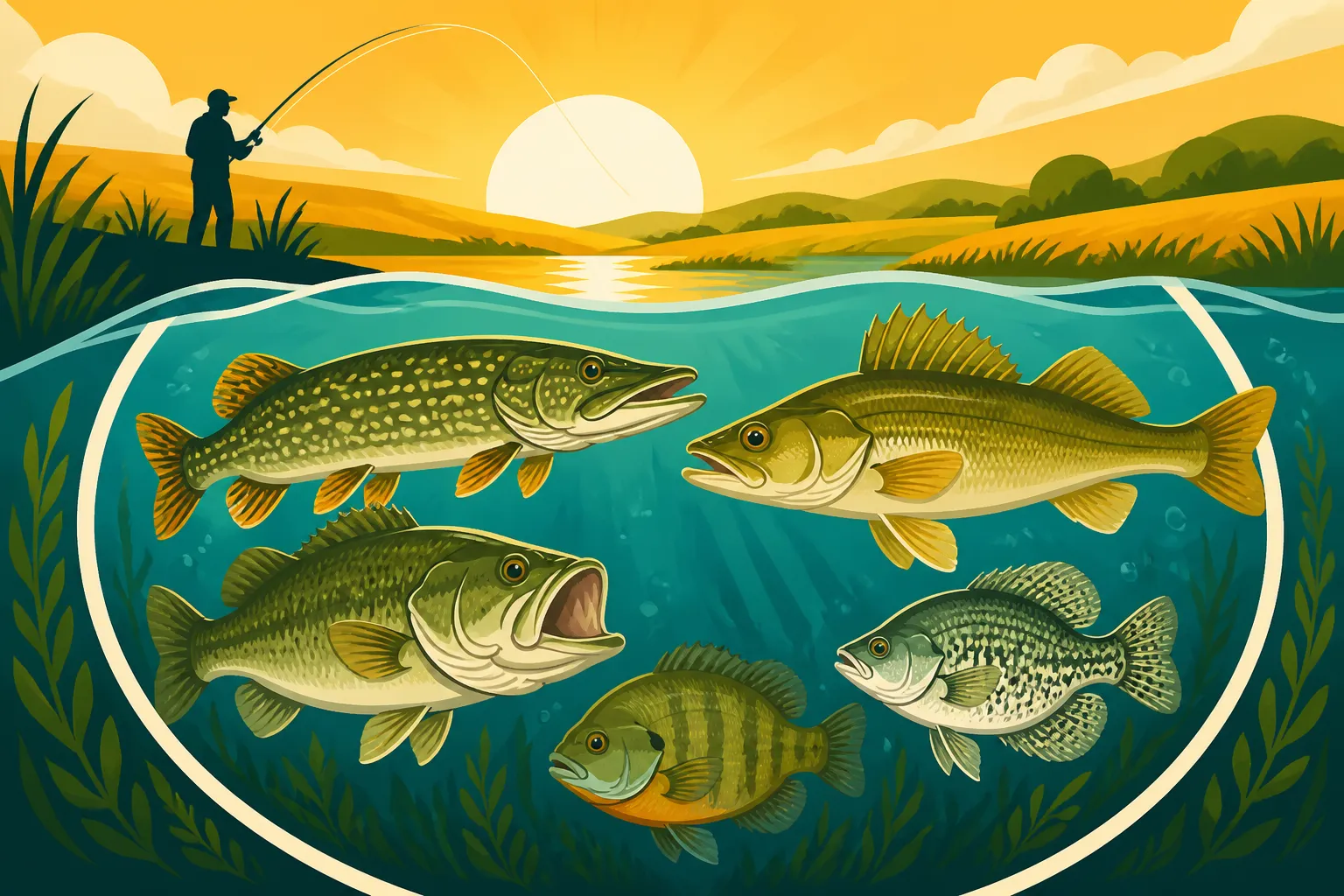
When you're out on a warm prairie lake in Alberta, you're primarily targeting a specific set of species that absolutely dominate these fertile waters. These fish have evolved to not only tolerate but actually thrive in the conditions that would be detrimental to many cold-water fish.
Walleye: The Prairie Gold
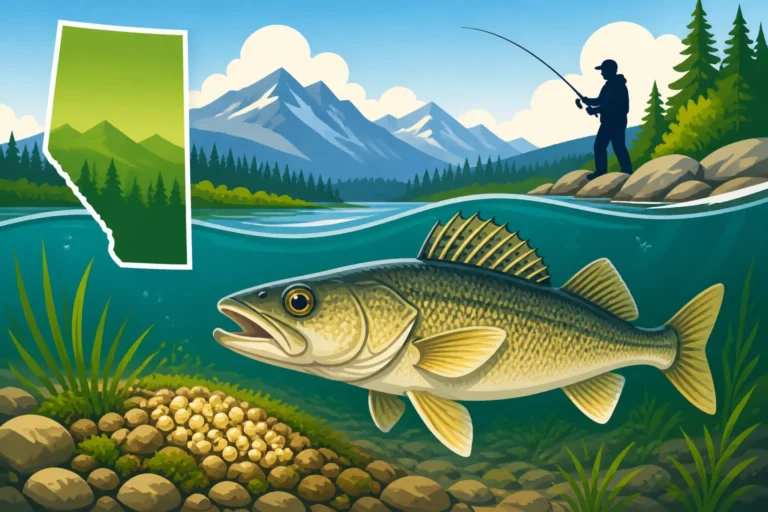
Walleye are, without a doubt, one of the most sought-after fish in Alberta's warm prairie lakes. They are perfectly suited to these environments, often preferring the slightly stained or turbid water that provides cover for their light-sensitive eyes. You'll find them congregating around structure like submerged humps, points, and especially along the edges of weed beds where they can ambush unsuspecting baitfish. These lakes provide an abundance of their preferred forage, leading to healthy, fast-growing populations. Anglers often spend countless hours chasing walleye on lakes like Lesser Slave Lake or Wabamun Lake. The Walleye Fishing in Alberta guide can tell you all about where and how to find them. They are fantastic table fare, and landing a good-sized walleye from a prairie lake is a real badge of honour.
Consider checking specialized walleye fishing lures on Amazon – often you can find great deals on different colours and sizes of crankbaits, jigs, and soft plastics that walleye absolutely love in these environments. Experimenting with different presentations is key, and having a good variety on hand can make all the difference.
Northern Pike: The Apex Predator
If walleye are the kings of the prairie lakes, then Northern Pike are certainly the undisputed tyrants. These aggressive, toothy predators absolutely thrive in the weedy, shallower bays and shorelines of warm prairie lakes. Their ambush predation style is perfectly suited to hiding in thick vegetation, waiting to explode on anything that swims by. They grow to impressive sizes in these fertile waters, with abundant forage including perch, minnows, and even smaller pike. Lakes like Keho Lake, Gull Lake, and countless others across the prairies are renowned for their robust pike populations. If you want to know more about tackling these beasts, our Northern Pike Fishing in Alberta article is a great resource. You'll often find them cruising the edges of drop-offs or lurking within dense weed beds. Their sheer power and willingness to strike almost any lure make them an exciting target for anglers of all skill levels.
When gearing up for pike, especially in weedy areas, having robust tackle is crucial. I've often looked on Amazon for heavy-duty leaders and strong treble hooks, as pike can easily bite through lighter line and straighten out weaker hooks. Topwater lures and large spinnerbaits are incredibly effective in these shallow, weedy environments.
Yellow Perch: The Panfish Powerhouse
Yellow Perch might not get the same glamour as walleye or pike, but they are an absolutely vital and incredibly abundant species in Alberta's warm prairie lakes. They thrive in the same environments, often forming large schools around weed beds and submerged structure. Perch are a primary food source for both walleye and pike, but they are also a fantastic target in their own right, especially for families or anglers looking for consistent action. Their firm, flaky white meat makes them excellent eating, and they are notoriously feisty on light tackle. Almost any warm prairie lake with good walleye or pike populations will also hold healthy numbers of perch. Yellow Perch in Alberta Lakes dives deeper into where to find these little fighters.
Panfish like perch are fantastic for introducing new anglers to the sport. A simple jig and a piece of bait, or a small spoon, can lead to a bending rod and plenty of smiles. You can find a huge variety of small jigs, bobbers, and light lines perfect for perch fishing on Amazon. It's always a good idea to have a small tackle box dedicated to panfish, especially if you're fishing with kids.
Other Notable Species
While walleye, pike, and perch are the big three in many of Alberta's warm prairie lakes, you'll also encounter other species that have adapted to these conditions:
- Burbot: Though often associated with deeper, colder waters, larger, deeper prairie lakes can still hold burbot, especially in the cooler months. They are bottom-dwelling, nocturnal fish that are fantastic eating, often described as "poor man's lobster." They're not as dominant in the warmest, shallowest lakes, but in places with deeper basins like Lesser Slave Lake, they can be a significant catch, especially through the ice. Check out Burbot Fishing in Alberta for more on these unique fish.
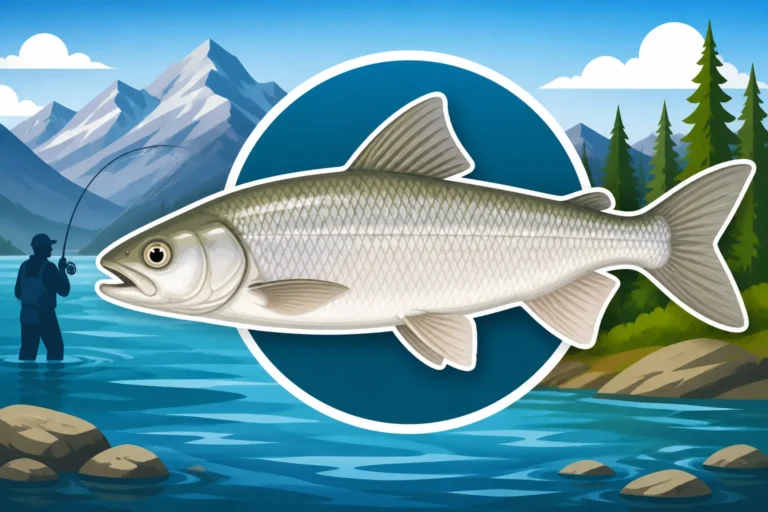
- Lake Whitefish: Similar to burbot, lake whitefish generally prefer cooler water, but they can be found in the deeper, cooler sections of larger prairie lakes. They are excellent fighters on light tackle and are highly valued for their delicate flavour.
- Common Carp: Often overlooked by sport anglers, carp are incredibly resilient and thrive in warm, nutrient-rich environments, including many Alberta prairie lakes. They grow to very large sizes, offer a formidable fight, and are a popular target for bowfishing enthusiasts.
Why These Species Thrive: Adaptations and Ecosystem Dynamics
It's no accident that certain fish species flourish in Alberta's warm prairie lakes while others, like most trout, struggle or are absent. Their success is rooted in specific biological adaptations and the unique ecological dynamics of these warm-water environments.
The Role of Water Temperature and Oxygen Levels
Warm water holds less dissolved oxygen than cold water. This is a critical factor. Trout, for instance, are cold-water species that require high levels of dissolved oxygen. As water temperatures rise, oxygen levels drop, making it difficult for them to survive. Walleye, pike, and perch, however, have a higher tolerance for warmer temperatures and lower oxygen concentrations. They are often less stressed by these conditions, allowing them to feed and grow efficiently where trout simply cannot. The extensive weed beds in prairie lakes also play a role, producing oxygen during the day, though they can consume it at night, which can create localized low-oxygen conditions that only the hardiest species can endure.
Habitat Preferences and Forage Availability
Warm prairie lakes are often characterized by abundant aquatic vegetation, muddy or silty bottoms, and a high nutrient load. These features create prime habitat for the dominant species.
- Walleye are masters of using low-light conditions to their advantage. The slightly stained or turbid waters common in prairie lakes provide natural cover, protecting their light-sensitive eyes. They also excel at ambushing prey along weed lines and subtle depth changes, which are plentiful in these lakes.
- Northern Pike are the ultimate ambush predators for these environments. Their elongated bodies and camouflaged patterns allow them to blend seamlessly into dense weed beds, rock piles, or submerged timber, exploding out to capture unsuspecting fish. The high productivity of prairie lakes means a constant supply of forage, from yellow perch to minnows, fueling their rapid growth.
- Yellow Perch thrive in the abundant weed growth, using it for cover from larger predators and as prime hunting grounds for the invertebrates and smaller fish they feed on. The sheer volume of food available allows them to form massive schools, contributing significantly to the overall biomass of the lake and serving as a crucial food source for the larger fish.
This interconnectedness forms a robust food web, where the primary producers (algae, aquatic plants) feed invertebrates, which feed panfish, which in turn become prey for walleye and pike. It's a highly efficient system tailored to the specific conditions of warm, fertile waters.
Practical Tips for Fishing Alberta's Prairie Lakes
Successfully fishing Alberta's warm prairie lakes means understanding the environment and adapting your techniques to the dominant species. It's a different game than mountain stream fishing, but incredibly rewarding.
Understanding Seasonal Movements
Fish in warm prairie lakes are highly influenced by water temperature and seasonal changes.
- Spring: After ice-out, fish like pike and walleye often move into shallower, warmer bays and flats to spawn. This is a great time for aggressive fishing, as they're hungry and active. Perch also become very active.
- Summer: As water temperatures peak, fish may move deeper during the day to find cooler, more oxygenated water, or seek out dense weed cover for shade and ambush points. Early morning, late evening, and night fishing can be particularly productive for walleye in the summer.
- Fall: As temperatures drop, fish begin to feed heavily in preparation for winter. This can be one of the best times of year for trophy walleye and pike, as they become incredibly active and often move back into shallower areas.
- Winter (Ice Fishing): Many prairie lakes offer phenomenal ice fishing opportunities. Walleye, pike, and perch can be found near structure, points, and humps. Ice Fishing in Alberta has more details on how to get started.
Choosing the Right Gear
The gear you choose should reflect the species and conditions.
- Rods and Reels: For walleye, a medium-light to medium power spinning rod with a fast action is a popular choice, allowing for sensitive jigging and good hook sets. For pike, you'll want a medium-heavy to heavy power rod, either spinning or baitcasting, capable of handling larger lures and the sheer power of a big pike. Our guide on Best Fishing Rods for Alberta Rivers also offers relevant insights into rod choices. For perch, an ultralight setup provides maximum fun.
- Line: Braided line is excellent for pike and walleye, offering sensitivity and strength, often with a fluorocarbon leader for abrasion resistance and stealth. For perch, light monofilament or fluorocarbon works well. I often grab my bulk spools of line from Amazon, as it's convenient and usually offers good value.
- Lures and Baits:
- Walleye: Jigs tipped with minnows or soft plastics, crankbaits (especially those that dive to the depth of the thermocline or structure), and bottom bouncers with crawler harnesses are perennial favourites. You can explore Best Baits for Walleye on Lesser Slave Lake for specifics.
- Pike: Large spinnerbaits, spoons, jerkbaits, and topwater lures are deadly. For bigger pike, swimbaits and glide baits can be incredibly effective. Consider looking at Best Lures for Northern Pike in Alberta for detailed recommendations.
- Perch: Small jigs, tiny spoons, live maggots, or small pieces of worm under a bobber are usually irresistible.
| Species | Preferred Prairie Lake Habitat | Key Lure/Bait Types | Best Time to Target |
|---|---|---|---|
| Walleye | Deeper weed edges, humps, points, rocky reefs, muddy flats | Jigs (live bait or plastic), Crankbaits, Crawler Harnesses | Dawn, Dusk, Night, Fall |
| Northern Pike | Shallow weed beds, lily pads, submerged timber, drop-offs | Spinnerbaits, Spoons, Jerkbaits, Topwater, Large Swimbaits | All day, especially Spring/Fall |
| Yellow Perch | Dense weed beds, docks, submerged brush, shallow structure | Small Jigs (tipped with bait), Small Spoons, Worms | All day, Year-round |
| Burbot | Deep, cool sections of larger lakes, soft bottom | Jigs (tipped with bait), Glow lures | Night, Winter Ice Fishing |
| Lake Whitefish | Open water, deep basins (often suspended), near structure | Small jigs, Flies (ice fishing), Trolling small spoons | All day, Spring/Fall, Winter |
Boating and Access Considerations
Many prairie lakes are accessible with various boat types, from small aluminum boats and jon boats to larger fishing rigs. However, some lakes can be quite shallow or have significant weed growth, requiring careful navigation. Kayak fishing is also incredibly popular on these lakes, allowing access to skinny water that larger boats can't reach. If you're considering a new fishing kayak, checking out reviews and options on Amazon can be a great starting point for research. Always be mindful of local regulations, especially concerning boat registration and safety equipment, as outlined in our Alberta Boating Laws for Anglers guide.
Conservation and Responsible Angling
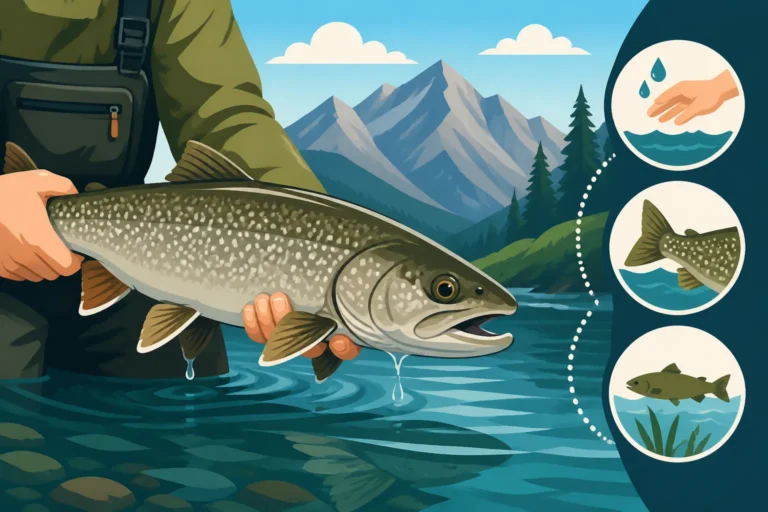
Even though these species are hardy, responsible angling practices are crucial to maintaining healthy populations in Alberta's warm prairie lakes. Practice catch and release, especially for larger breeding fish, if you're not planning to harvest. Handle fish gently, minimize their time out of water, and use appropriate gear to reduce harm. Understand the Alberta Bag and Possession Limits by Species to ensure you're fishing legally and sustainably. By doing our part, we ensure these fantastic prairie lake fisheries remain vibrant for generations to come.
These warm prairie lakes offer a unique and often action-packed fishing experience in Alberta. By understanding the species that thrive there, their habits, and the best ways to target them, you're set for some truly memorable days on the water.
Disclaimer
This article is for general informational purposes only and does not constitute professional advice. Laws, prices and regulations vary by location and change over time. Consult a qualified professional for guidance on your specific situation.