Common carp size and habits in Alberta lakes
If you've spent any time fishing in Alberta, chances are you've encountered the common carp. For many anglers, the sight of a big, bronze-backed carp can elicit a groan, often viewed as a "trash fish" that muddies the waters and isn't worth the effort. But these resilient, often massive fish are actually fascinating creatures with unique habits and a surprising fighting spirit. This guide is here to shed some light on the common carp, diving deep into their typical size, growth potential, and the intriguing habits that make them such a prevalent species in many of Alberta's lakes and rivers, helping you understand them whether you love them or not.
The Often Misunderstood Common Carp in Alberta
The common carp (scientific name Cyprinus carpio) carries a certain stigma in many angling communities, and Alberta is no exception. However, to truly understand them, we need to look beyond the stereotypes and appreciate their place in our aquatic ecosystems. They are an incredibly adaptable species, which is precisely why they've become so widespread.
What Exactly is a Common Carp?
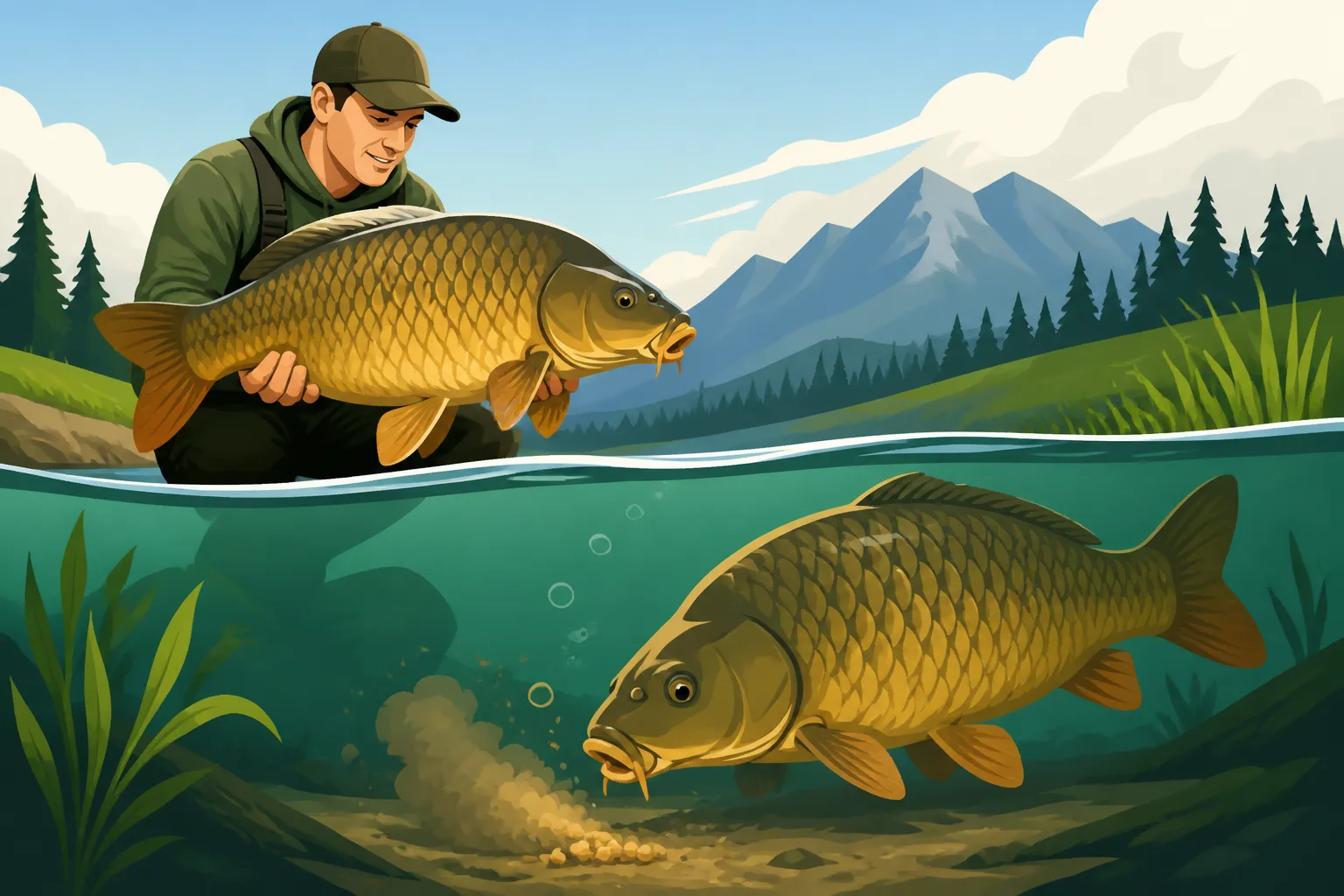
Let's start with the basics. The common carp isn't native to Alberta or North America. They were introduced from Europe and Asia, primarily as a food fish, back in the late 19th and early 20th centuries. They are part of the minnow family (Cyprinidae) and are characterized by their thick, scaled bodies, a pair of barbels (whiskers) on each side of their mouth, and typically a bronze or golden-brown coloration. They're often found grubbing around on the bottom, sifting through mud and debris for their next meal, which contributes to some of the less favorable opinions about them.
In Alberta, you'll find them in a variety of water bodies, especially those with warmer, shallower conditions and plenty of vegetation or soft bottoms. They are incredibly hardy, able to tolerate a wide range of water conditions, including lower oxygen levels and higher turbidity, which often puts them at odds with native fish that prefer cleaner, cooler environments. This resilience is a double-edged sword: it allows them to thrive, but also makes them tough to manage in areas where they are considered undesirable. Understanding their biology is the first step in appreciating what makes them tick, even if you're not planning to target them with your next cast.
Why the Bad Rap?
So, why do carp often get such a bad rap? A lot of it stems from historical perceptions and their ecological impacts. When carp were first introduced, their ability to churn up lake bottoms while feeding, releasing sediment and nutrients, was seen as detrimental to water quality and native fish habitats. This "muddying" effect can reduce light penetration, harming aquatic vegetation, and can also impact the spawning success of some native species. This led to them being labeled as "rough fish" or "trash fish" – terms that, while historically common, don't truly reflect the fish's nature or the challenge they can present to an angler.
Beyond the environmental concerns, their feeding habits and appearance can also contribute to their unpopularity. They're not the sleek, predatory sportfish like a pike or a trout. However, overlooking carp as a sportfish means missing out on some incredible fights. Pound for pound, a large carp can pull harder and longer than many other popular species. They offer a unique challenge, especially for anglers looking to hone their skills in a different way. Plus, for many, the act of fishing itself is the reward, and catching a robust, hard-fighting carp can certainly deliver on that front. The angling world is slowly shifting, and more people are realizing that these fish are a blast to catch, offering an accessible and often overlooked fishing opportunity right in our backyards. If you’re interested in diving deeper into fishing regulations for various species, you might find Alberta Fishing Regulations Explained helpful, though carp regulations are typically quite open due to their non-native status.
Understanding Common Carp Size and Growth in Alberta
One of the most impressive aspects of the common carp in Alberta is their sheer size and growth potential. While you might hook into smaller ones, it's the giants that truly make an impression.
Typical Size Range for Alberta Carp
In Alberta, the common carp you encounter can vary significantly in size, depending on the water body, food availability, and age of the fish. Most carp caught by recreational anglers will typically fall into the 5 to 15-pound range. These are robust, healthy fish that offer a solid fight. They're often found in the shallower, warmer sections of lakes and rivers, where they can easily root around for invertebrates, plant matter, and small crustaceans.
Factors influencing their growth are similar to other fish species: abundant food sources mean faster growth, and stable water temperatures allow for more consistent feeding. Lakes with fertile, silty bottoms and plenty of submerged vegetation provide ideal conditions for carp to bulk up. A healthy carp population will usually have a good mix of sizes, from smaller juveniles to mature adults, all vying for the available resources. Even an average-sized carp can give you a run for your money, bending your rod deep and testing your drag.
The Potential for Giants
Now, let's talk about the real heavyweights! While 5-15 pounds is common, common carp in Alberta have the potential to grow much, much larger. It's not uncommon to hear tales or see photos of carp pushing the 20 to 30-pound mark, and some exceptional specimens can exceed 40 pounds. These are truly colossal fish that require stout tackle and a lot of patience to land. Think about it: a 30-pound fish on a rod and reel is an experience many anglers chase for years.
These trophy-sized carp are often found in larger, nutrient-rich lakes and slower-moving river systems, such as certain stretches of the Bow River or larger prairie lakes, where they have plenty of time to grow and an endless buffet of food. They can live for a surprisingly long time, often well over 20 years, allowing them to reach truly impressive dimensions. The pursuit of such a giant can become an obsession for some anglers, often employing specialized tactics and gear. If you're out looking for these bigger fish, you might want to check out general guides like Best Fishing Lakes in Alberta to identify potential carp strongholds.
Here's a quick look at the typical size ranges you might encounter:
| Category | Typical Weight Range (pounds) | Typical Length Range (inches) | Notes |
|---|---|---|---|
| Juvenile/Small | 1-5 | 12-20 | Often found in high numbers, quick to bite. |
| Average Adult | 5-15 | 20-30 | Most common size caught by anglers, strong fighters. |
| Large/Trophy | 15-30+ | 30-40+ | Less common, require specialized gear and patience, truly impressive fish. |
Decoding Common Carp Habits in Alberta Lakes
Understanding the habits of common carp is key to finding and potentially catching them. They're not always easy to trick, but their predictable routines can give you an edge.
Preferred Habitats and Bottom Feeding
Common carp are largely bottom dwellers, preferring warmer, shallower waters with soft, muddy, or silty bottoms and plenty of aquatic vegetation. You'll often find them in bays, backwaters, slow-moving sections of rivers, and shallow flats of lakes. They use their sensitive barbels and protrusible mouths to "suck up" food items from the substrate, sifting through the mud for insect larvae, worms, small crustaceans, and plant detritus. This feeding behavior is precisely what can stir up sediment, contributing to turbid water conditions.
Look for signs of carp activity, like cloudy patches in otherwise clear water, which indicate they've been feeding. You might also spot mud trails or even the carp themselves, cruising slowly just beneath the surface in shallow areas, particularly on sunny days. Best Shore Fishing Spots in Alberta are often excellent places to find carp, as they frequently feed close to the banks where food is plentiful and water temperatures are warmer. They are highly attuned to their environment, and a sudden movement or loud noise can send them spooking, so a stealthy approach can definitely increase your chances.
Spawning Rituals and Seasonal Movements
Carp spawning season in Alberta typically occurs in late spring to early summer, usually when water temperatures reach around 60-70°F (15-21°C). During this time, you'll often see them congregating in very shallow, vegetated areas, sometimes even thrashing about vigorously, creating quite a spectacle. This is a prime time to observe them, though catching them can be hit or miss as they are focused on reproduction. Understanding Alberta Fishing Season Dates by Zone for other species can help you gauge general water temperatures, which indirectly affects carp activity.
Outside of spawning, carp exhibit seasonal movements driven by temperature and food availability. In warmer months, they are more active and widely dispersed in shallower waters. As autumn approaches and water temperatures drop, they tend to move into deeper parts of lakes and rivers, often schooling up in overwintering areas. They become less active in colder water, but can still be caught by determined anglers, particularly through ice fishing in specific locations, though they are less commonly targeted than pike or walleye in the winter.
Carp as a Sportfish
Despite their reputation, many anglers have discovered that common carp are incredible sportfish. Their sheer power and stamina make for an exhilarating fight, often leading to long runs and deep dives. For those who enjoy the challenge, carp fishing has a dedicated following, with specialized techniques and gear.
Popular methods for targeting carp include bottom fishing with dough balls, corn, or boilies. These baits are appealing to their bottom-feeding habits. Fly fishing for carp has also gained popularity, offering a visual and delicate challenge to catch these powerful fish in shallow water. For the more adventurous, Alberta carp bowfishing regulations allow for a unique hunting-style approach to managing these fish, particularly in areas where populations are high. When it comes to gear, you don't necessarily need the most expensive equipment, but a sturdy rod and reel with a smooth drag, suitable for fighting strong fish, are essential. Many anglers find great deals on reliable carp fishing tackle, from specialized rods to bait, through retailers like Amazon, ensuring they have the right tools for the job without breaking the bank.
Impact and Management of Common Carp in Alberta
The presence of common carp in Alberta's aquatic systems is a complex topic, involving both ecological considerations and recreational opportunities.
Ecological Considerations
As a non-native species, common carp can have significant ecological impacts. Their bottom-feeding behavior, as mentioned, can increase turbidity, stirring up sediments and nutrients that can fuel algal blooms and reduce water clarity. This can negatively affect submerged aquatic vegetation, which is vital habitat and food for many native fish and waterfowl. In some cases, their presence can outcompete native bottom-feeding fish for resources.
However, the degree of impact varies greatly depending on the specific water body and the health of its ecosystem. In some highly altered or nutrient-rich environments, carp may thrive without causing additional significant harm, while in more pristine or sensitive habitats, their impact can be more pronounced. Fisheries managers often monitor carp populations, and in certain areas, measures may be taken to control their numbers, particularly if they are deemed to be negatively affecting native species or water quality. Anglers are often encouraged to harvest carp due to their non-native status, rather than practicing catch and release, although this is generally left to individual discretion and local regulations.
Recreational Opportunities and Unique Fishing
Despite, or perhaps because of, their ecological status, common carp offer some fantastic recreational opportunities. They are generally abundant, accessible, and provide a fantastic fight, making them an excellent target for anglers of all skill levels. For beginners, they offer a chance to catch a big fish without needing specialized techniques or expensive gear, proving a fantastic entry point into the sport. A basic setup and a can of corn can often be enough to hook into a sizeable carp, making it an inclusive and exciting experience. A great way to prepare for a successful outing is to grab an essential Best Rod and Reel Combo for Beginners and perhaps a Best Tackle Bag for Bank Fishing for easy transport of your gear, both readily available on Amazon.
For seasoned anglers seeking a new challenge, the pursuit of truly trophy-sized carp can be incredibly rewarding. The patience, skill, and specialized baiting techniques required to fool a large, wary carp are on par with those needed for many other highly prized game fish. Furthermore, carp fishing offers unique opportunities like bowfishing, which is a popular alternative for those looking for an active and exciting way to harvest fish. Bowfishing requires a different set of skills and equipment, making it a distinct niche within the angling world. For information on specific limits and regulations, although carp usually have generous ones, always check the current Alberta Bag and Possession Limits by Species section in the Alberta Guide to Sportfishing Regulations. If you're wondering Are Carp Good to Eat from Alberta Waters?, the answer is yes, with proper preparation!
Disclaimer
This article is for general informational purposes only and does not constitute professional advice. Laws, prices and regulations vary by location and change over time. Consult a qualified professional for guidance on your specific situation.