Brown Trout Fishing in Alberta
Oh, the brown trout. If you've spent any time chasing fish in Alberta, you know these beautiful, wily creatures are often the stuff of legend, whispered about in hushed tones around the campfire. They're notoriously challenging, fiercely independent, and can drive even the most seasoned angler to delightful frustration. But that's exactly why we love them, isn't it? That pursuit of a truly wild, intelligent fish in some of Alberta's most stunning landscapes is an experience like no other. This guide is all about helping you demystify the brown trout, understanding their habits, finding their haunts, and ultimately, increasing your chances of that heart-stopping moment when one of these gorgeous fish finally takes your fly or lure.
The Enigmatic Brown Trout: A Fish of Legend in Alberta
Brown trout (Salmo trutta) aren't native to Alberta, but they've certainly made themselves at home here, adapting to our diverse river and lake environments. Their introduction decades ago brought a new dimension to sportfishing in the province, offering a different kind of challenge compared to our native trout species. They're often described as intelligent, cautious, and incredibly strong, which makes catching one a truly rewarding accomplishment. For many, the brown trout represents the pinnacle of freshwater angling in Alberta, a true trophy fish that demands respect and skill.
A Brief History of Brown Trout in Alberta
The story of brown trout in Alberta began much like it did in many parts of North America – through intentional introductions from Europe. These fish were initially brought over for sportfishing purposes, as they are known for their hard fighting nature and ability to thrive in a variety of conditions that some native species might find less hospitable, particularly in rivers with fluctuating temperatures or higher turbidity. Over the years, they’ve established self-sustaining populations in many of our river systems, particularly in the south.
It’s fascinating to think about how these fish, originating from far-off European streams, have adapted to the rugged beauty of the Alberta Rockies and the winding prairie rivers. They’ve proven incredibly resilient, often coexisting, though sometimes competing, with our native species. Understanding this history gives you a deeper appreciation for the brown trout you're pursuing; they are truly a testament to nature's adaptability and human influence on ecosystems.
Why Brown Trout are So Highly Prized by Anglers
The allure of the brown trout is multi-faceted. First, there's their incredible beauty – ranging from golden-brown hues with distinct red and black spots to shimmering silver flanks, especially in lake-dwelling individuals. But beyond aesthetics, it's their temperament that truly captivates. Browns are often incredibly wary, making a successful hook-up a testament to your stealth and presentation. They're opportunistic feeders, which means they can be incredibly selective one moment and aggressively strike the next, keeping you on your toes.
Then there's the fight. Once hooked, a brown trout will often put up an acrobatic, powerful battle, shaking its head, running for cover, and making determined dives. This thrilling experience, combined with the challenge of outsmarting them, cements their status as a highly prized game fish. It’s not uncommon to spend an entire day targeting browns and only land one or two, but those few moments of intense action are often more memorable than a dozen smaller, less challenging fish. They demand your best, and when you succeed, it feels earned.
Identifying Alberta's Brown Trout: Key Characteristics
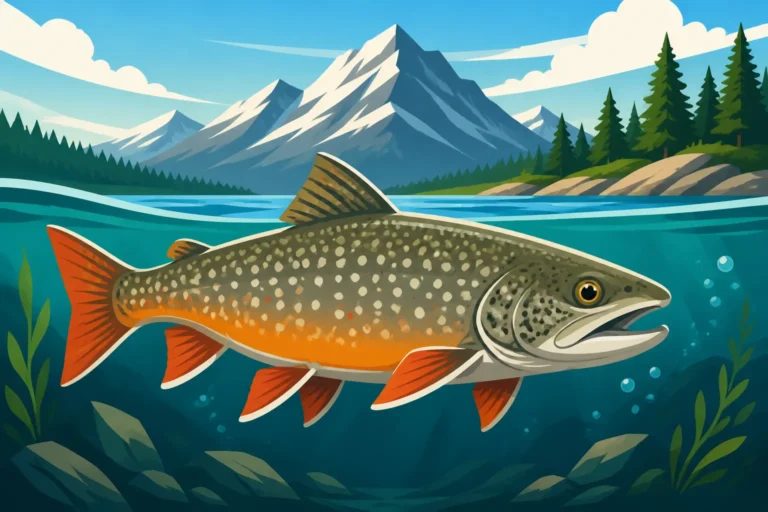
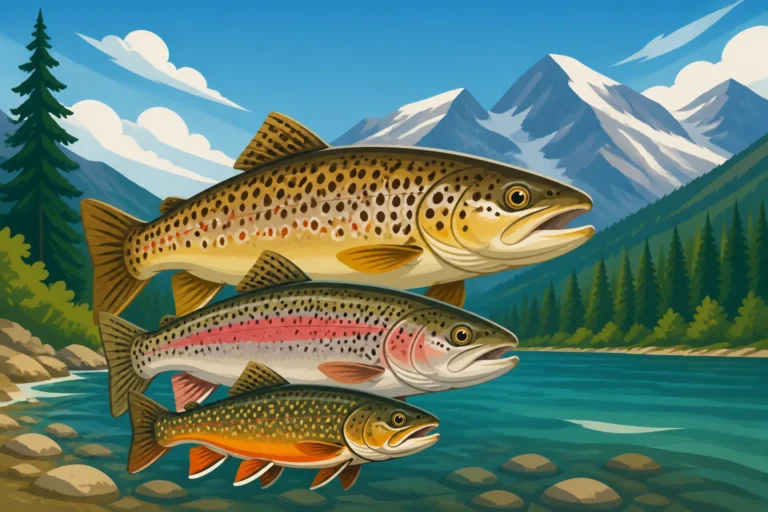
While experienced anglers can often tell the difference at a glance, identifying a brown trout from other species like rainbow trout or brook trout can sometimes be tricky for the untrained eye. Brown trout typically have a brownish-gold body, fading to a lighter, sometimes yellowish, belly. Their most distinguishing features are the dark spots (often surrounded by a lighter halo) and red or orange spots that are scattered across their back and sides, extending onto their dorsal and adipose fins. These red spots are usually absent on rainbow trout.
Their tail fin is typically square or slightly forked, and unlike brook trout, which have worm-like markings (vermiculations) on their backs, brown trout have distinct spots. The adipose fin, a small fleshy fin between the dorsal and tail, often has a reddish or orange tint. When you're out on the water, pay close attention to these details, as proper identification is crucial, especially in areas with specific regulations for different trout species. Trout Species Identification Guide for Alberta can be an invaluable resource to keep handy for quick reference.
Where to Find Alberta's Elusive Brown Trout
Finding brown trout is often the first and most significant challenge. These fish are masters of camouflage and can be incredibly elusive, holding tight to cover or blending seamlessly into their surroundings. They prefer specific types of water, often areas that provide both cover from predators and ambush points for their prey. Knowing where to look is half the battle won, and Alberta offers a surprising diversity of brown trout habitat.
Premier Rivers for Brown Trout Fishing
When most anglers think of brown trout in Alberta, their minds immediately go to our iconic southern rivers. The Bow River, particularly the stretches below Calgary, is world-renowned for its healthy population of large, wild brown trout. It offers diverse water, from deep runs and riffles to slow, meandering stretches with undercut banks, all prime brown trout habitat. The Crowsnest River in southwestern Alberta is another gem, known for its challenging yet rewarding brown trout fishing, especially for fly anglers. It's smaller and more intimate, requiring a different approach. The Oldman River and its tributaries also hold good numbers of brown trout, offering incredible scenery along with excellent fishing opportunities.
These rivers provide consistent water temperatures, good insect hatches, and plenty of forage, allowing brown trout to grow to impressive sizes. It’s not uncommon to hear tales of truly massive browns being hooked and released from these systems. They demand respect, and often, stealth and precise presentations are far more important than brute force. When planning your trip, consider these major systems as your primary targets. Best Fishing Rivers in Alberta will give you a broader overview, but for browns, these are the heavy hitters.
Lesser-Known Creeks and Tributaries
While the big rivers get all the glory, some of Alberta's smaller, less-pressured creeks and tributaries can be hidden treasures for brown trout. These waters often require more bushwhacking and exploration but can reward you with eager, albeit sometimes smaller, fish. Brown trout will often move into these smaller streams during spawning seasons or to seek refuge from high water or predators in the main stem. These intimate settings offer a different kind of fishing experience, often more about exploration and discovery than chasing trophy fish.
These smaller waters can be fantastic for honing your presentation skills, as the fish in them are often less educated but still require careful approach. Look for streams that feed into larger brown trout rivers, especially those with good cover like fallen logs, overhanging vegetation, or rocky structure. Sometimes, the most rewarding brown trout experiences come from stumbling upon a forgotten bend in a small creek, far from any paved road. Just remember to always check local regulations for these smaller, often more sensitive, fisheries.
Lake Environments for Brown Trout
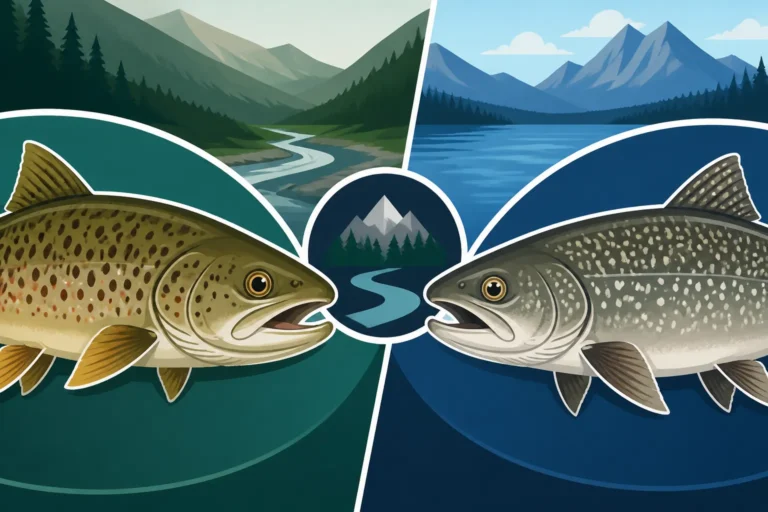
While brown trout are predominantly thought of as river fish in Alberta, they can also thrive in certain lake environments. In lakes, brown trout tend to grow much larger, feeding on smaller baitfish and becoming more elusive. They often inhabit deeper, cooler waters during the summer months, moving closer to shore during cooler periods or to ambush baitfish. Fishing for lake browns can be a different ballgame altogether, often involving trolling deep-diving lures or fishing large streamers from a boat.
Lakes that have good invertebrate populations, a healthy supply of forage fish, and consistent cool temperatures are ideal. You might find them cruising along drop-offs, near submerged structure, or around inlets and outlets of feeder streams. While specific brown trout lakes aren't as widely publicized as their river counterparts, doing a bit of research into regional stocking programs or historical fishing reports for larger, cooler lakes can sometimes reveal a hidden gem. Patience is key when targeting these bigger, lake-dwelling browns, as they are often more spread out and less predictable than river fish.
Understanding Brown Trout Behavior and Habitat
To consistently catch brown trout, you really need to get inside their heads (or at least understand their basic needs). They're highly habitat-oriented, meaning they'll be found in specific types of water that offer them food, cover, and security. Their behavior changes with the seasons, water conditions, and even the time of day. Cracking the code of brown trout behavior is what turns a casual angler into a truly successful one.
Preferred Lies and Holding Water
Brown trout are ambush predators that love structure. In rivers, this means they'll often be found in or near undercut banks, log jams, large boulders, deep pools, and current seams that provide a break from the main flow. They like to have an overhead cover or a dark lie where they can remain hidden while waiting for food to drift by. They’re not usually found in the fastest, most turbulent water, preferring the calmer edges where they can conserve energy.
Think about a river bend: the outside curve often has deeper water and undercut banks, making it prime brown trout habitat. Inside bends might have shallower, slower water with gravel bars. Look for places where the current changes speed, where there's a distinct depth change, or where submerged structure creates a 'shadow' from the current. Even a small change in river bottom, like a transition from gravel to rock, can be enough to hold a brown. They prioritize safety and easy access to food, so putting yourself in their "office" is crucial. Brown Trout Habits in Alberta Streams goes into even more detail about these specific preferences.
Seasonal Movements and Feeding Patterns
Brown trout behavior changes dramatically throughout the year. In spring, as water temperatures rise, they become more active, feeding heavily on emerging insects and baitfish after the long winter. They'll often be found in shallower runs and riffles. As summer progresses and water temperatures increase, they tend to move into deeper, cooler water, becoming more nocturnal in their feeding habits, especially for larger individuals. Early mornings and late evenings become prime time, and fishing after dark can be incredibly productive for truly large browns.
Fall is a particularly exciting time for brown trout anglers. As temperatures drop and the spawning season approaches, brown trout become aggressive and territorial. They'll actively chase streamers and larger flies, fattening up before the rigors of spawning. This is often when the biggest browns are caught. During winter, they become less active, holding in deep pools and runs, conserving energy and feeding opportunistically. Understanding these seasonal shifts is critical for knowing where to cast and what to present.
Brown Trout Spawning Habits and Conservation
Brown trout typically spawn in the fall, generally from late September through November, depending on water temperatures. They are redd builders, meaning the female digs a nest in gravelly stream bottoms, lays her eggs, and then covers them. Males will compete for spawning rights and fertilize the eggs. During this time, brown trout are highly vulnerable. It's crucial for anglers to be aware of spawning areas, often identified by clean, disturbed gravel patches in shallower water, and avoid targeting fish on redds. Disturbing spawning fish or their redds can have a significant negative impact on future generations.
Conservation is paramount. Practicing catch and release, especially for these spawning fish, helps ensure healthy populations for years to come. If you do encounter brown trout on redds, give them a wide berth. Many anglers choose to entirely avoid fishing during the peak spawn in certain areas. It's about respecting the fish and their life cycle, ensuring that these incredible creatures continue to thrive in Alberta's waters.
Essential Gear for Alberta Brown Trout Fishing
Alright, let’s talk gear! Chasing brown trout in Alberta means being prepared for a variety of conditions and techniques. While you don't need to break the bank, having the right tools for the job can make a world of difference in your success and enjoyment. Brown trout are smart, so your gear needs to be up to the task of presenting subtle offerings or battling a powerhouse fish.
Rods, Reels, and Line for Various Techniques
For fly fishing, a versatile 5 or 6-weight fly rod, typically between 8.5 and 9.5 feet in length, is a fantastic all-around choice for Alberta's brown trout rivers. It's stout enough to handle larger fish, cast decent-sized streamers, and still delicate enough for nymphing or dry fly presentations. Pair this with a reliable disc-drag reel that can hold your fly line and plenty of backing – brown trout can make blistering runs! Floating fly lines are standard, but a sinking tip or full sinking line can be invaluable for presenting streamers in deeper water. Best Fly Rods for the Bow River might offer some good specific suggestions, even if you're not on the Bow itself.
If spin fishing is your preference, a medium-light to medium power spinning rod, 6.5 to 7.5 feet long, is ideal. This length provides good casting distance and control. A fast action tip will help detect subtle bites and set the hook quickly. Match this with a quality spinning reel in the 2000-3000 size range, spooled with 6-10 lb fluorocarbon or braided line with a fluorocarbon leader. Fluorocarbon's low visibility and abrasion resistance make it excellent for wary browns. You can find a huge selection of quality rods and reels on Amazon to suit any budget.
Lures, Flies, and Baits that Entice Browns
Brown trout are opportunistic, but they can also be highly selective. For fly anglers, a diverse fly box is key. Streamers imitating baitfish (sculpins, minnows) like Woolly Buggers, Sculpzillas, and articulated patterns in olive, black, and natural browns are deadly. For nymphing, caddis, mayfly, and stonefly imitations in various sizes are essential. Don't forget terrestrial patterns (hoppers, ants, beetles) for late summer, and classic dry flies like Elk Hair Caddis or Parachute Adams for rising fish. Fly Patterns for the Bow River provides excellent detail on specific choices for that famous brown trout fishery.
Spin anglers will find success with a range of artificial lures. Small crankbaits and jerkbaits that imitate baitfish can be incredibly effective, especially in deeper pools or along undercut banks. Colors resembling natural minnows or crawfish often work well. Spinners (e.g., Mepps, Panther Martin) and spoons (e.g., Little Cleo, Five of Diamonds) are classic brown trout getters, particularly in faster water. Jigs tipped with soft plastics that mimic leeches or minnows can also be very productive when fished along the bottom. For natural bait, if regulations permit, worms, minnows, or even pieces of cut bait can entice larger browns. Always check the Alberta Guide to Sportfishing Regulations for what's legal in your chosen zone.
Wading Gear and Accessories for River Angling
Staying comfortable and safe while wading Alberta's rivers is crucial. Quality chest waders are a must, ideally breathable models for warmer weather and insulated ones for colder seasons or ice fishing. Pair these with sturdy wading boots that offer excellent ankle support and grip on slippery rocks. Felt soles offer superior grip on algae-covered rocks but are restricted in some waters due to invasive species concerns, so rubber soles are a safe bet. A wading staff is highly recommended for stability, especially in swift or unknown currents. Best Waders for Alberta Trout Rivers provides a detailed look at options.
Beyond the basics, a good fishing vest, chest pack, or sling pack helps organize your tackle, flies, and essentials like nippers, forceps, and tippet material. A landing net with a rubberized, knotless mesh is vital for safe catch and release, minimizing harm to the fish. Polarized sunglasses are non-negotiable – they cut glare, allow you to see fish and structure, and protect your eyes. Don't forget essentials like sunscreen, bug spray, and plenty of water. You can find many of these accessories, from wading staffs to polarized sunglasses, on Amazon.
Top Techniques for Catching Alberta Brown Trout
Brown trout are not usually pushovers. They often require a nuanced approach, combining the right technique with stealth and a thorough understanding of their habitat. There's no single "magic bullet" for catching browns, so being versatile and willing to adapt your methods is key to consistent success.
Fly Fishing Strategies for Browns
Fly fishing for brown trout offers an incredible depth of strategy and reward. For river browns, one of the most effective methods is nymphing. This involves drifting weighted fly patterns (nymphs) along the bottom, imitating insect larvae. You'll often use a strike indicator to detect subtle takes and adjust your depth with split shot or heavier nymphs. Euro nymphing, a specialized tight-line nymphing technique, has gained popularity for its sensitivity and effectiveness on wary trout.
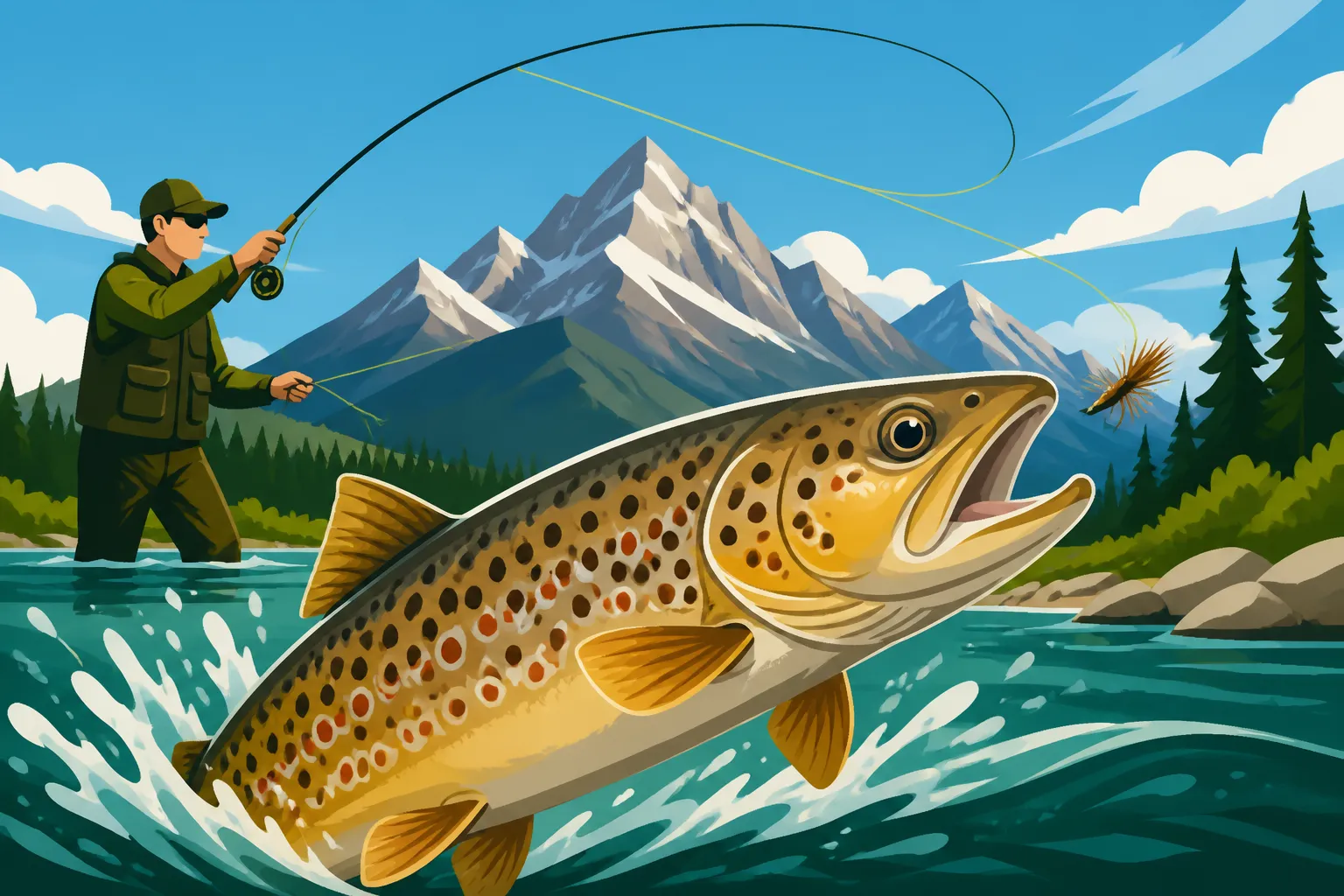
Streamer fishing is another highly productive method, especially for larger, more aggressive brown trout. This involves casting flies that imitate baitfish or leeches and stripping them back through likely holding water, often triggering an aggressive predatory strike. During warmer months, especially in the evenings, dry fly fishing can be magical. Matching the hatch with realistic adult insect patterns and presenting them delicately to rising fish is a true art form. Always approach your spots stealthily, as browns are incredibly sensitive to vibrations and shadows. Best Fly Fishing Rivers in Alberta provides great context for these approaches.
Spin Fishing Tactics for River and Lake Browns
Spin fishing for brown trout offers a different set of advantages, particularly for covering more water or fishing deeper sections. For river browns, casting small spinners, spoons, or jerkbaits across and slightly upstream, then retrieving them through current seams or near cover, can be very effective. Vary your retrieve speed and add pauses to mimic an injured baitfish. Focus on casting accurately to specific structures like log jams, undercut banks, or large boulders.
When targeting lake browns, trolling is often the go-to method. Using a boat or kayak, troll deep-diving crankbaits or spoons at various depths and speeds until you find what the fish are reacting to. Often, these lake browns will be suspended over deeper water or near drop-offs. Jigging with spoons or soft plastics in deeper holes can also entice bites, especially during colder months. Remember that brown trout in lakes can be very spread out, so covering water efficiently is important.
Stealth and Presentation: The Key to Success
No matter your chosen technique, stealth and presentation are absolutely paramount when fishing for brown trout. These fish are incredibly wary and can be spooked by heavy footsteps, bright clothing, or poorly executed casts. When approaching a promising spot, move slowly and deliberately. Keep a low profile, using natural cover like trees or riverbanks to obscure your silhouette. Avoid casting a shadow over the water where fish might be holding.
Your presentation needs to be natural and subtle. For fly fishing, this means a drag-free drift for nymphs and dry flies, or a realistic swim for streamers. For spin fishing, it means a lure that swims enticingly without unnatural jerks or splashes, landing softly near your target. A heavy leader or thick line can also be a turn-off for wary browns, so consider using lighter, less visible line or fluorocarbon leaders, especially in clear water. Remember, you're trying to fool an intelligent predator; sloppy tactics will likely result in an empty net.
Best Times and Conditions for Brown Trout Fishing
Timing can be everything when it comes to brown trout. Understanding the rhythms of the seasons, the influence of weather, and even the daily movements of the sun and moon can significantly impact your success. There's no bad time to be on the water, but some windows of opportunity are undoubtedly better than others.
Seasonal Hotspots and Optimal Periods
As we touched on earlier, each season offers unique brown trout opportunities. Spring (April-June) sees increased activity as fish shake off winter sluggishness and feed heavily on emerging insects. This is a great time for nymphing and streamer fishing in many rivers. Summer (July-August) can be challenging in warmer rivers, with browns often becoming nocturnal feeders. Focus on early mornings, late evenings, or deeper, cooler stretches. Large terrestrial patterns and deep-fished streamers can work well.
Fall (September-November) is arguably the "prime time" for trophy brown trout. As they prepare for spawning, browns become more aggressive, territorial, and will chase larger flies and lures. Streamer fishing can be incredible during this period. Winter (December-March) offers a different, often slower, experience. Fish are less active but can still be caught by presenting small nymphs or jigs in deep, slow pools. Best Time of Year to Fish in Alberta provides a broader perspective on fishing throughout the year.
Weather and Water Conditions to Watch For
Brown trout are highly sensitive to changes in their environment. Stable weather and water conditions are often ideal. A rising barometer after a period of low pressure can often trigger feeding activity. Overcast days, especially in summer, can keep fish active longer, as direct sunlight makes them seek deeper cover. Light rain can also be beneficial, washing insects into the water and breaking up the surface, making fish less wary.
Conversely, sudden drops in temperature, heavy thunderstorms, or rapidly rising and muddy water conditions can shut down the bite. Extremely low and clear water makes fish incredibly spooky, demanding even more stealth and finesse. Always check local river flows and weather forecasts before heading out. A river that’s blown out and muddy after a heavy rain might be unfishable for days, while a river that’s dropping and clearing after a small bump can be fantastic.
Understanding the Solunar Influence
While perhaps not as widely accepted as weather or water conditions, many seasoned anglers swear by the solunar theory, which suggests that fish activity is influenced by the positions of the moon and sun. These "major" and "minor" feeding periods, often correlating with moonrises, moonsets, and overhead/underfoot moon positions, are believed to stimulate fish to feed more actively.
While it's not a guarantee, paying attention to solunar tables can sometimes give you an edge, especially on tough days. If you're planning a full day of fishing, try to schedule your most intensive efforts around these predicted peak activity times. At the very least, it provides an interesting framework for understanding potential feeding windows and can help you maintain optimism when the bites are slow outside of these periods.
Conservation and Responsible Angling Practices
Fishing for brown trout in Alberta is a privilege, and it comes with the responsibility to protect these remarkable fish and their habitats. Practicing good conservation habits isn't just about following the rules; it's about ensuring that future generations can enjoy the same thrilling experiences we do today.
Catch and Release Best Practices
Many brown trout fisheries in Alberta are managed as catch-and-release, or have very restrictive limits, underscoring the importance of responsible handling. When you do catch a brown trout, aim to minimize its time out of water. Keep the fish wet as much as possible, either by netting it in the water or lifting it for a quick photo while still submerged. Use a rubberized, knotless landing net, which is much gentler on fins and slime coats than traditional knotted nylon nets.
Handle the fish gently with wet hands, supporting its belly. Avoid squeezing it or holding it by the gill plates. Use forceps or pliers to quickly remove hooks. If the hook is deeply swallowed, cut the line as close to the hook as possible rather than tearing the fish's throat. When releasing, hold the fish facing upstream in gentle current until it regains its strength and swims away on its own. How to Catch Bull Trout and Release Them Safely provides excellent general guidance applicable to all sensitive trout species.
Understanding Regulations and Limits
Alberta's sportfishing regulations are complex and can vary significantly from one water body to another, even within the same river system. It's absolutely crucial to obtain a current Alberta fishing license and thoroughly review the Alberta Guide to Sportfishing Regulations before each outing. This guide details bag limits, size restrictions, bait restrictions, season dates, and special regulations for specific zones and water bodies.
For brown trout, you might encounter anything from "catch and release only" regulations to specific slot limits (e.g., you can keep fish within a certain size range, but not smaller or larger ones). Some areas may have single hook, barbless hook, or bait bans. Ignorance of the regulations is not an excuse, and penalties for violations can be significant. Always carry a copy of the regulations (a digital version on your phone is handy) and your valid WIN card and fishing license. Alberta Fishing Regulations Explained and Alberta Bag and Possession Limits by Species are essential reads to ensure you're compliant.
Protecting Brown Trout Habitat
Conservation goes beyond just handling fish responsibly; it extends to protecting the very environments they call home. Brown trout thrive in healthy ecosystems with clean, cool water, stable banks, and abundant instream cover. Anglers can play a vital role in protecting these habitats by practicing Leave No Trace principles: pack out everything you pack in, and perhaps even a little extra litter you find.
Avoid walking directly on spawning redds, which are critical for the fish's reproductive success. Be mindful of stream banks, especially in sensitive riparian areas, to prevent erosion. Support conservation organizations that work to protect and restore cold-water fisheries. By being an advocate for healthy rivers and lakes, you contribute directly to the longevity of brown trout fishing in Alberta.
Common Challenges and Troubleshooting
Let's be real, brown trout fishing isn't always easy. There will be days when they seem to have lockjaw, when the river conditions are against you, or when you just can't seem to get a bite. It's part of the brown trout experience! But with a bit of troubleshooting and persistence, you can often turn a frustrating day into a successful one.
Dealing with Spooky Fish and Finicky Bites
This is perhaps the most common challenge when chasing brown trout. They are incredibly wary, and any unnatural movement, splash, or shadow can send them scurrying for cover. If you're consistently spooking fish or getting no bites in prime water, reassess your approach. Are you moving too quickly? Are you wearing bright clothing? Is your line too heavy or your leader too short?
Try lengthening your leader, using lighter tippet, or switching to smaller, more subtle flies or lures. If they're rising but not taking your dry fly, they might be focusing on emergers just below the surface, so try a small nymph or an emerger pattern. If you're spin fishing, slow down your retrieve, downsize your lure, or try a different color. Sometimes, simply giving a spot a break and returning later with a different approach can make all the difference. Patience, observation, and adaptability are your best friends here.
Navigating Difficult River Conditions
Alberta's rivers can be dynamic, changing quickly with weather and runoff. High, muddy water, or conversely, extremely low and clear water, can pose significant challenges. When the water is high and murky, brown trout will often move closer to the banks, seeking slower currents and visual cover. Focus your efforts on eddies, backwaters, and the very edges of the main current. Larger, darker flies or lures with strong vibrations can be more easily detected in low visibility.
In low, clear water, stealth becomes even more critical. Longer casts, lighter leaders, and smaller patterns are often necessary. Fish will be more visible and more easily spooked, so approach your spots from downstream, keep a very low profile, and cast well ahead of where you suspect fish are holding. This is where those polarized sunglasses and a good wading staff become even more valuable. Learning Wading Techniques for Alberta Trout Rivers will teach you to move safely and quietly.
Avoiding Common Mistakes
One of the biggest mistakes anglers make is being impatient or sticking to a single technique when it's not working. Brown trout demand versatility. If dry flies aren't producing, try nymphing. If streamers are getting ignored, switch to a smaller lure. Don't be afraid to experiment with different depths, retrieve speeds, or fly patterns. Another common error is fishing too fast. Slow down, thoroughly work each piece of promising water, and give fish a chance to react to your presentation.
Overlooking subtle cues from the river itself is another pitfall. Pay attention to insect hatches, baitfish activity, and changes in current or structure. Not understanding the regulations for a specific stretch of river can also lead to trouble, so always double-check. And finally, not having the right gear for safe handling can cause undue stress on released fish. Invest in a good net and forceps, and always prioritize the well-being of the trout you catch. By being observant, adaptable, and respectful, you'll greatly improve your brown trout fishing experiences in Alberta.
Disclaimer
This article is for general informational purposes only and does not constitute professional advice. Laws, prices and regulations vary by location and change over time. Consult a qualified professional for guidance on your specific situation.