Native trout species found in Alberta
It can be confusing trying to figure out which trout species actually belong in Alberta's pristine waters and which ones have been introduced over the years. Many anglers want to connect with the true wild heritage of our province, but identifying native fish, understanding their importance, and knowing how to fish for them responsibly is crucial. This guide is here to shed light on Alberta's incredible native trout species, helping you appreciate their unique place in our ecosystems and how to be a good steward while on the water.
Understanding "Native" Trout in Alberta
When we talk about "native" trout, we're referring to species that have naturally occurred in Alberta's waters for thousands of years, evolving alongside the unique conditions of our rivers and lakes. These are the fish that have adapted to the specific climate, water chemistry, and food sources found here, forming an integral part of the ecological fabric. It’s a bit like thinking about the wild roses or lodgepole pines; they just belong here.
Distinguishing Native from Introduced Species
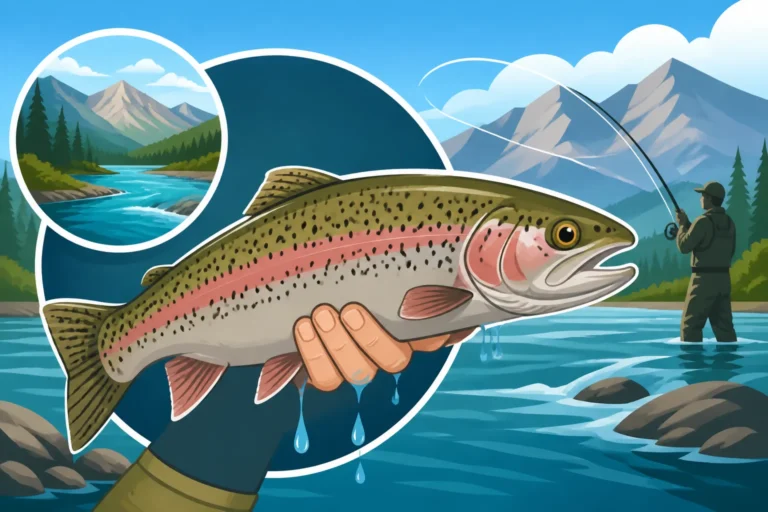
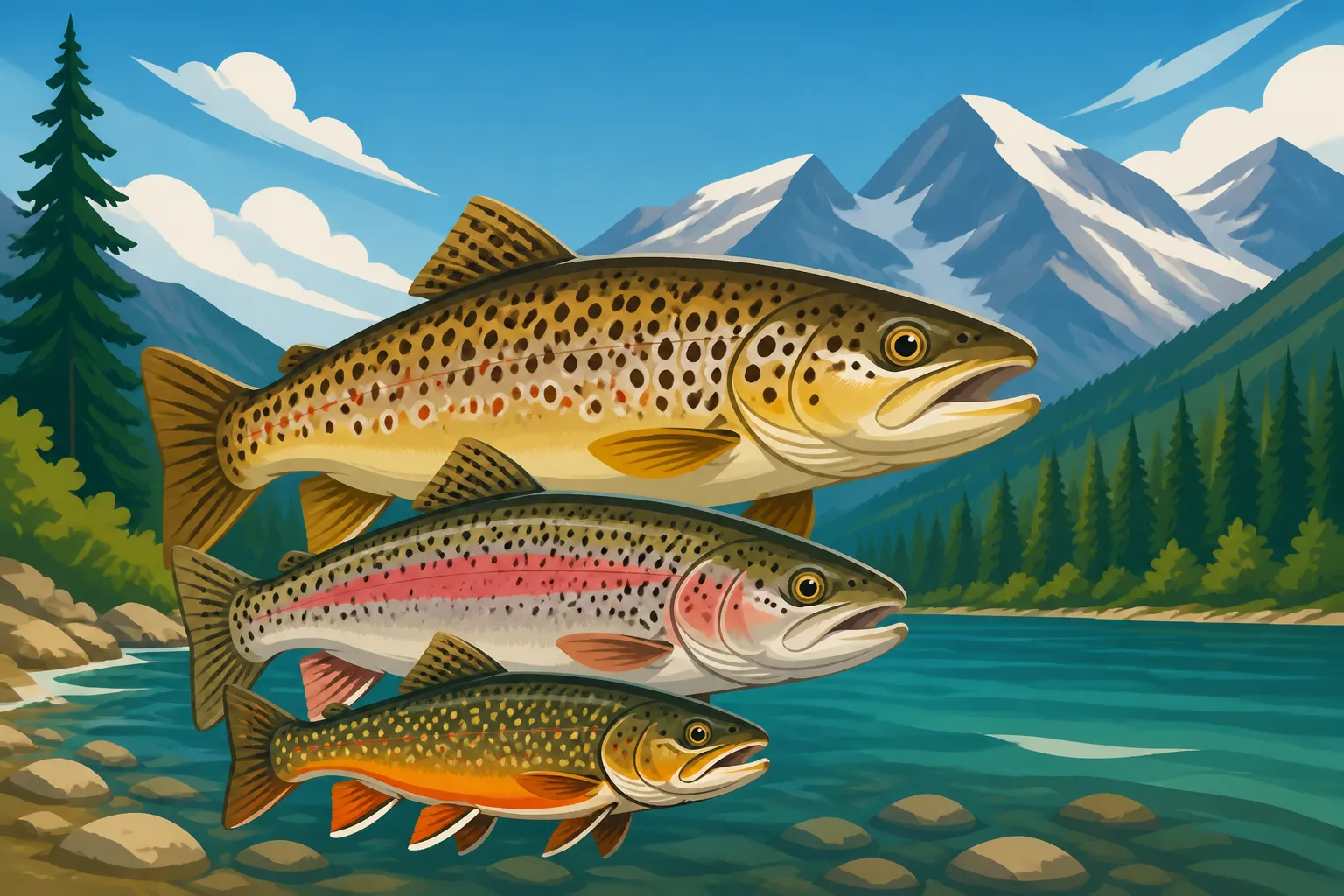
The key difference between a native trout and an introduced species lies in their historical presence. Many popular trout species, like rainbow trout and brown trout, while now common and well-established in Alberta, were actually brought in from other regions, often for sport fishing or to fill ecological niches. While these introduced species provide fantastic fishing opportunities, they often compete with, and sometimes even displace, our native fish, which have adapted over millennia to thrive without such competition. Understanding this distinction isn't about judging one fish over another, but rather recognizing the unique vulnerability and importance of our truly wild, indigenous populations. For instance, the Bow River is world-renowned for its rainbow and brown trout, but neither are considered native to its waters.
Why Native Trout Matter So Much
Native trout are more than just fish; they are indicators of ecosystem health. Their presence, or absence, can tell us a lot about the quality of the water, the health of the surrounding habitat, and the overall ecological balance of a river or lake. They represent unique genetic lineages that have adapted to Alberta's specific conditions, making them irreplaceable. When native populations decline, it often signals broader environmental issues that can affect many other species, including humans. Protecting these native fish is a commitment to preserving Alberta's natural heritage, ensuring that future generations can experience the same wild beauty and ecological richness that we cherish today. It's about maintaining biodiversity and respecting the intricate web of life that sustains our natural landscapes.
Alberta's Key Native Trout Species
Alberta is home to a few truly special native trout species, each with its own unique characteristics and preferred habitats. These fish are treasured by those who understand their significance and the efforts being made to protect them. Understanding where they live and how to identify them is the first step in appreciating their wild beauty.
Westslope Cutthroat Trout
The Westslope Cutthroat Trout (Oncorhynchus clarkii lewisi) is arguably one of Alberta's most iconic native fish. Easily recognizable by the distinctive red or orange "cut" mark under their jaw – a feature that gives them their name – these trout are found primarily in the cold, clear, headwater streams of the Rocky Mountains and foothills in southwestern Alberta. They prefer pristine, well-oxygenated waters with plenty of cover from overhanging banks and woody debris. Their colouring can vary, but generally, they have olive-green to yellowish-brown bodies with scattered black spots, often concentrated towards the tail. They are typically smaller than some of their introduced cousins, rarely exceeding 15 inches, but what they lack in size, they make up for in beauty and resilience.
Fishing for Westslope Cutthroat often means venturing into more remote, beautiful mountain streams. These fish are usually eager biters, making them a joy to catch on light tackle or a fly rod, but conservation is paramount. Many populations are sensitive, and catch-and-release is strongly encouraged, often mandated, in their native ranges. Understanding Alberta westslope cutthroat trout protected status is vital before you even think about dropping a line. These trout are often found in areas that have been minimally impacted by human development, making the experience of pursuing them truly special and connecting you to the wild heart of Alberta. Always check the regulations for specific streams, as many areas have special restrictions, including barbless hook requirements, to protect these delicate populations.
Bull Trout
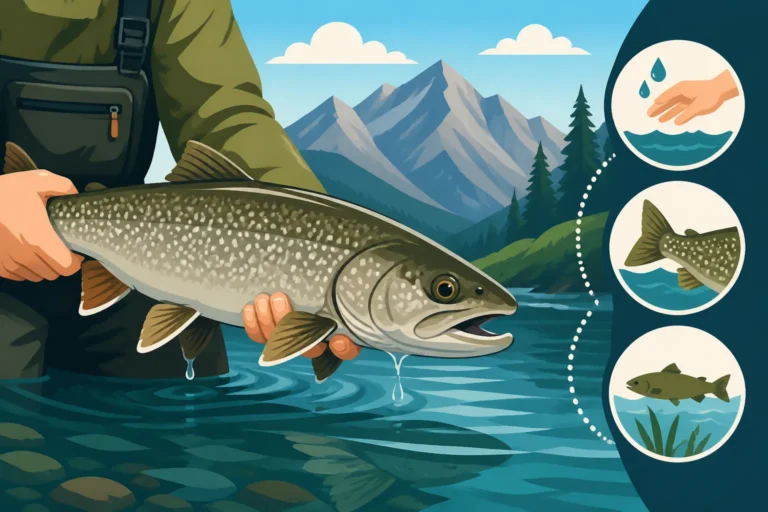
The Bull Trout (Salvelinus confluentus) holds a particularly significant place in Alberta's native fish community. This species is often referred to as Bull Trout: Alberta's Threatened Native Fish due to significant declines in their populations over the decades. Unlike other trout, Bull Trout are actually a char, related more closely to Arctic char and lake trout. They are distinguished by their pale spots on a darker body (often olive-green to blue-grey), their lack of black spots on their dorsal fin, and the absence of the red cutthroat slash. They also have a large head and mouth, giving them a more predatory appearance. Younger Bull Trout might have parr marks that fade as they mature.
Bull Trout are highly predatory and require large tracts of cold, clean water for survival, often migrating long distances between spawning, rearing, and foraging habitats. You'll find them in the coldest, purest rivers and lakes in the western and northern parts of Alberta. Because of their vulnerable status, there is a Alberta Bull Trout Zero Possession Rule across much of the province, meaning any Bull Trout caught must be immediately and carefully released. Catching one is a rare and special event, and practicing careful How to Catch Bull Trout and Release Them Safely is not just good etiquette, it's the law and essential for their survival. You can learn more about their distribution in Bull Trout Native Range in Alberta. Protecting these incredible fish is a collective responsibility, and every angler plays a role in their recovery.
Other Potential Native or Historically Present Species
While Westslope Cutthroat and Bull Trout are the most prominent and commonly discussed native trout/char in Alberta, there are other species and considerations worth mentioning. For instance, the Arctic Grayling (Thymallus arcticus) is a beautiful, sail-finned fish native to the clear, cold waters of northern Alberta. Although not a trout, it shares similar habitat requirements and is often grouped with trout in discussions about cold-water native fish. You might find resources on Arctic Grayling in Northern Alberta Rivers if you're exploring the more remote waterways.
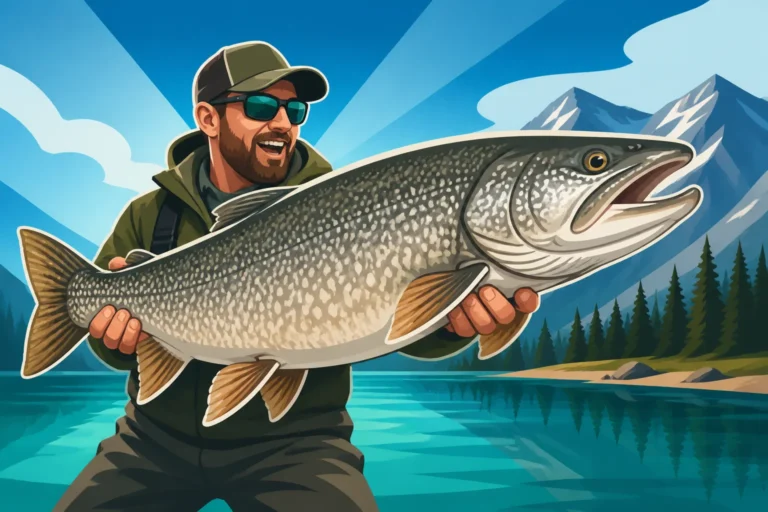
Additionally, Lake Trout (Salvelinus namaycush), another char species, are native to some of Alberta's larger, deeper, colder lakes, particularly in the northern reaches of the province. While a popular sport fish, their native range is more restricted than the introduced populations that exist in many other lakes. These ancient fish require specific deep-water habitats and are incredibly slow-growing, making them vulnerable to overfishing. Understanding the distinction between truly native populations in specific lakes and those that have been stocked elsewhere is important for a complete picture of Alberta's cold-water fish heritage.
| Species Name | Native Status | Key ID Features | Typical Habitat | Conservation Status (General) |
|---|---|---|---|---|
| Westslope Cutthroat Trout | Native | Red/orange slash under jaw, small black spots | Cold, clear mountain headwater streams | Sensitive, often protected |
| Bull Trout | Native | Pale spots on dark body, large head, no slash | Very cold, clean rivers and large deep lakes | Threatened, zero possession |
| Arctic Grayling | Native (Char) | Large dorsal fin, iridescent colours | Cold, clear northern rivers and lakes | Sensitive |
| Lake Trout | Native (Char) | Pale spots on dark body, deeply forked tail | Deep, cold, oxygenated northern lakes | Stable in native range |
Conservation Efforts and Challenges
Protecting Alberta's native trout species isn't just a feel-good endeavour; it's critical work that involves a lot of dedicated people and faces numerous challenges. Our native fish are constantly under pressure, and understanding these threats helps us appreciate why certain regulations exist and how we can all contribute to their survival.
Threats to Native Trout Populations
Native trout face a perfect storm of challenges in modern Alberta. Habitat degradation is a huge concern; think about how development, logging, agriculture, and road building can lead to increased sediment in streams, alter water temperatures, or fragment crucial migration routes. Climate change also plays a significant role, as warming water temperatures can push cold-water-dependent species like Bull Trout and Cutthroat Trout out of their preferred habitats. Then there's the issue of invasive species and hybridization. Introduced trout species can outcompete native fish for food and spawning grounds, and in some cases, rainbow trout can hybridize with cutthroat trout, diluting the native gene pool. Overfishing, even accidental catch-and-release mortality, also contributes to declines, especially for slower-growing species like Bull Trout. All these factors combine to create a fragile existence for our native populations.
What is Being Done to Protect Them
Alberta's Environment and Protected Areas (AEPA) and various conservation groups are working tirelessly to protect native trout. Efforts include habitat restoration projects, such as planting trees along stream banks to provide shade and reduce erosion, removing barriers to fish migration, and restoring natural stream morphology. Stricter fishing regulations, like special harvest licences, specific season closures, Alberta Catch and Release Only Waters, and mandatory Which Alberta rivers mandate barbless hooks only, are also in place to reduce fishing pressure. Education and outreach programs are crucial to inform anglers and the public about the importance of native fish and responsible angling practices. Organizations like Trout Unlimited Canada are instrumental in these efforts, often mobilizing volunteers for stream clean-ups and restoration work. It’s a multi-faceted approach, and every little bit helps in safeguarding these precious resources for the future.
Identifying and Fishing for Native Trout Responsibly
Being able to properly identify a native trout on the water is crucial for responsible angling, especially given the strict regulations surrounding species like Bull Trout and Westslope Cutthroat. Beyond identification, adopting practices that minimize your impact is key to becoming a true conservation-minded angler.
Key Identification Tips for Anglers
When you're out on the water, quick and accurate identification can be tricky, especially with rapidly changing light or a feisty fish. Always look for the distinct "cut" mark under the jaw for Westslope Cutthroat Trout, which can range from a vivid red to a subtle orange or yellow, and note the pattern of spots – usually smaller and more numerous towards the tail. For Bull Trout, remember they are chars: no black spots on the dorsal fin, pale spots on a dark background, and a large, broad head. If you’re ever in doubt, treat the fish as the most sensitive species. Having a good, waterproof fish identification guide from a reputable source like Amazon or a local tackle shop can be incredibly helpful for on-the-spot reference. Many Trout Species Identification Guide for Alberta resources are available to help you distinguish between different trout and char.
Best Practices for Catch-and-Release
Since many native trout populations are sensitive or protected, catch-and-release fishing is often the only legal and ethical option. Here are some best practices:
- Minimize Fight Time: Bring the fish in quickly to reduce stress and exhaustion.
- Use Barbless Hooks: Crimping down barbs on your hooks makes removal much easier and less damaging. You can find barbless hooks and tools to flatten barbs readily on Amazon or at local fishing stores.
- Keep Them Wet: Try to unhook the fish while it's still in the water. If you must remove it, do so quickly and keep your hands wet to protect its delicate slime coat.
- Support Its Weight: Never hold a fish by its jaw vertically. Support its belly, especially for larger fish.
- Gentle Release: Allow the fish to recover in the water, facing upstream in a gentle current, until it can swim away under its own power. Avoid "pumping" it back and forth, as this can force water over its gills in the wrong direction.
- Net Wisely: Use a knotless, rubberized landing net. These nets are much gentler on a fish's fins and slime coat than traditional knotted mesh nets. You can find high-quality rubberized nets at outdoor retailers or online, like through Amazon.
By following these guidelines, you not only comply with regulations but also greatly increase the survival rate of the fish you release, ensuring these What fish species are unique to Alberta's mountain streams continue to thrive in their natural habitat.
Disclaimer
This article is for general informational purposes only and does not constitute professional advice. Laws, prices and regulations vary by location and change over time. Consult a qualified professional for guidance on your specific situation.