Brown Trout Habits in Alberta Streams
If you've spent any time on Alberta's rivers, you know that brown trout are often seen as the enigmatic kings of the stream. They're notoriously finicky, elusive, and can be incredibly frustrating to target, leaving many anglers wondering what makes these beautiful fish tick. This guide is here to pull back the curtain on the fascinating habits of brown trout in Alberta's diverse stream environments, helping you understand their world so you can approach your next fishing adventure with confidence.
Understanding Brown Trout: A Glimpse into Their World
Brown trout, or Salmo trutta, are not native to Alberta, but they’ve certainly made themselves at home here, adapting remarkably well to our varied waterways. Unlike some of our other trout species, browns are known for their resilience and adaptability, capable of thriving in conditions that might stress other fish. Their reputation for being challenging to catch often stems from their highly intelligent and cautious nature, which develops as they grow larger and become more experienced predators.
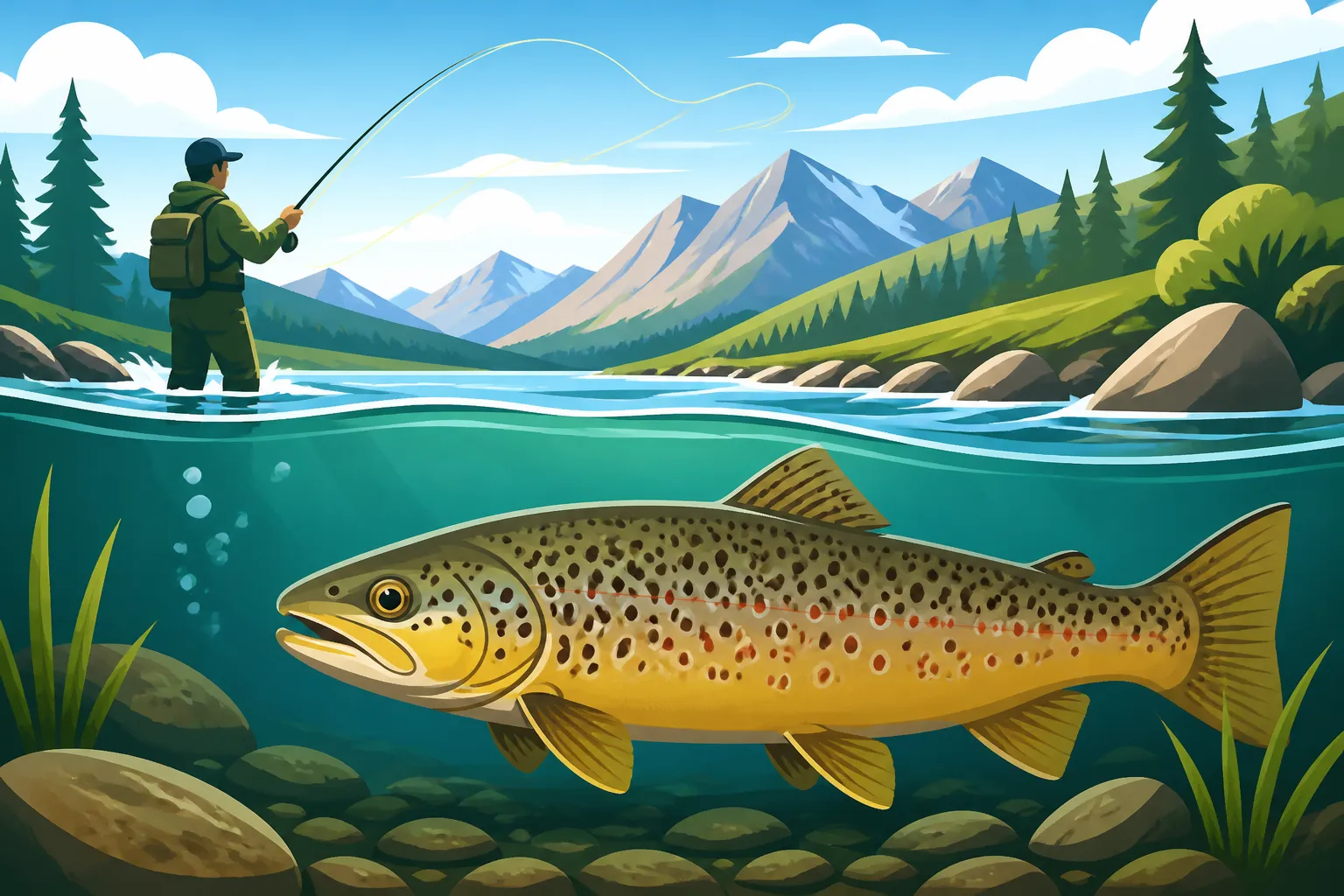
These fish are characterized by their typically golden-brown to olive-green backs, fading to silvery flanks and a cream-colored belly, adorned with distinctive dark spots that are often haloed with lighter rings. They can also have reddish-orange spots along their lateral line, especially vibrant during spawning. Their coloration, much like their habits, can vary significantly depending on their specific habitat, camouflaging them perfectly in the rocky, often tannin-stained waters they inhabit. Understanding this foundational biology is the first step to truly appreciating their unique place in Alberta's fisheries.
Brown Trout Introduction and Spread in Alberta
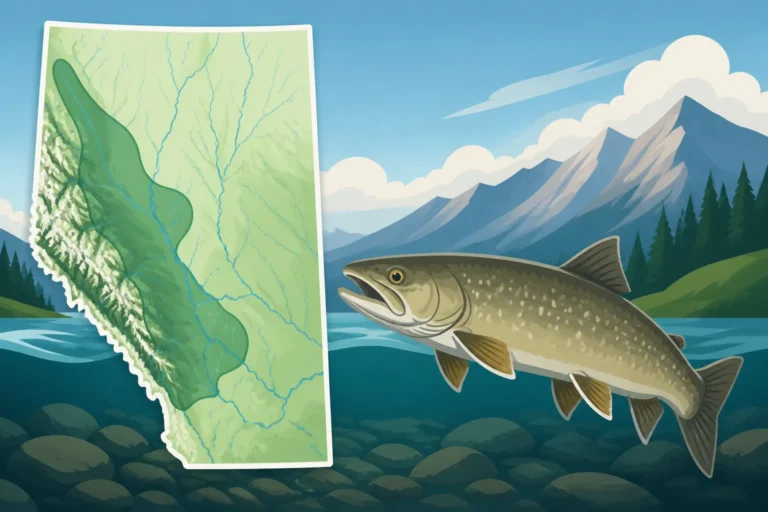
The introduction of brown trout to Alberta was part of a broader effort to diversify sportfishing opportunities decades ago. They were brought over from Europe and stocked into various river systems, finding particular success in the fertile, cool waters of rivers like the Bow. Their ability to tolerate slightly warmer water temperatures and more turbid conditions than, say, cutthroat trout, allowed them to flourish in environments that might have been less hospitable to other species. This adaptability has cemented their status as a prized sport fish, creating a unique challenge for anglers across the province.
Their widespread presence today, particularly in the productive waters of Southern Alberta, is a testament to their hardiness. While some native species face challenges, brown trout have carved out a niche, offering exciting fishing experiences and contributing to the ecological balance of these systems. Their historical journey to Alberta highlights their robust nature, a trait that continues to define their habits and survival strategies.
Distinguishing Brown Trout from Other Trout Species
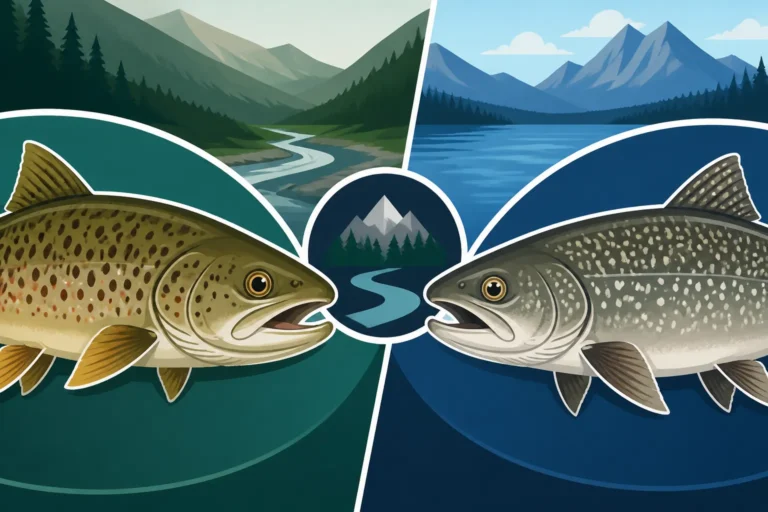
It's easy to confuse brown trout with other species, especially smaller rainbows or even bull trout if you're new to the game. However, a few key markers can help you identify a brown. Rainbow trout typically have a distinct pink or red band along their lateral line and smaller, more uniform black spots without the lighter halos. How to tell a brown trout from a rainbow trout delves deeper into these distinctions. Bull trout, on the other hand, are often more olive-green to grey, with scattered pale yellow or pinkish spots, and have a more elongated, slender body shape. Knowing these differences isn't just for bragging rights; it's crucial for understanding the regulations, as catch limits and rules can vary significantly between species. For instance, bull trout often have a zero-possession limit in many Alberta waters due to their vulnerable status.
Look closely at the tail fin of a brown trout; it's usually unspotted. Their adipose fin (the small, fleshy fin near the tail) often has an orange tint, another good identifier. Pay attention to the overall body shape too – browns tend to be more robust and deep-bodied as they grow, especially in prime feeding rivers.
Where Browns Live: Habitat Preferences in Alberta
Brown trout are masters of their environment, meticulously selecting habitats that offer the perfect balance of food, cover, and favorable water conditions. In Alberta, this often means specific types of streams and rivers, ranging from wide, sprawling prairie rivers to intimate, clear mountain tributaries. Understanding these preferences is key to finding them and can drastically improve your chances of success.
They are incredibly structure-oriented fish. They don't just hang out in open water, waiting for food to drift by; they actively position themselves in strategic locations to ambush prey, conserve energy, and stay hidden from predators. This makes them predictable in a general sense, but unpredictable in the specifics – the exact lie they choose can change with water levels, time of day, and even insect hatches.
River and Stream Types Favoured by Brown Trout
Alberta boasts a fantastic diversity of trout waters, and brown trout have found their niche in many of them. They particularly thrive in medium to large-sized rivers with a good mix of riffles, runs, and deep pools. Rivers with stable flows and good water quality, providing plenty of oxygen, are prime real estate. The Bow River, for example, is renowned for its brown trout population, providing abundant insect life and ample holding water. Other rivers, like sections of the Red Deer River or Oldman River, also offer excellent brown trout opportunities.
They generally prefer slightly cooler water than species like walleye, but they can tolerate warmer temperatures than many other trout, which allows them to inhabit some of Alberta's prairie streams that might get a bit toastier in the summer months. This makes them a more versatile target for anglers across different regions and seasons.
The Importance of Cover and Structure for Browns
When we talk about cover and structure for brown trout, we're really talking about their homes, their hunting blinds, and their safe havens. Brown trout are ambush predators, and they thrive on having places to hide and launch attacks. This means fallen trees (often called "logjams" or "snags"), undercut banks, large boulders, and deep pockets created by current are all prime brown trout territory. These spots offer refuge from strong currents, allowing them to conserve energy, and provide a secure hiding place from aerial predators like eagles and ospreys.
Consider a large, gnarled logjam on the outside bend of a river. The current carves a deep pool beneath it, and the branches provide overhead cover. This is an ideal spot for a brown trout. Or think about an undercut bank where the river has eroded the soil, creating a dark, shadowy cavern under the surface. Browns will often stack up in these spots, especially larger fish, waiting for an easy meal to drift by. When fishing, always pay extra attention to these types of features; they are magnets for hungry browns. Best Fly Fishing Rivers in Alberta often feature these kinds of structures.
Water Temperature and Oxygen Preferences
Like all trout, brown trout require cool, well-oxygenated water to thrive. However, they are generally more tolerant of warmer water temperatures than rainbow or cutthroat trout. While optimal temperatures for active feeding are typically between 10-18 degrees Celsius (50-65 Fahrenheit), they can survive in slightly warmer water, which is why they do so well in some of Alberta's lower elevation rivers during the summer. Beyond this range, they become stressed, their metabolism slows, and they become less active and more vulnerable.
High oxygen levels are also crucial, especially in faster-flowing sections of rivers, where the water is constantly being agitated and aerated. You'll often find them in or near riffles and runs where the water tumbles over rocks, picking up oxygen before settling into deeper pools or slower currents where they can hold. Understanding these physiological needs helps you predict where they’ll be congregating at different times of the day or year, especially during periods of environmental stress like a heatwave or drought.
What Browns Eat: Their Diet Through the Seasons
Brown trout are opportunistic feeders, meaning they'll eat just about anything that presents itself as an easy meal. Their diet is incredibly varied and shifts dramatically with the seasons, availability of prey, and their own growth stage. A small brown trout might feed almost exclusively on aquatic insects, while a large, mature brown trout becomes a true apex predator, targeting other fish and even small mammals.
This adaptability in their diet is one of the reasons they are so successful in Alberta's diverse ecosystems. It also means that anglers need to be versatile in their approach, matching their lures or flies to what the trout are likely feeding on at any given time.
Aquatic and Terrestrial Insects
For much of the year, especially for smaller to medium-sized brown trout, insects form the backbone of their diet. This includes a vast array of aquatic insects like mayflies, caddisflies, stoneflies, and midges, which live out their larval stages on the river bottom before hatching into adults and drifting on the surface. When these hatches occur, brown trout will often key in on them exclusively, making it challenging for anglers unless they "match the hatch" with their fly patterns.
Terrestrial insects, those that live on land, also play a significant role. Grasshoppers, ants, beetles, and crickets accidentally fall into the water, particularly during warmer months, providing substantial protein. Large browns will often patrol undercut banks and grassy overhangs, waiting for these unfortunate creatures to tumble in. This is where a well-placed hopper pattern can be deadly on a hot summer afternoon. For fly anglers, having a good selection of Fly Patterns for the Bow River or other streams is essential.
Small Fish and Baitfish
As brown trout grow larger, their diet often shifts to include more protein-rich meals, and small fish become a primary food source. This includes various baitfish species common in Alberta streams, such as sculpins, dace, and smaller chub. They won't hesitate to prey on juvenile trout of other species, or even smaller brown trout, demonstrating their opportunistic and predatory nature. Larger browns become incredibly efficient at ambushing these smaller fish, often using current breaks and structure to their advantage.
Anglers targeting bigger browns will often switch to streamers or lures that imitate these baitfish. Consider fishing a flashy streamer pattern that mimics a struggling minnow, or a crankbait that dives deep and has an erratic swimming action. Many anglers have found success with various brands of crankbaits and soft plastic swimbaits, easily found on Amazon, that perfectly replicate the local forage.
Other Opportunistic Prey: Rodents and Amphibians
This is where brown trout really earn their reputation as adaptable predators. While less common than insects or baitfish, large brown trout are known to consume small rodents like mice or voles, especially if they fall into the water from overhanging banks. It might sound unusual, but a juicy mouse represents a significant meal for a big trout, providing a huge calorie boost. Similarly, frogs and salamanders, if present, can also become part of a large brown trout's diet.
These meals are usually taken during low light conditions – dawn, dusk, or even at night – when the trout feel more secure leaving their cover to hunt. Targeting these unique feeding opportunities often requires specific presentations, like large "mouse" or "frog" patterns, especially in quiet backwaters or along slow-moving banks at night. It's a truly exciting way to target a trophy brown, but it definitely pushes you out of your comfort zone!
Seasonal Habits and Behavior: Spring, Summer, Fall, Winter
Brown trout habits are intrinsically linked to the changing seasons in Alberta. From the icy grip of winter to the vibrant warmth of summer, their metabolism, feeding patterns, and locations shift dramatically. An angler who understands these seasonal nuances will always be one step ahead. It's not just about the weather; it's about water temperature, clarity, oxygen levels, and the availability of their preferred food sources.
Adapting your approach to these seasonal changes is fundamental to consistent success. What works in April will likely be ineffective in August, and vice-versa.
Spring: Post-Spawn Recovery and Early Feeding
As Alberta's streams begin to thaw and shed their icy shackles, spring brings a new surge of life, and brown trout are quick to respond. Post-spawn browns, having just expended a lot of energy, are often eager to feed and regain condition. Water temperatures are rising, stimulating insect hatches like stoneflies and early caddis, and fish become more active. The water levels can be high and turbid with snowmelt, which can make fishing challenging, but also provides excellent cover for large trout.
During this time, browns will often be found in slower seams, eddies, and behind current breaks, where they can ambush prey without fighting strong flows. They are often less selective than they will be later in the year, willing to chase a larger, more visible offering. Streamer patterns that imitate baitfish or large nymph patterns can be particularly effective. It’s a fantastic time for aggressive strikes, especially on days when the water starts to clear and warm. Consider reading Spring Trout Fishing Techniques for Alberta Streams to further refine your approach.
Summer: Low, Clear Water and Nocturnal Activity
Summer in Alberta often means lower, clearer water conditions, especially in mountain streams, and warmer temperatures in prairie rivers. This clarity can make brown trout incredibly spooky and selective, requiring stealthier approaches and more precise presentations. They'll often seek out deeper, cooler pools, shaded areas, and oxygenated riffles during the heat of the day. Their activity during daylight hours might slow down, making them harder to tempt.
However, summer also brings abundant terrestrial insects like grasshoppers and ants, and prolific evening hatches of caddis and mayflies. This is when brown trout can become incredibly active, especially during the early mornings, late evenings, and even into the night. Large browns are particularly prone to becoming nocturnal predators in summer, hunting baitfish and rodents under the cover of darkness. Night fishing with large streamers or surface patterns can be incredibly rewarding, offering a shot at true trophy fish that are rarely seen in daylight.
Fall: Spawning Season and Aggressive Feeding
Fall is arguably the most exciting time to target brown trout in Alberta. As water temperatures begin to cool, brown trout become incredibly aggressive. Their metabolism increases, and they enter a pre-spawn feeding frenzy, packing on calories for the upcoming spawning ritual. Their coloration becomes more vibrant, especially the males, as they develop their characteristic hooked jaw (kype) and display stunning hues.
Spawning typically occurs in late fall, from October into November, depending on the region and water temperatures. Browns will move into shallower, gravelly areas of rivers and tributaries to build redds (nests). During this period, while they are focused on reproduction, they can still be incredibly territorial and aggressive towards anything entering their space. However, it's crucial to remember that disturbing spawning fish is not ethical and can severely impact future generations. Instead, focus on the fish that are actively feeding in deeper pools and runs, often chasing down streamers or large nymphs. This is prime time for big, aggressive browns.
Winter: Dormancy and Deep Water Retreat
When winter descends on Alberta, blanketing the landscape in snow and ice, brown trout enter a period of reduced activity. Their metabolism slows dramatically in the cold water, and they become less active feeders, conserving energy to survive the harsh conditions. You'll typically find them in deeper, slower pools, often near substantial cover, where they can find stable water temperatures and minimal current. They might cluster together in these deep wintering holes.
While challenging, winter fishing for brown trout can still be productive, especially on milder days or in tailwater fisheries that remain ice-free. Your approach needs to be slow and deliberate, offering small, subtle presentations. Deep nymphing or slow-retrieved streamers can sometimes tempt a sluggish brown. Patience is key, as bites will be light and infrequent. Ice Fishing in Alberta is primarily for lake species, but some rivers remain open to conventional fishing.
Fishing for Browns: Using Their Habits to Your Advantage
Now that we've delved into the fascinating habits of brown trout, it's time to translate that knowledge into actionable fishing strategies. Understanding their preferences for cover, their seasonal dietary shifts, and their responses to environmental conditions directly informs how we approach them on the water. It’s about putting yourself in the fish’s fins, so to speak, and presenting what they want, where they want it, when they want it.
Remember, brown trout are intelligent survivors. They've learned to be wary, especially the larger ones, so a thoughtful and adaptable approach will always yield better results than simply casting blindly.
Best Lures and Baits for Brown Trout
Given their varied diet, a range of lures and baits can be effective for brown trout. For smaller to medium-sized fish, spinners and spoons are perennial favorites, mimicking small baitfish or flashy insects. Their flash and vibration can trigger aggressive strikes, especially in stained water. Small crankbaits that imitate minnows can also be very effective, diving to different depths depending on the model. You can find excellent options for all these lure types, often with positive reviews from fellow anglers, on Amazon.
For larger browns, especially those targeting other fish, jerkbaits and larger swimbaits come into their own. These lures often require a more active retrieve, mimicking a wounded baitfish, which can be irresistible to a predatory brown. Natural baits like worms or minnows (where legal) can also be highly effective, especially when dead-drifted into deep pools or undercut banks. Always check local regulations regarding bait use, as some waters are restricted to artificial lures only.
Fly Fishing Techniques for Alberta Browns
Fly fishing for brown trout in Alberta is an art form, demanding precision and an understanding of insect life. During prolific hatches, matching the size, shape, and color of the naturals with a dry fly can be incredibly rewarding. Dry Fly Fishing Alberta Mountain Streams outlines some of these thrilling experiences. Euro nymphing or traditional indicator nymphing techniques are highly effective when trout are feeding sub-surface on larvae and pupae. Getting your flies deep and into the brown trout's feeding lane is paramount.
For those targeting trophy browns, streamer fishing is often the most exciting and productive method. Casting large, articulated streamers that imitate baitfish, leeches, or even small rodents into deep pools, undercut banks, and around logjams can elicit brutal strikes. This aggressive style of fishing often accounts for the largest brown trout caught on the fly. Focus on varying your retrieve, adding pauses and twitches, to make your streamer appear as lifelike as possible.
Optimizing Your Approach: Time of Day and Presentation
Brown trout, especially the larger ones, are often most active during low-light conditions. Dawn and dusk are prime times, as the reduced light provides cover for them to hunt more confidently. On overcast days, they might remain active throughout the day, but bright sunshine often sends them deep into cover. During summer, as mentioned, night fishing can be incredibly productive for trophy fish.
Presentation is everything. Whether you're casting a spinner or drifting a dry fly, making your offering appear natural and effortless is critical. For spin anglers, this means controlling your retrieve speed and depth. For fly anglers, it means a drag-free drift for nymphs and dry flies, or a lively, enticing retrieve for streamers. Cast upstream and allow your lure or fly to drift naturally into the brown trout's suspected lie. Remember, these fish are smart; they've seen it all, so a perfect presentation often makes all the difference.
Safe Handling and Release Practices for Brown Trout
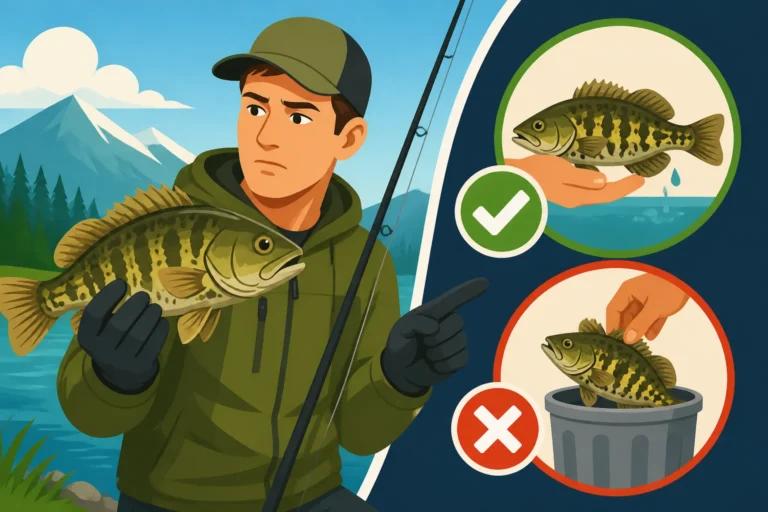
Brown trout are a valuable resource, and practicing proper catch and release is essential for maintaining healthy populations, especially for larger, older fish. Always use a knotless, rubberized landing net to minimize damage to their fins and slime coat. Try to keep the fish in the water as much as possible, especially during warmer months. If you must take it out for a quick photo, do so quickly, supporting its body horizontally.
Use barbless hooks, as they are much easier to remove and cause less trauma to the fish's mouth. If the fish is deeply hooked, cut the line as close to the hook as possible rather than trying to rip it out. Allow the fish to recover in the water, supporting it gently by the tail and head until it's strong enough to swim away on its own. Releasing fish responsibly ensures they can continue to thrive and provide enjoyment for other anglers for years to come. Many rivers, like the Bow, mandate barbless hooks.
| Season | Typical Brown Trout Behavior | Recommended Tactics & Lures | Key Considerations |
|---|---|---|---|
| Spring | Post-spawn recovery, eager feeding. Moderate activity. | Large nymphs, streamers, spinners, crankbaits. | High, cold water; focus on slower seams and eddies. |
| Summer | Spooky in clear, low water. Nocturnal activity for large fish. | Dry flies (hatches), small nymphs, terrestrial patterns. Night fishing with large streamers/mice. | Stealth, precise presentation. Seek shade and deep pools during day. |
| Fall | Aggressive pre-spawn feeding, vivid coloration. | Streamers, large nymphs, egg patterns (near redds, ethically). | Avoid disturbing spawning fish. Focus on active feeders. |
| Winter | Low metabolism, less active. Retreat to deep, slow water. | Deep nymphing, small streamers, slow retrieves. | Patience is key. Light bites. Focus on wintering holes. |
Disclaimer
This article is for general informational purposes only and does not constitute professional advice. Laws, prices and regulations vary by location and change over time. Consult a qualified professional for guidance on your specific situation.