Splake Stocking in Alberta Lakes
You're out on an Alberta lake, and you hook into something that feels powerful, a good fighter, but it doesn't quite look like the rainbow trout you're used to, and it's definitely not a pike. You might have just met a splake! Many anglers are scratching their heads when they first encounter this unique fish, unsure what they've landed or why it's even in our waters. This guide is dedicated to demystifying splake stocking in Alberta, helping you understand this fascinating hybrid trout, where to find them, and how to successfully bring them to the net.
What Exactly is a Splake, Anyway?
The world of trout can be wonderfully complex, and splake are a perfect example of nature, with a little help from us, creating something truly special. They’re not quite a brook trout, not quite a lake trout, but a unique blend that offers a distinctive angling experience. Understanding their origins and characteristics is the first step to appreciating these feisty fish.
The Hybrid Heritage: Lake Trout Meets Brook Trout
At its heart, a splake is a hybrid fish, born from the intentional crossbreeding of two distinct salmonid species: the male brook trout (Salvelinus fontinalis) and the female lake trout (Salvelinus namaycush). This isn't a phenomenon that happens naturally in the wild; it requires human intervention, typically in fish hatcheries. The goal of this cross is to combine desirable traits from both parent species.
From the brook trout, the splake inherits a faster growth rate and a greater willingness to inhabit shallower, more accessible waters than its deep-dwelling lake trout parent. Brook trout are also known for their vibrant colours and aggressive strike. On the other hand, the lake trout contributes genes for a larger potential size and a hardier constitution, allowing splake to tolerate a broader range of water conditions. It’s truly the best of both worlds, resulting in a fish that can often grow bigger than a typical brook trout, but without the intense cold and deep water requirements of a pure lake trout.
Physical Characteristics and Identification
Identifying a splake can sometimes be a bit of a challenge, especially if you're not used to seeing them, as they possess features from both parents. However, there are some key indicators that can help you distinguish a splake from a brook or lake trout.
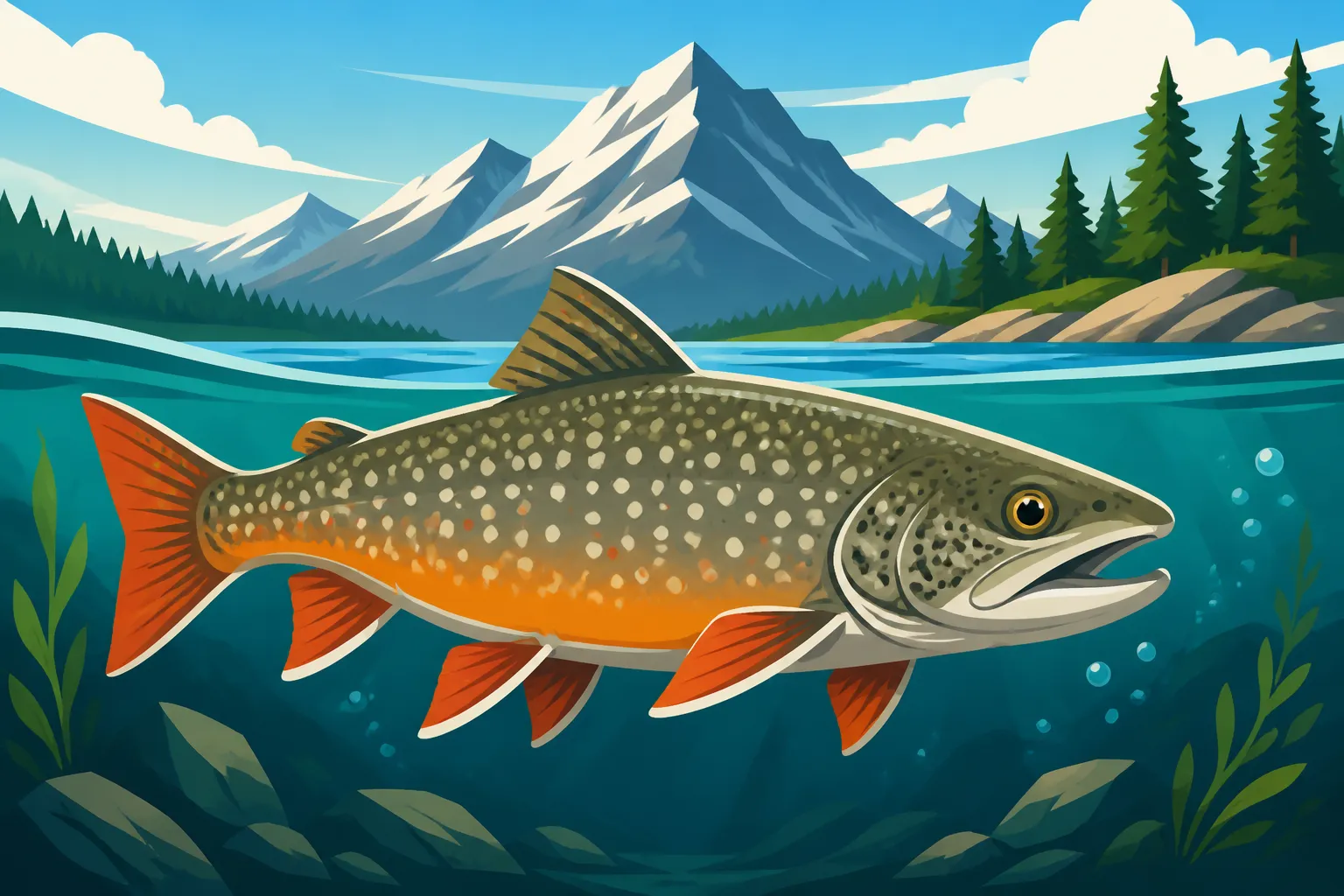
Visually, splake often have a body shape that is somewhat intermediate between the two. They tend to be more slender than a brook trout but perhaps not as streamlined as a lake trout. Their tail fin is usually slightly forked, more so than a brook trout’s square tail, but not as deeply forked as a true lake trout's. Colouration is another tell-tale sign. Splake will typically display the worm-like markings (vermiculations) on their back, similar to a brook trout, but these markings might be less pronounced. They often have pale spots on a darker background, which can resemble a lake trout, but these spots often lack the distinct halos sometimes seen on brook trout. A great way to confirm your catch is to look at the fins; splake usually have a pale leading edge on their lower fins, which is a characteristic shared with the brook trout. If you're ever in doubt, it’s always a good idea to consult a Trout Species Identification Guide for Alberta to be sure.
Splake Behavior and Habitat Preferences
The hybrid nature of the splake extends to its behaviour and preferred habitat. Because they're a mix, they don't quite fit the typical mold of either parent. Splake generally prefer cooler waters, making them a great target in many of Alberta's cold-water lakes and even some ponds. However, unlike pure lake trout that often retreat to extreme depths during warmer months, splake tend to stay in more accessible water columns. You might find them suspended in open water, cruising along weed lines, or hanging around submerged structures like drop-offs and humps.
They're also known to be quite active feeders, especially in the early morning and late evening, or even throughout the day during cooler periods. This makes them a fantastic species for anglers who enjoy active fishing styles like casting and retrieving lures. Their diet is quite varied, mirroring both parents, consuming insects, smaller fish, and crustaceans. This adaptability in diet and habitat is precisely why they're such a successful stocking candidate in many of Alberta's fisheries.
Why Alberta Stocks Splake: The Angler's Advantage
Splake aren't just a biological curiosity; they're a deliberate and strategic choice for Alberta's fisheries management. The decision to stock these hybrids is rooted in providing tangible benefits for both the ecosystem and, most importantly, for the anglers who enjoy our province's diverse waters.
Filling an Ecological Niche
One of the primary reasons for stocking splake is their ability to thrive in specific aquatic environments where other native or naturalized trout species might struggle. For instance, some Alberta lakes might be too warm in the summer for brook trout, or lack the deep, oxygen-rich cold water necessary for lake trout to consistently survive and reproduce. Splake, with their blended genetics, can often adapt to these intermediate conditions, providing a viable fishery where one might not otherwise exist.
They grow relatively quickly, often reaching respectable sizes within a few years of stocking, which means they offer a consistent angling opportunity. This hardiness and adaptability make them excellent "put-and-take" fish, ensuring that anglers have a reliable chance to catch fish in lakes specifically managed for this purpose. This helps to take pressure off more sensitive native fish populations, contributing to overall conservation efforts.
Enhancing Fishing Opportunities
For you, the angler, splake represent a fantastic opportunity for a unique and rewarding fishing experience. They combine the spirited fight of a brook trout with the potential for larger sizes more commonly associated with lake trout. This means you might hook into a splake that punches well above its weight, giving you a thrilling battle on lighter tackle.
Furthermore, their tendency to frequent shallower, more accessible waters compared to deep-dwelling lake trout makes them easier to target from shore, kayaks, or smaller boats. This opens up angling opportunities for a broader range of participants, from seasoned veterans to families looking for a fun day out. Imagine a beautiful Alberta day, casting a spoon from the shore, and hooking into a feisty splake – it's an accessible thrill that other species might not offer as readily. They provide a different challenge, a distinct target that diversifies the angling landscape in Alberta, making our waters even more exciting to explore.
Management Goals and Stocking Strategies
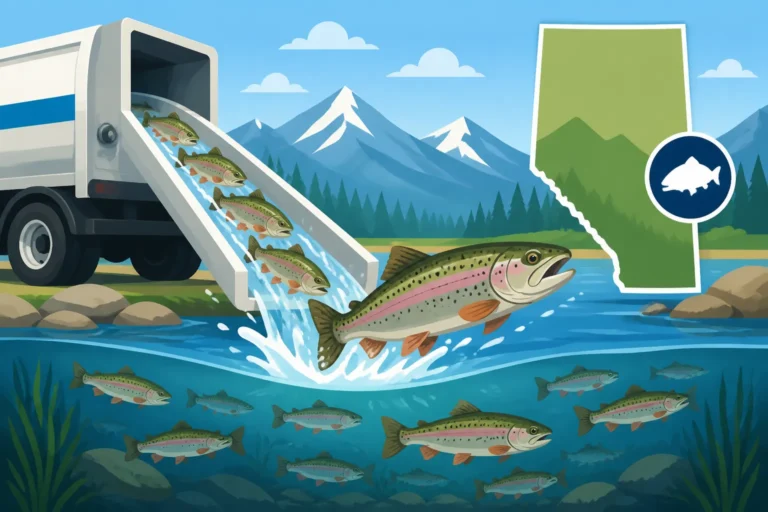
The stocking of splake in Alberta is a calculated effort by fisheries managers to achieve several important goals. Firstly, it's about diversifying the provincial fishing experience. By introducing a hybrid species, they offer anglers something new and different, catering to a wider array of preferences and skill levels. Secondly, it's a way to provide high-quality "put-and-take" fisheries, particularly in urban and easily accessible lakes. These lakes are often heavily fished, and a fast-growing, hardy species like the splake ensures a continuous supply of catchable fish throughout the season.
Another key management goal is to utilize specific lake conditions effectively. As mentioned, splake can fill niches in lakes that might not support other trout species as well, making the most of available water bodies for angling purposes. You'll often find these details outlined in the annual Alberta Guide to Sportfishing Regulations, where specific stocking programs are detailed. The intent is clear: to maintain and enhance recreational fishing while ensuring sustainability and ecological balance within the province's aquatic environments.
Where to Find Splake in Alberta: Key Stocked Lakes
If you're keen to target splake, knowing where they've been stocked is obviously paramount. Alberta's fisheries managers do a great job of communicating these details, but it helps to know where to look and what kinds of waters to expect.
Identifying Splake Stocked Waters
The absolute best resource for identifying splake-stocked waters in Alberta is the official Alberta Guide to Sportfishing Regulations. This comprehensive guide, updated annually, lists all the lakes and ponds that are stocked, along with the species and any special regulations that apply. You can often find a digital version on the MyWildAlberta portal or pick up a physical copy wherever fishing licenses are sold.
Beyond the official guide, local fishing forums and community groups are excellent places to get real-time information from other anglers. Sometimes, a quick chat with staff at a local tackle shop can also yield valuable insights into which lakes are fishing well for splake. Remember that stocking programs can change from year to year, so always double-check the current regulations before you head out. Understanding Alberta Fishing Season Dates by Zone and species-specific regulations is crucial before planning any trip.
Notable Lakes with Successful Splake Programs
While specific stocking locations can vary, there are general types of lakes where splake programs have historically found success. These tend to be smaller to medium-sized lakes, often those with public access and good recreational infrastructure. They're typically lakes that can support cool-water species but might not be deep enough or cold enough to sustain a natural, self-reproducing population of lake trout.
For instance, many of Alberta's provincially managed stocked ponds and smaller lakes, particularly those near urban centers, are excellent candidates for splake. These lakes often see consistent stocking to provide ample opportunity for anglers. While I won't list specific names here as stocking schedules can evolve, looking for "stocked trout ponds" in the regulations is a good starting point. These waters usually have good populations of fish that are active and willing to bite, making them ideal for a day of splake fishing.
Seasonal Movements and Best Times to Target
Like most fish, splake are influenced by seasonal changes, particularly water temperature. Understanding their movements can significantly increase your chances of success.
In the cooler months of spring and fall, splake are often found throughout the water column and closer to shore. They'll be actively feeding as water temperatures are optimal for their comfort. This makes early spring, right after ice-out, and the vibrant colours of autumn, prime times for targeting them. During the warmer summer months, splake will typically retreat to deeper, cooler sections of the lake. They might suspend over deeper water, or hug the thermocline (the boundary between warmer surface water and colder deep water) if one exists. This means you might need to use techniques like trolling or jigging deeper water during peak summer.
And let's not forget about ice fishing! Splake are a fantastic species to target through the ice. Their active feeding habits and willingness to cruise different depths make them an exciting quarry for winter anglers. They often respond well to jigging presentations, making Ice Fishing in Alberta for splake a popular activity.
Gear and Techniques for Catching Alberta Splake
Now that you know what splake are and where to find them, let's talk about the fun part: how to catch them! Having the right gear and employing effective techniques can make all the difference between a slow day and a memorable one.
Recommended Rods, Reels, and Line
When it comes to tackle, splake are often a joy to catch because they don't necessarily require super heavy gear, but they can still put up a good fight. A medium-light to medium power spinning rod, anywhere from 6 to 7 feet in length, is a versatile choice. This setup provides enough backbone to cast lures effectively and handle a surging fish, yet it's sensitive enough to detect subtle bites. Pair this with a reliable spinning reel in the 1000 to 2500 size range, spooled with 6 to 10-pound test monofilament or fluorocarbon line. Braided line, in a similar breaking strength, can also be a great choice for its sensitivity and casting distance, especially if you add a fluorocarbon leader for stealth.
For ice fishing, a medium-light ice rod, around 28-36 inches long, paired with a small spinning reel is ideal. Spool it with 4-8 pound test monofilament or fluorocarbon. The shorter rod length gives you excellent control in an ice shack, and the sensitive tip will show you those subtle bites.
Lures, Baits, and Fly Patterns
Splake aren't usually picky eaters, which is great news for anglers! They'll often hit a wide variety of offerings.
- Lures: Small inline spinners (like Mepps or Blue Fox), spoons (think Five of Diamonds or EGB lures), and small crankbaits are highly effective for casting and retrieving. For deeper presentations, especially during summer or ice fishing, small jigs tipped with bait or soft plastics can be deadly. You can find a fantastic selection of these lures, often with great reviews from fellow anglers, on Amazon. Many anglers swear by the classic red and white spoon for splake!
- Baits: PowerBait (in various colours and forms), worms, and minnows (where legal, always check regulations!) are all excellent choices for still fishing or tipping jigs. These natural scents and textures can be irresistible to splake.
- Fly Patterns: If you're a fly angler, splake will readily take many trout patterns. Streamers like Woolly Buggers (black, olive, or white) are very effective, mimicking baitfish. Nymphs (like Prince Nymphs or Pheasant Tails) can work when fish are feeding on insects subsurface. And during hatches, don't shy away from throwing dry flies, especially in calmer waters.
Effective Fishing Techniques for Splake
Matching your technique to the conditions and the splake's behaviour is key.
- Casting and Retrieving: This is a go-to for many anglers. Cast your chosen lure (spinner, spoon, small crankbait) out and retrieve it at a steady pace. Vary your retrieve speed and add pauses or twitches to entice strikes. This is particularly effective in shallower water during spring, fall, and early summer mornings.
- Trolling: When splake move deeper in the summer, trolling with spoons, crankbaits, or even a worm harness can be highly productive. You can use downriggers or simply heavier line and a slow boat speed to get your offerings to the desired depth. Consider exploring Trolling Techniques for Alberta Lake Trout as some of those strategies can be adapted for deeper splake.
- Jigging: For both open water and ice fishing, jigging is a fantastic technique. Drop a small spoon, jig, or soft plastic to the bottom, then lift and drop it, creating an erratic action. Splake will often hit on the fall or right after a lift. Experiment with different jigging rhythms until you find what works.
- Still Fishing: For a more relaxed approach, still fishing with bait under a bobber or on the bottom is often very successful, especially in stocked ponds. Cast out your bait, let it settle, and wait for the bobber to dip or your rod tip to twitch. This is a great technique for beginners or when fishing with kids. Remember to check Alberta Bag and Possession Limits by Species for splake before you head out, as limits can vary!
Conservation and Responsible Angling for Splake
As passionate anglers, we all have a responsibility to practice good conservation, even when fishing for stocked species like splake. Our actions on the water contribute to the health of the fishery and ensure that future generations can enjoy the same opportunities we do.
Understanding Regulations and Limits
This can't be stressed enough: always, always check the current Alberta Fishing Regulations Explained before you go fishing, and carry a copy (digital or physical) with you. Regulations for splake, like any other species, can vary significantly from one lake to another, and from year to year. This includes bag limits, size restrictions, and specific season dates for particular bodies of water. For instance, some lakes might have a zero-possession limit, while others might allow for a harvest.
Understanding these rules is not just about avoiding fines; it's about respecting the management efforts designed to sustain healthy fish populations and quality angling experiences. The Alberta Guide to Sportfishing Regulations is your bible out on the water, providing clear guidance on what's permissible. Take the time to read the specific section for the water body you plan to fish.
Catch and Release Best Practices
Even though splake are often stocked for harvest, practicing responsible catch and release, especially for larger fish or if you've already met your limit, is a sign of a thoughtful angler. When you decide to release a splake, or any fish, follow these best practices:
- Minimize Fight Time: Try to land the fish as quickly as possible to reduce stress.
- Wet Hands: Always wet your hands before handling a fish. Dry hands can remove the fish's protective slime coat, leaving it vulnerable to disease.
- Handle Gently: Support the fish's body horizontally, especially larger ones. Avoid squeezing or holding by the gills.
- Quick Hook Removal: Use needle-nose pliers or a de-hooking tool to remove hooks quickly and cleanly. If a hook is deeply embedded, cut the line as close to the hook as possible rather than tearing the fish's flesh. Having good quality fishing pliers, easily found on Amazon, can make this task much easier and safer for the fish.
- Revive If Needed: If the fish seems sluggish, hold it gently in the water, facing into the current, until it regains its strength and can swim away on its own.
By following these simple steps, you significantly increase the chances of the released fish surviving and thriving.
Reporting and Monitoring
Did you know you can play a part in helping fisheries managers monitor splake populations and stocking success? If you notice anything unusual, or have consistent catch data (even casual observations), sharing it with Alberta Environment and Protected Areas (AEPA) can be valuable. This might include reporting a tagged fish (if you catch one), or simply providing feedback on the size and health of the fish you're encountering in specific lakes.
Fisheries management is an ongoing science, and angler observations contribute to a larger picture that helps inform future stocking decisions and regulatory adjustments. Sometimes, you might even find online surveys or opportunities to provide feedback directly. Being an engaged angler means not just enjoying the resource, but also contributing to its future. Before heading out, make sure you have all the necessary items like a Best Cooler for a Fishing Boat to keep your catch fresh, and perhaps even some Best Rain Gear for Alberta Anglers for those unpredictable Alberta days.
Splake vs. Parent Species: A Quick Comparison
To help you distinguish a splake and understand its unique traits, here's a quick comparison with its parent species, the brook trout and lake trout.
| Feature | Splake | Brook Trout | Lake Trout |
|---|---|---|---|
| Scientific Name | Salvelinus namaycush x S. fontinalis | Salvelinus fontinalis | Salvelinus namaycush |
| Appearance | Forked tail (intermediate), vermiculations on back, pale spots, sometimes pale fin edges. | Square tail, distinct vermiculations, red spots with blue halos, pale fin edges. | Deeply forked tail, worm-like markings often absent, pale spots only, no pale fin edges. |
| Size | Larger than brook trout, smaller than lake trout (typically 1-5 lbs, can exceed 10 lbs). | Smaller (typically <1 lb, rarely over 3-4 lbs). | Large (can exceed 20 lbs, some over 50 lbs). |
| Habitat | Prefers cool, often shallower waters than lake trout; adaptable to varied lake conditions. | Cold, clear, oxygenated streams and small lakes; often near structure. | Cold, deep, oxygenated lakes; often pelagic in summer. |
| Growth Rate | Faster than lake trout, good for "put-and-take" fisheries. | Moderate. | Slow. |
| Longevity | Intermediate. | Shorter. | Longer. |
| Reproduction | Primarily sterile (hybrid). | Naturally reproducing. | Naturally reproducing. |
| Fight | Spirited, aggressive. | Very aggressive, lively. | Powerful, deep runs. |
This table highlights just how unique the splake is, blending the best characteristics of both its parents to create an exciting and accessible angling target here in Alberta.
Disclaimer
This article is for general informational purposes only and does not constitute professional advice. Laws, prices and regulations vary by location and change over time. Consult a qualified professional for guidance on your specific situation.