Walleye Fishing in Alberta
There's nothing quite like the thrill of a walleye tugging at the end of your line, especially here in Alberta where these incredible fish offer both a challenging fight and a delicious reward. Many anglers find themselves scratching their heads, though, trying to unlock the secrets of these often elusive predators. This comprehensive guide is here to demystify walleye fishing in Alberta, covering everything from understanding their habits to mastering the techniques that will put more fish in your net.
Understanding the Elusive Walleye: Biology, Behavior, and Habitat
Walleye are one of Alberta's most sought-after game fish, and for good reason. They're powerful, beautiful, and offer fantastic table fare. But to consistently catch them, you need to understand them. It’s not just about casting a line; it’s about delving into their world, understanding their preferences, and anticipating their movements. Forget the idea of dumb fish; walleye are cunning, adapting constantly to their environment.
Identifying Alberta's Walleye: Look for Those Pearly Eyes
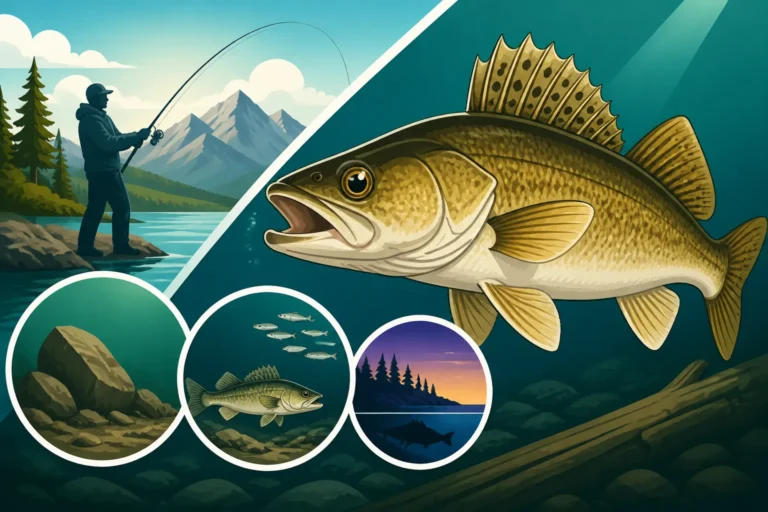
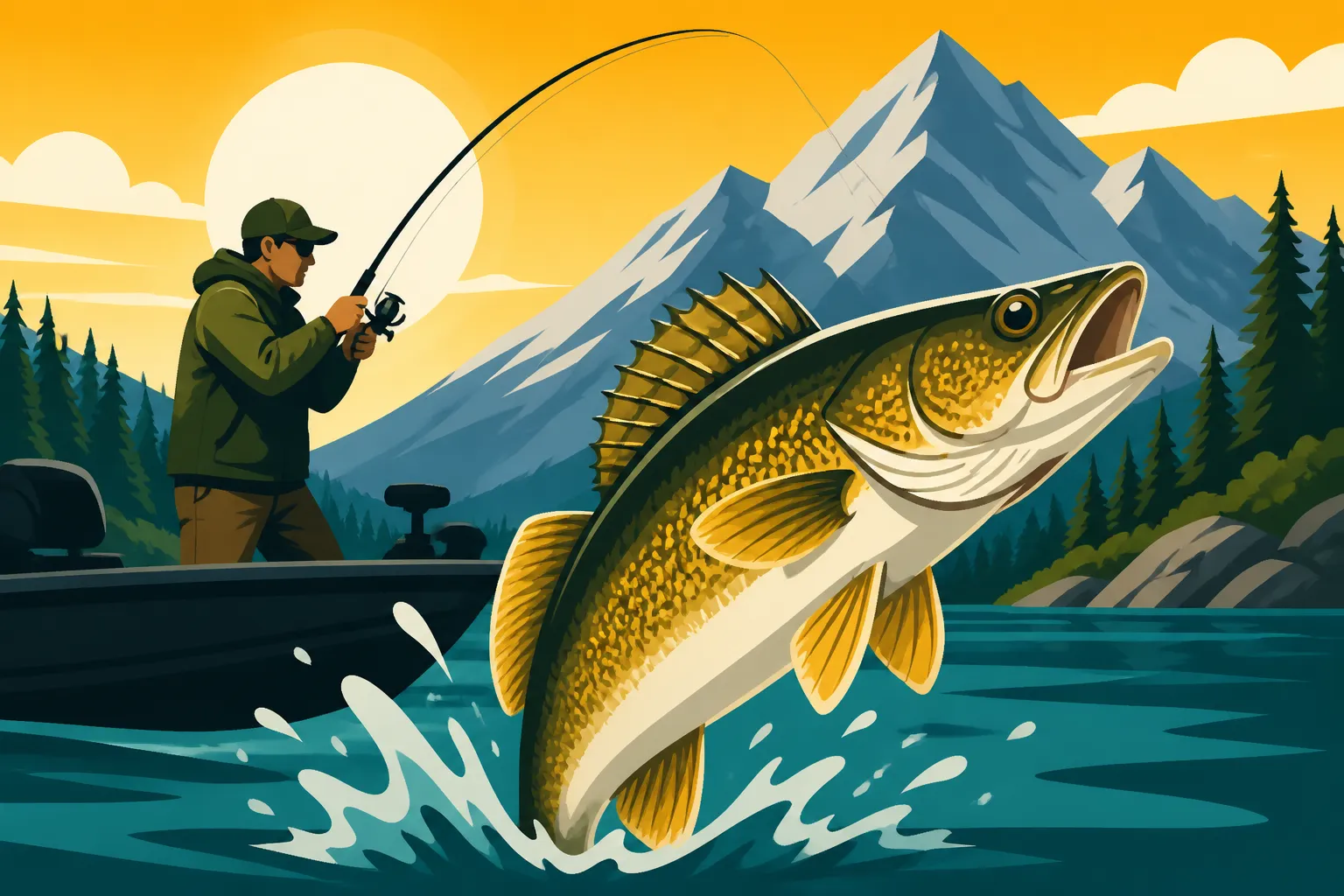
Before you can catch them, it helps to know exactly what you’re looking for! Walleye are often confused with their close cousin, the sauger, especially in some of Alberta's prairie rivers. The key distinguishing feature that gives the walleye its name is its large, opaque, 'pearlescent' eyes. This unique characteristic is actually a reflective layer called the tapetum lucidum, which helps them see incredibly well in low-light conditions, giving them a distinct advantage over their prey during dawn, dusk, and overcast days, or in deeper, turbid waters.
Beyond their eyes, walleye typically have a sleek, elongated body with a golden-olive hue, fading to white on their belly. They sport two dorsal fins: one spiny and one soft-rayed, with a distinct dark blotch at the base of the spiny dorsal fin. Sauger, on the other hand, usually have distinct dark spots on their spiny dorsal fin and lack the pronounced white tip on the lower lobe of their tail fin, which is a common walleye trait. Learning these subtle differences is crucial, especially when regulations vary by species and zone.
They also have sharp, needle-like teeth, so be sure to handle them carefully! A good pair of long-nosed pliers is essential for hook removal, protecting both your fingers and the fish. Their overall appearance is built for efficiency – a sleek predator perfectly adapted to ambush prey in less-than-perfect visibility.
Where Walleye Hide: Preferred Habitats in Alberta Waters
Walleye aren't just swimming around aimlessly; they have preferred hangouts dictated by factors like light, forage, and structure. Understanding these preferences is paramount for locating them. They are primarily bottom-dwellers, often associating with structure that provides ambush points or protection from bright light. This could be anything from sunken timber and rock piles to humps, points, and sudden depth changes.
In Alberta's vast lakes, walleye often gravitate towards main lake points, offshore humps, weed lines (especially sparse, green weeds), and sharp breaks or transitions from shallow to deep water. These areas offer them shelter, cooler water, and a ready supply of baitfish. They particularly love areas where current is present, even subtle currents, as it often delivers food. Think about the mouth of a river flowing into a lake or constricted areas where water moves more freely.
In river systems, walleye will seek out current breaks behind boulders, log jams, or inside turns where the flow slows down. Deeper pools, scour holes, and channels that offer refuge from strong currents are also prime spots. Always remember their light sensitivity – they’ll be deeper during bright daylight, moving shallower to feed when conditions are dim. This also explains why night fishing for walleye can be so effective.
The Rhythm of Life: Walleye Spawning and Seasonal Movements
To truly understand walleye, you must grasp their annual life cycle, especially their spawning habits. This dictates many of their seasonal movements and feeding patterns. In Alberta, walleye typically spawn in the spring, shortly after ice-out, when water temperatures climb into the 6-10°C (43-50°F) range. This is usually from late April to early June, depending on the specific water body and climatic conditions. You can find more specific details in our article on Walleye Spawning Season in Alberta.
During the pre-spawn phase, mature walleye migrate towards shallower, rocky areas of lakes or up rivers and tributaries with clean, gravelly bottoms where they can deposit their eggs. These areas often have some current, which helps aerate the eggs and prevent siltation. After spawning, the walleye, especially the larger females, can be quite lethargic and less interested in feeding for a short period as they recover. The males, however, tend to hang around the spawning grounds for a bit longer, often easier to catch.
Post-spawn, walleye begin to disperse from their spawning grounds, moving towards their summer feeding areas. This transition period sees them actively feeding to regain energy. Their movements continue throughout the year, driven by water temperature, light penetration, and the availability of their primary food sources like minnows, perch, and other small fish. Understanding these annual rhythms allows you to predict where they'll be and what they'll be doing, significantly increasing your chances of success.
Top Walleye Destinations in Alberta: Where to Cast Your Line
Alberta is blessed with numerous excellent walleye fisheries, from massive northern lakes to prairie reservoirs and winding rivers. Knowing which waters hold walleye is the first step, but understanding their unique characteristics is what truly sets successful anglers apart. It's not just about a name on a map; it's about the underwater topography, the forage base, and the history of the fishery. If you're looking for specific spots, our article on Where to Find Walleye in Alberta is a great next step.
Legendary Walleye Lakes: A Closer Look at Alberta's Gems
When it comes to lakes, Alberta offers some truly world-class walleye fishing. Lesser Slave Lake, for instance, is often considered the undisputed king for walleye in the province. Its vast, relatively shallow basin, combined with an abundant forage base of cisco and perch, creates an ideal environment for walleye to thrive and grow large. Here, you'll find extensive weed beds, subtle humps, and long points that concentrate fish. Other fantastic lake options include Pigeon Lake, Lake Newell, and Cold Lake, each with its own unique structure and fish patterns. Best Walleye Lakes in Alberta offers more detailed insights.
Each lake presents its own challenges and rewards. Lesser Slave Lake, for example, can be prone to rough water, requiring a capable boat, but its sheer size means endless opportunities. Pigeon Lake, being shallower, warms up faster in spring, and its expansive weed beds are key. Lake Newell, a man-made reservoir, has a distinct structure based on its irrigation purpose, with deep channels and sudden drop-offs. The key to success in any of these lakes is spending time on the water, observing baitfish activity, and using your electronics to identify promising structure.
A common theme across all these top lakes is a robust management program. Many of Alberta's best walleye fisheries have seen significant recovery thanks to careful regulations and initiatives like the Special Harvest Licence program. This dedication ensures that the thrill of catching a walleye in these waters continues for generations to come.
Riverine Walleye: Finding Them in Flowing Waters
While lakes often get the most attention, Alberta's rivers also offer incredible walleye opportunities, especially the larger systems like the North Saskatchewan, Red Deer, and Oldman Rivers. River walleye often exhibit different behaviors than their lake-dwelling counterparts. They are intimately tied to current, using it to their advantage to ambush prey and conserve energy.
In rivers, focus your efforts on areas that provide a break from the main current. This includes the downstream side of islands, large boulders, log jams, and bridge pilings. Inside bends of the river often feature deeper, slower-moving water, making them prime feeding and holding areas. Confluence points where tributaries meet the main river can also be hotspots, as these areas often concentrate baitfish and nutrients.
Fishing river walleye requires a slightly different approach, often involving anchoring upstream and fan-casting into current seams, or drifting with the current while presenting your bait naturally. Understanding the river's flow and how it shapes the bottom structure is crucial. Always be mindful of water levels and clarity, as these can drastically impact walleye location and feeding behavior in rivers. High, muddy water, for instance, often pushes walleye into slack water areas closer to the banks.
Scouting for Success: Reading the Water and Structure
Successfully locating walleye isn't just about showing up; it’s about learning to read the water. This means understanding how currents, depth, and underwater structure combine to create ideal walleye habitat. On lakes, pay attention to visible cues like weed lines, points jutting out into the water, or changes in water colour that might indicate depth changes. However, the real secrets lie beneath the surface.
Utilize topographic maps and your boat's electronics to identify offshore humps, rock piles, ledges, and deep-water channels. Walleye will often hold on the edges of these structures, moving up to feed at certain times and retreating to deeper, safer water during periods of inactivity or bright light. If you see clouds of baitfish on your fish finder, walleye are often not far behind. Look for areas where schools of bait are being pushed against a structural element.
In rivers, observe the current and identify seams where fast water meets slow water. These are natural ambush points. Pay attention to eddies, scour holes below rapids, and areas where the bottom composition changes from sand to gravel or rock. Learning to interpret these visual cues, combined with advanced electronics, can turn a fruitless day into a fantastic fishing experience. It's a skill that develops over time, but actively trying to "read" the water will accelerate your learning curve.
Equipping for Success: Essential Walleye Gear
Having the right tools for the job can make all the difference, and walleye fishing is no exception. While you don't need the most expensive gear, having reliable, appropriate tackle tailored to walleye fishing will greatly enhance your success and enjoyment. It’s about matching your equipment to the specific techniques you'll be employing and the size of the fish you're targeting.
Rods, Reels, and Line: Building Your Walleye Arsenal
For walleye, a versatile spinning rod and reel combo is often the go-to choice. A medium-light to medium power rod, typically 6'6" to 7'6" in length, with a fast action tip, is ideal. This combination offers enough backbone to handle a fighting walleye but also a sensitive tip to detect those subtle walleye bites, which can sometimes feel like nothing more than a slight "tick." Longer rods can also aid in casting further or managing line when trolling.
Pair this with a quality spinning reel in the 2000-3000 size range, spooled with 8-10 lb braided line. Braid offers incredible sensitivity and no stretch, making it easier to feel light bites and get solid hooksets. Because walleye can be line-shy, especially in clear water, you'll want to tie a 6-10 lb fluorocarbon leader, about 3-6 feet long, to the end of your braid. Fluorocarbon is nearly invisible underwater and has excellent abrasion resistance, which is handy around rocky structure. If you're a fan of shopping online, you can often find great deals on reputable brands of rods, reels, and lines on Amazon, with a wide selection to choose from.
For those who prefer baitcasting setups, a medium power, moderate-fast action rod with a low-profile baitcasting reel spooled with 10-15 lb braided line (again, with a fluorocarbon leader) works well for jigging heavier lures or casting larger crankbaits. The choice often comes down to personal preference and the specific technique being used, but versatility is key for walleye.
Lures and Baits: What Walleye Can't Resist
Walleye are opportunistic feeders, but they have definite preferences. Your tackle box should be stocked with a variety of options to cover different depths, conditions, and moods of the fish. Jigs are arguably the most versatile walleye lure. A selection of jig heads from 1/8 oz to 1 oz, paired with soft plastic bodies like twister tails, paddle tails, or minnow imitations, is essential. Colors like chartreuse, white, orange, and natural baitfish patterns are typically effective. You can learn more about specific presentations in Best Baits for Walleye on Lesser Slave Lake.
Crankbaits are another walleye staple, particularly for trolling or covering water. Shallow-diving models are great for weed edges, while deep-diving cranks can reach fish holding in 15-25 feet of water or more. Colors that mimic local baitfish (perch, cisco, shiners) or bright, attention-grabbing colors often produce. Stickbaits, lipless crankbaits, and spoons also have their place in a walleye angler's arsenal, especially when fish are aggressive or chasing bait.
Live bait, particularly minnows, leeches, and nightcrawlers, remains incredibly effective for walleye. Whether fished under a bobber, on a slip-sinker rig (like a Lindy rig), or a bottom bouncer, the natural movement and scent of live bait can entice even the most finicky walleye. Always check regulations regarding the use of live bait, as rules can vary by water body in Alberta. Having a selection of these basics will put you in a strong position for targeting walleye.
Electronics and Must-Have Accessories
In modern walleye fishing, electronics are no longer a luxury, but a vital tool. A quality fish finder with GPS and mapping capabilities can literally be a game-changer. These units allow you to identify depth contours, locate submerged structure like humps and rock piles, mark schools of baitfish, and most importantly, pinpoint individual walleye holding tight to the bottom. Features like SideScan or DownScan imaging can give you a much clearer picture of what's beneath your boat, helping you interpret structure more effectively. Many anglers find excellent options, from portable models to full-feature units, on Amazon, making it easy to research and compare specifications before buying. Best Fish Finders for Alberta Lakes offers more in-depth advice.
Beyond your rod, reel, and electronics, a few other accessories are indispensable. A good quality landing net with rubberized mesh is crucial for safely landing walleye, reducing harm to the fish (especially if you plan to release them) and preventing hooks from getting tangled. Long-nosed pliers are essential for hook removal, protecting both the fish and your fingers from those sharp teeth. A high-quality cooler will keep your catch fresh if you're keeping some for dinner, and a reliable headlamp is a must for those productive low-light hours or night fishing trips. Don't forget polarized sunglasses to cut glare and help you see into the water on sunny days.
| Essential Walleye Gear | Description | Key Features |
|---|---|---|
| Spinning Rod | Medium-light to Medium Power | 6'6" – 7'6" length, Fast Action tip for sensitivity |
| Spinning Reel | 2000-3000 Size | Smooth drag, reliable bail |
| Braided Line | 8-10 lb Test | High sensitivity, low stretch |
| Fluorocarbon Leader | 6-10 lb Test | Near-invisible, abrasion resistant |
| Jig Heads | 1/8 oz – 1 oz | Various weights for depth and current |
| Soft Plastics | Twister tails, Paddle tails | Minnow imitations, various colors |
| Crankbaits | Shallow & Deep Divers | Mimic baitfish, bright colors |
| Live Bait | Minnows, Leeches, Worms | Natural presentation, strong scent |
| Fish Finder (GPS) | Sonar, DownScan, SideScan | Locates fish, identifies structure, maps |
| Landing Net | Rubberized Mesh | Safe for fish, tangle-free |
| Pliers | Long-nosed | Safe hook removal |
| Cooler | Insulated | Keeps catch fresh |
Mastering Walleye Techniques: From Trolling to Jigging
Once you've got your gear sorted and a general idea of where walleye might be, it's time to put those lines in the water! Walleye can be caught using a variety of techniques, and the most effective one often depends on the specific conditions, water body, and time of year. Being adaptable and knowing several methods will make you a more consistent walleye angler.
The Art of Trolling: Covering Water Effectively
Trolling is an incredibly popular and effective method for walleye, especially on larger lakes like Lesser Slave Lake or reservoirs where fish can be scattered across vast areas. It allows you to cover a lot of water, systematically searching for active fish and identifying patterns. The basic idea is to pull crankbaits, spinner rigs, or bottom bouncers with live bait behind a boat at a controlled speed, typically between 1.0 and 2.5 mph.
Key elements for successful trolling include maintaining your boat speed, watching your depth finder, and experimenting with different lure depths and colors until you find what the walleye are keying on. Using line counter reels is a huge advantage, as they allow you to precisely replicate presentations once you find a successful depth or distance behind the boat. Planer boards can also be invaluable, allowing you to spread out multiple lines and cover a wider swath of water, especially when targeting fish holding away from your boat's path. Pay close attention to subtle turns and speed changes; these often trigger strikes as your lure changes its action.
When trolling, focus on edges – the edge of a weed line, a depth contour break, or a transition between different bottom compositions. These are the highways walleye often use. Don't be afraid to experiment with S-turns and varying speeds, as these changes in lure action can often trigger a hesitant walleye to strike.
Precision Jigging: Targeting Structure and Schools
Jigging is a highly effective, active technique for walleye, particularly when they are concentrated around specific structures like humps, rock piles, or deep-water channels, or when marking individual fish on your electronics. It allows for precise lure placement and a direct feel for the bottom and fish bites. This technique often involves using a lead-head jig tipped with a soft plastic, live minnow, or piece of worm.
Vertical jigging from a boat directly over structure or schools of fish is a classic method. Drop your jig to the bottom, then lift it a few inches to a foot with a snap of the wrist, letting it fall back on a semi-slack line. Most bites occur on the fall, so pay close attention to your line for any twitch or slack. Experiment with different jig weights to ensure you're maintaining bottom contact without getting snagged too often. For ice fishing, jigging spoons and small jigging raps are deadly for walleye through the hole.
Pitching jigs to shallower structure or weed edges is another effective variation, allowing you to cover water from a distance and retrieve your jig with a series of hops, drags, or swims along the bottom. The key to jigging success is patience, precise boat control (often with a trolling motor), and an almost obsessive attention to what your line and rod tip are telling you.
Live Bait Rigs: Natural Presentations for Picky Biters
Sometimes, walleye simply prefer a natural presentation, and that's where live bait rigs shine. There's a reason live bait has been a walleye staple for generations – it works! Minnows, leeches, and nightcrawlers offer scent, subtle movement, and a realistic profile that artificial lures sometimes can't replicate.
The most common live bait rigs include the slip-sinker rig (often called a Lindy rig after the popular brand), which allows the line to run freely through a sinker, letting a walleye pick up the bait without feeling resistance. This rig typically features a walking sinker, a small barrel swivel, and a snell with a single hook. The length of the snell (leader) can be adjusted based on water clarity and fish activity, from 18 inches to several feet.
Bottom bouncers are another excellent option, particularly for covering water slowly or when fishing over varied bottom types. These rigs feature a weighted wire arm that minimizes snags, with a snell trailing behind, often tipped with a spinner and live bait. This keeps your bait just off the bottom, enticing walleye that are actively foraging. Both these rigs are fished slowly, either by drifting with the wind or current, or by slowly creeping along with a trolling motor. The goal is to present the bait as naturally as possible, letting the walleye commit to the bite.
Bank and Shore Fishing Strategies
Not everyone has a boat, and that's perfectly fine! Many fantastic walleye opportunities exist for the bank or shore angler in Alberta. While boat access opens up more vast areas, knowing where and how to fish from shore can still lead to great success. The key is to identify accessible areas that offer prime walleye habitat.
Look for areas with deeper water access close to shore, such as points that drop off quickly, mouths of creeks or rivers, or public docks and piers that extend into deeper water. Bridges, culverts, and dam outflows can also concentrate walleye due to current breaks and baitfish congregation. Timing is critical for shore anglers: focus on dawn, dusk, overcast days, or even night fishing when walleye move shallower to feed under the cover of low light.
Techniques for shore fishing often involve casting jigs with soft plastics or minnows, retrieve with a slow hop or drag along the bottom. Slip bobber rigs with live minnows or leeches can also be very effective, allowing you to suspend bait at a specific depth without it getting snagged on the bottom. Crankbaits are also a good option for covering water, especially those designed to run shallower for reaching fish near weed lines or rocky points. Patience and persistence are your best friends when fishing for walleye from shore, along with mobility to try different accessible spots.
Seasonal Secrets: Fishing Alberta Walleye Year-Round
Walleye fishing in Alberta is a year-round pursuit, but your strategies need to adapt significantly with the changing seasons. What works in the spring might be completely ineffective in the dead of winter. Understanding these seasonal shifts in walleye behavior, metabolism, and location is crucial for consistent success.
Spring Fever: Early Season and Spawning Period Tactics
Spring is a time of transition and excitement for walleye anglers. As the ice melts and water temperatures slowly rise, walleye begin their annual migration to spawning grounds. This pre-spawn period, usually in late April and May, can offer some of the most intense fishing of the year as hungry fish gorge themselves before the spawn. Focus your efforts on river mouths, shallow rocky points, and areas with current, especially where tributaries flow into larger lakes. These are migration routes and staging areas.
During the actual spawn, which typically occurs when water temperatures reach 6-10°C, walleye can be less interested in feeding. While males often linger, the larger females are more focused on reproduction. It's often best to let them do their thing and target pre-spawn or post-spawn fish. After the spawn, as water temperatures continue to climb, walleye begin to disperse and actively feed to recover energy. They'll often be found in shallower bays and near transition zones, still accessible with lighter gear. Consider light jigging with small plastics or live minnows. When rivers are high due to spring runoff, which can happen, fish will often push into slower, deeper pockets or side channels. Our article Best Techniques for High Water Spring Conditions might offer useful insights.
Summer Heat: Deep Water, Low Light, and Night Fishing
Summer walleye fishing in Alberta can be excellent, but it often requires adapting to warmer water and brighter light conditions. During the peak of summer, especially on clear, sunny days, walleye typically retreat to deeper, cooler waters where light penetration is reduced. Look for them on offshore humps, deep structural breaks, and submerged islands.
Trolling with deep-diving crankbaits or bottom bouncers with spinner rigs and live bait becomes very effective for covering these deeper areas. Vertical jigging with heavier jigs or blade baits over specific deep structure can also produce. Don't overlook the power of early morning, late evening, or overcast days when walleye will often push shallower to feed under the cover of low light. Some of Alberta's best walleye fishing happens after the sun sets. Night Fishing for Walleye in Alberta delves into this exciting strategy. Walleye's excellent low-light vision gives them a huge advantage in these conditions, making topwater presentations or noisy shallow-running baits surprisingly effective near weed edges or shallow points.
Fall Feeding Frenzy: The Pre-Ice Bite
As summer transitions to fall, and water temperatures begin to drop, walleye sense the approaching winter and embark on a serious feeding spree. This fall "feeding frenzy" can be one of the most productive times of the year for catching larger, heavier walleye. Fish will often move back into shallower areas, especially rocky points, humps, and steep breaks, to gorge on baitfish preparing for winter.
Trolling with larger crankbaits, casting bigger jigs with substantial soft plastics, or fishing large live minnows on slip-sinker rigs are all highly effective methods. Walleye are more aggressive and willing to chase bait in the cooler water, so don't be afraid to use faster retrieves or more active jigging motions. Pay close attention to current seams in rivers, and main lake points in lakes, as these areas will hold vast schools of baitfish, and consequently, hungry walleye. The key in fall is to follow the bait and adjust your presentation to match the larger forage walleye are targeting.
Ice Fishing for Walleye: Conquering the Cold
When Alberta's lakes freeze over, the walleye season doesn't end; it simply shifts! Ice fishing for walleye is a beloved winter pastime and can be incredibly rewarding. Walleye remain active under the ice, although their metabolism slows, and they often hold in predictable locations. Early ice and late ice tend to be the most productive periods, but mid-winter can also produce if you locate active fish.
During early and late ice, walleye will often be found in shallower to mid-depth areas (10-25 feet), especially near points, humps, and weed edges. As winter progresses and oxygen levels change, they might move to slightly deeper main lake basins or near sharp drop-offs. Jigging spoons, jigging Rapalas, and various "Rattlin' Raps" or blade baits are staple ice fishing lures, often tipped with a piece of minnow or a minnow head for added scent. Deadsticking (fishing a baited hook under a bobber with little to no movement) with a large minnow on a separate line in an adjacent hole can also be deadly, especially for finicky fish.
Electronics, particularly a flasher or a portable fish finder, are invaluable for ice fishing. They help you quickly identify depth, see your lure, and mark approaching fish, allowing you to react quickly. Drilling a series of holes to cover different depths and structures is a common strategy until you find an active school. Remember to dress warmly, and always prioritize ice safety!
Navigating Regulations and Conservation: Protecting Alberta's Walleye
As responsible anglers, it's our duty to understand and adhere to the regulations designed to protect Alberta's precious walleye populations. These rules are in place for a reason: to ensure sustainable fishing for generations to come. Ignoring them can lead to hefty fines and, more importantly, can harm the very resource we cherish.
Decoding the Rules: Limits, Seasons, and Special Harvest Licences
Alberta's fishing regulations for walleye can be complex and vary significantly by specific water body and zone. It's not a "one size fits all" scenario. You must consult the current Alberta Guide to Sportfishing Regulations before heading out. This guide details season dates, bag limits, and possession limits for each species in every lake and river. For example, some lakes might be entirely catch-and-release, others might have slot limits (where only fish within a specific size range can be kept), and still others may have a fixed daily limit. Alberta Walleye Limit by Zone and Alberta Bag and Possession Limits by Species provide essential details.
A unique aspect of walleye management in Alberta is the Walleye Special Harvest Licence Program. This draw-based system allows anglers to apply for a limited number of tags to harvest walleye from specific lakes that have strong, recovering populations. It's a testament to the success of conservation efforts and a way to allow some harvest while strictly controlling pressure. Understanding how this program works and participating if you wish to keep walleye from these designated lakes is crucial. More information is available in Alberta Walleye Special Harvest Licence Program. Always double-check your license requirements, including your Alberta Fishing License Age Requirements and the need for an Alberta WIN Card, Explained.
The Importance of Catch and Release: Handling Walleye Safely
Even if you have a legal tag, practicing responsible catch and release, especially for larger breeding fish, is highly encouraged. Bigger walleye are the backbone of a healthy fishery, producing more eggs and stronger offspring. When releasing a walleye, handle it minimally and gently.
Here are some key tips for safe catch and release:
- Minimize Fight Time: Bring the fish in quickly to reduce exhaustion.
- Keep it Wet: Avoid taking the fish out of the water unless absolutely necessary for a quick photo.
- Support Its Body: If you must lift it, support its entire body horizontally, especially larger fish, to protect internal organs and its spine.
- Use Barbless Hooks: Crimp down the barbs on your hooks to make removal easier and reduce tissue damage. Some special regulation waters actually mandate barbless hooks.
- Quick Hook Removal: Use long-nosed pliers or a de-hooking tool to remove the hook quickly. If the fish is deeply hooked, cut the line as close to the hook as possible rather than trying to rip it out.
- Revive Gently: If the fish seems stressed, hold it upright in the water, facing into a gentle current, until it can swim away under its own power. Don't just toss it back.
By following these practices, you increase the chances of the released walleye surviving and contributing to future generations of fish.
Being a Responsible Angler: Why It Matters
Beyond regulations and catch and release, being a responsible angler encompasses a broader ethic. This includes packing out all your trash, leaving no trace behind, and respecting private property and other users of the waterways. It also means educating yourself on invasive species and taking precautions to prevent their spread. For example, cleaning your boat and gear thoroughly between water bodies can prevent the spread of diseases or unwanted organisms.
Participating in local conservation efforts, reporting poaching or illegal activities, and simply being an example of good angling etiquette all contribute to a healthier fishing environment for everyone. Our passion for fishing depends on the health of these ecosystems, and every angler plays a vital role in their preservation.
Troubleshooting and Tactics: When the Walleye Get Wary
Even the most experienced walleye anglers have those days when the fish seem to have lockjaw. It's frustrating, to say the least! But instead of giving up, a successful angler learns to adapt, troubleshoot, and try different tactics. Walleye are highly sensitive to environmental changes, and understanding how these impact their behavior is key to turning a tough day around.
Adjusting to Tough Conditions: Cold Fronts and Pressure Changes
One of the most common reasons for a sudden shutdown in walleye activity is a change in weather, particularly a cold front. After a cold front passes, high-pressure systems typically move in, bringing clear skies but also a drop in temperature and increased barometric pressure. Walleye often become lethargic and move deeper or become extremely finicky during these times. Our article Cold Front Fishing Tactics for Alberta Walleye covers this in detail.
When faced with tough conditions:
- Slow Down: Reduce your retrieve speed significantly. Walleye might not be willing to chase, so a slow, deliberate presentation is often best.
- Downsize Your Lures: Opt for smaller jigs, softer plastic baits, or even just live bait on a plain hook.
- Lighten Your Line: If fishing in clear water, go to the lightest fluorocarbon leader you dare use.
- Go Natural with Bait: Live minnows, leeches, or nightcrawlers can often entice a wary walleye when artificials fail.
- Fish Deeper: Walleye often retreat to deeper, more stable water during cold fronts.
- Target Cover: They might bury themselves in dense weeds or tight to deep timber.
- Experiment with Colors: Sometimes a subtle change to a natural color, or surprisingly, a very bright, obnoxious color, can trigger a bite.
The key is to be patient and make small, incremental changes until you find a presentation they respond to.
Common Mistakes and How to Avoid Them
Even seasoned anglers can fall into common traps that reduce their walleye success. Being aware of these pitfalls can help you avoid them:
- Not Changing Tactics: Sticking to one lure or one technique all day, even when it's not working, is a recipe for a slow day. Walleye preferences change constantly.
- Fishing Too Fast: Walleye are rarely speed demons. Many anglers retrieve too quickly, especially with jigs. Slow down! Let the bait work.
- Ignoring Electronics: Having a fish finder but not using it to interpret structure or mark fish is like having a map but not looking at it.
- Not Fishing Low Light: Overlooking dawn, dusk, and night fishing means missing some of the most productive walleye windows.
- Too Much Noise/Movement: Walleye can be sensitive to boat noise or heavy footsteps on shore, especially in shallow or clear water. Be stealthy.
- Not Checking Regulations: Assuming the rules are the same everywhere is a dangerous and illegal mistake. Always check the current guide.
- Poor Hooksets: Walleye have bony mouths. A firm, sweeping hookset is crucial, especially with braided line where there's no stretch.
By consciously avoiding these common errors, you'll immediately become a more effective walleye angler.
Thinking Like a Walleye: Advanced Tips for Consistent Catches
To truly become a walleye whisperer, you need to start thinking like one. This means anticipating their needs and reactions.
- Follow the Forage: Walleye are where their food is. If you find schools of minnows, perch, or cisco on your electronics, walleye will likely be nearby, shadowing them.
- Understand Pressure Systems: High pressure often means deeper, slower, subtler presentations. Low pressure (often associated with approaching storms) can mean aggressive, shallower bites.
- Look for Transitions: Walleye love edges. This could be a change in depth, a change in bottom composition (rock to mud), or the edge of a weed bed. These transitions offer both cover and ambush points.
- Current is Key (in Rivers): In flowing water, walleye will always be in or near current breaks, expending minimal energy while waiting for food to drift by.
- Scent Matters: Walleye have an excellent sense of smell. Using live bait, or adding scent to your artificial lures, can give you an edge, especially in dark or murky water. Many anglers swear by a bit of fish attractant applied to their jigs.
- Seasonal Movements are Predictable: While day-to-day patterns vary, the large-scale seasonal migrations (pre-spawn, post-spawn, summer deep, fall shallow) are relatively consistent. Plan your trips around these macro-movements.
By combining detailed knowledge of walleye biology with refined techniques and an adaptive mindset, you'll be well on your way to consistent success on Alberta's fantastic walleye waters.
Disclaimer
This article is for general informational purposes only and does not constitute professional advice. Laws, prices and regulations vary by location and change over time. Consult a qualified professional for guidance on your specific situation.