Best technique for fishing pocket water
Oh, the sheer delight, and sometimes sheer frustration, of fishing pocket water in Alberta's stunning rivers and streams! Many of us have stood on the bank, looking at that chaotic, bubbly stretch of water, wondering how on earth a fish could live there, let alone eat. It feels like trying to thread a needle in a windstorm, doesn't it? But trust me, those turbulent seams and sudden calm spots hold some of the most aggressive and least pressured trout you'll ever encounter. This guide is all about demystifying pocket water, helping you understand where to cast, what gear to use, and how to effectively present your fly or lure to unlock those hidden gems.
What is Pocket Water and Why Fish It?
When you hear "pocket water," picture those sections of a river or stream where the flow is highly irregular, often found in freestone rivers with lots of rocks, boulders, and sudden drops. It's not the calm, glassy glide you might imagine, nor is it the roaring, un-fishable rapids. Instead, it's a beautiful mix of both – fast currents, eddies, small seams, and sudden, brief zones of relative calm, all mixed up together. Think of it as a river's natural obstacle course, and each obstacle creates a "pocket."
Defining Pocket Water in Alberta Streams
In Alberta, you'll find incredible pocket water opportunities in many of our renowned trout streams. Imagine the Crowsnest River as it tumbles through rocky stretches, or smaller tributaries feeding into the Bow River. Even sections of the Bow itself, particularly upstream of Calgary or in areas with significant rock structure, can offer prime pocket water. These aren't just random spots; they're dynamic micro-ecosystems created by geology. A large submerged boulder might split the current, creating a calm eddy directly downstream. A sudden drop in elevation can form a plunge pool with soft water on its edges. These aren't vast areas, but concentrated zones that demand a specific approach. It's often where the river feels most alive, bubbling and gurgling with energy, and it can be intimidating for anglers accustomed to slower, more predictable flows.
The Allure of the Rapids: Why Trout Love Pockets
So, why would a smart trout choose to live in such a turbulent environment? It boils down to a few critical factors: food, shelter, and reduced energy expenditure. Those fast currents might look like a struggle, but they act like a conveyor belt, delivering a constant supply of insects, crustaceans, and even small fish right to the trout's doorstep. The fish don't have to chase their meals; they simply hold in a protected current seam or eddy, waiting for food to drift by. This is the ultimate "drive-thru" for a hungry trout.
Beyond the food, pocket water provides incredible shelter. The broken surface camouflages the fish from overhead predators like eagles and ospreys, and the numerous boulders and depth changes offer hiding spots from anglers. Furthermore, by positioning themselves correctly—often just out of the main current, in the softer water behind a rock, or in a deep scour—trout can conserve significant energy. They don't fight the main current; they use it to their advantage, slipping into calmer water to rest and only darting out a few inches to snatch a passing meal. This means that a fish caught in pocket water is often incredibly strong and feisty, having adapted to its energetic home. For anglers, this means you're often targeting active, feeding fish that are less wary due to the broken surface. It's a game of precision and quick action, but the rewards are often spectacular.
Reading the Water: Identifying Productive Pockets
One of the biggest hurdles in pocket water fishing isn't necessarily the casting or the gear, but truly understanding where the fish are hiding. It can look like a washing machine out there, and without a keen eye, you might just be casting blindly. Learning to read the water in pocket sections is arguably the most important skill you can develop. It’s about seeing beyond the chaos and identifying those subtle yet crucial features that scream “fish here!”
Decoding Currents and Eddies
Every rock, every depth change, every submerged log or bank irregularity creates a unique current dynamic. Your goal is to spot the seams where fast water meets slow water, the eddies where the current swirls back upstream, and the small, calm "cushions" of water directly in front of or behind obstacles. These are the fish highways and rest stops. For instance, a prominent boulder will almost always have a cushion of slower water directly upstream (often difficult to cast to effectively) and a more significant eddy or seam of softer water directly downstream. Trout will hold in these softer areas, facing upstream, darting into the main current to intercept food.
Look for areas where the surface is less disturbed, where bubbles collect, or where foam lines form. These foam lines often indicate deeper, slower currents beneath, or the edges of current seams that are transporting food. Also, pay attention to current speed changes. Where a very fast current rubs against a much slower one, that seam is a prime feeding lane. It's a bit like watching a chess game, anticipating the moves of the water to predict where the fish will be. This takes practice, but once you start seeing these patterns, it's like a secret code unlocking the river's potential.
Prime Locations for Hidden Gems
Beyond the immediate vicinity of single boulders, pocket water holds specific structural elements that consistently produce fish. Plunge pools at the bottom of small rapids are fantastic. The aerated water often holds high oxygen levels, and the deeper water provides security. The edges of these pools, where the frantic boil subsides, are where trout will stack up. Also, look for "boulder gardens" – areas with many rocks creating a mosaic of pockets. It might seem overwhelming, but each cluster of rocks creates multiple holding lies.
Another often overlooked spot is the "tail-out" of a pocket, where the current begins to smooth out before hitting the next set of rapids. These slightly calmer areas can be productive, especially during periods of lower light or when fish are less aggressive. Don't forget about undercut banks if they're present in pocket water; these offer overhead cover and escape routes. Finally, any significant depth change, even a subtle one, can create a fantastic holding lie. A sudden two-foot drop might not seem like much, but for a trout, it's a significant current break and a place to rest. Best Fishing Rivers in Alberta often feature these kinds of varied structures, making them ideal for pocket water exploration.
Essential Gear for Pocket Water Success
Alright, let's talk gear! Fishing pocket water really shines when you have the right tools for the job. You don't need a huge boat or a massive tackle box, but specific rod, reel, and line choices, coupled with a few crucial accessories, can make all the difference between a frustrating day and a fantastic one. This isn't about expensive gear, but about selecting items that enhance precision and control in dynamic environments.
Rod, Reel, and Line Considerations
For pocket water, precision and quick handling are paramount. A shorter rod, typically in the 7 to 8.5-foot range, is often preferred for fly fishing. This shorter length allows for easier casting in tight quarters, under overhanging branches, or with a steep bank behind you. A medium-fast action rod provides the versatility needed for delicate presentations with small flies, but also enough backbone to handle a feisty trout in fast current. Look for rods around a 3 or 4-weight for smaller streams and a 5-weight for larger pocket water sections on rivers like the Bow. You can find a good selection of these on Amazon, often with helpful customer reviews.
Spinning gear for pocket water should also lean towards shorter, lighter setups. A 6 to 7-foot ultra-light or light action spinning rod paired with a small, smooth reel spooled with 4-6 lb test fluorocarbon or monofilament line is ideal. This setup allows for accurate casting of small spinners or jigs and provides sensitivity to detect subtle strikes in noisy water. When considering lines, a good quality floating fly line is essential for dry fly or nymphing presentations, while a sensitive, low-stretch line helps spinning anglers feel those quick takes. Best Spinning Rods for Walleye might be overkill, but the principle of matching rod action to the lure and fish size remains.
Tackle and Accessories: Small but Mighty
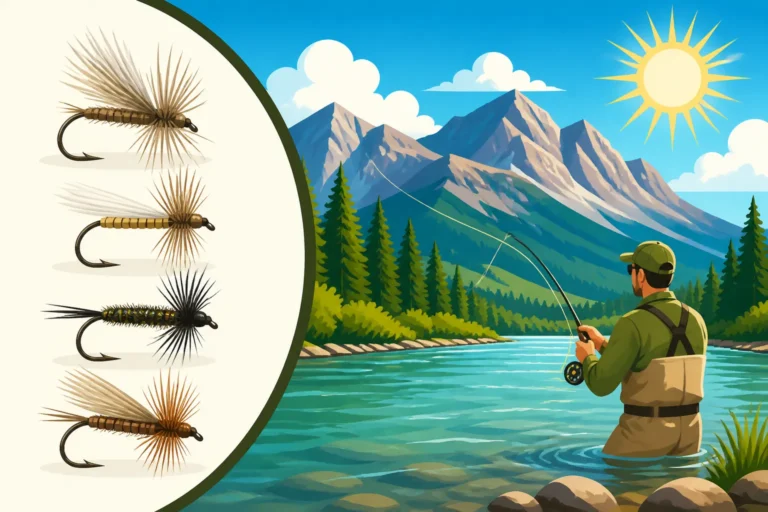
When it comes to tackle for pocket water, think minimalistic but effective. For fly anglers, a small selection of versatile patterns is key. Dry flies like Parachute Adams, Elk Hair Caddis, and small terrestrials (ants, beetles) in sizes #14-18 are great for opportunistic feeders on the surface. For nymphing, a few tungsten-beaded Prince Nymphs, Hare's Ears, and Pheasant Tails in sizes #12-18, perhaps with a touch of flash, will cover most situations. Don't forget a few small streamers like Woolly Buggers for more aggressive fish or when trying to entice a larger resident trout.
Spinning anglers should carry a variety of small inline spinners (Mepps, Panther Martin), tiny spoons (Little Cleos, Daredevils), and micro jigs tipped with small soft plastics or live bait if regulations permit. The key is to have lures that cast well despite their small size and can get down quickly in turbulent water. Beyond lures, a good set of nippers, forceps or hemostats for hook removal, and a small net with a rubber mesh are crucial for safe release. A rubber mesh net like those readily available on Amazon helps protect the fish's slime coat. You’ll also want quality waders and wading boots with good grip, as navigating slippery rocks is a huge part of pocket water fishing. Best Waders for Alberta Trout Rivers provides more in-depth advice on keeping dry and stable.
Mastering Techniques for Alberta's Pocket Water
Now for the fun part: how do you actually fish these dynamic, challenging, yet incredibly rewarding stretches of water? It's less about long casts and more about precision, stealth, and quick decision-making. Forget everything you learned about textbook perfect drifts in calm water; pocket water demands a different mindset and a specialized set of tactics.
The Art of the Short Cast and Drift
In pocket water, long, graceful casts are often counterproductive. The goal is to make short, accurate presentations to specific pockets and seams, often within just a few feet of your position. Think 5-20 feet, not 50. Overcasting will only lead to more line on the water, more drag, and more snags. For fly anglers, roll casts, steeple casts, and flick casts are invaluable, allowing you to quickly get your fly into a tight lane without a lot of false casting. The "bow and arrow" cast can even be useful in truly overgrown spots.
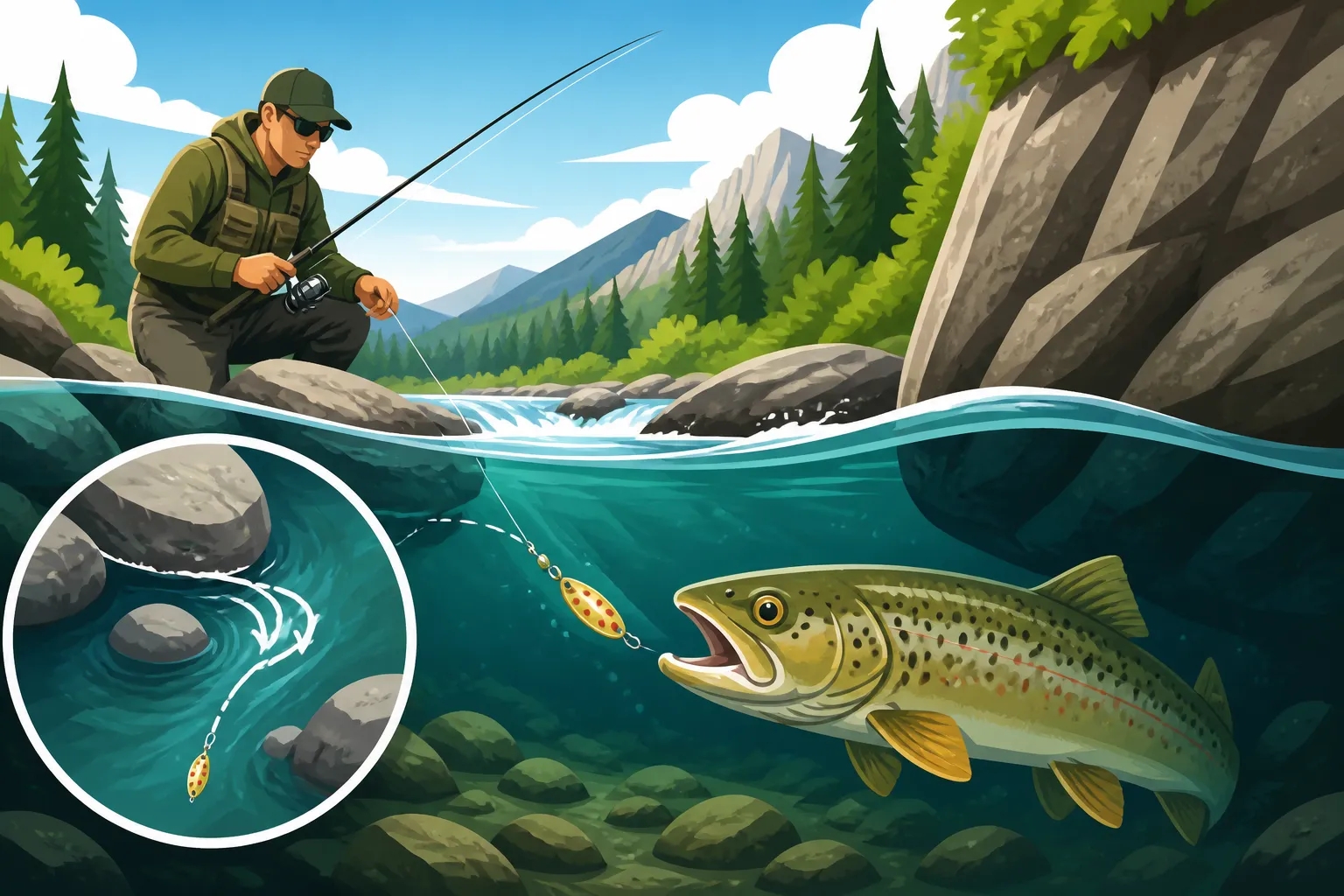
The challenge is then managing your line to achieve a drag-free drift. With multiple currents pulling at your line, this is tough. The solution? Keep as much line off the water as possible, using high rod tip angles, and perform constant "mending" to feed or pull line as needed to match the current speed of your fly. Your drift might only last a second or two before the current grabs your line, but that's often all you need. For spinning anglers, it's about casting slightly upstream of the target, letting the lure sink quickly, and retrieving just fast enough to impart action while allowing the current to carry it naturally. Quick retrieves and repetitive, accurate casts are more important than covering a lot of water with one cast. Fly Fishing for Trout on the Bow River will introduce you to these concepts in a broader river context.
Targeting Specific Holds with Precision
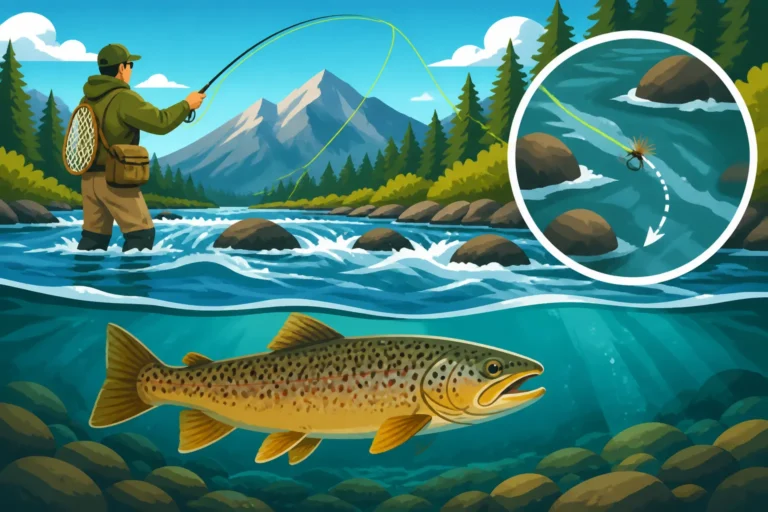
Once you've identified a likely pocket, the next step is to execute a precise cast to get your offering into the strike zone. This usually means casting above the pocket and allowing your fly or lure to drift naturally into the calmer water where a fish might be holding. For example, if a fish is holding in the soft water behind a large boulder, you want your fly to land a few feet upstream and slightly to the side of the main current, so it tumbles naturally into the eddy. Don't aim directly for the pocket itself, as this can often spook fish or result in an unnatural splash.
Always approach pockets from downstream and try to remain hidden, using bankside vegetation or terrain to break up your silhouette. Trout in pocket water are often less wary due to the broken surface, but they still have keen senses. Make your first cast your best cast, aiming for the most promising part of the pocket. After a few drifts, if nothing hits, subtly change your angle or your retrieve to explore different parts of that same pocket. If you're fly fishing, don't be afraid to try different depths with nymphs using split shot or indicators. The key is persistence and methodical exploration, one pocket at a time. This table illustrates some common pocket water structures and how to approach them:
| Pocket Water Structure | Characteristics | Best Fishing Approach | Key Tips |
|---|---|---|---|
| Behind a Large Boulder | Obvious calm water eddy downstream, strong current on sides. | Cast upstream of the boulder, allow fly/lure to drift into the eddy's soft water. | Aim for the transition zone where fast meets slow. Fish often hold right on the edge. Be ready for an immediate strike as your offering enters the pocket. |
| Seams (Current Breaks) | Linear boundary where two different current speeds meet. | Cast into the faster current upstream, let fly/lure drift along the seam's edge. | Focus on maintaining a drag-free drift precisely along the seam. Fish can face either direction along these lines, darting out from the slower side. |
| Plunge Pool Edges | Deep water directly below a small waterfall or cascade, with calmer edges. | Cast to the calmer edges where the turbulence subsides, letting your offering sink. | These are often deeper holds. Use weighted nymphs or small jigs to get down quickly. The fish are often very aggressive here due to high oxygen and abundant food supply. |
| Foam Lines & Bubble Trails | Accumulation of foam or bubbles indicating a consistent current path or deeper channel. | Cast above the foam line and let your fly/lure drift within its boundaries. | Foam lines are natural food delivery systems. Fish use them like a highway. Focus on the most distinct lines where bubbles consistently gather and move. |
| Undercut Banks (with current) | Overhanging bank providing shade and cover, often with a slight current break. | Cast upstream and allow your offering to drift naturally underneath the bank's edge. | These are tricky due to snags, but highly productive. Stealth is paramount. Keep a low profile and minimize splash. Use short leaders and precise casts. |
Safety and Wading Strategies
Fishing pocket water can be incredibly exciting, but it demands respect for the river. Safety, especially when wading, is paramount. The uneven bottoms, slippery rocks, and powerful currents can be dangerous if you're not careful. Always use a wading staff – it's your third leg and provides invaluable stability, helping you test depths and feel for slippery spots before committing your weight. Good quality wading boots with sticky rubber soles (and often studs, depending on local regulations and personal preference) are a must. Best Wading Boots for Rocky Rivers offers great advice on choosing the right footwear.
Never wade alone if possible, especially in unfamiliar waters. Always let someone know where you're going and when you expect to return. When wading, shuffle your feet and maintain three points of contact (two feet and your wading staff) with the riverbed at all times. Move slowly and deliberately. If a current feels too strong, don't push it; find an alternative route or fish from the bank. Alberta's rivers, particularly after heavy rains or during spring runoff, can be deceptively powerful. Knowing your limits and prioritizing safety means you'll be able to enjoy many more days fishing these incredible pocket water havens. Remember to consult Reading the Alberta Guide to Sportfishing Regulations before heading out, as specific rules can vary by waterbody.
Disclaimer
This article is for general informational purposes only and does not constitute professional advice. Laws, prices and regulations vary by location and change over time. Consult a qualified professional for guidance on your specific situation.