Best technique for late fall pike
As the leaves turn golden and the air begins to bite with that unmistakable chill, many anglers start to hang up their rods, thinking the best of the open water season is behind them. But for those of us obsessed with the thrill of the chase, late fall in Alberta offers some truly exceptional opportunities for big northern pike, if you know how to adapt. The challenge is that these toothy predators shift their behavior dramatically as water temperatures plummet, making your summer tactics largely ineffective. This guide is dedicated to helping you unlock the secrets of late fall pike fishing, providing you with the techniques and insights needed to put a trophy on the line before the ice locks everything down.
Understanding Late Fall Pike Behavior and Habitat
When autumn deepens into late fall, Alberta's lakes and rivers undergo a profound transformation. The warm, vibrant waters of summer give way to colder, clearer conditions, and fish respond by altering their movements and feeding patterns. Northern pike, being cold-blooded creatures, are acutely sensitive to these changes, and understanding their physiological and behavioral shifts is paramount to consistent success.
The Chill Sets In: Pike Metabolism and Movement
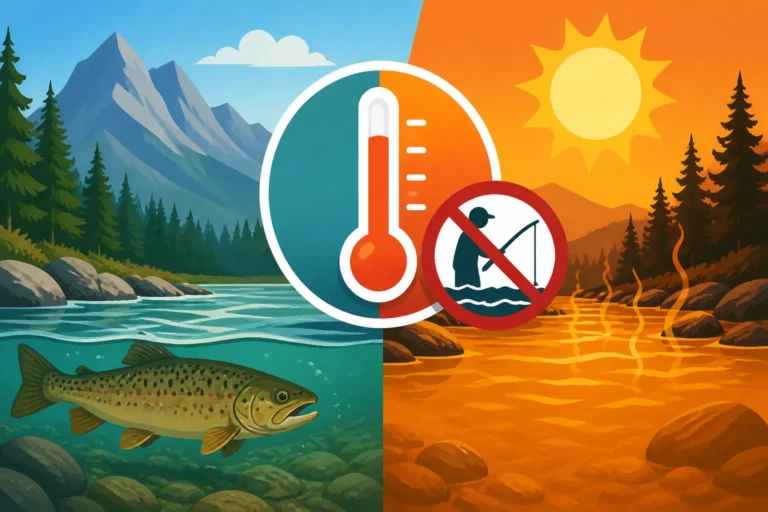
As water temperatures dip below the 50-degree Fahrenheit (10-degree Celsius) mark and continue to drop towards freezing, a pike's metabolism slows down considerably. This isn't to say they stop feeding; quite the opposite. They become more efficient, needing fewer meals but often seeking larger, more calorie-dense prey to sustain themselves through the approaching winter. This metabolic slowdown means they're less likely to chase a fast-moving bait across a wide expanse of water. Instead, they prefer to ambush prey with minimal energy expenditure. Think of it like a bear preparing for hibernation – they're still eating, but they're doing so strategically.
This reduced activity also means pike won't be as widely dispersed as they were in summer. They'll consolidate into specific areas that offer them comfort, cover, and a reliable food source. You might find fewer fish, but the ones you do find are often larger and more willing to commit to the right presentation. Their movements become less erratic and more deliberate, often holding tight to structure or the edge of thermal stratification. This is the prime time for pursuing those impressive specimens, learning how big northern pike get in Alberta.
Where Pike Hide: Deep Structure and Forage Location
Forget those shallow, weedy bays where you crushed pike all summer. While some dying weeds might still hold a stray fish or two, the vast majority of pike in late fall will relocate to deeper, more stable environments. This means focusing your efforts on drop-offs, submerged humps, deep points, rock piles, and distinct changes in bottom contour. These areas offer thermal stability and often concentrate baitfish, which are also seeking deeper, more hospitable waters as the surface cools.
Pike will relate strongly to the baitfish. If you can locate schools of ciscoes, whitefish, or perch, you're likely to find pike nearby. Sometimes, they'll be sitting right in the middle of a bait ball, but more often, they'll position themselves on the edges, below, or to the side, waiting for an easy meal to swim by. This is why having good electronics, such as a quality fish finder, becomes indispensable. You're not just looking for pike; you're looking for their food source. Understanding the specific depths and structures where baitfish are holding is the most direct path to finding late fall pike. Many anglers find the Best Ice Fishing Lakes in Alberta become late fall hotspots just before freeze-up for this very reason – the deep-water structure holds fish.
Essential Gear for Cold Water Pike Angling
Successfully targeting late fall pike requires a slight adjustment to your tackle box and wardrobe. The conditions are harsher, the fish are often larger, and the presentations are different. Having the right gear isn't just about comfort; it's about efficiency and effectiveness.
Rods, Reels, and Line: Power and Sensitivity
For late fall pike, you’ll want a rod with a good balance of power and sensitivity. A medium-heavy to heavy power rod, typically in the 7 to 8-foot range, is ideal. This length provides excellent casting distance for covering water and ample leverage for controlling larger fish and casting big baits. The sensitivity is crucial for detecting subtle bites in cold water, where pike might just "mouth" a bait rather than aggressively strike it. A fast action tip will help transmit those light taps directly to your hands. When considering your setup, think about the Best rod power for pike fishing for these conditions.
Matching that rod with a robust baitcasting reel is often preferred, especially when throwing larger, heavier lures. Look for a reel with a strong drag system and a decent line capacity. Spool up with 50-80 lb braided line, paired with a heavy fluorocarbon or wire leader (50-100 lb test) to prevent bite-offs from those razor-sharp teeth. Braided line offers superior sensitivity and strength, and its lack of stretch is a huge advantage for feeling those soft bites in deep water. You can find excellent options for Best Line Weight for Pike Fishing on online retailers like Amazon, ensuring you're ready for anything.
Lure Selection: Slow and Substantial
Late fall pike are looking for a substantial meal, but they aren't going to expend much energy chasing it. This means your lure selection should lean towards larger profiles and baits that can be worked slowly and effectively at various depths. Forget the tiny spoons and spinnerbaits of summer. This is the time for big, meaty offerings.
- Large Swimbaits: Soft plastic swimbaits, especially those in the 6-10 inch range, are phenomenal. Rigged with a heavy jig head (1/2 oz to 1.5 oz depending on depth and current), they can be slow-rolled along the bottom or jigged vertically. Paddle-tail and boot-tail designs provide a lot of thumping action even at slow retrieves. Brands like Keitech or Storm make some fantastic options.
- Jerkbaits/Glide Baits: Hard-bodied jerkbaits (often called glide baits when fished with a wider side-to-side sashay) that suspend or slowly sink are excellent for working specific depth zones. A slow, erratic retrieve with long pauses can be irresistible. Look for baits in the 6-8 inch range that mimic perch or ciscoes. Some anglers swear by certain Rapala or Salmo models for cold water.
- Large Spoons: Heavy spoons, like those from Johnson or Daredevil, can be jigged vertically over structure or slowly reeled with a stop-and-go retrieve. The flash and flutter on the fall can entice lethargic pike. These are classic Best Lures for Northern Pike in Alberta for a reason, and in bigger sizes, they excel in the fall.
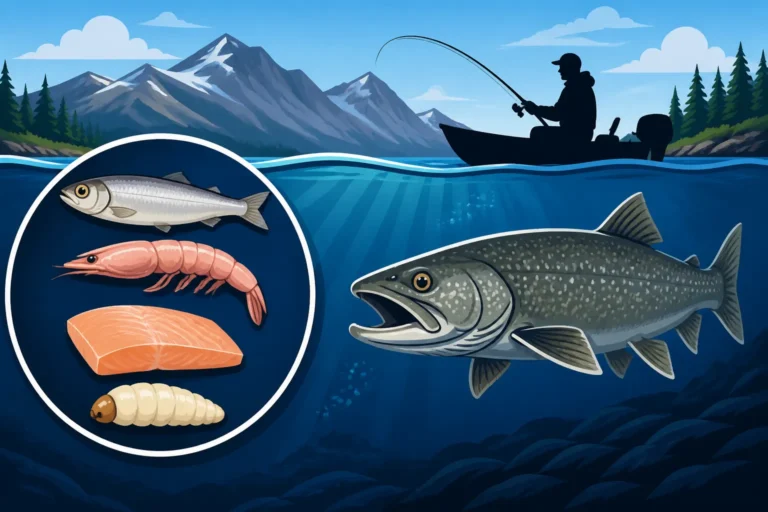
- Dead Baits: Don't underestimate the power of natural dead baits. Large smelts, ciscoes, or even substantial frozen herring fished under a bobber or on the bottom with a weight can be incredibly effective. This is particularly true in deeper water where pike are almost entirely ambush predators. You'll need sturdy treble hooks and a bait-rigging system for this, which are readily available on Amazon.
Cold Weather Comfort: Dressing for Success
When the air is crisp and the water is frigid, your personal comfort is not a luxury, it's a necessity. Being cold and wet will not only make your day miserable but also impair your judgment and dexterity, which can be dangerous on the water. Layering is key: start with a moisture-wicking base layer, add insulating layers (fleece, down), and top it off with waterproof and windproof outerwear.
Invest in good quality insulated boots, waterproof gloves, and a warm hat. Hand warmers are also a lifesaver. Remember, you'll likely be moving less, so your body won't generate as much heat. Staying dry is paramount, so ensure your rain gear is up to snuff, even if the forecast looks clear. The spray from the boat or a sudden cold front can quickly chill you to the bone. Don't forget a PFD; cold water immersion is an extremely serious risk.
Top Techniques for Triggering Late Fall Pike Bites
With pike metabolism slowed and their location often deeper, your presentation needs to change from aggressive search patterns to deliberate, enticing actions. Patience and precision become your best friends.
Slow Rolling Big Baits
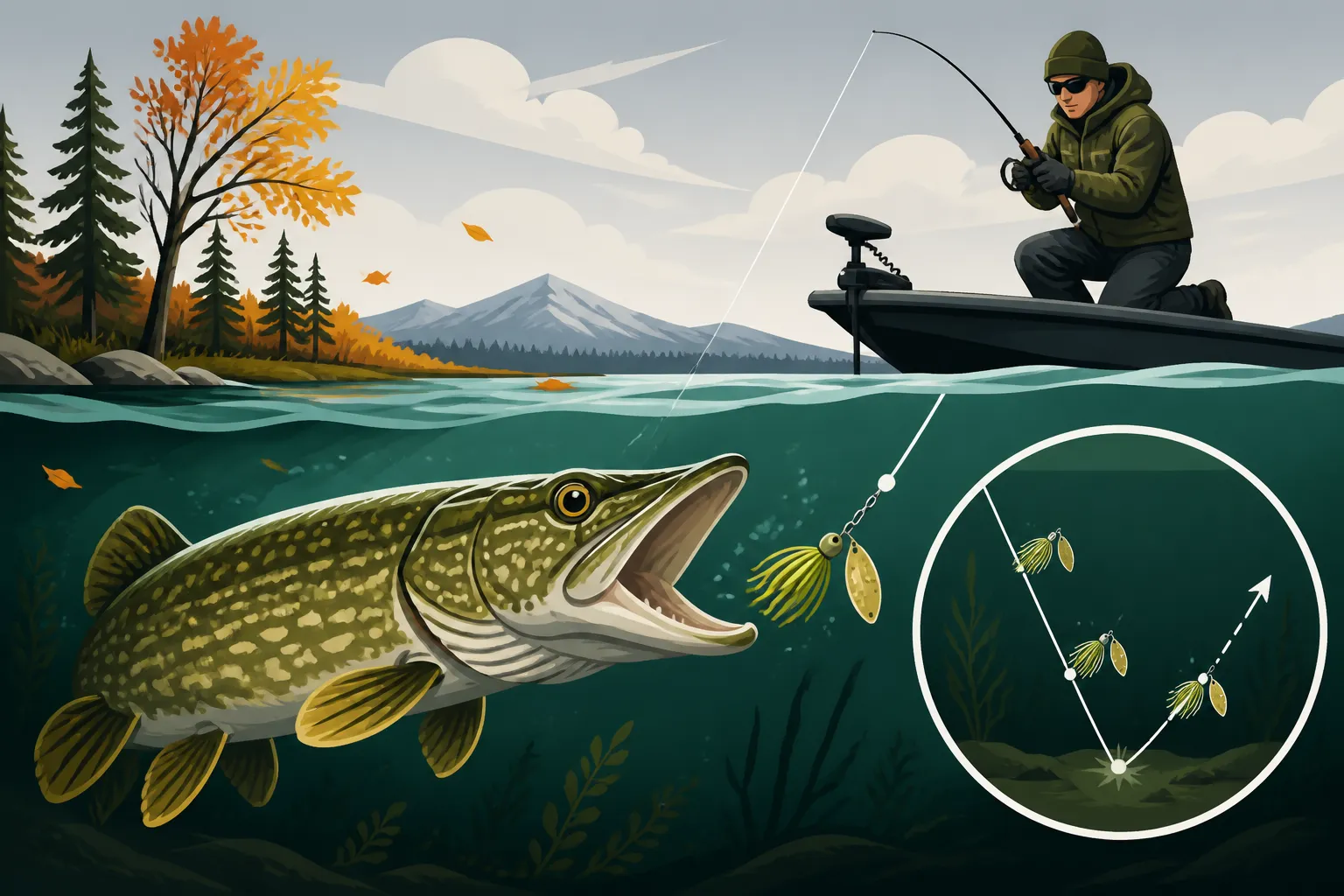
One of the most consistently productive techniques for late fall pike is slow rolling large swimbaits or oversized spinnerbaits (without the flashy blades, sometimes called 'bucktail spinners'). The key here is a methodical, almost lethargic retrieve that keeps your lure in the strike zone for as long as possible.
Cast your heavy swimbait or bucktail spinner past your target structure – a deep point, a submerged rock pile, or the edge of a drop-off. Let it sink to the bottom or just above where you've marked fish or bait. Then, begin a slow, steady retrieve, just fast enough to get the tail thumping or the skirt pulsating. Incorporate pauses, allowing the bait to flutter or settle momentarily. These pauses are often when the pike will commit. If you're using a swimbait with a substantial paddle tail, it will still generate a lot of vibration even at minimal speed. This technique is often deadly when fishing for Best Walleye Lakes in Alberta, which also experience similar late-fall patterns, and pike are often found in the same areas.
Think of it as presenting an easy meal to a lazy predator. You're not trying to trigger a chase instinct; you're offering a convenient, high-calorie snack that's too good to pass up. Pay very close attention to your line for any unusual ticks, slack, or subtle weight increases, as cold-water bites can be incredibly light.
Vertical Jigging Deep Structure
When pike are tightly schooled on deep structure, or when you've pinpointed individual fish on your electronics, vertical jigging is an extremely effective method. This involves positioning your boat directly over the fish or structure and dropping a heavy spoon, jigging rap, or large soft plastic straight down.
Use your fish finder to identify the precise depth where fish are holding. Drop your lure down to that depth, or slightly below it. Then, impart a series of lifts and drops, varying the intensity and height. Sometimes a sharp rip followed by a free fall is best; other times, a subtle lift and barely perceptible quiver is all it takes. Experiment with the retrieve. The idea is to make the lure look like a distressed baitfish struggling to escape. A popular choice for this is a heavy jigging spoon, perhaps something you'd find for Best Techniques for Perch Through the Ice, just scaled up for pike.
Vertical jigging allows for incredible precision, presenting your lure directly in front of the fish's face. It's an excellent way to cover specific pieces of structure thoroughly, especially when you're targeting that trophy pike in the fall. The sensitivity of braided line is a huge asset here, allowing you to feel every bump, tic, and subtle take.
Deadsticking and Soaking Baits
Sometimes, the slowest presentation is the most effective. Deadsticking involves allowing a lure or bait to sit almost motionless in the strike zone. This technique is particularly potent when pike are extremely lethargic or when you are using natural dead baits.
For deadsticking lures, cast a heavy swimbait or large tube jig out, let it sink to the bottom, and then simply leave it there, imparting only a very occasional, slight twitch with your rod tip. You might let it sit for several minutes before reeling in a bit and repeating. The subtle movement imparted by boat drift, current, or even just your hand twitching can be enough.
When using dead baits, rig a large cisco, smelt, or herring on a robust quick-strike rig with two treble hooks and a heavy sinker. Drop it to the bottom or suspend it at a specific depth with a large float. Then, wait. The natural scent and appearance of a dead bait can be irresistible to a cold-water pike that isn't interested in chasing. This technique requires immense patience, but it can yield some of the biggest fish of the season. Ensure your hooks are sharp, and your leader is strong; a Best leader for pike fishing is crucial here.
Reading the Water and Maximizing Your Chances
Finding late fall pike is often more about location and presentation than anything else. You might not get a dozen bites, but the ones you do get could be magnificent.
Locating Productive Water
As mentioned, deeper structure where baitfish congregate is your best bet. However, "deeper" is relative to the body of water. On a shallow prairie lake, "deep" might mean 10-15 feet, while on a glacial lake like Cold Lake, it could be 40-80 feet. Pay attention to contour maps, satellite imagery, and your fish finder. Look for sudden depth changes, underwater points, humps that rise out of deep water, or submerged weed lines that still offer cover.
Consider current breaks in rivers. Pike will often position themselves just out of the main current, waiting for baitfish to be swept past. This could be behind a large rock, in a slow eddy, or along a sharp bend in the river. Think about areas that offer both deeper water and a source of forage. Areas where Best lakes for trophy pike in Alberta often have these characteristics.
The sun can also play a role, even in late fall. On bright, sunny days, pike might move shallower to warm up slightly, especially on dark bottoms or rock. On cloudy, dreary days, they might stay deeper. Being adaptable and willing to explore different depths is crucial.
Boat Control and Stealth in Shallow and Deep Water
Boat control is paramount in late fall. You'll often be working precise pieces of structure or targeting individual fish. A good trolling motor with GPS Spot-Lock or anchor capabilities is invaluable. This allows you to hold your position over a productive spot, make multiple precise casts, or vertically jig without drifting off course.
Stealth is also important. Clear, cold water means fish have better visibility. Avoid excessive noise, sudden movements, or dropping heavy items in the boat. Make long casts to approach fish without spooking them. If you're fishing shallow sections, ensure your boat doesn't cast a large shadow over the area you're trying to fish. Sometimes, less is more when it comes to boat movement, especially when employing deadsticking or slow-rolling techniques. The ability to use a low Best trolling speed for walleye can also apply to pike, especially with larger, slow-moving baits.
Safe Handling of Cold Water Pike
Landing a large pike in cold weather requires careful handling, both for the fish's sake and your own. Large pike have formidable teeth, and cold hands can make proper unhooking more challenging. Always have a good set of long-nosed pliers or unhooking tools readily available. A large, rubber-coated landing net is ideal for safely bringing the fish boatside and supporting its weight in the water.
Minimize the fish's time out of the water, especially in freezing temperatures. The cold air can damage their gills and eyes. If you plan on a photo, have your camera ready, get the shot quickly, and get the fish back in the water. Support the pike horizontally, never vertically by the jaw, as this can cause internal damage. A healthy release ensures these magnificent fish can continue to grow and provide excitement for other anglers, contributing to the overall health of Alberta's fisheries. Remember, for some species like bull trout, catch and release is mandatory, but even for pike, it's a good practice.
Disclaimer
This article is for general informational purposes only and does not constitute professional advice. Laws, prices and regulations vary by location and change over time. Consult a qualified professional for guidance on your specific situation.