Best technique for pre-spawn perch
Oh, the elusive pre-spawn perch! If you've ever found yourself scratching your head, wondering where these feisty little fish disappeared to just as the ice thaws, you are certainly not alone. It's a tricky time of year, with fish moving and their moods shifting with every degree of water temperature change. This guide is all about cutting through that confusion, giving you the solid, proven techniques to successfully target and catch perch during this challenging, yet incredibly rewarding, pre-spawn period in Alberta.
Understanding Pre-Spawn Perch Behavior and Habitat
Catching perch during the pre-spawn can feel like cracking a secret code sometimes. One day they're there, the next they've vanished, leaving you wondering if they packed up and moved to another lake. But once you understand what drives their behavior during this specific window, you'll be much better equipped to find and entice them.
Why Pre-Spawn Perch Are Tricky
Before perch move into their spawning areas, typically in late spring as water temperatures creep up, they undergo a significant physiological shift. Females are developing eggs, which requires a lot of energy, while males are starting to feel the urge to feed up and prepare. This means their feeding patterns can be a bit sporadic. They're often less aggressive than during peak summer or ice fishing season, but they still need to eat. Think of it like us when we're preparing for a big event – sometimes we graze, sometimes we feast, and sometimes we just want to conserve energy!
Initially, after the ice recedes, many perch will still be in those deeper basin areas where they spent the winter. But as the sun warms the shallower waters, especially north-facing bays or areas with darker bottoms, they'll start to stage. This movement isn't always a direct sprint to the spawning grounds; it's more of a gradual migration, often with stops along the way in transitional zones where food might be more readily available, and the water is slightly warmer. Patience is key during this time, as they might not be in their usual haunts.
Another factor making them tricky is the constantly changing water temperature. Early spring in Alberta can see huge swings, from warm, sunny days that quickly heat up the shallows, to cold snaps that send fish scattering back to deeper, more stable temperatures. These fluctuations can make perch quite lethargic, leading to very subtle bites that are easy to miss if you're not paying close attention to your line and rod tip. It's a test of your senses, for sure!
Key Habitat Features to Target
During pre-spawn, perch love those transitional zones. Think about where deeper water, perhaps where they overwintered, suddenly gives way to shallower flats. These are often breaklines, shelves, or drop-offs that act as highways for fish moving up. They can cruise these areas, dipping into the deep if things get cold, or moving shallower to feed when conditions are right. These edges provide security and access to different depths, which is exactly what a pre-spawn perch is looking for.
Structure is another massive draw. Submerged weed beds, especially new growth that's just starting to emerge, are magnets for perch. These weeds not only provide cover from predators but also host a smorgasbord of invertebrates and small baitfish that perch love to snack on. Rock piles, old submerged timber, or even man-made structures like old docks or bridge pilings can also hold fish. Anything that offers a change in bottom contour or cover is worth investigating.
And don't overlook those warmer bays, especially those with darker, mucky bottoms that absorb sunlight quickly, or areas where small creeks or culverts might be dumping slightly warmer water into the main lake. These spots can warm up a few degrees faster than the main lake, signaling an early buffet for invertebrates and, in turn, hungry perch. I've had some fantastic early season days by just focusing on these warmer, protected pockets that other anglers often ignore. It's all about finding that slightly more comfortable water.
Essential Gear and Tackle for Pre-Spawn Perch
Let's be honest, nothing's more frustrating than being out on the water, knowing there are fish around, but feeling like your gear just isn't cutting it. Pre-spawn perch, with their often light bites and finicky attitudes, demand a particular finesse. Having the right tools for the job can make all the difference between a frustrating blank and a memorable day filling your pail.
Rods, Reels, and Line Choices
When it comes to rods for pre-spawn perch, sensitivity is the name of the game. A light to ultra-light action spinning rod, typically in the 5'6" to 6'6" range, is absolutely ideal. These rods are designed to bend easily, allowing you to feel the faintest of taps and providing excellent control over small lures. You don't need a heavy backbone because you're not fighting a monster pike; you're feeling for those delicate perch nibbles. If you're looking for a good starting point, many brands offer excellent panfish-specific rods that are perfect for this, and you can often find a great selection on platforms like Amazon.
Pair that sensitive rod with a small spinning reel, something in the 500 to 1000 series size. These reels are lightweight and balanced, preventing arm fatigue during a long day of subtle jigging. The smooth drag system on these smaller reels is also crucial for protecting light lines when a surprisingly large perch decides to make a run. You don't need anything fancy, just something reliable and smooth.
For line, I can't stress enough the importance of going light. Two to four-pound test fluorocarbon or monofilament is the way to go. Fluorocarbon is fantastic for clear water conditions because it's nearly invisible underwater, and its low stretch provides exceptional sensitivity, transmitting those light bites right up your rod. Monofilament, while slightly more visible, offers a bit more stretch which can sometimes act as a shock absorber, preventing hooks from tearing out of a perch's soft mouth. I often use a very light monofilament main line with a short fluorocarbon leader for the best of both worlds. Remember, these fish are often lethargic and easily spooked, so stealth is your friend.
The Best Lures and Baits
Now for the fun part – what to tie on! Pre-spawn perch can be picky, so having a variety in your tackle box is a smart move. When they're sluggish, it's hard to beat the real deal: live bait. Small minnows, especially those around 1-2 inches, are deadly. Hook them lightly through the lips or just behind the dorsal fin. Maggots and wax worms are also absolute perch candy. Their natural movement and scent are often irresistible to a fish that's not aggressively chasing. You'll typically find these at your local bait shop once the ice is off.
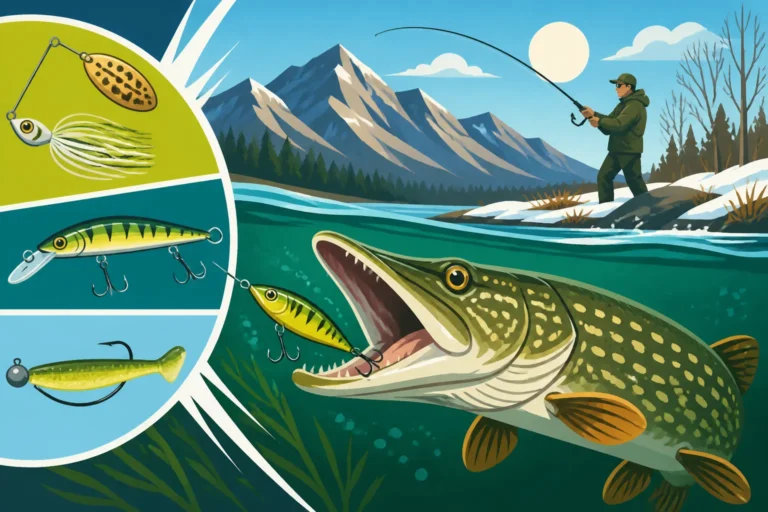
For artificials, small jigs are king. Think micro jigs, tear drops, or traditional panfish jigs in sizes 1/32 to 1/16 ounce. Colors can vary, but typically chartreuse, pink, orange, white, and black are go-tos. Experiment with different colors until you find what they're hitting. The key is the slow, subtle presentation these jigs allow. Tipping these jigs with a maggot or a piece of scented soft plastic often seals the deal.
Small jigging spoons, especially those with a good flutter action, can also be highly effective. Sizes like 1/16 to 1/8 ounce are usually perfect. The flash and erratic fall can trigger strikes, especially if the perch are a little more active. Silver, gold, or glow-in-the-dark patterns are excellent choices. Again, a small minnow head or a few maggots on one of the treble hooks can enhance its appeal.
Lastly, don't forget the power of soft plastics. Tiny tube jigs, grubs, or small minnow imitations like those from the Berkley Gulp! series are fantastic. The scent on many of these plastics can be a huge advantage when fish aren't actively feeding by sight. Rig them on those same small jig heads and work them slowly. You'll find a massive array of these baits and lures suitable for Alberta's perch, often with great deals, available through online retailers like Amazon.
Top Techniques for Enticing Pre-Spawn Perch
So you've got your gear dialed in, you understand where perch should be, but how do you actually get them to bite? This is where technique truly shines. Pre-spawn perch often require a different approach than their summer or hard-water counterparts. You're dealing with fish that might be less aggressive, so your presentation needs to be subtle, tantalizing, and patient.
Slow and Steady Jigging
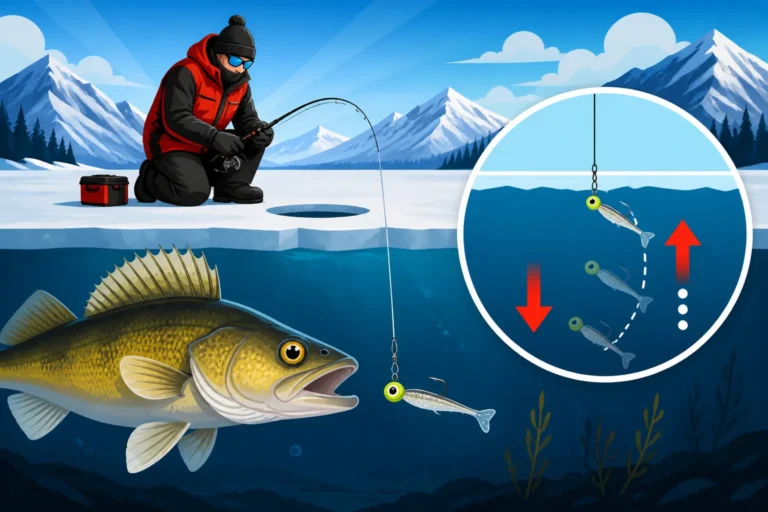
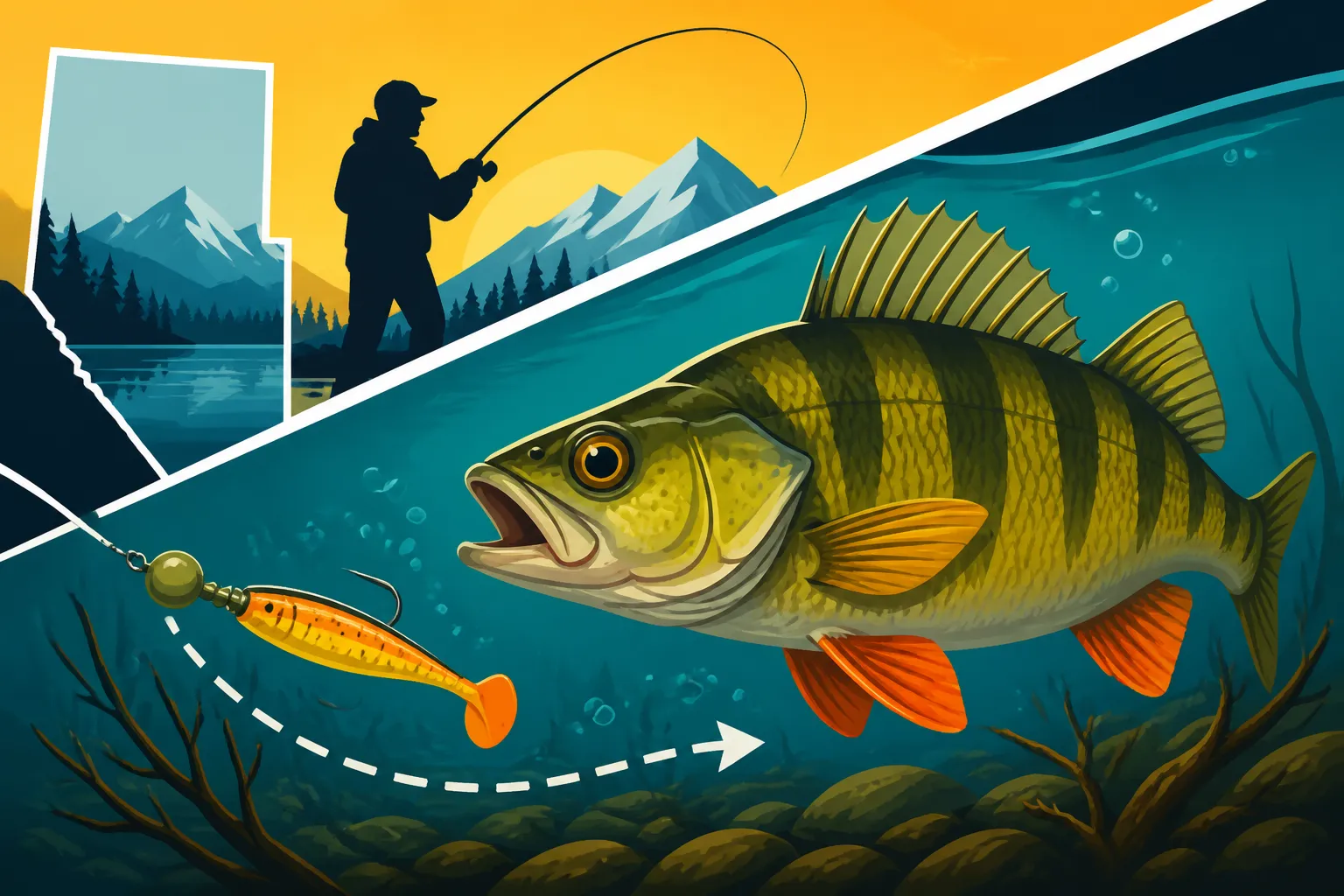
This is arguably the most consistent technique for pre-spawn perch. After all those weeks or months under the ice, fish can be a bit sluggish, and a slow, deliberate presentation is often what it takes to trigger a strike. Imagine your small jig or soft plastic sinking slowly, mimicking a stunned minnow or an insect larva. The trick is to lift your rod tip just a few inches, slowly, and then let your bait fall back down on a semi-slack line, keeping just enough tension to feel a bite.
The pause at the bottom is critical. Often, a perch will hit the bait as it rests motionless, or just as you begin your next lift. Think of it as a subtle "lift-drop-pause." The bites during this time can be incredibly light – sometimes it's just a slight tick, a feeling of extra weight, or your line simply going slack. You need to be hyper-focused on your rod tip. If you're fishing a transition area, slowly work your jig up and down the breakline, covering different depths until you find where the fish are holding. This isn't a power-fishing technique; it's a finesse game that rewards patience and attention to detail.
Under a Float Presentation
Sometimes, perch are suspended just off the bottom or cruising slightly higher in the water column, perhaps near emerging weed beds. This is where a float rig truly shines, allowing you to present your bait at a precise depth with a natural, enticing drift. You can use either a fixed float for shallower water or, more commonly, a slip float for deeper situations. A slip float allows your line to slide through the float, stopping at a predetermined depth set by a small bobber stop. This means you can cast further and still fish deep.
Your setup would typically involve a small lead-free split shot or two just above your hook to get your bait down. The beauty of a float is that it removes the need to constantly reel and jig, letting the current or even just a gentle breeze do some of the work, moving your bait around subtly. It's especially effective with live minnows or a cluster of maggots, as their natural movement under the float is irresistible. Picture your float sitting perfectly still, then suddenly dipping or moving sideways – that's your cue to set the hook! This technique is also excellent when fishing from shore or while wading, as you can cast out and let your bait drift into potential hotspots.
Bottom Bouncing Rigs
When perch are really glued to the bottom, perhaps in deeper pockets or along steep breaklines, a bottom-bouncing rig can be exceptionally effective. The most common setup for this is a simple drop-shot rig or a small slip-sinker rig. For a drop-shot, you tie your hook directly to your main line, leaving a tag end below where you then tie on a small weight. This allows your bait to float freely just above the bottom, keeping it visible and away from snags, while your weight maintains contact with the lakebed.
With a slip-sinker rig, you'd have a small bullet or egg sinker sliding freely on your main line, tied off to a swivel, and then a short leader (6-12 inches) to your hook. This allows the fish to pick up the bait without feeling the resistance of the sinker, giving you a better chance for a solid hookset. Both these rigs are perfect for presenting live minnows, worms, or scented soft plastics right in the perch's face without making them chase. Slowly drag or hop these rigs along the bottom, pausing frequently. The goal is to imitate a vulnerable bottom-dwelling meal.
Covering Water with Small Spoons
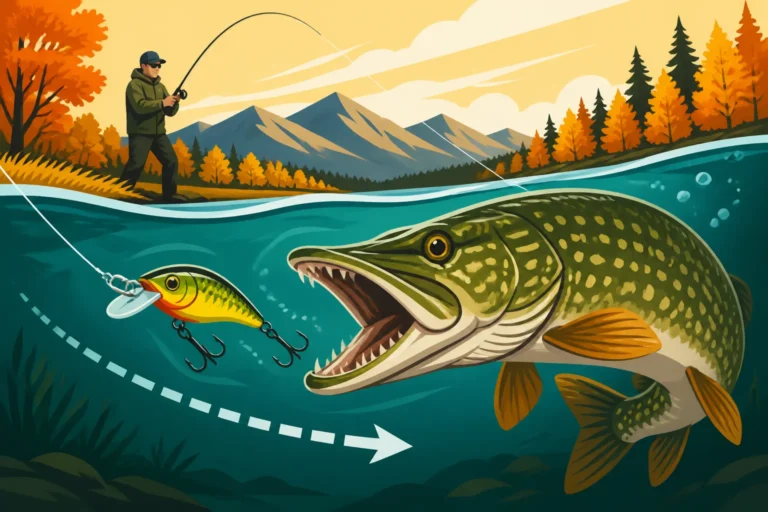
While finesse jigging is often best for lethargic perch, sometimes you encounter a school that's a bit more active, or you need to cover more water to find them. This is where small jigging spoons come into their own. You can cast these lightweight spoons a good distance, allowing you to fan-cast an area to locate fish quickly. Once your spoon hits the water, let it sink, counting it down to different depths. On the retrieve, a slow, steady reel with occasional short lifts and drops, or even just subtle twitches of the rod tip, can make the spoon dart and flash enticingly.
If you're fishing from a boat, vertical jigging with a spoon is another fantastic option. Lower the spoon to the desired depth and then implement a rhythmic lift-and-drop motion. The key is to vary your retrieve or jigging cadence until you find what the perch are responding to. Some days they want a fast, aggressive jig, other days a slow, methodical flutter. The flash and vibration of a spoon can call in perch from a greater distance, and they often hit these with more aggression than a static bait. This is a great technique to employ when you're searching for those schools of fish during the pre-spawn.
Locating Pre-Spawn Perch Hotspots
Finding the fish is often the biggest challenge in early spring, especially when they're making their move for the spawn. It's not just about throwing a line in the water; it's about being a detective, reading the signs, and understanding where these fish are likely to congregate. Alberta's lakes and rivers can be vast, so narrowing down your search is crucial for success.
Reading the Water for Clues
The moment the ice starts to recede, or even completely disappears, is a huge clue. The first areas to open up on a lake are often gold mines. These are typically shallow, north-facing bays that catch the most sunlight, or areas where rivers and creeks flow in, bringing slightly warmer water. These spots warm up first, which in turn wakes up the aquatic insect life and draws in baitfish – and where the baitfish go, the perch follow. I always make a point of checking these 'first open water' areas immediately after ice-out, as they can hold concentrated schools of hungry perch.
Water clarity also plays a role. While clear water is beautiful, pre-spawn perch often prefer slightly stained or turbid water. It offers them a bit more camouflage from predators, and often indicates areas where run-off might be carrying nutrients and food into the lake. Crystal clear, cold water can sometimes make fish very spooky, requiring even more finesse. So, if you're deciding between a clear bay and one with a slight tint, lean towards the stained water first.
Beyond temperature and clarity, always be looking for structure. As mentioned before, new weed growth is a major draw. Look for shallow flats adjacent to deeper drop-offs. If you can visually identify submerged rocks, gravel beds, or old wood, these are all prime areas. Creek mouths and river inlets are also major attractants, as they often have current that brings in food and can be slightly warmer. If you notice any kind of current break or eddy, that's another spot where perch might be holding out of the main flow, waiting for food. This takes practice, but the more you pay attention to these subtle cues, the better you'll become at identifying prime real estate.
Using Electronics and Scouting
While traditional 'reading the water' skills are invaluable, modern electronics can give you a serious edge. A good fish finder, especially one with down imaging or side imaging capabilities, can quickly show you bottom contours, identify submerged structure, and, most importantly, locate schools of baitfish and perch. During pre-spawn, perch will often be holding tightly to structure or suspended in tight schools. A fish finder can help you pinpoint these concentrations, rather than blindly casting. Learning how to properly interpret what you see on your screen is a skill worth developing. It can turn a frustrating day of searching into a successful one of finding the fish. Many excellent models can be found online, and reviewing different brands of Best Fish Finders for Alberta Lakes can help you pick one that suits your needs.
Don't underestimate the power of good old-fashioned scouting either. Before you even wet a line, take some time to observe. Walk the shoreline, if possible, looking for any signs of activity – swirling baitfish, a few fish jumping, or even just darker patches in the water that could indicate submerged weed beds or rocks. If you have access to a kayak or a small boat, slowly paddle or motor around potential areas, keeping an eye on your depth finder. You might even consider using an underwater camera, if you have one, to visually confirm what kind of structure and fish are present. This kind of active scouting can save you hours of unproductive fishing. Think of it as doing your homework before the test! This can be especially effective for those who enjoy Best Kayak Fishing Spots in Alberta, as the stealth of a kayak allows you to get right into those shallow, sensitive areas.
Here's a quick comparison of the top pre-spawn perch techniques:
| Technique | Ideal Conditions | Pros | Cons | Recommended Baits/Lures |
|---|---|---|---|---|
| Slow Jigging | Lethargic fish, tight to bottom/structure | Highly sensitive, good for light bites, subtle presentation | Requires extreme patience, covers less water | Micro jigs, scented plastics, tipped with maggots |
| Float Presentation | Suspended fish, varying depths, light current | Natural drift, keeps bait visible, covers precise depth | Can be affected by wind, less active lure movement | Live minnows, maggots, worms, small jigs |
| Bottom Bouncing | Fish hugging the bottom, deeper water, current | Keeps bait at fish level, good for less active fish | Prone to snagging in heavy cover, less visual appeal | Drop-shot rigs, slip-sinker rigs with live bait |
| Casting Spoons | More active fish, covering open water to find schools | Covers water quickly, flash attracts fish, versatile | Less effective for lethargic fish, can spook shallow fish | Small jigging spoons (silver/gold), tipped |
Ultimately, finding the best technique for pre-spawn perch often comes down to experimentation and observation. Start with a few methods, pay close attention to what the fish are telling you (or not telling you!), and don't be afraid to switch things up. The pre-spawn window can be short but incredibly rewarding if you crack the code! For more general tips on targeting similar species, you might find some crossover advice in guides like How to Catch Walleye in Alberta or Best Tackle for Panfish. And if you're still in the transition period, don't forget about Ice Fishing in Alberta methods that might still apply to very cold water! Remember that even subtle changes in water temperature can dictate perch movement, similar to how Best Time of Day to Catch Walleye can fluctuate. Also, understanding the species itself, as detailed in Yellow Perch in Alberta Lakes, can give you valuable insights into their pre-spawn habits. For those venturing out with new gear, consider browsing options for Best Fishing Rods for Alberta Rivers to get the sensitivity needed for light bites. Finally, if you're keen on spring fishing for other species, exploring Spring Trout Fishing Techniques for Alberta Streams might provide additional seasonal context.
Disclaimer
This article is for general informational purposes only and does not constitute professional advice. Laws, prices and regulations vary by location and change over time. Consult a qualified professional for guidance on your specific situation.