Best technique for winter walleye
Oh, the crisp air, the vast expanse of white, and the promise of a golden flash under the ice! Winter walleye fishing in Alberta is a truly unique experience, but let's be honest, it can also be incredibly frustrating. One day they're biting like crazy, and the next, it feels like they've all packed up and moved to Mexico. You've chopped your hole, set up your shelter, and spent hours staring down at a sonar screen that shows nothing but empty water, right? This guide is going to dive deep into the best techniques for winter walleye, helping you understand their icy habits and equip you with the knowledge to bring those beautiful fish topside, even when they're playing hard to get.
Decoding Winter Walleye Behavior Under the Ice
When the mercury drops and our beautiful Alberta lakes and rivers freeze over, walleye undergo some significant changes in their behavior. They aren't the same aggressive, shallow-water predators you might encounter during the open-water season. Understanding these shifts is absolutely critical to finding and catching them consistently. It’s not just about drilling a hole; it’s about understanding the world beneath the ice.
Locating Walleye Post-Ice On
The first ice of the season, often called "first ice," can be feast or famine. Walleye might still be relatively active, cruising shallower flats and points as the last remaining weeds die off and food sources become scarcer. However, as the ice thickens and winter settles in, their metabolism slows down considerably. They become much less willing to chase, preferring to conserve energy. This often means they relocate to deeper water, often suspending over basins or congregating around significant structural elements like underwater humps, steep breaks, or submerged points. These spots provide thermal stability and act as ambush points for the more lethargic baitfish. It's a common frustration to hit your favourite summer spot only to find it barren; the walleye have moved. They're usually not far, just deeper and tighter to structure.
Understanding Metabolism and Feeding Windows
Winter walleye aren't feeding all day long. Their cold-water metabolism dictates shorter, more intense feeding windows. These windows are often influenced by low-light conditions, like dawn and dusk, or periods of stable barometric pressure. On a truly clear, bright winter day, the bite can be tough outside of these prime times. However, overcast days or periods of light snow can sometimes extend these windows, as the reduced light penetration makes them feel more comfortable moving and feeding. It's about being patient and being there when they decide to turn on. If you're out there from sunrise to sunset, those active periods might only be an hour or two, but they can be incredibly productive if you're prepared. Paying attention to factors like the local Alberta fishing seasons by zone and month can also give you an idea of peak times in certain areas.
Essential Gear for Winter Walleye Success
You can't expect to catch winter walleye with summer gear, or at least not effectively. Ice fishing requires specialized equipment tailored to the unique challenges of fishing through a hole in the ice. Having the right tools won't just make you more comfortable; it will directly impact your success rate.
Rods, Reels, and Line for the Cold
For winter walleye, a sensitive yet strong ice fishing rod is paramount. You’re often dealing with light bites from lethargic fish, so a fast-action tip that can detect subtle taps is crucial. Most anglers opt for rods in the 28 to 36-inch range, with a medium-light to medium power, made from graphite for sensitivity. Paired with this, a smooth spinning reel in the 500-1000 size is ideal. Spool it with a low-stretch monofilament or fluorocarbon line in 6-10 pound test. Many anglers prefer fluorocarbon as a leader, especially in clearer waters, due to its invisibility and abrasion resistance. Braided line can be used as a main line for its sensitivity, but it needs to be paired with a fluorocarbon leader and can absorb water and freeze on your reel if not properly managed or used with an appropriate anti-freeze treatment. You can find a fantastic selection of specialized rods and reels on platforms like Amazon, often with reviews from fellow ice anglers.
Electronics: The Angler's Crystal Ball
Without a doubt, a good fish finder is the single most important piece of gear for serious winter walleye fishing. Forget drilling a hundred holes and hoping; electronics let you know if fish are present before you even drop a line. You have two main options: a flasher or a modern LCD graph. Flashers, like those from Vexilar or Marcum, offer real-time, instantaneous feedback, showing your lure and fish as they happen. They are incredibly effective for vertical jigging. LCD graphs, often from brands like Humminbird or Lowrance, provide a more detailed historical view, allowing you to see bottom contour, structure, and fish arches, often with GPS mapping capabilities. Many modern units, like those you can find on Amazon, also come with specialized ice transducers for optimal performance. Learning Best sonar settings for finding structure on Cold Lake can be a game-changer, and the principles apply to most walleye lakes.
Shelter, Heater, and Safety Equipment
Don't underestimate the importance of comfort and safety. An ice fishing shelter, whether a portable pop-up or a flip-over style, makes a huge difference, especially on windy or brutally cold Alberta days. These shelters not only keep you warm but also block out light, allowing you to see your flasher screen better and making finicky walleye more likely to bite, as they can be light-sensitive. A reliable portable heater is also non-negotiable for warmth and comfort. Beyond comfort, safety is paramount. Always carry ice picks, a spud bar (for checking ice thickness), and know How thick ice needs to be to fish safely in Alberta. A basic first-aid kit, a fully charged cell phone, and telling someone your plans are non-negotiables for any ice outing.
Top Techniques for Landing Winter Walleye
Once you've located the fish and have the right gear, it's time to talk tactics. Winter walleye fishing is a game of patience and finesse, often requiring a slightly different approach than what you might be used to in open water.
Vertical Jigging with Spoons and Jigs
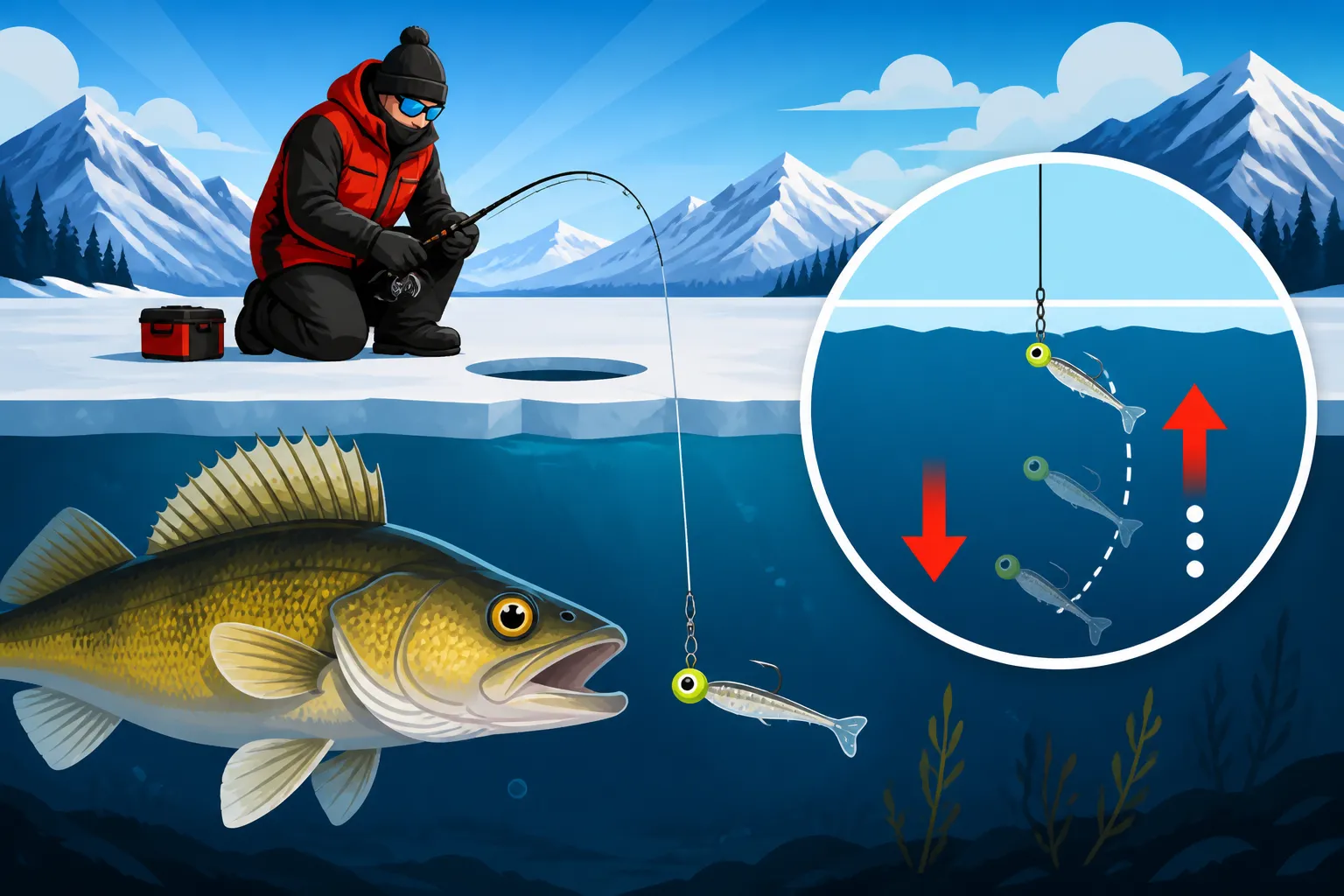
Vertical jigging is perhaps the most popular and effective technique for winter walleye. This involves dropping a lure directly below your hole and working it with subtle movements. Spoons are a classic choice, mimicking baitfish with their flash and wobble. Popular choices include Swedish Pimples, Johnson Silver Minnows, or Northland Buck-Shot Rattle Spoons. Jigging Rapalas or similar lipless crankbaits are also incredibly effective, diving and darting with each lift. For a more subtle approach, try a small lead-head jig tipped with a minnow head, a full minnow, or a soft plastic tail. The key is often a slow, deliberate retrieve, with pauses that allow the fish to inspect the lure. Experiment with jigging height and cadence; sometimes a high rip and a long pause is best, other times, tiny twitches near the bottom will coax a bite. This is the cornerstone of How to Catch Walleye in Alberta during winter.
| Lure Type | Description & Best Use | Target Depth Range | Retrieve Style |
|---|---|---|---|
| Jigging Spoons | Mimics baitfish, flash attracts from a distance. Good for active fish. | Mid-water to Bottom | Sharp lifts, controlled drops, sometimes subtle shakes. |
| Jigging Raps | Lipless crankbait action, darts and glides. Excellent for triggering reaction bites. | Mid-water to Bottom | Aggressive rips, long pauses, snaps. |
| Lead Head Jigs | Finesse presentation, often tipped with live bait or soft plastic. For finicky fish. | Bottom | Slow lifts, small hops, subtle quiver, deadsticking. |
| Vibrating Baits | Rattling sound attracts fish, strong vibration. Good for stained water or aggressive bites. | Mid-water to Bottom | Steady retrieve, pauses, sharp snaps. |
Deadsticking for Finicky Bites
Often, the most effective technique isn't active jigging at all, but rather a more passive "deadstick" approach. This involves setting up a second rod (where regulations allow) with a simple hook, split shot, and a live or salted minnow suspended just off the bottom or at the depth where you're seeing fish on your sonar. The rod is placed in a holder, and you let the minnow do all the work. Walleye, particularly when lethargic, will often prefer an easy meal that doesn't require much chase. Many times, you'll be actively jigging with one rod and a walleye will come in and hit your deadstick, barely moving the rod tip. This passive approach can be especially effective during those slower, mid-day periods or when fish are following your jig but refusing to commit. A tip-up can also be used for this purpose, signalling a bite with a flag.
Understanding Presentation and Baits
Winter walleye are often sight feeders, but they can be incredibly picky. Sizing down your presentation is often key. While you might throw a large spoon in summer, often a 1/8 to 1/4 ounce jigging spoon or Rapala is more appropriate in winter. Color can also play a role, with natural baitfish patterns, silver, gold, and glow colors being common favourites. "Glow" lures are particularly effective in deeper or stained water, as they provide a visible target. Tipping your jigging lures with a minnow head, a piece of a soft plastic, or even a specialized scent can drastically increase your hook-up ratio. The added scent and natural profile can entice reluctant biters. Always be ready to adapt; if they're ignoring one presentation, switch it up. Perhaps a change in Best walleye lures for Lesser Slave Lake in summer won't apply directly here, but the principle of matching the hatch (or available forage) remains true, even through the ice.
Maximizing Your Chances and Staying Safe
Beyond the immediate techniques, a few broader strategies and safety considerations will set you up for success and ensure you have a good, safe time on the ice.
Hole Placement and Spacing
Don't be afraid to drill multiple holes, especially when exploring a new area or trying to pattern fish. Walleye often move in schools or pods, and one hole might be dead while another just 10 feet away is hot. If you're marking fish on your sonar but they aren't biting, try moving a few yards in any direction; a slight depth change or a different piece of structure could be the key. When fishing with friends, spread out your holes to cover more water, but ensure you maintain safe distances, especially with multiple augers running. Communication is key if someone finds a hot spot, but respect the unwritten rule of not crowding another angler's hole. If you're on a productive lake, consider reading up on general Ice Fishing in Alberta practices for a broader understanding of best access points and popular zones.
Catch and Release Best Practices
While winter walleye are delicious, proper catch and release practices are essential, especially for larger breeding-size fish. Have a long-nosed pliers or a jaw spreader ready to quickly unhook fish, minimizing their time out of the water. Avoid exposing fish to extremely cold air for extended periods, as this can cause frostbite on their gills and eyes. Handle them gently, supporting their full body weight, and release them headfirst down the hole to help them reorient. For walleye, a quick measure for Alberta walleye daily limit and a photo is fine, but prioritize getting them back in the water if you're not keeping them for dinner.
Adapting to Conditions and Staying Mobile
Winter conditions can change rapidly in Alberta. Be prepared for temperature swings, wind, and varying ice conditions. Dress in layers, stay hydrated, and bring plenty of snacks. Mobility is often key to success. Don't sit on a dead spot for too long. If your electronics aren't showing fish and you've tried different presentations, it's time to move and drill more holes. Sometimes, moving just 50 yards can put you on a whole new school of fish. Keep your auger sharp, your sled organized, and be ready to pick up and move at a moment's notice. Investing in a good Best ice auger for panfish holes (which can certainly be used for walleye) or an Best ice hut for a family outing can make those moves much more comfortable and efficient. Remember, the fish are rarely waiting for you in one spot all day, you have to find them.
Disclaimer
This article is for general informational purposes only and does not constitute professional advice. Laws, prices and regulations vary by location and change over time. Consult a qualified professional for guidance on your specific situation.