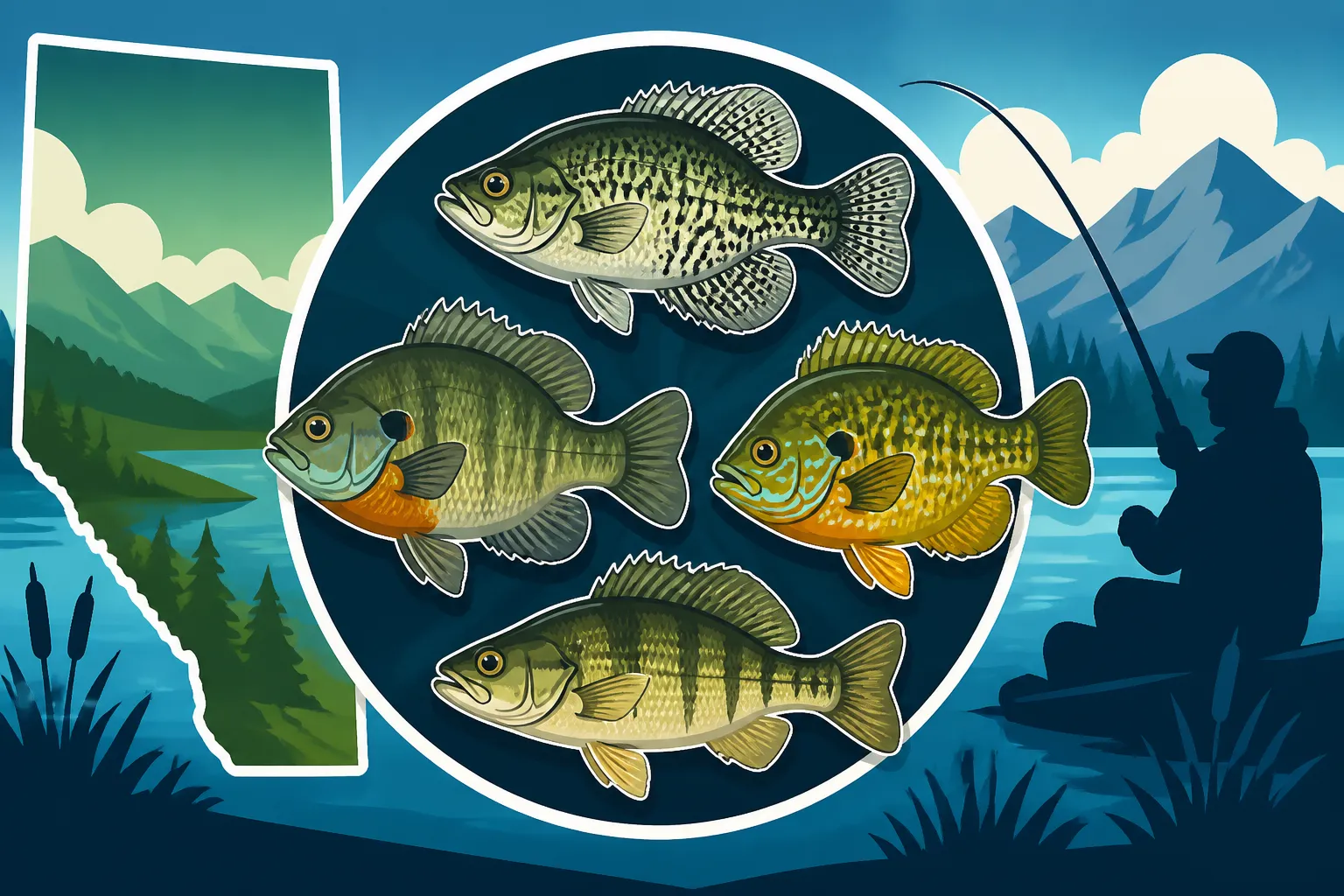
Panfish Species Identification Guide for Alberta
There's nothing quite like the simple pleasure of catching panfish in Alberta. They might not always be the biggest fish in the lake or river, but their sheer abundance, willingness to bite, and delicious table fare make them a fantastic target for anglers of all ages and skill levels. However, sometimes it can be a bit confusing trying to figure out exactly what you've reeled in, especially when several species share similar characteristics or habits. This comprehensive guide is designed to help you confidently identify the common panfish species you'll encounter in Alberta's diverse waters, ensuring you know exactly what you've caught and how to follow those all-important regulations.
What Exactly Are Panfish in Alberta?
The term "panfish" is one of those wonderfully informal names in fishing that perfectly describes the experience. It conjures up images of a successful day on the water, with a stringer full of fish destined for the frying pan. In Alberta, while we might not have the same variety of sunfish and crappies as some southern regions, we have our own fantastic array of species that fit this beloved category.
Defining the Term 'Panfish' for Alberta Anglers
Generally speaking, "panfish" refers to smaller freshwater fish that are typically caught for eating and are small enough to be cooked whole in a pan. They are often abundant, relatively easy to catch, and provide excellent sport, especially for beginners or when the bigger trophy fish are proving elusive. For us here in Alberta, the primary species that fall squarely into the panfish category are Yellow Perch, with Lake Whitefish and Mountain Whitefish also fitting the bill for many anglers due to their size and widespread availability. Even Burbot, while perhaps not traditionally thought of as a panfish in the same way as perch, are often caught in similar quantities and can certainly end up in the pan, especially during ice fishing season. It's really about that accessibility and the joy of a high-action fishing experience.
Why Panfish are Such a Popular Target
Panfish are truly the unsung heroes of Alberta fishing. They're accessible, often found in good numbers, and don't typically require highly specialized gear or advanced techniques, making them ideal for a relaxed day on the water with family. Imagine taking your kids out to a local pond or lake; the likelihood of them hooking into a feisty perch or a plump whitefish is incredibly high, providing that instant gratification that fuels a lifelong love for angling. Plus, let's be honest, few things beat a fresh meal of pan-fried fish after a successful day. They're also a fantastic way to hone your skills, practice casting, and learn to "read" the water without the pressure of chasing that once-in-a-lifetime monster. For many of us, panfish are where our fishing journey began, and they remain a cherished target throughout our angling lives.
Yellow Perch: The Ubiquitous Alberta Panfish
If there's one fish that defines panfishing in Alberta, it has to be the Yellow Perch. These lively, striped beauties are found in countless lakes and ponds across the province, providing endless opportunities for fun and delicious meals. They're often the first fish a new angler catches, creating memories that last a lifetime.
Identifying Yellow Perch
Yellow perch are pretty distinctive, which makes them relatively easy to identify once you know what to look for. Their most notable feature is their vibrant, brassy yellow to golden-yellow body, adorned with 6 to 8 dark, vertical bars that extend from their back to below their lateral line. These bars can sometimes fade a bit in darker, tannin-stained waters, but they're almost always present. They have two dorsal fins, with the first one being spiny and the second soft-rayed. Look for those bright orange or reddish pelvic and anal fins, especially when they're fresh out of the water. Their body shape is somewhat elongated but also robust, with a slightly humped back. They typically range from 6 to 12 inches in length in Alberta, though you might occasionally stumble upon a true jumbo pushing 14 inches or more. Knowing how to identify Yellow Perch in Alberta Lakes is a fundamental skill for any angler here.
Where to Find Yellow Perch in Alberta
Yellow perch are incredibly adaptable and can thrive in a wide variety of habitats, which is why they are so widespread. In Alberta, you'll find them in many of our prairie and parkland lakes, reservoirs, and even some slower-moving rivers. They prefer clear to moderately turbid water, often associated with weed beds, submerged timber, and other forms of structure that offer both cover and feeding opportunities. During the warmer months, they tend to hang around the edges of weed lines in shallower water, especially during dawn and dusk. As temperatures drop in the fall and winter, they'll often move to deeper basins, congregating in schools near drop-offs and humps. This makes them a prime target for ice fishing, as their schooling behavior can lead to fast and furious action once you locate them. If you're looking for Panfish Fishing in Alberta, chances are you'll be targeting perch.
Fishing for Yellow Perch: Tips and Techniques
Catching yellow perch is usually pretty straightforward, which is part of their charm. They're opportunistic feeders, meaning they'll hit a variety of baits and lures. Small jigs tipped with a piece of worm, minnow, or even a specialized soft plastic lure are incredibly effective. You can also use small spoons, spinners, or simply a hook with a worm under a bobber. Light tackle is key – a light action rod with 4-6 pound test line will give you the best feel for their often subtle bites and make even smaller perch feel like a trophy. When you find one perch, chances are there are many more, so stick around and keep dropping your line. You can find a fantastic selection of small jigs and soft plastics perfect for perch fishing on platforms like Amazon, and don't forget to check out user reviews for what's working best for other anglers in your area. For more detailed advice, read up on Best Techniques for Panfish in Alberta.
Lake Whitefish: A Lesser-Known Panfish Delight
While not as visually striking as a yellow perch, the Lake Whitefish is another fantastic panfish that often goes overlooked by recreational anglers in Alberta. These fish are renowned for their firm, flaky, and exceptionally tasty flesh, making them a true culinary treat.
Identifying Lake Whitefish
Lake Whitefish have a distinctive, somewhat torpedo-shaped body that is silvery, often with a hint of green or olive on the back, fading to white on their belly. They possess a small, almost beak-like mouth that is underslung, meaning it's located below the snout, a key identification feature. This mouth shape is perfectly adapted for bottom feeding, as they primarily forage for insects, crustaceans, and mollusks on the lakebed. They have a small, fatty adipose fin between their dorsal and caudal (tail) fins, which is characteristic of the salmon family to which they belong. Their scales are relatively large, and their fins are generally clear or slightly dusky. They can grow larger than yellow perch, with specimens in Alberta often ranging from 1 to 5 pounds, though much bigger ones are certainly out there. Knowing their distinct features helps in correctly identifying Lake Whitefish in Alberta Lakes.
Habitat and Habits of Lake Whitefish
Lake Whitefish are primarily found in the cooler, deeper waters of larger lakes and reservoirs across Alberta. They prefer clean, oxygen-rich environments and are often associated with deeper flats, humps, and points, especially those with a gravel or sandy bottom where their preferred food sources reside. Unlike perch, which often relate to weed beds, whitefish are typically found patrolling the open water or just off the bottom in deeper areas. They are more active during cooler water temperatures, making them a prime target in spring, fall, and particularly during the ice fishing season. Their schooling behavior means that once you locate a school, you can often experience excellent fishing. They're generally shy biters, which adds to the challenge and reward of catching them.
Techniques for Catching Lake Whitefish
Catching Lake Whitefish usually requires a bit more finesse than perch fishing, but it's incredibly rewarding. Since they are primarily bottom feeders, techniques that present bait or lures near the lakebed are most effective. Small jigs, teardrops, or tiny spoons tipped with maggots, wax worms, or a small piece of shrimp are excellent choices, often fished on a very light line (2-4 pound test). During ice fishing, a technique called "jigging" is very popular, where you rapidly jig your lure just above the bottom, often attracting them with the commotion. They often take the bait very subtly, so a sensitive rod and a keen eye for slight line movements are crucial. Many anglers will use a fish finder to locate schools of whitefish suspended off the bottom. You can find specialized ultra-light ice fishing rods and sensitive lines perfect for whitefish on sites like Amazon, which also offers a good range of micro-jigs and bait options.
Mountain Whitefish: The River Panfish
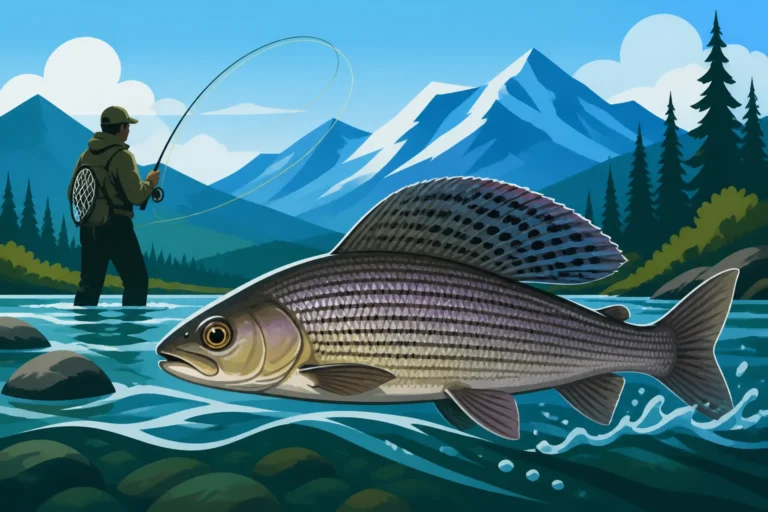
Moving from the still waters of lakes to the flowing currents of rivers, we encounter the Mountain Whitefish. These agile, silvery fish are a staple in many of Alberta's cold-water rivers and provide excellent light-tackle sport, especially for those who enjoy stream fishing.
Identifying Mountain Whitefish
Mountain Whitefish are often confused with their lake-dwelling cousins, but there are some key differences. They share the same silvery, somewhat streamlined body and the characteristic small, underslung mouth. However, they are typically more slender and cigar-shaped than Lake Whitefish, reflecting their life in moving water. They also possess that tell-tale adipose fin. Their scales can appear larger and more prominent, and their coloration is often a brighter silver, sometimes with a faint olive tint on the back. While they don't grow as large as the biggest Lake Whitefish, they provide a spirited fight on light tackle. In Alberta, most Mountain Whitefish caught by anglers will be in the 10 to 18-inch range. Being able to distinguish them is important, and learning about Mountain Whitefish in Alberta Rivers helps a lot.
Riverine Habitats and Behavior
True to their name, Mountain Whitefish thrive in the clear, cold, well-oxygenated waters of mountain and foothill rivers and streams across Alberta. You'll often find them in moderate to fast currents, congregating in deeper pools, runs, and eddies behind large rocks or logjams. They are less tolerant of warm water than many other species, which is why they are typically found in the upper reaches of river systems. Like Lake Whitefish, they are bottom feeders, primarily consuming aquatic insects, larvae, and small crustaceans that drift by in the current or are found on the riverbed. They are active throughout the year, including under the ice in winter, and are often caught incidentally by trout anglers.
Angling for Mountain Whitefish
Fishing for Mountain Whitefish is a delightful experience, often done with lightweight spinning gear or even a fly rod. Given their diet of aquatic insects, fly fishing with nymphs and small wet flies can be incredibly effective. For spin anglers, small jigs tipped with bait (like a piece of worm or grub), small spinners, or tiny spoons fished along the bottom in deeper runs are excellent choices. A light leader and sensitive rod are beneficial to detect their subtle takes in the current. They're often found in the same waters as trout, so anglers targeting rainbows or cutthroats frequently hook into whitefish as well. They put up a respectable fight for their size, especially in the current, and are a very welcome addition to the cooler for those who appreciate their mild, flaky flesh. You'll find a wide selection of suitable lures and sensitive fishing lines for stream fishing on online retailers, including Amazon, where you can often compare different brands and reviews.
Burbot: The "Freshwater Cod" You Might Not Expect
When you think "panfish," the slithery, mottled Burbot might not be the first fish that comes to mind. But hear me out: these unique fish are fantastic table fare, abundant, and incredibly fun to catch, especially through the ice, making them a honorary panfish in many anglers' books here in Alberta.
Identifying Burbot
Burbot are truly unique in appearance, often likened to a freshwater cod (they are, in fact, the only freshwater member of the cod family). They have a long, elongated, snake-like body with a flattened head and a single, prominent barbel (whisker) on their chin. Their coloration is typically a mottled pattern of olive, brown, and yellowish spots and blotches over a lighter background, providing excellent camouflage against the lake bottom. They have two dorsal fins, with the second being very long, almost reaching their rounded caudal fin. Their skin is smooth and slimy, lacking the prominent scales of many other fish. Burbot can grow quite large, but most anglers catch them in the 1 to 5-pound range, a perfect "pan-size." You can find more detail on Burbot in Alberta Lakes to help with identification.
Burbot Habitat and Nocturnal Nature
Burbot are primarily found in the deeper, cooler waters of large lakes and reservoirs across Alberta, though they can also inhabit some larger rivers. They are benthic fish, meaning they live on or near the bottom, preferring areas with soft, muddy substrates, rock rubble, or submerged timber where they can hide and ambush prey. What makes burbot particularly interesting is their highly nocturnal nature. While you can catch them during the day, your chances skyrocket after dark, especially during ice fishing season. This makes for a unique and exciting fishing experience, often under the stars or the glow of headlamps. They become particularly active in winter, making them a prime target for ice anglers.
Tips for Landing Burbot
Fishing for burbot, especially through the ice at night, is a popular winter pastime. They are aggressive predators, feeding on other fish, insects, and crustaceans. Techniques involve fishing baits or lures near the bottom, often with a glow-in-the-dark jigging spoon or a heavier jig tipped with a dead minnow, herring, or even a piece of cut fish. Because of their nocturnal habits, many anglers set up camp with portable shelters, heaters, and lights for an all-night fishing adventure. Using a fish finder can help locate them on the bottom, as they often hug the contours. When you hook a burbot, be prepared for a strong, sometimes sluggish fight. Remember their slimy skin and chin barbel for identification. If you're looking for specialized night fishing lights or cold-weather gear for a burbot expedition, you'll find a range of options and expert reviews to help you choose wisely on platforms like Amazon. For comprehensive details, check out How to Catch Burbot Through the Ice.
Other Panfish-Like Species You Might Encounter
While Yellow Perch, Lake Whitefish, Mountain Whitefish, and Burbot are the main players in Alberta's panfish scene, our diverse waterways sometimes yield other species that might fit the bill for opportunistic anglers looking for a meal or just some fun action.
Goldeye and Sauger: Prairie River Dwellers
Out on the big prairie rivers, you might encounter Goldeye or Sauger, both of which are excellent eating and offer good sport on light tackle.
Goldeye: These are beautiful, silvery fish with large, golden eyes, giving them their distinctive name. They are relatively thin-bodied and fast-moving, often found in turbid, slow-moving prairie rivers and larger lakes. They strike aggressively at small spoons, spinners, or flies, and are particularly known for their jumping ability when hooked. While not a traditional "panfish" in the same vein as perch, their size and excellent taste make them a highly sought-after species by those who know them. They typically range from 12-18 inches in length. Learn more about Goldeye in Alberta Rivers.
Sauger: Often mistaken for walleye, sauger are another fantastic eating fish found in some of Alberta's larger river systems, particularly the South Saskatchewan, Red Deer, and North Saskatchewan Rivers. They share the walleye's elongated body shape but are distinguishable by the distinct black spots on their dorsal fins, a more mottled brown-gold coloration, and usually a lack of the white tip on the lower caudal fin lobe that walleye possess. Sauger generally don't grow as large as walleye, making them a perfect pan-sized target. They prefer turbid water and often hug the bottom, striking at jigs, crankbaits, or minnows. Knowing the differences is crucial; check out Sauger Identification and Habits.
What About Invasive Panfish?
It's crucial to be aware of the potential for invasive species, even those that might appear "panfish-like." Invasive species can outcompete native fish for food and habitat, disrupt ecosystems, and introduce diseases. While many of our panfish are native or well-established, vigilance is key. If you ever catch a fish you cannot identify, or that looks out of place, it's best to take a photo, release it carefully (if regulations allow and it's not a prohibited invasive species), and report it to Alberta Environment and Protected Areas. Never transport live fish between water bodies. This responsible angling practice helps protect Alberta's precious aquatic ecosystems for future generations.
Panfish Species Comparison Table for Alberta
To help you quickly distinguish between some of Alberta's most common panfish species, here's a handy comparison table.
| Feature | Yellow Perch | Lake Whitefish | Mountain Whitefish | Burbot | Goldeye | Sauger |
|---|---|---|---|---|---|---|
| Body Shape | Robust, somewhat elongated, slightly humped back | Torpedo-shaped, deep-bodied | Slender, cigar-shaped | Long, snake-like, flattened head | Thin, elongated, compressed | Elongated, slender, similar to walleye |
| Coloration | Brassy yellow, 6-8 dark vertical bars, reddish fins | Silvery, greenish/olive back, white belly | Bright silvery, faint olive tint on back | Mottled olive/brown/yellow over lighter background | Silvery, dark back, golden eyes | Mottled brown/gold, darker blotches |
| Mouth | Terminal (front of snout) | Small, underslung (below snout) | Small, underslung (below snout) | Large, terminal, prominent chin barbel | Large, terminal, upturned | Terminal, sharp teeth |
| Dorsal Fins | 2, first spiny, second soft | 2, small adipose fin present | 2, small adipose fin present | 2, second very long, almost to tail | 1, far back on body | 2, first spiny (with distinct spots), second soft |
| Habitat | Weedy lakes, ponds, slow rivers | Cool, deep lakes, reservoirs | Cold, clear mountain rivers | Deep, cool lakes, reservoirs, large rivers | Turbid, slow prairie rivers, large lakes | Turbid, large rivers, deeper channels |
| Typical Size | 6-12 inches | 1-5 lbs (can be larger) | 10-18 inches | 1-5 lbs (can be larger) | 12-18 inches | 10-20 inches |
| Eating Quality | Excellent (firm, flaky) | Excellent (firm, flaky, mild) | Excellent (firm, flaky, mild) | Excellent (firm, white, mild, "freshwater cod") | Good (distinctive, often smoked) | Excellent (firm, flaky, mild) |
Remember that bag and possession limits vary by species and zone, so always check the current Alberta Bag and Possession Limits by Species before you head out. Enjoy the diverse panfishing opportunities Alberta has to offer!
Disclaimer
This article is for general informational purposes only and does not constitute professional advice. Laws, prices and regulations vary by location and change over time. Consult a qualified professional for guidance on your specific situation.