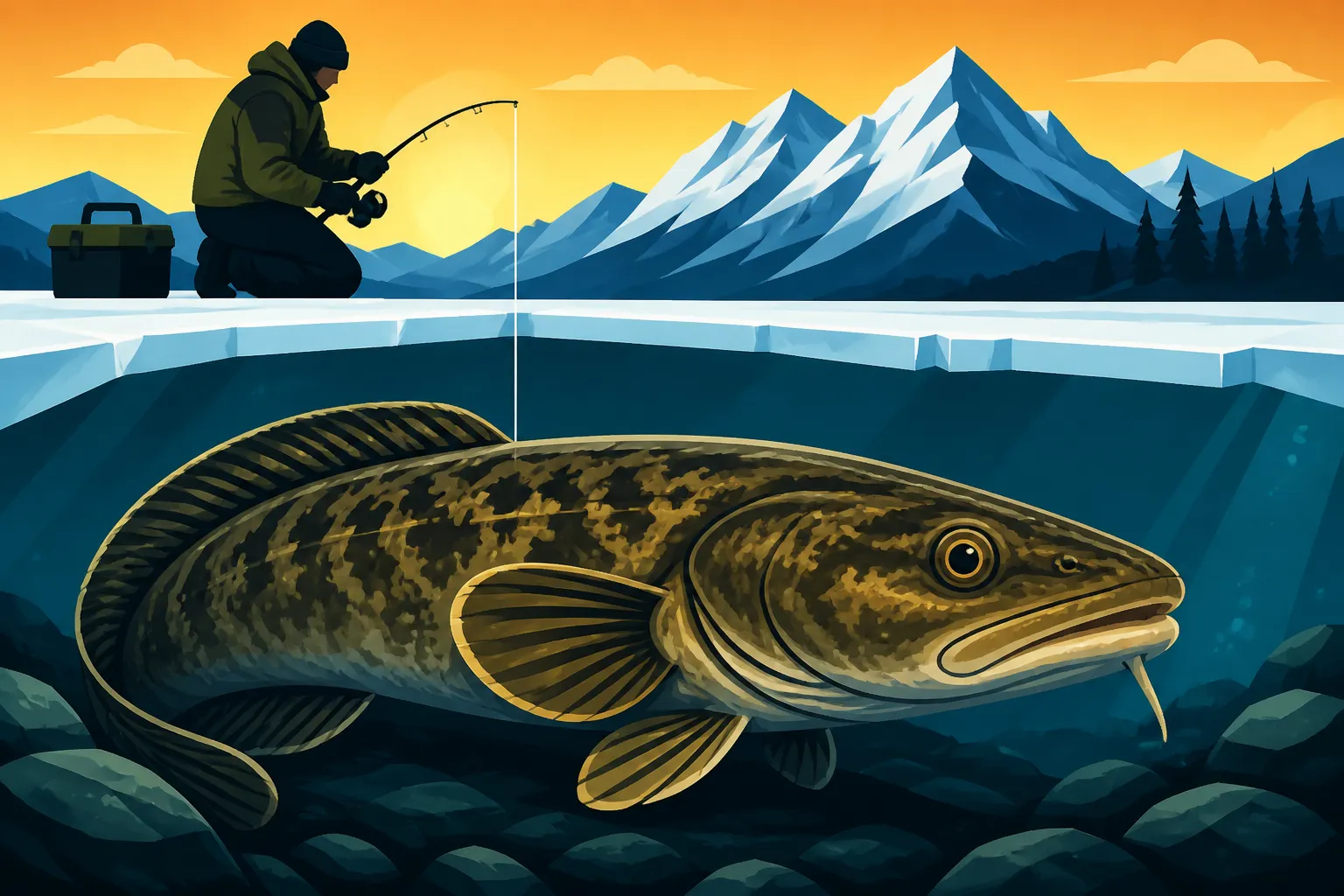
Burbot in Alberta Lakes
For many Alberta anglers, the burbot is a bit of a mystery. Often mistaken for other species or simply overlooked due to its nocturnal and bottom-dwelling habits, this unique fish offers a rewarding challenge and a delicious meal. If you've ever wondered what these freshwater "cod" are all about, where to find them, and how to successfully bring one to the ice, this guide is here to shed light on one of Alberta's most intriguing aquatic residents.
Unmasking the Burbot: Alberta's Freshwater Cod
Let's be honest, the burbot isn't going to win any beauty contests in the fishing world. Its somewhat snake-like body, mottled skin, and single whisker (barbel) hanging from its chin give it a distinctive, almost prehistoric appearance. But don't let its looks deceive you; beneath that unusual exterior lies a fascinating fish with a unique place in Alberta's ecosystems and a reputation for surprisingly tasty white flesh. Often called "freshwater cod" due to its culinary qualities and a faint resemblance to its saltwater cousins, the burbot is truly one-of-a-kind.
Identifying the Elusive Eel-Like Fish
When you pull a burbot through the ice or up from the depths, you'll immediately notice a few key features that set it apart. They have a long, slender body that tapers towards the tail, giving them that characteristic eel-like appearance. Their skin is smooth, not scaly like a pike or walleye, and usually mottled with dark brown, olive, and cream patterns, providing excellent camouflage against rocky or muddy lake bottoms. The coloration can vary greatly depending on the water clarity and substrate of the lake they inhabit, often making them blend in perfectly with their surroundings.
The most distinguishing feature, without a doubt, is that single, prominent barbel protruding from their lower jaw. This sensory organ helps them forage for food in low light conditions and murky waters, much like a catfish's whiskers. Their dorsal fins are quite different from other species as well: they have two distinct dorsal fins, with the second one being exceptionally long, extending almost to the tail. The anal fin is similarly long, running along the underside of their body. Their pelvic fins are positioned forward, almost under their chin, adding to their unique profile. If you're ever in doubt about a strange-looking fish, key in on these specific characteristics, especially that single chin barbel. To get a better visual, you can check out resources on What burbot look like and where they live.
Dispelling Common Misconceptions: Burbot vs. Other Species
It's not uncommon for novice anglers, or even seasoned ones in a hurry, to misidentify a burbot, especially in the low light of an ice fishing hut or when battling a fish at the side of a boat. The most frequent confusion seems to be with other bottom-dwelling fish or even species that share similar habitat. However, a quick look at the identifying features will clear things right up.
One common mix-up is with a snake or eel, but of course, burbot are fish with fins and gills. More legitimately, they might be confused with a small pike due to the elongated body, but pike have prominent scales, sharp teeth, and a completely different head shape without the chin barbel. Sometimes, due to their white, flaky flesh, they're loosely compared to walleye, but again, the physical characteristics are vastly different. Walleye have distinct spiny and soft dorsal fins, larger eyes adapted for low light, and no chin barbel. Burbot are truly in a league of their own among Alberta's fish species. Understanding these differences isn't just for identification; it's crucial for understanding the regulations, as bag limits and season dates can vary significantly between species.
Here's a quick comparison to help you tell them apart:
| Feature | Burbot | Northern Pike | Walleye |
|---|---|---|---|
| Body Shape | Eel-like, long, tapering | Elongated, cylindrical, duck-bill snout | Streamlined, somewhat compressed |
| Skin/Scales | Smooth, scaleless | Distinct scales | Distinct scales |
| Chin Barbel | Single, prominent barbel | None | None |
| Dorsal Fins | Two, second very long | One large dorsal fin, set far back | Two distinct dorsal fins (spiny & soft) |
| Coloration | Mottled brown, olive, cream | Green/yellow spots or bars on dark background | Olive/gold, dark saddles, white belly |
| Mouth/Teeth | Wide mouth, small, numerous teeth | Large mouth, very sharp teeth | Large mouth, prominent canine teeth |
| Preferred Habitat | Deep, cold lakes and rivers, bottom | Weedy areas, shallow to moderate depths | Structure, reefs, deep edges |
Where to Find Them: Prime Burbot Habitats in Alberta
Burbot are creatures of habit, and understanding their preferred environment is key to finding them. They are generally found in larger, deeper, and cooler lakes and rivers across Alberta, favoring specific conditions that cater to their unique biology. If you're aiming to catch these fascinating fish, knowing where to cast your line, or more accurately, drop your jig, will significantly increase your chances of success.
Deep, Cold Waters: The Burbot's Preferred Environment
Think about the burbot as Alberta's answer to the deep-sea dweller. They thrive in environments where the water remains cool, even cold, throughout the year. This means you'll typically find them in the deeper sections of lakes, often hugging the bottom where temperatures are stable and light penetration is minimal. During the warmer months, they retreat to these deeper, cooler zones to escape the heat, becoming less active and harder to target. This is why ice fishing is such a popular and effective method for them – the entire water column cools down, and they become more active and accessible.
Their preferred habitat often includes rocky structures, submerged reefs, and transition zones where soft bottom meets hard bottom. These areas provide cover, ambush points for their prey, and a steady supply of invertebrates and smaller fish to feed on. They are less common in shallow, weedy bays, which are often the domain of pike, or in very fast-moving, turbulent river sections. When you're scouting for burbot, look for those deep basins, humps, and drop-offs shown on your sonar or lake maps. Understanding these preferences is a huge step in successful Burbot Fishing in Alberta.
Top Alberta Lakes for Burbot Encounters
Alberta is blessed with numerous lakes that hold healthy populations of burbot. While they might not be as widely distributed or as sought after as walleye or pike, there are certainly prime locations where you can specifically target these "livers of the lake."
One of the most renowned burbot hotspots is Lesser Slave Lake. This massive northern lake offers vast expanses of deep, cold water perfect for burbot. Anglers consistently report good catches, particularly during the ice fishing season. The lake's abundant forage base also contributes to healthy, good-sized burbot populations. You can dive deeper into specific tactics for this lake in guides like Lesser Slave Lake Burbot Fishing.
Other notable lakes include Cold Lake, a deep, clear body of water on the Alberta-Saskatchewan border, known for its incredible lake trout fishing, but also for its healthy burbot numbers in its deeper reaches. Lake Athabasca, another immense northern lake, also offers excellent opportunities for burbot, though its sheer size can make finding them a challenge without local knowledge or good electronics. Smaller, but still productive, lakes like Pigeon Lake and Lac La Biche also have burbot, often found in the deeper channels and holes. When considering where to go, always check the Best Lakes for Burbot in Alberta for the most up-to-date information and local insights. Remember, while these lakes are known for burbot, always verify current regulations for specific zones and species before heading out.
Cracking the Code: Best Times and Techniques for Catching Burbot
Catching burbot isn't always about luck; it's about understanding their habits and employing the right strategies. Because they are primarily nocturnal and prefer deeper, colder water, your approach needs to be tailored to these tendencies. Many anglers consider burbot a prime target during the winter months, and for good reason.
Ice Fishing: The Ultimate Burbot Pursuit
Without a doubt, ice fishing is hands-down the most popular and effective way to target burbot in Alberta. As the ice thickens, the entire lake cools down, bringing burbot out of their deepest summer retreats and making them more active throughout the water column, especially near structures where prey might gather. The fact that burbot spawn under the ice in late winter also contributes to their increased activity and catchability during this period.
When ice fishing for burbot, patience is a virtue, but so is being prepared. You'll want to target those deep transition areas or flats adjacent to significant drop-offs that we discussed earlier. Look for depths ranging from 20 to 60 feet, sometimes even deeper, depending on the lake. Setting up a few lines across a potential burbot highway can increase your odds. Popular choices include sturdy ice fishing rods with strong line, as burbot can put up a surprisingly good fight, especially larger specimens. Many anglers choose heavier setups than they might use for walleye, just to be safe. For more specialized techniques, you can explore resources like Jigging for Burbot Through the Ice and How to Catch Burbot Through the Ice.
Baits, Lures, and Strategies for Success
Burbot are opportunistic feeders, so your bait and lure choices should reflect that. They have an excellent sense of smell, which is a huge advantage in the dark, murky environments they inhabit. This makes scent a critical factor in attracting them.
Baits: The undisputed king of burbot baits is cut bait, particularly oily fish like herring, smelts, or even pieces of a dead minnow. The stronger the scent, the better. Many anglers will "sweeten the deal" by adding a dollop of commercially available fish attractant or even a bit of fish guts to their cut bait. Small chunks of raw shrimp or calamari can also be incredibly effective. For those who prefer a more natural approach, a live minnow hooked through the back or lips can also entice a strike.
Lures: While bait is often primary, lures play a crucial role, especially when jigging. Heavy jigging spoons, like Northland Buck-Shot Rattle Spoons or Swedish Pimples, are excellent choices. The key is to tip them with a piece of cut bait to combine attraction with scent. Glow-in-the-dark lures are also incredibly popular and effective, as the light emitted can help burbot locate your presentation in the dark depths. You can find a wide array of these effective baits and lures online, with many anglers frequently browsing options on Amazon to stock up for their next trip. Make sure your tackle box includes some heavier jigs and spoons, often in the 1/2 to 1 ounce range, to ensure they get down to the bottom quickly in deep water. You can learn more about specific presentations in Best Jig for winter burbot through the ice.
Strategies: Once your bait or lure is on the bottom, the technique is often a slow, methodical jigging motion. Lift your rod tip a foot or two, let the lure fall, and allow it to hit the bottom, kicking up a puff of silt. This mimics a foraging baitfish and often gets the attention of nearby burbot. Periodically, lift your bait a foot or two off the bottom and hold it steady for a few minutes before repeating the jigging motion. Don't be afraid to leave your bait stationary for extended periods – burbot aren't always aggressive, fast strikers. They might just mouth the bait, so a soft tip rod can help detect those subtle takes.
Night Fishing for the Nocturnal Hunter
Here's the secret weapon for burbot fishing: embrace the night. As nocturnal predators, burbot become significantly more active after dusk. This is when they venture out from their daytime hiding spots to feed, making evening and nighttime ice fishing highly productive. It's a different kind of angling experience, often peaceful and starry, but requires careful planning for safety and comfort.
When heading out for a night session, safety is paramount. Always let someone know where you're going and when you expect to return. Bring a reliable headlamp (a spare is always a good idea!) to navigate the ice and see your line, and make sure you have adequate lighting inside your ice hut. A portable heater is also essential for those long winter nights. Setting up your gear before sunset will save you a lot of fumbling in the dark. Many anglers use tip-ups or dead sticks with bells for night fishing, allowing them to tend multiple lines while staying warm in a hut. The sound of a bell ringing in the quiet night is a thrill unique to burbot fishing. Just remember to always check Alberta Fishing Regulations Explained for rules on night fishing and maximum lines allowed.
Life Cycle and Behavior: Understanding Alberta's Burbot
To truly appreciate the burbot, it helps to understand its unique place in the aquatic ecosystem. These fascinating fish have a life cycle and behaviors that set them apart from most other species in Alberta's freshwater systems, influencing everything from when and where you find them to how they interact with their environment.
Spawning Habits and Conservation
One of the most remarkable aspects of burbot biology is their spawning ritual. Unlike most freshwater fish that spawn in the spring or fall, burbot are true winter spawners. They typically gather to reproduce under the ice from late December through March, with the peak often occurring in January and February. This makes them one of the few fish species that are actively reproducing during the coldest months of the year.
Burbot don't build nests; instead, they engage in communal spawning. Large groups of burbot will intertwine their bodies, forming a "spawning ball" as they release eggs and milt over sandy, gravelly, or rocky bottoms in relatively shallow to moderate depths. The eggs are non-adhesive and simply sink to the bottom. This unique winter spawning makes them particularly vulnerable to fishing pressure during this time. Understanding these habits is crucial for sustainable angling. Anglers targeting burbot, especially during the peak spawning window, should be mindful of their catch and adhere strictly to Alberta Bag and Possession Limits by Species to ensure these populations remain healthy for future generations. While not as high-profile as trout or walleye, burbot are an important part of the food web.
What Burbot Eat: Their Diet and Role in the Ecosystem
Burbot are primarily piscivores, meaning their diet largely consists of other fish. They are effective ambush predators, using their excellent sense of smell and their bottom-dwelling camouflage to their advantage. Their diet can vary depending on their size and the available prey in a particular lake, but generally includes a mix of invertebrates and smaller fish.
Young burbot will primarily feed on aquatic insects, crustaceans, and other small invertebrates found on the lake bottom. As they grow larger, their diet shifts to include more fish. Common prey items include minnows, cisco (lake herring), whitefish, perch, and even juvenile walleye or pike in some systems. This places them as an important predator in the deeper parts of many Alberta lakes, helping to regulate populations of other fish species. Their role as a deep-water scavenger also contributes to the overall health of the ecosystem, cleaning up carrion and maintaining ecological balance. Understanding their diet helps explain why cut bait and lures that mimic small fish are so effective at enticing them.
From Lake to Plate: Enjoying Burbot as a Food Fish
For many anglers, the burbot is not just a challenging catch; it's a delicious one. Despite its somewhat unappealing appearance, the burbot's firm, white, flaky flesh is often compared to lobster or scallops, making it a highly prized table fare. If you've never tried it, you're truly missing out on a unique culinary experience from Alberta's waters.
Cleaning and Preparing Your Catch
Cleaning a burbot is a bit different from cleaning a scaled fish, but it's not difficult once you get the hang of it. Their scaleless, slimy skin requires a specific approach. Many anglers find the easiest method is to "peel" the skin off rather than scale it.
Here’s a simple step-by-step process:
- Secure the Fish: Lay the burbot on a cleaning surface. You might want to nail its head down to a board or use a strong clamp to keep it from wiggling.
- Cut Around the Head: Using a sharp knife, make a circular cut just behind the pectoral fins, all the way around the body, but don't cut through the backbone.
- Score Down the Back: Make a shallow cut along the top of the backbone, from the head cut almost to the tail.
- Peel the Skin: Grab a corner of the skin near the head cut with a pair of pliers. Pull firmly and steadily towards the tail. The skin should peel off in strips, much like peeling a banana. This might take a few pulls from different angles.
- Fillet: Once the skin is off, you can fillet the burbot like any other fish, removing the flesh from the backbone. The flesh is very firm and holds its shape well.
- Remove the Y-Bone: Burbot have a Y-bone structure similar to pike, but it's generally much less pronounced and easier to deal with. Most people just cut around the small Y-bone section in the mid-body.
Properly cleaning your burbot ensures you get the best tasting fillets. Just like any catch, it's best to keep your burbot on ice if possible until you're ready to clean it, maintaining the quality of the flesh. Always respect the Alberta Burbot Limit and only keep what you intend to eat.
Cooking Burbot: Recipes and Flavor Profile
The flavor and texture of burbot are what truly make them stand out. Their meat is white, firm, and has a delicate, sweet flavor with no strong "fishy" taste. It truly does have a unique texture that many describe as similar to lobster or crab, especially when cooked correctly. This makes it incredibly versatile in the kitchen.
Popular Cooking Methods:
- Boiling/Steaming: This is perhaps the most classic way to prepare burbot, especially if you want to highlight that "poor man's lobster" comparison. Cut the fillets into bite-sized chunks and boil or steam them briefly until they turn opaque. Serve with melted butter for a truly simple yet exquisite treat. A touch of garlic and lemon can elevate the flavor even further.
- Frying: Lightly breaded or battered burbot fillets, fried until golden brown, are absolutely delicious. The firm flesh holds up well to frying, creating a crispy exterior and tender, flaky interior. Consider a simple dredge in seasoned flour or a light beer batter.
- Baking/Broiling: For a healthier option, baking or broiling burbot fillets with a squeeze of lemon, a pat of butter, and a sprinkle of herbs like dill or parsley is fantastic. They cook quickly and retain their moisture well.
- Fish Tacos: The firm, flaky texture makes burbot an ideal candidate for fish tacos. Simply fry or bake the fillets, then flake them into tortillas with your favorite toppings like cabbage slaw, salsa, and a creamy sauce.
Whether you're boiling them like lobster or frying them for a fish fry, burbot offers a culinary delight that will pleasantly surprise you. Don't let their looks fool you—this is one fish worth bringing home for the dinner table!
Disclaimer
This article is for general informational purposes only and does not constitute professional advice. Laws, prices and regulations vary by location and change over time. Consult a qualified professional for guidance on your specific situation.