Best eating fish species from Alberta lakes
You've just landed a beautiful catch from one of Alberta's pristine lakes, and that initial thrill is quickly followed by a natural question: "Is this fish good to eat?" It's a valid query, because not all fish are created equal when it comes to the dinner table. Some are prized for their delicate, flaky flesh, while others might have a stronger flavour or a more challenging bone structure. This guide is here to walk you through the top eating fish species found in Alberta's diverse lakes, helping you understand what makes them so delicious and how to get the most out of your catch.
Understanding What Makes a Fish "Good Eating"
Before we dive into specific species, it's helpful to understand what factors generally contribute to a fish being considered "good eating." It's not just about the species; environmental factors and how you handle your catch play a huge role.
Factors Influencing Fish Flavor and Texture
The taste and texture of a fish aren't just random; they're influenced by a whole host of things. Think about it: a fish living in clear, cold water, feasting on natural forage, is likely to taste different from one in warmer, murkier water with a different diet.
Firstly, diet is paramount. Fish that consume a varied diet of smaller fish, insects, or crustaceans generally develop a richer, more complex flavour. Conversely, fish that primarily eat algae or bottom-dwelling invertebrates might sometimes acquire an "earthy" or "muddy" taste, especially in warmer, shallower waters. Secondly, water quality and temperature are huge contributors. Cold, clear water often results in firmer, cleaner-tasting flesh. This is why fish from deep, cold northern Alberta lakes are often highly sought after. Warmer water can sometimes lead to softer flesh and a more pronounced flavour.
Then there's the fat content. Fattier fish like some lake trout can be incredibly delicious, especially smoked, as the fat carries a lot of flavour. Leaner fish, like walleye, tend to be milder and flakier. Finally, the age and size of the fish can matter. While a trophy-sized fish is exciting, smaller to medium-sized fish of many species often have the best flavour and texture for eating. Larger, older fish can sometimes develop tougher flesh or accumulate more contaminants, though this is less of a concern in Alberta's generally clean waters.
Personal Preferences and Preparation Methods
What one angler considers "good eating" another might find less appealing, and that's perfectly fine! Taste is subjective. Some folks love a super mild, white, flaky fish that practically melts in your mouth, while others prefer something with a bit more character and firmness. The beauty of Alberta's fishing diversity is that there's usually something for everyone.
The way you plan to prepare your fish also plays a role in what you might deem "best." Are you a pan-fry enthusiast, looking for that perfect golden crust? Then a firm, white-fleshed fish that holds up well in a hot pan is probably your ideal. Do you love to smoke fish? Then a species with higher fat content will absorb that smoky goodness wonderfully. Maybe you're into baking, grilling, or even making fish tacos; each method can bring out different qualities in your catch. For example, the "Y-bones" in a northern pike can be a deterrent for some, but with the right filleting technique or by grinding the meat for fish cakes, it becomes an incredibly tasty and versatile option. Understanding these nuances helps you appreciate the culinary potential of all your catches.
Top Eating Fish Species in Alberta Lakes
Alright, let's get down to the good stuff! While nearly all fish are edible, some consistently rank higher on the "delicious" scale for most anglers in Alberta.
Walleye: The Golden Standard
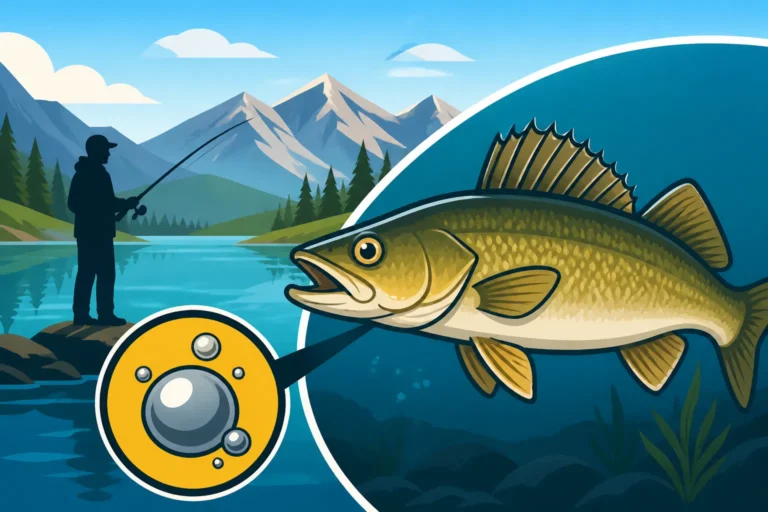
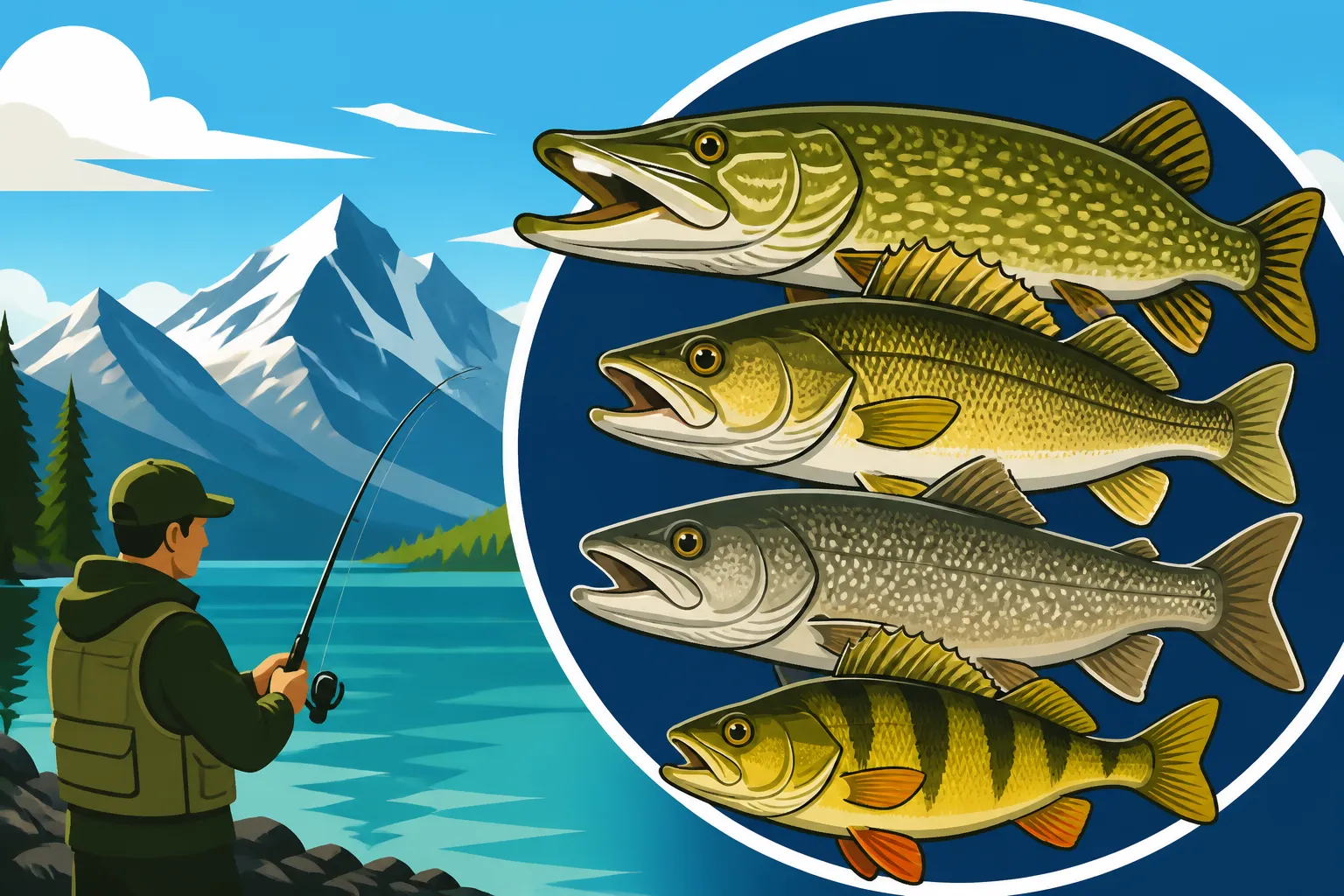
When you ask an Alberta angler what their favourite eating fish is, more often than not, the answer will be walleye. There's a reason for this widespread adoration! Walleye possess a delicate, white, flaky flesh that is incredibly mild in flavour, making it appealing to almost everyone, even those who claim not to be "fish eaters."
Their low fat content contributes to their clean taste and firm texture, which holds up beautifully to various cooking methods. Whether you pan-fry them with a light breading, bake them with herbs and lemon, or even grill them, walleye fillets consistently deliver a top-tier dining experience. They have very few bones, which are large and easy to remove, making filleting a straightforward process for even a novice. The ease of preparation combined with their exquisite taste firmly places walleye at the top of the list for best eating fish from Alberta lakes. If you're looking for where to find these delectable fish, check out our guide on Walleye Fishing in Alberta.
Lake Whitefish: A Hidden Gem
Often overshadowed by their flashier cousins, the lake whitefish are truly an underrated culinary treasure in Alberta. These fish typically inhabit the deeper, colder waters of many lakes and are often caught by anglers targeting other species, but don't let their less aggressive nature fool you – they are fantastic on the plate!
Lake whitefish have rich, delicate, and often quite oily flesh, especially those caught from larger, colder lakes. This higher fat content makes them absolutely superb for smoking, where their flavour becomes intensely savoury and complex. They also bake and grill wonderfully, with the fat keeping the meat moist and flavourful. While they do have fine bones, filleting them carefully yields beautiful, pearly white fillets. Their unique richness sets them apart, offering a different, yet equally rewarding, eating experience compared to the mildness of walleye.
Yellow Perch: Panfish Perfection
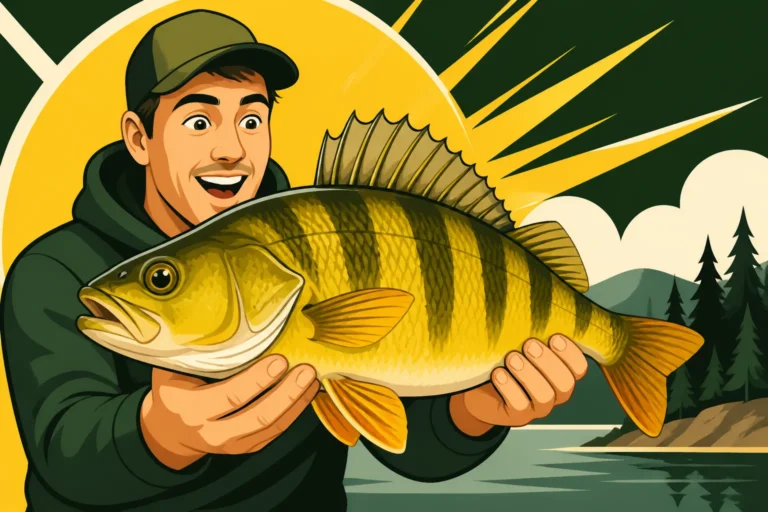
Don't let their smaller size fool you; yellow perch are absolute powerhouses of flavour and texture, especially when caught from clean Alberta lakes. Often referred to as "panfish" for their ideal size for a frying pan, these little dynamos offer sweet, firm, white flesh that is remarkably flaky.
They are incredibly popular for a reason: a plate of pan-fried perch fillets, lightly breaded and crispy, is pure comfort food. While filleting them can be a bit more fiddly due to their size, the effort is well worth it. Many anglers consider a meal of fresh perch to be among the finest lake fish dinners. Their prevalence in many of Alberta's lakes means they're often an accessible and delicious option for anglers of all skill levels. To learn more about where these tasty fish dwell, explore our guide on Yellow Perch in Alberta Lakes.
Northern Pike: A Treat If Prepared Right
Ah, northern pike! These aggressive predators get a bit of a bad rap from some folks who are intimidated by their infamous "Y-bones" or claim they have a "strong" taste. But let me tell you, with the right preparation, northern pike offer firm, white, incredibly flavourful flesh that can rival any other species. It's a true treat.
The key to unlocking the pike's culinary potential lies in understanding how to deal with those Y-bones. There are specific filleting techniques that allow you to remove them, yielding beautiful, boneless strips of meat. If filleting for boneless portions seems too daunting, many anglers grind the meat for delicious fish cakes, patties, or even fish and chips. When prepared correctly, pike has a mild, sweet flavour and a texture that holds up excellently to frying, baking, or grilling. Don't dismiss this fighting fish; embrace the filleting challenge, and you'll be rewarded with a delicious meal. Our comprehensive guide on Northern Pike Fishing in Alberta can give you tips on catching these great eating fish.
Fish with Good Eating Potential (with caveats)
Beyond the top-tier, there are several other Alberta lake fish that offer excellent eating, sometimes with a few considerations or specific preparation methods.
Burbot: The Freshwater Cod
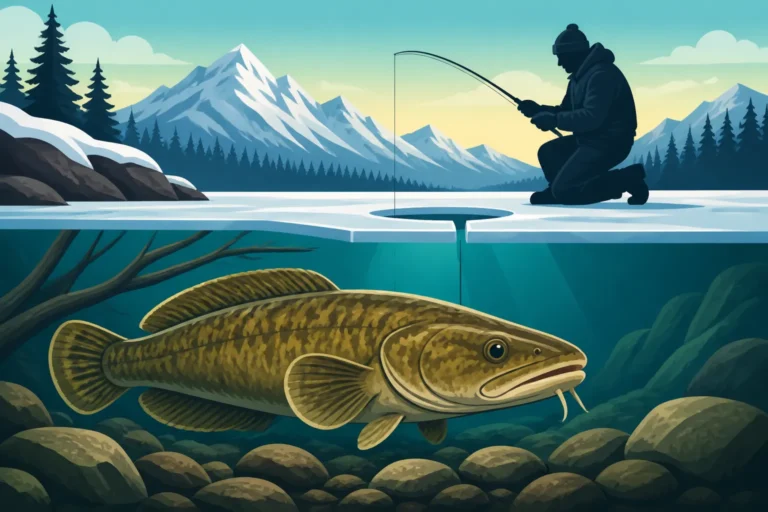
If you've never tried burbot, you're missing out on one of Alberta's most unique culinary experiences. Often caught during the ice fishing season, burbot are sometimes affectionately called "freshwater cod" due to the striking similarity of their delicate, flaky white flesh. They are truly delicious!
Burbot have a very mild flavour and a texture that is remarkably firm and moist, making them incredibly versatile. They are fantastic deep-fried, where the flesh cooks up light and crispy, but they also bake and poach beautifully. Some even describe their flavour as faintly lobster-like. Their skin is quite slimy, so most anglers skin them rather than scale them, which is an easy process. If you're venturing out for some winter angling, consider targeting these delicious fish. You can discover more about these intriguing creatures in our article Burbot Fishing in Alberta.
Lake Trout: Varies by Lake and Diet
Lake trout are magnificent fish, but their eating quality can vary quite dramatically depending on the specific lake they come from, their size, and their diet. Trout from deep, cold, clear lakes with a diet rich in protein (like cisco or other baitfish) often have firm, orange-pink flesh that is incredibly flavourful and rich, especially when smoked or baked.
However, lake trout from shallower, warmer lakes, or those with a diet high in bottom-dwelling organisms, can sometimes have softer flesh and a stronger, oilier flavour that some find less appealing. Larger, older lake trout tend to be fattier, which is great for smoking but can be overpowering for other cooking methods if not trimmed properly. For the best eating experience, aim for medium-sized lake trout from very cold, clean waters.
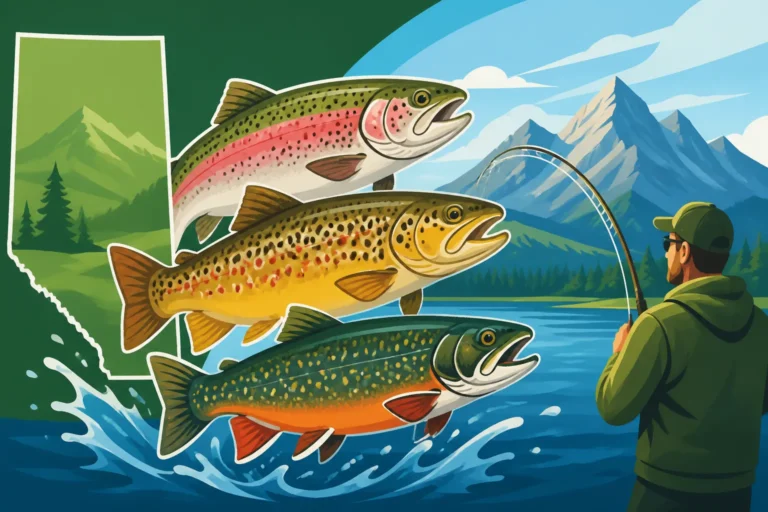
Rainbow Trout (Lake-Dwelling): Often Excellent
While many associate rainbow trout with stream fishing, lake-dwelling rainbows, especially those from stocked ponds and lakes, provide excellent eating opportunities. These fish generally have delicate, mild, pinkish flesh with a fine texture.
They are incredibly versatile in the kitchen, tasting fantastic pan-fried, baked, grilled, or even smoked. The flavour is typically clean and fresh, appealing to a wide range of palates. Because many of Alberta's lakes are stocked with rainbows, they are often an accessible and reliable source of delicious table fare.
Responsible Harvesting and Handling for Best Flavor
Catching the right species is only half the battle. How you treat your fish from the moment it leaves the water until it hits your plate is absolutely critical to its eating quality. Neglect this step, and even the finest walleye can turn out disappointing.
Catch, Clean, and Chill: The Golden Rule
This mantra is pounded into every good angler for a reason. The moment a fish is caught, its quality starts to degrade. To preserve that fresh-from-the-lake taste, you need to act quickly and decisively.
Bleeding: If you plan to keep your fish, bleeding it immediately after the catch is arguably the most important step. A quick cut to the gills allows the blood to drain, which significantly improves the flavour and shelf life of the meat by preventing blood from clotting in the flesh. This is especially true for species like pike and larger trout. Gutting: Once bled, get those guts out as soon as possible. The internal organs contain enzymes that begin to break down the flesh very quickly, especially in warmer temperatures. Remove the guts thoroughly and rinse the cavity with cold, clean water.
Chilling: The final, non-negotiable step is to get your fish on ice immediately and keep it cold. This slows bacterial growth and enzyme activity, preserving the texture and flavour. A well-insulated cooler filled with plenty of ice is your best friend on any fishing trip where you plan to keep fish. Don't just toss them in a bucket of water; they need to be kept as close to freezing as possible. You can find excellent, durable coolers on Amazon that will keep your catch perfectly chilled even on a long summer day.
Filleting Techniques for Different Species
Learning proper filleting techniques can transform your fishing experience, making your catch much more enjoyable to eat. A sharp fillet knife, easily found on Amazon, is crucial for clean cuts and minimal waste.
For walleye, the process is relatively straightforward. Start behind the gill plate, cut down to the spine, then turn the knife flat and run it along the backbone towards the tail. Repeat on the other side. This yields two beautiful, boneless fillets. Northern pike, as mentioned, requires a specific technique to remove the "Y-bones." This involves making an additional cut along the top of the Y-bone line, then removing the upper and lower portions of the fillet separately to leave the Y-bones attached to the carcass. It takes practice, but once mastered, you'll have boneless pike fillets. For perch and whitefish, the technique is similar to walleye, just on a smaller scale, requiring a bit more precision due to the finer bones. Always remember to remove any remaining pin bones from the fillets before cooking.
Proper technique not only gives you cleaner, more appealing cuts of fish but also maximizes the amount of usable meat from your catch, honouring the fish and your effort. Investing in a good quality fillet knife and taking the time to learn these methods will pay dividends on every fishing trip.
Here's a quick comparison of some popular Alberta eating fish:
| Fish Species | Typical Flavor | Texture | Filleting Difficulty (Bones) | Best Uses |
|---|---|---|---|---|
| Walleye | Mild, clean | Flaky, firm | Easy | Pan-fry, bake, grill |
| Lake Whitefish | Rich, delicate | Oily, flaky | Medium (fine bones) | Smoke, bake, grill, poach |
| Yellow Perch | Sweet, mild | Firm, flaky | Medium (small fillets) | Pan-fry |
| Northern Pike | Mild, sweet | Firm, white | Hard (Y-bones) | Pan-fry, bake, fish cakes, grind |
| Burbot | Mild | Firm, flaky | Easy (skinning preferred) | Deep-fry, poach, bake ("freshwater cod") |
| Lake Trout | Rich, variable | Oily, firm | Easy | Smoke, bake, grill |
| Rainbow Trout (Lake) | Mild, fresh | Flaky, tender | Easy | Pan-fry, bake, grill, smoke |
Disclaimer
This article is for general informational purposes only and does not constitute professional advice. Laws, prices and regulations vary by location and change over time. Consult a qualified professional for guidance on your specific situation.