Arctic Grayling in Northern Alberta Rivers
It’s a truly special moment when you encounter an Arctic Grayling, especially in the pristine waters of northern Alberta. Many anglers dream of catching these sail-finned beauties, but finding them can be a real challenge, and knowing the best ways to approach these delicate fish is crucial for success and their well-being. This guide is dedicated to helping you understand where these magnificent fish live, what makes them tick, and how to responsibly pursue them in Alberta's wild northern rivers.
Understanding the Arctic Grayling
The Arctic Grayling (Thymallus arcticus) is one of Alberta's most iconic and sought-after freshwater fish, particularly for those who appreciate wild, pristine environments. Their striking beauty and preference for cold, clear streams make them a true gem of our northern landscape. They're not just a fish; they're an indicator of healthy, untouched ecosystems, and pursuing them is often as much about the journey into the wilderness as it is about the catch.
Physical Characteristics and Distinctive Features
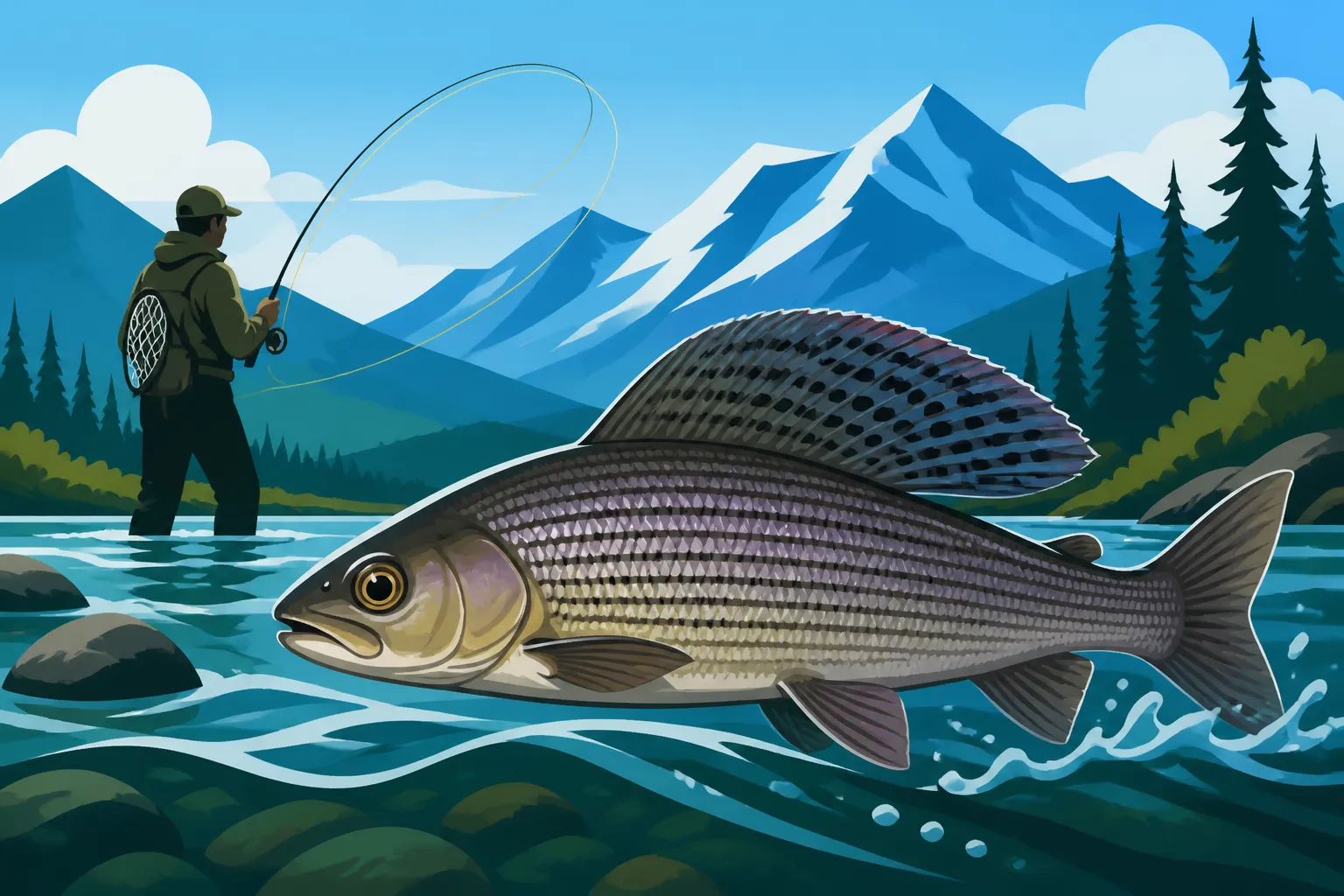
What truly sets the Arctic Grayling apart visually is its incredibly large, sail-like dorsal fin. This fin is often adorned with iridescent spots and streaks, displaying a spectrum of blues, purples, and reds that shimmer under the northern sun. It's a truly spectacular sight when you see one flare it, especially during a fight. Their bodies are typically slender, with small, almost iridescent scales that range from a deep blue-grey on their backs, fading to silver on their flanks and a clean white belly. Sometimes you'll even notice a hint of pinkish-purple on their sides. Their relatively small mouths are perfectly adapted for feeding on insects.
Beyond the dorsal fin, another unique feature is their distinct adipose fin, a small, fleshy fin located between the dorsal and caudal fins, which is characteristic of the salmonid family they belong to. Unlike many trout, grayling typically have a small, somewhat pointed snout. Observing their colours and fin patterns up close, it's easy to see why they are considered among the most beautiful freshwater fish in North America. They truly are a jewel of the northern wilderness, and their vibrant appearance is a testament to the clean, cold waters they inhabit.
The Significance of Their Dorsal Fin
That magnificent dorsal fin isn't just for show! It plays several crucial roles in the life of an Arctic Grayling. For starters, it’s a key factor in their courtship rituals during spawning. Males will display their large, colourful fins to attract females, using them almost like a flag. They also use these fins for stability in the swift currents of the rivers they call home, acting a bit like a keel on a sailboat.
Furthermore, some biologists believe the large dorsal fin may also play a role in thermoregulation, helping the fish absorb or dissipate heat, though this is less studied. What’s undeniable is its aesthetic appeal to anglers. Seeing that fin break the surface or watching a grayling cruise through clear water with its dorsal fin gently waving is an unforgettable experience, cementing their status as a truly unique species in Alberta's aquatic realm. This majestic fin is a clear sign that you're in grayling territory, a reward for venturing into some of our province's most remote and beautiful fishing grounds.
Where to Find Arctic Grayling in Northern Alberta
Locating Arctic Grayling in Alberta means heading north, far north, to the pristine, often remote river systems that define the province's boreal and subarctic landscapes. These fish are incredibly sensitive to water quality and temperature, making them excellent indicators of ecological health. If you find grayling, you know you're in a special place. For many anglers, the adventure of simply getting to grayling country is half the fun, involving bush planes, long drives on gravel roads, or extensive canoeing trips.
Key River Systems and Tributaries
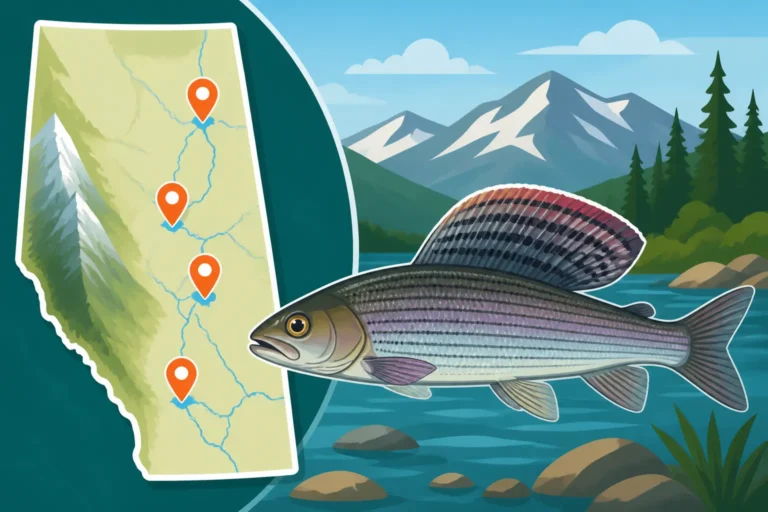
When we talk about Arctic Grayling in Alberta, we're primarily looking at the Peace and Athabasca River drainages, particularly their colder, smaller tributaries in the northern reaches of the province. Rivers like the Hay River system in the far northwest, the Kakwa River (though more central-west, it has grayling populations), and many smaller, unnamed streams that feed into the larger northern rivers are prime grayling habitat. These aren't your easily accessible, roadside fisheries; they often require significant effort to reach, which helps protect them.
Many of these northern rivers are characterized by their clear, cold water, gravel bottoms, and abundant insect life – all vital for grayling survival. Access points can be few and far between, requiring backcountry skills or even floatplane charters. Researching specific tributaries and checking the Alberta Fishing Regulations Explained for zone-specific rules is absolutely essential before planning a trip. Remember, the journey itself is part of the reward when targeting these beautiful, wild fish.
Preferred Habitat and Holding Lies
Arctic Grayling are true cold-water specialists. They thrive in clean, oxygen-rich rivers and streams with stable temperatures, ideally between 8°C and 18°C. You'll find them holding in specific types of water. Look for them in moderate currents, often in the transitional areas between fast riffles and deeper, slower pools. They love feeding lanes where insects are funnelled to them. Seams where faster water meets slower water, at the tail-outs of pools, and behind current breaks like large rocks or submerged logs are all excellent spots.
Unlike some trout species that hug the bottom, grayling will often suspend themselves in the water column, especially when actively feeding on drifting insects. During warmer parts of the summer, they might retreat to deeper pools or areas where cold groundwater seeps into the river. Their keen eyesight and preference for clear water mean they can be spooky, so a stealthy approach is always best. Understanding these habitat preferences is key to success, as blindly casting into any water won't yield results with these discerning fish.
Seasonal Movements and Concentrations
Arctic Grayling exhibit some fascinating seasonal movements tied directly to spawning, feeding, and overwintering. In the spring, after ice-out, they migrate upstream from larger rivers or overwintering lakes into smaller, shallower tributaries to spawn. This is a critical time for them, and often these spawning grounds are protected or have very specific regulations. After spawning, they gradually disperse back into larger river sections, focusing heavily on feeding throughout the summer months to build up reserves.
As fall approaches and water temperatures begin to drop, grayling will once again start to move, often consolidating in deeper pools of larger rivers or heading towards lakes where they can find suitable conditions to overwinter, protected from freezing solid. Understanding these movements is vital not just for finding them, but also for respecting their life cycle and ensuring their populations remain healthy. Always consult the Alberta Fishing Season Dates by Zone to ensure you're fishing when and where it's permitted.
The Lifecycle and Habits of Arctic Grayling
Delving into the lifecycle and daily habits of Arctic Grayling reveals a truly resilient and fascinating fish. Their existence is intricately tied to the rhythms of the northern wilderness, adapting to harsh winters and taking advantage of the brief, intense summers. Understanding these patterns not only makes you a more effective angler but also fosters a deeper appreciation for these delicate creatures.
Spawning Rituals and Early Life
Arctic Grayling typically spawn in the spring, shortly after the ice breaks up, usually when water temperatures reach around 4-10°C. They undertake upstream migrations from their overwintering areas in larger rivers or lakes, seeking out shallow, gravel-bottomed tributaries and riffle sections. The males, with their spectacularly flared dorsal fins, will display to attract females. Unlike many salmonids, grayling don't build elaborate redds; instead, females deposit their eggs over clean gravel, which are then fertilized by the males. The eggs are non-adhesive and settle into the substrate.
There's no parental care involved; once the eggs are laid and fertilized, the adults typically move back downstream. The eggs hatch relatively quickly, often within a couple of weeks, depending on water temperature. The fry are tiny and vulnerable, spending their early lives in shallow, protected areas, feeding on microscopic organisms. Survival rates for these tiny fry are crucial for maintaining healthy grayling populations, making the protection of their spawning habitats paramount. This vulnerability is one reason why Alberta Catch and Release Only Waters are often in place for species like the grayling.
Diet and Feeding Patterns
Arctic Grayling are primarily insectivores, with their diet heavily influenced by what's available in their clear, cold river environments. They are opportunistic feeders, known for their visual hunting skills. Their diet consists largely of aquatic insects in their larval and nymphal stages, such as caddisflies, mayflies, stoneflies, and midges. They also readily consume adult insects that fall onto the water's surface, making them prime targets for dry fly anglers.
During active feeding periods, especially when a hatch is on, you might see them rising gracefully to the surface, sipping insects with a distinctive, almost delicate rise. Beyond insects, they might occasionally eat small crustaceans, fish eggs, or even very small baitfish, though this is less common. Their feeding behavior can be quite selective, especially when a specific insect hatch is occurring, demanding precise fly imitations or lure presentations. Knowing what insects are active in a particular river at a given time can be a game-changer.
Seasonal Migration and Overwintering
As mentioned, grayling undertake seasonal migrations, which are critical for their survival. The spring spawning run is followed by a dispersal into summer feeding grounds. Throughout the summer, they'll generally inhabit the same types of moderate current, riffle-to-pool transition areas. However, as fall deepens and water temperatures plummet, they begin their journey back to overwintering habitats.
These overwintering areas are typically deeper sections of larger rivers or lakes that provide stable water temperatures and protection from ice. They can become quite concentrated in these areas, entering a period of reduced activity to conserve energy through the long winter months. These migrations highlight their dependence on interconnected river systems and the importance of maintaining water quality and flow throughout their entire habitat range. Disruptions to any part of this migratory route can have significant impacts on their populations.
Best Techniques for Catching Arctic Grayling
Catching Arctic Grayling is a truly rewarding experience, but it often requires a delicate touch and an understanding of their cautious nature. They're not brute fighters, but they make up for it with their stunning beauty and the challenge of a precise presentation. Success with grayling is less about power and more about finesse.
Fly Fishing Tactics
Fly fishing is arguably the most popular and often most effective method for targeting Arctic Grayling, as it perfectly mimics their primary food source: insects. A lightweight fly rod (a 3 or 4-weight is ideal) with a matching reel and a floating line is the perfect setup. You'll want to use a long, delicate leader and tippet to avoid spooking these easily alarmed fish. Best Fly Rods for the Bow River might give you some ideas, just remember to scale down for grayling.
- Dry Fly Fishing: When grayling are actively rising to surface insects, dry flies are incredibly exciting. Small parachute Adams, caddis patterns, ants, and various mayfly imitations in sizes 14-20 can be incredibly effective. Look for subtle rises and cast accurately upstream of the fish, allowing a natural, drag-free drift. A good selection of small, realistic dry flies can be found on Amazon, ready for your next trip.
- Nymphing: If fish aren't rising, subsurface nymphing is often the ticket. Small bead-head pheasant tail nymphs, Hare's Ear nymphs, Prince nymphs, and midge larvae patterns (sizes 14-22) are go-to choices. Use an indicator to detect subtle strikes, and ensure your flies are drifting naturally along the bottom.
- Streamers: While less common, very small streamer patterns or wet flies can sometimes tempt larger grayling, especially during periods when they might be more aggressive or targeting small baitfish. Think sizes 10-16 in natural colours like olive or black.
Spin Fishing Approaches
For those who prefer spin fishing, don't despair—Arctic Grayling can absolutely be caught on light tackle, and it's a fantastic way to introduce new anglers to these fish. The key is using ultra-light gear and small lures. A sensitive, ultra-light spinning rod (around 6-7 feet long) paired with a small reel spooled with 2-4 pound test monofilament or fluorocarbon line is ideal.
- Small Spinners: Tiny inline spinners are incredibly effective. Think Mepps Aglia, Panther Martin, or Blue Fox Vibrax in sizes #0, #1, or #2. Silver, gold, and brass blades are excellent, and often with a red or orange accent on the body. Cast upstream and retrieve just fast enough to get the blade spinning, allowing it to drift naturally downstream through likely holding lies. These are easily picked up from outdoor retailers or from Amazon if you're stocking up beforehand.
- Tiny Spoons: Small casting spoons, like a Little Cleo or Dardevle in 1/16 to 1/8 ounce, can also work well, especially in faster current where they can flutter and flash. Again, natural metallic colours are usually best.
- Micro Jigs: Small marabou jigs or plastic grub tails on 1/32 to 1/16 ounce jig heads can be deadly. Fish them with a slow, twitching retrieve, mimicking an injured insect or small baitfish. Tipping them with a small piece of worm or grub can also enhance their appeal.
Recommended Gear and Tackle
Regardless of your chosen method, minimizing your footprint and staying stealthy is paramount. Grayling have excellent eyesight and are easily spooked. Wading carefully, keeping a low profile, and making accurate casts away from the fish are all important.
Here's a quick table outlining general gear recommendations:
| Gear Type | Fly Fishing | Spin Fishing |
|---|---|---|
| Rod | 3-4 weight, 7.5-9 ft, fast action | Ultra-light, 6-7 ft, fast to moderate action |
| Reel | Matching fly reel with floating line | Small spinning reel (500-1000 size) |
| Line | WF floating fly line, 3-6lb leader/tippet | 2-4 lb monofilament or fluorocarbon |
| Lures/Flies | Small dry flies (#14-20), nymphs (#14-22), micro streamers | Inline spinners (#0-2), tiny spoons (1/16-1/8 oz), micro jigs (1/32-1/16 oz) |
| Accessories | Waders, wading boots, net, polarized sunglasses | Waders, wading boots, net, polarized sunglasses |
For Best Fishing Rods for Alberta Rivers you might choose a lighter option for grayling, keeping sensitivity and finesse in mind. A good quality, soft mesh landing net is crucial for catch and release, minimizing harm to these delicate fish. And, of course, don't forget your polarized sunglasses to spot fish and protect your eyes. Many of these essential items, from fly boxes to tiny lures, are readily available on Amazon.
Conservation and Responsible Angling for Grayling
Arctic Grayling are particularly sensitive to environmental changes and fishing pressure, making responsible angling practices absolutely critical for their long-term survival in Alberta. While they are a joy to catch, their true value lies in their presence as an indicator of healthy, untouched ecosystems. We all have a role to play in protecting them for future generations.
Understanding Alberta's Regulations
Before you even think about heading out, the absolute first step is to thoroughly understand the current regulations for Arctic Grayling in Alberta. These can vary significantly by zone and even by specific water body, and they are subject to change. Grayling are often managed under strict catch-and-release rules, and some areas may have specific season closures or gear restrictions. It’s not uncommon to find areas with a zero-possession limit, meaning you must release every grayling you catch unharmed.
Always consult the most up-to-date Alberta Guide to Sportfishing Regulations. This isn't just a suggestion; it's a legal requirement. Ignorance of the rules is not an excuse for violations, and penalties can be severe. Pay close attention to things like Alberta Bull Trout Zero Possession Rule and other sensitive species regulations, as grayling often share habitats with them and require similar care. Verifying that the waters you plan to fish are open and what the specific limits and restrictions are for grayling is paramount for a legal and ethical trip.
Best Practices for Handling and Release
Because Arctic Grayling are so delicate, particularly their large, thin dorsal fin, proper catch-and-release techniques are non-negotiable. Our goal as anglers should be to ensure every fish we catch swims away healthy and unharmed.
- Minimize Fight Time: Use appropriate tackle that allows you to land the fish quickly without completely exhausting it. A prolonged fight significantly increases stress and reduces survival rates.
- Wet Hands Only: Always wet your hands thoroughly before touching a fish. Dry hands can remove the grayling's protective slime layer, leaving it vulnerable to disease.
- Keep Fish in Water: Do your absolute best to keep the fish submerged while unhooking it. If you must lift it for a quick photo, do so gently, supporting its entire body horizontally, and get it back into the water immediately. Avoid placing them on hot, dry surfaces.
- Barbless Hooks: Using barbless hooks makes unhooking much easier and causes less damage to the fish. Many special regulation waters in Alberta mandate barbless hooks for this very reason. If your hook has a barb, pinch it down with pliers.
- Gentle Release: Hold the fish gently in the water, facing upstream, until it regains its strength and swims away on its own. Don't simply toss it back. If it's struggling, move it to a calmer, oxygenated area.
Supporting Conservation Efforts
Anglers are often the first line of defense for wild fish populations, and supporting grayling conservation goes beyond just proper handling. Consider getting involved with local conservation groups that focus on protecting and restoring cold-water habitats. Many organizations advocate for sustainable fishing practices, conduct habitat restoration projects, and educate the public on the importance of these unique ecosystems.
Purchasing your fishing license is also a direct way to contribute, as a portion of those funds often goes towards fisheries management, research, and habitat protection efforts. Being a vocal advocate for clean water, responsible land use, and sensible resource management helps ensure that future generations can also experience the thrill of catching a wild Arctic Grayling in Alberta’s northern rivers.
The Future of Arctic Grayling in Alberta
The future of Arctic Grayling in Alberta is a delicate balance between continued resource development and the growing understanding of their ecological importance. As urban areas expand and industrial activity pushes further into northern regions, the pressure on their pristine habitats intensifies. Maintaining healthy grayling populations is not just about preserving a fish species; it’s about safeguarding the health of the entire boreal ecosystem.
Challenges to Grayling Populations
Arctic Grayling face a multitude of challenges in Alberta, primarily stemming from habitat degradation and fragmentation. Industrial activities such as forestry, oil and gas exploration, and mining can lead to sedimentation in streams, alter water flow, and introduce pollutants, all of which grayling are highly sensitive to. Road construction and infrastructure development can create barriers to their essential upstream and downstream migrations, isolating populations and hindering genetic exchange.
Climate change also poses a significant threat. Rising water temperatures can push grayling out of their preferred thermal range, making them more susceptible to disease and reducing their reproductive success. The delicate balance of their cold-water habitat means they have little tolerance for warmer conditions. Angling pressure, even with strict catch-and-release rules, can still have an impact if fish are mishandled or if regulations aren't respected. These combined pressures make grayling one of Alberta's more vulnerable species.
Ongoing Conservation Initiatives
Fortunately, there are ongoing efforts to protect and restore Arctic Grayling populations in Alberta. Fisheries biologists and conservation groups are actively involved in research to better understand grayling movements, population dynamics, and habitat requirements. This data is crucial for informing effective management strategies. Habitat restoration projects, such as riparian planting, erosion control, and the removal of fish passage barriers, are underway in various locations. These initiatives aim to improve water quality and reconnect critical spawning and feeding grounds.
Education and outreach programs are also vital, raising awareness among anglers, landowners, and industrial operators about the unique needs of grayling and the importance of responsible practices. By fostering a stewardship ethic, these programs hope to reduce human impact on grayling habitats. The Alberta government, in collaboration with various stakeholders, continues to refine fishing regulations to provide adequate protection for these sensitive fish, often designating specific areas as protected or catch-and-release zones. These efforts are a testament to the commitment to ensure these magnificent fish endure.
The Role of Anglers in Grayling Preservation
As anglers, our role in grayling preservation cannot be overstated. We are often the eyes and ears on the ground, witnessing the health of these remote ecosystems firsthand. By strictly adhering to all fishing regulations, especially those pertaining to catch and release, we directly contribute to the survival of individual fish and the stability of populations. Reporting any suspicious activity or violations to local authorities is also a critical part of our responsibility.
Beyond compliance, anglers can become active stewards. Participating in citizen science programs, volunteering for habitat restoration projects, or simply sharing knowledge about ethical angling practices with others helps foster a broader conservation ethic. When you appreciate the wildness of grayling and their habitat, you become an ambassador for their protection. Remember, the privilege of fishing for Arctic Grayling in Alberta's wild northern rivers comes with the responsibility to protect them, ensuring that the sight of that iridescent sail fin continues to grace our waters for generations to come.
Disclaimer
This article is for general informational purposes only and does not constitute professional advice. Laws, prices and regulations vary by location and change over time. Consult a qualified professional for guidance on your specific situation.