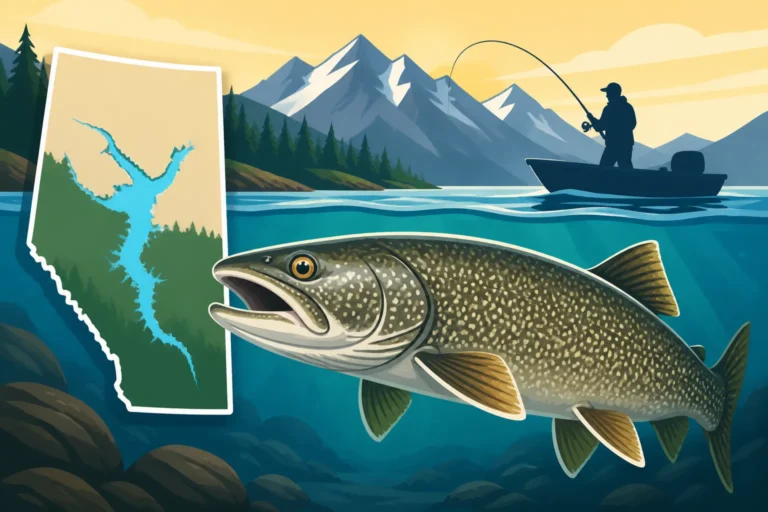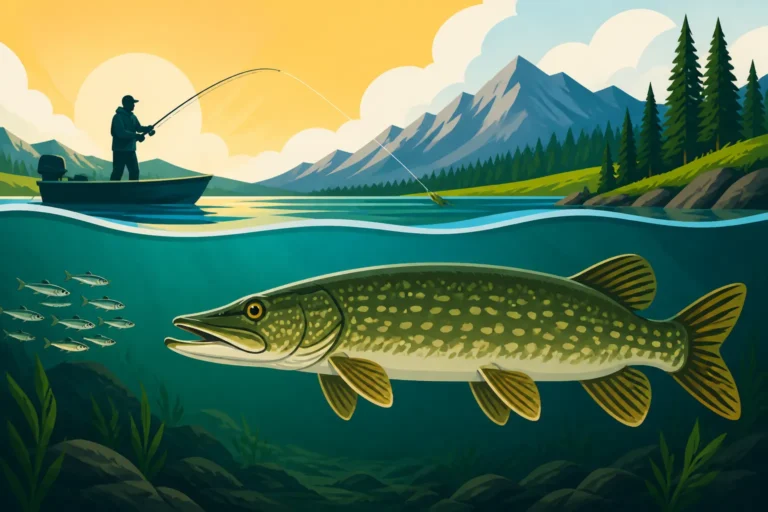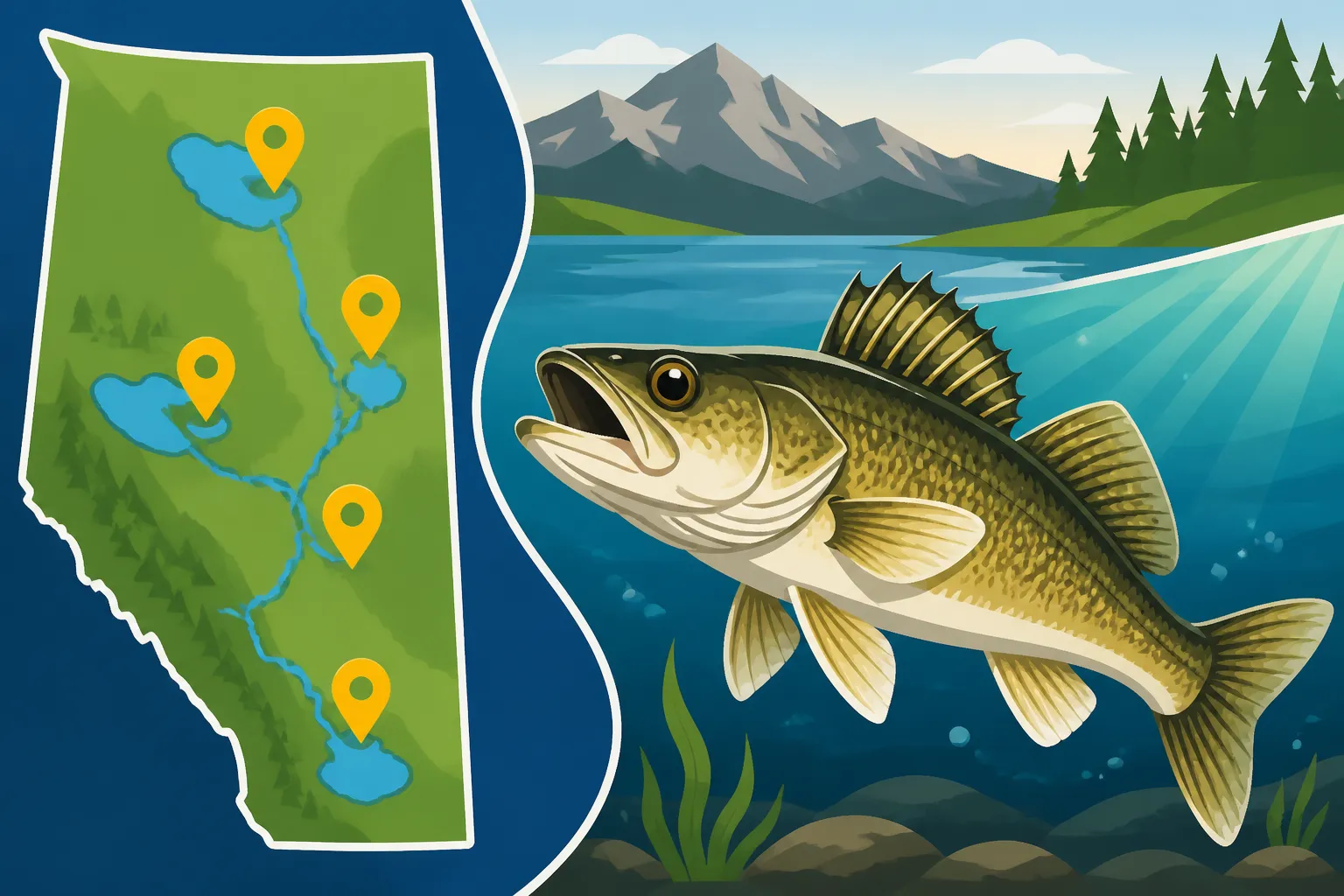
Where sauger are found in Alberta
It’s a common scenario out on Alberta’s waterways: you feel that tell-tale tap, set the hook, and reel in a beautiful fish. But then comes the moment of truth. Is it a walleye, or is it a sauger? This exact dilemma can trip up even experienced anglers, and knowing the difference isn't just for bragging rights – it’s crucial for staying within regulations and practicing responsible conservation. This comprehensive guide will walk you through exactly where you can expect to find sauger in Alberta's diverse aquatic landscapes, help you differentiate them from their walleye cousins, and understand why certain habitats are their prime real estate.
Understanding the Elusive Sauger: A Unique Alberta Predator
Sauger are often overshadowed by the larger, more sought-after walleye, but they are magnificent fish in their own right, and a true gem of Alberta's river systems. They're a fascinating species, perfectly adapted to their preferred environments. Understanding what makes a sauger tick is the first step in knowing where to cast your line.
What Makes a Sauger a Sauger?
Sauger, scientifically known as Sander canadensis, belong to the perch family, just like walleye. However, they possess several distinct characteristics that set them apart. Typically, sauger are smaller than walleye, though they can still reach respectable sizes, offering a thrilling fight on appropriate tackle. Their bodies tend to be more slender and cylindrical, built for navigating river currents. When you look closely, you'll notice their coloration is generally brassier or darker than a walleye's, often with distinct dark blotches or saddle-like markings across their back and sides, which provide excellent camouflage in turbid water. They are opportunistic predators, feasting on smaller fish, crustaceans, and aquatic insects, playing a vital role in the river ecosystem.
Their behavior is also quite specific. Sauger are typically more active in lower light conditions, though not exclusively nocturnal like some other species. They prefer to stick close to the bottom, often hugging structure like rock piles, current breaks, and submerged logs, where they can ambush prey. This bottom-dwelling nature, combined with their excellent camouflage, means they can be a bit more challenging to locate consistently if you’re not familiar with their preferred haunts. But once you key into their patterns, you’ll find them to be a rewarding target.
Preferred Habitats: Why Rivers are Their Home
Unlike walleye, which thrive in both lakes and rivers, sauger have a strong preference for large, turbid rivers and sprawling riverine lake environments. They are particularly drawn to waters with a noticeable current and moderate to high turbidity (murkiness), which helps them conceal themselves from both prey and predators. This preference for cloudier water is a key ecological difference from walleye, who often favour clearer conditions.
You'll rarely find sauger in crystal-clear mountain streams or pristine alpine lakes. Instead, think about the powerful, silty flows of Alberta’s major prairie rivers. These waterways provide the perfect combination of deep channels, gravel and sand substrates, and plenty of current breaks where sauger can lie in wait. They especially like areas where the current slows down, such as eddies behind islands, points, or bridge pilings, as well as the deeper pools where a river bends. These spots create natural holding areas where prey fish get funneled by the current, making it an ideal feeding ground for a sauger. The abundance of food in these productive river systems also contributes to their thriving populations.
Hotbeds for Sauger: Alberta's Major River Systems
If you’re keen on catching sauger in Alberta, your best bet is to focus your efforts on the province's largest and most robust river systems. These aren't just great places to cast a line; they're also iconic landscapes that offer a true taste of Alberta's natural beauty. Remember that having an up-to-date Alberta Fishing License Guide for 2026 and understanding Alberta Fishing Regulations Explained is always your first step before heading out.
The North and South Saskatchewan Rivers: Prime Sauger Territory
Without a doubt, the North Saskatchewan River and the South Saskatchewan River are the undisputed champions when it comes to sauger fishing in Alberta. These two mighty rivers, with their extensive length, numerous tributaries, and often turbid waters, provide ideal conditions for sauger to flourish. From the Edmonton stretch of the North Saskatchewan River, running all the way down to where it merges with the South Saskatchewan, you'll find sauger populations that draw anglers from all over. The confluence of these rivers in Saskatchewan, forming the Saskatchewan River, is also famously productive for sauger, underscoring their preference for these vast riverine environments.
Anglers often target sauger in the deeper holes and runs, particularly downstream of major current breaks like islands, bridge abutments, and sharp bends. These areas provide the necessary cover and reduced current for sauger to hold comfortably while waiting for baitfish to drift by. Look for gravel bars, submerged logs, and drop-offs, which act as natural ambush points. Many anglers find success using jigs tipped with minnows or soft plastics, fished right along the bottom, mimicking their natural prey. You can find detailed access information for these areas in guides such as North Saskatchewan River fishing access near Edmonton and South Saskatchewan River walleye fishing access, as sauger are often found in similar habitats to walleye.
Other Notable Sauger Rivers: Red Deer and Athabasca
While the Saskatchewan rivers might be the main event, other significant river systems in Alberta also hold healthy sauger populations, offering fantastic opportunities for anglers willing to explore. The Red Deer River, for example, is another prime candidate. This river features stretches of moderate current, varied bottom structure, and sufficient turbidity that sauger appreciate. As it meanders through the landscape, the Red Deer River offers numerous pools, riffles, and deeper runs where sauger can be found. Access points along the river, especially in provincial parks and designated recreation areas, can put you right in the action. Checking out Red Deer River fishing spots can give you a head start on local access and prime locations.
Similarly, the mighty Athabasca River, particularly in its lower stretches before it empties into Lake Athabasca, is known to harbor sauger. This vast river system, flowing north, provides extensive stretches of suitable habitat. The deeper, slower-moving sections, especially those with some structural complexity like submerged timber or rocky areas, can be very productive. The sheer scale of the Athabasca means there's a lot of water to cover, but patient anglers who focus on current seams and bottom structure can be greatly rewarded. Finding specific access points on such a large river can be a journey in itself, but resources like Athabasca River best fishing access can point you in the right direction. When exploring these rivers, having a good pair of waders and a wading staff, or a reliable boat suitable for river conditions, can significantly enhance your experience. You might even find some excellent, well-reviewed options for these essential items on Amazon.
The Walleye vs. Sauger Conundrum: How to Tell Them Apart
This is where many anglers get truly stumped, and it's a completely understandable frustration. Walleye and sauger look so similar that distinguishing between them can feel like a real challenge, especially when they’re flopping around in your net. However, there are some clear, tell-tale signs that, once you know them, make identification much easier and prevent accidental regulation infractions. For more in-depth knowledge, be sure to check out Sauger Identification and Habits and How to tell a walleye from a sauger.
Key Distinguishing Features
The most reliable way to tell a sauger from a walleye is to look at their dorsal fins and caudal (tail) fin. A sauger will have distinct, dark spots arranged in rows on its first dorsal fin, creating a banded or spotted appearance. A walleye, on the other hand, will typically have a large, dark blotch at the base of the last three to five spines of its first dorsal fin, but no distinct spots across the fin itself. Think of it as a clean fin with one "ink smudge" versus a polka-dotted fin.
Another key identifier is the caudal fin. Sauger almost always have distinct white or light-coloured lower lobes on their caudal fin. Walleye usually have a much more pronounced white tip on the lower lobe of their caudal fin, often appearing as a crisp white patch. Beyond the fins, consider their overall body appearance. Sauger generally have rougher, more scaled cheeks and a more slender body profile. Walleye tend to have smoother cheeks and a bulkier, more robust body. Sauger also possess a distinct lateral line that often looks more broken or interrupted compared to a walleye's more continuous line. For a quick reference, a fish identification chart, easily found on Amazon, can be a lifesaver to have handy on the water.
Here's a quick comparison to help solidify these differences:
| Feature | Sauger | Walleye |
|---|---|---|
| First Dorsal Fin | Rows of distinct dark spots | Large dark blotch at the base of the last spines, otherwise clear |
| Caudal (Tail) Fin | Distinct white or light lower lobe, often subtle | Prominent, crisp white tip on the lower lobe |
| Body Shape | More slender, cylindrical | Bulkier, more robust |
| Cheeks | Often scaled, feeling rougher | Usually smooth, less scaled |
| Coloration | Brassier, darker, with distinct dark blotches or saddle markings | Greenish-gold to olive, sometimes mottled |
| Lateral Line | Often appears broken or irregular | More continuous and distinct |
| Preferred Habitat | Large, turbid rivers, riverine lakes | Lakes and rivers (can tolerate clearer water) |
Why Identification Matters for Alberta Anglers
Accurate identification isn't just a fun challenge; it's a critical part of ethical and legal angling in Alberta. Fishing regulations, including bag and possession limits, and sometimes even season dates, can differ between species. For instance, Alberta Walleye Limit by Zone might be different from sauger regulations in the same waterbody. Misidentifying a sauger as a walleye, or vice versa, could lead to inadvertently exceeding a limit, keeping a fish out of season, or even keeping a protected species. This could result in fines and a tarnished reputation for responsible angling.
Beyond the legal aspect, correct identification is vital for conservation. Each species plays a unique role in its ecosystem, and managing their populations effectively requires accurate data from anglers. By knowing precisely what you've caught, you contribute to better resource management and ensure that future generations can also enjoy fishing for these incredible fish. It’s about doing our part to protect Alberta's fisheries. Always double-check your catch against the current regulations and release any fish you cannot positively identify, or that don't meet the legal requirements.
Fishing for Sauger Responsibly: Conservation and Regulations
As anglers, we have a responsibility to not only enjoy the resource but to protect it. Sauger populations, like all fish species, face environmental pressures, and our actions on the water can have a significant impact. Understanding and adhering to regulations, coupled with practicing sound catch-and-release techniques, ensures these exciting fish continue to thrive in Alberta's rivers.
Understanding the Rules for Sauger
Alberta’s fishing regulations are designed to manage fish populations sustainably. For sauger, specific rules regarding minimum size, daily bag limits, and possession limits are in place, and these can vary depending on the waterbody and management zone. It’s absolutely essential to consult the most current Alberta Guide to Sportfishing Regulations before each fishing trip, as rules can change annually. This guide will clarify the legal harvestable size, how many sauger you can keep in a day (your "bag limit"), and how many you can have in your possession at any given time, including those at home. You can find detailed information on these topics in Reading the Alberta Guide to Sportfishing Regulations.
Often, sauger regulations are listed alongside walleye regulations, or as a combined "walleye/sauger" limit, given their similar appearance and often shared habitats. However, always confirm this explicitly in the guide. Some areas might have specific conservation efforts in place for sauger that mean stricter rules. Ignoring these rules, whether intentionally or accidentally due to misidentification, can lead to serious consequences, including significant fines. You wouldn't want to run into Fishing Without a License in Alberta: Penalties – and similarly, you don't want to run afoul of possession limits. A quick look on Amazon can reveal handy waterproof regulation booklets or even apps to keep on your phone, ensuring you have the latest rules at your fingertips.
Practicing Safe Catch and Release
Even if you intend to keep a sauger within your legal limit, practicing safe handling and, if necessary, responsible catch and release, is paramount. Sauger are resilient fish, but like all species, they can be vulnerable to improper handling. When you catch a sauger, try to minimize its time out of the water. Handle the fish gently with wet hands, supporting its body, especially if it’s a larger specimen. Avoid squeezing its belly or gills, as this can cause internal damage.
If you plan to release the fish, consider using barbless hooks, or crimping down the barbs on your hooks. This makes hook removal much quicker and less damaging to the fish's mouth. If the fish has swallowed the hook deeply, cut the line as close to the hook as possible rather than trying to rip it out; the hook will often rust away or dislodge naturally. When releasing, gently place the fish back into the water, headfirst, in an area with some current if possible. Hold it upright until it regains its strength and swims away on its own. These small actions collectively make a huge difference in the survival rates of released fish, ensuring healthy sauger populations for years to come.
Disclaimer
This article is for general informational purposes only and does not constitute professional advice. Laws, prices and regulations vary by location and change over time. Consult a qualified professional for guidance on your specific situation.