Endangered and Protected Fish Species in Alberta
It can be unsettling to cast your line into Alberta's beautiful waters, knowing that some of our cherished native fish species are facing significant challenges and require special attention. Understanding which fish are endangered or protected, and what that truly means for anglers, is crucial not just for staying within the law but for actively contributing to their survival. This guide aims to clear up the confusion and provide a comprehensive overview of Alberta's endangered and protected fish species, along with practical ways you can help.
Understanding Endangered and Protected Status in Alberta
When we talk about fish species in Alberta, the terms "endangered" and "protected" often get used interchangeably, but there's an important distinction, especially from an angler's perspective. Both statuses signify a need for conservation, but they often come with different legal and practical implications that every responsible angler should know. It’s not just about avoiding a fine; it’s about understanding the delicate balance of our ecosystems.
Defining "Endangered" and "Protected"
"Endangered" is typically a scientific classification, often assigned by bodies like the Committee on the Status of Endangered Wildlife in Canada (COSEWIC) and then formally listed under Canada's Species at Risk Act (SARA), or by provincial designations. This status means a species is facing imminent extirpation (local extinction) or extinction. These are species whose very existence is hanging by a thread, often due to habitat loss, climate change, or other environmental pressures. For anglers, this might mean stringent restrictions, even in waters where they are present.
"Protected," on the other hand, can be a broader term and usually refers to legal measures put in place by the province to conserve a species, even if it's not federally "endangered." This status implies specific regulations aimed at reducing human impact, such as zero possession limits, catch-and-release only rules, or restrictions on gear. A species might be protected provincially because its numbers are declining, its habitat is vulnerable, or it's a critical component of a healthy ecosystem. The intent is to prevent further decline and aid in recovery before it reaches a dire "endangered" state. Sometimes, an endangered species will also have additional provincial protections.
The Importance of Conservation for Alberta's Fisheries
Alberta's diverse landscapes, from the cold mountain streams to the vast prairie lakes, are home to an incredible array of fish. However, many of these species, particularly our native trout, are under immense pressure. Factors like habitat degradation from development, water quality issues, the introduction of invasive species, and historical overfishing have all taken a toll. Without focused conservation efforts, we risk losing these irreplaceable parts of our natural heritage forever.
For anglers, conservation isn't just an abstract concept; it directly impacts our ability to enjoy the sport we love. Healthy fish populations mean better fishing, now and for future generations. It means pristine rivers teeming with wild trout and lakes robust with native species. When we participate in conservation, whether through adhering to regulations or supporting recovery programs, we're investing in the future of Alberta fishing. It also ensures the ecological integrity of our watersheds, which impacts everything from water quality to biodiversity.
Alberta's Most Vulnerable: Westslope Cutthroat Trout and Bull Trout
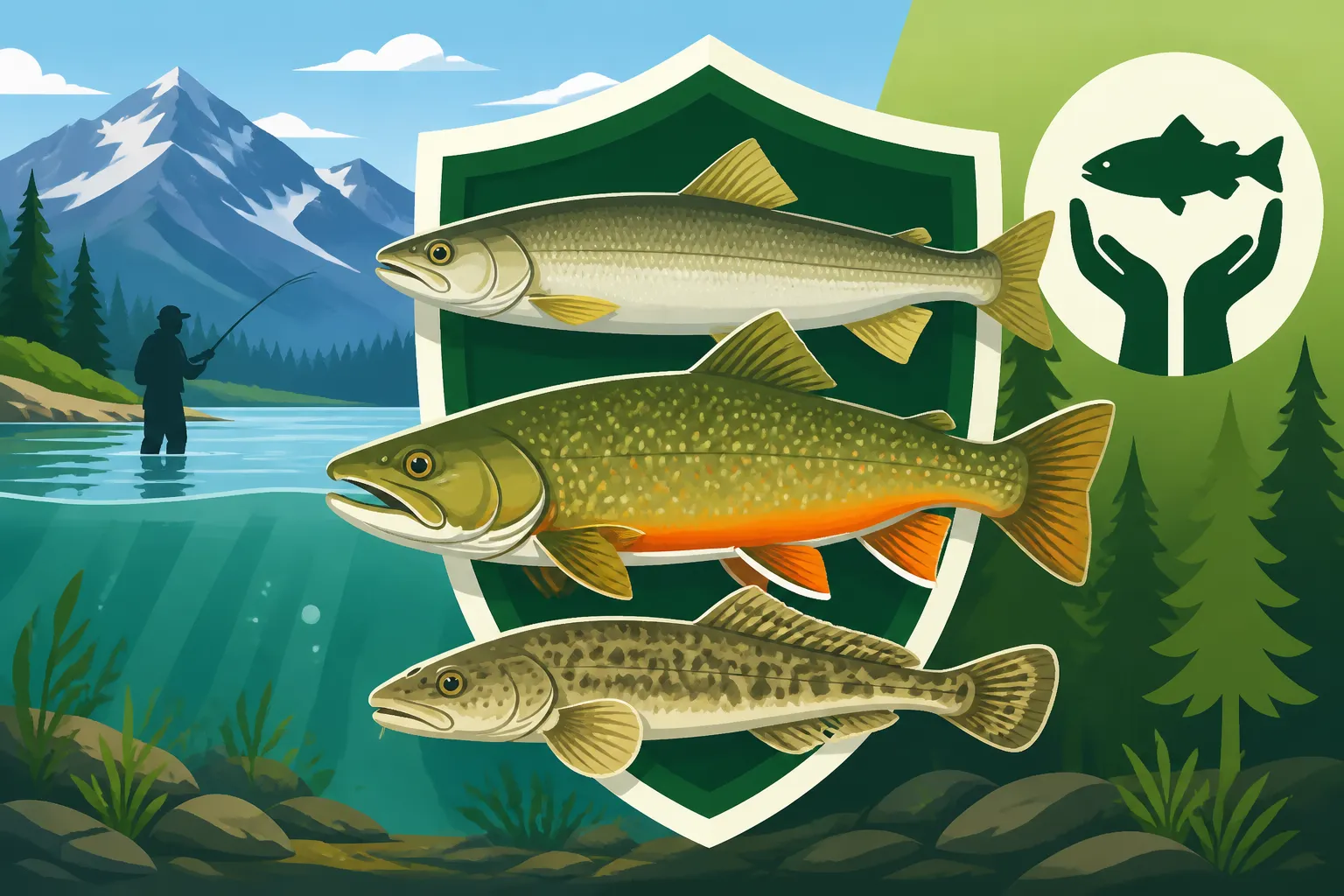
Among Alberta's native fish, the Westslope Cutthroat Trout and Bull Trout stand out as two of the most critical conservation priorities. Both species are iconic to our western waters, but they face distinct and severe threats that have led to special protections and recovery efforts.
Westslope Cutthroat Trout: A Fragmented Future
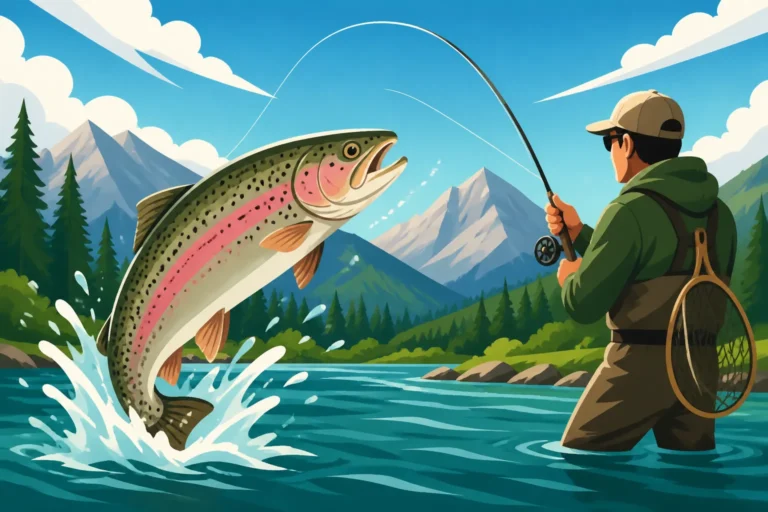
The Westslope Cutthroat Trout (Oncorhynchus clarkii lewisi) is truly a gem of Alberta’s mountain streams. Characterized by the distinctive red or orange slash under their jaw (hence "cutthroat"), these trout are known for their vibrant colours and preference for cold, clear, high-elevation waters. Historically, they thrived across much of the eastern slopes of the Rocky Mountains. However, their populations have suffered a drastic decline, primarily due to habitat loss and, critically, hybridization with introduced Rainbow Trout. The Bow River drainage, for instance, once held strong populations of these fish, but now pure strains are rare and often isolated.
Their status is precarious. The Alberta government, recognizing the severity of their decline, has implemented stringent measures, including catch-and-release only regulations in many of their remaining strongholds, and efforts to identify and protect pure-strain populations. It's a race against time to prevent further genetic dilution and habitat fragmentation. When you're fishing in the headwaters of the Oldman or Livingstone rivers, for example, identifying these fish correctly and releasing them unharmed is paramount. You might consider carrying a small, waterproof field guide, perhaps one you picked up on Amazon, to help with identification in the field.
Bull Trout: Alberta's Native Apex Predator
Bull Trout (Salvelinus confluentus) are another deeply significant native species in Alberta, often considered an indicator of healthy, intact cold-water ecosystems. These powerful, predatory char are distinguished by their pale spots on a dark background, lack of red or orange markings, and large, flattened head. They are a long-lived species, some individuals reaching impressive sizes, making them a true trophy fish for those lucky enough to encounter them. They require very cold, clean water for spawning and rearing, often migrating long distances between spawning grounds and feeding areas.
Unfortunately, Bull Trout populations have also experienced significant declines across their range due to habitat degradation, particularly from industrial activity, road building, and the construction of dams that block migration routes. Their slow growth rate and late maturity also make them particularly vulnerable to overfishing. Recognizing these threats, Alberta has implemented a province-wide Alberta Bull Trout Zero Possession Rule, meaning it is illegal to retain any Bull Trout you catch. If you happen to hook into one, it's a testament to the health of that system, and it's your responsibility to release it as quickly and gently as possible. Learning proper catch-and-release techniques, including minimal handling and keeping the fish in the water, is essential for their survival.
Other Species of Concern and Special Regulations
While Westslope Cutthroat Trout and Bull Trout often take center stage in conservation discussions, several other fish species in Alberta are also facing varying degrees of threat or have special regulations to ensure their sustainability. Being aware of these species and their specific rules is part of being a responsible angler.
Mountain Whitefish: A Key Indicator
Mountain Whitefish (Prosopium williamsoni) are a native species found in many of Alberta's clear, cold mountain and foothill rivers, often sharing habitat with trout. They are a crucial part of the food web, acting as a food source for larger predatory fish and consuming aquatic insects. While not currently listed as "endangered," their populations can be sensitive to habitat changes, particularly those affecting water quality and flow regimes. They are often caught incidentally by trout anglers, and it's important to recognize them.
Anglers should consult the Alberta Guide to Sportfishing Regulations for specific limits and seasons for Mountain Whitefish, as these can vary by zone and waterbody. In some areas, limits might be more restrictive to ensure their populations remain healthy. Practicing careful handling and release is just as important for these fish as it is for trout, especially if you're targeting other species and catch them unexpectedly.
Arctic Grayling: The "Sailfish of the North"
Arctic Grayling (Thymallus arcticus) are truly one of Alberta's most stunning native fish, famous for their large, sail-like dorsal fin and iridescent coloration. Primarily found in the pristine, cold-water streams and lakes of northern Alberta, they are another indicator species for healthy wilderness ecosystems. Like many native salmonids, they require specific conditions for spawning and are sensitive to habitat disturbance. Their populations are generally stable in their core range, but they face threats from industrial development, habitat fragmentation, and climate change, which can impact their specialized cold-water needs.
Due to their vulnerability and the pristine nature of their habitats, Arctic Grayling often have protective regulations, including catch-and-release mandates in some areas or reduced possession limits. It’s imperative to check the regulations for any northern waters you plan to fish, as rules for Arctic Grayling can be quite strict. Their delicate fins and scales mean extra care is needed during handling to minimize stress and injury before release.
Other Native Species Under Scrutiny
Beyond these well-known species, Alberta is home to a host of other native fish that contribute to the province's aquatic biodiversity. Species like Lake Sturgeon, for example, a truly ancient and long-lived fish, are federally listed as Endangered or Threatened and are protected by strict regulations that prohibit targeting or retaining them. Even common species like Walleye and Northern Pike, while abundant in many areas, have specific regulations, including varying bag and possession limits by zone and, in the case of Walleye, a Alberta Walleye Special Harvest Licence Program in some recovering fisheries. These programs aim to rebuild populations that have been impacted by historical pressures.
It's a testament to the complexity of fisheries management that even seemingly common fish can have nuanced regulations. This highlights why having the most current copy of the Alberta Fishing Regulations Explained on hand, whether in print or via an app, is non-negotiable for every angler.
How Anglers Can Help Protect Alberta's Fish
As anglers, we have a direct connection to Alberta's aquatic environments, and with that connection comes a profound responsibility to protect them. Every action, no matter how small, can contribute to the health and sustainability of our fish populations, especially those that are endangered or protected.
Mastering Catch and Release Techniques
For protected species, where zero possession or catch-and-release is mandated, mastering proper techniques is the single most important thing you can do. It's not enough to just unhook a fish; you need to ensure it has the best possible chance of survival after release.
Key principles of responsible catch and release include:
- Use appropriate gear: Use strong enough tackle to land fish quickly, minimizing fight time and exhaustion.
- Barbless hooks: These are often mandatory in special regulation waters, but using them voluntarily everywhere greatly reduces tissue damage and makes hook removal much easier and faster. You can find excellent barbless hooks and crimping tools on Amazon.
- Knotless, rubberized nets: These nets are far gentler on a fish's slime coat, fins, and eyes compared to conventional knotted nylon nets. Investing in one is a simple yet impactful way to reduce harm.
- Minimal handling: Keep the fish in the water as much as possible. If you must handle it, do so with wet hands, supporting its full body weight horizontally, especially for larger fish. Avoid squeezing or touching the gills.
- Quick release: Have your camera ready (if you plan on a quick photo) and your tools (like forceps for hook removal) easily accessible to minimize the fish's time out of water.
- Revive the fish: Hold the fish gently in the current until it can swim away under its own power. Don't throw it back if it's still disoriented.
These techniques are critical for delicate species like Alberta Bull Trout Zero Possession Rule fish or pure-strain Cutthroat Trout, but they're good practice for all fish you intend to release.
Practicing Responsible Angling Habits
Beyond catch and release, a suite of general habits can make a huge difference in protecting our fisheries.
- Clean, Drain, Dry: This simple mantra is vital for preventing the spread of aquatic invasive species (AIS) like whirling disease or zebra mussels. Before moving your boat, waders, or gear between water bodies, thoroughly clean off all weeds and mud, drain all water from your boat and equipment, and dry everything completely. This includes your boots, nets, and even kayak fishing accessories.
- Pack it in, Pack it out: Leave no trace. All garbage, including discarded fishing line, tackle, and food wrappers, must be packed out. Discarded fishing line is a major hazard to wildlife.
- Respect private property and public access: Be courteous to landowners and other users. Accessing waters responsibly helps maintain goodwill and ensures future access for all anglers.
- Know and follow all regulations: This is non-negotiable. Regulations are put in place for a reason – to protect fish populations and their habitats. Ignorance of the law is no excuse. Always consult the current Reading the Alberta Guide to Sportfishing Regulations before heading out.
Supporting Conservation Efforts
Anglers can also support conservation in broader ways. Consider purchasing your Alberta Fishing License Guide for 2026 and Alberta WIN Card, Explained as this revenue directly supports fisheries management and conservation programs in the province. Many local and provincial organizations, like Trout Unlimited Canada or local watershed councils, are actively involved in habitat restoration, research, and education. Donating your time or resources to these groups can have a significant impact on local fisheries. Participating in public consultations on fisheries management decisions also gives your voice power.
Navigating Regulations for Sensitive Waters
Alberta has numerous waterbodies designated as "Special Regulation Waters" specifically because they host sensitive or protected fish populations. These regulations are often more complex than general provincial rules and are absolutely critical to follow.
Identifying Special Regulation Waters
Special Regulation Waters are typically highlighted in the official Alberta Guide to Sportfishing Regulations. These could be specific stretches of rivers, entire lakes, or even small tributary streams. They are designated because they contain vulnerable populations (like pure-strain Westslope Cutthroat Trout), serve as critical spawning habitat, or are part of active recovery programs for species like Bull Trout. Examples might include certain headwater streams in the Crowsnest Pass area or specific zones on rivers like the Bow.
Regulations in these areas might include:
- Catch-and-release only: This is common for many trout species in sensitive areas.
- Gear restrictions: Such as Alberta Barbless Hook Requirement Waters only, artificial lures only, or fly fishing only.
- Season dates: Often shorter or entirely closed seasons to protect spawning fish.
- Species-specific rules: For example, zero possession on Bull Trout, even if other species in the same water can be kept.
It is your personal responsibility to identify these waters before you go. The MyWildAlberta portal and their fishing regulations app are invaluable tools for this, allowing you to search by waterbody and instantly see the specific rules.
Gear and Technique Modifications for Compliance
When fishing in sensitive waters, your gear and techniques need to be adjusted to meet the specific regulations and ensure the highest chance of survival for released fish.
- Barbless Hooks: If the regulations require barbless hooks, ensure all your lures and flies have them. It's a good habit to crimp down barbs on all hooks regardless, for easier release.
- Artificial Lures/Flies Only: This restriction is common to prevent the introduction of bait fish or the use of baits that might be swallowed deeply, causing internal damage. Ensure your tackle box only contains approved items. A dedicated fly box or tackle container for these waters, perhaps one organized with compartments you ordered from Amazon, can help prevent accidental non-compliance.
- Heavy Tippets/Leaders (where appropriate): While anglers often prefer light line for stealth, in catch-and-release situations, using a slightly heavier tippet or leader can help you land the fish faster, reducing stress. Of course, always balance this with what the fish are actually biting on!
- Observation Over Harvesting: Shift your mindset from harvesting fish to observing and appreciating them. Focus on the fight, the beauty of the fish, and the experience of being in a pristine environment.
By adhering strictly to these specialized rules, you become an active participant in the recovery and protection of these vulnerable populations. Failure to comply, even unintentionally, can result in significant penalties, including fines and license suspension.
Reporting Concerns and Advocating for Conservation
Beyond our individual actions on the water, there are formal channels and broader community efforts where anglers can contribute to the long-term health of Alberta's endangered and protected fish species. Being vigilant and advocating for sound environmental practices are crucial parts of being a steward of our natural resources.
Reporting Poaching or Environmental Violations
If you witness poaching, illegal fishing activities, or environmental damage that could impact fish habitat (like pollution, unauthorized stream alterations, or off-highway vehicle damage near waterways), it's your duty to report it. Alberta has dedicated channels for this, such as the Report A Poacher line. These programs rely heavily on observant citizens.
When reporting, try to gather as much detail as possible without putting yourself at risk:
- Date, time, and specific location of the incident.
- Description of the individuals involved (e.g., clothing, number of people).
- Vehicle descriptions (make, model, color, license plate if possible).
- Description of the violation (e.g., illegal gear, over-limits, retaining protected species).
- Any photographic or video evidence, if it can be obtained safely and legally.
Your report can be the critical piece of information that helps law enforcement protect these vulnerable species and their habitats. These enforcement actions are a key part of the broader Alberta Fishing Regulations Explained framework.
Advocating for Stronger Protections
Beyond reporting violations, anglers can become advocates for stronger protections and better habitat management. This can take many forms:
- Participate in Public Consultations: Provincial and federal governments periodically hold consultations on new regulations, land use plans, or species at risk recovery strategies. Your voice, informed by your experiences on the water, can provide valuable input.
- Join Conservation Organizations: Groups like Trout Unlimited Canada, Alberta Fish and Game Association, or local watershed councils actively lobby for better environmental policies, undertake habitat restoration projects, and educate the public. Becoming a member or volunteer amplifies your impact.
- Educate Others: Share your knowledge of responsible angling and conservation with fellow anglers, especially newer generations. Lead by example and gently educate those who might be unaware of specific regulations or the importance of certain practices. Consider sharing resources like the Alberta Bull Trout Zero Possession Rule or Alberta Catch and Release Only Waters with your angling friends.
- Support Research: Fisheries biologists are constantly working to understand fish populations better. Supporting their work, sometimes even through citizen science initiatives, can provide crucial data for future management decisions.
The table below provides a quick reference to some of Alberta's most vulnerable species and how anglers can help.
| Species Name | Conservation Status (General) | Key Identifying Features | Primary Threats | Angler Action (Key) |
|---|---|---|---|---|
| Westslope Cutthroat Trout | Endangered (federally/provincially) | Red/orange slash below jaw, small spots, typically gold/bronze coloration | Hybridization with Rainbow Trout, habitat loss/fragmentation | Strict catch & release, barbless hooks, proper ID, support habitat restoration |
| Bull Trout | Protected (provincially) | Pale spots on dark body, large head, no red/orange marks | Habitat degradation, migration barriers, historic overfishing | Zero possession (province-wide), careful catch & release, support habitat work |
| Arctic Grayling | Sensitive/Protected | Large dorsal fin ("sail"), iridescent colours, small mouth | Habitat degradation, climate change, industrial development | Catch & release in many areas, specific regulations, minimal handling |
| Lake Sturgeon | Endangered (federally) | Primitive, bony scutes, shark-like tail, long snout | Overfishing (historic), habitat loss, dams, pollution | No targeting, immediate release if caught incidentally |
| Mountain Whitefish | Stable but sensitive | Small mouth, distinct scales, often silvery, found in cold rivers | Habitat changes (water quality/flow), incidental catch | Follow specific limits, careful handling if releasing |
By actively participating in these efforts, we ensure that Alberta's stunning fish populations continue to thrive for generations to come. It’s a shared responsibility that allows us to enjoy the privilege of fishing in such an incredible province.
Disclaimer
This article is for general informational purposes only and does not constitute professional advice. Laws, prices and regulations vary by location and change over time. Consult a qualified professional for guidance on your specific situation.