Is It Legal to Keep a Bull Trout in Alberta?
It’s a common question among Alberta anglers, especially when you reel in a beautiful, feisty bull trout: can I keep this magnificent fish? The simple truth is, for most anglers, the answer is a resounding no, and understanding why is critical for both obeying the law and doing our part for conservation. This guide will walk you through the specific regulations, the vital reasons behind them, and what every responsible angler needs to know when encountering Alberta's iconic bull trout.
The Zero Possession Rule: Why Keeping a Bull Trout is Generally Illegal
Alright, let's get straight to it. When it comes to bull trout in Alberta, the overwhelming rule you need to commit to memory is the "Zero Possession" limit. This isn't just a suggestion; it's a strict regulation put in place to protect a species that needs all the help it can get. Many new anglers, or even seasoned folks visiting from other provinces, sometimes get confused by the varying regulations for different fish species. It’s tough to keep track of it all, but with bull trout, the message is crystal clear: catch and release only, with very, very rare exceptions.
Understanding the "Zero Possession" Mandate
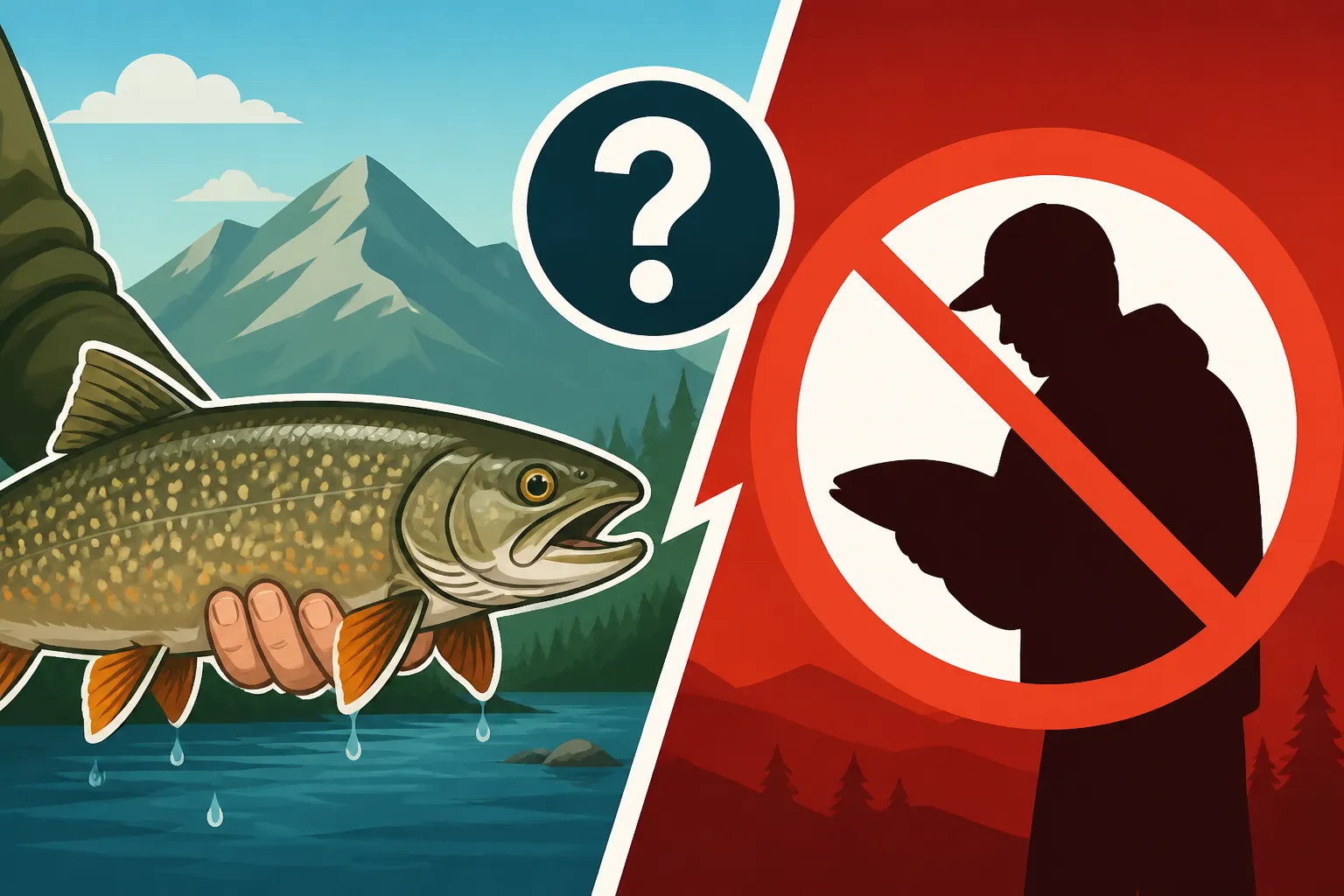
What exactly does "zero possession" mean in practical terms? It means that if you catch a bull trout, you are legally required to release it immediately and unharmed. You cannot put it in your cooler, in your livewell, or even take it back to shore for a photo session that delays its release. The intent is that the fish should spend the absolute minimum amount of time out of the water. This regulation is firmly in place across most of Alberta's waters where bull trout are found, from our pristine mountain streams to certain clear-water lakes. It’s about giving these fish the best possible chance to survive and continue their life cycle. For more detail, check out Alberta Bull Trout Zero Possession Rule.
For those of us who grew up with different rules or are just starting out, it can feel a bit restrictive. But when you understand the 'why' behind it, it makes perfect sense. These fish are a true indicator of healthy ecosystems, and their numbers have faced significant challenges over the years. This rule isn't meant to punish anglers; it's designed to protect a precious natural resource that we all cherish.
The Rarity of Exceptions: Special Harvest Licences
Now, I mentioned "generally illegal" and "very, very rare exceptions." This is where things can get a tiny bit confusing, but it's important to clarify. Historically, and in extremely specific, managed circumstances, there have been a handful of highly controlled special harvest opportunities for bull trout in certain areas. These are not open, general seasons. These are typically part of very specific management plans, often involving a limited draw system, almost like a lottery, and apply to extremely specific water bodies, usually in remote locations where populations might be more robust or where a specific management objective is being met.
These special harvest opportunities are exceptionally rare, are subject to strict quotas, and require a separate, special harvest license in addition to your regular Alberta fishing license and WIN Card. They are not something an average angler would encounter or participate in without actively seeking out and qualifying for a very specific program. For almost everyone fishing in Alberta, the zero possession rule for bull trout holds true, without exception. If you ever hear whispers of a special bull trout harvest, always verify through official provincial sources like MyWildAlberta, because they are few and far between and incredibly tightly regulated. Do not assume you can ever keep a bull trout unless you hold one of these specific, hard-to-get licenses for a designated waterbody and date range.
Why Bull Trout Are Protected: A Conservation Imperative
Understanding the strict "zero possession" rule for bull trout makes a lot more sense when you grasp their conservation status. These aren't just any trout; they are a native keystone species in Alberta, and their populations have been under immense pressure for decades. It's a sad reality, but human activity and environmental changes have taken a heavy toll, pushing them into a vulnerable position.
Bull Trout: Alberta's Threatened Native Fish
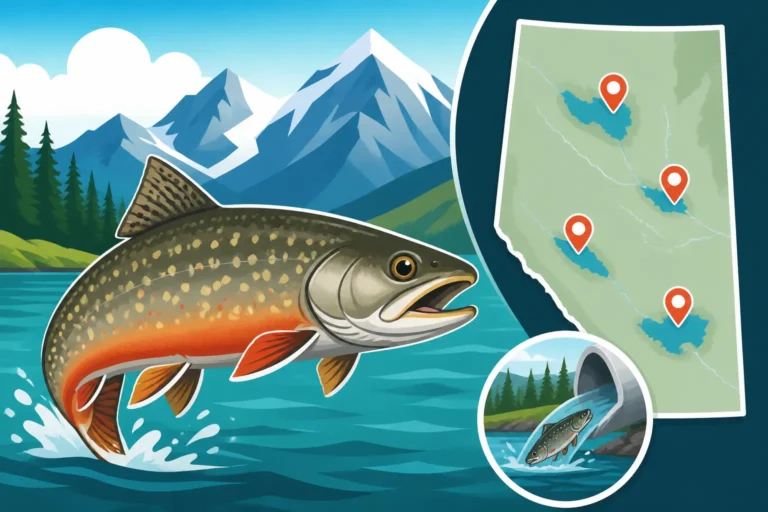
Bull trout (Salvelinus confluentus) are the largest native char species in Alberta, known for their stunning colours and fierce fighting spirit. They are also highly sensitive to environmental changes. They thrive in very cold, clean, oxygen-rich water, typically found in the headwaters of mountain streams and pristine lakes. This makes them particularly susceptible to issues like habitat degradation, water temperature increases, siltation from land development, and competition with non-native species.
Because of these factors, bull trout are currently listed as "Threatened" under Alberta's Wildlife Act. This designation isn't given lightly; it means their populations are declining to a point where they could become endangered if protective measures aren't strictly enforced. This "Threatened" status is the primary driver behind the zero-possession limit. The government, conservation groups, and responsible anglers are all working together to ensure these fish have a fighting chance to recover. It's a collective effort, and adhering to catch-and-release is one of the most direct ways we can contribute. If you're keen to learn more about this magnificent species, take a peek at Bull Trout: Alberta's Threatened Native Fish.
Historical Decline and Recovery Efforts
The story of the bull trout's decline is a stark reminder of our impact on the environment. Decades ago, before conservation efforts intensified, bull trout faced overfishing, habitat loss due to forestry, agriculture, and urban development, and the introduction of non-native fish species like brook trout and rainbow trout which competed for resources and sometimes hybridized with bull trout. Their slow growth rate and relatively late maturity also made them more vulnerable to population impacts.
Thankfully, significant recovery efforts are underway. These include:
- Strict Regulations: The zero-possession limit is chief among these, aiming to protect every adult fish to ensure they can spawn and contribute to future generations.
- Habitat Restoration: Projects focus on restoring degraded stream banks, improving water quality, and removing barriers to fish migration.
- Research and Monitoring: Scientists continuously monitor bull trout populations, track their movements, and study their habitat needs to inform better management strategies.
- Public Awareness: Educating anglers and the public about the importance of bull trout conservation is vital. Every angler who practices safe catch-and-release is an ambassador for the species.
These efforts are long-term commitments. It takes many years for fish populations to rebound, even with the best intentions and most stringent rules. That's why every single bull trout you encounter and release safely is a victory for conservation.
What to Do if You Accidentally Catch a Bull Trout
Even with the best intentions, sometimes you'll be fishing for other species and, lo and behold, a bull trout hits your line. It happens! The key is to be prepared and know exactly what steps to take to ensure the fish's survival. Remember, the goal is immediate and safe release, minimizing stress and physical harm.
Best Practices for Catch and Release
Releasing a fish properly is just as important as the act of catching it. For bull trout, where survival is paramount, proper technique can make all the difference.
- Be Prepared: Before you even cast your line in bull trout waters, have the right gear. A pair of long-nosed pliers or forceps for hook removal is essential. Consider a rubber or knotless mesh landing net – these are far gentler on a fish's slime coat and fins than traditional knotted nets. You can find excellent options for these tools on platforms like Amazon.
- Minimize Fight Time: The longer a fish fights, the more exhausted it becomes, reducing its chances of survival post-release. Use appropriate tackle that allows you to land the fish relatively quickly without totally overpowering it.
- Keep it Wet: This is probably the most critical rule. Try your absolute best to keep the fish in the water, especially its gills. If you must lift it for a quick photo, do so gently, support its full body weight horizontally, and never by the gills or jaw. Get the shot quickly and return it to the water in seconds.
- Handle with Care: Wet your hands before touching the fish to protect its delicate slime coat, which acts as a barrier against disease. Avoid squeezing or rough handling.
- Quick Hook Removal: If the fish is hooked superficially, use your pliers or forceps to remove the hook as quickly and gently as possible while the fish is still in the water. Barbless hooks are highly recommended in bull trout waters, as they greatly simplify hook removal. Which Alberta rivers mandate barbless hooks only can give you an idea of where this is common practice, and it's a good habit to adopt universally for catch-and-release fishing.
- Revive if Necessary: If the fish seems lethargic after unhooking, gently hold it upright in the water, facing into a mild current (if available). Move it back and forth slightly to push water over its gills until it regains strength and swims away on its own. Don't just toss it back; make sure it's strong enough to survive.
Practicing these steps not only protects bull trout but also helps preserve other vulnerable species that you might be targeting for catch and release.
Identifying Bull Trout vs. Other Species
Sometimes, distinguishing a bull trout from other char or trout species can be tricky, especially if you're not familiar with them or if the lighting is poor. A common mix-up can occur with brook trout or lake trout.
Here’s a quick guide to help you differentiate:
| Feature | Bull Trout | Brook Trout | Lake Trout |
|---|---|---|---|
| Spots | Pale, yellow to orange spots on a darker body; no black spots on dorsal fin. | Bright red spots with blue halos on a darker body; wavy markings on dorsal fin. | Irregular, worm-like light spots on a darker body; deeply forked tail. |
| Tail | Slightly forked, not deeply | Slightly forked or squared | Distinctly deeply forked |
| Mouth | Large, extending beyond the eye | Moderately large | Large, extending beyond the eye |
| Pectoral/Pelvic Fins | Often have a white leading edge | Often have a white leading edge | Pale or white leading edge, less pronounced |
| Colouration | Dark olive to brown back, lighter sides, often pinkish belly, especially during spawning. | Dark green/brown back with lighter sides and a reddish belly. | Dark green/grey, often paler belly. |
| Body Shape | Sleeker, more torpedo-shaped | More stout | More stout, cylindrical |
If you're ever in doubt, treat the fish as if it's a bull trout and release it immediately and carefully. It's always better to err on the side of caution when it comes to a threatened species. For more in-depth identification tips, you might find Trout Species Identification Guide for Alberta helpful.
Penalties and Enforcement for Non-Compliance
Let's be clear: fishing regulations are laws, and breaking them carries serious consequences. For a protected species like the bull trout, these penalties can be particularly stringent. It’s not worth the risk, both for your wallet and for the future of this incredible fish.
Fines and Legal Repercussions
Fishing without a valid license, exceeding bag limits, or possessing a protected species like a bull trout (outside of those incredibly rare, specific harvest draws) can lead to significant fines. The provincial government takes these infractions very seriously. Penalties can include:
- Substantial Fines: These can range from hundreds to thousands of dollars, depending on the severity of the offense and whether it's a repeat occurrence. For instance, possessing a bull trout without authorization can result in a hefty fine.
- Seizure of Equipment: Your fishing gear, boat, and even your vehicle might be seized. Imagine losing your favourite rod and reel, or even your truck, over a preventable mistake.
- Suspension of Fishing Privileges: You could lose your right to fish in Alberta, or even across Canada, for a period of time. This means no more trips to the Bow River or Lesser Slave Lake for you.
- Criminal Charges: In egregious cases, particularly those involving commercial poaching or repeat offenses, criminal charges are a possibility, which can lead to jail time.
Conservation officers, often referred to as Fish and Wildlife Officers, are out there actively patrolling our lakes and rivers. They are well-trained and dedicated to enforcing these regulations. Their job is to protect our wildlife, and they don't hesitate to issue tickets or press charges when rules are broken. It's really simple: know the rules, follow the rules, and avoid the heartache and expense of an infraction.
The Role of Anglers in Conservation
Beyond just avoiding penalties, responsible anglers play a crucial role in the broader conservation picture. We are the eyes and ears on the water, and our actions directly impact the health of fish populations.
- Self-Education: Taking the time to read the Alberta Fishing Regulations Explained and especially understanding species-specific rules is your first and most important step. Don't rely on hearsay; always consult the official guide. Your Alberta WIN Card, Explained is your entry into fishing, but the regulations guide is your bible on the water.
- Reporting Violations: If you witness someone breaking fishing regulations, you can report it to the Report A Poacher line. It's never comfortable to "tattle," but protecting our shared resources is everyone's responsibility. Poaching and illegal harvest directly undermine all the hard work put into conservation efforts.
- Advocacy and Support: Consider joining local conservation groups or organizations that are actively working to protect bull trout and their habitats. Your voice and support can make a difference in policy and funding for these vital programs.
- Ethical Practices: Beyond just bull trout, embracing ethical fishing practices like using barbless hooks, minimizing waste, and respecting private land ensures that we leave our natural spaces better than we found them. Even choosing a quality pair of polarized sunglasses, available from retailers like Amazon, can help you spot fish and avoid snagging them in sensitive areas, contributing to a more respectful fishing experience.
Ultimately, the goal is to enjoy Alberta's incredible fishing opportunities responsibly, ensuring that future generations can also experience the thrill of a bull trout on the line, even if it's always followed by a careful release.
Disclaimer
This article is for general informational purposes only and does not constitute professional advice. Laws, prices and regulations vary by location and change over time. Consult a qualified professional for guidance on your specific situation.