Which Alberta rivers mandate barbless hooks only
Navigating the myriad of rules and regulations for fishing in Alberta can feel like trying to tie a fly with numb fingers on a chilly morning – confusing, frustrating, and often leading to mistakes if you're not absolutely precise. One particular regulation that often trips up even seasoned anglers is the requirement for barbless hooks. You're out on a beautiful river, casting your line, and the last thing you want is the nagging worry that your gear might land you a fine or, worse, harm a precious fish. This comprehensive guide will untangle the mystery of Alberta's barbless hook mandates, explaining where they apply, why they're so important, and how to easily comply so you can focus on the joy of the catch.
Understanding Alberta's Barbless Hook Regulations
It's a common misconception that all of Alberta's waters require barbless hooks. That's simply not true! The mandate for barbless hooks is typically reserved for specific, often sensitive, fisheries within the province, usually designated as "Special Regulation Waters." These areas are often home to native trout species like the Bull Trout or Cutthroat Trout, or they are highly pressured rivers where fish welfare is paramount. The intent is always conservation and to minimize the stress and injury to fish, particularly those that are part of a catch-and-release program or protected species.
When you crack open the latest edition of the Alberta Guide to Sportfishing Regulations, which I highly recommend every angler keep handy – whether in physical form or as the Alberta Fishing Regulations App and Zone Lookup, Explained – you'll find that specific water bodies, or even sections of rivers, will have explicit rules. These aren't blanket statements but rather precise directives tailored to the unique ecological needs of each fishery.
Specific Rivers and River Sections with Barbless Hook Mandates
Alberta's vast landscape means diverse fishing opportunities, but it also means diverse regulations. The most stringent barbless hook rules are predominantly found in the province's famed trout streams, especially those in the Eastern Slopes region and portions of the Bow River. These are the pristine, cold-water habitats where native and wild trout populations thrive, and conservation efforts are focused.
Here are some of the key rivers and river sections in Alberta where barbless hooks are mandated:
- Bow River (within Calgary City Limits and specific sections downstream): This is perhaps the most famous example. While some stretches outside the city might have different rules, the Bow River, particularly through Calgary and sections like the popular "blue ribbon" trout fishery from Calgary downstream to Carseland, often has a strict "single barbless hook, artificial lure only" regulation. This is crucial for protecting the robust populations of Rainbow Trout and Brown Trout that call this river home. Making sure your flies and lures are compliant here is non-negotiable. If you're planning a trip, be sure to check the specific zone and reach you'll be fishing, as regulations can vary. You can learn more about fishing this iconic river in our Bow River Fishing Guide.
- Crowsnest River: Another gem in the southwestern part of the province, the Crowsnest River is renowned for its trout fishing. Sections of this river, particularly the more managed and popular stretches, often require barbless hooks. This river experiences significant angling pressure, and barbless hooks are a key component of its sustainable management.
- Oldman River and its Tributaries: The Oldman River system, particularly the upper reaches and some of its feeder streams in the Eastern Slopes, are critical habitats for Bull Trout and other native species. As such, you'll frequently find barbless hook requirements here. These are often coupled with "catch-and-release only" mandates, reinforcing the need for minimal harm to fish.
- Highwood River: Flowing through Kananaskis Country, the Highwood River is another beautiful trout stream where conservation is a priority. Many sections will require barbless hooks, often alongside "artificial lure only" rules. This protects its sensitive fish populations, which include Cutthroat Trout and Bull Trout.
- Sheep River: Similar to the Highwood, the Sheep River, also in Kananaskis Country, is a vital habitat for native trout. Anglers exploring these waters must adhere to barbless hook rules to ensure the health of its wild fish.
- Elbow River: Closer to Calgary, the Elbow River can be a fantastic, though often challenging, trout fishery. Specific sections, especially those designated for special management, will have barbless hook regulations.
- Other Eastern Slopes Tributaries: Many smaller streams and headwaters throughout the Eastern Slopes, particularly those within the mountain zones (ES1, ES2, ES3, ES4), will have "single barbless hook" requirements. These are often critical spawning and rearing grounds for native trout, and protecting them is a top priority. Always consult the specific zone regulations for any smaller creek or tributary you plan to fish.
It’s absolutely critical to remember that these regulations are subject to change. What was true last year might have been updated this year. Always, and I mean always, double-check the current Alberta Fishing Season Dates by Zone and the full regulations before you head out. You can find detailed information on specific waterbodies and zones by reviewing the "Special Regulations" section within the Alberta Guide to Sportfishing Regulations. This section is your go-to source for precise, up-to-date information on rules like barbless hook requirements.
What "Barbless" Truly Means for Anglers
When the regulations state "barbless," it means exactly that: there should be no barb on your hook that would impede its easy removal from a fish's mouth. This applies to all hooks on your line – if you're using a lure with multiple trebles, all points on all trebles must be barbless. Similarly, if you’re using a single hook, it must be barbless.
The good news is, you don't always have to go out and buy a whole new set of hooks. While many companies like Gamakatsu, Mustad, and Eagle Claw offer purpose-built barbless hooks, it's incredibly easy to make almost any barbed hook barbless. All you need is a pair of strong, needle-nose pliers or specialized debarbing pliers. Simply grip the barb firmly and crimp it flat against the hook shank. Give it a quick test on your finger or a piece of cloth to ensure it snags no longer. If it slides freely, you're good to go! You can find a wide selection of debarbing pliers and barbless hooks on Amazon if you need to stock up before your next trip.
Why Barbless Hooks Matter: Conservation and Ethical Angling
Sometimes, regulations can feel like a bureaucratic headache, but the barbless hook rule is one that truly has the welfare of the fish and the sustainability of our fisheries at its heart. It’s not about making fishing harder; it’s about making it better for everyone, especially the fish.
Minimizing Injury and Stress to Fish
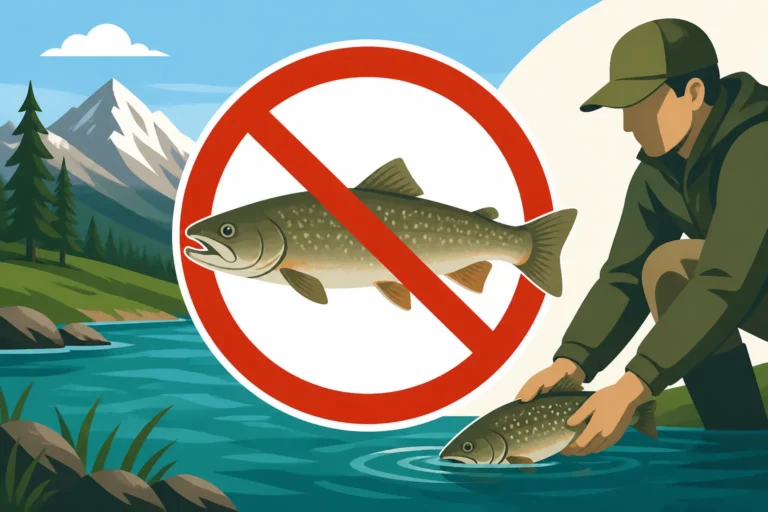
Imagine getting a hook caught, and it has a barb digging in. Now imagine if that's happening to a wild trout, perhaps a precious Bull Trout (which has a Alberta Bull Trout Zero Possession Rule), that we hope will live to spawn and contribute to the next generation. Barbless hooks dramatically reduce the physical trauma to a fish.
- Easier Removal: Without a barb, a hook can often be simply backed out of a fish's mouth with minimal effort. This means less time struggling for the fish and less time handling it, which reduces stress.
- Less Tissue Damage: Barbs can tear sensitive mouth tissue, gills, or even eyes if the hook is swallowed deeply. A barbless hook, even if swallowed, often causes less damage and can sometimes be dislodged naturally or with careful intervention.
- Higher Survival Rates: Studies consistently show that fish caught and released with barbless hooks have significantly higher survival rates compared to those caught with barbed hooks. This is paramount in catch-and-release fisheries, where the goal is to allow fish to grow larger and contribute to the population. This aligns directly with the goals of many Alberta Catch and Release Only Waters.
Promoting Responsible Angling Practices
Beyond the immediate physical benefit to the fish, barbless hooks cultivate a more mindful approach to angling. It forces us, as anglers, to be more precise in our hook sets and more gentle in our fight and release. It emphasizes the ethical responsibility we have to the resource.
- Quick Release: When you’re fishing with barbless hooks, you often develop a rhythm of quick, efficient releases. This skill is invaluable, especially when targeting fragile species or when fishing in cold weather where prolonged air exposure can be deadly for fish.
- Focus on the Experience: Knowing you’re doing everything you can to protect the fish you catch adds another layer of satisfaction to the angling experience. It shifts the focus from simply "catching" to a more holistic appreciation of the ecosystem and our role within it.
- Setting a Good Example: When you demonstrate proper barbless hook use and responsible handling, you become an ambassador for conservation. This is especially true when fishing with newer anglers or children, teaching them the importance of respecting the fish.
Consider a scenario: you're fishing the Crowsnest River, a truly special trout stream, and you hook into a magnificent Rainbow Trout. With a barbed hook, that fish might thrash more, creating a larger wound, and the removal process could take precious extra seconds. With a barbless hook, a simple twist of the pliers, and the fish is often back in the water, darting away almost immediately, a true testament to responsible angling.
Practical Tips for Fishing Barbless Only Waters
Adopting barbless hook practices isn't just about crimping a barb; it's about a holistic approach to angling that minimizes impact. Here are some essential tips to ensure you're compliant and contributing to healthy fisheries.
Checking and Converting Your Hooks
Before you even step foot near the water, make it a habit to check every single hook you intend to use.
- The Fingernail Test: Run the hook point gently across your thumbnail. If it catches or digs in, there's still a barb. If it slides smoothly, it's barbless. This simple test is a lifesaver for ensuring compliance.
- Debarbing Pliers: Invest in a good pair of debarbing pliers. These are typically needle-nose pliers with a fine tip that allows you to grip the barb firmly and flatten it against the hook shank. Keep them in your vest or tackle box at all times. You can find excellent options on Amazon, often specifically marketed for fly fishing or catch-and-release.
- Pre-Crimp Hooks: If you're using new lures or flies, debarb them at home before your trip. It's much easier and less rushed than doing it riverside, especially when excitement is high. If you're an avid angler, buying dedicated barbless hooks from brands like Mustad or Owner can save you time.
Essential Gear for Responsible Release
Beyond the hooks themselves, having the right tools on hand makes a huge difference in the welfare of the fish.
- Rubberized Landing Net: Forget the old knotted nylon nets that can strip a fish of its protective slime. A net with a fine, rubberized mesh is much gentler on fish scales and slime coats. It reduces abrasion and prevents fins from getting tangled, allowing for a much quicker and safer release. Many sporting goods stores and online retailers like Amazon offer these.
- Forceps or Hemostats: These are invaluable for quickly and gently removing hooks, especially if a fish swallows a fly or lure a bit deeper. Their long, narrow jaws allow you to reach in without putting your fingers too close to sharp teeth or gill plates.
- Patience and Wet Hands: When handling a fish, always wet your hands first. Dry hands can remove the fish's protective slime layer, making it vulnerable to infection. Handle fish as little as possible, and if you must take a photo, do it quickly and keep the fish low over the water, ready for immediate release. Minimize air exposure.
Here’s a quick reference for common tools:
| Tool | Purpose | Benefit for Fish |
|---|---|---|
| Debarbing Pliers | Flatten barbs on hooks | Reduces injury during hook removal |
| Rubberized Landing Net | Safely land fish | Protects slime coat and fins |
| Forceps/Hemostats | Quick, precise hook removal | Minimizes handling and stress |
| Hook Sharpener | Maintain sharp barbless points | Ensures quick, clean hook sets |
| Wet Rag | Handle fish, keep hands wet | Protects fish's slime layer |
Understanding the "Artificial Lure Only" Rule
Many barbless hook mandates are paired with an "artificial lure only" rule. This means no bait – no worms, no maggots, no corn, no PowerBait. This is typically to prevent deep hooking, which is much more common when fish are allowed to "mouthing" or swallow natural bait. An "artificial lure" can include flies, spoons, spinners, and hard-bodied plugs, as long as they do not contain any natural bait. Always double-check this specific detail in the regulations for the water body you plan to fish, as it's just as important as the barbless hook rule. If a water body states "single barbless hook, artificial lure only," then bait fishing is absolutely prohibited. This kind of regulation is frequently found on Alberta fly fishing only special regulation waters.
Navigating the Alberta Guide to Sportfishing Regulations
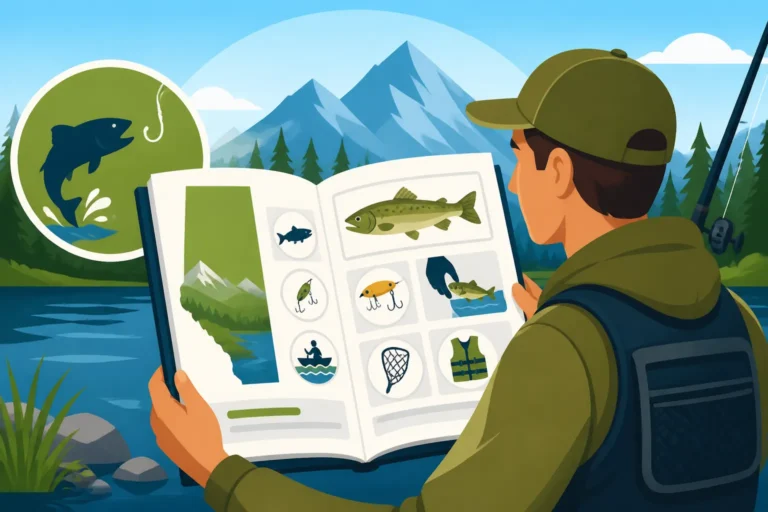
The official guide is your Bible for Alberta fishing. It contains everything you need to know to stay legal and fish responsibly. Taking the time to understand its layout and how to interpret the regulations will save you a lot of headaches and potential fines.
How to Read Waterbody-Specific Regulations
When you open the guide, you'll see a section dedicated to "Waterbody Specific Regulations." This is where you'll find the detailed rules for individual lakes and rivers. Each entry will typically list the water body, its location, and then a series of codes or descriptions indicating specific rules.
- Zone Maps: First, identify the fishing zone you're in (e.g., Eastern Slopes Zone 1 – ES1, Prairie Zone – PP1). The guide includes maps that clearly delineate these zones.
- Waterbody Listings: Within each zone's section, waters are listed alphabetically. Find the river or lake you intend to fish.
- Interpreting Symbols and Text: Look for specific text like "Single Barbless Hook," "Artificial Lure Only," "Bait Ban," or "Catch and Release Only." Sometimes, a symbol might be used, but the text is usually quite explicit for hook types. For instance, you might see an entry for "Bow River" with a line stating "From Cushing Bridge (Calgary) downstream to Carseland Weir: Trout Limit 0. Single barbless hook, artificial lure only." This tells you exactly what you need to know.
It's helpful to remember that Alberta's regulations are designed to be quite precise. Don't assume a general rule applies everywhere. Always look up the specific water body. For example, knowing the rules for the mainstem Bow River is one thing, but if you decide to fish a small tributary, you must check the regulations for that specific stream, as they might be entirely different. Our guide on Reading the Alberta Guide to Sportfishing Regulations can provide a deeper dive into this topic.
The Consequences of Non-Compliance
Fishing with barbed hooks in a "barbless only" water is not a minor infraction. Fisheries officers regularly patrol popular rivers, especially those with special regulations. They are there to enforce the rules and protect the resource.
- Fines: The penalties for fishing with barbed hooks in a restricted area can be substantial. Fines typically range from a few hundred dollars to more, depending on the severity and whether it's a repeat offense. It's a costly mistake that no one wants to make. You can read more about what happens if you're found Fishing Without a License in Alberta: Penalties – and hook violations are treated similarly seriously.
- Loss of Equipment: In some cases, officers might confiscate your gear, particularly the non-compliant lures or hooks.
- Damage to Reputation: Beyond the legal and financial repercussions, being found in violation of conservation-based regulations can also damage your reputation within the angling community. We all share the responsibility for preserving our fisheries.
Always remember that fisheries officers are often anglers themselves, and they're usually happy to answer questions if you're unsure about a rule before you start fishing. It's always better to ask than to unknowingly break a regulation. Their goal is to ensure sustainable fishing for generations to come, and that means everyone playing by the rules.
In conclusion, understanding and adhering to Alberta's barbless hook mandates is a crucial part of being a responsible and ethical angler. These rules are in place for excellent reasons, primarily to protect the health and vitality of our precious fish populations, especially in our most sensitive and highly-fished waters. Take the time to know the regulations for the specific rivers you plan to fish, equip yourself with the right tools, and approach every catch with the fish's well-being in mind. Happy fishing, and tight lines!
Disclaimer
The information provided in this guide is for general informational purposes only and is subject to change. While we strive to offer accurate and up-to-date content, fishing regulations in Alberta can be modified by provincial authorities at any time. It is the sole responsibility of every angler to consult and comply with the most current Alberta Guide to Sportfishing Regulations and any local advisories before engaging in any fishing activity. Non-compliance with regulations can result in significant penalties.