Do Alberta Seniors Over 65 Need a Fishing License?
It’s a question that pops up a lot around the campfire or at the local tackle shop: "Do I still need a fishing license if I'm over 65 in Alberta?" Many seasoned anglers, after a lifetime of buying licenses, understandably wonder if they're finally exempt from this annual requirement. This guide is here to cut through the confusion and give you the clear, straightforward answers you need to enjoy Alberta's fantastic waters with peace of mind.
Unpacking the Alberta Fishing License Exemption for Seniors
Let's get right to the heart of the matter because this is often where the biggest misunderstandings happen. The good news is, for many of Alberta's valued senior anglers, there's indeed an exemption when it comes to the purchase of a sportfishing license.
The Age Exemption Details
If you are an Alberta resident and are 65 years of age or older, you do not need to purchase an Alberta sportfishing license to fish in the province's waters. That's right, once you hit that 65th birthday, you can hang up your annual license buying worries. This is a fantastic benefit for those who have contributed to our communities and our province throughout their lives, allowing them to continue enjoying the tranquility and thrill of fishing without that extra step or cost. It's a way to acknowledge and celebrate their continued participation in a cherished outdoor activity. This exemption isn't just a small perk; for many, it can make a real difference in how often they can get out on the water, especially for those on fixed incomes. It means more time pursuing walleye in Lesser Slave Lake or casting for trout in the Bow River, without the administrative hassle.
What You Still Need: The WIN Card
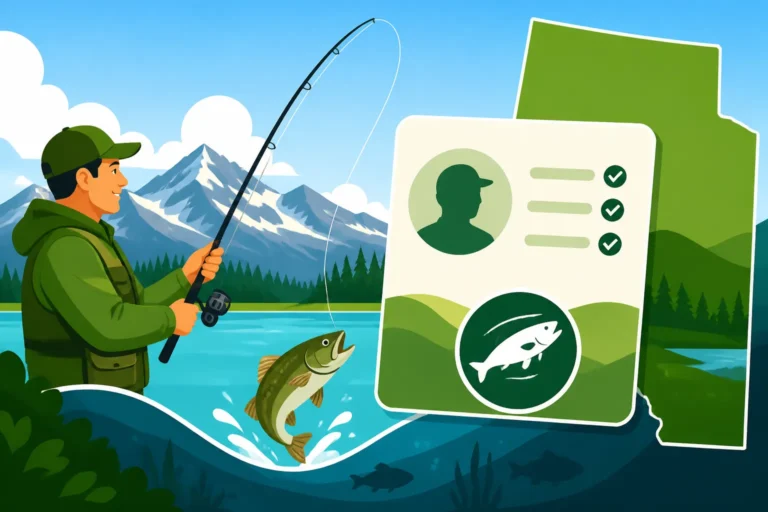
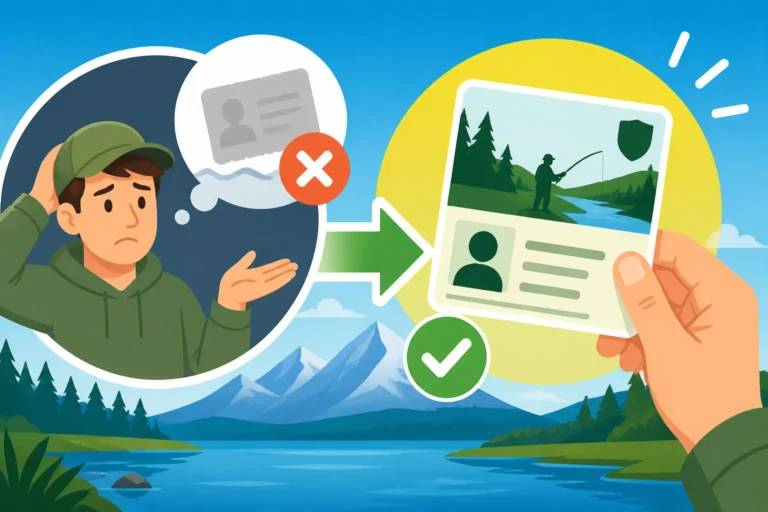
Now, here's the crucial part that often trips people up, and it's essential to get this right. While you are exempt from buying a fishing license, you are not exempt from holding a valid Wildlife Identification Number (WIN) card. Think of your WIN card as your essential identification for all things hunting and fishing in Alberta. It's a permanent card, much like a driver's license, that links you to the province's wildlife management system. Even though seniors don't pay for the fishing license itself, the WIN card system is still used to track angler numbers, manage draw applications (like for the Alberta Walleye Special Harvest Licence Program), and ensure all participants are accounted for. So, while you won't be paying for an annual fishing license, you absolutely must ensure your WIN card is current and valid. If you don't have one, or if yours has expired, you'll need to acquire or renew it before you head out. This is a common point of confusion, so always remember: license exempt, but WIN card required. You can learn more about the specifics in our comprehensive guide, "Alberta WIN Card, Explained".
Understanding the WIN Card
The Wildlife Identification Number (WIN) card is more than just a piece of plastic; it's your gateway to legally participating in hunting and fishing activities in Alberta, even if you're exempt from purchasing certain licenses. For senior anglers, it's the single most important document you need to ensure you're compliant with regulations.
Getting Your WIN Card
If you're an Alberta senior who hasn't had a WIN card before, or if yours has long expired, getting one is a fairly straightforward process. You can apply for or renew a WIN card online through the MyWildAlberta portal, which is the province's official system for managing these documents. The online process is generally the quickest and most convenient option. You'll need to provide some personal information, and there's a small fee associated with the card itself and its activation. While the fishing license is free for you, this activation fee still applies. Our guide on "Alberta WIN card activation fee, explained" can give you all the details on the current costs. Alternatively, if you prefer, you can visit a licensed issuer, such as many hunting and fishing stores or authorized provincial park offices. They can help you complete the application in person. Make sure you have valid government-issued identification with you, such as your driver's license or passport, as proof of residency and age.
Maintaining Your WIN Card
Unlike the annual fishing license, the WIN card isn't an annual purchase. It's typically valid for five years from the date of issue. This means you don't have to worry about renewing it every single year, which is a nice convenience for everyone, especially seniors. However, it's crucial to keep track of its expiry date. Many anglers set a reminder in their calendars or on their phones so they don't accidentally let it lapse. An expired WIN card, even if you're over 65, means you're technically fishing without proper identification, which can lead to fines. If you move or change any personal details, it's a good idea to update your information associated with your WIN card online. This ensures that any communications or updates from Alberta Environment and Protected Areas reach you. Having a valid, up-to-date WIN card is your responsibility, and it's a simple step to avoid any unnecessary headaches while you're out enjoying the waters.
Here’s a quick overview of WIN card essentials:
| Requirement | Details |
|---|---|
| Who Needs It? | All anglers (including seniors 65+) and hunters in Alberta. |
| Purpose | Unique identification number for wildlife management; links you to licenses/draws. |
| Cost | Small activation/issue fee (e.g., ~$8.00 currently), not an annual fishing license fee for seniors. |
| Validity | Generally valid for 5 years. |
| Where to Get/Renew | Online via MyWildAlberta portal or in-person at licensed issuers. |
| What to Carry | Physical WIN card or proof of its validity (e.g., on your phone if digital, though physical is recommended). |
Beyond the Basics: Other Senior Fishing Considerations
While the license exemption is fantastic, it's vital for senior anglers to remember that all other Alberta fishing regulations still apply. The rules aren't relaxed just because you've reached a certain age; they're there to protect our fisheries for everyone.
Proving Your Age on the Water
Even though you don't need a physical fishing license for those over 65, you must be prepared to prove your age and residency if asked by a Fish and Wildlife Officer. This means carrying valid government-issued photo identification that clearly states your date of birth and current Alberta address. A provincial driver's license or an Alberta ID card are perfect examples. Imagine you're enjoying a peaceful afternoon fishing for pike on Keho Lake, and an officer approaches. Having your ID ready, along with your valid WIN card, will make the interaction quick and pleasant, allowing you to get back to fishing without delay. This is a key component of "Alberta senior proof of age requirement while fishing", ensuring that the exemption is being used correctly. Don't leave home without it!
Special Regulations and Zone Rules
Alberta's fishing regulations are designed to be dynamic, protecting certain species and ensuring sustainable populations. This means that specific lakes, rivers, or even sections of rivers, can have unique rules regarding catch limits, bait restrictions, or season dates. For instance, the Bow River, famous for its trout, has very specific regulations, including mandatory "Alberta Barbless Hook Requirement Waters" in certain sections. Similarly, some lakes might have a "Alberta Walleye Limit by Zone" that differs from others, or a "Alberta Bull Trout Zero Possession Rule" due to their threatened status.
It's crucial to consult the current "Alberta Guide to Sportfishing Regulations" every year, even if you've been fishing the same spots for decades. These guides are updated annually and are available online through MyWildAlberta or at most fishing license retailers. Familiarize yourself with the specific rules for the water body you plan to visit, including any "Alberta Zone-Specific Season Dates, Explained". A quick check can prevent an accidental violation, which can carry penalties even if you weren't aware of the specific rule. Ignorance of the law is generally not a valid defense.
Boating Safety for Senior Anglers
If you're planning to take a boat out on the water, whether it's a small aluminum jon boat on a prairie lake or a larger craft on Cold Lake, boating safety rules are non-negotiable, regardless of your age. This includes having the appropriate safety equipment on board, understanding navigation rules, and, if operating a powered vessel, holding a valid Pleasure Craft Operator Card (PCOC). You can find comprehensive details in our article on "Alberta Boating Laws for Anglers".
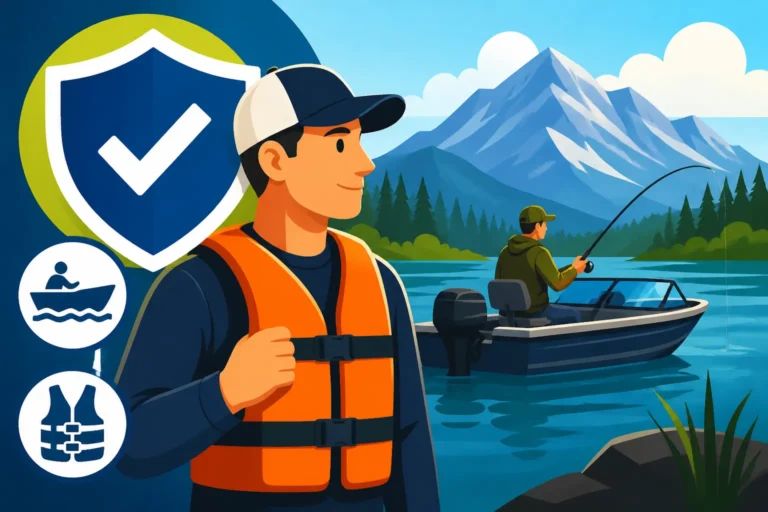
Personal flotation devices (PFDs) or life jackets are a prime example. While you don't always have to wear them on a boat, you must have an approved one for everyone on board, readily accessible. For seniors, wearing a PFD at all times when on the water, especially in smaller boats or kayaks, is a highly recommended practice for added safety. Falling overboard unexpectedly can be disorienting and dangerous, and a PFD can be a literal lifesaver. You can find comfortable, modern PFDs that don't restrict movement, often available on platforms like Amazon, making safety both easy and convenient. Make sure to review "Life Jacket Requirements for Alberta Boaters" before your trip.
Practical Tips for Senior Anglers in Alberta
Fishing should be an enjoyable and comfortable experience, especially as we get a little older. Thinking ahead and preparing can make a huge difference in your day on the water.
Planning Your Trip
Thoughtful planning is the secret to a successful and stress-free fishing trip. Consider the accessibility of your chosen fishing spot. Are there paved paths to the shore, or will you be navigating rough terrain? Are there washroom facilities nearby? For those who enjoy the solitude of more remote areas, remember that services might be sparse. It's always a good idea to let someone know where you're going and when you expect to return, especially if you're heading out alone. Check the weather forecast meticulously; Alberta weather can change quickly, and being caught unprepared can be uncomfortable or even dangerous. Bringing layers of clothing, suitable for sun, wind, or sudden rain, is always a wise move.
Also, consider the type of fish you're targeting. Are they deep-water species requiring specialized gear, or are they closer to shore? Knowing your quarry can help you choose the right location and equipment, ensuring a more productive and enjoyable outing. For instance, if you're after rainbow trout, understanding "Spring Trout Fishing Techniques for Alberta Streams" can really improve your success.
Essential Gear and Comfort
Comfort is key, especially for longer outings. Investing in a comfortable, portable fishing chair can make a world of difference for shore anglers. A good quality cooler to keep your drinks cold and your catch fresh is also essential. Hydration is critical, so always bring plenty of water, even on cooler days. For sun protection, a wide-brimmed hat, polarized sunglasses (which also help you see into the water better!), and sunscreen are must-haves. Many of these items, from ergonomic fishing chairs to durable coolers and quality sunglasses, are readily available on Amazon with convenient delivery, making it easy to prepare from home.
Consider lightweight and easy-to-handle fishing gear. A lighter rod and reel combo can reduce fatigue, making it more pleasant to cast all day. For those who find tying knots challenging, pre-tied leaders or quick-attach swivels can be a great help. Think about a tackle box that's well-organized and easy to access, perhaps with larger compartments for easier handling of lures and tools. Having a good "Best Landing Net for Trout" (or pike, depending on your target) can also make landing fish easier and safer, especially if you're practicing catch and release.
Staying Safe on the Water
Safety extends beyond just PFDs. Always carry a basic first-aid kit, a fully charged cell phone, and ideally, a whistle or other signaling device. If you're out on a boat, ensure all your communication and safety gear is within easy reach. Navigating currents or sudden weather changes can be tricky, so if you're new to a particular water body or feeling less confident, consider fishing with a buddy. There's strength and safety in numbers, and sharing the experience makes it even better.
Remember to be mindful of your physical limits. Don't overexert yourself, especially when wading in currents or lifting heavy gear. Take breaks as needed, and don't hesitate to pack up if you're feeling tired or if the weather turns. Our beautiful Alberta waters offer endless opportunities for fishing, but your well-being should always be the top priority. Always double-check your "Alberta Fishing Regulations Explained" for any specific safety or access rules related to your chosen spot.
Disclaimer
The information provided in this guide is for general informational purposes only and does not constitute legal advice. While we strive to provide accurate and up-to-date information, fishing regulations can change. It is the angler's responsibility to consult the official Alberta Guide to Sportfishing Regulations annually and comply with all provincial and federal laws.