Best technique for bank fishing a stocked pond
There's a special kind of joy in bank fishing a stocked pond, isn't there? It’s often where many of us start our angling journey, a perfect place to introduce kids to the sport, or just enjoy a peaceful afternoon without the hassle of a boat. But sometimes, even in these seemingly simple waters, it can feel like the fish are ignoring your offerings. This guide is all about giving you the best techniques and advice to maximize your success when you're fishing from shore at an Alberta stocked pond, turning those quiet afternoons into memorable catches.
Understanding Stocked Ponds in Alberta
Stocked ponds are a real gift to anglers, especially those looking for accessible, often family-friendly fishing experiences. They are distinct from natural lakes and rivers, primarily because the fish populations are regularly supplemented by provincial fisheries programs. This means a higher density of fish, often species like rainbow trout, and sometimes even perch or pike, depending on the pond. Understanding these dynamics is key to catching fish.
Why Stocked Ponds Are Different
Unlike wild waters where fish are naturally reproducing and scattered, stocked ponds are designed for angler success. The fish introduced are often hatchery-raised, which can influence their feeding behaviour. They might be more accustomed to specific types of feed and less wary of predators, at least initially. This means presentation often matters more than stealth, and "easy" baits can be incredibly effective. These ponds are managed to provide recreational opportunities, often close to urban centres, making them incredibly convenient. You won't typically find the same complex ecological systems as in large, wild lakes, but rather a more focused environment where the primary goal is for anglers to catch fish.
Common Fish Species in Alberta Stocked Ponds
The star of most Alberta stocked ponds is the rainbow trout. These feisty fish are a blast to catch, especially for beginners or kids, due to their willingness to bite. They grow relatively quickly and put up a decent fight on light tackle. Beyond rainbows, some ponds might also have yellow perch, which are another excellent target, especially for their schooling behaviour and delicious fillets. In certain areas, you might even encounter northern pike or brook trout, though rainbows are definitely the most common. Understanding the primary species in your chosen pond will help you select the most effective baits and techniques. Many of these ponds are part of the province's "Fish Stocking Program" and are clearly designated for public access and recreational fishing.
Essential Gear for Bank Fishing Stocked Ponds
One of the great things about bank fishing a stocked pond is that you don't need a huge investment in gear. Simplicity and portability are your friends here. You want equipment that's easy to carry, set up, and handle, especially if you're bringing along younger anglers.
The Right Rod and Reel Setup
For stocked ponds, a light to medium-light spinning rod, typically in the 5 to 7-foot range, is perfect. This length gives you enough casting distance from the bank without being unwieldy, especially if you're fishing with kids. Pair this with a small spinning reel spooled with 4 to 6-pound test monofilament or fluorocarbon line. Monofilament is a great all-rounder; it's easy to cast, has a bit of stretch to forgive sudden runs, and is relatively inexpensive. If you're looking for something with a bit more sensitivity and less stretch, fluorocarbon is a fantastic option, though often a bit pricier.
Having a good, balanced rod and reel combo is key. You can find excellent entry-level combos that won't break the bank on platforms like Amazon, offering a great starting point for anyone looking to get into fishing. Remember, you don't need heavy-duty saltwater gear here; finesse and sensitivity will serve you better. Consider something like a 6'6" medium-light action rod with a 2000-series spinning reel. This setup is versatile enough for both trout and perch. For beginners, a simple push-button spincast reel can also be a fantastic choice for ease of use, making the learning curve much smoother. You might even find some useful tips in a guide about Best Rod and Reel Combo for Beginners.
Bait and Lure Selection for Success
This is where the magic happens! Stocked pond fish are often not too picky, but some offerings definitely outperform others.
Top Baits for Trout and Perch
- PowerBait (or similar dough baits): This is almost a guaranteed winner for stocked rainbow trout. Available in various colours and scents, it floats, which is crucial for keeping your bait off the bottom, right in the fish's strike zone. A small pinch on a tiny hook is usually all it takes.
- Worms (Live or Artificial): Garden worms or nightcrawlers are universally effective. Thread a small piece onto your hook, letting it wiggle enticingly. For a mess-free alternative, Gulp! Alive! Waxies or Maggots can be incredibly successful, mimicking natural insects.
- Corn: Believe it or not, canned corn is a fantastic bait for stocked trout. The bright yellow colour and sweet scent are irresistible. Use just a few kernels on a small hook.
- Marshmallows: Small marshmallows, particularly scented ones, also float and appeal to trout. You can combine them with a worm for a "worm-mallow" combo.
Effective Lures for Active Fish
When fish are more active, or you want to cover more water from the bank, small lures can be deadly.
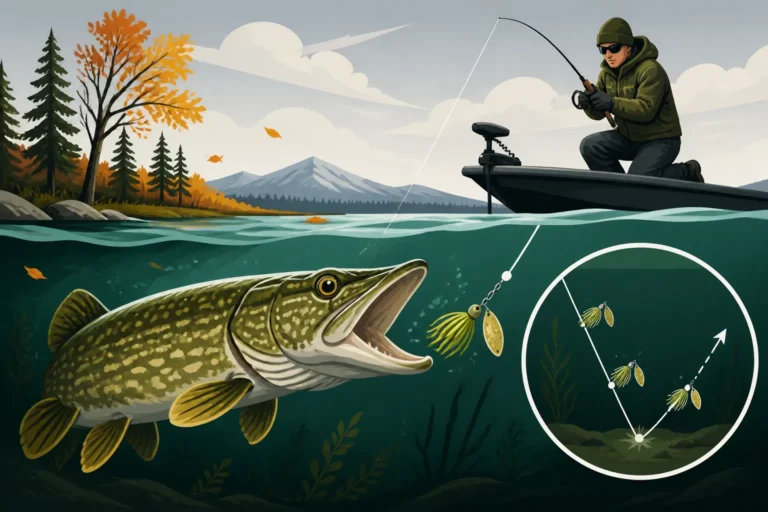
- Spinners: Classic in-line spinners like Mepps or Blue Fox are excellent. Their flashing blades and vibrations attract fish from a distance. Sizes #0 to #2 are usually ideal. Cast them out and retrieve slowly, keeping the blade spinning.
- Spoons: Small, flashy spoons (1/8 to 1/4 oz) like Little Cleos or Five of Diamonds flutter enticingly as they fall and retrieve. Vary your retrieve speed to find what the fish prefer.
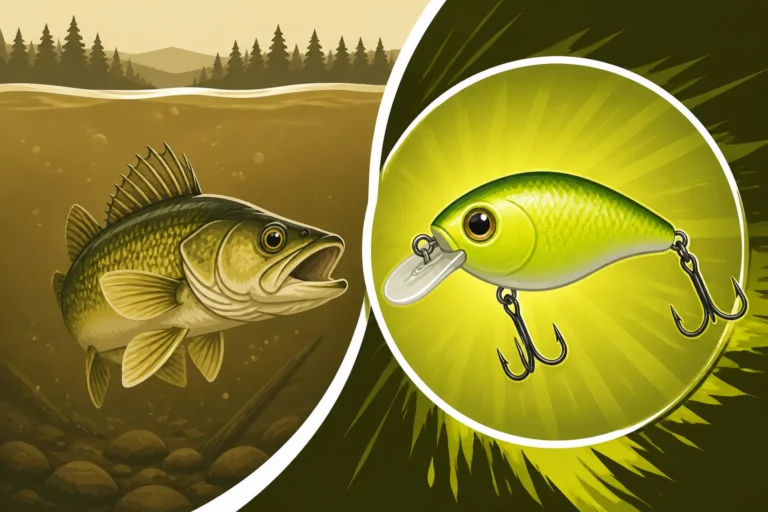
- Jigs: Tiny jigs, especially those tipped with a small piece of worm, PowerBait, or a micro-soft plastic, can be very effective, especially for perch. Work them slowly along the bottom or under a float.
Remember, trout in particular are often very visual, so don't be afraid to experiment with different colours until you find what they're hitting on that day. A small, portable tackle box from Amazon could hold a variety of these essential baits and lures.
Proven Techniques for Success from the Bank
Now that you have your gear, let's talk about how to put it to good use. Bank fishing a stocked pond involves a few fundamental techniques that, once mastered, will significantly increase your catch rate.
Using a Bobber or Float Setup
This is arguably the most common and often most effective method for stocked ponds, especially for trout. The principle is simple: suspend your bait at a desired depth.
How to Rig Your Bobber
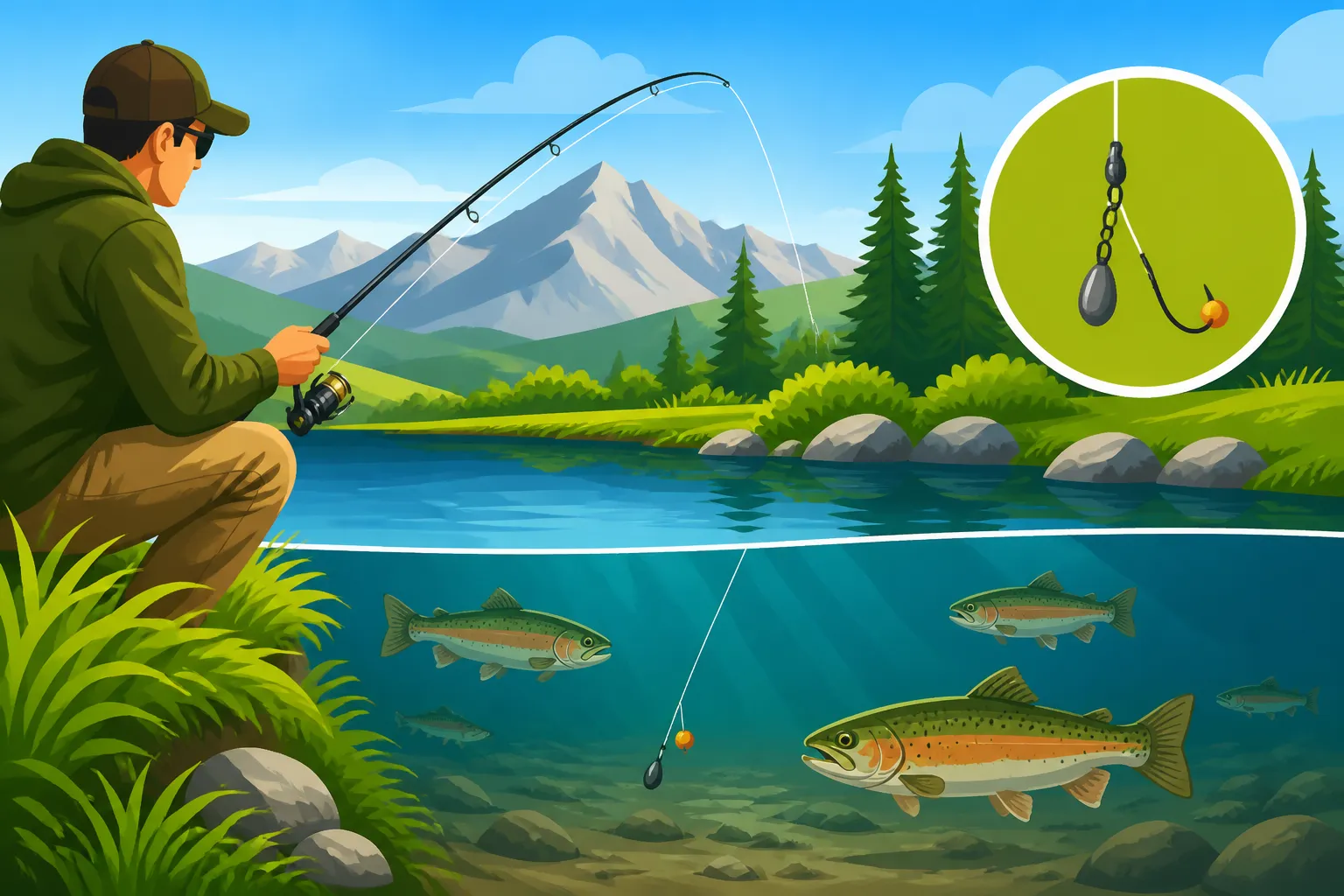
You'll need a small bobber (clip-on or slip bobber), a small weight (split shot or an adjustable sinker), and a small hook (#8 to #12, often a baitholder or Aberdeen style).
- Attach the bobber: If using a clip-on bobber, simply clip it to your line. For a slip bobber, thread your line through it, then tie a bobber stop above it at your desired depth.
- Add weight: Crimp one or two small split shot weights about 6-12 inches above your hook. This helps cast your bait and gets it down to the feeding zone. You want just enough weight to keep your bobber upright but still sensitive to bites.
- Tie on your hook: Use a simple Palomar or improved clinch knot.
- Add bait: A small ball of PowerBait (enough to cover the hook and float), a piece of worm, or a few kernels of corn are excellent choices.
The key here is getting your bait at the right depth. Trout often cruise at specific depths, sometimes near the surface, sometimes a few feet down. Start by setting your bait a couple of feet deep and adjust as needed. Watch your bobber carefully; a twitch, dip, or sideways movement usually signals a bite. This method is incredibly visual and exciting, particularly for new anglers.
Bottom Fishing with Scented Baits
Sometimes, fish prefer to feed closer to the bottom, or they might be a bit deeper than a standard bobber setup can easily reach. This is where bottom fishing comes in.
The Carolina Rig Alternative
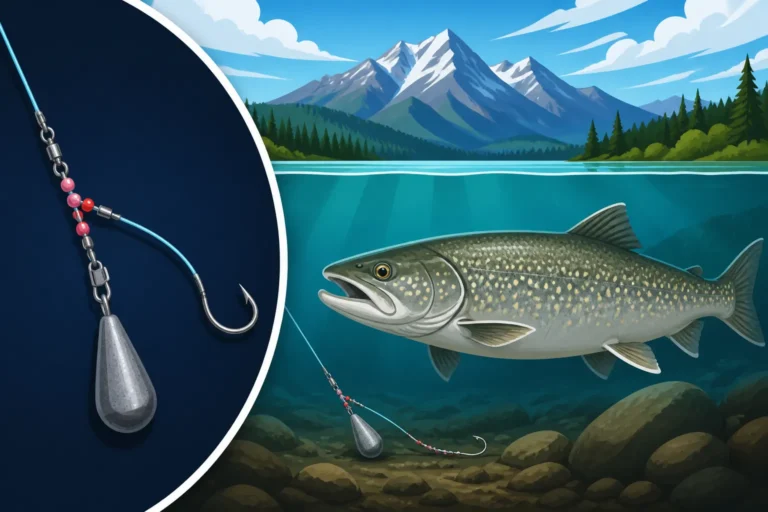
While less common than a bobber, a simple bottom rig can be very effective, especially if you're targeting fish that are hugging the lakebed. You’ll need a small bell sinker or egg sinker, a swivel, and a leader line (often fluorocarbon) with a small hook.
- Thread the sinker: Slide your sinker onto your main line first.
- Tie on a swivel: Tie a small barrel swivel to the end of your main line. This prevents line twist and acts as a stop for your sinker.
- Add a leader: Tie a 12-24 inch piece of leader line (often lighter than your main line) to the other end of the swivel.
- Tie on a hook: Attach your small hook to the end of the leader.
- Bait up: PowerBait, worms, or even a small piece of marshmallow are great choices here. Because PowerBait floats, it will lift off the bottom, making it highly visible to cruising fish.
Cast this rig out and let it sink to the bottom. Keep a slight tension on your line so you can feel bites. You'll often see your rod tip twitch or bend slightly when a fish takes the bait. This technique is often used for species that forage on the bottom, but the floating property of PowerBait makes it a fantastic application for trout as well.
Casting and Retrieving Lures
For those times when the fish are more aggressive, or you just prefer a more active style of fishing, casting and retrieving lures is incredibly engaging.
Active Lure Presentation
- Spinners: Cast your small spinner out as far as you can comfortably, then begin a slow, steady retrieve. You want just enough speed to get the blade spinning. Experiment with pauses or slight twitches to see what triggers a strike. Sometimes a slight burst of speed followed by a pause can mimic a fleeing baitfish.
- Spoons: Spoons are versatile. Cast them out, let them sink for a few seconds (counting can help you target specific depths), then retrieve with a steady pace, or try a "stop-and-go" retrieve, letting the spoon flutter on the pause. A jigging motion, lifting and dropping your rod tip, can also be very effective.
Lure fishing is all about experimentation. Vary your retrieve speed, depth, and actions until you find what the fish are responding to. It’s a great way to cover a lot of water quickly from the bank, actively searching for fish rather than waiting for them to come to you. Don't be afraid to try different colours and sizes of lures throughout the day. For more on this, check out our guide on Best Lures for Northern Pike in Alberta (even though it's pike-focused, the principles of lure selection and retrieve apply).
Reading the Water and Adapting Your Approach
Even in a stocked pond, fishing isn't always as simple as throwing a line in and waiting. The fish can be picky, and conditions change. Learning to "read the water" and adjust your tactics will make you a much more successful angler.
Identifying Productive Areas from Shore
From the bank, you need to think like a fish. Where would they hang out? Look for:
- Inflows and Outflows: Any areas where fresh water enters or exits the pond can concentrate fish, bringing in food and oxygen.
- Structure: Submerged logs, rock piles, or even artificial habitat structures can provide cover and ambush points for fish.
- Weed Beds: Edges of aquatic vegetation offer cover, food, and cooler water in summer. Casting parallel to a weed line can be very effective.
- Drop-offs: Areas where the bottom quickly drops into deeper water are transition zones that fish often cruise.
- Shady Spots: On sunny days, fish will often seek refuge in cooler, shaded areas, especially near overhanging trees or docks.
- Wind-Blown Banks: A gentle breeze pushing across the pond can concentrate baitfish and insects on the windward shore, attracting predatory fish.
Before you even cast, spend some time observing the pond. Are there any rises on the surface? Are smaller fish jumping? These clues can tell you where the action might be.
Adjusting to Changing Conditions
Fishing conditions are rarely static. What worked an hour ago might not work now.
- Weather: A sudden cold front can make fish lethargic and send them deeper. A warm, overcast day might bring them closer to the surface. Strong winds can make casting difficult and stir up the water, but can also push bait to your location.
- Time of Day: Early morning and late evening are often prime feeding times for many fish species, especially trout, as water temperatures are cooler and light levels are lower. During the bright midday sun, they might retreat to deeper, cooler water.
- Fish Pressure: If a pond has seen a lot of anglers recently, the fish can become "educated" and wary. This is when switching to smaller baits, lighter lines, or more subtle presentations can make a big difference. They might ignore PowerBait but smash a small spinner.
- Depth: As mentioned, constantly experiment with depth. If your bobber rig isn't getting bites after 15-20 minutes, adjust the depth by a foot or two. If you're lure fishing, try letting your lure sink longer or retrieving it faster.
Always be willing to change your approach. Don't be afraid to switch baits, try a different lure, or move to a new spot along the bank. Sometimes, even a slight change in presentation, like a slower retrieve or a different colour of PowerBait, can unlock the bite. Checking the Alberta Fishing Season Dates by Zone or Alberta Trout Season Opener Dates by Zone can give you an idea of peak activity times.
Tips for a Successful and Enjoyable Outing
Bank fishing a stocked pond is about more than just catching fish; it's about enjoying the outdoors, perhaps with family, and making lasting memories.
Keeping it Family-Friendly and Fun
- Patience is Key: Especially with kids, emphasize the experience over the catch. Celebrate every nibble, every cast, and every moment spent together.
- Bring Snacks and Drinks: A well-fed and hydrated angler is a happy angler.
- Comfortable Seating: A small folding chair can make a world of difference for bank fishing comfort.
- Sun Protection: Hats, sunglasses (especially polarized ones for spotting fish!), and sunscreen are essential for Alberta's sunny days. Many fishing hats and sunglasses can be found on Amazon.
- Practice Safe Handling: If you plan to release fish, handle them gently. Wet your hands before touching them, support their body, and get them back in the water quickly. For more, see our guide on How to Catch Bull Trout and Release Them Safely, as many principles apply to all trout.
Packing Smart and Staying Organized
- Small Tackle Box or Bag: You don't need to bring your entire arsenal. A small, organized tackle box with your chosen hooks, weights, bobbers, and a few favourite baits/lures is perfect.
- Landing Net: A small, soft-mesh landing net is invaluable for safely landing fish, especially if you're releasing them. It also prevents lost fish at the bank edge.
- Pliers/Forceps: Essential for removing hooks, especially if a fish swallows the bait deeply.
- Wipes or Hand Sanitizer: Fishing can get messy, and these are great for quick clean-ups before snacks.
- Garbage Bag: Pack out everything you pack in. Leave the pond cleaner than you found it.
Remember to have your Alberta Fishing License Guide for 2026 or at least your current license handy. Before heading out, it's always a good idea to check the specific regulations for the pond you plan to visit. Different ponds can have different rules regarding bait, catch limits, and even season dates. Some stocked ponds are even designated as "catch and release only," so knowing these details beforehand is crucial. A simple check of the Alberta Guide to Sportfishing Regulations will usually clarify any specific rules for your chosen destination.
By combining the right gear, understanding the fish, employing proven techniques, and adapting to conditions, you'll be well on your way to a successful and enjoyable bank fishing experience at any of Alberta's fantastic stocked ponds. Happy fishing!
Disclaimer
This article is for general informational purposes only and does not constitute professional advice. Laws, prices and regulations vary by location and change over time. Consult a qualified professional for guidance on your specific situation.