Best technique for tailwater trout below a dam
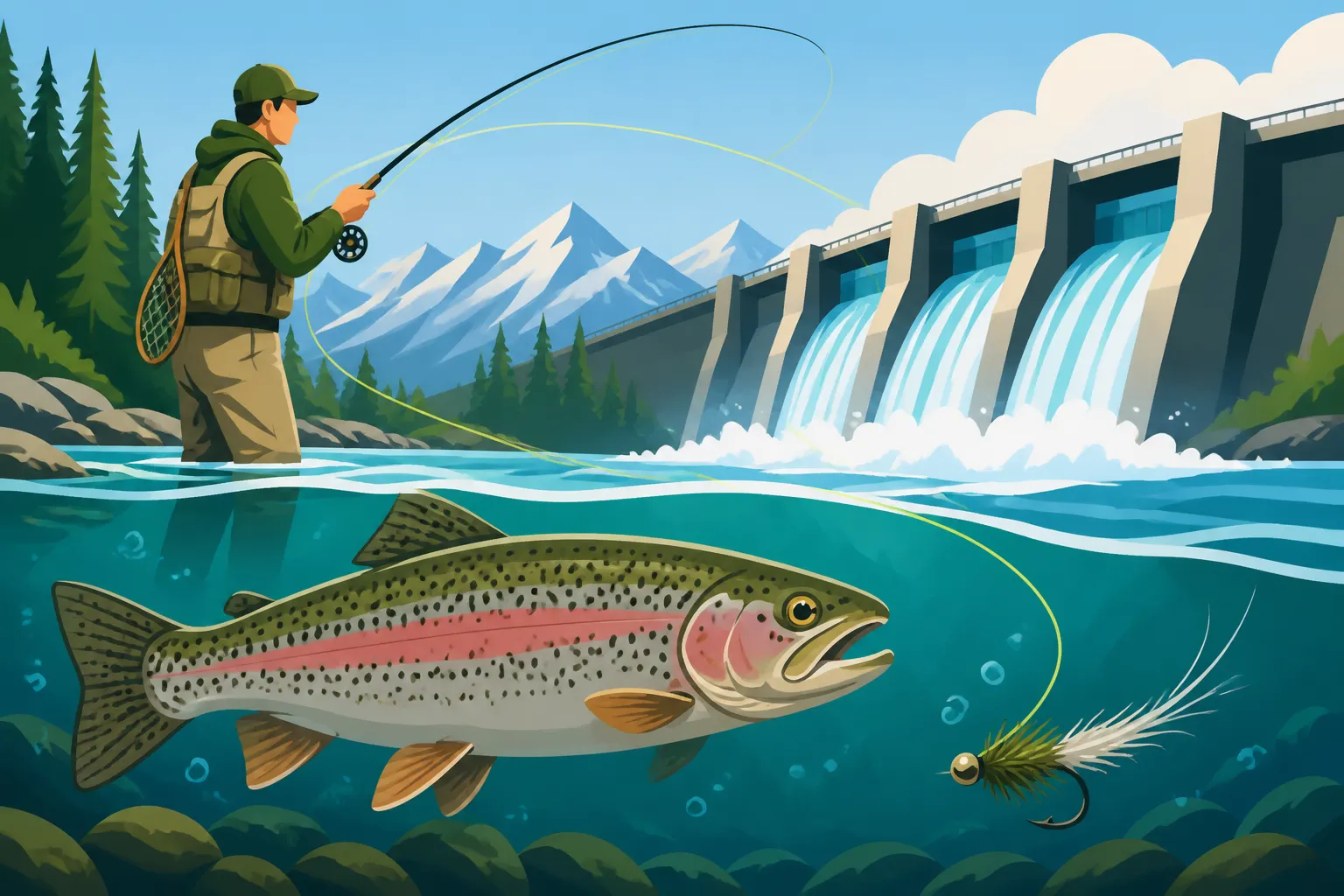
Fishing below a dam, in what we lovingly call a "tailwater," can be one of the most rewarding yet incredibly frustrating experiences an angler can have. You know those stories of massive trout pulled from seemingly barren stretches of river? Chances are, they came from a tailwater. But these waters also present a unique set of challenges that can leave even seasoned anglers scratching their heads. This guide is all about breaking down the best techniques to unlock the secrets of tailwater trout, helping you understand their behaviour and what it takes to consistently put fish in your net.
Understanding the Unique Environment of Tailwater Fisheries
Let's be honest, fishing a tailwater isn't like fishing a natural freestone stream. The very nature of a dam changes everything downstream, creating an environment that's both a blessing and a curse for trout. These rivers often have more consistent water flows and temperatures because the water released from the dam comes from deeper, cooler parts of the reservoir. This steady environment can be a huge boon for aquatic insect life and, consequently, for trout growth. You often find a higher density of larger fish in these sections, which is why we're all drawn to them like moths to a flame.
The Unique Hydrology of Tailwaters
The most significant factor in a tailwater is the flow. It's dictated by human intervention, not natural rainfall or snowmelt. This means you could be fishing a gentle, wadeable flow one day, and the next, the water levels could surge to a raging torrent as the dam releases water for power generation or flood control. These rapid fluctuations can disorient fish, scour insect life, and make fishing incredibly challenging. Think of the Bow River below Calgary, for example. Its flows are managed, creating a very specific ecosystem that trout have learned to adapt to. The fish in these rivers are accustomed to constant, subtle changes, making them incredibly particular about where they hold and what they'll eat.
What this translates to for us anglers is a need for adaptability. You can't just show up with one rig and expect it to work every time. You need to be prepared for varying depths, currents, and insect hatches that are heavily influenced by the dam's operation. This consistent, cold water environment also often supports a rich diversity of invertebrate life, from midges and caddis to stoneflies and mayflies, often at densities far exceeding natural streams. This abundance means trout don't have to work as hard for their meals, making them sometimes incredibly selective, focusing on specific life stages or sizes of insects.
Why Tailwaters Can Be So Frustrating (and Rewarding!)
Oh, the frustration! I've spent countless days on the Bow, staring at what looks like perfect water, only to catch nothing. It's enough to make you want to throw your rod in the river. The main reason for this frustration lies in the trout themselves. These fish see a lot of angling pressure. They're smart, they're wary, and they're often incredibly well-fed, meaning they don't have to eat anything that looks even slightly off. Unlike a wild, unpressured trout in a mountain stream that might gulp down anything resembling food, a tailwater trout has seen it all.
But the reward, oh the reward! When you finally crack the code, when you figure out the precise depth, the exact fly pattern, or the perfect drift, and you hook into one of those magnificent, hard-fighting tailwater trout, it's absolutely exhilarating. These fish are often larger, stronger, and in pristine condition due to the consistent food supply. It's a testament to your skill and persistence, and that's what keeps us coming back, isn't it? The sheer challenge and the potential for a truly memorable catch make all the frustrating days worth it. It’s like a puzzle, and when you solve it, you feel like a genius.
Essential Gear for Tailwater Success
Having the right tools for the job is absolutely critical when you're tackling tailwaters. You wouldn't try to change a tire with a butter knife, and you shouldn't approach these challenging rivers with a haphazard gear setup. The demands of deep nymphing, long casts, and powerful fish mean you need to be prepared.
Rods, Reels, and Lines for Tailwaters
For most tailwater fishing, especially if you're targeting trout with nymphs or streamers, a 9 to 10-foot rod in a 5 or 6-weight is often the sweet spot. The extra length gives you better line control for mending, crucial for achieving those drag-free drifts that tailwater trout demand. A longer rod also helps with roll casting heavy nymph rigs and fighting larger fish in strong currents. For example, if you're on the Bow River, where 20-inch rainbows are common, a 5-weight might feel a bit undergunned on occasion, making a 6-weight a solid all-around choice. You can find some excellent options for various budgets on platforms like Amazon, often with customer reviews that give insights into their tailwater performance.
Your reel needs a smooth drag system and enough backing capacity to handle those hard-charging runs. A large arbor reel is a great choice as it retrieves line quickly and reduces line memory. As for line, a weight-forward floating line is standard for nymphing and dry fly work. If you plan on doing a lot of streamer fishing, especially with heavier, articulated patterns, a sink-tip line or a full sinking line will be invaluable for getting your flies down to the fish quickly in deeper, faster water. Always match your line weight to your rod for optimal performance. Consider a specialized nymphing line if you plan on dedicating a lot of time to Euro Nymphing the Bow River.
Tackle Box Essentials: Weights, Indicators, and Leaders
This is where the rubber meets the road. Tailwater trout often feed close to the bottom, so getting your flies down and keeping them there is paramount.
- Weights: You'll need an assortment of split shot in various sizes (BB, B, 0, 1, 2, 3, 4) to adjust your rig's sink rate. Non-toxic options are always best for the environment. Tungsten putty can also be incredibly useful for fine-tuning your weight without damaging your leader.
- Indicators: Strike indicators are your eyes on the water. You'll want a variety to handle different conditions. Foam indicators (like the New Zealand Wool Indicator) are great for heavier rigs and rough water, while smaller, more subtle indicators (like yarn or air-lock indicators) are better for calmer flows or finicky fish. Often, using multiple smaller indicators in tandem can provide better buoyancy and sensitivity than one large one.
- Leaders and Tippet: Tailwater trout are notoriously leader-shy. A long leader, often 9 to 12 feet, tapered down to a fine tippet is usually necessary. Fluorocarbon tippet is a game-changer for nymphing; its low visibility underwater and faster sink rate make a significant difference. Carry spools of 3x, 4x, 5x, and even 6x fluorocarbon. When those trout are really particular, dropping down a tippet size can mean the difference between a blank day and a successful one. Remember, you might need a Best Tippet Material for Spooky Bow River Trout when the conditions are challenging.
Wading Gear and Safety Considerations
Safety first, always! Tailwaters often feature strong, unpredictable currents and slippery, rocky bottoms. A good pair of chest waders that fit well and don't restrict your movement is a must. Pair them with sturdy wading boots that have good ankle support and felt or rubber soles with studs for traction. A wading staff is not optional; it's a lifesaver. It provides a third point of contact and helps you gauge depth and footing before you commit. I never step into a tailwater without mine.
Consider carrying a personal flotation device (PFD) if you're venturing into deeper, faster sections, especially if the dam releases are scheduled to increase while you're fishing. Being swept off your feet in a tailwater can be incredibly dangerous. Always know the dam release schedule if available, and keep an eye on upstream water levels. A good rule of thumb: if the wading feels uncomfortable, it probably is. Don't push it. You can learn more about How to Wade the Bow River Safely in our other guides.
Proven Techniques for Tricky Tailwater Trout
Tailwater trout, bless their finicky hearts, require a specific approach. You can't just huck a spinner and hope for the best (though sometimes, on a lucky day, even that works!). We're talking about precision, presentation, and understanding what's going on beneath the surface.
Nymphing: The Tailwater Staple
If there's one technique that dominates tailwater fishing, it's nymphing. Why? Because the vast majority of a trout's diet consists of subsurface insects, and in tailwaters, where aquatic insect life is often prolific, this holds even truer. There are a few main approaches to nymphing that you'll want in your arsenal:
Indicator Nymphing
This is probably the most common method. You attach a strike indicator to your leader, with one or more weighted nymph patterns suspended below it. The key is to set your indicator depth correctly so your flies are drifting just above the bottom, where the trout are feeding. You want a completely drag-free drift, mimicking a natural insect tumbling in the current. This often means making upstream casts and mending your line to keep it slack. When that indicator dips, twitches, or stops, set the hook! The size and weight of your nymphs, combined with split shot, need to be carefully chosen to match the current speed and depth. A great starting point for flies would be patterns like pheasant tails, hare's ears, and various midge pupae. For specific patterns, check out Fly Patterns for the Bow River.
Euro Nymphing (Contact Nymphing)
Euro nymphing, also known as contact nymphing, is a highly effective, specialized technique that has gained massive popularity for tailwaters. Instead of an indicator, you use a long, sensitive rod (often 10-11 feet), a specialized leader, and weighted nymphs. You maintain direct contact with your flies, feeling for subtle takes rather than watching an indicator. This method excels in fast, deep water where getting a drag-free drift with an indicator would be difficult. It allows for incredibly precise depth control and sensitivity. The learning curve is a bit steeper, but once you get the hang of it, it's incredibly rewarding. If you're serious about taking your nymphing game to the next level, I highly recommend exploring Euro Nymphing the Bow River.
Streamer Fishing for Aggressive Trout
While nymphing covers the majority of a trout's diet, sometimes these big tailwater trout want a bigger meal. This is where streamer fishing comes into play. Streamers imitate baitfish, leeches, and larger invertebrates, and they can trigger an aggressive, predatory strike from a large trout. This is often a go-to technique for targeting the biggest fish in the river.
Strip-and-Pause Retrieve
The most common technique involves casting your streamer across or slightly downstream and then retrieving it with a series of strips and pauses. Experiment with retrieve speed and strip length. Sometimes a fast, erratic retrieve works; other times, a slow, subtle twitch is the ticket. The pause is crucial, as often a trout will hit the fly as it suspends or falls in the water column. Weighted streamers or sink-tip lines are essential for getting your fly down quickly, especially in deeper runs or pools. Olive, black, white, and natural baitfish colours are usually productive. Look for patterns like Woolly Buggers, Sculpzillas, or Articulated Minnows. For more ideas, Best Streamer Patterns for Alberta Brown Trout offers some excellent insights.
Swinging Streamers
Another effective method is swinging streamers. This involves casting your streamer across the current and letting it swing downstream on a tight line, imitating a baitfish darting across the river. As the fly swings, it often picks up speed and depth, presenting itself tantalizingly to waiting trout. This technique is particularly effective in riffles and runs where trout are actively feeding. You can vary the swing by adding small twitches or pauses.
Dry Fly Opportunities: When the Hatch is On
While tailwaters are primarily nymphing waters, don't write off dry fly fishing entirely! When a significant hatch is on, tailwater trout can rise with gusto. The consistent water temperatures often lead to prolific hatches of midges, mayflies, and caddis.
Matching the Hatch
The key to successful dry fly fishing in tailwaters is precise imitation. These trout are often very selective, keying in on specific sizes, shapes, and colours of emerging insects. You'll need a keen eye to observe what's hatching and what the trout are eating. Carry a wide selection of dry flies in various sizes, including emergers and cripples, as trout often prefer these vulnerable stages. Popular patterns include Parachute Adams, Elk Hair Caddis, Griffith's Gnats, and various BWO (Blue-Winged Olive) imitations. You might find some excellent patterns by consulting Best Dry Fly Fishing Alberta Mountain Streams, which can often cross over to tailwater environments.
Presentation is King
Even with the perfect fly, a poor presentation will spook tailwater trout. Long, delicate casts and drag-free drifts are absolutely essential. Using a long, fine leader will help. Cast upstream and allow your fly to drift naturally over rising fish. If you see a fish rise repeatedly, try to place your fly just a few feet upstream of its position. Be patient, observe, and enjoy the delicate dance of dry fly fishing.
Reading the Water: Finding Tailwater Hotspots
You can have the best gear and the perfect technique, but if you're not putting your flies where the fish are, you're just casting for exercise. Learning to read tailwater currents and structure is a skill that comes with time, but there are some fundamental principles that will greatly increase your success.
Identifying Current Seams and Eddies
Trout are opportunistic predators, but they're also energy conservationists. They want to be in a spot where food comes to them, but they don't have to expend too much energy fighting the current. This makes current seams and eddies prime real estate.
Seams
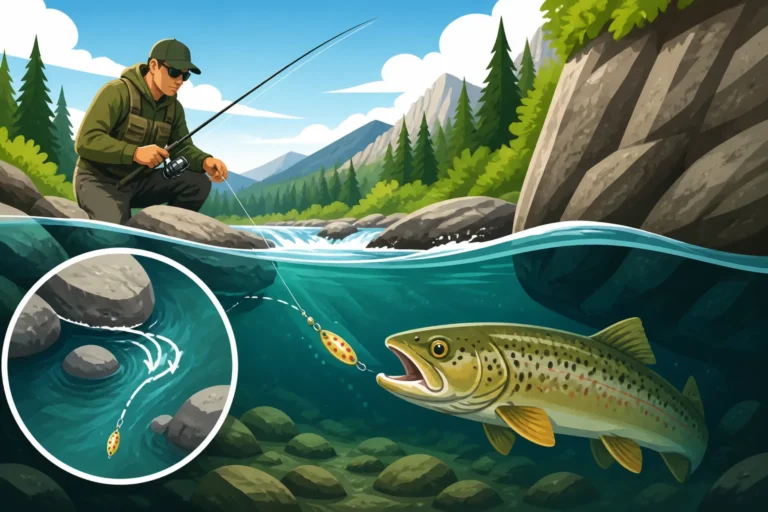
A seam is where two different current speeds meet, or where a fast current brushes against a slower one. Think of the edge of a strong main current and a softer side current, or the distinct line where a riffle transitions into a deeper run. These seams act as conveyor belts for food, funneling nymphs and baitfish right into the trout's strike zone. Trout will often hold just out of the main current, facing upstream, letting the food drift right to them. Your goal is to drift your flies along these seams, presenting them naturally. Look for subtle changes in the water's surface that indicate these current variations.
Eddies and Back Channels
Eddies are circular currents that form behind obstructions like large rocks, logs, or points of land. Back channels are slower-moving sections of water separated from the main current. These are often quieter, calmer spots where trout can rest and ambush food that gets washed into the slower water. They're especially good places to target when the main current is raging. Don't overlook the slower water within eddies; often, the largest fish will position themselves right at the "head" or "tail" of an eddy, where they have easy access to food from the main current without fighting the flow.
Understanding Structure and Depth Changes
Just like in lakes, structure in rivers provides cover, current breaks, and prime feeding lies. Tailwaters, being influenced by dam operations, can have different types of structure than natural rivers, sometimes including old riverbed elements, scour zones, and deposition areas.
Deep Runs and Pools
Tailwaters often feature long, deep runs and pools. These deeper sections are excellent holding water for larger trout, especially when the sun is bright or during periods of high water. When indicator nymphing, ensure your flies are getting all the way to the bottom. This might mean adding more weight or increasing the distance between your indicator and your flies. A good rule of thumb is 1.5 times the depth of the water, but always adjust based on conditions. Don't be afraid to experiment with your depth settings.
Riffles and Tailouts
Riffles are shallower, faster-moving sections of water that often occur at the head of a run or pool. These oxygen-rich areas are insect factories, and trout will move into them to feed, especially during hatches. Tailouts, the shallower, often wider sections at the very end of a pool, are also productive. Fish often stack up here, particularly during low light conditions or when insects are washing out of the pool above. Both riffles and tailouts offer excellent opportunities for nymphing and, at times, dry fly fishing. Sometimes, you'll find a nice rainbow trout or a powerful brown trout holding in the fastest part of a riffle, surprising you with their strength.
Using Technology to Your Advantage
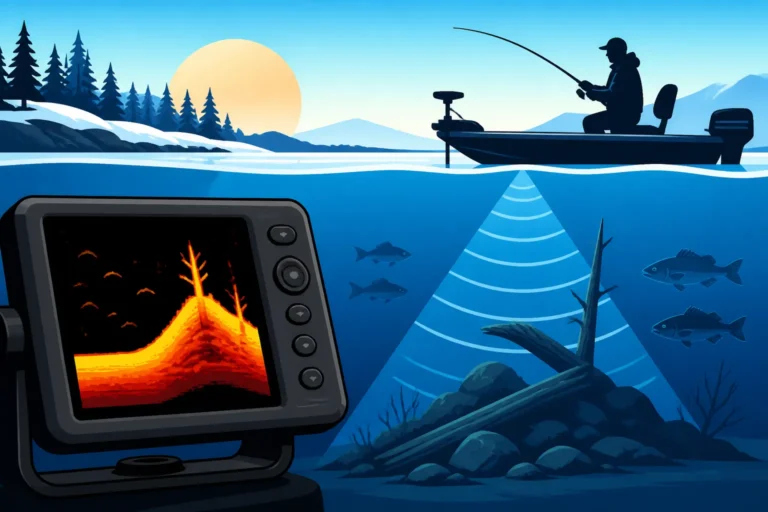
While reading the water with your eyes is a crucial skill, don't discount modern tools. A good portable fish finder, especially if you're fishing from a boat or even a kayak, can reveal hidden depths, submerged structure, and even schools of fish that you'd never see from the surface. This can be particularly useful on larger tailwaters like the Bow. Knowing the precise depth and bottom contours can help you fine-tune your nymphing rig to perfection. Even something as simple as a temperature gauge can tell you where the most comfortable water for trout might be.
Understanding the daily and seasonal patterns of dam releases is also key. Websites or apps that provide real-time river flow data can give you a heads-up on changing conditions, allowing you to plan your trip accordingly or adjust your approach on the fly. Knowing when the water might rise or fall can seriously impact where the fish are holding and what techniques will be most effective. Alberta Fishing Seasons by Zone and Month can help you generally predict patterns, but real-time flow data is invaluable for tailwaters.
Tailwater Nymphing vs. Streamer Fishing Quick Guide
| Feature | Nymphing | Streamer Fishing |
|---|---|---|
| Primary Imitation | Subsurface insects (larvae, pupae) | Baitfish, leeches, large invertebrates |
| Best Conditions | Most common year-round, especially clear water | Aggressive fish, darker days, high water, after rain |
| Typical Depth | Just above the bottom, mid-column | Varies, often deeper or across structure |
| Rod Length | 9-11 ft, 5-6 wt for better line control | 9 ft, 6-7 wt for casting larger flies |
| Line Type | Weight-forward floating, specialized nymphing lines | Sink-tip or full sinking lines often preferred |
| Retrieval/Presentation | Drag-free drift, contact nymphing | Strip & pause, swing, erratic retrieves |
| Leader/Tippet | Long, fine fluorocarbon (4X-6X) | Shorter, stronger mono or fluorocarbon (0X-3X) |
| Indicator Use | Essential for indicator nymphing, none for Euro nymphing | Not typically used |
| Patience Level | Often requires more patience and precision | Can be more active and cover more water quickly |
| Target Fish | All trout, often highly selective | Often targets larger, more aggressive trout |
Ultimately, fishing tailwaters is a journey of continuous learning. Each day on the water presents new challenges and opportunities. By understanding the unique environment, arming yourself with the right gear, and mastering these proven techniques, you'll be well on your way to cracking the code and enjoying some of the best trout fishing Alberta has to offer. Remember to always respect the resource, practice safe wading, and handle those beautiful fish with care. Happy fishing!
Disclaimer
This article is for general informational purposes only and does not constitute professional advice. Laws, prices and regulations vary by location and change over time. Consult a qualified professional for guidance on your specific situation.