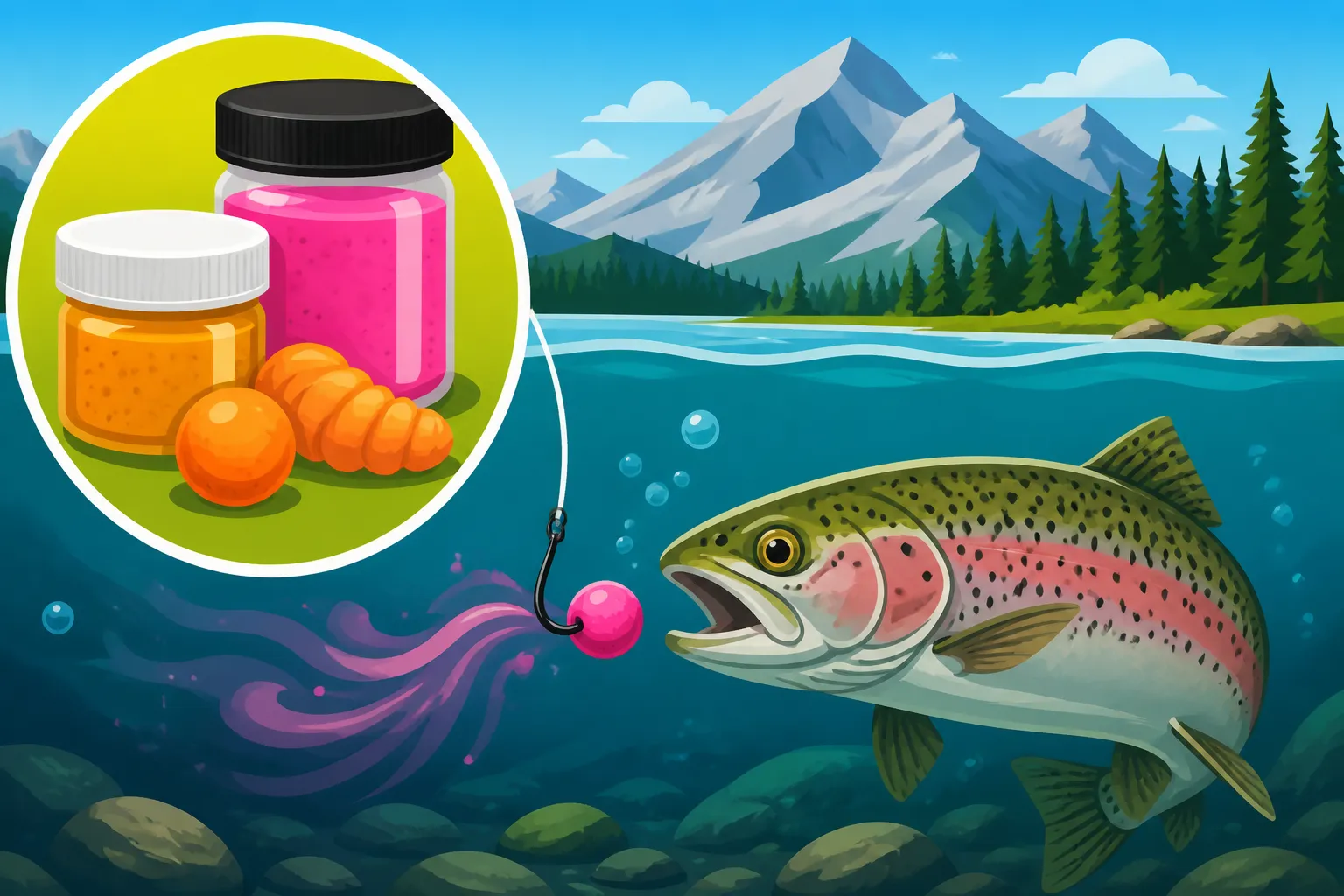
Best scent bait for stocked trout
One of the most common frustrations for anglers targeting stocked trout in Alberta is how surprisingly finicky these fish can be. You'd think a fish raised in a hatchery would jump at anything, but once released, they often become surprisingly selective. This guide will dive deep into the world of scent baits, explaining exactly why they’re so effective for stocked trout and how you can use them to significantly improve your catch rates across Alberta’s many stocked lakes and ponds.
The Unique Behavior of Stocked Trout and Why Scent is Their Love Language
It’s easy to assume a stocked trout is an easy catch, but that’s not always the case. These fish come from a controlled environment and suddenly find themselves in a vast, open body of water. Their transition period, coupled with their inherent instincts, makes scent a crucial factor in convincing them to bite.
From Hatchery Pellets to Wild Forage: A Trout's Confused Palate
Think about it: most stocked trout have spent their entire lives in a hatchery, accustomed to feeding on pellets. These pellets have a very specific smell and taste. When they're released into a lake or pond, they're suddenly surrounded by a smorgasbord of natural food sources – insects, small minnows, crustaceans – none of which smell quite like their familiar hatchery chow. This can create a period of confusion, where they might be hesitant to strike at traditional lures or natural baits that don't quite fit their established 'food profile'. This is where scent baits come into their own. They can either mimic the familiar, albeit artificial, scent of their hatchery feed, or they can present an incredibly strong, appealing aroma that triggers a primal feeding response, cutting through their uncertainty. Understanding this initial acclimation helps us choose the right approach.
Unlocking the Olfactory System: How Trout Sniff Out a Meal
Trout, especially rainbow and brook trout which are commonly stocked in Alberta, possess an incredibly sensitive sense of smell. Their nostrils aren't used for breathing; instead, they are dedicated organs designed to detect minute chemical traces in the water. This keen sense of smell allows them to locate food sources, identify predators, and even navigate their environment. In many cases, especially in off-color water or low-light conditions, sight might be secondary to smell. A strong, appealing scent trail is like a beacon for a hungry trout. When a scented bait is introduced, it continuously releases a plume of scent particles into the water, creating a "scent corridor" that trout can follow directly to your hook. This is particularly effective in larger, murkier lakes or in areas where trout might be dispersed. It gives your bait an undeniable presence that a purely visual lure might lack.
The Challenge of Clear Water and Finicky Fish
While scent is vital in murky water, it’s just as, if not more, important in clear water conditions. In crystal-clear Alberta lakes and streams, trout have excellent visibility and can often scrutinize baits before deciding to strike. A bait that looks great but smells "off" can easily be ignored. Conversely, a bait with an enticing natural or "hatchery" scent can overcome some of this visual skepticism. Furthermore, stocked trout, having experienced angling pressure, can become quite "educated" or finicky. They learn to avoid baits that don't seem quite right. Scent baits add an extra layer of realism and appeal, making your offering much harder for a wary trout to resist. This can be especially true during post-stocking lulls, when fish have been hammered by eager anglers. For more on this, check out How to catch trout right after stocking in Alberta.
Decoding the Scent Bait Arsenal: What Works Best in Alberta
The world of scent baits for trout is surprisingly diverse, offering a range of options from infused doughs to liquid attractants. Each has its place and effectiveness depending on the situation and your preferred fishing style.
Dough Baits and Pastes: The Go-To for Many Anglers
Dough baits are probably the most iconic scent bait for stocked trout, and for good reason. Products like those often found at stores like Bass Pro Shops are specifically engineered to appeal to hatchery-raised trout. They come in a wide array of colors, often brightly fluorescent, and are packed with potent scents like garlic, cheese, salmon egg, or even "pellet" formulas that mimic their original diet.
The beauty of dough baits lies in their versatility. You can mold them onto your hook in various shapes – small balls, teardrops, or even worm-like forms. Many popular dough baits also have a buoyant quality, which allows them to float off the bottom, presenting them above weeds or debris where trout are more likely to see and smell them. This floating action, combined with the continuous scent release, creates a highly attractive presentation. You can also combine different colors or scents to see what the trout are keying in on that day. Sometimes a vibrant chartreuse with garlic scent is the ticket, other times a more subdued white with a "corn" aroma will outperform everything else. It's all about finding that magic combination.
Scented Soft Plastics: Mimicry with an Odorous Edge
Soft plastic lures, often designed to imitate worms, maggots, or other small aquatic life, have become incredibly popular, and the scented versions are particularly effective for stocked trout. Unlike traditional dough baits, these are often more durable and can withstand multiple casts and nibbles without needing to be re-rigged.
These plastics are either infused with scent during manufacturing or designed with small pores to absorb liquid attractants. Common shapes include power worms, trout worms, tiny grubs, and even small, artificial salmon eggs. The action of these soft plastics in the water, combined with their built-in scent, can be irresistible. For instance, a small, scented worm fished under a float can mimic a natural meal drifting helplessly, while the scent draws trout in from a distance. Brands available on platforms like Amazon often offer variety packs, allowing you to experiment with different colors and shapes, all carrying that crucial scent. This combination of realistic movement and potent aroma offers a compelling package for a hungry trout.
Natural Baits Supercharged with Attractants: Enhancing the Classics
Sometimes, the simplest baits are the best, but even they can benefit from a scent boost. Classic natural baits like garden worms, corn, or even mini marshmallows can be made exponentially more effective for stocked trout by adding external attractants.
- Worms: A wriggling worm is inherently attractive, but a few drops of a fish-attractant oil (like anise or garlic) or a smear of a strong gel can make it a scent powerhouse. The worm's natural movement combined with the added scent creates a highly potent offering.
- Corn: Canned corn is a surprisingly effective bait for stocked trout, often due to its visual appeal (yellow kernels stand out) and its mild, sweet scent. Soaking corn in a strong liquid attractant, like those with a fishy or "hatchery pellet" aroma, amplifies its drawing power immensely.
- Marshmallows: Small marshmallows, especially the white or rainbow variety, float and can be used to suspend your hook and other baits off the bottom. Dipping them in a powerful fish attractant before casting creates a floating, scented treat that trout often can't resist.
The key here is that the attractant doesn't just add scent; it makes the existing bait even more pronounced and appealing. This is a fantastic strategy when trout are being particularly picky. For tips on fishing for these fish right when they're released, you might want to read Best bait for opening day trout in Alberta.
Liquid and Gel Attractants: The Universal Scent Booster
These are the unsung heroes of scent fishing. Liquid sprays, gel pastes, and dipping solutions are incredibly versatile and can be applied to almost any lure or bait you're using. From spoons and spinners to jigs and even flies, a good attractant can turn a merely "good" lure into an "irresistible" one.
- Sprays: Easy to apply, sprays are great for quickly coating hard lures, soft plastics, or even your natural baits. They disperse quickly in the water, creating a strong initial scent cloud.
- Gels/Pastes: These cling to your bait longer, providing a sustained scent release. They're excellent for slow presentations or when you want the scent to last for multiple casts. Many gels have glitter or UV enhancers, adding a visual appeal along with the aroma.
- Dips: Perfect for soft plastics or even pieces of natural bait, dips allow for a thorough saturation, ensuring the scent is deeply infused.
The variety of scents available in liquid and gel form is staggering, from common garlic and anise to more specific "fish formulas" that mimic baitfish or even generic "game fish" attractants. Having a few different options in your tackle box allows you to experiment and find what the trout prefer on any given day. Remember, the goal is to make your offering stand out in a way that appeals to a trout's primary sense of smell.
| Scent Bait Type | Primary Benefit | Best Use Case | Scent Duration | Application Method |
|---|---|---|---|---|
| Dough Baits/Pastes | Continuous, sustained scent release, buoyant | Still waters, bottom fishing | Long | Molded onto hook |
| Scented Soft Plastics | Durable, realistic action, infused scent | Varying retrieve speeds, active fishing | Medium | Rigged like a lure |
| Natural Baits (Scented) | Combines natural appeal with enhanced scent | Finicky fish, slow presentations | Medium | Drops, smears, soaking |
| Liquid/Gel Attractants | Versatile, universal scent boost | Any lure/bait, reapplication | Short to Medium | Spray, smear, dip |
Mastering the Application: Getting the Most Out of Your Scent Baits
Having the best scent bait is only half the battle; knowing how to properly apply and utilize it is what truly sets successful anglers apart. It's not just about slapping it on; it's about strategic placement and consistent refresh.
Rigging for Maximum Scent Dispersion and Presentation
How you rig your bait directly impacts how effectively the scent disperses and how naturally your offering presents itself to the trout.
When using dough baits, a common mistake is to pack too much onto the hook, essentially encasing the hook point. While you want enough bait for scent, you need to ensure the hook point is exposed enough for a solid hookset. A small, pea-sized ball or a teardrop shape molded around the bend of a small treble or single hook, leaving the point clear, is ideal. Many anglers opt for a small treble hook (sizes 12-16) to ensure better hook-up ratios with dough bait. The buoyancy of many dough baits allows them to float just off the bottom, so use a small split shot weight a foot or two above your hook to get the bait into the strike zone. This creates a visually appealing presentation with a steady plume of scent.
For scented soft plastics, consider how the bait will move in the water. If you're fishing a small trout worm, a simple wacky rig (hooked through the middle) or a nose hook allows for maximum natural action and scent release. For grubs or tube baits, an internal jig head works well. Ensure that the scent-infused plastic isn't hindered by too much hardware, allowing it to "breathe" and release its aroma. Even with natural baits like a worm, hooking it lightly through one end allows it to wriggle naturally, enhancing the scent trail it's producing. Remember, the goal is to make the bait look and smell as natural and appealing as possible.
The Art of Reapplication and Scent Layering
Scent baits aren't a "one and done" deal. The scent dissipates over time, especially in flowing water or after multiple casts. Regularly reapplying liquid or gel attractants is crucial for maintaining a potent scent trail.
Think of it like refreshing your cologne; you wouldn't expect it to last all day without a reapplication. For soft plastics and hard lures, plan to reapply your chosen spray or gel every 15-20 minutes, or after every few fish caught. When using natural baits with added scent, check to see if the scent has washed off, and reapply as needed. If you're using a dough bait, you might need to replace the entire bait after a few strikes or after it has sat in the water for an extended period, as its scent can also diminish.
Another advanced tactic is scent layering. This involves combining different scents to create a unique and potentially more appealing profile. For example, you might use a garlic-scented dough bait and then add a few drops of an anise-based liquid attractant. Or, you could soak your corn in a "hatchery pellet" scent and then spray it with a "garlic" enhancer. Sometimes, these complex scent profiles can trigger bites when a single scent might fail. Experimentation is key here, and you'll find some combinations become your secret weapon.
Environmental Factors: Matching Scent to Conditions
The effectiveness of certain scents can vary depending on environmental conditions, much like how trout behavior changes before or after a cold front.
- Water Temperature: In colder water, trout metabolisms slow down, and their sense of smell might be less acute. Stronger, more pungent scents like garlic or cheese might be needed to cut through the cold water and grab their attention. In warmer water, more subtle or natural scents, such as minnow or crawfish, might be more effective as trout are more active and less likely to be overwhelmed by intense aromas.
- Water Clarity: In clear water, a very natural scent that mimics forage can be excellent, as trout can both see and smell your offering without being alarmed. However, if they are finicky, a potent "hatchery" scent can also trigger them. In murky or stained water, visual cues are reduced, making scent paramount. Here, powerful, long-lasting scents become even more critical to guide trout to your bait.
- Trout Mood/Pressure: If trout are actively feeding, many scents will work. But if they're shut down or have been heavily pressured, you might need to dial in a very specific, unique scent that triggers their curiosity or aggression. Sometimes, a subtle change in scent can make all the difference between a frustrating day and a successful one. Don't be afraid to try different attractants if the fish aren't biting your first choice.
Advanced Strategies and Practical Tips for Alberta's Stocked Trout Waters
Beyond just picking a scent, there are several nuances and practices that can elevate your success when targeting stocked trout in Alberta's diverse waters, from small ponds to larger recreational lakes.
The Importance of Experimentation and Adaptability
One of the biggest lessons any experienced angler learns is that what worked yesterday might not work today, and what works on one lake might not work on another. Stocked trout, despite their common origin, can develop different preferences based on the specific body of water, the forage available, and the fishing pressure they've experienced.
Therefore, experimentation with scent baits is not just a suggestion; it's a necessity. Carry a variety of scents: garlic, anise, cheese, corn, and even some fish-specific or "hatchery pellet" formulas. If one isn't producing, don't be afraid to switch. Try different colors of dough bait, or try adding a liquid attractant to a natural worm even if you usually don't. Pay attention to what other successful anglers are using, but also be willing to try something completely different. Sometimes, the fish just want something they haven't seen (or smelled) a hundred times already. This willingness to adapt is what separates good anglers from truly great ones. For general advice on how to fish these waters, check out Best Fishing Lakes in Alberta and Best Fishing Rivers in Alberta.
Storage, Handling, and Scent Integrity
Believe it or not, how you store and handle your scent baits can significantly impact their effectiveness. Scent integrity is paramount.
- Prevent Cross-Contamination: Keep different scents separate. You don't want your garlic dough bait smelling faintly of anise, or vice-versa, unless that's your intentional layering strategy. Store dough baits in their original containers, and keep liquid attractants sealed tightly.
- Temperature Matters: Extreme heat or cold can degrade some scent baits, reducing their potency. Store them in a cool, dark place, away from direct sunlight in your tackle box or at home.
- Clean Hands: Always try to handle your scent baits with clean hands. Human scents like sunscreen, bug spray, or even just residual oils from your skin can transfer to your bait and potentially deter a sensitive trout. Some anglers even wear nitrile gloves when rigging scent baits, especially when preparing for fishing for finicky trout. This might seem extreme, but it can make a difference on tough days. Your tackle bag should have plenty of room for these different options, which is covered in Best tackle bag for bank fishing.
Combining Gear and Technique with Scent Baits
Scent baits are a powerful tool, but they are most effective when integrated with appropriate gear and fishing techniques.
- Ultralight Gear: For stocked trout, ultralight spinning gear (rods in the 5' to 6'6" range with light action, paired with small reels spooled with 2-6lb test line) is often ideal. This sensitive setup allows you to feel the subtle bites that might come with finicky trout and ensures a natural presentation of your often small, scent-laden baits. You can learn more about suitable setups in Best rod and reel combo for beginners or Best ultralight rod for panfish.
- Still Fishing: This is perhaps the most common and effective technique for scent baits. Using a bobber to suspend your scented bait at a desired depth, or fishing it directly on the bottom with a small weight, allows the scent to slowly disperse and attract trout to your static offering. This works particularly well in the many stocked ponds and smaller lakes around Alberta.
- Slow Retrieves: If you're using scented soft plastics, a very slow, subtle retrieve can be deadly. The slow movement allows the scent to plume in the water while the bait twitches enticingly. Think of small twitches and pauses, mimicking a struggling insect or minnow.
- Matching Depth: Stocked trout will cruise at various depths depending on the water temperature, available forage, and time of day. Use your bobber or adjust your weights to present your scented bait exactly where the fish are. Sometimes they're right on the bottom, other times suspended a few feet down. Understanding the water column is crucial.
Respecting the Resource: Ethical Use of Attractants
While using scent baits can significantly increase your success, it's also important to be a responsible angler. Always adhere to Alberta's fishing regulations, including bag and possession limits for the specific body of water you're fishing. Understand the difference between wild and stocked trout if you're fishing waters with mixed populations; some wild species, like bull trout, have strict zero-possession rules and must be released safely. For more detailed information on specific rules, check out Alberta Bag and Possession Limits by Species and Alberta Bull Trout Zero Possession Rule.
When catch-and-release fishing, handle trout carefully, especially if they've ingested a scented bait deeply. Use barbless hooks or crimp down the barbs on your hooks to make removal easier and reduce harm to the fish. Scent baits are a fantastic tool, but using them ethically ensures that everyone can enjoy Alberta's excellent stocked trout fishing for years to come.
Disclaimer
This article is for general informational purposes only and does not constitute professional advice. Laws, prices and regulations vary by location and change over time. Consult a qualified professional for guidance on your specific situation.