Best live bait for walleye trolling
If you've spent any time on Alberta's walleye waters, you know the frustration of a quiet day when the fish just aren't hitting. It feels like you've tried everything in your tackle box, but nothing seems to entice those finicky walleye. When it comes to consistently putting walleye in the boat, especially while covering water, live bait presented properly can often be the game-changer. This guide is all about diving deep into the best live bait options for walleye trolling in Alberta, how to rig them effectively, and the secrets to keeping them lively, ensuring you're always ready for that next bite.
Why Live Bait Excels for Walleye Trolling
There's a reason live bait has been a staple for walleye anglers for generations. While artificial lures have their place and can be incredibly effective, there's a certain undeniable appeal to a natural, wiggling, or squirming offering that even the most advanced plastics can struggle to replicate. When you're trolling, covering vast expanses of water, that subtle, authentic presentation can make all the difference, drawing in curious walleye from a distance and convincing hesitant ones to commit.
The Irresistible Natural Appeal
Walleye are opportunistic predators, and their instincts are finely tuned to detect natural prey. A live minnow swimming erratically, a leech squirming enticingly, or a nightcrawler twisting on a hook sends out signals that scream "easy meal." Unlike a plastic lure that might have a repetitive action, live bait offers a constantly changing, organic movement that's hard for a walleye to ignore. This natural appeal is amplified when trolling, as your bait covers ground, increasing the chances of crossing paths with an active fish. They don't just see a flash; they see something alive.
Imagine you're a walleye, lurking near a weed line or a rocky drop-off. You've seen countless flashy crankbaits and jigging spoons dart by. But then, something glides past that looks, smells, and moves exactly like the forage you've been chasing all your life. That's the power of live bait. It triggers a primal feeding response that often outperforms anything manufactured, especially when the bite is tough or the fish are heavily pressured. It's about tapping into their fundamental survival instincts.
Scent Trails That Call Them In
One of the biggest advantages live bait holds over most artificial lures is its natural scent. As you troll, your live bait continuously releases subtle pheromones, blood, and mucous into the water, creating an irresistible scent trail that walleye can follow. Walleye have an incredibly keen sense of smell, and they use it to locate prey, especially in murky water or low light conditions where visibility is reduced. This scent signature is like a dinner bell ringing underwater.
Think about fishing on a vast lake like Lesser Slave Lake or some of Alberta's larger reservoirs. The sheer size of these bodies of water means you're trying to locate fish that could be anywhere. A lively minnow, a juicy nightcrawler, or a wriggling leech leaves a detectable trail that can guide walleye right to your offering, even if they haven't visually spotted it yet. This makes live bait particularly potent for trolling, as you're effectively scenting a long path through the water, increasing your chances of an encounter. It's not just about presenting food; it's about broadcasting its presence over a wider area.
Top Live Baits for Alberta Walleye Trolling
When it comes to live bait, not all options are created equal, and some are definitely more popular and effective for walleye trolling in Alberta. Each bait has its own unique characteristics and best uses, but all share that natural drawing power that walleye can't resist. Knowing which bait to choose for the conditions you're facing can significantly improve your success.
Minnows: The Walleye Kingpins
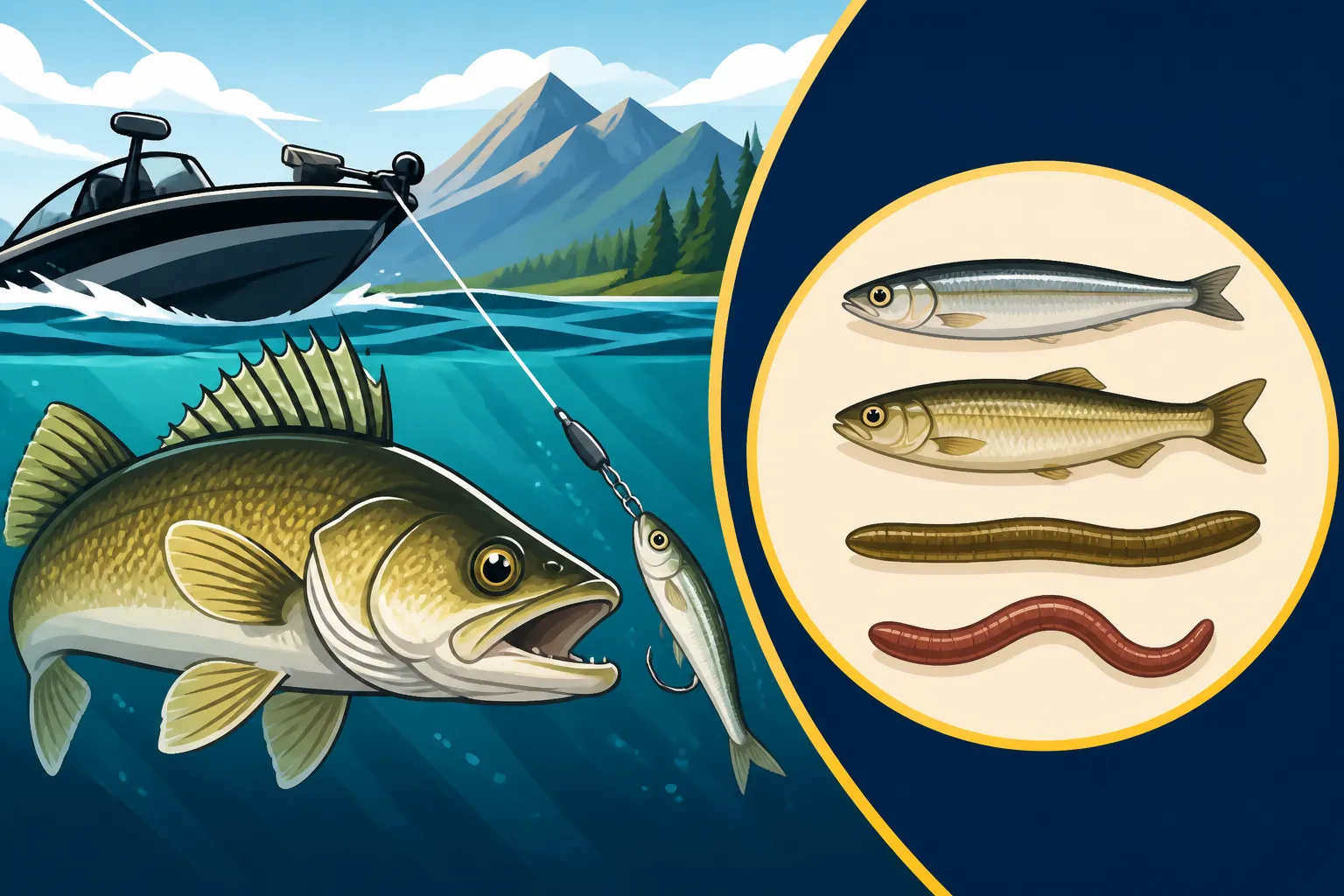
Minnows are arguably the most classic and consistently effective live bait for walleye, especially when trolling. Their natural shimmery appearance and erratic swimming action mimic many of the forage fish that walleye naturally prey upon in Alberta's lakes and rivers. While the specific types of minnows available can vary, shiners, dace, and fatheads are common and highly sought after. Their lively movements on a slow troll are often what it takes to trigger a strike.
When you're rigging a minnow for trolling, you want to ensure it looks as natural as possible while still staying securely on the hook. Often, they are rigged on a single hook through the lips or just behind the dorsal fin, allowing them to swim freely. For deeper trolling presentations, they might be paired with a bottom bouncer or a small weight, which keeps them near the bottom where walleye often feed. The key is to keep them lively. A dying minnow doesn't have the same allure, so ensuring good bait care is paramount. They're particularly effective in colder water temperatures or when walleye are sluggish, as their subtle movements are less aggressive but still enticing. You can find robust bait buckets and aerators at places like Bass Pro Shops to keep your minnows thriving.
Leeches: Slimy but Super Effective
Don't let their appearance fool you; leeches are an absolute powerhouse for walleye fishing, especially when the water warms up. They are incredibly tough, stay alive for a long time on the hook, and offer a unique, undulating movement that walleye find irresistible. Their slimy texture and natural scent release are also significant attractants. If minnows are the king, leeches are the queen of walleye bait, particularly versatile for trolling.
For trolling, leeches are usually hooked once through the suction cup at the "head" (the smaller, pointed end). This allows them to stretch out and swim naturally behind your rig, creating a snake-like action that mimics a variety of aquatic invertebrates and baitfish. They pair wonderfully with spinner rigs and bottom bouncers. One of their major advantages is their durability. They can withstand multiple casts and even short strikes, making them a more cost-effective option over a long day of fishing compared to minnows that might get picked off more easily. You'll often find them to be particularly effective on lakes like Pigeon Lake, where walleye are abundant. Check out online retailers like Amazon for specialized leech tamers and storage solutions to keep them happy.
Nightcrawlers: The Wormy Walleye Magnet
Good old nightcrawlers might be most famous for bass and trout, but they are incredibly effective for walleye trolling too, especially when rigged on a crawler harness. Their large size, vibrant color, and wiggling action make them an obvious meal for a hungry walleye. The scent trail they put out is also significant, drawing fish in from a distance. They are perhaps the easiest live bait to source yourself, though bait shops always have them.
When trolling with nightcrawlers, a "crawler harness" is typically the way to go. This rig usually consists of a snelled leader with two or three small hooks, often adorned with colorful beads and a spinner blade. The nightcrawler is threaded onto the hooks, allowing it to stretch out and create a tempting, serpentine motion behind the spinning blade. The spinner adds flash and vibration, while the nightcrawler provides the natural appeal and scent. This combination is deadly. How to fish a crawler harness for walleye is a technique every serious walleye angler should master. They work well in a variety of conditions, but really shine in stained or warmer waters where their size and scent can cut through.
Rigging and Presentation for Trolling
Getting your live bait in front of walleye is one thing; presenting it in an appealing and effective manner while trolling is another entirely. The right rig ensures your bait looks natural, stays at the desired depth, and maximizes your chances of a solid hookset. There are a few key setups that every Alberta walleye troller should have in their arsenal.
Spinner Rigs (Crawler Harnesses)
Spinner rigs, often called crawler harnesses, are one of the most popular and effective ways to troll live bait for walleye. They combine the visual attraction of a spinning blade with the natural appeal and scent of live bait, usually a nightcrawler or a large leech. The flash and vibration of the blade help attract walleye from a distance, while the live bait seals the deal.
To rig a spinner harness, you typically start with a clevis and blade (Colorado, Indiana, or willowleaf are common choices), followed by a series of beads and two small snelled hooks. For a nightcrawler, you'd thread the first hook through the head of the worm and gently pull the worm up the line until the second hook can be lightly inserted further down the body. This allows the nightcrawler to trail naturally and wiggle. For leeches, you'd hook it once through the sucker end. These rigs are almost always paired with a weight system to get them down to the fish. Best live bait for walleye trolling often refers to this classic setup because of its versatility across different speeds and depths. Experiment with blade colors and sizes, as walleye can be picky – chartreuse, orange, and silver are common starting points.
Bottom Bouncers
Bottom bouncers are indispensable tools for trolling live bait when walleye are holding tight to the bottom structure. They are designed to "bounce" along the bottom, keeping your bait in the strike zone without constantly snagging. This is especially crucial when fishing over rocky areas, ledges, or subtle humps and breaks.
The typical bottom bouncer setup involves a wire arm with a lead weight on the bottom and a swivel on the top where your main line attaches. Your live bait rig, often a spinner harness or a simple snelled hook with a minnow or leech, is then tied to a separate line coming off the top of the bouncer's arm. The length of this leader can vary, but generally, 3 to 6 feet is a good starting point. As you troll, the bottom bouncer will tick and bounce along the bottom, telegraphing the structure to your rod tip, while your live bait trails just above the snags. Matching the weight of your bouncer to your trolling speed and depth is key. Too light, and it won't stay down; too heavy, and it'll drag unnecessarily. This setup is fantastic for targeting walleye on humps and breaks, places where the big ones often lurk.
Slip Sinkers (Lindy Rigs)
While perhaps more commonly associated with drifting, a properly weighted slip sinker rig (often called a Lindy Rig, named after a popular brand) can also be trolled slowly and effectively, particularly in calmer conditions or when walleye are extremely wary. The beauty of a slip sinker is that the fish can take the bait and swim off with it without feeling the weight of the sinker immediately, leading to deeper, more confident bites.
A standard slip sinker rig consists of a walking or bullet sinker threaded onto your main line, followed by a small barrel swivel, and then a leader (usually fluorocarbon) with a hook. The length of the leader can vary greatly, from a couple of feet to 10 or 15 feet, depending on how active the fish are and how much separation you want between your weight and bait. Minnows and leeches are prime candidates for this rig. The key to trolling this setup is to maintain a very slow speed, almost a crawl, allowing the bait to drift naturally behind the weight. It's deadly in clear water where walleye might shy away from more aggressive presentations. You'll need quality hooks and strong leader material, both of which are readily available from angling suppliers like Bass Pro Shops or online platforms like Amazon.
| Bait Type | Best For | Rigging Considerations | Durability | Trolling Speed | Notes |
|---|---|---|---|---|---|
| Minnows | Colder water, Finicky fish | Hook through lips or dorsal fin. Use small, sharp hooks. | Moderate | Slow to Moderate | Natural action, excellent scent. Keep aerated. |
| Leeches | Warmer water, Versatile | Hook through sucker (head) end. Very durable. | High | Slow to Moderate | Unique undulation, tough bait. |
| Nightcrawlers | Warmer water, Stained water | Crawler harness with multiple hooks. Adds scent. | Moderate | Moderate | Large profile, good vibration with spinners. |
Sourcing and Keeping Your Live Bait Fresh
Having the best live bait in the world won't do you any good if it's dead or sluggish before it even hits the water. Keeping your bait lively and fresh is just as important as choosing the right kind. This involves understanding sourcing options and implementing proper care routines from the moment you get your bait until the last cast of the day.
Buying from Reputable Bait Shops
For most Alberta anglers, purchasing live bait from a reputable local bait shop or a larger outdoor retailer is the most common and safest option. These shops are licensed and ensure their bait is healthy and legal for use in the area. They'll usually have a good selection of minnows, leeches, and nightcrawlers. It's crucial to ask the staff about what bait is currently performing well and any local regulations regarding bait use. Some water bodies might have restrictions on certain types of bait to prevent the spread of invasive species, so always be aware.
When you buy bait, always inspect it. Look for active, healthy individuals. Minnows should be swimming briskly, leeches should be stretching and contracting, and nightcrawlers should be plump and moving. Don't be afraid to ask for fresh bait from a newly opened container. Many places, including larger stores, will have aerated tanks to keep their minnows. Take advantage of their expertise; they often know the specific Alberta fishing season dates by zone or what's working on the local hot spots.
On-the-Water Care for Longevity
Once you have your live bait, the work isn't over. Keeping it alive and frisky throughout your fishing trip is essential. The two biggest enemies of live bait are heat and lack of oxygen.
For minnows, a good insulated bait bucket with an aerator is non-negotiable. Fill it with cool, fresh water from the source where you bought the bait. Avoid tap water with chlorine if possible, or treat it with a de-chlorinator. Keep the bucket in the coolest, shadiest part of your boat, out of direct sunlight. If the water starts to warm up, you can drop in a frozen water bottle or a small bag of ice (not directly into the water, as meltwater can contain contaminants) to slowly cool it. An aerator will keep oxygen levels high, which is critical.
Leeches are incredibly hardy but still benefit from care. A leech "lodge" or a simple container with some cool, clean water (distilled or spring water is ideal) stored in a cooler is usually sufficient. Change the water daily if you're keeping them for multiple days. They can survive quite well in a damp cloth in a cooler for short periods too. Nightcrawlers need to be kept cool and moist. Specialty worm bedding available at fishing stores, or even just some damp newspaper in a breathable container, works wonders. Again, keep them out of the sun and in a cooler. By paying attention to these details, your live bait will remain vibrant and tempting, ready to attract those hungry Alberta walleye.
Disclaimer
This article is for general informational purposes only and does not constitute professional advice. Laws, prices and regulations vary by location and change over time. Consult a qualified professional for guidance on your specific situation.