Best hook size for stocked trout bait fishing
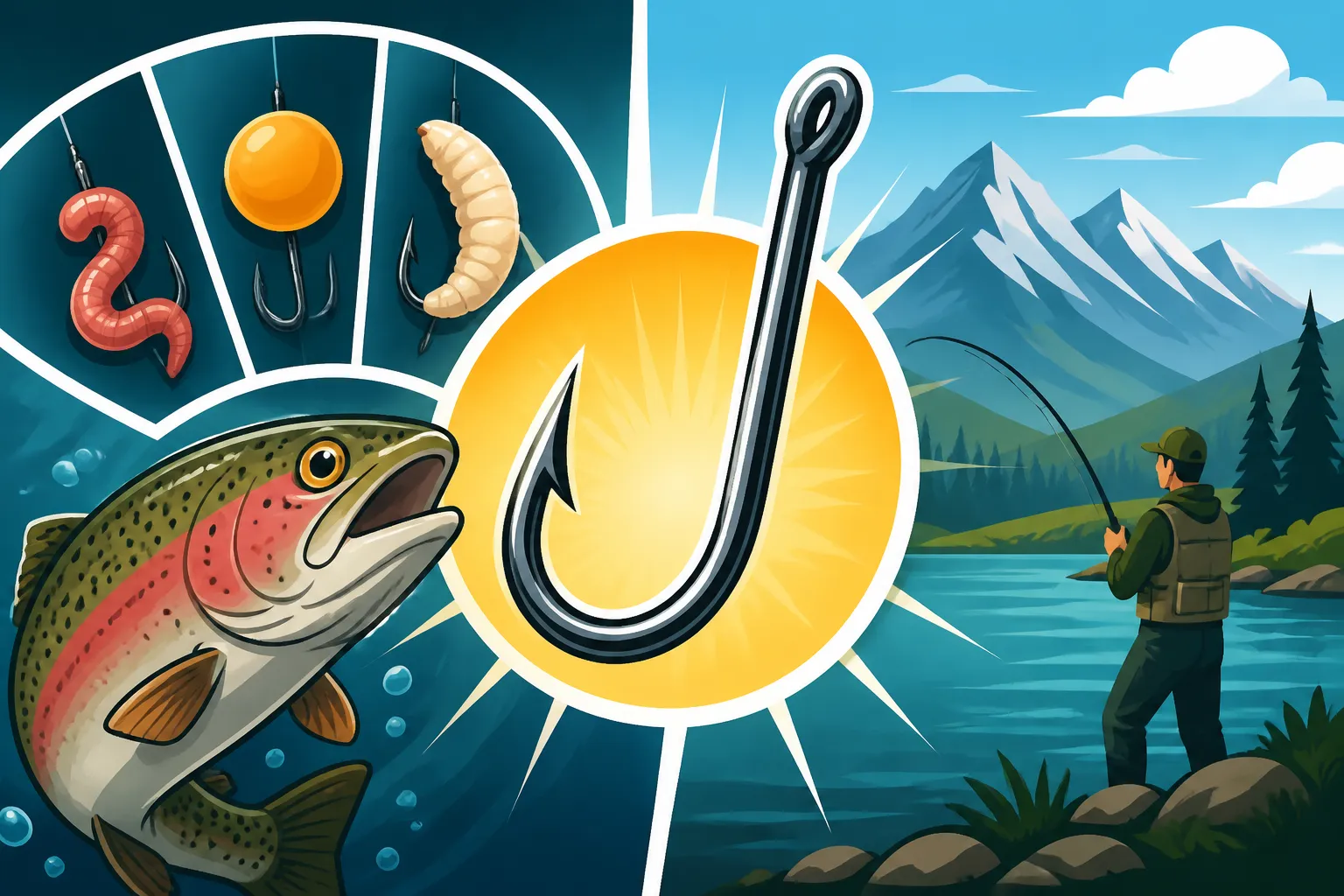
There’s nothing quite like the excitement of hitting up one of Alberta’s many stocked trout ponds or lakes. You’ve got your rod, your reel, your favourite bait, and that eager anticipation of a tug on the line. But then you’re standing there, digging through your tackle box, and you hit the classic angler’s dilemma: "What’s the best hook size for these stocked trout, especially when I’m using bait?" It’s a common frustration, and honestly, getting it wrong can make the difference between a fantastic day of consistent catches and a lot of missed bites. This guide is here to walk you through everything you need to know about choosing the perfect hook size to maximize your success when bait fishing for stocked trout in Alberta.
Understanding Stocked Trout Behavior and Their Palates
Before we even dive into specific hook sizes, it’s really helpful to understand a bit about the fish we’re targeting. Stocked trout aren't always like their wild, river-dwelling cousins. They've had a different upbringing, which affects how they feed and what they expect.
Why Stocked Trout Are Different
Most stocked trout in Alberta, often rainbow trout, are raised in hatcheries. This means they spend their early lives in a controlled environment, primarily fed on commercial pellets. When they're released into a pond or lake, they're often a bit less wary and more opportunistic than wild trout that have had to forage for themselves from day one. They're programmed to eat. This can be a huge advantage for us anglers, as it often means they're less selective about what they eat, and sometimes, they’ll hit just about anything that looks remotely edible.
However, this doesn’t mean you can throw out all your finesse. While they might be eager, they still have small mouths, especially the common 8-12 inch stockers. An oversized hook can be a huge turn-off or, worse, lead to many frustrating short strikes where they nibble at the bait but can’t get the hook in their mouth. It's like trying to eat a pea with a shovel – not very efficient! The goal is to present your bait in the most natural and appealing way possible, and that starts with a hook that doesn't overpower it.
Common Forage in Stocked Ponds and Why It Matters
Once stocked, these trout quickly learn to adapt to their new environment. Their diet will expand beyond pellets to include whatever natural food sources are available: small insects, larvae, crustaceans, and aquatic worms. But for bait anglers, we’re often using "unnatural" baits that they quickly come to recognize and love. Think about all the classic trout baits: corn, salmon eggs, PowerBait (in all its colourful, scented forms), marshmallows, and of course, good old worms.
The type and size of your bait are absolutely critical in determining your hook choice. A single kernel of corn requires a vastly different hook than a gob of worms. If your hook is too big for your bait, it'll stand out like a sore thumb, making the presentation look unnatural and potentially deterring a bite. If it's too small, you might not have enough hook exposed to set properly, or the bait might simply fall off. It’s all about balance, and finding that sweet spot is what we’re aiming for. Knowing Best bait for opening day trout in Alberta can certainly help you select your hook size in advance.
The Goldilocks Zone: Ideal Hook Sizes for Bait Fishing
When it comes to hook sizes for stocked trout, you're generally looking at the smaller end of the spectrum. We're talking about hooks that are nimble, can be easily concealed, and allow your bait to do its natural thing.
Small Hooks for Smaller Baits: The Stealth Factor
For most stocked trout scenarios, especially when they're a bit pickier or the water is clear, smaller hooks are your secret weapon. Think about sizes like 10, 12, or even 14. These tiny hooks are perfect for presenting those delicate, small baits:
- Single Salmon Eggs: A size 12 or 14 is ideal here. You want the hook to barely penetrate the egg, leaving most of it exposed for the trout to slurp up. A larger hook will just explode the egg or look totally unnatural.
- Single Corn Kernels: Similar to salmon eggs, a size 12 or 14 is perfect. Thread it carefully so the hook point is just barely showing or fully hidden within the kernel. The key is subtlety.
- Small Pieces of Worm: If you're using a single tiny piece of nightcrawler or a garden worm, a size 10 or 12 hook can work wonders. The trout won't feel the weight of a huge hook, allowing the worm to wriggle enticingly. This is often the case when you’re trying to catch fish that might be a little more educated, or in situations where How to catch trout right after stocking in Alberta means they might still be a bit disoriented.
The main advantage of these smaller hooks is stealth. Stocked trout might be less wary than wild trout, but they're not dumb. A big, shiny hook can signal "danger" to them. Smaller hooks are easier to conceal within your bait, leading to more confident bites and better hook sets.
Sizing Up: Larger Hooks for Bigger Baits or More Aggressive Takes
While smaller hooks are often the default, there are definitely times when you want to size up a bit. This usually means hooks in the size 8 or 6 range. Here's when you might consider them:
- Larger PowerBait Nuggets: If you’re molding a bigger ball of PowerBait around your hook, a size 8 or 6 can provide better holding power and ensure the hook point is adequately exposed. Remember, PowerBait floats, so a slightly heavier hook can sometimes help it sink or cast better, depending on your setup.
- Gob of Worms: If you're using a larger segment of a nightcrawler or multiple smaller worms, a size 8 or 6 will provide the necessary grip to keep them on the hook and allow for a good hook set when a hungry trout engulfs the whole offering.
- Small Minnows (if legal and applicable): For those occasions where using a tiny minnow is allowed and you're targeting a slightly larger stocked trout, a size 8 or 6 might be appropriate. The hook needs to be large enough to secure the minnow without killing it instantly (if live bait is permitted) and to ensure the hook point is exposed.
- Aggressive Bites: Sometimes, especially right after stocking or on very active feeding days, trout can be incredibly aggressive. If you're consistently missing fish on smaller hooks, it might be that they're just swatting at the bait, or you're not getting a good enough hookup. Sizing up slightly can help.
The key here is still presentation. Even with a larger hook, you want it to be as hidden as possible within your bait, or at least not to hinder the bait’s natural movement.
The Importance of Hook Type: A Quick Look
Beyond size, the type of hook also plays a role. While many will work, some are better suited for specific baits or techniques:
- Aberdeen Hooks: These have a thin wire and a round bend. They're great for worms because the thin wire causes less damage to the worm, allowing it to stay lively longer. The larger gap also helps in getting a good hook set. Many anglers like them for Best bait for opening day trout in Alberta.
- Baitholder Hooks: These have small barbs on the shank of the hook, designed to keep your bait (especially worms or PowerBait) from sliding off easily. They're a solid all-around choice.
- Treble Hooks: While some PowerBait setups come with tiny treble hooks, generally, single hooks are preferred for stocked trout, especially if you plan on releasing fish. Trebles cause more damage, making catch-and-release much harder. If you’re focusing on Best landing net mesh for catch and release, you definitely want to consider single, barbless hooks.
- Circle Hooks: If you’re really serious about catch and release, especially for trout, a small circle hook can be excellent. They’re designed to hook fish in the corner of the mouth, significantly reducing gut-hooking. Just remember not to set the hook aggressively; simply reel tight until the fish pulls the rod tip down. You can learn more about Best circle hook size for bait fishing to see if it fits your approach.
Here's a quick comparison table to help visualize:
| Bait Type | Recommended Hook Sizes (General) | Preferred Hook Type | Notes |
|---|---|---|---|
| Single Salmon Egg / Corn | #12, #14 | Baitholder, Aberdeen | Stealth is key; barely conceal hook point. |
| Small PowerBait Nugget | #10, #12 | Baitholder, Short-shank | Aim for full concealment within the floating bait. |
| Small Worm Segment | #10, #12 | Aberdeen, Baitholder | Allow natural movement; conceal barb. |
| Larger PowerBait Ball | #8, #10 | Baitholder, Short-shank | Ensure enough hook gap for solid hook-up. |
| Gob of Worms / Whole Worm | #6, #8 | Baitholder, Aberdeen | Good for active fish; ensure bait stays on. |
Matching Hook Size to Bait and Presentation Method
It’s not just about the bait itself; how you present that bait plays a huge role in your hook choice and setup. Your rig, whether it’s on the bottom or under a bobber, will influence how your hook and bait behave in the water.
Live Baits: Worms, Minnows, and Their Hooking Strategies
Live baits are often irresistible to trout, but how you hook them is paramount to both presentation and hook-up success.
- Worms (Nightcrawlers, Garden Worms):
- Small Sections: For a small, lively piece of a worm, a size 10 or 12 Aberdeen or Baitholder hook is fantastic. Thread the worm piece onto the hook just enough to cover the shank and hide the barb, leaving a lively tail end. This light presentation is subtle and effective, especially when the trout are finicky.
- Full Worms or Gobs: If you’re using a whole small worm or a generous section of a nightcrawler, you might step up to a size 8 or even a size 6 Baitholder hook. You can "wacky rig" a worm by hooking it once through the middle, allowing both ends to wriggle. Or, thread a larger worm repeatedly along the hook shank, making sure the hook point is exposed. The goal is to make it look like a tasty, struggling morsel. Remember, trout often inhale worms, so a slightly larger hook might be needed to penetrate their mouth effectively.
- Small Minnows (where legal):
- If using small minnows, often for larger, more aggressive stocked trout, a size 8 or 6 hook is generally appropriate. You’d typically hook the minnow lightly through the lips (to keep it alive and swimming naturally) or just behind the dorsal fin. The hook needs to be substantial enough to hold the minnow securely during a cast and to withstand the trout's strike, but not so large that it impedes the minnow's action. Always check local regulations to ensure minnow use is permitted in the specific stocked water you’re fishing.
Prepared Baits: PowerBait, Dough Balls, and Corn
These artificial and processed baits are staples for stocked trout anglers because of their scent, colour, and often, their floating properties.
- PowerBait or Dough Baits:
- The beauty of PowerBait is its mouldable nature. For small to medium nuggets, a size 10 or 12 short-shank Baitholder hook works wonderfully. The trick is to completely cover the hook with the PowerBait, forming a ball or tear-drop shape. Since PowerBait floats, it will lift your hook off the bottom, presenting it directly in the trout's feeding zone. For larger balls of PowerBait, a size 8 might be necessary to ensure the hook is adequately covered and to maintain proper hook exposure once a trout bites down.
- A common mistake is using too much PowerBait for the hook size, which can lead to missed bites because the hook isn't exposed enough. Start with less than you think you need.
- Corn or Salmon Eggs:
- These are delicate baits that demand tiny hooks. A size 12 or 14 is almost always the best choice. You want to lightly pierce a single kernel of corn or salmon egg, ensuring the hook point is just barely visible or fully hidden. The goal is a super natural presentation that the trout can suck in without feeling the hook. Too large a hook and it’ll rip the bait, or the trout will simply ignore it. When fishing these, try to be patient and let the trout take the bait confidently before setting the hook.
Float Fishing and Bottom Rigs: How Presentation Influences Hook Choice
Your chosen fishing rig also has an impact on hook selection.
- Float Fishing (Under a Bobber):
- When fishing under a bobber, your bait is suspended at a specific depth. This method often calls for lighter line and smaller hooks (sizes 10-14) to allow your bait to drift naturally and to prevent the bobber from being pulled down by too much weight. The stealth of a small hook and light line is paramount here, especially for finicky fish. This technique is often effective for Best time to fish a stocked lake, as it allows you to cover different depths.
- Bottom Rigs (Carolina Rig, Slip Sinker Rig):
- For baits presented directly on or near the bottom, like PowerBait floating off the bottom with a leader, or worms weighted down, you still want to prioritize smaller hooks (sizes 8-12) for natural presentation. The weight of the sinker is what gets your rig down, so your hook and bait can remain light and appealing. However, if you’re fishing in current or need to cast a longer distance, a slightly heavier hook (size 8) might offer a bit more stability to your bait without appearing unnatural.
Practical Tips for Success and Ethical Angling
Beyond just picking the right size, there are a few other tricks and considerations that can significantly improve your bait fishing game for stocked trout.
The "Sniff Test" and Trial and Error
The truth is, sometimes what works on one day, or in one pond, won't work on another. Trout can be unpredictable!
- Start Small: A good rule of thumb is to start with a smaller hook (like a size 12 or 14) and a small, natural bait (corn, salmon egg, small piece of worm). If you're getting bites but not hookups, or if the fish are ignoring your offering, it might be time to switch.
- Observe and Adapt: Are other anglers catching fish? What are they using? Are you seeing fish rise or chase? This intel can guide your choices. If trout are aggressively hitting your bait but you're missing them, try sizing up your hook slightly. If they're completely ignoring your presentation, try going smaller and more subtle, or changing your bait entirely. Don't be afraid to experiment with different hook sizes and baits throughout the day. Having a good tackle box setup, perhaps from Bass Pro Shops, with various hooks and baits makes this easy.
Catch and Release Considerations
Many stocked trout waters in Alberta encourage catch and release, or have specific limits. Being mindful of the fish’s health is part of responsible angling.
- Barbless Hooks: Consider using barbless hooks, or crimping down the barb on your existing hooks with a pair of pliers. This makes unhooking fish much easier and causes less damage to their mouths, increasing their chances of survival. This is especially important for delicate trout species. If you're looking for gear, you can often find suitable tools and hooks for Best rod and reel combo for beginners that will simplify this process.
- Quick Release: When using bait, trout often swallow the hook deeper than with artificial lures. If a fish is gut-hooked, it’s often best to cut the line as close to the hook as possible rather than trying to remove it, which can cause fatal damage. This is a tough call, but sometimes the most humane one. Always refer to guides like How to safely release a bull trout you accidentally catch for best practices, even if you’re not targeting bull trout specifically.
Gear Recommendations and Where to Find Them
Having a well-stocked tackle box is essential for adapting to conditions. You'll want a variety of hooks in sizes 6 through 14.
- Assorted Hook Packs: Look for assorted packs of trout hooks that include various sizes and sometimes different styles (like Aberdeen and Baitholder). These are a great way to start building your collection.
- Brands: Many reputable brands make excellent trout hooks. Companies like Gamakatsu, Owner, Mustad, and Eagle Claw are popular among anglers for their sharpness and durability. You can find a huge selection of these at local tackle shops, or browse extensive options online at places like Amazon and Bass Pro Shops. It's always a good idea to check reviews and ensure the hooks are sharp right out of the package.
- Ultralight Gear: Pairing your small hooks with appropriate ultralight fishing gear will greatly enhance your success. A sensitive ultralight rod and reel combo will allow you to feel those subtle bites and make delicate presentations. Sometimes, a simple Best starter combo for a first-time angler comes with a good assortment of hooks to get you going.
Choosing the best hook size for stocked trout bait fishing in Alberta really comes down to a balance of bait size, presentation, and understanding the fish's behaviour. Start small, observe, and don't be afraid to change things up. With a little practice and the right approach, you'll be well on your way to a successful and enjoyable day on the water!
Disclaimer
This article is for general informational purposes only and does not constitute professional advice. Laws, prices and regulations vary by location and change over time. Consult a qualified professional for guidance on your specific situation.