Best hair jig for cold water walleye
There's nothing quite like the challenge of cold water walleye fishing in Alberta. The fish get notoriously finicky, lethargic, and downright stubborn, making your usual go-to lures feel utterly useless. If you've ever felt that familiar frustration of casting endlessly into chilly depths with no takers, this guide is for you. We're going to dive deep into the world of hair jigs, uncovering why these unassuming lures are often the absolute best weapon in your arsenal when walleye turn cold-shouldered.
Why Hair Jigs Excel in Cold Water for Walleye
When the water temperatures plummet, walleye, like many cold-blooded species, slow down dramatically. Their metabolism drops, and their hunting instincts become less aggressive. This means they're not usually chasing down fast-moving, flashy baits. Instead, they're looking for an easy, subtle meal. This is precisely where hair jigs shine, offering a presentation that perfectly caters to the unenthusiastic appetite of cold-water walleye.
The Subtle Appeal of Natural Materials
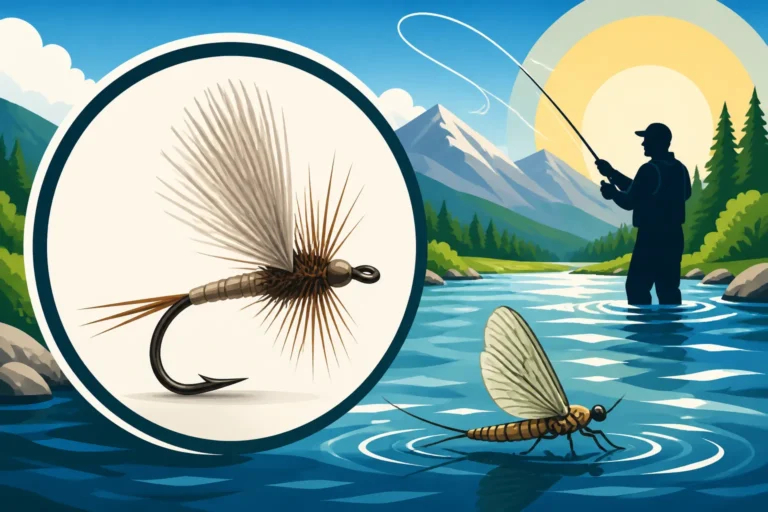
Forget the loud, vibrant colours and aggressive actions of many synthetic plastics you might use in warmer months. In cold water, those features often do more to spook a walleye than attract it. Natural materials like deer hair, marabou, or rabbit strips offer a much more subdued and lifelike presentation. When wet, these materials breathe and pulsate with the slightest movement, even when barely nudged by the current or a gentle rod tip twitch. They don't have an aggressive tail kick or a vibrant wobble; instead, they offer a subtle, almost imperceptible quiver that looks incredibly natural.
Imagine a small baitfish, stunned by the cold, barely moving at the bottom. That's the image a good hair jig projects. It's not trying to escape; it's simply there, an easy target. This low-key appeal is critical when walleye are holding tight to structure, conserving energy, and not willing to expend much effort for a meal. The gentle undulation of natural hair fibres is often the only thing that will trigger a strike from an otherwise inactive fish.
Mimicking Lethargic Prey
As the mercury drops, so does the activity level of the walleye's forage. Minnows, shiners, and perch become slower, less agile, and more susceptible to predation. A hair jig, with its inherent soft movement and ability to be fished painstakingly slowly, perfectly mimics this lethargic prey. You're not trying to entice a chase; you're offering an opportunity.
This is especially true during late fall, ice-out, and early spring in Alberta, when water temperatures are at their coldest. Walleye often congregate in deeper holes, along distinct breaklines, or near wintering grounds, waiting for conditions to improve. A hair jig dropped right into their strike zone, with minimal action, becomes an irresistible, effortless meal. It's a contrast to the power fishing techniques you might use in summer, where aggressive retrieves are common. In cold water, patience and subtlety are your best friends, and the hair jig delivers both. This technique aligns well with broader principles of How to Catch Walleye in Alberta when conditions are tough.
Reduced Water Displacement and Stealth
Many effective walleye lures, particularly those with hard plastic bodies or large paddle tails, displace a significant amount of water as they move. While this can be a powerful attractant in warmer, more active periods, it can be a deterrent in cold, clear water where walleye are often more wary and sensitive to unnatural disturbances. A big splash or a strong vibration might send them scurrying, not striking.
Hair jigs, especially those tied with fine deer hair or marabou, have a slender profile and soft texture that creates very little water displacement. This stealthy approach is crucial when you're targeting pressured fish or fishing in incredibly clear waters found in some of Alberta's lakes. It allows the jig to descend and move through the water column almost silently, presenting itself as a ghost-like morsel rather than a thumping, vibrating intruder. The quiet entry and subtle movement increase your chances of a close-quarters bite from walleye that are hesitant to expose themselves or chase anything too aggressively.
Key Characteristics of the Best Cold Water Walleye Hair Jigs
Not all hair jigs are created equal, especially when you're dealing with the specific demands of cold water walleye. Understanding the nuances of material, weight, and colour can significantly impact your success. It's about tailoring your presentation to the walleye's reduced activity and heightened wariness.
Material and Action
The type of natural hair used is paramount, as each material has distinct properties in the water.
- Deer Hair: This is a classic choice for good reason. When wet, deer hair flares out slightly, creating a larger profile without adding much weight. Its natural stiffness gives it a subtle, pulsating action with minimal retrieve. It's particularly effective for vertical jigging or short casts where you want a slow, controlled fall and gentle movement on the pause. Many anglers prefer deer hair for its durability and its ability to hold its shape.
- Marabou: This material is incredibly soft and feathery, offering an almost ethereal pulsing action even with the slightest current or rod twitch. Marabou jigs literally "breathe" in the water, making them exceptionally good for enticing lethargic walleye. They have a very natural, undulating movement that imitates a dying baitfish perfectly. The downside is that marabou can be less durable than deer hair, especially if you're frequently snagging or catching fish with sharp teeth.
- Rabbit Strips: Less common for traditional hair jigs, but bucktail jigs often incorporate rabbit strips or similar soft fur. These offer a seductive, flowing action, particularly on a retrieve-and-pause technique. The strips can add a lot of bulk and movement, making them a good choice if you're looking for a slightly more aggressive profile that still benefits from natural, soft material.
The key across all these materials is their ability to move without aggressive angler input. The water itself, and minute rod movements, bring them to life, which is exactly what you need when you're trying to appeal to walleye that are barely moving themselves.
Jig Head Design and Weight
The jig head is the foundation of your hair jig, influencing its fall rate, balance, and how it interacts with the bottom.
- Head Shapes:
- Round Head: The most common and versatile. It falls quickly and fairly straight, allowing for good bottom contact. Good for a variety of retrieves.
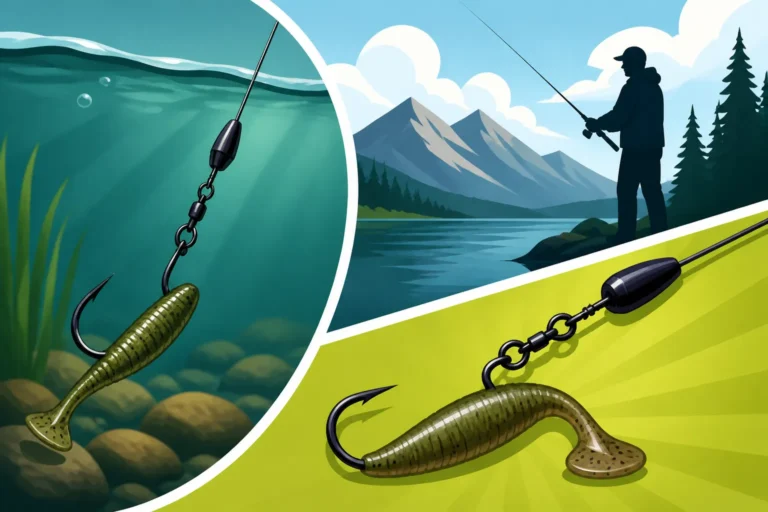
- Stand-Up Head: Designed to keep the hook point up when resting on the bottom, reducing snags and allowing the hair to flare upwards, mimicking a feeding minnow. Excellent for targeting fish tight to the bottom or for "dead sticking."
- Mushroom Head: Often used for Ned Rigs, but some hair jigs employ a similar design. It allows for a subtle, natural presentation with a lighter weight, perfect for finesse techniques.
- Weight Selection: In cold water, lighter is often better.
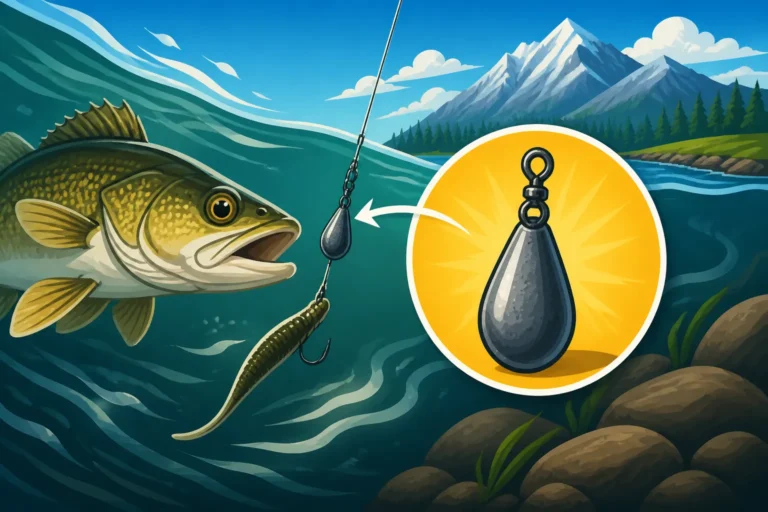
- 1/8 oz to 1/4 oz: These are the sweet spots for most cold-water hair jigging. Lighter weights allow for a slower, more natural fall, giving walleye more time to see the lure and decide to strike. They also allow the angler to maintain better contact with the bottom without snagging, which is crucial when walleye are holding close to structure or subtle depth changes. You'll often be fishing these in deeper sections of lakes, requiring a balance between light weight and the ability to reach the bottom. When considering the ideal weight, think about the depth and current; a general guide might be to use the lightest weight that still allows you to feel the bottom and maintain control. This is a different consideration than Best jig head weight for walleye trolling where heavier weights might be preferred to maintain depth at speed.
Color Selection for Clear and Stained Waters
Colour can be critical, but in cold water, subtlety often wins.
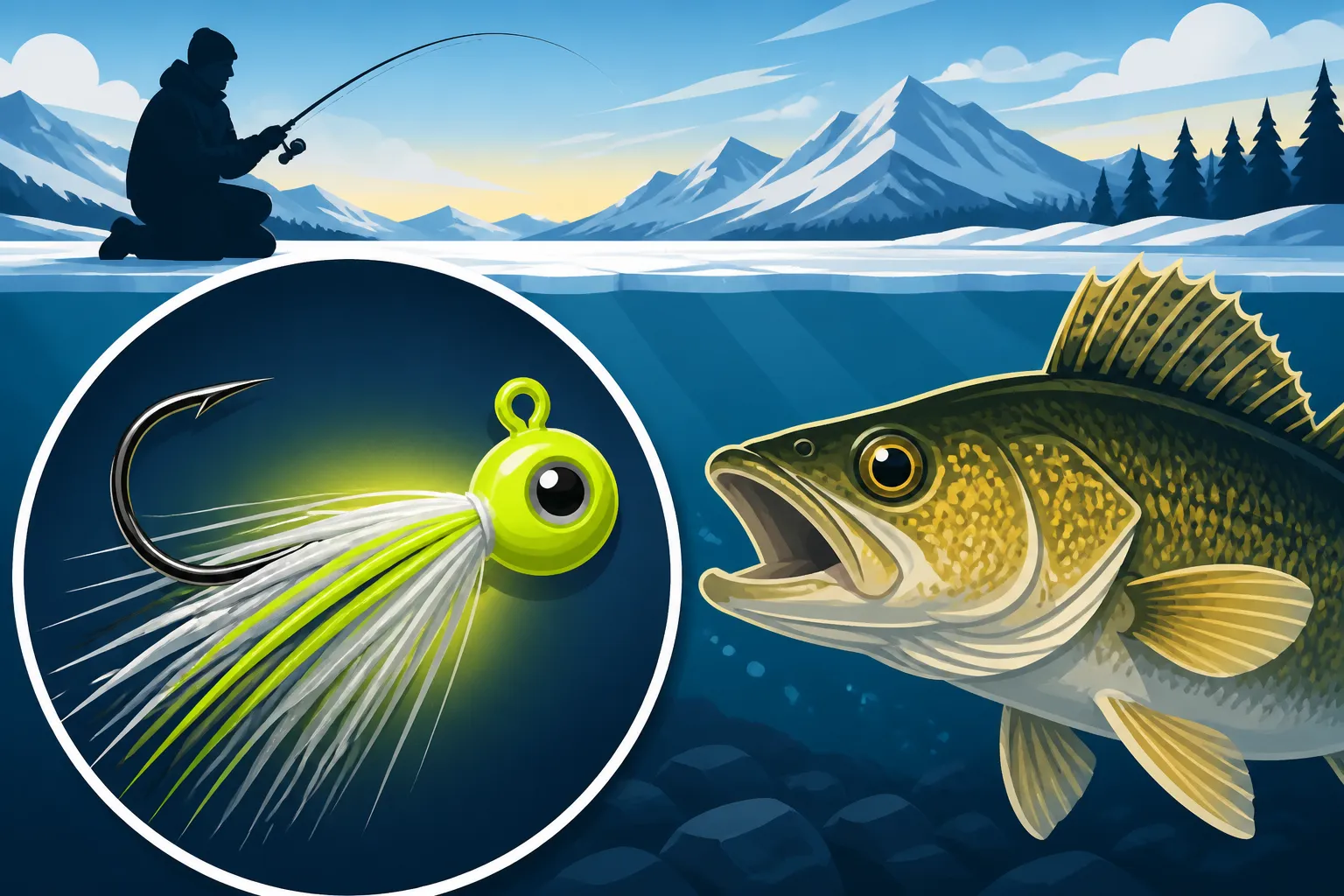
- Natural Colors (Clear Water): In clear Alberta lakes and rivers, stick to natural, muted tones like black, brown, olive green, grey, and white. These colours blend in better with the natural forage and don't appear as unnatural to wary walleye. Sometimes a touch of flash, like a few strands of Krystal Flash tied into the hair, can add just enough sparkle to catch their eye without being overwhelming.
- Brighter/Glow Colors (Stained Water/Low Light): If you're fishing in stained or muddy waters, or during low light conditions (dawn, dusk, or under heavy cloud cover), brighter colours or those with glow properties can be more effective. Chartreuse, orange, and sometimes even hot pink can provide the contrast needed for walleye to spot the jig. However, even with these colours, the action should remain subtle. The goal isn't to shock them with colour and movement, but to give them a visible, slow-moving target. Understanding Best time of day to catch walleye can also help inform your color choices based on light conditions.
Essential Techniques for Fishing Hair Jigs in Cold Water
Fishing hair jigs for cold water walleye isn't about power or speed; it's about finesse, patience, and understanding the fish's mood. Your retrieve, jigging cadence, and chosen locations will all play a significant role in enticing those reluctant bites.
The "Dead Stick" and Slow Retrieve
This is arguably the most critical technique for cold water walleye with hair jigs. Walleye in cold water are rarely going to chase a bait. They want an easy meal.
- The Cast: Make a controlled cast to your target area, often a deep break, a subtle hump, or a channel edge.
- The Sink: Allow the jig to sink on a semi-slack line. Watch your line for any twitch or pause; sometimes a walleye will hit it on the fall.
- Bottom Contact: Once it hits the bottom, let it sit for a moment. This is the "dead stick" part. Walleye will often pick up an almost motionless bait.
- Subtle Movement: After a pause, gently lift your rod tip a few inches, just enough to slightly hop the jig off the bottom, then let it fall back. The key is minimal movement. You're not aggressively snapping it; you're just imparting enough action to make the hair breathe and pulsate.
- The Pause: This is crucial. After each subtle movement, let the jig rest on the bottom again, sometimes for several seconds. Often, the strike will occur as the jig is falling or during the pause. Remember, you're catering to fish that need time to react.
- Feeling the Bite: Cold water walleye bites are often incredibly subtle – a slight tick, a spongy feeling, or simply added weight when you lift. You need a sensitive rod to detect these faint strikes.
This slow, methodical approach is a departure from more active presentations and is key to success when the walleye's metabolism is slowed by cold. It also helps in understanding How to Catch Walleye During a Cold Front in Alberta.
Pairing with Scent or a Small Piece of Bait
Even with the natural appeal of a hair jig, sometimes a little extra incentive is needed to trigger a strike from truly lethargic walleye. Adding scent or a small piece of natural bait can be a game-changer.
- Scent: Commercial scents, especially those with a strong anise or fishy odor, can be applied directly to the hair jig. The scent disperses slowly in the cold water, creating a scent trail that walleye can follow even if their vision is limited. Reapply frequently, as cold water can diminish scent strength over time.
- Natural Bait: Tipping your hair jig with a small piece of real bait is a time-honoured technique. A minnow head, a tiny piece of a crawler, or a maggot can add both scent and taste, making the offering irresistible. The small profile of a hair jig means you only need a tiny piece of bait; too much will overpower the jig's natural action. A small hook keeper barb on the jig head can help secure the bait. Think of it as providing a tiny, easily digestible snack for a fish that's not in the mood for a full meal. Consider What walleye eat in Alberta lakes to pick the most appropriate natural bait for your area.
Targeting Key Cold Water Structures
Walleye don't just scatter randomly in cold water; they typically gravitate towards specific structures that offer comfort, shelter, or access to deep water.
- Deep Main Lake Points and Breaklines: As temperatures drop, walleye will often move deeper. Long, tapering points that extend into deep water, or sharp breaklines where shallow water quickly transitions to deep, are prime holding areas. Fish these areas by casting to the shallow side and working your jig down the break, maintaining bottom contact.
- Inside Turns and Deep Pockets: Any irregularity along a breakline, like an inside turn or a small pocket, can concentrate walleye. These areas offer slight changes in depth or current that can be appealing.
- Hard to Soft Bottom Transitions: Walleye often relate to where a hard bottom (rock, gravel) meets a soft bottom (mud, sand). These transition zones can hold crustaceans and insect larvae, providing food, and the different textures offer varying thermal properties. Your hair jig will give you excellent feedback on bottom composition as you drag or hop it.
- Subtle Humps and Reefs: Deeper humps or reefs that don't quite reach the surface, especially if they are surrounded by deep water, can be magnets for walleye. Fish around the edges and over the top, focusing on where the hump meets the basin.
- River Channels in Lakes: In larger lakes with defined river channels, walleye will often stack up along the channel edges, particularly where there are bends or deeper pools.
Effective cold water fishing is about precision. You need to know where the fish are likely to be, and then present your bait directly to them with minimal disturbance. Using a good fish finder is essential for locating these specific structures and concentrations of fish. How to fish deep structure for summer walleye principles can be adapted here, focusing on depth and slow presentation for cold conditions.
Choosing and Rigging Your Cold Water Walleye Hair Jigs
The best hair jig in the world won't do you much good if it's not chosen carefully, rigged correctly, or paired with the right fishing setup. Every component, from the jig itself to your rod and line, contributes to your ability to detect those subtle cold-water bites.
Selecting Quality Jigs
When you're out buying hair jigs, whether you're browsing the aisles at a local tackle shop or looking for specific options on Amazon or Bass Pro Shops, here's what to keep an eye out for:
- Sharp Hooks: This is non-negotiable. Cold-water walleye bites are often soft, and you need a sticky-sharp hook to penetrate their bony mouths with minimal effort. Check the hook point on every jig before you tie it on.
- Durable Tying: Give the hair a gentle tug. It should be securely tied to the jig head and not pull out easily. Poorly tied jigs can unravel after a few fish or snags.
- Quality Hair: The hair itself should look vibrant and natural. Avoid jigs with sparse or brittle-looking hair. Good quality deer hair or marabou will have a lively appearance even before it hits the water.
- Weight Consistency: If you buy several jigs of the same advertised weight, they should all feel consistent. Inconsistent weighting can throw off your presentation and make it harder to feel the bottom.
Having a variety of styles, weights, and colours in your tackle box is always a good idea, as walleye preferences can change from day to day, even in cold water.
Rod, Reel, and Line Pairing
Your equipment needs to be tuned for maximum sensitivity to detect the faint strikes characteristic of cold water walleye.
- Rod:
- Power: A light to medium-light power spinning rod is ideal. You need a rod that can handle the light weight of the hair jig but still has enough backbone to set the hook.
- Action: A fast or extra-fast action rod is preferred. This means the rod bends mostly in the tip section, transmitting even the lightest bites directly to your hand. It also provides a quick, responsive hookset. A 6'6" to 7'2" length is generally versatile. For more in-depth guidance, check out Best Spinning Rods for Walleye.
- Reel: A smooth, lightweight spinning reel in the 1000 to 2500 size range is perfect. It should have a good drag system, but more importantly, it should balance well with your rod, making it comfortable for all-day jigging.
- Line:
- Main Line: 6-10 lb braided line is an excellent choice for its zero stretch, which provides incredible sensitivity. This allows you to feel the most subtle pick-ups.
- Leader: A 6-8 lb fluorocarbon leader is highly recommended. Fluorocarbon is nearly invisible underwater, crucial for wary cold-water walleye, and it's also abrasion-resistant. Its low stretch further enhances sensitivity. Attach your fluorocarbon leader to your braided main line with a strong knot like an FG knot or an Albright knot. For more details on this, refer to Best Fluorocarbon Leader for Clear Water Walleye.
This setup creates a highly sensitive system that transmits every bump, tick, and subtle weight change directly to your hands, giving you the best chance to react to those often-tentative cold-water bites.
Hair Jig Storage and Maintenance
Keeping your hair jigs organized and in good condition will ensure they're ready to go when you hit the water.
- Tackle Tray Organization: Store jigs in small, compartmentalized tackle trays to prevent the hair from getting crushed or matted. Separate them by colour and weight for easy access.
- Drying: After each trip, allow your hair jigs to air dry completely before storing them. This prevents rust on the hooks and preserves the integrity of the natural hair.
- Hook Sharpening: Regularly check and sharpen your hooks. Even brand-new hooks can benefit from a quick touch-up with a small hook file. A sharp hook is your best friend when those walleye bites are light.
By paying attention to these details, you'll be well-prepared to tackle cold water walleye fishing with confidence, armed with the subtle power of the hair jig.
| Hair Jig Material | Key Characteristic | Ideal Cold Water Use | Pros | Cons |
|---|---|---|---|---|
| Deer Hair | Stiffer, flares out | Vertical jigging, slow hops | Durable, good profile, subtle pulse | Less "breathy" than marabou |
| Marabou | Soft, feathery | Dead sticking, minimal movement | Incredibly natural "breathing" action | Less durable, can tangle |
| Rabbit Strip | Flowing, larger profile | Slow retrieves, subtle lifts | Seductive action, good for slightly more aggressive fish | Can be bulky, absorbs more water |
Mastering the Nuances for Consistent Cold Water Success
While the basic principles of using hair jigs for cold water walleye are straightforward, mastering the nuances is what separates a good day from a great one. It’s about being observant, adapting to conditions, and having the patience to truly work your bait effectively. After all, walleye fishing, especially in colder temperatures, is often a game of subtle details and persistence.
Understanding Water Temperature and Walleye Behavior
The specific water temperature dictates just how lethargic walleye will be, and therefore, how subtle your presentation needs to be. In early spring, just after ice-out, or in late fall before the freeze, water temperatures might hover around 4-8°C (39-46°F). This is typically when walleye are at their most sluggish. As the water warms slightly into the double digits in late spring or early fall, they might become a touch more active, allowing for slightly more pronounced jigging motions. Knowing What Water Temperature Walleye Prefer can help you predict their activity levels.
Always pay attention to what the fish are telling you. If you’re getting bites on a dead-stick retrieve, stick with it. If a very light hop occasionally triggers a strike, incorporate that. Don't be afraid to experiment with the length of your pauses. Sometimes a 5-second pause is all it takes; other times, walleye might need 15-20 seconds to decide if they want to commit. Cold-water fishing is a lesson in patience and letting the fish dictate the pace.
Adjusting to Barometric Pressure and Frontal Systems
Cold fronts and rapidly changing barometric pressure can significantly impact walleye behaviour, making them even more challenging to catch. During and immediately after a cold front, walleye often become even more inactive, holding tighter to cover and feeding less aggressively. This is precisely when a hair jig, fished with extreme subtlety, can outperform almost everything else.
- Before a Front: If you're fishing before a cold front, walleye might be more active, trying to feed up. You might get away with slightly faster retrieves or more aggressive jigging.
- During/After a Front: This is prime hair jig time. Slow everything down to a crawl. Use the lightest possible jig weight to maximize hang time and reduce disturbance. Focus on pinpoint accuracy and repeat casts to known holding areas. Remember that walleye will often hug the bottom during these times. Understanding How barometric pressure affects Alberta walleye fishing is crucial for these scenarios, making your hair jig selection even more critical. Similarly, knowing Best time to fish after a cold front can guide your approach, favoring extreme finesse.
The Importance of Confidence and Persistence
Fishing a hair jig for cold water walleye can feel incredibly slow, almost to the point of boredom if you're not used to it. You might go long stretches without a bite, and the strikes themselves can be so faint you'll wonder if it was just a phantom tap. This is where confidence in your technique and sheer persistence truly pay off.
Trust that the subtle action of your hair jig is precisely what those finicky walleye want. Keep presenting it slowly, deliberately, and with unwavering focus on feeling that almost imperceptible pick-up. Don't give up on an area too quickly if you believe walleye are there. Sometimes, it takes multiple presentations to convince a cold, hesitant fish to bite. Alberta's diverse waters offer some incredible cold-water walleye opportunities, from Lesser Slave Lake to numerous other fantastic spots that are often highlighted in articles like Best Walleye Lakes in Alberta, but they demand respect for the conditions and the right tools in hand.
Hair jigs might look simple, but their effectiveness in cold water is a testament to their subtle power. By understanding why they work, how to choose the right ones, and how to fish them effectively, you'll dramatically increase your chances of putting those elusive Alberta walleye in the net, even when the thermometer is flirting with freezing.
Disclaimer
This article is for general informational purposes only and does not constitute professional advice. Laws, prices and regulations vary by location and change over time. Consult a qualified professional for guidance on your specific situation.