What water temperature walleye prefer
One of the biggest frustrations for any angler in Alberta is spending hours on the water, trying every lure in your tackle box, only to come up empty-handed. Often, the missing piece of the puzzle isn't your technique or your gear, but simply not understanding where the fish are holding based on the ever-changing water temperature. This comprehensive guide will help you understand the preferred water temperatures for walleye in Alberta, equipping you with the knowledge to consistently find and catch these elusive fish.
Understanding Walleye and Their Temperature Sweet Spot in Alberta
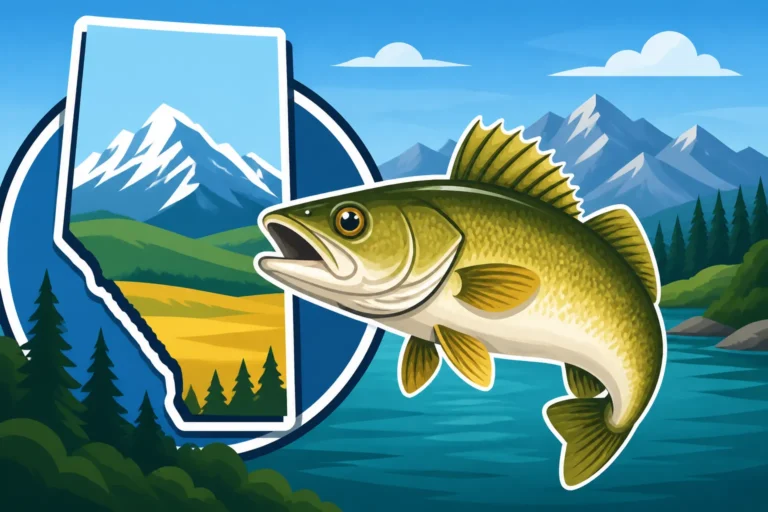
Walleye are one of Alberta's most sought-after game fish, known for their delicious fillets and challenging fight. But what makes a spot "walleye-friendly" often comes down to one crucial factor: water temperature. These fish are masters of adapting, but they definitely have a comfort zone, and knowing what that is can drastically improve your success.
The Ideal Range: Why Walleye Are Temperature-Sensitive
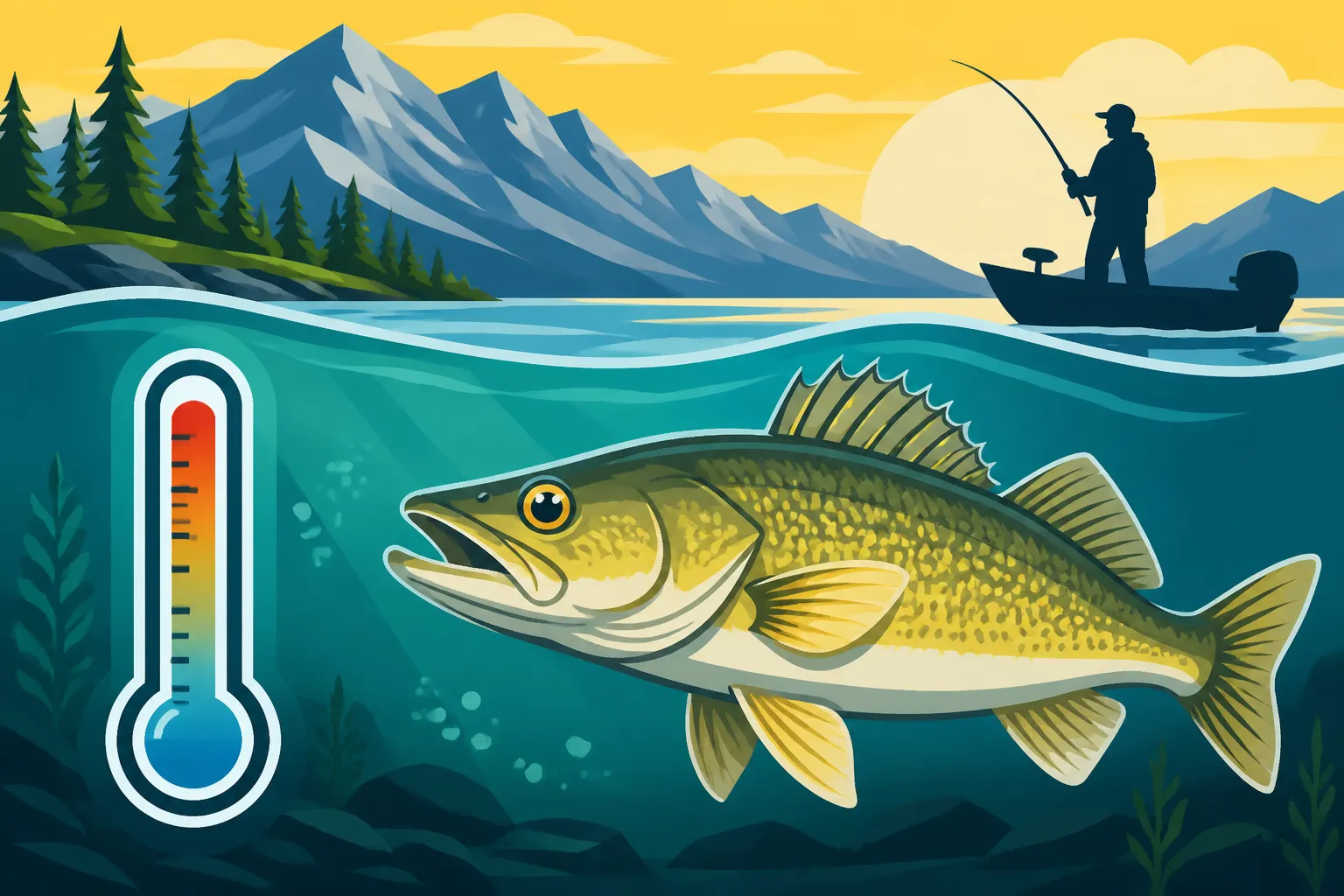
Walleye thrive in cooler, oxygen-rich waters, making them particularly sensitive to temperature fluctuations. They aren't cold-water dwellers like lake trout, but they certainly aren't warm-water lovers either. Their "sweet spot" is generally considered to be in the 55°F to 70°F (13°C to 21°C) range. Within this range, their metabolism is at its peak, meaning they are most active, most aggressively feeding, and generally easier to locate.
Think of it like us trying to enjoy a meal in extreme heat or bitter cold – we're just not as comfortable or energetic. Walleye are no different. When the water gets too cold, their metabolism slows down, making them sluggish and less inclined to chase prey. Conversely, when the water gets too warm, they become stressed, seek deeper, cooler water, and their feeding activity can drop off significantly. Understanding this fundamental preference is the first step in unlocking consistent walleye success in any Alberta Fishing Seasons by Zone and Month.
How Temperature Affects Walleye Metabolism and Feeding
Water temperature is the ultimate regulator of a walleye's life. It directly influences their metabolism, which in turn dictates their energy levels, digestion, and feeding habits.
- Optimal Temperature (55-70°F / 13-21°C): In this range, walleye are metabolic machines. They digest food efficiently, recover quickly from exertion, and are constantly on the prowl for baitfish. This is when you'll find them actively hunting in shallower areas, along weed lines, and around structural elements. Their energy levels are high, making them more likely to strike at a well-presented lure. If you're wondering Best Baits for Walleye on Lesser Slave Lake or Best Crankbaits for Alberta Walleye, consider how they perform within this temperature bracket.
- Cooler Temperatures (Below 55°F / 13°C): As water temperatures drop, walleye metabolism slows down considerably. They become less active, move slower, and their feeding windows shrink. You'll often find them congregating in deeper holes, near transition areas, or on the warmest sides of structures where they can conserve energy. Your presentation needs to be slower and more deliberate to entice a strike from these lethargic fish. This is particularly relevant when considering winter walleye strategies.
- Warmer Temperatures (Above 70°F / 21°C): When the water heats up, walleye will seek refuge in cooler, deeper parts of a lake or river. This is often below the thermocline (more on that later), where oxygen levels are adequate, and the temperature is more stable. High water temperatures can cause stress, leading to decreased feeding and increased vulnerability to disease. If you catch a walleye in excessively warm water, it's crucial to How to Catch Bull Trout and Release Them Safely using proper techniques, even though walleye aren't as delicate as bull trout, warm water stress can still be fatal.
Seasonal Water Temperature Changes and Walleye Location
Alberta's fishing seasons bring dramatic shifts in water temperature, each requiring a different approach to finding walleye. Knowing where walleye go as the seasons change is key to consistent success.
Spring Warm-Up: Post-Spawn Movements
Spring is a time of renewal and rapid change. As the ice recedes and the sun begins to warm the shallow bays and dark-bottomed areas, walleye begin their journey from deeper wintering grounds to shallower spawning locations. Walleye typically spawn when water temperatures reach 40°F to 50°F (4°C to 10°C). After the spawn, usually in late spring, they'll gradually move into warmer, shallower waters to recover and feed aggressively.
You'll often find them staging near river mouths, points, and shallow flats adjacent to deeper water. They're looking for abundant baitfish that are also moving into these warmer, food-rich areas. Focus on north-facing banks or dark-bottomed bays that absorb sunlight quickly. These areas will warm up faster than deeper, open water. Consider lighter jigs or slowly retrieved stickbaits during this period. Checking out best fishing spots in Alberta for spring walleye means looking for these specific conditions.
Summer Stratification: Finding the Thermocline
Summer presents a unique challenge due to thermal stratification. As the surface water warms, it creates distinct layers:
- Epilimnion: The warm, upper layer, often too warm for walleye.
- Thermocline: A transition zone where the temperature rapidly drops. This is often the prime zone for walleye, offering both cooler temperatures and ample oxygen.
- Hypolimnion: The cold, deep bottom layer, which can become oxygen-depleted in some lakes, making it unsuitable for walleye.
During the peak of summer, when surface temperatures can soar above 70°F (21°C), walleye will often retreat to the thermocline. They'll follow this band of comfortable water, moving horizontally along it, relating to any structure it intersects. Your fish finder will be your best friend here, helping you locate the thermocline and the fish concentrated within it. A good quality fish finder, easily found on Amazon, can be invaluable. Trolling deep-diving crankbaits or jigging spoons directly in this zone can be incredibly effective. For Deep Water Summer Lake Trout you'd also be looking at the thermocline, but often deeper.
Fall Turnover: Following the Bait
As autumn arrives, the cooler air temperatures begin to cool the surface water of lakes. Eventually, the surface water temperature matches that of the deeper water, leading to what's known as "fall turnover." During turnover, the distinct layers of summer stratification disappear, and the entire water column mixes. This can temporarily disperse fish as they adjust, but once it settles, walleye often become incredibly active.
Post-turnover, walleye are usually found throughout the water column, often shallower than in summer, as the entire lake cools to their preferred range. They will be aggressively feeding to pack on fat reserves for the coming winter. Focus on main lake points, rocky reefs, and large structural elements where baitfish gather. Casting crankbaits, jigging Rapalas, or slow-trolling can be highly productive. This is an excellent time to target a trophy Northern Pike Fishing in Alberta as well, as pike also gorge themselves.
Winter Chill: Ice Fishing Strategies
When Alberta's lakes freeze over, walleye behavior shifts dramatically. Their metabolism slows, and they become less active. However, they still need to feed. During winter, walleye often congregate in predictable areas.
- Early Ice: Walleye can still be found relatively shallow, along weed lines and subtle breaks, especially during low-light conditions. The water hasn't fully chilled yet, and some shallower food sources might still be available.
- Mid-Winter: As the water gets colder, walleye often move to deeper main lake basins, sharp break lines, humps, and submerged islands. They're looking for stable temperatures and areas where baitfish might be schooling. Your presentation needs to be slow and subtle. Small jigs tipped with minnows or plastics, or flutter spoons, are often key. You can find excellent ice fishing gear, including sensitive rods and warm huts, on Amazon.
- Late Ice: As spring approaches and sunlight penetrates the ice, walleye may start moving shallower again, mirroring some of their early spring staging locations, but still under the ice.
Understanding these seasonal movements based on temperature is crucial for productive Ice Fishing in Alberta.
Practical Tips for Locating Walleye Based on Water Temperature
Knowing the preferred temperature range is one thing, but actively using that information to find fish on the water is where the real skill comes in.
Utilizing Technology: Fish Finders and Temperature Gauges
Modern technology has made it significantly easier to pinpoint water temperatures and locate fish.
- Fish Finders with Temperature Sensors: Most modern fish finders, from basic models to high-end units, come equipped with a water temperature sensor. This is your most direct tool for finding that walleye sweet spot. Pay attention not just to the surface temperature, but to changes in temperature as you move the boat or adjust your depth. Many units will clearly show the thermocline as a distinct line on the screen.
- Portable Temperature Gauges: If your boat's electronics don't provide depth-specific temperature readings, consider a portable temperature gauge that can be lowered into the water. Some digital thermometers are available that give instant readings at various depths. This is particularly useful for ice fishing or kayak fishing.
- Mapping and Sonar Charts: High-definition mapping combined with your sonar can reveal underwater contours, humps, and ledges. By knowing the temperature profile of the lake, you can then target specific depths on these structures where walleye are likely to be holding. Companies like Lowrance and Humminbird, with products often reviewed and sold on Amazon, offer fantastic solutions for this. Remember to check out Best Fish Finders for Alberta Lakes for more detailed information.
| Season | Preferred Temperature Range (F/C) | Typical Walleye Location | Recommended Tactics |
|---|---|---|---|
| Early Spring | 40-50°F (4-10°C) | Shallow spawning areas, river mouths, rocky points | Slow jigging, twitching stickbaits, live bait |
| Late Spring | 50-60°F (10-16°C) | Shallow flats, weed lines, humps, transition areas | Casting jigs, crankbaits, spinner rigs, slip bobbers |
| Summer | 60-70°F (16-21°C) | Thermocline, deeper structures, main lake points, humps | Deep cranking, jigging spoons, bottom bouncers, vertical jigging |
| Fall Turnover | 50-60°F (10-16°C) | Main lake points, reefs, structural elements, throughout column | Crankbaits, jigging Rapalas, slow trolling, swimbaits |
| Winter (Ice) | 35-40°F (2-4°C) | Deeper basin edges, humps, break lines, weed edges (early/late ice) | Vertical jigging, deadsticking, small minnow baits |
Reading the Water: Visible Signs and Structure
Even without high-tech gear, you can still make educated guesses about water temperature and walleye location.
- Surface Water Temperature: A simple handheld thermometer can give you surface readings. While not exact for depth, it gives you a starting point. Look for areas where wind or currents might push warmer or cooler water.
- Currents and Inflows: Rivers and streams entering a lake often bring water of a different temperature. Walleye will position themselves in or near these currents, especially if the incoming water is within their preferred range or bringing in food. The Bow River Fishing Guide and Oldman River Fishing Spots are prime examples where understanding currents and inflows is critical.
- Structure and Depth: Pay attention to how quickly the depth changes. A sharp break line can offer walleye quick access to different temperature zones. Rocky points, submerged humps, and deep weed lines all offer temperature refuge and ambush points.
- Baitfish Activity: If you see schools of baitfish flickering on the surface or showing up on your sonar, walleye are likely to be nearby, especially if the water temperature is ideal for their feeding. Predator fish often follow their food source.
Adjusting Tactics for Different Temperature Zones
Your fishing technique needs to adapt to the water temperature and, consequently, the walleye's activity level.
- Warm Water (Active Walleye): When walleye are in their optimal temperature range, they're more aggressive. You can often use faster retrieves, larger lures, and more erratic presentations. Casting and retrieving crankbaits, spinnerbaits, or aggressive jigging can be highly effective. How to Catch Walleye in Alberta often involves these active presentations.
- Cold Water (Lethargic Walleye): In colder water, walleye are less willing to chase. Your presentation needs to be slow, subtle, and right in front of their faces. Vertical jigging with small baits, deadsticking live minnows under a bobber, or slow-rolling a jig along the bottom are better choices. Focus on presenting the bait for extended periods in the strike zone.
- Transition Zones: When moving from one temperature zone to another, walleye might be suspended or relating to subtle changes. Consider techniques like snap-jigging, trolling with precise depth control, or using a slip bobber to present bait at a specific depth. Experimentation is key to figuring out what the walleye prefer on any given day.
The Impact of Extreme Temperatures and Conservation
While understanding walleye temperature preferences helps you catch more fish, it's equally important to understand the implications for their health and our role in conservation.
Stress Factors and Walleye Health
Extreme water temperatures, both too cold and especially too warm, can put significant stress on walleye populations.
- Heat Stress: High water temperatures reduce dissolved oxygen levels, making it harder for fish to "breathe." This can lead to increased stress, slower recovery from being caught, and higher mortality rates, especially during catch-and-release fishing. During hot summer days, walleye might seek thermal refuge in deep springs or cold tributaries. If you're fishing in very warm water, consider stopping, or switch to catch-and-keep (within limits) if the fish are destined for the frying pan, to minimize the impact of releasing already stressed fish.
- Cold Stress: While less common for walleye than heat stress, extremely cold water can also make them vulnerable. Their immune systems can be compromised, and they are less able to escape predators or find food efficiently. Anglers need to be mindful of sensitive species like Bull Trout: Alberta's Threatened Native Fish which are even more susceptible to temperature extremes.
- Spawning Success: Water temperature directly impacts the success of walleye spawning. If temperatures fluctuate too wildly during the spawn, it can lead to poor egg development and reduced survival rates for young walleye, affecting future populations.
Ethical Angling Practices in Varying Conditions
Being a responsible angler means adapting your practices, not just your lures, to ensure the health of the fishery.
- Consider the Conditions: On extremely hot days, when surface water temperatures are consistently above 75°F (24°C), walleye are under significant stress. Consider fishing early in the morning or late in the evening when water temperatures are cooler, or even taking a break until conditions improve.
- Minimize Handling: When practicing catch and release, especially in warmer water, handle fish as little as possible. Keep them in the water if you can, use barbless hooks (which can be purchased easily from Amazon), and release them quickly. Avoid holding them horizontally by the jaw, as this can damage their internal organs.
- Know the Regulations: Always be aware of specific regulations for the water body you are fishing, especially regarding slot limits, bag limits, and specific conservation measures like Alberta Walleye Special Harvest Licence Recovery Program. These regulations are in place to help manage fish populations, which are inherently linked to environmental factors like water temperature.
- Educate Yourself: Continuously learn about the specific water bodies you fish. Local fishing forums, bait shops, and Alberta Environment and Protected Areas resources can often provide current information on water conditions and fish behavior. Understanding Alberta Fishing Regulations Explained will always serve you well.
By being mindful of water temperature and its profound impact on walleye, you'll not only become a more successful angler but also a more responsible steward of Alberta's incredible aquatic resources.
Disclaimer
This article is for general informational purposes only and does not constitute professional advice. Laws, prices and regulations vary by location and change over time. Consult a qualified professional for guidance on your specific situation.