Best swimbait size for big pike
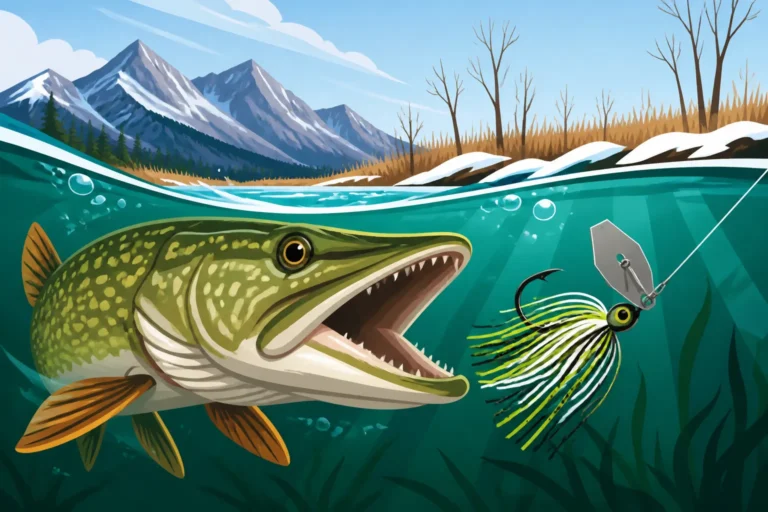
There's nothing quite like the thrill of chasing after a truly massive northern pike, but for many anglers, hooking into those giant predators can feel like a pipe dream. You might be out there casting diligently, only to find yourself reeling in smaller, feistier pike, or worse, getting no bites at all. It’s frustrating when you know those leviathans are lurking, but your offerings just aren't cutting it. This guide is all about helping you understand the crucial role of swimbait size in targeting those colossal Alberta pike, and how to pick the perfect lure to make your trophy dreams a reality.
Understanding What "Big Pike" Means for Swimbait Selection
When we talk about "big pike," we're not just referring to any pike over a certain length. We're talking about the true apex predators of Alberta's lakes and rivers—the ones that have grown to substantial size by being efficient, opportunistic hunters. These fish often feed on larger prey, and their predatory instincts are honed to key in on a substantial meal that offers a good return on energy investment. This fundamental understanding is absolutely critical when it comes to choosing your swimbait size.
The "Match the Hatch" Principle for Larger Prey
Think of it like this: a trophy pike isn't going to expend much energy chasing down tiny minnows when it can ambush a hefty whitefish or a sizable walleye. Just like fly anglers "match the hatch" with insect patterns, you need to "match the forage" when targeting big pike. If the primary food source in a particular lake consists of substantial baitfish like suckers, larger perch, or even smaller walleye, then your swimbait needs to mimic that. A big pike, accustomed to eating meals that are 8, 10, or even 12 inches long, is far more likely to strike a swimbait of a similar size than it is a smaller, less substantial offering. It's about presenting a meal that looks worth the effort.
Why Small Swimbaits Often Miss the Mark for True Trophies
Many anglers start with smaller swimbaits because they're easier to cast, less intimidating to fish, and frankly, they catch fish. The problem is, they often catch smaller fish. While a smaller swimbait might occasionally tempt a larger pike, it's far more likely to be attacked by juveniles or simply ignored by the true giants. Big pike are wise; they've survived multiple seasons by making smart choices. A tiny bait signals a tiny meal, which isn't efficient for a fish that needs significant calories to maintain its massive size. If you're consistently catching pike in the 20-30 inch range on your current baits and wondering why you're not getting those 40-inch monsters, your swimbait size is likely a major factor. You need to be bold with your lure choice to stand a chance at a true goliath. You can learn more about Northern Pike Growth Rate to Trophy Size to understand their feeding habits as they grow.
Ideal Swimbait Sizes for Enticing Trophy Pike
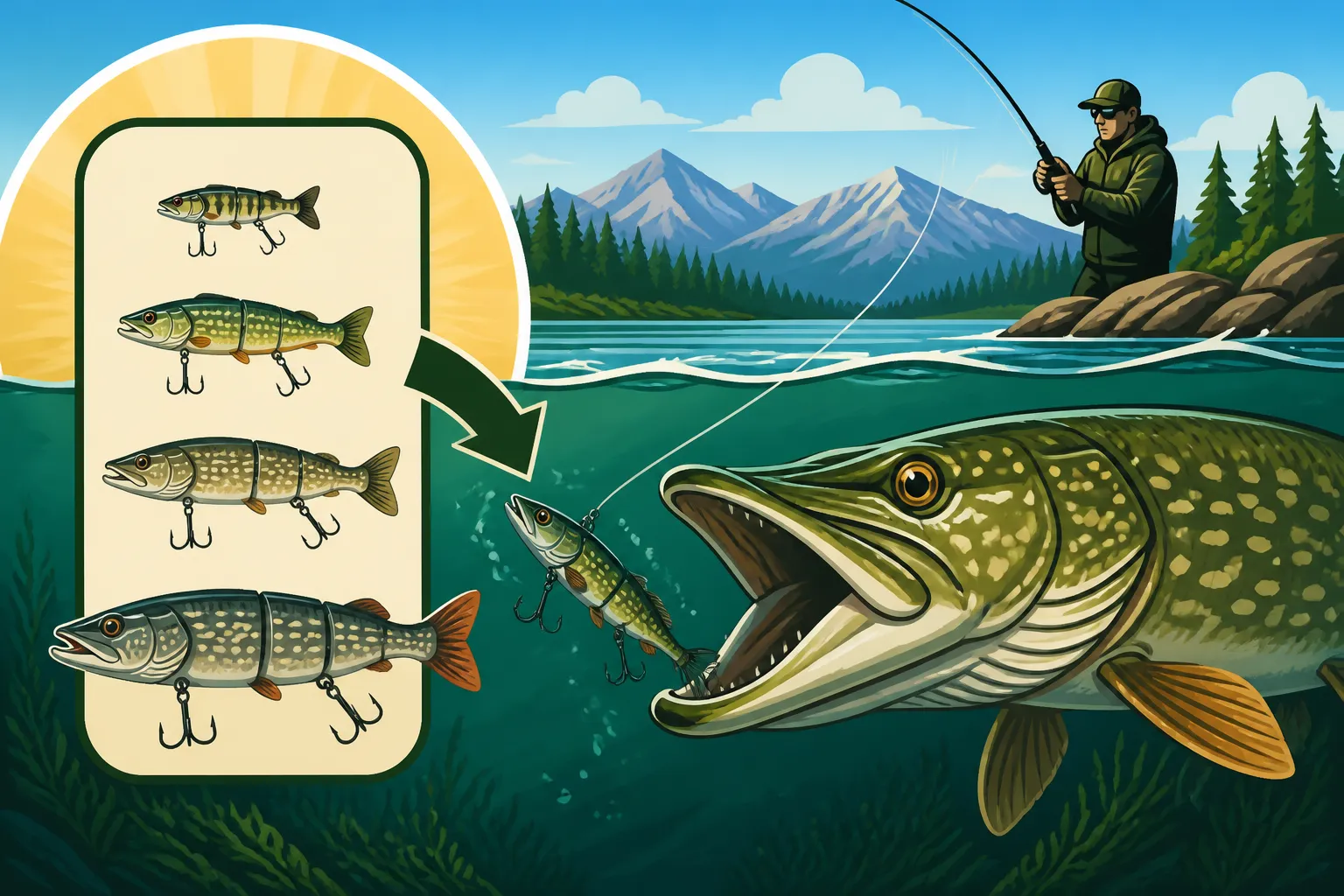
So, what’s the magic number for big pike swimbaits? While there's no single "perfect" size, there's definitely a sweet spot that dramatically increases your odds of hooking into a trophy. Generally, when targeting those big, toothy critters in Alberta, you're going to want to be in the 6-inch to 12-inch range, and sometimes even larger!
The Sweet Spot: Typically 6-12 Inches (or Even Larger)
For consistent action on larger pike, a swimbait in the 6 to 8-inch range is often an excellent starting point. These sizes are substantial enough to attract attention from bigger fish, yet still manageable enough for most heavy-duty pike setups. However, if you're truly hunting for that once-in-a-lifetime monster, don't shy away from baits in the 10, 12, or even 14-inch category. These larger offerings are specifically designed to call out to the biggest, most aggressive pike in the water. Remember, a pike's mouth is remarkably large, and they are fully capable of engulfing baits that might seem enormous to us.
Consider the time of year too. In spring, after ice-out, pike are often aggressive and looking to pack on calories, so slightly smaller, but still substantial, baits might work. By late summer and fall, when they're bulking up for winter, bigger is often better. These fish are actively seeking out large, caloric meals. For more insights on seasonal pike behaviour, check out Northern Pike Habits in Alberta Lakes.
Hard-bodied vs. Soft-bodied Swimbaits: How Size Plays Differently for Each
The material and construction of your swimbait can also influence how you perceive and select its size.
- Hard-bodied Swimbaits: These often come in segmented or jointed designs, like a multi-piece lure that swims with a very realistic, undulating action. A 9-inch hard-bodied swimbait, for example, will have a different profile and movement than a 9-inch soft plastic. The rigidity and segmentation can make it appear even larger and more lifelike in the water, often mimicking larger baitfish with surprising accuracy. These are excellent for triggering reactionary strikes from big pike. When looking for these, you'll find a massive selection at places like Bass Pro Shops.
- Soft-bodied Swimbaits: Made from flexible plastics, these come in a huge variety of shapes and sizes, from paddle-tail versions that swim with a strong thumping action to more subtle, straight-tail designs. A 9-inch soft plastic swimbait, while the same length as its hard-bodied counterpart, might have a slimmer profile or more natural flex, making it appear slightly less bulky. This can be advantageous in clearer water or when pike are a bit more finicky. The action of a soft plastic can be incredibly versatile, allowing for slow, natural glides or fast, erratic jerks, depending on your retrieve.
Considering Profile and Bulk, Not Just Length
It’s not just about the measurement from nose to tail. The overall profile, or "bulk," of the swimbait matters immensely. A skinny, 8-inch worm imitation is going to present a very different meal than a fat, chunky 8-inch shad-bodied swimbait. Big pike are looking for a meal they can feel and see easily. A swimbait with a larger profile—taller, wider, or with a more pronounced belly—will displace more water, create a stronger vibration, and present a more significant silhouette. This can be crucial in stained or turbid water where visibility is reduced, as the fish relies more on its lateral line to detect prey. Conversely, in ultra-clear water, a slightly slimmer, yet still long, profile might appear more natural and less threatening.
Factors Beyond Length: Weight, Action, and Color
While size is paramount, it's just one piece of the puzzle. To truly maximize your chances with big swimbaits, you need to consider how other characteristics like weight, action, and color play into your presentation, especially in Alberta's diverse fishing environments.
Weight and Casting Distance for Covering Water
Larger swimbaits naturally carry more weight, which is a huge advantage. That extra heft allows you to cast them considerable distances, covering more water with each retrieve. This is especially vital when fishing vast lakes or trying to reach offshore structure where big pike often hold. A heavy swimbait also helps cut through windy conditions, maintaining a straight trajectory and landing precisely where you intend it. When you're trying to locate elusive trophy pike in a new spot, being able to make long, accurate casts with a substantial offering can be the difference between an empty retrieve and a heart-stopping strike.
However, the weight also dictates your tackle choice. You'll need a robust rod and reel designed to handle these heavier lures without getting fatigued or risking equipment failure. Don't skimp here; using undersized gear with big swimbaits is a recipe for disaster. If you're looking for Best Pike Gear for Alberta Lakes, a strong rod and reel combo capable of handling larger baits is essential.
Action: Slow Roll vs. Erratic Retrieve, and How Size Impacts This
The action of a swimbait—how it moves through the water—is what truly brings it to life.
- Slow Roll: Many large swimbaits, especially those with prominent paddle tails or jointed sections, are designed for a simple, slow, steady retrieve. This "slow roll" creates a natural, undulating motion that mimics a lazily swimming baitfish, often irresistible to a lurking pike. The larger size of the swimbait means it displaces more water and creates a stronger "thump" even at slow speeds, which big pike can detect from afar. This technique is often deadly when pike are sluggish or in colder water.
- Erratic Retrieve: Other swimbaits, or variations in retrieve style, allow for more erratic action. Jerks, twitches, and pauses can make the swimbait dart, flash, and fall, imitating a wounded or fleeing baitfish. A large swimbait performing these erratic movements can trigger aggressive reactionary strikes from pike, especially when they are actively feeding or defending territory. Experiment with different retrieve speeds and cadences to see what the pike respond to on a given day. Sometimes, the bigger the bait, the more dramatic the pause-and-go can be.
Color Choices for Different Water Conditions
While pike are often not as finicky about color as some other species, it's still an important consideration.
- Natural Colors: In clear waters, especially in some of Alberta's mountain-fed lakes or rivers, natural baitfish patterns (like silver, olive, white, or brown) tend to be most effective. These mimic local forage directly and look less artificial. For example, if the lake has a strong population of whitefish or suckers, a swimbait that imitates them closely in color can be a real winner.
- Bright/Contrast Colors: In stained or murky waters, or on overcast days, brighter colors like chartreuse, firetiger, or bright orange can offer better visibility. These colors create a strong silhouette and are easier for pike to see in low-light or low-clarity conditions. Sometimes, a high-contrast pattern, even in natural hues, can be the key to getting noticed.
- Darker Colors: On very dark, heavily overcast days, or for night fishing, sometimes a solid black or dark purple swimbait can create the best silhouette against the sky, appearing as a large, easy target.
Always start with what's natural to the area's forage, and then experiment based on conditions.
Thinking About Water Depth and Sink Rate
The weight and design of your swimbait will dictate its sink rate. Some large swimbaits are designed to be "slow sinkers," gently fluttering down through the water column, making them ideal for targeting pike suspended over deeper structure or along gradual drop-offs. Others are "fast sinkers," getting down to depth quickly, which is perfect for covering deep flats or working distinct ledges where big pike are known to patrol. Understanding how your chosen swimbait behaves vertically is crucial for presenting it effectively at the depth where the fish are holding. For instance, if you're fishing a deep lake like Cold Lake, a faster-sinking swimbait might be necessary to reach the depths where trophy lake trout, and often big pike, reside. Finding the right swimbait means considering not just its size and profile, but how it reaches and performs at the specific depth you're targeting.
| Swimbait Size Range (inches) | Typical Target Pike Size | Common Applications | Considerations |
|---|---|---|---|
| 4-5 | Smaller to Medium | General purpose, high action, smaller forage | Good for numbers, less likely for true trophies |
| 6-8 | Medium to Large | Versatile, primary trophy hunter size, common forage | Excellent starting point, good balance of size/castability |
| 9-12 | Large to Trophy | Targeting giants, bigger forage, sparse cover | Requires heavier gear, more deliberate presentation |
| 12+ | Absolute Monsters | Extreme trophy hunting, specialized scenarios | Fewer bites, but often the biggest fish |
Rigging and Presentation Tips for Big Swimbaits in Alberta
You've got your massive swimbait, now how do you make sure it gets to the fish and, more importantly, stays connected when that monster pike decides to strike? Rigging and presentation are just as vital as the swimbait itself.
Proper Heavy-Duty Gear to Handle Big Baits and Big Fish
This cannot be stressed enough: big swimbaits require big gear. Trying to cast a 9-inch swimbait on a medium-heavy bass rod is not only frustrating but also dangerous to your equipment and potentially to the fish if you can't properly land it.
- Rods: Look for heavy or extra-heavy power baitcasting rods, typically in the 7'6" to 9-foot range. These rods have the backbone to launch heavy lures and absorb the shock of a violent pike strike. A fast or moderate-fast action tip will give you the sensitivity to feel bites and the power to set hooks firmly.
- Reels: A high-quality baitcasting reel with a robust drag system and a good line capacity is essential. Gear ratios around 5.1:1 to 6.4:1 are often preferred for cranking in these larger baits and battling strong fish.
- Line: Spool up with strong braided line, at least 50-80 lb test, for main line. This offers superior casting distance, sensitivity, and brute strength.
- Leader: A heavy fluorocarbon or steel leader is absolutely non-negotiable for pike fishing. Pike have razor-sharp teeth that will easily slice through braid or monofilament. Use 80-100 lb test fluorocarbon or a good quality coated wire leader. This is crucial for landing fish and protecting your expensive swimbaits. A good quality leader material can be found at any well-stocked tackle shop or online through Amazon.
Retrieval Techniques for Maximizing Appeal
With big swimbaits, it's often about slow and deliberate movements, though aggressiveness can pay off.
- The Slow Roll: As mentioned, a steady, slow retrieve is a classic for a reason. Allow the swimbait to do its work, letting its natural action create the enticing swim. Vary your speed slightly, maybe adding a subtle pause or a slight acceleration to mimic a fleeing or confused baitfish.
- Sweep and Pause: Cast out, let the bait sink to your desired depth, then make a long, slow sweep of your rod, reeling up slack as you do. Then, pause for a few seconds, letting the bait sink slowly, often when a strike occurs. This mimics a baitfish foraging or being disoriented.
- Bottom Bouncing: If pike are hugging the bottom, let your swimbait sink and then retrieve it with short hops or drags along the bottom, kicking up puffs of sediment. This can imitate a bottom-feeding fish or one trying to hide.
Always be ready for a strike, especially on the pause or when you change direction. Pike can hit with incredible force.
Where to Target Big Pike with Large Swimbaits in Alberta Waters
Knowing where to throw your big swimbait is just as important as knowing what to throw. Big pike are ambush predators, so they'll position themselves near structure or cover where they can lie in wait.
- Weed Edges and Beds: The transition zone between open water and dense weed beds is prime territory. Cast your swimbait along these edges or over the tops of submerged weeds, allowing it to bump and grind its way through, drawing attention.
- Drop-offs and Ledges: Where a shallow flat drops into deeper water is a classic big pike holding spot. These areas offer both shallow feeding grounds and quick access to deeper, cooler water for refuge.
- Submerged Structure: Logs, rock piles, old foundations, and submerged timber are all excellent ambush points. Approach these areas cautiously and make precise casts, working your swimbait around and through the structure.
- Inflow/Outflow Areas: River mouths, culverts, and areas where water flows in or out of a lake or pond can concentrate baitfish and, consequently, big pike. These areas often have current, which provides a steady food supply.
- Open Water Suspenders: Don't neglect open water, especially in larger lakes like Lesser Slave Lake or Lake Athabasca. Big pike will often suspend over deeper water, following schools of baitfish. A big swimbait fished at the right depth can be incredibly effective here. Exploring Best Fishing Lakes in Alberta will give you a head start on where these opportunities lie.
By choosing the right swimbait size, considering all the contributing factors, and presenting it effectively in the right locations, you'll dramatically increase your chances of tangling with one of Alberta's true monster northern pike. It takes confidence to throw those big baits, but the reward is absolutely worth it.
Disclaimer
This article is for general informational purposes only and does not constitute professional advice. Laws, prices and regulations vary by location and change over time. Consult a qualified professional for guidance on your specific situation.