Best ned rig setup for finesse fishing
There are those days on the water when the fish just aren't biting, no matter what you throw at them. You've tried everything – big, flashy lures, aggressive presentations – but it feels like the fish have lockjaw. This is a common frustration for many Alberta anglers, especially when dealing with pressured waters or finicky species. This comprehensive guide will walk you through the world of finesse fishing with the Ned rig, a subtle yet incredibly effective technique that often coaxes bites when all else fails, offering a proven path to turning those slow days into successful ones.
What Exactly is a Ned Rig and Why It Works Wonders
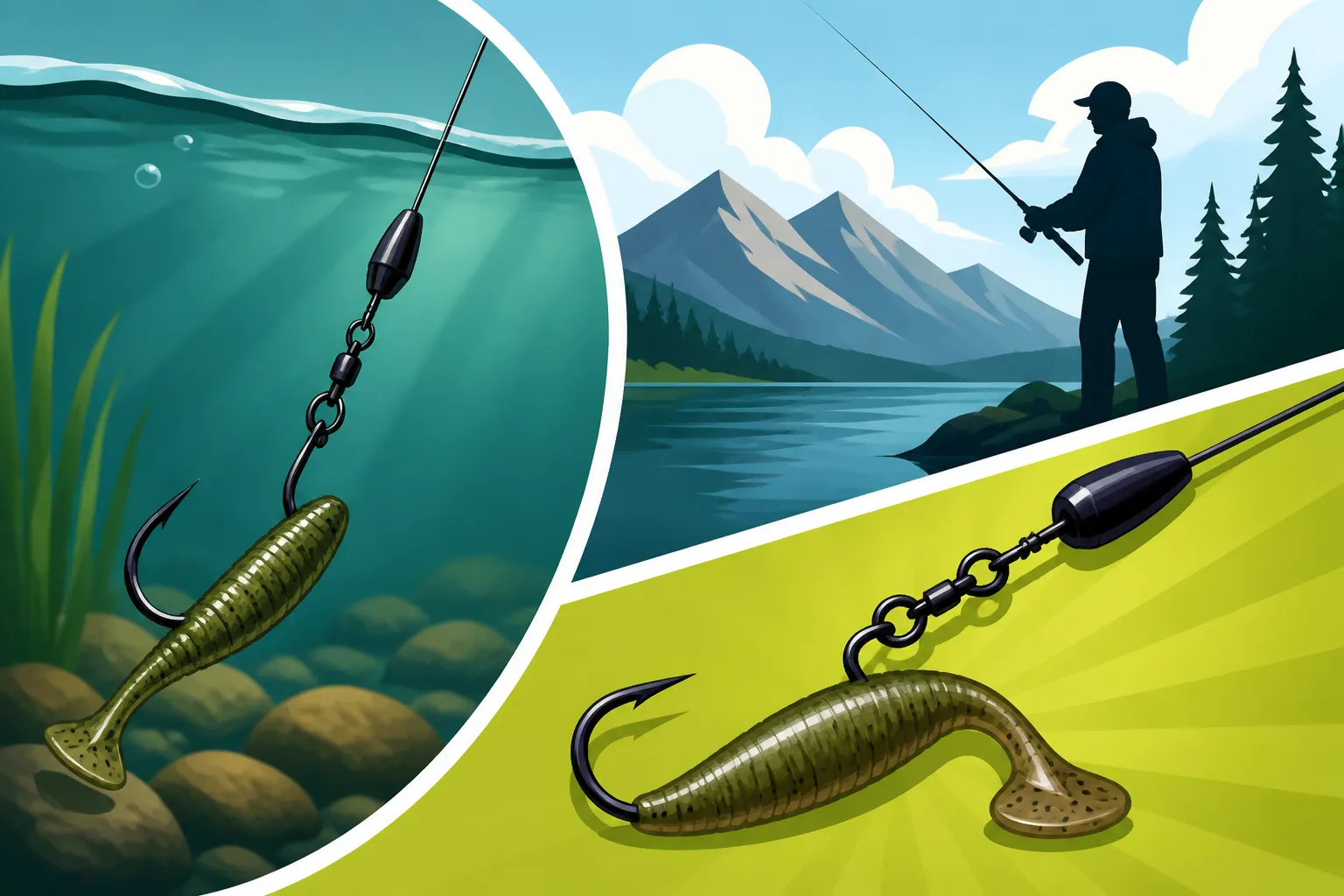
The Ned rig, often affectionately called the "half-Senko" or "Midwest finesse rig," is a minimalist fishing setup that has gained immense popularity for its ability to catch a wide variety of fish, especially when conditions are tough. At its core, it's a small, mushroom-shaped jig head paired with a short, buoyant soft plastic bait. The magic of the Ned rig lies in its subtle presentation and the way the plastic stands upright on the bottom, mimicking a foraging baitfish or a crayfish in a defensive posture. This understated action is precisely what makes it so irresistible to fish that are otherwise wary.
The Philosophy Behind Finesse Fishing
Finesse fishing is all about subtle presentations, lighter tackle, and a more patient approach. It's the opposite of "power fishing," where you're casting large baits and covering water quickly. When fish are highly pressured, perhaps from frequent angling on popular lakes like Pigeon Lake or Sylvan Lake, or when a cold front has made them sluggish, they often shy away from anything too aggressive or unnatural. This is where finesse tactics shine. The Ned rig, with its small profile and lifelike action, looks like an easy, non-threatening meal. It appeals to a fish's natural instinct to feed without triggering their defensive or wary instincts. It's about coaxing a bite, not forcing one.
How the Ned Rig Mimics Natural Prey
Imagine a small baitfish gently pecking at the bottom, or a tiny crayfish waving its claws defensively. That's essentially what a well-rigged Ned rig portrays. The buoyant soft plastic, when paired with the flat-bottomed mushroom head jig, causes the bait to stand vertically in the water, tail-up. This "hovering" or "standing" action is incredibly realistic. When you pause your retrieve, the bait settles, and then the tail slowly rises. This subtle movement is often enough to trigger a strike from even the most lethargic fish. It's not about flashy colours or erratic movements; it's about a small, vulnerable profile that screams "easy meal." This is especially effective for species like walleye, smallmouth bass (where present, though less common in Alberta), and even some trout species in calmer waters.
Essential Components of a Perfect Ned Rig Setup
Building a successful Ned rig isn't complicated, but choosing the right components makes all the difference. It's a combination of a specialized jig head, a specific type of soft plastic, and the right rod and line to detect those subtle bites. Getting these elements dialed in will significantly increase your success.
Choosing the Right Ned Rig Jig Heads
The jig head is the heart of the Ned rig. It's typically a mushroom-shaped head, designed to sit flat on the bottom, allowing your soft plastic to stand upright. The weight is crucial, as it dictates how fast your bait falls and how much feel you have for the bottom.
- Weight: Common weights range from 1/16 oz to 1/8 oz for most applications. Lighter weights (1/16 oz) are fantastic for very shallow water, calm conditions, or when fish are extremely finicky, offering a slower, more natural fall. Heavier weights (1/8 oz or even 3/16 oz) are better for deeper water, windy conditions, or when you need to feel the bottom more clearly, perhaps when fishing after a heavy rain on Alberta rivers.
- Hook Size: The hook needs to match your plastic bait. Most Ned rig jig heads come with a stout, short-shank hook in sizes from #1 to 1/0. Ensure the hook has enough gap to penetrate the fish's mouth without being too large for the bait.
- Weedguards: Some Ned jig heads come with a wire weedguard. These are incredibly useful when fishing around light cover like submerged weeds, wood, or rocky bottoms, helping to prevent snags. Given Alberta's varied aquatic environments, from the weed lines of Lesser Slave Lake to the rocky structures of the Kananaskis Lakes, a weedguard can save you a lot of frustration and lost tackle.
Many major fishing brands offer excellent Ned rig jig heads. You'll find a wide selection at places like Bass Pro Shops, or you can browse various options conveniently on Amazon.
Selecting the Ideal Soft Plastics
The soft plastic bait is the other critical component, and its buoyancy is key to the Ned rig's unique action.
- Buoyancy: Look for soft plastics made from buoyant materials like Z-Man's ElaZtech. This material is incredibly durable and, more importantly, floats. This buoyancy is what makes the tail of your bait stand up off the bottom. Without it, the bait will just lie flat, losing its signature appeal.
- Size and Profile: Ned rig specific plastics are typically short, usually ranging from 2.5 to 3.5 inches. They often have a compact, worm-like, or small creature bait profile. The shorter length ensures they can be presented effectively on small jig heads and appear as a tiny, digestible meal.
- Color: While natural colors like green pumpkin, brown, and black are incredibly effective in clear water (like many of Alberta's mountain streams or glacial lakes), don't shy away from brighter colors like chartreuse or white, especially in stained or murky water common in some prairie rivers. Matching the hatch, or imitating local baitfish or crayfish, is always a good starting point. Experimentation is key; sometimes a subtle difference in hue can make all the difference.
Rod, Reel, and Line for Finesse Fishing
Your tackle setup needs to be sensitive enough to detect the incredibly light bites that often come with Ned rigging.
- Rod: A spinning rod is almost always preferred for Ned rigging due to its sensitivity and ability to cast lighter lures. Look for a light to medium-light power rod, typically 6'6" to 7'6" in length, with a fast or extra-fast action. This combination provides the backbone to set the hook and fight fish, while the sensitive tip allows you to feel the most delicate takes. A good quality graphite rod is ideal for transmitting those subtle vibrations from the line to your hand.
- Reel: A small, lightweight spinning reel (size 1000 or 2000) balances perfectly with a finesse rod. A smooth drag system is essential, as you'll be using lighter lines and might hook surprisingly large fish.
- Line: This is perhaps the most crucial element for sensitivity.
- Braided Mainline: Many anglers prefer a thin braided line (6-10 lb test) as their main line. Braid offers superior sensitivity, zero stretch, and incredible casting distance for light lures.
- Fluorocarbon Leader: Because braid is highly visible in clear water, always tie on a fluorocarbon leader (6-8 lb test) of about 6-10 feet. Fluorocarbon is nearly invisible underwater, extremely abrasion-resistant, and provides a small amount of stretch, which can be beneficial when fighting a fish on light tackle. The knot between your braid and fluoro leader is critical; a blood knot or an FG knot are excellent choices for strength and smooth casting. This setup allows you to feel everything, while still presenting a natural bait.
| Component | Key Characteristics | Why It's Important |
|---|---|---|
| Jig Head | Mushroom shape, flat bottom, 1/16 – 1/8 oz, #1 to 1/0 hook | Sits upright, allows plastic to stand; weight controls fall rate and feel |
| Soft Plastic | Buoyant (e.g., ElaZtech), 2.5-3.5 inches, worm/creature profile | Mimics natural prey; buoyancy creates "standing" action; small profile is subtle |
| Rod | Spinning, Light/Medium-Light power, Fast/Extra-Fast action, 6'6-7'6 | Sensitive for light bites, good backbone for fighting, casts light lures |
| Reel | Spinning, Size 1000-2000, Smooth drag | Balances rod, smooth drag protects light line |
| Main Line | Braided, 6-10 lb test | Superior sensitivity, no stretch, long casts |
| Leader | Fluorocarbon, 6-8 lb test, 6-10 ft length | Nearly invisible, abrasion resistant, slight stretch for shock absorption |
Mastering the Retrieve: Techniques for Success with a Ned Rig
The beauty of the Ned rig is its simplicity, but don't let that fool you into thinking it's a "cast and reel" kind of lure. The retrieve is where you bring the bait to life and entice those bites. The key is subtlety, patience, and a keen sense of what your bait is doing on the bottom.
The Standard "Drag and Hop" Retrieve
This is perhaps the most common and effective retrieve for a Ned rig, especially when you're targeting fish like walleye or even smallmouth bass around structure.
- Cast it Out: Make a long cast to your target area. Allow the jig to sink to the bottom on a semi-slack line. Watch your line for any twitches or pauses as it falls; sometimes fish hit it on the drop.
- Let it Sit: Once it hits bottom, let it sit motionless for a few seconds. This pause is crucial. The buoyant plastic will stand up, presenting an irresistible target. Many bites happen during this initial pause.
- Slow Drag: Begin your retrieve by slowly dragging the jig along the bottom with your rod tip. You're not reeling; you're moving the bait with your rod. Keep your rod tip low, typically around the 9 or 10 o'clock position. This drag should be just enough to move the jig a foot or two.
- Slight Hop/Shake: After a short drag, give your rod tip a very subtle, upward twitch, or a slight shake. This causes the jig to hop or dart slightly off the bottom, then settle back down.
- Pause: Immediately after the hop, let it sit again. This is another prime moment for a strike. The plastic settles, stands up, and often triggers a reaction bite.
- Repeat: Continue this drag-hop-pause sequence all the way back to the boat or shore. Remember, less is often more with a Ned rig. Don't overwork the bait.
This technique is deadly when trying to cover ground slowly and methodically, especially over hard bottoms, gravel, or through sparse weed patches. It's an excellent method for prospecting new areas where you suspect fish might be hiding.
The "Dead Stick" Approach
Sometimes, fish are so lethargic or wary that even a subtle drag-and-hop is too much. This is when the dead stick approach comes into its own. This technique is exactly what it sounds like: you cast the rig out and let it sit.
- Cast and Sink: Make your cast and let the jig sink to the bottom.
- Patience is Key: Once it's on the bottom, simply leave it there. Don't move your rod, don't reel. Just let the current, or any subtle boat movement, impart a tiny bit of action. The buoyant plastic will be standing upright, doing its thing.
- Observe Your Line: Watch your line closely for any unusual movement – a slight twitch, a sideward pull, or a sudden slackening. These can all be indications of a bite.
- Occasional Bump: If you've left it for a long period without a bite, you can give it one very light twitch of the rod tip, just enough to barely lift it, then let it settle again.
This method is perfect for extremely cold water conditions, post-frontal situations, or when fishing for ultra-pressured fish in clear waters, such as those found in some of Alberta's stocked trout lakes. It often yields bites from fish that refuse everything else. Best time to fish after a cold front often calls for this level of subtlety.
Detecting and Setting the Hook
Ned rig bites can be incredibly light. You might feel a slight "tick," a spongy resistance, or simply see your line move sideways. Because you're often fishing on a semi-slack line, visual cues are just as important as tactile ones.
- Watch Your Line: Pay close attention to your line where it enters the water. Any sudden twitch, jump, or even just a straightening of the line when it should be slack, could be a bite.
- Feel the Weight: Sometimes, instead of a distinct bite, your bait will just feel "heavy" as you begin your next drag. This usually means a fish has picked it up.
- Sweep Set: When you detect a bite, don't rear back and set the hook like you're trying to put a knot in your rod. Instead, keep your rod tip low, reel up any slack, and then sweep your rod to the side, maintaining steady pressure. This "sweep set" is effective with the lighter tackle and smaller hooks of a Ned rig, ensuring a good hookset without overpowering the fish or tearing the small hook free.
When and Where to Deploy Your Ned Rig in Alberta
The versatility of the Ned rig makes it a fantastic tool for a wide range of Alberta fishing scenarios. Understanding when and where to tie one on can drastically improve your catch rate. It’s not just for specific species but for specific conditions and locations across our diverse landscape.
Targeting Walleye and Perch
The Ned rig is an absolute sleeper for walleye and, especially, yellow perch in Alberta. Our walleye can be notoriously finicky, particularly in heavily fished areas or during tough weather.
- Lakes with Clear to Moderately Stained Water: Lakes like Lesser Slave Lake, Lac La Biche, or Pigeon Lake, which hold healthy populations of walleye and perch, are prime Ned rig territory. When walleye are holding tight to structure or weed lines and aren't responding to traditional jigs or crankbaits, a Ned rig can be irresistible.
- Around Structure: Focus your efforts around rock piles, submerged timber, transition lines where hard bottom meets soft, and the edges of weed beds. The Ned rig's ability to stand up on the bottom makes it less prone to snagging in these areas than other bottom-bouncing baits. You can slowly work it over these features, letting it pause and stand, inviting curious fish to investigate. This is particularly effective during cooler water periods when fish are less aggressive or when Best time of day to catch walleye might be during low light conditions.
- Perch Pockets: For yellow perch, which are abundant in many Alberta lakes, the Ned rig is a fantastic choice. Small groups of perch often school up in weed pockets or around docks and submerged brush. A 1/16 oz Ned rig with a small, natural-coloured plastic can quickly fill a bucket. The subtle presentation doesn't spook the schools, allowing you to pick off multiple fish.
Finesse for Pike and Trout in Specific Conditions
While not a primary pike or trout lure, the Ned rig can surprise you in specific scenarios. It's often about capitalizing on their predatory instincts when they're not in an aggressive mood.
- Pike in Clear, Shallow Water: In very clear, shallow bays where pike are visually hunting and easily spooked by larger baits, a Ned rig can be effective. Think of those calm, sunny days when pike are basking or lazily cruising the edges of lily pads. A small Ned rig twitched gently near their lie can sometimes provoke a strike from a wary fish that would ignore a big spoon. It's a "snack" for them, rather than a full meal.
- Reluctant River Trout: On Alberta's famous trout rivers, like the Bow River or Crowsnest River, the Ned rig can be a hidden gem for catching rainbow or brown trout when they're holding deep in slow pockets or feeding on nymphs near the bottom. While fly fishing is king here, sometimes a heavily pressured trout needs something utterly unassuming. A light Ned rig fished very slowly along the bottom, mimicking a drowned insect or tiny sculpin, can trigger a bite. This is especially true in slow, deep pools or behind large boulders where trout are conserving energy. However, be mindful of local regulations, as some areas may have Alberta fly fishing only special regulation waters.
- Stocked Ponds and Lakes: For newly stocked trout in smaller ponds or lakes, which can sometimes be wary despite their recent release, a Ned rig offers a perfect bite-sized meal. Its subtle action can be less intimidating than a flashy spoon or power bait, making it a great option for Best beginner fishing spots in Alberta.
Cold Fronts and Pressured Waters
This is truly where the Ned rig shines. When conditions turn sour, and fish shut down, the Ned rig often keeps catching.
- Post-Frontal Conditions: After a strong cold front passes through, fish often become lethargic and move less. They'll hug the bottom and be less inclined to chase active baits. The slow fall and subtle action of a Ned rig, particularly with the dead stick retrieve, can be the only thing that gets a bite. They don't have to expend much energy to eat it, making it an appealing option.
- Heavily Fished Areas: In urban ponds, popular stretches of rivers, or lakes with high fishing pressure, fish become "educated" and are wary of common lures. The Ned rig's inconspicuous nature and realistic presentation can often fool these smart fish into biting. It's a great tool to have in your arsenal when others are struggling. Consider using it in publicly accessible areas near cities, where fish see a lot of lures.
The Ned rig isn't a silver bullet for every situation, but its effectiveness in tough conditions and its ability to appeal to a broad spectrum of Alberta fish make it an indispensable tool for any angler's tackle box. Don't be afraid to experiment with different sizes and colours, and remember that patience and subtle presentation are your best friends when fishing this rig.
Disclaimer
This article is for general informational purposes only and does not constitute professional advice. Laws, prices and regulations vary by location and change over time. Consult a qualified professional for guidance on your specific situation.