Best drop shot rig for Alberta walleye
If you've spent any time chasing walleye in Alberta, you know they can be incredibly finicky. One day they're hitting everything, the next they've got lockjaw, staring at your offerings with an almost defiant disinterest. This is especially true in clearer, more pressured waters. That's where a drop shot rig truly shines, giving you a subtle presentation that can coax even the most hesitant walleye into biting. This guide will walk you through setting up and using the best drop shot rig to outsmart those Alberta walleye, turning those frustrating days into successful ones.
Understanding the Drop Shot Advantage for Alberta Walleye
The drop shot rig isn't just another way to present a bait; it's a finesse technique designed for precision and subtlety. When those walleye are suspended, holding tight to structure, or just not in the mood for an aggressive chase, the drop shot can be your secret weapon. It allows you to present your bait exactly at the fish's eye level, keeping it moving tantalizingly in place without ever letting your weight move.
Why Finesse Matters for Alberta's Finicky Walleye
Alberta's lakes and rivers can be busy places, and walleye here often see a lot of lures. They get smart. A heavy jig slamming the bottom or a loud crankbait might spook them on a slow day. The beauty of the drop shot lies in its delicate presentation. Your hook, with its natural-looking soft plastic or live bait, is suspended above the sinker, allowing it to quiver and dance with the slightest rod tip movement or current. This creates an incredibly natural, almost effortless appearance that mimics a helpless baitfish or insect, often irresistible to even the most cautious walleye. This finesse approach is particularly effective when targeting deep-water walleye on many of the Best Walleye Lakes in Alberta, where they might be holding tight to subtle contours or suspended over open water.
Imagine you're fishing a breakline on Lesser Slave Lake. A traditional jig might bounce too far away from the fish you've marked, or get snagged on the rocks. With a drop shot, you can feel your weight contacting the structure, and your bait remains perfectly suspended above it, right in the strike zone, for as long as you want. The independence of the bait from the weight means your lure acts more lifelike, even when the weight is resting directly on the bottom. This allows for incredibly precise targeting of fish that are relating to specific depths or pieces of cover, making it a critical technique to master if you want to know How to Catch Walleye in Alberta consistently.
Common Scenarios Where Drop Shot Excels
While versatile, the drop shot truly shines in specific scenarios that are common across Alberta's walleye fisheries. Think about those clear, calm days when the fish are hugging the bottom, or when a cold front has pushed them deep and made them sluggish.
For example, on a sunny afternoon on Pigeon Lake, where walleye might be holding in 20-30 feet of water, a drop shot allows you to meticulously probe specific depths. You can hold your bait perfectly still, or give it subtle twitches, without dragging your weight through muck or getting snagged. It’s also phenomenal for vertical fishing from a boat or kayak when you've pinpointed fish on your sonar. You can drop your bait right down to them and hold it there. Another excellent application is fishing transition areas—where soft bottom meets hard bottom, or where a weed line ends—as walleye often stage there. In these situations, your drop shot weight can sit right on the edge of the transition, while your bait hovers temptingly in the open water where walleye are waiting to ambush. It's about precision, patience, and presenting the most natural-looking meal possible.
Building the Ideal Drop Shot Rig for Alberta Walleye
Setting up a drop shot rig is straightforward, but selecting the right components can make all the difference when you're targeting Alberta walleye. It's about balance, sensitivity, and choosing gear that will stand up to a spirited fight.
Rod and Reel Selection for Drop Shot Sensitivity
When it comes to drop shotting, sensitivity is king. You need to feel those subtle "ticks" and "thumps" that a walleye bite often presents. A light to medium-light power spinning rod, typically in the 6'6" to 7'6" range, with a fast or extra-fast action, is generally considered ideal. This rod taper allows for a quick hookset while still offering enough backbone to control a decent walleye. Carbon fiber blanks are fantastic for transmitting even the lightest bites up the line to your hands. You're not looking for a broomstick; you want something that bends and loads quickly. For specific recommendations, you might find a great selection of responsive rods on Amazon, or at your local tackle shop.
Pair your sensitive rod with a lightweight spinning reel, usually in the 2000-3000 size range. Look for a smooth drag system, as walleye can make powerful runs, especially when they first feel the hook. A good drag will prevent break-offs on light line. A higher gear ratio can be beneficial for quickly taking up slack line, which is crucial for maintaining contact with your bait and detecting those subtle bites. Many anglers will also consider the overall balance of the rod and reel combo, as you'll be holding and twitching this setup for extended periods, and comfort is key.
Line Choices: Braided Mainline to Fluorocarbon Leader
The line setup for drop shotting walleye typically involves a combination of braided main line and a fluorocarbon leader. This combination offers the best of both worlds: incredible sensitivity and strength, with the near-invisibility of fluorocarbon.
For your main line, 8-15 pound test braided line is a solid choice. Braid has virtually no stretch, which means every little bump, tick, or weight contact is directly transmitted to your rod tip. This is invaluable for detecting light bites from hesitant walleye. The thin diameter of braid also helps with casting distance and cutting through the water, especially in current. You can find quality braided lines from brands like PowerPro or Seaguar readily available at most tackle shops and on online retailers such as Amazon.
Attached to your braided main line should be a fluorocarbon leader. Fluorocarbon is significantly less visible underwater than mono or braid, which is a huge advantage in clear Alberta waters. The length of your leader can vary, but typically 6-10 feet is a good starting point. This gives enough separation between your high-visibility braid and the lure. For walleye, a 6-10 pound test fluorocarbon leader is usually sufficient, offering a good balance of strength and stealth. For specific applications and considerations, especially in clear water, you might find insights in guides like Best Fluorocarbon Leader for Clear Water Walleye, even though that article focuses on trout, the principles of clear water leader choice are very much the same.
Hook Styles and Weight Selection
The drop shot rig utilizes specific hook styles and weights to achieve its unique presentation. Getting these right is crucial for success.
When it comes to hooks, the most popular choice for drop shotting walleye is a "drop shot hook" or "octopus hook" in sizes #1 to 1/0. These hooks are designed to be tied directly to the main line with a Palomar knot, leaving a tag end for the weight. They typically have a wide gap and a slight offset, which helps with bait presentation and solid hooksets. Worm hooks or wide gap hooks can also work, especially with larger soft plastics. The key is to choose a hook that matches the size of your chosen bait, allowing it to sit naturally without impeding its action. A sharp, high-quality hook is non-negotiable for penetrating a walleye's bony mouth. Many anglers swear by VMC or Gamakatsu drop shot hooks for their sharpness and strength.
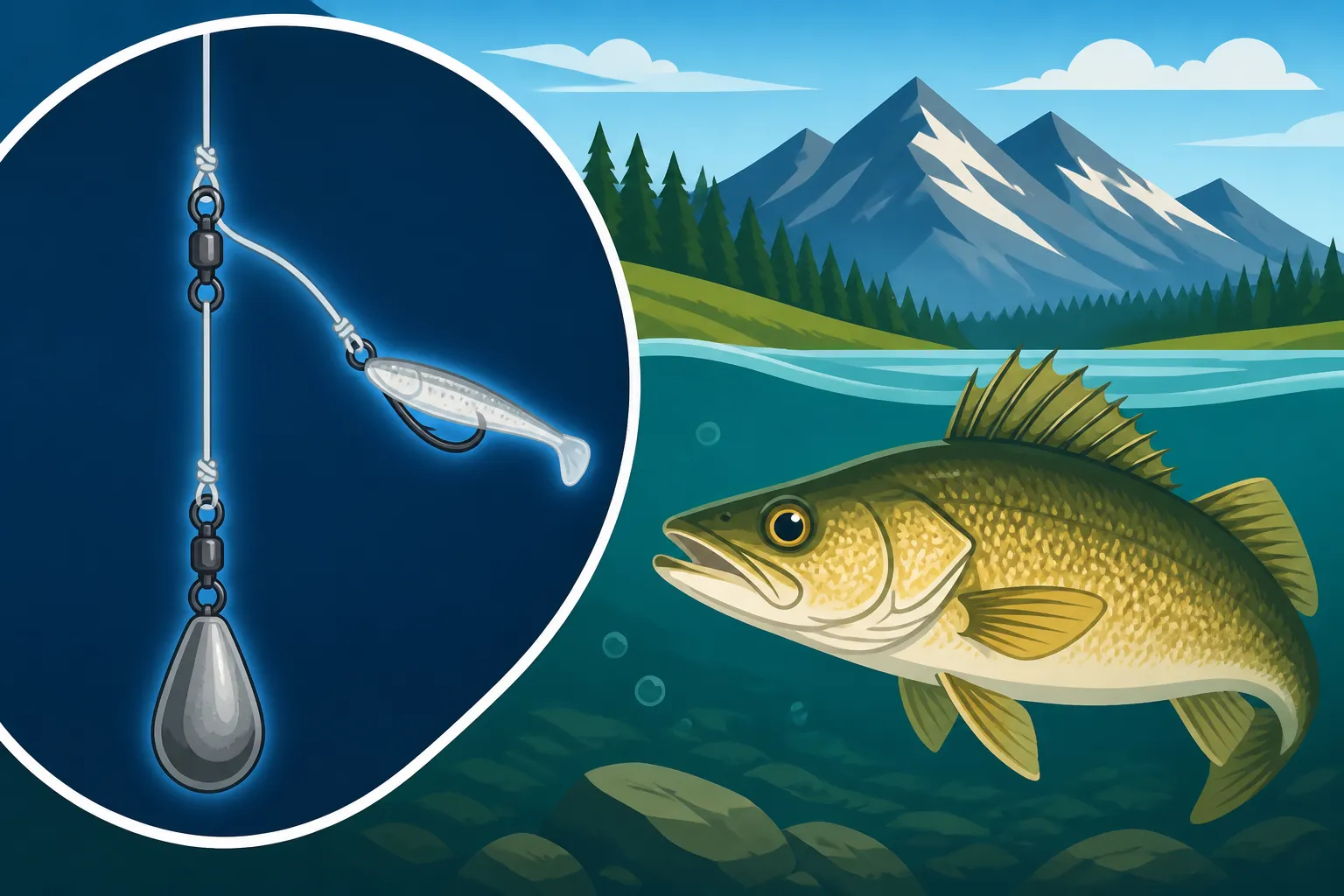
Drop shot weights are distinct from other fishing weights because they attach to the tag end of your line with a simple clamp or swivel, rather than being tied on. This allows for quick adjustments to the leader length (the distance between your hook and weight) and easy replacement if snagged. They typically come in cylindrical, round, or tear-drop shapes. Cylindrical weights are excellent for fishing through weeds or rocks as they tend to snag less. Weights typically range from 1/8 oz to 1/2 oz, depending on depth, current, and wind conditions. In calm, shallow water, a lighter 1/8 oz or 1/4 oz might be perfect, while deeper water or stronger current might demand a 3/8 oz or 1/2 oz weight to maintain bottom contact. You can find a good variety of drop shot weights available on Amazon, and they are a vital piece of your drop shot arsenal.
Here's a quick comparison of common drop shot weights:
| Weight Type | Shape | Best Use Case | Advantages | Disadvantages |
|---|---|---|---|---|
| Cylindrical | Long, skinny | Weeds, rocks, tight structure | Snags less, slips through cover | Less bottom feel on soft mud |
| Round/Ball | Spherical | Open water, soft bottoms, light current | Good feel on various bottoms | Can get hung up in rocky areas |
| Tear-Drop | Pear-shaped | Versatile, moderate cover, medium current | Good balance of feel and snag resistance | Not ideal for heavy weeds or dense rocks |
| Pencil/Stick | Very thin | Finesse, super light presentations, current | Excellent for minimal disturbance | Can drift easily in strong current |
Choosing Your Bait: Soft Plastics and Live Bait Options
The beauty of the drop shot is its versatility in bait presentation. Both soft plastics and live bait can be incredibly effective for Alberta walleye.
For soft plastics, finesse baits rule the day. Think about small minnow imitations, straight tail worms, flukes, or even tiny creature baits that are typically 2-4 inches long. Colors like natural baitfish (smoke, green pumpkin, natural shiner), chartreuse, or even bright pink (especially in stained water) can be very productive. Rig these soft plastics by nose-hooking them, wacky rigging them, or Texas rigging them (especially if you're fishing in heavier cover). Nose-hooking allows for maximum action and a natural look. The subtle quiver of a soft plastic suspended on a drop shot rig can be incredibly enticing to walleye, especially when they're not actively chasing. Experiment with different shapes and sizes to see what the walleye are keying on on any given day. To help guide your selection, consider What Walleye Eat in Alberta Lakes in their natural environment.
Live bait is another fantastic option for drop shotting, especially when the bite is tough. Small minnows (like shiners or suckers where legal), leeches, or even nightcrawlers can be rigged effectively. Hook minnows through the lips or just behind the dorsal fin to keep them lively. Leeches can be hooked through the suction cup, and nightcrawlers can be threaded on. The natural movement and scent of live bait are often irresistible to walleye, and the drop shot allows you to present them without the weight interfering with their natural swimming action. If you're looking for Best Baits for Walleye on Lesser Slave Lake, many of those options can be adapted for a drop shot presentation. Always check local regulations regarding the use of live bait before heading out.
Rigging Your Drop Shot for Walleye: A Step-by-Step Guide
Tying a drop shot rig properly ensures maximum effectiveness and reduces frustration from snags or lost fish. It's a relatively simple rig, but precision matters.
Step 1: Attaching the Hook to Your Leader
Start with your fluorocarbon leader material. A common and incredibly strong knot for drop shot hooks is the Palomar knot. This knot allows your hook to sit perpendicular to the line, which is crucial for the bait's natural presentation.
- Take about 3 feet of fluorocarbon leader.
- Fold the line in half, creating a loop.
- Pass the folded loop through the eye of your drop shot hook.
- Tie a simple overhand knot with the loop and the two tag ends, ensuring the hook hangs freely within the loop but don't tighten it yet.
- Pass the hook back through the loop you just created with the overhand knot. This is the crucial step that creates the "loop within a loop" that makes the Palomar so strong and makes the hook stand out.
- Moisten the knot and pull all four lines (main line, tag end, and both sides of the loop) simultaneously to tighten it down firmly against the hook eye.
- Now, the excess tag end that you'll attach your weight to is hanging directly below the hook.
Ensure that after tightening, your hook is pointing upwards, or at least horizontally, allowing your bait to swim freely. This might require passing the tag end through the hook eye again from the top down after tying the Palomar.
Step 2: Determining Leader Length and Attaching the Weight
The leader length—the distance between your hook and your weight—is a critical variable. It dictates how high off the bottom your bait will be suspended. A good starting point is usually 8-18 inches, but this can vary wildly based on conditions.
If walleye are actively feeding just off the bottom, a shorter leader of 8-12 inches might be perfect. If they are suspended a bit higher or you're fishing over thick weeds, you might go up to 24 inches or even more to keep your bait above the cover. Experimentation is key! You'll develop a feel for this.
Once you've decided on your leader length, trim the excess fluorocarbon tag end, leaving enough to attach your chosen drop shot weight. Most drop shot weights have a small wire clip or swivel that allows you to simply thread the line through and cinch it down. This design is brilliant because if your weight gets snagged, it often just slides off, saving your hook and the rest of your rig. It also allows you to quickly adjust your leader length on the fly by sliding the weight up or down the line without re-tying.
Step 3: Attaching Your Bait
With your hook and weight in place, it's time to rig your bait. The most common and effective method for soft plastics is nose-hooking.
To nose-hook your soft plastic, simply pass the hook point through the very tip of the bait's nose, ensuring it's not too deep. This allows the bait to have maximum freedom of movement and quiver enticingly with the slightest motion. When a walleye takes the bait, the hook is already in a prime position for a solid hookset. For smaller, less active baits or if you’re getting short strikes, you might try Texas rigging your soft plastic to conceal the hook point, which is useful when fishing around snags. If using live bait, hook your minnow through both lips or lightly through the back, careful not to hit its spine, to keep it lively. For a leech, hook it through the suction cup.
Remember, the goal is a natural presentation. Avoid over-rigging or using baits that are too large or stiff, as this will hinder the subtle action that makes the drop shot so effective.
Mastering Drop Shot Techniques for Alberta Walleye
Once your drop shot rig is perfectly set up, the real fun begins: learning how to present it effectively to those Alberta walleye. This technique isn't about power; it's about finesse and feeling the fish.
Presentation and Retrieval for Maximum Appeal
The beauty of the drop shot is its ability to present a bait in a relatively stationary position, allowing it to dance enticingly without the weight moving. This is often described as "dead sticking" with subtle movements.
When you cast out your drop shot rig, let the weight sink directly to the bottom. Once it hits, reel in the slack until you feel the weight. Now, you want to maintain contact with that weight, feeling it on the bottom, while your bait hovers above. The primary retrieve method involves incredibly subtle movements. You can gently shake your rod tip, causing the bait to quiver and shimmy in place. Think of it as imitating a nervous baitfish or an insect struggling. You might lift your rod tip a few inches and let it fall, creating a gentle "pop" that lifts the bait and lets it slowly settle back down. Or, you can just let the current or natural boat drift impart the action. The key is often to do less. Walleye can be very curious, and a bait that just sits there, subtly moving, can often draw them in when more aggressive presentations fail.
Another effective technique is to slowly drag your weight across the bottom. Instead of reeling, use your rod to sweep the weight along for a foot or two, then pause, shake, and repeat. This dragging motion can kick up small puffs of sediment, attracting attention, while your bait trails just behind. This method is especially effective when trying to How to fish deep structure for summer walleye, as you can cover ground while staying in the strike zone.
Interpreting Bites and Setting the Hook
Detecting a walleye bite on a drop shot rig can be a subtle art. Unlike aggressive strikes where your rod might get ripped from your hand, drop shot bites are often incredibly light.
Because you're maintaining constant contact with the weight and your line, you'll feel more than just a traditional "thump." A walleye bite might manifest as a slight pressure increase, a subtle "tick," or a feeling of "mushiness" on the line. Sometimes, your line might just go slack, indicating a fish has picked up the bait and is swimming towards you. It takes practice to distinguish these subtle differences from bumps on the bottom or vegetation. Pay close attention to any deviation from the normal feel of your rig. Your braided mainline's sensitivity, as discussed in the section on line choices, is paramount here.
When you feel a bite, don't set the hook with a huge, sweeping motion like you might for a traditional jig or crankbait. Instead, use a controlled "reel set." Simply reel down quickly to take up all the slack line until you feel the fish's weight, then lift your rod sharply but smoothly. The small, sharp hook on your drop shot rig, combined with the quick rod action, will usually find its mark. A strong drag on your spinning reel is crucial here, as a walleye hooked on light line can make powerful runs. Understanding Best Spinning Rods for Walleye can further enhance your ability to feel these subtle bites and execute proper hooksets.
Targeting Specific Structures with Drop Shot
The drop shot rig is exceptionally good for picking apart specific structures where walleye like to hide. Think about those precise spots you've marked on your fish finder or found through careful observation.
- Breaklines and Ledges: Walleye love to cruise along changes in depth. Drop shotting allows you to keep your bait right on the edge of a breakline, whether it's a gradual slope or a sharp drop-off. Your weight will tell you when you're on the bottom, and your bait will be suspended at the perfect height above the deeper water where walleye are often looking up for an easy meal.
- Humps and Points: Submerged humps and points are classic walleye magnets. By casting beyond the structure and slowly pulling your drop shot over it, you can present your bait effectively to fish holding on top or on the sides. The weight will drag over the peak, while your bait tantalizingly hangs right over the critical ambush spots.
- Rocks and Riprap: Fishing rocky areas with traditional lures can be a snag-fest. With a cylindrical drop shot weight, you can minimize snags dramatically. The weight can slip between rocks, while your hook and bait remain safely suspended above the rough bottom, right where walleye often lurk.
- Weed Edges and Pockets: Walleye will often sit just outside or even in pockets within submerged weed beds. Adjust your leader length to ensure your bait hovers just above the weeds, presenting it clearly to fish without getting fouled. This is particularly effective in lakes with extensive vegetation where walleye use cover for ambush points. These precise tactics are part of a broader strategy for walleye, sometimes even affecting when it's the Best Time of Day to Catch Walleye.
Advanced Tips and Troubleshooting for Alberta Walleye Drop Shotting
Even with the best setup, sometimes walleye can still be challenging. These advanced tips and troubleshooting strategies can help you adapt and find success when drop shotting in Alberta.
Adjusting to Conditions: Depth, Current, and Clarity
Alberta's fishing conditions are incredibly diverse, and a successful drop shot angler knows how to adapt their rig to match.
- Depth: As mentioned earlier, the deeper the water, generally the heavier the weight you'll need to maintain bottom contact and feel. If you're fishing 30+ feet, don't be afraid to go up to a 1/2 oz or even 3/4 oz weight. The leader length will also be crucial here; a longer leader (18-24 inches) might be necessary to keep your bait visible to walleye suspended higher in the water column.
- Current: Fishing rivers like the North Saskatchewan or certain sections of the Bow River for walleye means dealing with current. A heavier, cylindrical weight will help your rig stay put and prevent it from washing away too quickly. You might also want to shorten your leader slightly to maintain better control over your bait's presentation in moving water. Instead of actively shaking, let the current impart most of the action to your bait.
- Water Clarity: In clear lakes, fluorocarbon leader is non-negotiable, and smaller, natural-colored baits are often best. In stained or muddy water, you might get away with slightly heavier fluorocarbon and can experiment with brighter bait colors like chartreuse or orange, as fish often rely more on scent and vibration. This plays into strategies like choosing the Best lure color for muddy water walleye fishing.
Experimenting with Bait Action and Leader Length
If the bite is slow, don't be afraid to experiment. Sometimes a tiny change can make a huge difference.
- Bait Action: Are you giving it enough action, or too much? Try different cadences: a long pause followed by three quick shakes, or just letting it sit perfectly still. Sometimes walleye want a subtle quiver, other times a more aggressive twitch might trigger them. If you're using a minnow, for instance, a gentle twitch can make it look panicked, while stillness might make it look injured.
- Leader Length: This is probably the most crucial adjustment you can make on the fly. If you're not getting bites, try making your leader longer or shorter. Walleye might be holding tighter to the bottom than you think, or they might be looking up for a meal. If you're fishing over dense weeds and getting snagged, lengthen your leader. If you're over clean bottom, try a shorter leader to keep your bait closer to the zone. This is where the clamp-on drop shot weights truly shine, allowing for quick adjustments without re-tying.
Using Electronics for Precision Drop Shotting
Modern fish finders and sonar units are invaluable tools for drop shotting, especially for Alberta walleye that often hold to specific structures or suspend in open water.
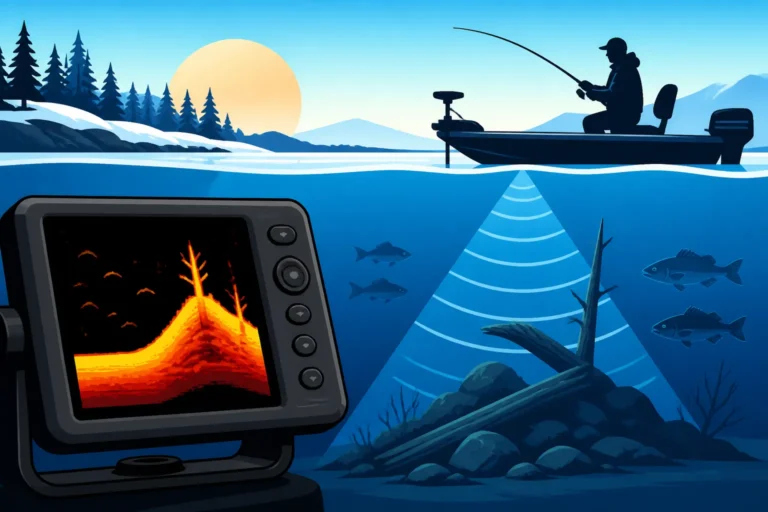
Use your electronics to identify key features like breaklines, humps, submerged timber, or even schools of baitfish. More importantly, look for individual fish arches or schools of walleye. Once you pinpoint them, you can drop your rig directly onto their heads. Many modern units have "down imaging" or "side imaging" that can reveal the precise contours and cover they're relating to. Some even show your bait and the fish simultaneously, allowing you to fine-tune your presentation in real-time. This can be a game-changer when you're trying to figure out How to read structure for walleye on Lesser Slave Lake or other large, complex bodies of water. Don't just cast blindly; use your eyes and your electronics to put your bait exactly where the fish are. Many anglers even mark waypoints on their GPS for productive drop shot spots, allowing them to return and replicate their success.
By understanding the drop shot rig, mastering its setup, and adapting your techniques to Alberta's diverse walleye fisheries, you'll add a powerful tool to your angling arsenal. It's a technique that rewards patience, precision, and a willingness to feel for those subtle bites, leading to more successful and satisfying days on the water.
Disclaimer
This article is for general informational purposes only and does not constitute professional advice. Laws, prices and regulations vary by location and change over time. Consult a qualified professional for guidance on your specific situation.