Best Wading Staff for Fast Current
There's a specific kind of heart-stopping lurch that every Alberta angler knows: that moment your foot slips on a slick riverbed rock, and the fast current decides it wants to claim you. It’s a terrifying experience that can quickly turn a peaceful day of fishing into a dangerous ordeal, leaving you soaked, bruised, and maybe even losing valuable gear. This guide is all about helping you conquer those treacherous currents and stay upright, confident, and safe by choosing and using the best wading staff for your Alberta adventures.
Why a Wading Staff is Non-Negotiable in Alberta's Fast Currents
Let's be real, many of us, especially when we're younger or feeling overconfident, think a wading staff is just an extra piece of gear to carry, an unnecessary hindrance. But if you've ever found yourself thigh-deep in a powerful Alberta river, with the water pushing hard against your legs and the bottom invisible, you quickly realize how wrong that assumption is. A good wading staff isn't just an accessory; it's a lifeline.
The Treacherous Nature of Mountain Rivers
Alberta's mountain rivers, like the Bow River or the Crowsnest, are stunningly beautiful, but they hide some serious dangers beneath their clear, cold waters. The currents are often deceptively strong, sculpted by snowmelt and rainfall, pushing with immense force that can easily knock you off your feet. Combine that with riverbeds composed of slippery, moss-covered rocks, loose gravel, and sudden drop-offs, and you have a recipe for disaster. Even a seemingly gentle drift can turn into a powerful tug-of-war against the river's will. Without a third point of contact, maintaining stability against such dynamic forces is incredibly difficult, especially when your focus is on casting or landing a fish.
Imagine you're trying to reach that perfect seam on the Bow River Fishing Guide, where you know the big trout are holding. You step out, feeling confident, only for a subtle shift in current to catch you off guard, or for your boot to slide on a rounded river stone. That instant loss of balance is terrifying, and without something to brace yourself with, you're going down. A wading staff gives you that crucial extra point of contact, acting like a third leg to anchor you against the river's relentless push, allowing you to probe the bottom and find secure footing before you commit your full weight.
Beyond Just Balance: Injury Prevention and Confidence
While maintaining balance is the primary function, a wading staff does so much more for your overall safety and angling experience. Think about injury prevention. A bad fall in a river can lead to sprains, broken bones, or even a concussion, not to mention the risk of hypothermia in our cold waters if you get completely submerged. A staff significantly reduces these risks by giving you proactive control over your stability. It's not just about preventing a full-blown tumble; it's about minimizing those small stumbles and awkward steps that can jar your body or strain a knee.
Furthermore, a wading staff instills confidence, which in turn leads to safer and more effective fishing. When you feel secure in your footing, you're more willing to explore productive water that might otherwise seem too risky. You can focus on your casting, your retrieve, and reading the water, rather than constantly worrying about falling. This newfound confidence can open up access to untouched stretches of river, making your fishing trips far more rewarding. It allows you to concentrate on Wading Techniques for Alberta Trout Rivers without the constant underlying fear of an unexpected dip.
Spotting Hazards Before You Step
One of the most valuable, yet often overlooked, benefits of a wading staff is its ability to help you "read" the riverbed. You can use it to probe ahead of you, feeling for changes in depth, assessing the stability of rocks, and identifying potential holes or drop-offs before you put your weight down. This is absolutely critical in murky water, during low light conditions, or in rivers where the bottom composition changes frequently.
Think of it as a sonar system for your feet. Before you take that next step into unknown territory, you can tap your staff forward. Does it find solid purchase? Is it a small, loose stone or a larger, stable boulder? Does the depth suddenly plummet? This kind of intelligence-gathering allows you to plan your route, pick the safest path, and avoid those nasty surprises that can lead to a quick dunking. It's a proactive approach to wading that transforms it from a risky endeavor into a calculated, much safer movement through the water.
Key Features to Look for in a High-Performance Wading Staff
When you're out there tackling Alberta's diverse waters, from the gentle flows of a small tributary to the powerful currents of a major river, your wading staff needs to be more than just a stick. It's a piece of precision safety equipment, and certain features make all the difference in its performance and reliability. Investing in a quality staff means thinking about materials, grip, and how easily it deploys and stows.
Material and Durability: Aluminum vs. Carbon Fiber
The material of your wading staff directly impacts its weight, strength, and overall durability – critical factors when you're relying on it for support in challenging conditions. The two most common materials you'll find are aluminum and carbon fiber, each with its own set of advantages.
Aluminum staffs are often the more budget-friendly option and are known for their robustness. They can take a beating, which is a real plus when you're navigating rocky terrain or accidentally drop it on a boulder. They tend to be a bit heavier than carbon fiber, which some anglers actually prefer as the extra weight can provide a more grounded feeling in strong currents. However, they can sometimes bend under extreme pressure or if they get snagged just right, and that bend can compromise the folding mechanism. Despite this, a well-made aluminum staff from a reputable brand can last for many seasons.
Carbon fiber staffs, on the other hand, are the lightweight champions. They are incredibly strong for their weight, offering superb rigidity without adding noticeable bulk to your pack or person. This is a huge advantage on long hikes to remote fishing spots or when you're casting all day and don't want any unnecessary drag. Carbon fiber also has a slightly more "forgiving" flex than aluminum, meaning it can absorb some shock without permanently deforming. The trade-off, however, is often a higher price tag. They are also susceptible to impact damage if struck sharply, which can sometimes lead to cracking or splintering, though modern carbon fiber is remarkably resilient. For serious anglers who prioritize minimal weight and cutting-edge performance, carbon fiber is often the preferred choice, especially when combined with a quality set of Best Breathable Waders for Summer Fishing for ultimate comfort.
Ergonomics and Grip: Comfort in Cold and Wet Conditions
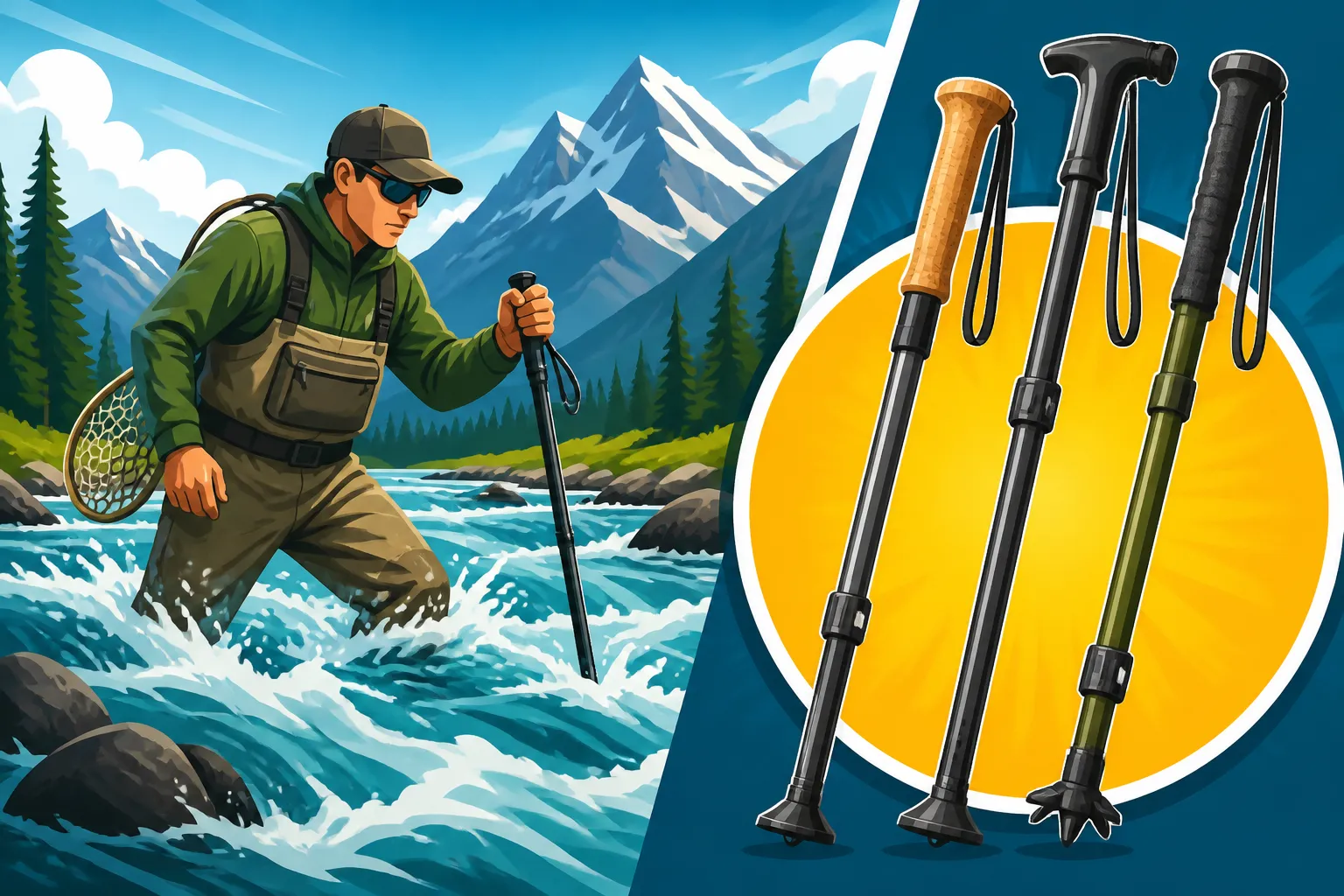
No matter how strong your staff is, if you can't hold onto it comfortably and securely, it's not going to do its job effectively. The handle and grip are crucial, especially when your hands are cold, wet, or you're wearing gloves. Look for a grip that is substantial enough to hold onto firmly, but not so bulky that it causes hand fatigue. Materials like cork, EVA foam, or specialized rubber are common, and each offers different benefits.
Cork grips often provide excellent feel and can be warm to the touch, which is nice in chilly Alberta mornings. EVA foam is durable, lightweight, and offers good grip even when wet. Rubberized grips are usually the most secure, providing maximum traction in slippery conditions. Beyond the material, consider the shape of the grip. Some handles are contoured to fit the hand more naturally, reducing strain. A textured surface can further enhance grip, preventing your hand from sliding when you apply pressure. Remember, you might be holding this staff for extended periods, leaning on it, and using it to brace against strong forces, so comfort and security are paramount.
Folding Mechanism and Portability: Quick Deployment and Storage
A wading staff is only useful if you can deploy it quickly when you need it and stow it efficiently when you don't. This is where the folding mechanism comes into play. Most high-performance staffs use a telescoping or Z-fold (collapsible) design.
Telescoping staffs allow you to extend and retract sections, often with quick-release levers or twist-locks. They are generally very sturdy when locked, but can sometimes accumulate grit or ice in the joints, making them harder to operate. Z-fold staffs, like those offered by manufacturers that Bass Pro Shops carries, use an internal elastic cord to snap sections together, much like tent poles. They are incredibly fast to deploy and collapse, making them ideal for situations where you might need quick access, such as moving from shallow bank walking to deeper wading. When collapsed, they are also very compact, often fitting neatly into a small pouch or clipped to your wading belt. The key here is a mechanism that is reliable, easy to operate with one hand (even gloved), and won't unexpectedly collapse or extend when you don't want it to. A good folding staff should feel as solid as a single-piece staff once it's locked into place.
Understanding Different Wading Staff Tip Options
The tip of your wading staff is where the rubber meets the riverbed – literally, in some cases! This small but mighty component is responsible for providing the traction you need to stay upright in slippery, unpredictable conditions. The right tip can make a world of difference in your confidence and safety, and understanding the options available will help you choose the best staff for the varied bottoms of Alberta's fishing waters.
Rubber Tips for Versatile Traction
Rubber tips are the most common and versatile option found on wading staffs, and for good reason. They provide excellent grip on a wide range of surfaces, from gravel and smooth river stones to muddy banks and even bedrock. The material often features aggressive tread patterns, similar to those you'd find on a hiking boot or a specialized wading boot, to maximize surface contact and prevent slipping.
One of the major advantages of rubber tips is their "softer" feel. When you're probing the riverbed, a rubber tip provides a better tactile sensation, allowing you to feel the nuances of the bottom composition more clearly. They also tend to be quieter than metal tips, which can be a consideration if you're trying not to spook fish in shallow, clear water. Furthermore, rubber tips are less likely to scratch or damage sensitive streambeds, making them a more environmentally friendly choice in some delicate ecosystems. They're also generally replaceable, so when they wear down from extensive use, you can simply swap them out for a fresh one, extending the life of your staff. For general-purpose wading in many of Alberta's rivers and lakes, a good rubber tip is often all you need.
Carbide Tips for Ultimate Grip on Slipperock
For those truly treacherous conditions – think slick, algae-covered boulders, wet bedrock, or even icy patches during late-season fishing – a carbide tip is an absolute game-changer. Carbide is an incredibly hard, durable material that essentially bites into the surface, providing a level of grip that rubber simply can't match. If you've ever felt that heart-stopping slide on a slick rock, you'll immediately appreciate the secure, unwavering purchase a carbide tip offers.
Carbide tips often resemble a small, pointed spike or a series of small studs. They are designed to dig in, preventing lateral slips that can be incredibly dangerous in fast currents. This kind of aggressive traction is particularly valuable in the technical, rocky sections of mountain streams where footing is always a concern. However, they do have a couple of downsides. They can be noisier than rubber tips, and they might cause more wear on certain types of riverbeds. Some anglers find them less suitable for softer bottoms like mud or sand, where they can sink in too deeply. Nonetheless, if you anticipate wading through highly abrasive or dangerously slick areas, especially in places where the riverbed is predominantly exposed rock, a carbide tip is the superior choice for safety. Many quality staffs, including some sold by Amazon, will offer interchangeable tips or come with carbide as a standard feature.
Combining Tips for Adaptability
The ultimate solution for maximizing your wading safety across Alberta's diverse aquatic environments is often a staff that allows for interchangeable tips, or one that cleverly combines elements of both rubber and carbide. This adaptability means you can customize your staff to the specific conditions you're facing on any given day.
Imagine starting your day by wading across a soft, silty flat to get to the main channel of a river, where a rubber tip would be ideal. But then, to reach that prime fishing lie, you need to navigate a stretch of mossy, slick boulders. With an interchangeable system, you could quickly swap out your rubber tip for a carbide one, providing optimal traction for each distinct challenge. Some staffs even incorporate both materials into a single tip design, featuring a rubber base with embedded carbide spikes. This offers a balanced approach, providing general versatility with an extra punch of grip when encountering harder, more slippery surfaces. The ability to switch or combine tips ensures you're always equipped with the best possible grip, giving you peace of mind and allowing you to focus on Fly Fishing for Trout on the Bow River rather than your feet.
Integrating Your Wading Staff into Your Angling Routine
A wading staff is only truly effective if it's used correctly and is readily accessible when you need it. Integrating it seamlessly into your angling routine means understanding proper wading techniques, having a smart way to carry it, and giving it the occasional TLC it deserves. It’s about making it an extension of your body, rather than an afterthought.
Proper Wading Techniques with a Staff
Using a wading staff isn't just about sticking it in the water; there's a technique to it that maximizes your stability and safety. The general rule of thumb is to maintain three points of contact with the riverbed at all times. This means either two feet and the staff, or one foot and the staff, while the other foot is moving.
When you're wading across current, position your staff slightly upstream and to the side of your lead foot. This creates a solid upstream brace against the flow, helping to prevent you from being pushed downstream. Before taking a step, use your staff to probe the bottom ahead of you, feeling for stable footing and assessing depth. Once you've found a secure spot, place your foot, then move the staff, and then your other foot. It's a deliberate, slow, and methodical process. Always move cautiously, facing slightly upstream and angled into the current. Avoid shuffling your feet, as this can dislodge rocks and create unstable footing. A good analogy is walking on a ladder; you never move more than one limb at a time. Mastering these techniques, along with choosing the Best Wading Boots for Rocky Rivers, will significantly reduce your risk of falling.
Carrying and Accessing Your Staff While Fishing
The best wading staff in the world is useless if it's stowed away in your backpack when you suddenly encounter a tricky crossing. Easy access is critical. Most folding wading staffs come with a small sheath or holster that can be attached to your wading belt, backpack, or even the strap of your fishing vest. Look for a system that keeps the staff securely in place when not in use, but allows for quick, one-handed deployment.
Many anglers prefer to attach their staff to their wading belt, often slightly behind their hip, so it's out of the way of casting but still within reach. Some staffs even feature a small lanyard with a carabiner that can clip to a D-ring on your waders or vest, preventing accidental loss if you drop it or if it slips from your hand. When you're actively fishing in a stable spot, you might collapse it and secure it, or if you anticipate moving frequently, simply hold it loosely in your non-casting hand. The key is to find a system that works for your personal fishing style and gear setup, allowing the staff to be an integrated part of your movement, not a burden. Think about how you handle your Best Landing Net for Trout; convenience is king for both.
Maintenance for Longevity
Like any piece of essential gear, your wading staff will benefit from a bit of regular maintenance to ensure its longevity and reliable performance. After each outing, especially if you've been in muddy or silty water, it's a good idea to rinse your staff thoroughly with fresh water. This prevents grit and fine sediment from accumulating in the folding joints or telescoping mechanisms, which can lead to stiffness, corrosion, or even failure over time.
Pay particular attention to the folding points and the tip. If you have an interchangeable tip, remove it occasionally to clean out any debris. Allow the staff to air dry completely before collapsing and storing it to prevent mildew or corrosion, especially if it has cork components. Periodically check the elastic cord in Z-fold staffs; while durable, it can weaken over many seasons and might need replacement. For telescoping staffs, ensure the locking mechanisms are clean and operate smoothly. A well-maintained wading staff will provide years of reliable service, keeping you safe on countless Alberta fishing adventures.
Top Considerations for Choosing Your Alberta Wading Staff
Choosing the right wading staff isn't a one-size-fits-all decision. What works perfectly for a tall angler navigating deep, fast rivers might not be ideal for someone shorter fishing smaller streams. Several factors come into play, from its length and adjustability to its overall weight and how it attaches to your person. Thinking through these considerations will help you select a staff that truly enhances your safety and enjoyment on the water.
Length and Adjustability for Your Stature
The ideal length of your wading staff is crucial for effective balance and support. A general guideline is that when standing upright, the top of the staff should reach somewhere between your armpit and your chin. This length allows you to fully extend your arm and lean on the staff for maximum leverage in deeper water or against strong currents, without having to stoop awkwardly.
However, since Alberta's rivers vary so much in depth and current, adjustability is a huge plus. Most modern wading staffs are either telescoping or folding with adjustable sections, allowing you to fine-tune the length. If you're wading in consistently shallow water, you might prefer a slightly shorter staff for easier maneuverability. Conversely, when you're tackling deeper crossings, you'll want the extra length for security. Consider how you'll be using it most frequently. If you fish a wide variety of waters, a staff with a good range of adjustability is probably your best bet. Always test the staff in a comfortable position that allows for full extension and proper bracing.
Weight: Minimizing Fatigue on Long Trips
The weight of your wading staff might seem like a minor detail, but it can significantly impact your comfort and fatigue levels, especially on long days or multi-day fishing trips. While a heavier staff can sometimes offer a more "grounded" feel in raging currents, an overly heavy one can become tiresome to carry and deploy repeatedly.
If you frequently hike long distances to access remote fishing spots, or if you're primarily fishing smaller, less intense waters, a lightweight carbon fiber staff is usually the preferred choice. It reduces the overall load on your body and allows for quicker, less fatiguing movements. However, if your primary concern is maximum stability in extremely fast and deep water, and you don't mind a bit of extra heft, an aluminum staff might be perfectly acceptable. The goal is to strike a balance: light enough not to be a burden, but substantial enough to provide reliable support when you need it most. Many anglers find a sweet spot around 8-12 ounces for a high-performance staff.
Attachment Systems: Lanyards and Sheaths
How you attach and secure your wading staff is just as important as the staff itself. Losing your staff mid-wade in a strong current can be just as dangerous as not having one at all. Most wading staffs come with some form of attachment system, typically a lanyard and a sheath or holster.
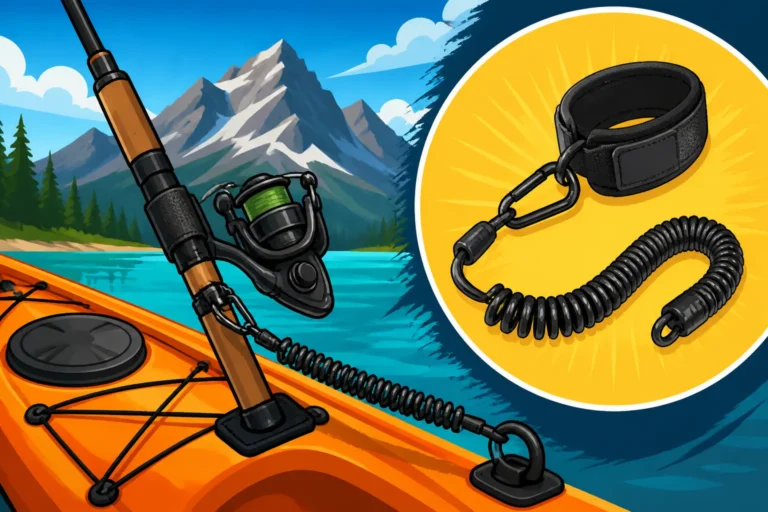
A good lanyard is critical. It should be strong, comfortable, and ideally feature a coiled design that allows for extension while you're using the staff, but retracts to keep it close to your body when you release it. This prevents the staff from floating away downstream if it slips from your grasp. The lanyard should attach securely to a D-ring on your waders, a wading belt, or your vest.
The sheath or holster is for storage when the staff is collapsed. Look for one that is robust, easy to clip or strap to your wading belt or pack, and allows for quick, snag-free retrieval. Some anglers prefer an open-top holster for maximum speed, while others prefer a flap or buckle for extra security, especially when bushwhacking. Some popular brands available through retailers like Bass Pro Shops or online via Amazon offer excellent integrated systems. Consider your typical fishing environment: if you're constantly moving through thick brush, a more secure, fully enclosed sheath might be beneficial. If you're mostly open wading, an easily accessible open holster is probably sufficient. The best system is one that you can forget about until you need it, and then rely on it instantly.
| Feature | Aluminum Staff | Carbon Fiber Staff |
|---|---|---|
| Weight | Heavier, provides more "grounded" feel | Lighter, reduces fatigue on long trips |
| Durability | Very strong, can withstand significant impact, may bend | Extremely strong for weight, can crack if sharply impacted |
| Cost | Generally more budget-friendly | Higher price point |
| Feel in Hand | Solid, perhaps a bit clunky for some | Rigid, often preferred for nimble movement |
| Vibration Dampening | Good | Excellent, absorbs some shock |
| Ideal Use | Anglers prioritizing ruggedness and value, moderate hikes | Anglers prioritizing minimal weight and high performance, long hikes |
Disclaimer
This article is for general informational purposes only and does not constitute professional advice. Laws, prices and regulations vary by location and change over time. Consult a qualified professional for guidance on your specific situation.