Best technique for lake trout in cold water
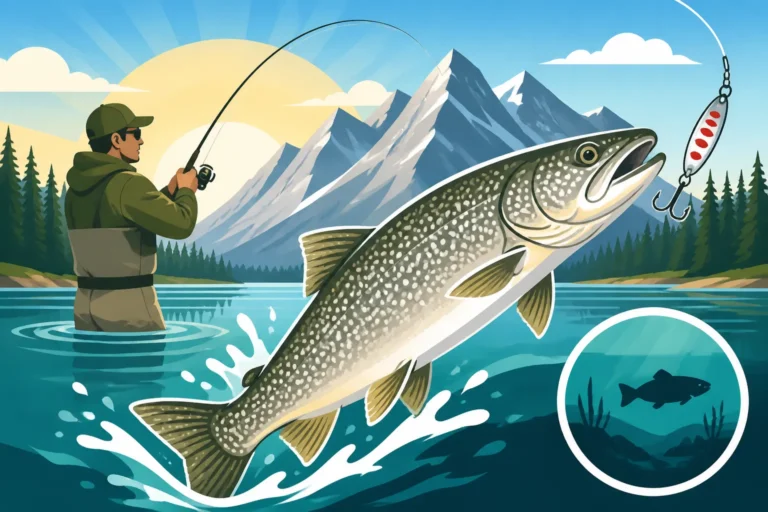
Anglers often find themselves staring blankly at a vast, cold lake, wondering where in the world the elusive lake trout could be hiding. It's a common frustration, especially when the water temperatures plummet and these majestic fish seem to vanish into the icy depths. But don't despair! Cracking the code for lake trout in cold water isn't about magic; it's about understanding their behavior and adapting your techniques. This guide will dive deep into proven strategies to help you connect with more lake trout, even when the thermometer dips.
Deciphering Lake Trout Behavior in Alberta's Cold Waters
Lake trout are incredibly resilient creatures, perfectly adapted to the frigid environments of Alberta's deepest lakes. But "cold water" isn't a single, static condition; it encompasses everything from the chill of early spring, through the depths of summer thermoclines, to the hard-water months of winter. Understanding how these fish react to these nuances is your first step to success.
Understanding the Metabolism Shift
When water temperatures drop significantly, as they do in many of Alberta's prime lake trout fisheries like Cold Lake or Lake Athabasca, a lake trout's metabolism slows down considerably. Think of it like a bear going into hibernation, but on a less extreme scale. Their energy demands decrease, and they become less active. This doesn't mean they stop eating, but rather that their feeding windows might be shorter, and their movements become more deliberate and less aggressive.
This metabolic slowdown has a direct impact on how they perceive and react to your lures. A fast, erratic presentation that might trigger a strike in warmer waters could easily be ignored or perceived as too much effort in colder conditions. They're conserving energy, so a big, fast meal isn't always appealing. Instead, they might be looking for an easy, slow-moving target that doesn't require a lot of pursuit. This is where patience and subtle lure action become paramount. You’re not trying to excite them into a chase; you’re trying to tempt them with an accessible snack.
Locating Cold Water Havens
Finding lake trout in cold water often boils down to understanding thermal refuge and baitfish concentrations. Even in consistently cold environments, there are subtle differences in water temperature that dictate where lake trout will stage. In early spring or late fall, when the entire water column is relatively cold but before ice-over, lake trout might be more dispersed, following schools of baitfish in shallower to mid-depths. As the water approaches freezing or is locked under ice, they often retreat to the deepest, most stable parts of the lake.
These deep-water haunts are typically characterized by significant structure—underwater humps, points, ledges, and steep drop-offs. These features not only provide ambush points but also often hold concentrations of their primary food source, like cisco (lake herring), whitefish, or burbot. A good fish finder is invaluable for identifying these subtle depth changes and marking bait balls. For instance, on a deep lake like Cold Lake, you might find them suspended over 100 feet of water, but always relating to a prominent underwater structure or a school of bait just off the bottom. Remember to consult the Best Fish Finders for Alberta Lakes article for recommendations that can handle these deep-water challenges. Knowing the general layout of the lake bottom through marine charts or personal exploration is crucial, as these fish aren't usually roaming aimlessly in the cold.
Top Techniques for Cold Water Lake Trout
Once you've wrapped your head around how lake trout behave in the cold, it's time to put those insights into practice with specific fishing techniques. Patience and persistence are key, as is a willingness to adapt your presentation until you find what they're willing to hit.
Vertical Jigging: The Winter and Early Season Staple
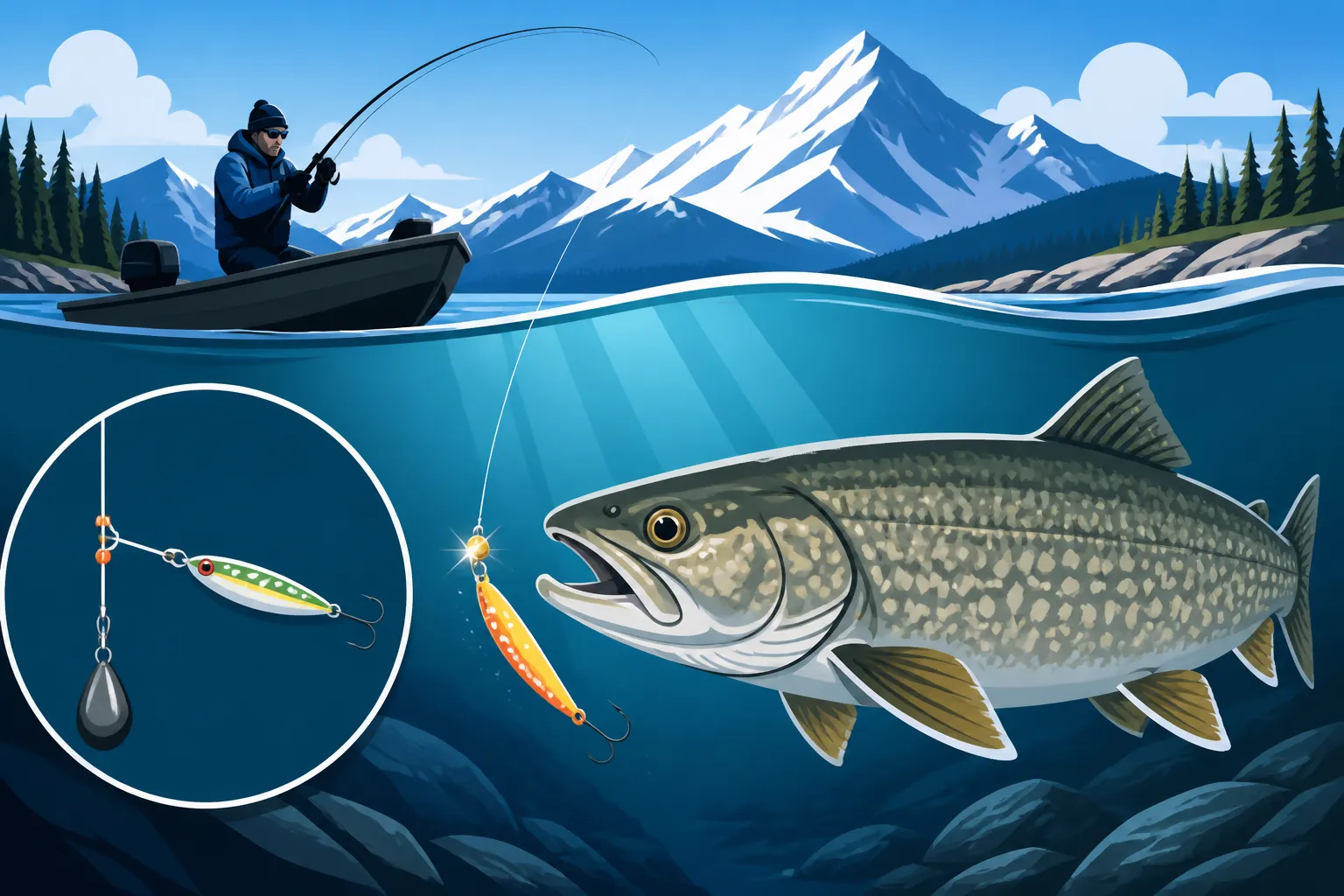
Vertical jigging is arguably one of the most effective methods for targeting lake trout in cold water, especially when ice fishing or when fishing from a boat over deep structure. The slow, controlled nature of the presentation perfectly mimics a struggling or dying baitfish, which is an easy target for a lethargic lake trout.
When jigging, start by finding your target depth. This could be right on the bottom, or suspended somewhere in the water column if you're marking fish or baitfish on your sonar. Common lures include heavy jigging spoons, tube jigs, and soft plastic swimbaits rigged on heavy jig heads. For jigging spoons, colors like silver, gold, chartreuse, or even glow-in-the-dark patterns work well, especially in deeper, darker water. A classic 3- to 6-inch tube jig in white, black, or natural baitfish colors can also be deadly. The key is the action: a lift-and-drop cadence, letting the lure fall on a semi-slack line to give it a fluttering or spiraling action. Then, pause. And I mean really pause. Sometimes for 5, 10, or even 20 seconds. Many strikes occur on the pause as a lake trout slowly inhales the motionless lure. Don't be afraid to experiment with the length of your lifts and drops; some days they want short, sharp movements, others a long, slow sweep. For more specific lure ideas, check out resources like those about the Best jigging spoon for winter lake trout.
Slow Trolling: Covering Water Efficiently
When boat fishing open water in cold conditions, especially during the shoulder seasons (early spring or late fall), slow trolling allows you to cover vast areas and locate active fish. Unlike warmer water trolling where faster speeds might entice a chase, cold water trolling demands a snail's pace. We're talking speeds from 1.0 to 2.0 miles per hour, or even slower. This gives the lake trout ample time to see your presentation and decide if it’s worth the energy expenditure.
Downriggers are your best friend here, as they allow you to precisely target the depth where fish are holding, which might be anywhere from 30 to 100+ feet down, depending on the lake and time of year. Consider large, slow-wobbling spoons like a Luhr-Jensen Kwikfish or a J-Plug, or even larger soft plastic paddle tail swimbaits rigged on heavy lead heads. Colors can vary, but often natural baitfish patterns, silver, or blue/silver combinations are effective. Make sure your leader material is strong, as these fish can be hefty. The Trolling Techniques for Alberta Lake Trout guide offers more in-depth advice on this method. You want your lure to have a subtle, seductive action at these slow speeds, not a frantic flutter. Some anglers even add a dodger or flasher in front of their lure to add extra attraction without increasing speed.
Ice Fishing: A Unique Cold Water Challenge
Ice fishing for lake trout in Alberta's frozen lakes like Cold Lake or Lake Athabasca presents its own set of cold water challenges and rewards. The strategy here is similar to vertical jigging from a boat, but with the added layers of ice, extreme cold, and often, limited mobility.
Your hole location is critical. You'll want to target those deep-water humps, drop-offs, and points you identified from open water fishing. A reliable ice auger is non-negotiable for cutting through thick Alberta ice; electric or gas augers make quick work of multiple holes. Once your hole is cut, a portable fish finder (flasher or sonar) is absolutely essential for marking fish, identifying bottom structure, and tracking your lure. You'll be using similar vertical jigging presentations as described above—heavy spoons, tube jigs, or even dead bait on a quick-strike rig. The key difference is often the size of your lure and the depth you're fishing. Lake trout often hold significantly deeper in winter than other species, so be prepared to fish 50-100 feet or more. Consider wearing appropriate gear, and for more advice on getting set up, review the Best Ice Fishing Gear for Alberta guide. Remember, in very cold conditions, the bites can be incredibly subtle, sometimes just a slight "mushy" feeling or a tiny tap.
Essential Gear and Presentation for Success
Having the right gear and knowing how to present your lures effectively can make all the difference when fishing for cold water lake trout. It’s not just about having the most expensive stuff, but about having the right tools for the job.
Rods, Reels, and Line Choices
For cold water lake trout, sensitivity is paramount. A medium-heavy to heavy power spinning or baitcasting rod, typically 6'6" to 7'6" in length, with a fast action tip will give you the backbone to fight big lakers but the sensitivity to detect those subtle cold-water bites. For vertical jigging, a stiffer rod helps impart action to heavy lures. For trolling, a rod with a more moderate action can help absorb the shock of a strike and prevent hooks from pulling out. Many excellent options are available on online retailers like Amazon, offering a good balance of quality and price.
Pair your rod with a reliable reel spooled with strong, low-stretch line. Braided line in the 20-50 lb test range is a popular choice due to its sensitivity and strength, especially in deep water where stretch can be an issue. However, always tie on a fluorocarbon leader (10-20 lb test, 6-10 feet long) to the end of your braid. Fluorocarbon is nearly invisible underwater, which is crucial for spooky cold-water lake trout, and it also offers good abrasion resistance against their sharp teeth and rocky bottom structures. Make sure your knots are solid; a good double uni or FG knot for connecting braid to fluorocarbon is a must. Proper line selection can genuinely impact your success, so consider exploring options mentioned in articles like Best Fluorocarbon Line for Clear Water Trout.
Lure Selection and Presentation Nuances
When it comes to lures for cold water lake trout, less is often more in terms of retrieve speed and action. While flashy colors like chartreuse or bright orange can grab attention, especially in stained or deeper water, natural baitfish patterns (silver, white, blue/silver, perch patterns) are often most consistent.
- Jigging Spoons: Heavy, slender spoons like a Crippled Herring, Northland Buck-Shot Rattle Spoon, or a classic Swedish Pimple are excellent. Sizes typically range from 1/2 oz to 2 oz or more, depending on depth and current. Tip them with a small piece of cut bait (like a minnow head or tail) or a plastic grub for added scent and appeal.
- Tube Jigs: As mentioned, 3-6 inch tube jigs are fantastic. The hollow body traps air, giving them a slower fall and a unique spiral. Work them slowly, with long pauses. Brands like Berkley or Strike King offer good tube jigs that can be found on Amazon.
- Soft Plastic Swimbaits: Realistic swimbaits, 4-7 inches long, rigged on heavy jig heads (1/2 oz to 2 oz) can imitate larger baitfish. Fish them with a slow lift-and-drop, focusing on the subtle tail kick as they fall.
- Minnow Baits/J-Plugs: For trolling, large diving crankbaits or plugs that have a wide, slow wobble are perfect. Consider realistic patterns. The slower the wobble, the better in cold water.
The absolute most critical aspect of presentation in cold water is the retrieve speed. Slow, slow, slow. Erratic twitches might work occasionally, but a steady, almost plodding retrieve is usually more effective. Allow for long pauses during jigging, letting the lure sit motionless. For trolling, ensure your boat speed is dialed right down. Remember, these fish aren't in a hurry. You're trying to make their decision to strike an easy one.
Alberta-Specific Cold Water Considerations
Fishing in Alberta brings its own unique set of challenges and opportunities when chasing lake trout in cold water. Knowing these specifics can give you a significant edge.
Seasonal Adjustments and Specific Lakes
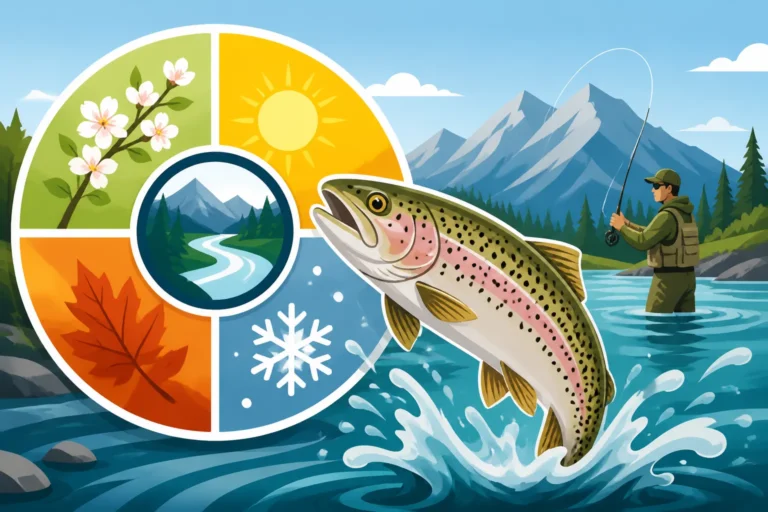
Alberta's cold water lake trout fisheries offer opportunities throughout the year, but your approach will need to shift with the seasons.
- Early Spring (Post Ice-Out): This can be a prime time. As the ice melts, lake trout might be cruising shallower areas, sometimes in as little as 10-20 feet of water, as the entire water column is cold and oxygenated. They'll be looking to ambush baitfish that are also moving to these shallower areas. Focus on shorelines with steep drop-offs or rocky points. The Spring Trout Fishing Techniques for Alberta Streams can offer some transferable insights for shallow-water trout behavior.
- Late Fall (Pre Ice-Over): Similar to early spring, lake trout can be found in more varied depths as the lake turns over and homogenizes in temperature. They'll be feeding aggressively to build up fat reserves for winter. This is a great time for both trolling and aggressive vertical jigging.
- Winter (Ice Fishing): As discussed, fish will likely be deep, relating to structure. They're conserving energy, so slow, methodical presentations are key. Lake Athabasca is legendary for its massive lake trout through the ice, but it's a remote, serious undertaking. Closer to urban centers, Cold Lake is a consistent producer. Remember to verify Alberta Fishing Season Dates by Zone before heading out, as regulations can vary.
Always check the local regulations for specific lakes. For example, Alberta Lake Trout Limit on Cold Lake might be different from other waters, and some lakes may have special harvest licenses or catch-and-release only rules. Understanding the specific nuances of each body of water, including its unique forage base and structure, will refine your technique.
Reading the Conditions and Safety
Beyond just water temperature, other environmental factors play a role in cold water lake trout fishing. Barometric pressure changes can affect fish activity. A stable, high-pressure system often means stable, predictable fishing, while rapidly falling pressure before a storm can sometimes trigger a feeding frenzy, or shut them down completely. It's about being out there and observing patterns.
Safety, especially in cold water, cannot be overstated.
- Ice Fishing: Always check ice thickness before venturing out. "Safe" ice is generally considered 4 inches for walking, 8-12 for a snowmobile or ATV, and 12-15 for a small car. But always err on the side of caution. Dress in layers, wear a flotation suit, and carry ice picks. Tell someone where you're going and when you expect to return.
- Boat Fishing: Cold water hypothermia is a serious risk. Always wear a life jacket, even if you’re a strong swimmer. Have proper safety gear on board, including a throw bag, air horn, and emergency communication device. Modern marine VHF radios, readily available on platforms like Amazon, are invaluable for communicating on large bodies of water like Cold Lake. Even on calm days, unexpected weather can roll in quickly in Alberta, turning a pleasant outing into a dangerous situation. Be prepared for sudden temperature drops, high winds, and rapidly changing water conditions.
| Technique | Preferred Depth | Ideal Lure Types | Presentation Style | Best Conditions |
|---|---|---|---|---|
| Vertical Jigging | Deep water (50-150 ft), over structure | Heavy spoons (1/2 – 2 oz), tube jigs (3-6"), soft plastic swimbaits | Lift-drop, long pauses (5-20 sec), subtle twitches | Ice fishing, early spring, late fall |
| Slow Trolling | Mid-depth to deep (30-100+ ft), covering open water | Large wobbling spoons, J-Plugs, large swimbaits (downriggers often required) | Very slow (1.0-2.0 mph), steady retrieve, precise depth control | Open water, early spring, late fall |
| Dead Baiting | Bottom to suspended (any depth) | Whole or cut bait (minnows, herring) on quick-strike rigs, tip-ups, or jig heads | Stationary, or very slow lift and drop. Allows fish to find scent | Ice fishing, very lethargic fish |
Understanding these techniques and adapting them to Alberta's diverse cold water environments will significantly boost your success. It takes patience, a keen eye for detail, and a willingness to learn from every outing, but the reward of a hard-fighting lake trout from the cold depths is truly worth the effort.
Disclaimer
The information provided in this guide is for general informational purposes only. Fishing regulations and conditions in Alberta can change rapidly. Always consult the most current Alberta Guide to Sportfishing Regulations and local advisories before heading out on the water. Ensure you have all required licenses and safety equipment. Fishing involves inherent risks, and personal safety is always your responsibility.