Best livewell aerator for a small boat
There’s nothing quite like the thrill of reeling in a beautiful fish on an Alberta lake or river. But once you've landed that prize, especially if you plan on releasing it or keeping it fresh for the dinner table, a common challenge emerges: how do you keep your catch alive and healthy in a small boat? Many of us have faced the frustration of a prized catch struggling or worse, succumbing to stress before we can release it or get back to shore. This guide is all about tackling that very problem, helping you understand and choose the best livewell aerator to ensure your fish stay vibrant and strong on your small vessel, making your fishing trips more successful and ethical.
Why a Livewell Aerator is Essential for Small Boats in Alberta
When you’re out on the water, especially in a smaller craft like a jon boat, kayak, or inflatable, space is at a premium, and the comfort of your catch might not be the first thing on your mind. However, for both ethical fishing practices and legal compliance, understanding why an aerator is crucial is the first step toward a better angling experience. It's not just about convenience; it's about the well-being of the fish and the integrity of the ecosystem.
Keeping Your Catch Healthy and Alive
Imagine battling a feisty walleye or a powerful pike for several minutes. That fish is already stressed, oxygen-deprived, and probably a little bruised from the fight. Tossing it into a stagnant cooler of water or, even worse, directly onto a hot deck, is a recipe for a dead or dying fish. An aerator introduces oxygen into the water, mimicking a natural environment and drastically reducing stress on the fish. This is vital whether you intend to release the fish or keep it for consumption.
For catch-and-release, a healthy fish is much more likely to survive and thrive once it swims away. If a fish is released in a weakened state, it becomes an easy target for predators or succumbs to delayed mortality. Having a properly aerated livewell means your fish can recover from the fight, regaining its strength before you gently send it back into the water. This dedication to fish health is a hallmark of responsible angling, especially in sensitive habitats.
If you're planning to keep your catch, an aerator ensures the fish remains alive and vibrant until you can properly process it. A live fish in an aerated environment stays fresher and tastes better than one that has suffocated in stale water. Nobody wants to deal with fish that's started to spoil before you even get it home, and a good livewell system guarantees a superior product for your table. It's a small investment that pays off in both ethical satisfaction and culinary delight.
Meeting Alberta's Regulations for Live Release
Alberta's fishing regulations are designed to protect our precious fisheries and promote sustainable practices. While not all waters are catch-and-release only, many do have specific rules, especially for certain species or zones. For example, some areas or species, like bull trout, have strict Alberta Bull Trout Zero Possession Rule regulations that mandate immediate release. If you're targeting fish in Alberta Catch and Release Only Waters or need to hold a fish for measurement before releasing, having a proper livewell system can be incredibly important.
The spirit of these regulations is to ensure that released fish have the best possible chance of survival. Improper handling or holding conditions that lead to excessive stress or injury can be detrimental. While the regulations might not explicitly state "thou shalt have a livewell aerator," the expectation is that you will handle fish responsibly, and an aerated livewell is a key tool in doing so. This becomes particularly relevant in situations where you might accidentally catch a species that needs immediate release, or if you're participating in a tournament where fish are often kept alive for weigh-in before being released.
Furthermore, if you're ever questioned by Fish and Wildlife officers about your practices, demonstrating that you have appropriate measures in place, like an aerated livewell, speaks volumes about your commitment to conservation. It’s part of being a good steward of Alberta’s natural resources, ensuring that future generations can enjoy the same incredible fishing opportunities we have today. Always make sure you're familiar with the specific rules for the waterbody you're fishing, as outlined in the Reading the Alberta Guide to Sportfishing Regulations.
The Unique Challenges of Small Boats
Small boats, whether they're a lightweight aluminum jon boat, a sturdy fishing kayak, or even a nimble inflatable, present their own set of challenges when it comes to livewells. Space is the biggest constraint. You can't just drop in a massive, built-in livewell like you would on a larger bass boat. Portability, power consumption, and ease of setup become paramount. The smaller footprint also means water can heat up or lose oxygen faster, making a reliable aeration system even more critical.
Another consideration is power. Larger boats often have dedicated electrical systems capable of running powerful pumps for hours on end. Small boats, however, might rely on a single marine battery that also powers a trolling motor or a fish finder. This means any aerator you choose needs to be energy-efficient so it doesn't drain your battery prematurely, leaving you stranded or without essential electronics. This is where options like portable, battery-operated aerators really shine, offering flexibility without demanding a complex electrical setup. Thinking about your Best trolling motor battery for a fishing kayak is a similar decision process.
Finally, the very nature of small boats often means you're fishing in diverse environments – from small ponds to large lakes, and even some slower-moving rivers. The versatility of your livewell setup needs to match your angling adventures. You might need something that can be easily transferred between different vessels or quickly packed away when not in use. This flexibility is a key differentiator between what works for a large fishing vessel and what's practical and effective for smaller boats in Alberta's varied waters.
Types of Livewell Aerators for Small Vessels
When you're trying to figure out the best way to keep your catch lively in a small boat, you'll quickly realize there's a whole world of aerator options out there. It’s not a one-size-fits-all situation, and what works perfectly for one angler might be completely impractical for another. Understanding the different types available is crucial for making an informed decision that suits your boat and your fishing style.
Portable Aeration Systems
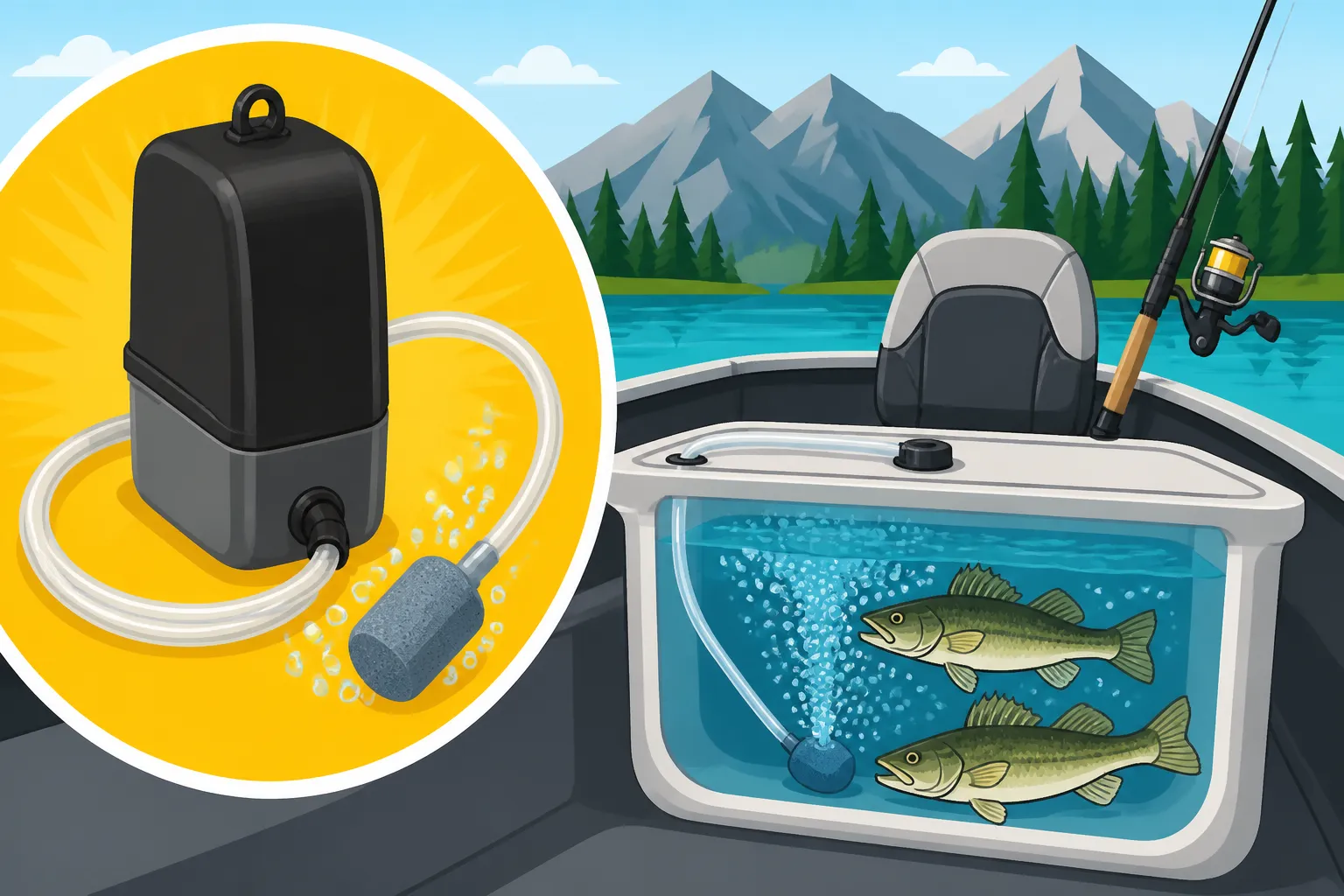
Portable aerators are truly the unsung heroes for small boat anglers. These self-contained units are designed for ultimate flexibility and ease of use, making them perfect for those who don't have a dedicated livewell or the space for a permanent installation. Typically, they consist of a small pump, an air stone (or bubbler), and tubing, all powered by D-cell batteries or a small 12V rechargeable battery pack. You simply drop the air stone into your cooler or bucket filled with water, and voila! – instant oxygenation.
The biggest advantage of portable systems is their versatility. You can use them in any container that holds water, from a five-gallon bucket to a dedicated cooler. This makes them ideal for anglers using kayaks, canoes, small inflatables, or even shore fishing from a remote location where you want to keep bait or a couple of panfish alive. You can often find a good selection of these at retailers like Bass Pro Shops or online at Amazon, offering a range of sizes and power options. They're also fantastic for transporting fish or bait from one spot to another, giving you peace of mind that your critters are well cared for.
However, portable aerators do have their limitations. Battery life can be a concern, especially on long days, so carrying spare batteries is a must. Their pumping capacity is generally lower than permanent systems, meaning they might struggle to keep a large number of fish healthy in a big cooler on a hot day. Despite these minor drawbacks, for the casual angler or anyone with limited boat space, a reliable portable aerator is an indispensable piece of gear for ethical and successful fishing. It’s a simple solution to a common problem, allowing you to focus more on the fishing and less on the welfare of your catch.
Permanent (Installed) Systems
For small boats that have a dedicated livewell compartment, or even a large cooler that you've converted into a semi-permanent livewell, an installed aerator system can be a fantastic upgrade. These systems typically involve mounting a pump through the hull or transom of your boat, drawing fresh water from the lake or river, and then spraying or bubbling it into the livewell. This continuous exchange of water, along with aeration, creates an optimal environment for your fish.
The main benefit here is superior performance and reliability. Installed systems usually run off your boat's main 12V battery, providing a consistent and powerful flow of oxygenated water. This is crucial for keeping larger quantities of fish, or more sensitive species, alive for extended periods. The constant refreshment of water also helps to remove waste products that can build up in a closed system, further reducing stress on your catch. Brands specializing in marine equipment offer robust pumps and spray heads designed to withstand the rigours of boating, often featuring adjustable flow rates and timers.
While more involved to install, requiring some basic plumbing and electrical work, the results are well worth it for anglers who frequently use a livewell. It creates a seamless, integrated system that you don't have to think about once it's set up. Just flip a switch, and your livewell is ready. For those with a small aluminum boat that they've outfitted for serious fishing, this kind of system makes a lot of sense. Just remember to consider your Alberta boat registration rules if you're making significant modifications to your vessel, though a simple livewell install usually isn't an issue.
Hybrid Solutions and DIY Options
Sometimes, the best solution lies somewhere in the middle, or with a bit of ingenuity. Hybrid systems combine elements of both portable and permanent setups. For instance, you might use a large, insulated Best cooler for a fishing boat as your livewell, and then install a small, external 12V pump that draws water from overboard and circulates it into the cooler. This gives you the benefit of continuous fresh water without the need for a fully integrated, through-hull system. These setups are often battery-powered, giving you more longevity than D-cell portables, but still allowing for easy removal of the livewell itself.
DIY options are also popular among resourceful anglers, especially for small boats where budget and customization are key. A simple air pump designed for aquariums, paired with a small 12V converter and an air stone, can provide adequate aeration for a bait bucket or a small cooler. While these solutions require a bit more tinkering, they can be incredibly cost-effective and tailored precisely to your needs. Just be sure to use marine-grade components where possible, as standard aquarium pumps aren't designed for the rigors of outdoor use, especially in a boat environment.
Another common hybrid approach is to use a portable aerator within a cooler, but power it from your boat's 12V system instead of internal batteries. This is often done by wiring a cigarette lighter adapter to the portable aerator, or directly connecting it to your marine battery with alligator clips. This extends the run time significantly, offering the best of both worlds: the portability of the aerator unit with the sustained power of your boat's electrical system. Just ensure all your connections are safe and waterproof.
Key Features to Look for in a Small Boat Aerator
Choosing the right livewell aerator for your small boat isn't just about picking the first one you see. There are several critical features that can make a huge difference in performance, reliability, and ease of use. Thinking through these aspects before you buy will save you a lot of headaches on the water and ensure your fish stay as happy as possible.
Power Source and Battery Life
For small boats, the power source is arguably the most crucial feature. Most portable aerators run on standard D-cell batteries. While convenient, these can drain quickly, especially if you're out for a full day or trying to keep multiple fish alive. Always check the estimated battery life on the packaging; some higher-end models are designed to be more efficient, but carrying spare batteries is always a good practice. No one wants their aerator to die when they're still hours from the dock, potentially jeopardizing your catch.
Many serious small boat anglers opt for 12V rechargeable aerators or systems that can be wired directly into their boat's marine battery. This provides much longer run times and more consistent power. If you go this route, consider the power draw of the aerator in relation to your battery's capacity and any other electronics you're running, like a fish finder or your Best trolling motor battery for a fishing kayak. You don't want your livewell to leave you without enough juice to get home. Look for aerators that offer both battery and 12V external power options for maximum versatility.
Another factor to consider is whether the aerator has an intermittent or continuous run mode. Intermittent modes, where the pump cycles on and off, can significantly conserve battery life. While continuous aeration is often preferred for optimal fish health, an intermittent setting can be a lifesaver on longer trips or when using smaller battery packs. Some advanced models even have smart sensors that detect oxygen levels and adjust the pump accordingly, but these are typically found in more expensive, permanent setups.
Pumping Capacity and Airflow
The pumping capacity, usually measured in gallons per hour (GPH) for water pumps or liters per minute (LPM) for air pumps, dictates how much water or air the aerator can move. For a small boat, you don't necessarily need a massive commercial-grade pump, but you do need enough capacity to oxygenate the volume of water in your livewell effectively. A good rule of thumb is to have enough circulation to turn over the water in your livewell several times an hour. If you're using a 20-gallon cooler as a livewell, a pump that moves at least 200-300 GPH is a good starting point.
Airflow is critical for truly oxygenating the water. An air stone that produces fine bubbles will create more surface area for oxygen transfer than one that just churns the water. Look for aerators that come with a quality air stone or bubbler system. Some systems use a spray bar that continually circulates and sprays water into the livewell, which also helps with oxygenation and removing harmful gases. The more efficient the air or water movement, the healthier your fish will be.
It's also important to consider the size and type of fish you'll be holding. A few small panfish require less aeration than a couple of larger, more active pike or walleye. If you frequently target bigger fish or plan on keeping a higher density of fish in your livewell, investing in an aerator with a higher pumping capacity and robust airflow will pay dividends. Always size your aerator to the maximum load you anticipate for your livewell, ensuring it can handle the most demanding situations on the water.
Durability and Ease of Installation/Use
A livewell aerator, especially for a small boat, needs to be tough. It's going to be exposed to water, possibly bumps and jostles, and the general wear and tear of a fishing trip. Look for units made with marine-grade components – corrosion-resistant plastics, stainless steel hardware, and sealed motors. If you're buying something from Bass Pro Shops or a similar marine retailer, these considerations are usually built in. Cheap plastics or exposed wiring are red flags that point to a short lifespan.
Ease of installation and use is another critical factor, especially for portable systems. You want something that you can quickly set up, operate, and pack away without fuss. For portable units, simple clip attachments, clear instructions, and intuitive controls are ideal. If you're considering a more permanent installation, look for systems that come with clear diagrams and all the necessary fittings. While a drill might be required for through-hull pumps, the process should be manageable for someone with basic DIY skills.
For small boat anglers, space is always a consideration. A compact design that doesn't take up too much precious room is a huge plus. Think about how the aerator integrates with your existing setup, whether that's a specialized Best Kayaks for Alberta Fishing rig or a simple jon boat. Can it be easily stored? Does it get in the way when you're casting or moving around? A well-designed aerator should enhance your fishing experience, not detract from it. Look at product reviews on sites like Amazon to see what other anglers say about a product's real-world durability and user-friendliness.
Here’s a quick comparison of common aerator types:
| Feature | Portable Aerator (Battery-Operated) | Permanent Aerator (12V Installed) | Hybrid/DIY (Cooler + 12V Pump) |
|---|---|---|---|
| Power Source | D-cell batteries, small rechargeable 12V | Boat's main 12V battery | Boat's main 12V battery, external pack |
| Capacity | Lower, suitable for bait/few small fish | Higher, suitable for multiple fish | Medium to high, depending on pump |
| Installation | None, drop-in | Requires drilling/wiring | Minimal, external pump attached to cooler |
| Portability | Excellent, can be used anywhere | None, fixed to boat | Good, cooler can be removed |
| Water Exchange | None (closed loop) | Continuous (fresh water intake) | Possible with external intake |
| Typical Use | Kayaks, canoes, small inflatables, bait | Jon boats with integrated livewell | Jon boats, larger fishing kayaks, DIY |
| Cost | Lower | Medium to higher | Medium (cooler + pump) |
Setting Up and Maintaining Your Small Boat Aerator
Having the best aerator in the world won't do much good if it's not set up correctly or isn't regularly maintained. For small boat anglers, where every piece of gear counts, making sure your aerator is always ready to go is paramount. A little bit of planning and routine care can ensure your catch stays lively and your equipment lasts for years.
Optimal Placement and Water Circulation
The placement of your aerator and livewell container is more important than you might think. For portable systems, ensure your cooler or bucket is in a shaded, cool spot on the boat, away from direct sunlight. Warm water holds less oxygen than cold water, so keeping the temperature down is key to fish health. If you're using a simple air stone, make sure it's submerged deep enough to create good circulation throughout the water column. You want to see consistent bubbling and gentle water movement, not just bubbles on the surface.
For installed systems or hybrid setups, consider the intake and outflow. The intake for fresh water should be positioned to avoid sucking up weeds or debris, ideally on the underside of the hull or transom, away from turbulence. The outflow, or the spray bar/bubbler inside the livewell, should be placed to create maximum water movement without unduly stressing the fish. A gentle cascade or dispersed bubbles are generally better than a strong, direct jet of water that can push fish around.
Proper water circulation inside the livewell prevents "dead spots" where oxygen levels can drop. If you have a larger livewell, consider using multiple air stones or positioning a spray bar to distribute oxygen evenly. Also, avoid overfilling your livewell. While more water means more stability for the fish, it also puts more demand on your aerator and can make it harder for the pump to create sufficient circulation. Leave enough air space above the water for gases to exchange.
Regular Cleaning and Troubleshooting
Just like any piece of marine equipment, your livewell aerator needs regular cleaning. Over time, algae, slime, and debris can build up on air stones, pump impellers, and tubing, reducing efficiency and potentially causing clogs. After each trip, especially if you've been holding fish, empty and thoroughly rinse your livewell container and aerator components with fresh water. A mild bleach solution can be used occasionally to sanitize the livewell, but make sure to rinse it meticulously afterward to remove all chemical residue before the next use.
Troubleshooting common issues can save a trip. If your portable aerator stops bubbling, first check the batteries. Are they dead? Are they inserted correctly? Is the air stone clogged? Sometimes a quick rinse or gentle scrub of the air stone is all it takes to restore airflow. For 12V pumps, check your electrical connections. Is the fuse blown? Is there power reaching the pump? Corroded terminals are a common culprit, so ensure connections are clean and secure.
It’s always a good idea to test your aerator before you head out, especially after a period of storage. Run it in a bucket of water for a few minutes to ensure everything is functioning as it should. This proactive approach will prevent frustrating surprises when you're already on the water with a fresh catch. Having a small repair kit with spare batteries, a bit of electrical tape, and a small brush can be a lifesaver in a pinch, ensuring your aerator keeps humming when you need it most.
Maximizing Efficiency for Extended Trips
For those long days on big Alberta lakes like Lesser Slave or Cold Lake, where you might be holding fish for many hours, maximizing your aerator's efficiency is paramount. As mentioned, start by keeping your livewell water as cool as possible. Adding a few frozen water bottles (not ice, which can shock fish and introduces chlorine if it's tap water) can help maintain a stable, cooler temperature without diluting the water or introducing unwanted chemicals.
Consider using a livewell additive. Many fishing tackle stores, including those at Bass Pro Shops, sell specialized livewell treatments that help reduce stress, neutralize chlorine, remove ammonia, and add electrolytes to the water. These products can significantly improve the survival rate of fish, especially sensitive species or those held for extended periods. They act as a buffer, making the environment more forgiving.
Finally, think about your overall fishing strategy. If you're in a "catch and release" situation, try to minimize the time fish spend in the livewell. Measure, admire, and release them as quickly and gently as possible, especially if you're fishing in warmer conditions. For extended trips, having a backup plan, like a large, well-insulated Best cooler for a fishing boat with plenty of ice (in a separate bag) for immediate harvest, can prevent disappointment if your aerator encounters an unforeseen issue. Being prepared for anything is part of the joy and challenge of fishing in Alberta.
Disclaimer
This article is for general informational purposes only and does not constitute professional advice. Laws, prices and regulations vary by location and change over time. Consult a qualified professional for guidance on your specific situation.