Best bait for pike at ice-out
That glorious moment when the ice finally pulls back from our Alberta lakes and rivers is a bittersweet feeling. On one hand, you’re practically bouncing with excitement to get out on the open water again. On the other, ice-out conditions can be notoriously tricky for fishing. The water is cold, often turbid from runoff, and the fish, especially those hungry northern pike, are just waking up from their winter slumber. Finding the best bait for pike at ice-out can feel like a guessing game, but don't you worry, because this guide is all about equipping you with the knowledge to make that first spring trip a resounding success.
Understanding Pike Behavior at Ice-Out
When the ice retreats, it's not just a change of scenery; it's a complete shift in the underwater world. Understanding how northern pike react to these changing conditions is crucial for selecting the right baits and techniques. They aren't just lounging around waiting for summer; they're driven by specific biological needs that we can leverage.
The Post-Winter Hunger Drive
After months under a thick sheet of ice, with limited access to warmer, oxygen-rich water and often scarce food, pike are typically ravenous. This is one of the best times to target trophy pike because they're looking to pack on calories. Their metabolism is starting to kick into gear, and they're focused on high-protein, easy-to-catch meals. Think of it like coming out of a long, cold hibernation – you're probably pretty hungry yourself! They're not going to be super picky about intricate presentations, but they will be drawn to baits that represent a substantial meal. This is a prime opportunity for those looking into Northern Pike Fishing in Alberta.
Where Pike Position Themselves
At ice-out, the water temperature is still quite cold, especially in deeper sections. Pike, like most fish, are drawn to the warmest water available, and that usually means the shallowest areas. Look for sun-drenched bays, shallow flats, and shorelines that receive a lot of sunlight throughout the day. These areas warm up first, attracting baitfish and, consequently, hungry pike. Furthermore, areas with decaying vegetation or new spring growth will also attract small baitfish, creating ideal ambush points for pike. Often, these spots might only be a few feet deep, so don't be afraid to cast right up into what looks like impossibly shallow water. They also tend to hang around the last remaining ice edges, as these can concentrate baitfish and provide ambush cover.
What Pike Are Looking For
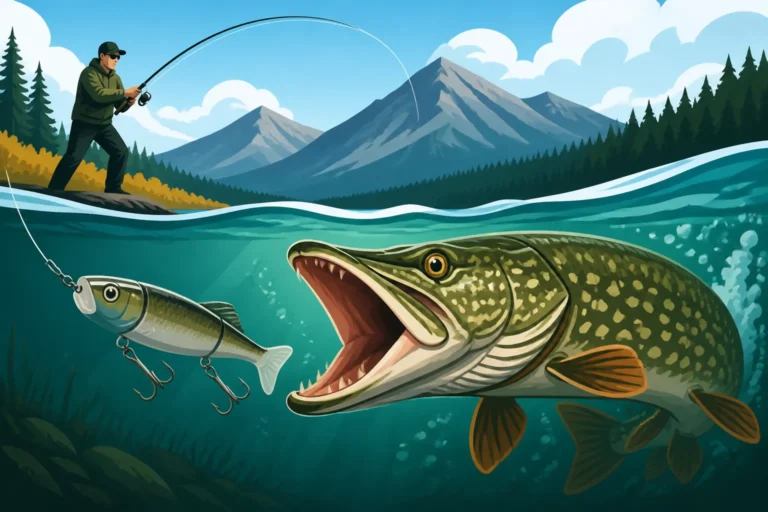
Pike at ice-out are often looking for easy meals. They’re not expending a lot of energy yet, so a slow, deliberate presentation of a substantial baitfish imitation can be incredibly effective. They're keying in on vulnerable, sluggish baitfish that might also be feeling the effects of the cold water. Flash and vibration are always good attractants for pike, but at this time of year, scent can also play a significant role. With cooler water, a fish's sense of smell is often heightened, and a strong scent trail from a dying baitfish can be irresistible. This is especially true when you consider What Northern Pike Eat in Alberta Lakes, as they are opportunistic predators.
Top Baits for Early Season Northern Pike
With an understanding of how pike behave, let's dive into the arsenal of baits that consistently produce results during the ice-out period. These aren't just random choices; they're selected to appeal to the pike's post-winter instincts.
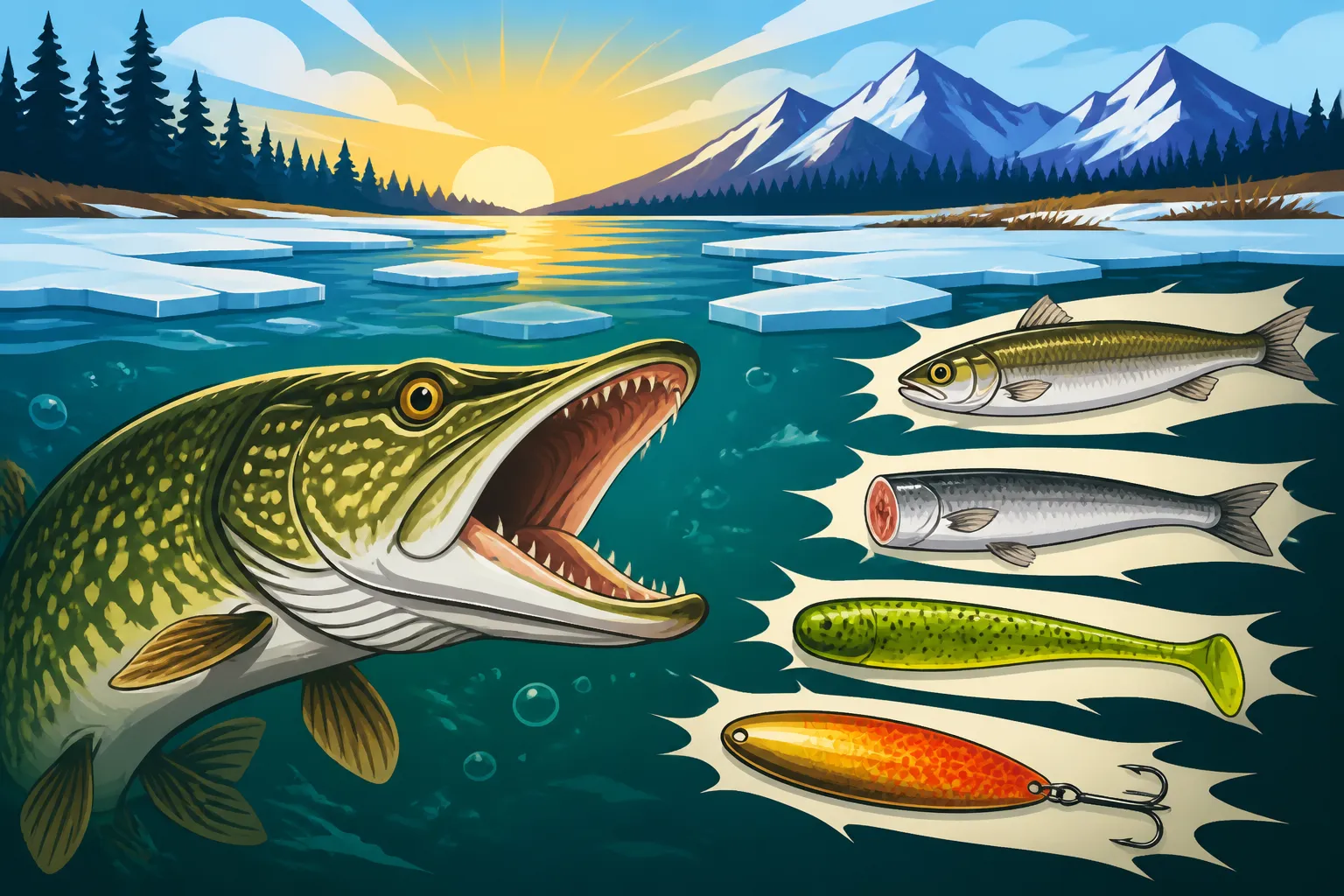
Large Spoon Lures
Spoon lures are classics for a reason, and they shine during ice-out. Their erratic, wobbling action perfectly mimics a dying or injured baitfish, which is exactly what a sluggish, hungry pike is looking for. The flash they produce in the often murky spring waters can also attract attention from a distance.
- Colors and Sizes: Brighter, more visible colors like firetiger, orange, chartreuse, or even a simple silver or gold can be highly effective, especially if the water has some stain from runoff. Don't shy away from larger spoons, especially if you're targeting those bigger, Northern Pike Growth Rate to Trophy Size fish. A 4-6 inch spoon is often a great starting point. The slower fall rate of a larger spoon can also be advantageous in cold water.
- Action is Key: The retrieve is important. Don't burn them in. A slow, stop-and-go retrieve, punctuated with pauses that allow the spoon to flutter and wobble, is often deadly. You want to give the pike enough time to move in and strike without expending too much energy. If you're struggling to find the right action, sometimes searching for "Best Lures for Northern Pike in Alberta" on a platform like Amazon and reading reviews can give you ideas on popular colors and sizes that local anglers are using.
- Versatility: Spoons can be cast and retrieved, trolled slowly, or even jigged vertically if you find a concentration of fish. This versatility makes them an invaluable tool for early season fishing.
Jerkbaits and Hard Baits
Jerkbaits, particularly suspending models, are another top contender for ice-out pike. Their ability to hang motionless in the water column during pauses is a huge trigger for cold-water pike.
- Suspending Models: These are crucial. A suspending jerkbait, when paused, stays at its diving depth, giving a reluctant pike ample time to commit to the strike. In cold water, a pike might follow a bait for a long distance before deciding to hit it. A suspending bait gives them that extra moment to make up their mind. Look for jerkbaits that suspend well and have a good darting action.
- Shallow Diving Crankbaits: These can also be effective, especially if you're fishing those shallow bays and flats where the water is only a few feet deep. The key here is a slow retrieve, just fast enough to get the bait wobbling, and again, incorporate pauses. Colors that mimic local baitfish, like perch or shiner patterns, are always a good bet.
- Retrieval Patterns: A "twitch-twitch-pause" or "rip-rip-pause" retrieve is standard for jerkbaits. The pause in cold water should be longer than you might think – sometimes 5-10 seconds or even more. Experiment until the fish tell you what they like. Remember, Best Techniques for Early Spring Pike often involve patience.
Soft Plastic Swimbaits
Soft plastic swimbaits offer a realistic profile and a subtle, natural action that can be very appealing to pike. They are particularly effective when rigged on a weighted swimbait hook or a jig head, allowing for versatile presentations.
- Realistic Profile: Choose swimbaits that closely imitate local baitfish. Perch, shiner, and sucker patterns are often very productive. The natural swimming action of a good swimbait is hard for a pike to resist, even when they’re not super aggressive.
- Slow Roll: The beauty of a swimbait at ice-out is its effectiveness on a slow, steady retrieve. You want just enough speed to get the tail kicking. This "slow roll" presentation is less aggressive than a jerkbait but can be equally deadly when pike are lethargic. You can also fish them with a lift-and-drop technique, mimicking a baitfish struggling to swim.
- Rigging Options: For shallow water, a lighter swimbait hook with a belly weight can be perfect. If you need to get a little deeper or want a more pronounced jigging action, a sturdy jig head is the way to go. On Amazon, you can find a huge variety of these plastics from brands like Keitech or Z-Man that are well-regarded for their action and durability.
- Scent Advantage: Some soft plastics come pre-scented, or you can add your own scent to them. This can be a huge advantage in cold, stained water, giving the pike an additional cue to hone in on your bait.
Spinnerbaits
Spinnerbaits might seem like more of a warm-water bait, but they can be incredibly effective for ice-out pike, especially in stained or turbid conditions. Their combination of flash and vibration is a powerful attractant.
- Flash and Vibration: The spinning blades (Colorado or Willow Leaf) create both visual flash and a distinct thump that pike can feel through their lateral line. This makes them excellent search baits when you're trying to locate fish.
- Weedless Design: Many shallow, warming bays will have emerging weeds or old, decaying vegetation. Spinnerbaits are relatively weedless, allowing you to work them through cover where pike often ambush prey.
- Blade and Skirt Colors: Again, brighter colors for stained water. Chartreuse, white, or a combination of both in the skirt, paired with gold or silver blades, are common choices. Consider tandem blades for maximum flash and vibration.
- Retrieve: A steady, slow to medium retrieve is usually best. You want the blades to spin consistently. Experiment with speeding up occasionally or adding a small pause to change the bait's action and draw a strike.
Live and Dead Bait Rigs
Sometimes, artificial lures just don't cut it, or you're looking for a more passive approach that can still yield big results. Live and dead bait fishing can be incredibly effective for ice-out pike, especially when they are particularly sluggish.
Dead Bait on a Quick-Strike Rig
Using dead bait is a time-honored tradition for pike anglers, and it's especially effective in cold water. A dead baitfish perfectly mimics a vulnerable, easy meal that a pike won't have to chase.
- Bait Selection: Smelt, herring, mackerel, or even large shiners or suckers can be excellent choices. The key is to use oily, smelly fish that leave a good scent trail in the cold water. These are often available frozen at bait shops or through larger retailers like Amazon if you know where to look. Size matters too; don't be afraid to go big, especially for trophy fish.
- Quick-Strike Rigs: These rigs are designed to allow the pike to mouth the bait and get hooked quickly, minimizing the chances of deep hooking. They typically consist of two treble hooks attached to a wire leader. One hook is placed near the head, the other towards the tail. This setup ensures that when a pike grabs the bait, it's immediately presented with a hook, leading to a lip or jaw hookset, which is much safer for the fish if you plan to release it.
- Presentation: You can fish dead bait under a bobber in shallow water, or on the bottom with a weight. The key is to let it sit, allowing the scent to disperse. Occasionally twitching the rod can make the bait "move" slightly, imitating a dying fish. Setting up a few rods with dead bait around promising structure in a shallow bay can be very productive.
The Ethical Use of Live Bait (Where Permitted)
While live bait can be incredibly effective due to its natural movement and scent, it's essential to understand and abide by local regulations. In Alberta, using live baitfish is generally restricted or prohibited to prevent the spread of invasive species and disease. Always check the current Alberta Fishing Regulations Explained before using any live bait. If you are in a situation where live bait is permitted (for example, using species like leeches or worms if allowed, or specific baitfish where legal), here's how to maximize your chances:
- Natural Movement: The natural, subtle movements of a live baitfish are often irresistible to pike. They provide constant attraction without you having to do much work.
- Appropriate Rigging: Rig your live bait in a way that allows it to swim naturally while still ensuring a good hookset. A small hook through the lips or just behind the dorsal fin can keep the bait lively and properly presented. Again, a quick-strike rig can be adapted for live bait use.
- Location, Location, Location: Place your live bait in prime ambush spots – along weed lines, near submerged structure, or at the edge of temperature breaks. Just like with dead bait, keep checking the regulations. It's truly vital for Reading the Alberta Guide to Sportfishing Regulations.
Essential Gear and Tips for Ice-Out Success
Having the right baits is just one piece of the puzzle. Matching your gear to the conditions and employing smart tactics will dramatically increase your success rate.
Rod, Reel, and Line Setup
Pike, especially the big ones, are powerful fish, and you need gear that can handle their aggressive strikes and powerful runs.
- Rod: A medium-heavy to heavy power spinning or baitcasting rod, typically 6'6" to 7'6" in length, is ideal. You want a rod with enough backbone to cast heavy lures and dead baits, and to control a thrashing pike. A fast action tip will help with casting accuracy and sensitivity. For some great recommendations, check out Best Pike Gear for Alberta Lakes.
- Reel: Pair your rod with a robust spinning reel in the 3000-4000 series or a baitcasting reel with a good drag system. Smooth drag is absolutely critical for fighting big pike and preventing line breaks.
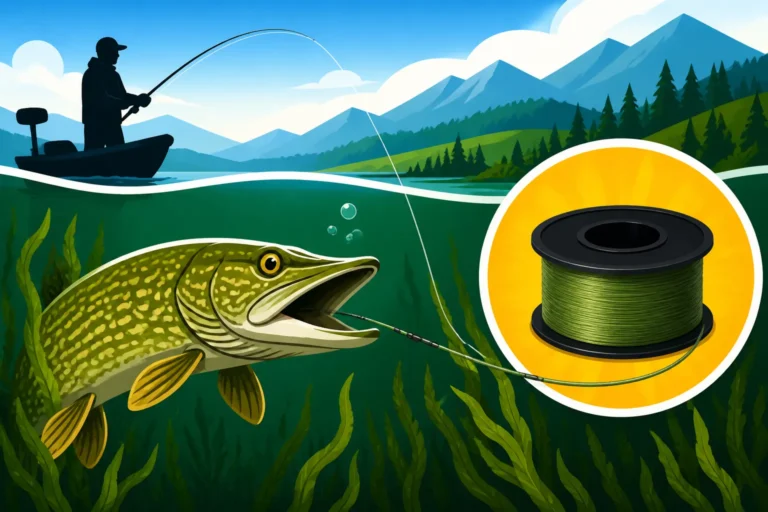
- Line: Braided line is a fantastic choice for pike. Its lack of stretch provides excellent sensitivity for detecting subtle bites in cold water and gives you superior hook-setting power. A 30-50 lb test braid is a good range. You'll definitely want to use a heavy-duty fluorocarbon or wire leader (at least 50 lb test) to prevent bite-offs from those razor-sharp teeth. Don't skimp on the leader – it's the weakest link if it's not strong enough. This is a crucial element often discussed in articles like Best Wire Leader for Pike Fishing.
Stealth and Presentation
While pike are hungry at ice-out, they can still be easily spooked in shallow, clear water. Your approach matters.
- Quiet Approach: If you're fishing from shore, move slowly and avoid making unnecessary noise. If you're in a boat, use your trolling motor sparingly and quietly, or drift silently with the wind. The clearer the water, the more crucial stealth becomes.
- Long Casts: Make long casts to reach prime areas without getting too close to the fish. This is where a good Best Spinning Rods for Walleye or pike rod comes in handy, allowing you to sling those heavier baits a good distance.
- Experiment with Retrieve: We've mentioned it before, but it bears repeating: experiment with your retrieve speed and pauses. The pike will tell you what they want. Start slow, add pauses, and gradually increase speed until you find the sweet spot. A fish finder can also be a game-changer for locating these fish, especially for those who want to maximize their success.
Safety First: Cold Water Considerations
Ice-out fishing means cold water. Even if the air temperature feels mild, the water is dangerously cold and can cause hypothermia quickly.
- Dress in Layers: Wear waterproof and insulated clothing. Layers are key so you can adjust to changing temperatures.
- PFD (Personal Flotation Device): Always wear a PFD, even if you're a strong swimmer. Cold water shock can incapacitate you quickly.
- Buddy System: Fish with a buddy whenever possible. If something goes wrong, having someone there can be a lifesaver.
- Check Conditions: Always check ice conditions if there's any lingering ice, and be aware of potential hazards like strong currents or debris from runoff. Even small boats need proper safety equipment, as outlined in topics such as Life Jacket Requirements for Alberta Boaters.
Summary Table of Ice-Out Pike Baits
Here's a quick reference to help you choose the right bait for your ice-out pike adventure:
| Bait Type | Key Characteristics | Best Use Case | Retrieve/Action Tips | Advantages | Considerations |
|---|---|---|---|---|---|
| Large Spoon Lures | Wobbling, fluttering action; metallic flash | Searching shallow bays, turbid water | Slow, stop-and-go with pauses | Erratic, dying baitfish imitation; good flash | Can be finicky on retrieve; might foul with weeds |
| Suspending Jerkbaits | Darts when twitched; holds depth on pause | Clearer shallow water; lethargic pike | Twitch-twitch-pause; long pauses (5-10+ seconds) | Mimics injured baitfish; excellent for cold water | Requires patience on pauses; might not reach deep |
| Soft Plastic Swimbaits | Realistic profile; natural swimming action | Shallow flats, slow retrieve situations | Slow, steady retrieve ("slow roll"); lift & drop | Very natural look; good scent retention (if added) | Can be snagged easily in heavy cover; subtle action |
| Spinnerbaits | Flash and vibration; weedless design | Stained water, around emergent weeds | Steady retrieve; occasional speed changes | High visibility/vibration; good for cover | Can be less effective in very clear water |
| Dead Bait | Oily, scented baitfish (smelt, herring) | Very cold water, passive fishing, targeting big fish | Minimal action; allow scent to disperse; occasional twitch | Strong scent trail; no active retrieve needed | Requires quick-strike rig; check local regulations |
Ice-out pike fishing in Alberta can be one of the most rewarding times of the year to target these aggressive predators. By understanding their behavior, selecting the right baits, and practicing safe and effective techniques, you'll be well on your way to a memorable spring angling experience. Tight lines, fellow anglers!
Disclaimer
This article is for general informational purposes only and does not constitute professional advice. Laws, prices and regulations vary by location and change over time. Consult a qualified professional for guidance on your specific situation.