How to read structure for walleye on Lesser Slave Lake
Many anglers find themselves on Lesser Slave Lake, a true walleye mecca in Alberta, staring at vast expanses of water and wondering where on earth the fish are hiding. It can be incredibly frustrating to know trophy walleye swim below you but not how to locate them consistently. This comprehensive guide is designed to demystify the art of reading underwater structure, equipping you with the knowledge to pinpoint prime walleye habitats on Lesser Slave Lake and dramatically improve your catch rates.
Understanding Lesser Slave Lake's Walleye Habitat
Before you can effectively read the structure on Lesser Slave Lake for walleye, it's crucial to understand the unique characteristics of this massive body of water and what makes it such a prime location for these prized fish. It’s not just about dropping a line; it’s about knowing the environment.
Characteristics of Lesser Slave Lake for Walleye
Lesser Slave Lake stands out as one of the "Best Walleye Lakes in Alberta" for very good reason. It's a huge, relatively shallow lake, especially compared to the deep, clear mountain lakes found elsewhere in the province. This shallowness, combined with its expansive surface area, means the lake warms up nicely in the spring, kickstarting the food chain and making it an ideal nursery and feeding ground for walleye. The lakebed itself is a diverse tapestry, featuring everything from soft, silty mud to hard gravel and rocky areas. Walleye thrive on this variety, using these different bottom types for all stages of their life cycle – from spawning to actively hunting and seeking refuge. Your first step in mastering "Lesser Slave Lake Walleye Fishing" is to get a general sense of this topography: the major bays, prominent points, and those sudden, intriguing changes in depth.
The sheer scale of Lesser Slave Lake also means that conditions aren't uniform across its vastness. Wind, for example, plays an enormous role. A strong west wind can churn up nutrients and push baitfish against the eastern shore, creating a natural congregation point for hungry walleye. Learning to observe and account for wind direction and strength before you even launch your boat can provide invaluable clues about where to begin your search. Walleye are often found relating to structure on the windy side of the lake, where an easy meal is being delivered right to them.
The Importance of Oxygen and Forage
Like all living creatures, walleye require two fundamental things: oxygen and food. Lesser Slave Lake delivers on both fronts in spades. Its shallower profile ensures good oxygen levels throughout most of the water column, even as summer progresses. This prevents the kind of deep-water oxygen depletion that can limit fish habitats in very deep, stratified lakes, allowing walleye to utilize a broader range of depths and structures.
The abundance of forage fish, particularly ciscoes and yellow perch, is a major draw for walleye here. Walleye are highly opportunistic predators and will diligently follow these baitfish wherever they go. More often than not, these smaller baitfish will congregate around specific underwater structures that offer them shelter from predators, protection from current, or concentrated food sources like insect larvae. This natural dynamic creates consistent hotspots for walleye. Knowing "What walleye eat in Alberta lakes" is not just a piece of trivia; it’s a crucial insight for selecting your lures and predicting their movements. If you can pinpoint where the baitfish are holding, you’re usually just a short cast away from finding the walleye.
Key Walleye Structures to Look For
Now that we understand the general characteristics of Lesser Slave Lake, let's dive into the specific types of underwater structure that consistently hold walleye. These are the hotspots you'll be actively seeking out.
Reefs, Humps, and Shoals
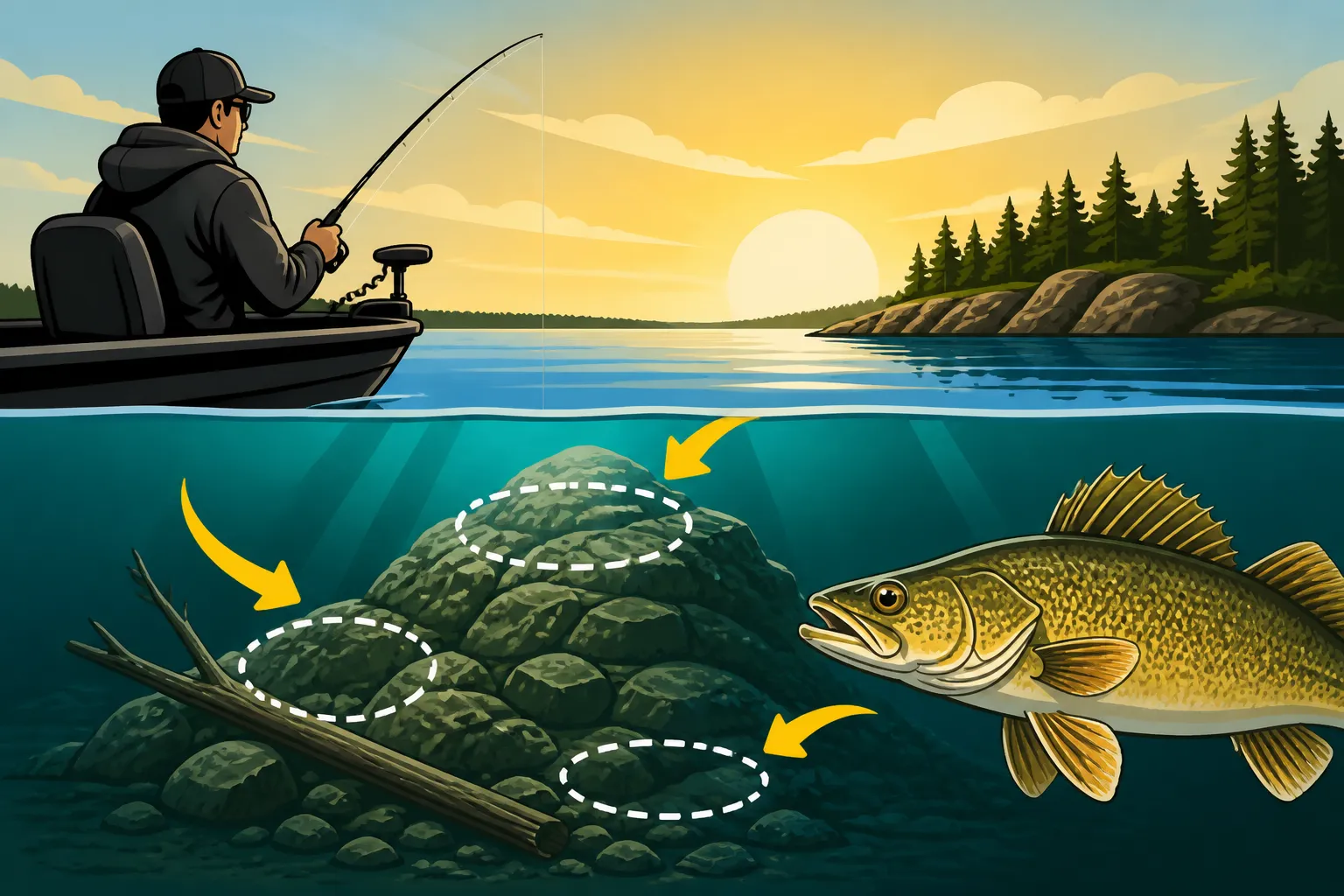
These are arguably the most classic and productive walleye structures you’ll encounter. Reefs are typically extended underwater formations, often made of rock or gravel, that can sometimes rise quite sharply from the surrounding lakebed. Humps, on the other hand, are more isolated, mound-like structures. Shoals are shallow areas, often rocky or gravely, that can be navigational hazards if you're not careful but are absolute goldmines for anglers. On Lesser Slave Lake, these areas provide perfect ambush points. The rough, broken terrain disrupts any subtle currents and creates eddies where baitfish naturally gather.
During periods of low light, such as dawn, dusk, or heavily overcast days, walleye will frequently move right onto the tops of these structures, often into surprisingly shallow water, to feed aggressively. As the sun climbs higher in the sky, they'll typically retreat to the edges or the deeper breaks surrounding the main structure, positioning themselves strategically to dart out and ambush any passing prey. Targeting these transition zones – where shallow water abruptly meets deeper water, or where a rocky bottom gives way to softer mud – is often the most productive strategy for consistent hookups.
Points and Drop-offs
Shoreline points that extend well out into the lake are absolute magnets for walleye. These underwater extensions act like natural highways or funnels for fish, guiding them along contour lines and concentrating baitfish. Walleye will often sit on either side of a point, depending on the wind and current, patiently waiting for an easy meal to pass by. Always look for points that feature a sudden, significant change in depth – a steep drop-off.
Drop-offs, whether they're associated with a point or simply run along an otherwise flat stretch of lakebed, are incredibly critical. These are the "edges" where walleye feel secure. A sharp break from, say, 10 feet down to 20 or 30 feet offers fish quick access to both shallow feeding grounds and deeper, safer, often cooler waters. Understanding "How deep walleye go in summer" is especially important when fishing these features, as they'll use these depth changes to adjust to temperature and light conditions. Walleye will patrol these depth transitions, particularly during periods of high feeding activity, making them prime targets for trolling or drifting techniques.
Weed Lines and Submerged Timber
While Lesser Slave Lake might not have the crystal-clear water and dense weed beds of some other fisheries, it certainly has extensive areas of submerged vegetation, especially in its shallower, more protected bays and along gradual contours. These weed lines, where dense plant growth meets open water, are fantastic for walleye. The weeds provide vital cover, produce oxygen, and host a myriad of invertebrates and small baitfish, creating a complete ecosystem that walleye readily exploit.
Similarly, submerged timber or brush piles – remnants of old forests, fallen trees from shoreline erosion, or even man-made fish attractors – offer excellent cover. These structures provide shade, crucial protection from predators, and perfect ambush points. Walleye will often hug these structures tightly, making them challenging but rewarding to fish. While they can be notorious for snagging lures, the payoff for successfully presenting a bait near these areas can be immense. Keep a close eye on your fish finder for these submerged structures, as they are not always apparent from the surface.
Utilizing Technology and Traditional Methods
Locating these structures efficiently and effectively often requires a blend of modern technology and time-tested angling techniques. Each method complements the other, providing a more complete picture of the underwater world.
Interpreting Sonar and Lake Maps
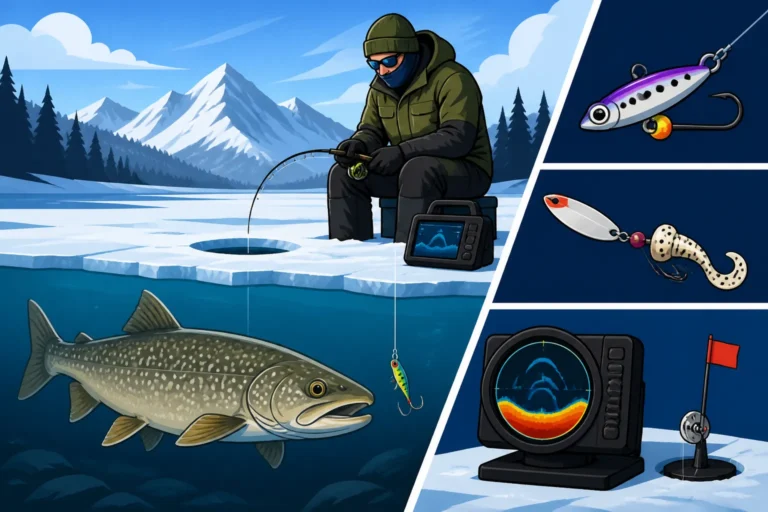
Modern marine electronics have undeniably revolutionized "How to Catch Walleye in Alberta" by giving us a literal window into the underwater world. A quality fish finder is your absolute best friend on Lesser Slave Lake. If you're looking to upgrade, check out some of the "Best Fish Finders for Alberta Lakes" available, as investing in one with both traditional sonar and side-imaging or down-imaging capabilities can make a huge difference. Traditional sonar excels at showing you depth and suspended fish arches directly beneath your boat, while side-imaging can reveal structures like reefs, humps, and even individual submerged logs extending out many feet to either side of your vessel.
Learning to read your sonar screen effectively takes time and practice. Look for distinct changes in bottom hardness (which typically show up as thicker or brighter returns), sudden depth changes, and schools of baitfish. Walleye usually appear as distinct, strong arches close to the bottom, especially when they are actively relating to structure. Don't just scan for fish; actively search for the features that will hold the fish. Combining your sonar with detailed bathymetric lake maps (like those from Navionics or Lakemaster) is also key. These maps illustrate contour lines, highlighting depth changes, and often mark known reefs, humps, or even dangerous shallow areas. You can find a wide range of these maps and guides on platforms like Amazon, making it easier to prepare for your trip. For instance, when looking for a reliable fish finder, browsing options on Amazon can give you a good idea of what features are available within your budget.
When using your fish finder, always pay close attention to your gain and sensitivity settings. Too low, and you might miss subtle bottom details or faint fish returns; too high, and your screen will be cluttered with noise. Take the time to adjust these settings for the clearest possible picture of the bottom and any suspended activity.
Drift Fishing and Jigging to "Feel" Structure
Even with the most advanced electronics on board, nothing quite matches the tactile feedback of truly feeling the bottom. Drift fishing is an exceptionally effective way to cover vast expanses of water and precisely locate structure on Lesser Slave Lake. By allowing the wind or a slow, controlled troll with your electric motor to move your boat across suspected walleye haunts, you can drag bottom-bouncing rigs, jigs, or even crankbaits, literally "feeling" your way across the lakebed.
When your line transitions from smooth sand or soft mud to the tell-tale rattle of gravel, the distinct scrape of rock, or even the subtle bump of a submerged log, that's structure! Immediately mark that exact spot on your GPS. Walleye will very often be concentrated right at these transition points where the bottom composition changes.
Jigging is another stellar method for meticulously probing structure. Using a heavier jig armed with a plastic grub or live bait, you can systematically work over humps, drop-offs, and points. The distinct "thump" of your jig hitting a hard rock versus the soft "thud" of mud or sand gives you real-time intelligence about the kind of bottom you're fishing. This hands-on, highly sensitive approach perfectly complements your sonar, providing crucial ground-level confirmation of what your screen suggests.
Seasonal Adjustments for Structure Fishing
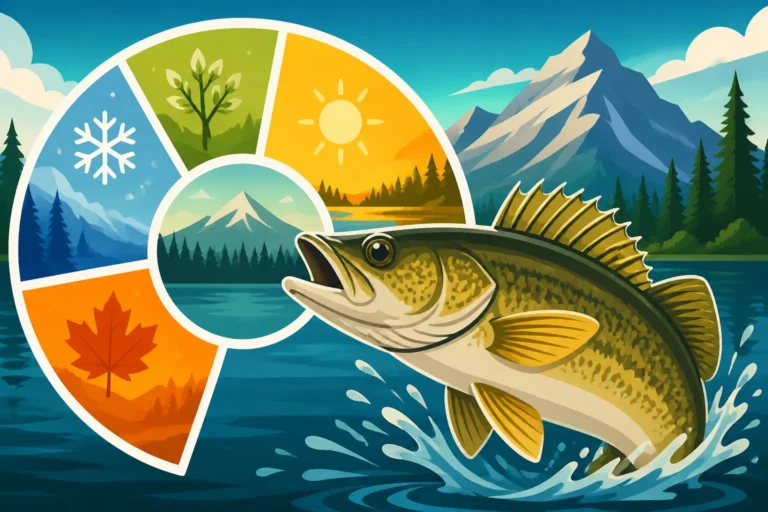
Walleye behavior and their preferred structural locations change with the seasons, driven primarily by water temperature and spawning cycles. Adapting your approach throughout the year is essential for consistent success.
Spring and Early Summer Strategies
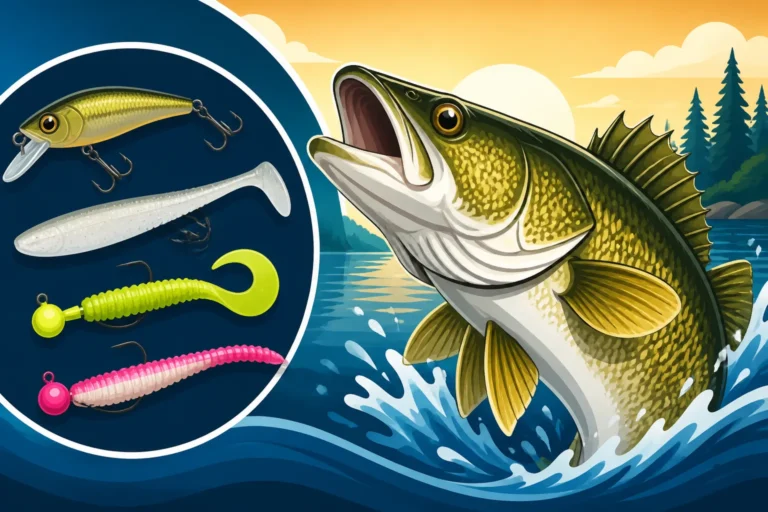
During the spring, immediately after ice-out and the post-spawn period, walleye are typically found in shallower waters, recuperating and feeding aggressively to regain energy. They'll relate to structure found near their spawning areas or access points to warmer water. Shallow reefs, rocky points, and expansive weed flats within more protected bays become prime targets during this time. As the water temperatures gradually climb in early summer, walleye might move a bit deeper, but they will still actively use the tops and edges of prominent reefs and humps. This period is fantastic for casting jigs or slowly trolling shallow-diving crankbaits along the shallower contours of these structures. You'll find many anglers discussing the "Best Baits for Walleye on Lesser Slave Lake" for this incredibly productive window.
Also, consider targeting areas where warmer inflowing water exists, such as the mouths of creeks or even smaller rivers feeding into Lesser Slave Lake. These localized warmer zones attract baitfish, which in turn draw in predatory walleye. Walleye are keen to exploit any slight advantage in temperature or current to find an easy meal.
Mid-Summer and Fall Patterns
As Lesser Slave Lake reaches its warmest temperatures in mid-summer, walleye often become more dispersed, but they still relate heavily to key structures. During this time, they'll seek out deeper reefs, humps, and points where they can find cooler water and a consistent food supply. This is when truly understanding "How deep walleye go in summer" becomes absolutely vital. Trolling deep-diving crankbaits or "Best Crankbaits for Alberta Walleye" over offshore humps, or vertical jigging these deep structures, can be incredibly productive. The key is to pinpoint the specific depth range where the walleye are most comfortable and actively feeding.
Come fall, as water temperatures begin their gradual decline, walleye activity often surges. They enter a pre-winter feeding frenzy, aggressively trying to pack on weight for the lean months ahead. Deep points, the pronounced edges of major reefs, and significant drop-offs once again become primary targets. Often, walleye will school up more tightly during this period, so when you find one, you've likely found a whole group. Fishing during the "Best Time of Day to Catch Walleye" – typically dawn and dusk – can significantly amplify your success, as walleye feed heavily during these low-light periods. This pre-freeze feeding window is one of the most exciting and rewarding times to fish Lesser Slave Lake, provided you know how to find the fish concentrated on their preferred fall structures.
Summary of Walleye Structure Types and Tactics
Here's a quick reference table to help visualize the different structures and how to approach them on Lesser Slave Lake:
| Structure Type | Description | Best Time to Fish | Key Tactics | Essential Gear |
|---|---|---|---|---|
| Reefs & Humps | Elevated areas of rock/gravel, isolated or connected to shore. | Low light (dawn/dusk), overcast days, summer deep | Casting jigs, slow trolling, vertical jigging, drift fishing | Medium-heavy spinning/casting rods, braided line, jigs (1/4-1 oz), deep-diving crankbaits, fish finder, lake map |
| Points & Drop-offs | Underwater extensions of land, sudden depth changes. | All day, especially during feeding windows | Trolling crankbaits, jigging, slip-bobber fishing | Medium spinning/casting rods, fluorocarbon leader, bottom bouncers, crawler harnesses, swimbaits, lake map, GPS |
| Weed Lines | Edges of submerged vegetation where weeds meet open water. | Early morning, late afternoon, overcast days | Casting weedless jigs, shallow crankbaits, spinnerbaits | Medium-light spinning rods, weedless jigs, shallow crankbaits, polarized sunglasses |
| Submerged Timber | Fallen trees, brush piles, old stumps. | Any time, but often better in low light | Vertical jigging, pitching jigs or plastics | Heavy casting rods, braided line, strong jigs, snag-resistant soft plastics, fish finder with side imaging |
Using a combination of these tactics and understanding the seasonal movements will make you a much more successful walleye angler on Lesser Slave Lake.
Navigating Lesser Slave Lake Safely
Beyond just finding fish, understanding the lake's structure is also crucially important for safe navigation. Lesser Slave Lake, despite its beauty, can be deceptively tricky. There are numerous shallow areas, unmarked reefs, and submerged hazards, especially around the very structures we've just discussed as prime fishing spots. Always have up-to-date lake maps and a reliable GPS on your boat. If you're considering a new boat or upgrading your current setup for tackling this massive water body, you might want to explore options for a "Best boat for fishing Lesser Slave Lake" specifically designed for larger, potentially choppy lakes.
I've personally spent countless hours on the water, sometimes struggling to find the bite, only to realize later that I was fishing over a featureless flat when a prime reef was just a few hundred yards away. Learning to trust your electronics and, more importantly, understanding how to interpret what they're showing you, will save you a lot of fruitless casting and prevent frustrating snags. Whether you're purchasing new mapping cards, upgrading your fish finder, or even just looking for specialized tackle like a strong "Best trolling speed for walleye" setup, Amazon is often a reliable resource for finding competitive prices and a wide selection of marine electronics and fishing gear. Remember, a tool is only as good as the person using it, so take the time to learn your equipment thoroughly.
Occasionally, even on a popular lake, you'll discover areas with surprisingly minimal boat traffic. These less-pressured spots can often hold undisturbed fish, but they might also harbor unmarked hazards. Always proceed with extreme caution, especially when exploring unfamiliar territory. Your sonar can be your first line of defense, helping you identify these dangers before you encounter them.
Fine-Tuning Your Approach to Lesser Slave Lake Walleye
Knowing where walleye should be based on structure is a huge step, but getting them to actually bite is the ultimate goal. Once you've identified promising structure, the next critical step is presenting your lure as effectively as possible. This often involves making subtle adjustments to your retrieve speed, lure color, and even your trolling depth to match the mood of the fish and the prevailing conditions. Walleye can be incredibly finicky, and what worked wonders one day might produce nothing the next. This is where experience, patience, and a willingness to experiment truly come into play.
For instance, if you're marking fish on a deep hump but they're not responding to a fast, aggressive retrieve, try slowing down your presentation considerably. Sometimes, a jig that barely crawls along the bottom or a crankbait that just gently "wobbles" is all it takes to trigger a strike from a hesitant fish. Pay close attention to factors like light penetration. On bright, sunny days, walleye might prefer deeper, shadier parts of the structure, or lures with more natural, subdued colors. Conversely, on overcast days or in stained water, brighter colors like chartreuse or orange, or lures that create more vibration and flash, might be significantly more effective. Finding the right "Best lure color for muddy water walleye fishing" can truly be a game-changer when conditions are less than ideal.
Ultimately, reading structure for walleye on Lesser Slave Lake is a continuous journey of learning and discovery. Each trip out on the water adds valuable insights to your understanding of this magnificent lake and its resident walleye. By thoughtfully combining the power of modern electronics, the instinctual art of feeling the bottom, and a keen awareness of seasonal walleye behavior, you'll be well on your way to enjoying consistent success on this incredible Alberta fishery. And always remember, sometimes the best advice comes from local anglers at the boat launch; don't be afraid to strike up a friendly conversation!
Disclaimer
The information provided in this guide is for general informational purposes only. Fishing regulations, season dates, and license requirements can change. Always consult the most current Alberta Guide to Sportfishing Regulations before heading out on the water. Safety should always be your top priority.