Best fishing spots on the Sheep River
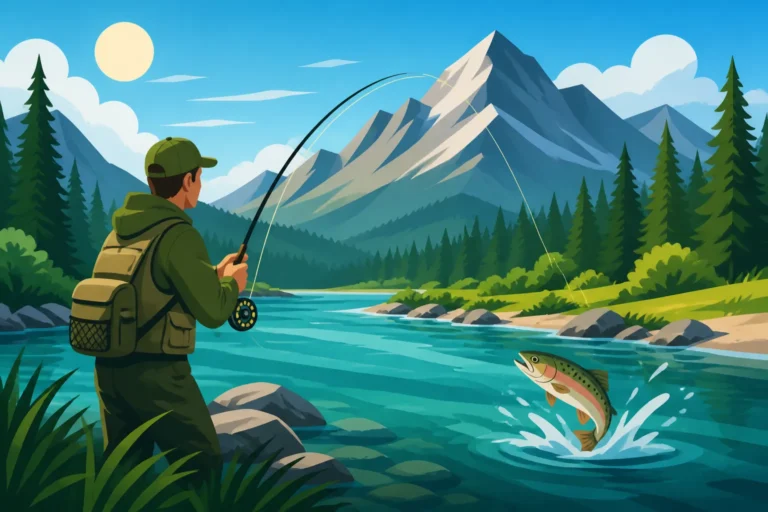
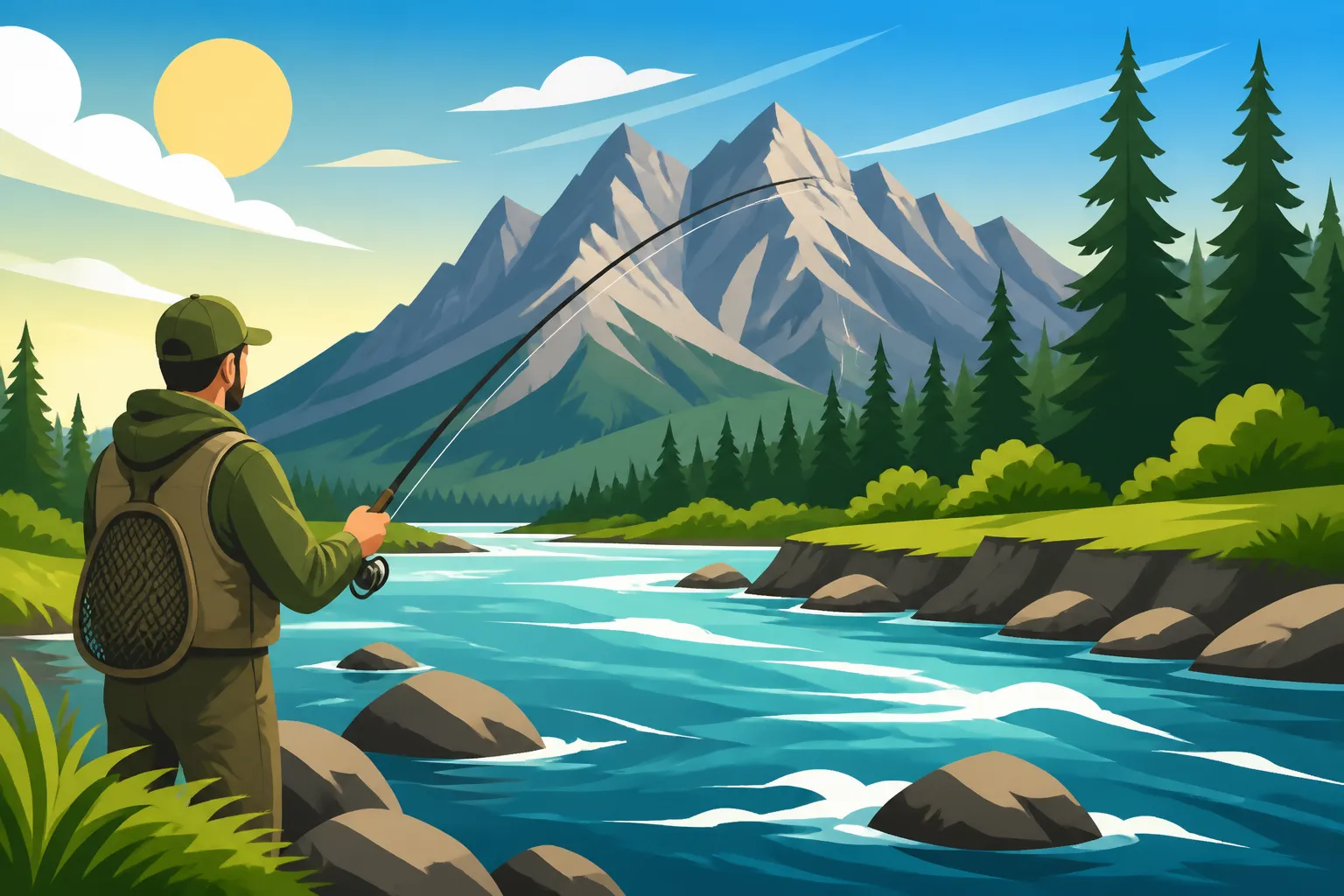
There’s nothing quite like the rush of casting a line into a pristine mountain stream, especially when that stream is as breathtaking as the Sheep River in Alberta. But let's be real, figuring out where to even start on a new river can feel like trying to find a needle in a haystack. You've heard whispers about incredible trout fishing, but translating those whispers into actual fish in the net requires a bit of insider knowledge. This guide is here to cut through the guesswork, helping you pinpoint the best fishing spots on the Sheep River so you can spend less time searching and more time experiencing those unforgettable bites.
Understanding the Sheep River Fishery and Its Unique Character
The Sheep River, born high in the Rockies of Kananaskis Country, is a true gem in Alberta’s sportfishing landscape. It’s a classic freestone river, meaning its flow is dictated by snowmelt and rainfall, leading to fluctuating conditions that keep anglers on their toes. From its headwaters near Sheep River Falls, it winds eastward, eventually joining the Highwood River. Its cold, clear, nutrient-rich waters make it an ideal habitat for several prized trout species, but also demand a thoughtful approach from anglers.
Species You'll Encounter in the Sheep River
When you’re wading the Sheep, you’re primarily targeting trout. The river is renowned for its wild trout populations, which can offer some truly rewarding angling experiences.
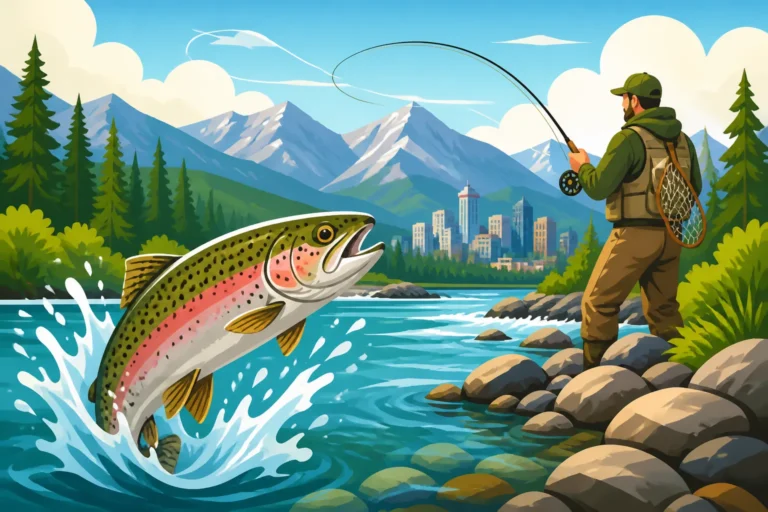
- Rainbow Trout: These acrobatic fighters are abundant throughout the river. You'll find them in riffles, runs, and the deeper sections of pools, always eager to chase a well-presented fly or lure. They thrive in the well-oxygenated water.
- Brown Trout: Often larger and more elusive than rainbows, brown trout prefer to hold in slower, deeper water, especially near undercut banks, logjams, or submerged structures. They can be finicky but offer a tremendous challenge.
- Cutthroat Trout: Primarily found in the upper reaches of the river, especially closer to the mountains. These native trout are easily identified by the distinctive red-orange slash marks under their jaws. They are incredibly beautiful and often willing to rise to a dry fly. Remember, cutthroat populations are sensitive, so handle them with extra care. If you're keen on knowing more about these beautiful fish, check out our detailed guide on the Cutthroat Trout Native Range in Alberta.
- Bull Trout: This is where things get serious about conservation. Bull trout are a native, threatened species in Alberta, and they are strictly catch-and-release only on the Sheep River, with zero possession. They are magnificent, powerful predators, and if you're lucky enough to hook one, it's an experience you won't forget. Proper identification is crucial; if you're uncertain, it's always best to assume it's a bull trout and release it immediately and carefully. Learn more about Bull Trout: Alberta's Threatened Native Fish to understand their importance and how to handle them responsibly. Understanding the nuances between different trout species is key, and our Trout Species Identification Guide for Alberta can be a valuable resource.
- Mountain Whitefish: While not as flashy as trout, whitefish are strong fighters on light tackle and are often overlooked. They frequent deeper runs and pools and can provide excellent action, especially when trout are less active. They are also fantastic table fare, but always check local regulations for limits.
Navigating the Regulations and Seasons
Before you even think about stepping into the water, you absolutely must understand the regulations specific to the Sheep River. Alberta’s fishing regulations are zone-specific and can change annually. The Sheep River generally falls within the ES1 (Eastern Slopes 1) Management Zone, but always consult the most current Alberta Guide to Sportfishing Regulations. You can find out more about the overall rules in our Alberta Fishing Regulations Explained article.
Key points to always verify:
- License and WIN Card: A valid Alberta fishing license and a Wildlife Identification Number (WIN) card are mandatory for all anglers between 16 and 65, including non-residents. You can learn more about securing your Alberta Fishing License Guide for 2026 and what the Alberta WIN Card, Explained means for you.
- Season Dates: The Sheep River, like many trout streams, often has specific opening and closing dates, as well as potential winter closures to protect spawning fish. The main trout season typically runs from June 16 to October 31, but this can vary by specific section or species.
- Bait Restrictions: Many sections of the Sheep River, especially in the upper reaches, are designated "Trout Streams" or "Special Regulation Waters," which often means "artificial flies and lures only." Live bait is strictly prohibited.
- Barbless Hooks: The Sheep River, like many sensitive trout waters in Alberta, mandates the use of barbless hooks only. This regulation is critical for ensuring the safe release of fish and minimizing harm, especially for protected species like bull trout and cutthroat. For a deeper dive into this important rule, consult Alberta Barbless Hook Requirement Waters.
- Possession Limits: Always know the daily bag and possession limits for each species. For bull trout, it's always zero. Rainbows and browns might have a one or two fish limit, or be designated catch-and-release only depending on the section.
Ignoring regulations isn't just irresponsible; it can lead to hefty fines and loss of fishing privileges. Make it a habit to check the current online regulations or pick up a physical copy of the guide before every trip.
Prime Fishing Zones on the Sheep River
The Sheep River offers diverse fishing experiences as it flows from the mountains to the foothills. Knowing these different zones will help you pick the best spot for your fishing style and target species.
Upper Sheep River: Kananaskis Country Wilderness
This is where the Sheep River truly shines for the adventurous trout angler. Access is primarily via Highway 546 (the Sheep River Road), which winds deep into Kananaskis Country. The river here is smaller, colder, and more intimately connected with its wild surroundings. The scenery alone is worth the trip, with towering peaks, dense forests, and the occasional wildlife sighting.
- Sandy McNabb Recreation Area: This area offers several accessible spots with campgrounds and day-use areas. You can find good riffles and pools here, often holding rainbow and cutthroat trout. The river is relatively narrow, making it ideal for wading and shorter casts. The proximity to amenities makes it a good starting point, especially for those who might be setting up camp for a few days. You’ll often find families here enjoying the outdoors, but walk a bit upstream or downstream, and you can find solitude.
- Bluerock Campground to Sheep River Falls: As you drive further west on Highway 546, the river becomes more remote and rugged. There are numerous pull-offs and informal trails leading to the river. This section is prime for wild cutthroat trout and smaller, feisty rainbows. Wading can be challenging with a rocky bottom and faster currents, so a wading staff is highly recommended. Stealth is key here, as the fish can be spooky in the clear water. This area is a true wilderness experience, and it's essential to be bear-aware and prepared for changing weather conditions. For those exploring fishing in the broader region, our Kananaskis Country Fishing Guide offers more insights into this incredible natural area.
- Macabee Creek Confluence: The point where Macabee Creek joins the Sheep River can be a productive spot. Confluences often create deeper pools and oxygenated water that attract fish. These areas can hold a mix of rainbows, browns, and cutthroat, especially during hatches. Access might require a bit of a hike, but the rewards can be significant.
Fishing in the Upper Sheep River requires a slightly different approach than the lower sections. Think lighter rods, delicate presentations, and a focus on smaller flies or lures. The fish, while not always large, are incredibly beautiful and wild.
Mid-River Sections: Foothills Transition
As the Sheep River exits Kananaskis Country and flows eastward towards the towns of Turner Valley and Black Diamond, its character gradually changes. The valley widens, the current slows in places, and the river often becomes broader. While private land becomes more prevalent, there are still excellent public access points.
- Near Turner Valley/Black Diamond: These towns sit right on the river, offering a mix of accessible spots near town parks and bridges. The river here can hold larger brown trout, especially in the deeper runs and pools. Rainbows are also common. You might find a blend of wild fish and some stocked trout, depending on stocking programs. These areas are generally easier to access for those not wanting to venture deep into the mountains, but they can see more angling pressure. Look for public easements or municipal access points, which are usually clearly marked.
- Bridge Crossings: Throughout the mid-section, various bridges cross the Sheep River. These structures often create deeper pools or scour out holding lies downstream. Always respect private property signs and only access the river from public rights-of-way. A good strategy is to park safely near a bridge and walk a few hundred meters upstream or downstream to find less pressured water.
- Public Lands West of Okotoks: As the river gets closer to Okotoks, it enters a more agricultural landscape, but patches of public land still exist. These sections can offer good opportunities for brown trout, rainbows, and even mountain whitefish. The water tends to be a bit warmer here, which can influence fish behavior and insect hatches. This area might be more suitable for anglers who prefer spin fishing with small spoons or inline spinners, though fly fishing remains highly effective.
The mid-river sections can be a great option for a day trip from Calgary or for anglers looking for a slightly more relaxed fishing experience than the rugged upper river. The fish here can be larger, but also potentially more accustomed to seeing anglers, requiring more finesse.
Essential Techniques for Sheep River Success
The Sheep River is a diverse fishery, and successful angling often comes down to adapting your techniques to the specific conditions and target species. Whether you prefer the elegance of fly fishing or the versatility of spin fishing, there are strategies that will improve your chances.
Fly Fishing Strategies for Trout
The Sheep River is a fly angler’s paradise, especially its upper and mid-sections. Matching the hatch and understanding trout behavior are paramount.
- Dry Fly Fishing: When insects are hatching, dry fly fishing on the Sheep River can be absolutely phenomenal. Caddisflies, mayflies (like Blue-Winged Olives and Green Drakes), and stoneflies all have significant hatches throughout the season. Pay attention to what's flying around and drifting on the surface. Presenting a delicate dry fly imitation upstream and allowing it to drift naturally over a rising trout is one of the most exciting ways to fish. You'll often find success in riffles and slower runs where trout are actively feeding on the surface. For deeper insights into this thrilling method, explore our guide on Dry Fly Fishing Alberta Mountain Streams.
- Nymphing: When trout aren't rising, they are almost certainly feeding subsurface. Nymphing is often the most consistent way to catch fish on the Sheep River. Use weighted nymph patterns (like Prince Nymphs, Hare's Ears, Pheasant Tails) drifted under an indicator, or try a tight-line (Euro-nymphing) approach in faster water. Target seams, current breaks, and the heads of pools where fish lie in wait for drifting food. Adjust your depth until you find where the fish are holding.
- Streamer Fishing: For larger brown trout and aggressive rainbows, stripping streamers can be incredibly effective. Patterns like Woolly Buggers, Sculpzillas, or articulated streamers imitating baitfish can provoke aggressive strikes. Fish them in deeper pools, along undercut banks, or near submerged cover. This technique is particularly good on overcast days or in slightly off-color water.
Spin Fishing Approaches for the Sheep River
While many consider the Sheep River a fly-fishing destination, spin fishing can be highly productive, especially if you adhere to the "artificial flies and lures only" and "barbless hooks" regulations prevalent on most trout streams.
- Small Spinners: Classic inline spinners like Mepps Aglia, Blue Fox Vibrax, or Panther Martins in sizes #0 to #2 are deadly on trout. Gold, silver, and black are reliable colors. Cast them upstream or across current and retrieve just fast enough to get the blade spinning, allowing the current to impart a natural drift. Work them through riffles, runs, and the edges of pools.
- Spoons: Small, lightweight spoons such as Little Cleos or Five of Diamonds can also entice strikes. Their erratic wobbling action can mimic injured baitfish. Cast them into deeper pockets or where the current slows, allowing them to flutter on the retrieve.
- Soft Plastics: Small soft plastic baits, such as tiny swimbaits or grub-tailed jigs, can be very effective when fished on a light jig head. Mimic small baitfish or aquatic insects. The key is a slow, natural presentation, often bounced along the bottom or jigged subtly. Always check that soft plastics are permitted; sometimes, certain materials or scents are restricted.
- Floating Minnow Baits: Very small floating jerkbaits or crankbaits that dive only a few feet can be excellent for prospecting larger pools or runs. Cast them out, twitch them, and let them float downstream slightly before retrieving. Brands like Rapala (e.g., Original Floater, Countdown) make models perfect for this.
Remember, regardless of your chosen method, using light line (4-6 lb test monofilament or fluorocarbon) is crucial for a natural presentation in the Sheep River’s clear waters.
Reading the Water for Trout
Understanding where trout hold in a river is perhaps the most important skill for any angler. Trout seek two things: food and cover, often in close proximity.
- Riffles and Runs: These are stretches of shallow, turbulent water with a consistent current. They are oxygen-rich and act as food conveyor belts, bringing insects and small baitfish to hungry trout. Fish will often hold in the slightly deeper seams on the edges of riffles or behind larger rocks that break the current.
- Pools: Deeper, slower-moving sections of the river. Trout will often hold in the heads of pools (where the faster water enters), the tailouts (where the water exits), or in the deepest sections, especially if there's cover. Large browns often lurk in the darkest, deepest parts of pools.
- Undercut Banks and Logjams: These provide excellent overhead and lateral cover, offering trout a sense of security from predators and a break from strong currents. Casting into or along these features can be highly rewarding, but be prepared for snags.
- Current Seams: The transition zone between fast and slow water. Trout will often sit in the slower water, conserving energy, while waiting for food to drift by in the faster current. These are prime targets.
By carefully observing the water and identifying these features, you can make more accurate casts and increase your chances of finding fish.
Planning Your Sheep River Adventure
A successful fishing trip to the Sheep River involves more than just knowing where to cast. It's about preparation, timing, and respecting the environment.
Best Times to Visit the Sheep River
The Sheep River is a beautiful place to fish throughout its open season, but certain times offer distinct advantages. Our Best Time of Year to Fish in Alberta guide provides a broader overview, but specifically for the Sheep River:
- Late Spring/Early Summer (June 16 – July): This is often the prime time, right after the river opens post-runoff. Water levels are usually dropping and clearing, and trout are actively feeding after a long winter. Insect hatches are strong, offering excellent dry fly opportunities. The weather is generally pleasant, though mountain storms can blow in quickly. If you're looking for specifics on early season strategies, check out Spring Trout Fishing Techniques for Alberta Streams.
- Mid-Summer (July – August): The river typically maintains a good flow and clear water. Early mornings and late evenings are often the best, as mid-day sun can make trout less active and more wary. Terrestrial insects (grasshoppers, ants, beetles) become important food sources. This can be a challenging but rewarding time, especially for experienced dry fly anglers.
- Fall (September – October): As temperatures cool, trout become more aggressive, feeding heavily before winter. Brown trout, in particular, become more active as they prepare for spawning. Fewer crowds and vibrant fall colors make this a truly magical time to be on the river. Streamer fishing can be very effective during this period.
- Winter (Closed Season): The Sheep River is typically closed during the winter months (November to June 15) to protect trout spawning grounds and ensure fish survival during harsh conditions. Always double-check the current regulations.
Gear and Safety Considerations
Fishing in a freestone river like the Sheep requires appropriate gear and a strong emphasis on safety.
- Waders and Boots: Chest waders (neoprene for cold water, breathable for warmer) are essential for accessing prime spots. Sturdy wading boots with good ankle support and felt or rubber soles (often with studs) are critical for navigating the slippery, rocky bottom. Consider our guide on Best Waders for Alberta Trout Rivers for detailed recommendations.
- Wading Staff: A collapsible wading staff is an absolute non-negotiable safety item, especially in the faster, deeper sections of the Sheep River. It provides stability, helps you gauge water depth, and prevents falls on uneven terrain. For more on this crucial tool, read Best Wading Staff for Fast Current.
- Layered Clothing: Mountain weather can be unpredictable. Dress in layers to adjust to changing temperatures and carry rain gear.
- Bear Spray: Kananaskis Country is prime grizzly and black bear habitat. Always carry bear spray, know how to use it, and have it easily accessible. Make noise while hiking and fishing to avoid surprising wildlife.
- Navigation: While popular spots might have cell service, many remote sections won't. Carry a map, compass, or a reliable GPS device. Inform someone of your plans and expected return time.
- First Aid Kit: A basic first aid kit for cuts, scrapes, and minor injuries is a must.
- Hydration and Snacks: Even on cooler days, staying hydrated is important. Pack enough water and high-energy snacks for your outing.
- Sun Protection: Sunscreen, a wide-brimmed hat, and polarized sunglasses are essential. Polarized sunglasses not only protect your eyes but also help you spot fish and submerged obstacles.
Table: Sheep River Fishing Zones at a Glance
| River Section | Primary Access | Typical Fish Species | Wading Difficulty | Key Characteristics | Best Techniques |
|---|---|---|---|---|---|
| Upper River | Hwy 546 (Sheep River Road), | Cutthroat, Rainbow, Bull Trout | Challenging | Cold, clear, wild; mountain scenery; remote; smaller fish | Delicate Dry Flies, Nymphing, Small Streamers |
| Mid-River (West) | Sandy McNabb, Bluerock, Macabee Creek | Rainbow, Brown, Bull Trout | Moderate | Wider, slightly less turbulent; mixed access; larger fish possible | Nymphing, Dry Flies (hatches), Small Spinners |
| Mid-River (East) | Near Turner Valley/Black Diamond, various bridges | Brown, Rainbow, Whitefish | Easy to Moderate | More accessible; wider river; can see more pressure | Spinners, Small Lures, Nymphing, Streamers |
Note: Always consult current regulations for specific access points, species, and limits.
If you're looking for an expert to show you the ropes or want to make sure you're hitting the best spots efficiently, searching for local guides on platforms like FishingBooker can connect you with seasoned professionals who know the Sheep River inside and out. They can not only put you on fish but also ensure you're fishing safely and ethically within regulations. For those planning a multi-day trip or exploring different regions of Alberta, FishingBooker can also be a valuable resource for finding guided trips on other premier waters like the Bow River or Crowsnest. Beyond just finding a spot, knowing local conditions and having reliable gear is paramount. If you're new to river fishing or want to learn advanced techniques, a guided trip sourced via FishingBooker ensures you get hands-on experience and valuable local insights. Exploring the Sheep River is a fantastic experience, and whether you go it alone or enlist the expertise of a local guide found on FishingBooker, respecting the river and its fish is key.
The Sheep River is a truly special place, offering a fantastic blend of challenging fishing, stunning scenery, and a genuine wilderness feel. With the right preparation, a solid understanding of the regulations, and a bit of persistence, you’re well on your way to discovering your own best fishing spots on this beautiful Alberta river.
Disclaimer
Fishing conditions and regulations in Alberta can change frequently. While this guide provides comprehensive information based on current knowledge, it is essential for all anglers to consult the official Alberta Guide to Sportfishing Regulations and any provincial advisories before heading out. Always prioritize safety, respect wildlife, and practice ethical angling, including catch-and-release, especially for sensitive species.