Lake Athabasca Fishing Access
Lake Athabasca, a truly magnificent and expansive body of water, calls to the adventurous angler with promises of trophy-sized fish and unparalleled wilderness experiences. However, the sheer remoteness and immense scale of this northern Alberta gem can make simply figuring out how to get there feel like a significant challenge. This guide aims to strip away the mystery surrounding Lake Athabasca fishing access, providing practical, detailed insights into reaching its pristine waters, whether you're navigating by land, air, or water.
Understanding Lake Athabasca's Scale and Unique Challenges
Before we dive into the nitty-gritty of access, it's essential to grasp just how massive and wild Lake Athabasca truly is. This isn't your average provincial park lake; it's a colossal freshwater sea that demands respect and thorough preparation from anyone hoping to fish its legendary waters.
A Colossal Northern Frontier
Straddling the border between Alberta and Saskatchewan, Lake Athabasca is the eighth-largest lake in Canada and the largest within Alberta, covering an astounding area of over 7,800 square kilometers. Its sheer size means it’s more akin to an inland ocean, with vast open water susceptible to sudden and dramatic weather changes. The lake is relatively shallow on its eastern side, while the western, Albertan side plunges to depths of over 120 meters, creating incredibly diverse habitats for its prominent fish species. Anglers here primarily target monster lake trout, robust northern pike, and abundant walleye, alongside species like inconnu and Arctic grayling in tributary rivers. The environment is untamed, a true northern boreal forest wilderness, making every trip feel like a genuine expedition.
The Logistical Hurdles for Anglers
For many anglers, the dream of fishing Lake Athabasca often clashes with the reality of its profound isolation. Unlike more accessible southern lakes, infrastructure here is minimal, and self-reliance is not just a preference, but a necessity. The vast distances involved, the lack of paved roads leading directly to prime fishing areas, and the unpredictable northern weather patterns all contribute to significant logistical hurdles. You're not just driving to a boat launch for a day trip; you're planning a multi-day journey that might involve specialized vehicles, extensive provisions, and a keen sense of navigation. Validating these frustrations upfront is key – it's not you, it's the lake's wild nature that makes it so challenging and rewarding.
Primary Access Points by Land
While Lake Athabasca is predominantly accessed by air or water, there are specific land-based routes, though they require a significant commitment and are often seasonal. These routes typically lead to the town of Fort Chipewyan, the main community on the Alberta side of the lake.
The Fort Chipewyan Gateway
Fort Chipewyan is Alberta's oldest continuously inhabited European settlement, nestled on the western shore of Lake Athabasca. It serves as the primary land-based gateway for those wishing to reach the lake from within the province. However, getting to Fort Chipewyan itself is an adventure. There are no year-round highways connecting it to southern Alberta. Instead, access depends heavily on the season. This remoteness contributes to the pristine nature of the fishing, but it also means careful planning for your journey.
During the short summer months, you can fly into Fort Chipewyan via scheduled flights from Fort McMurray, or embark on a multi-day journey by barge or personal boat up the Athabasca River. This makes it an exciting but complex destination to reach, especially if you're planning to bring your own boat or extensive gear.
Navigating the Winter Ice Roads
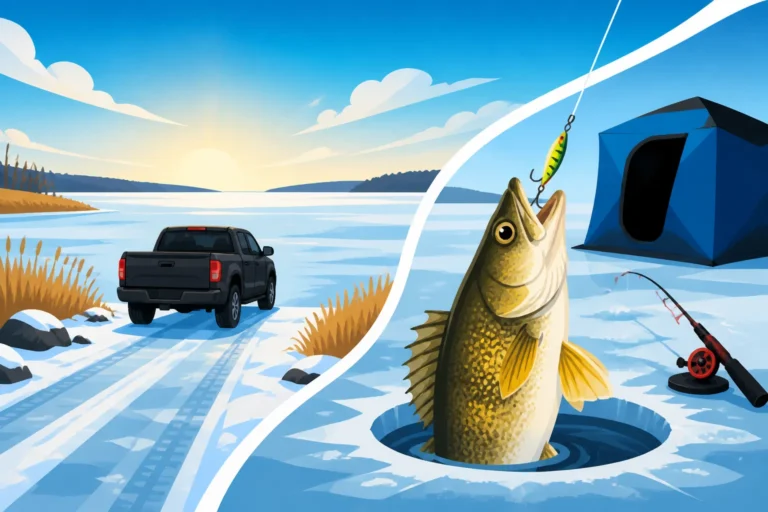
One of the most unique and iconic ways to access Lake Athabasca, specifically Fort Chipewyan, is via the winter ice roads. Typically open from late December to mid-March, depending entirely on ice thickness and weather conditions, these temporary highways are constructed over frozen rivers and lakes, connecting Fort Chipewyan to Fort McMurray. This method offers a genuine taste of northern life and is often the most cost-effective way to transport larger vehicles and substantial gear to the region.
However, driving the ice road is not for the faint of heart. It requires a well-maintained, ideally four-wheel-drive vehicle, a full tank of fuel, and emergency supplies. Conditions can change rapidly, and travelers must adhere strictly to posted speed limits and safety guidelines. It’s a spectacular journey across a frozen landscape, but one that demands vigilance and preparedness. Think of it less as a drive and more as a controlled expedition, complete with the chance to see vast, untouched snowscapes.
Summer Barge and Water Taxi Services
Once the ice roads melt, typically in late March or early April, the primary overland transport option shifts to a seasonal barge service. This barge operates from Fort McMurray to Fort Chipewyan, carrying vehicles, supplies, and heavy equipment across the waterways. It's a much slower option than the ice road but essential for community resupply and for anglers bringing their own boats or large amounts of gear during the open water season. Bookings are often required well in advance due to limited space.
For personal travel, water taxi services also operate out of Fort Chipewyan, offering transport for individuals or small groups to various points along the lake. This is particularly useful for those who fly into Fort Chipewyan and then wish to access specific fishing lodges or remote campsites on the lake without bringing their own vessel. These taxis are often reliable and run by experienced local operators who know the lake intimately.
Air Access for Remote Adventures
For many anglers, especially those seeking truly remote fishing experiences or those with limited time, air access is often the most practical and efficient way to reach Lake Athabasca's prime fishing grounds. It significantly cuts down travel time and allows access to areas unreachable by road or typical water routes.
Chartered Flights and Bush Planes
Chartering a flight is a popular option, offering flexibility and direct access to numerous points on the lake. You can book flights from major hubs like Edmonton, or more commonly, from regional airports such as Fort McMurray (YMM) or even smaller airstrips closer to the northern wilderness. These charters often utilize float planes or bush planes, capable of landing on the water or on rudimentary airstrips dotting the lake's vast shoreline.
Choosing a chartered flight allows you to reach remote fishing camps, specific bays, or pre-arranged pick-up points quickly. It's a fantastic way to bypass the lengthy overland journey and maximize your fishing time. Remember to factor in the cost, which can be substantial, and the weight restrictions for gear. It’s also wise to inquire about the charter company’s experience on Lake Athabasca, as flying in this remote region requires specialized knowledge of weather patterns and landing conditions.
Fly-in Fishing Camps and Lodges
Perhaps the most common way for anglers to experience Lake Athabasca is through all-inclusive fly-in fishing camps and lodges. These operations remove much of the logistical headache, providing transportation directly to their facilities, often with their own airstrips or float plane docks. They typically offer comfortable accommodation, delicious meals, and, most importantly, experienced local guides who know the lake's every nook and cranny.
These camps are designed for serious anglers, often providing specialized boats, tackle, and expert advice on how to catch everything from trophy lake trout to aggressive northern pike. For those who prefer a guided experience without the hassle of organizing all the logistics themselves, finding a reputable outfitter is key. Websites such as FishingBooker allow you to browse and book guided trips, complete with detailed itineraries and equipment lists, making it easier to compare options and find the perfect fit for your Lake Athabasca adventure. When planning your remote fly-in trip, don't forget to check resources like FishingBooker, where many reputable lodge and charter services list their offerings, often including package deals for accommodation and guided fishing excursions.
Water Access and Navigational Considerations
For those with the right equipment and experience, accessing Lake Athabasca by water can be an incredibly rewarding journey, albeit one that requires significant planning and respect for the powerful northern environment.
Navigating from the Athabasca River
The Athabasca River, a major waterway flowing from the Rocky Mountains, eventually empties into Lake Athabasca. This provides a navigable channel for boats coming from upstream communities like Fort McMurray. Anglers with larger, river-worthy boats can undertake the journey downriver, eventually entering the sprawling delta and then the main body of the lake. This route offers a genuine wilderness experience, allowing you to witness the dramatic change in landscape from riverine forest to the vast expanse of the lake.
However, river navigation comes with its own set of challenges. Strong currents, shifting sandbars, submerged obstacles, and fluctuating water levels require an experienced hand at the helm. It’s a slow journey, often taking several days from Fort McMurray, and demands a boat capable of handling both river conditions and the potential for large waves once on the lake itself. This journey is usually undertaken by those who are very familiar with northern river systems or are accompanied by a skilled local navigator.
Launching Your Own Boat
If you're bringing your own boat, the most straightforward launch points are around Fort Chipewyan. However, these are often basic facilities, and the type of boat you bring is paramount. Lake Athabasca is not suitable for small recreational vessels. You'll need a robust, seaworthy boat capable of handling large waves and long distances. Deep-V aluminum boats, often 18 feet or longer, with powerful and reliable outboard motors, are generally recommended. Twin engines or a reliable kicker motor are also wise precautions given the remoteness.
Before launching, ensure your vessel complies with all Alberta Boating Laws for Anglers. This includes having all required safety equipment, such as flares, a whistle, a bailing device, and the correct number and type of life jackets. Every person on board must have an approved life jacket, and it's always a good idea to wear it, especially on big water. Furthermore, the operator of any motorized pleasure craft in Canada must possess an Alberta Pleasure Craft Operator Card Requirement. These regulations are in place for good reason, especially on a lake as formidable as Athabasca.
Understanding Lake Hazards and Conditions
Lake Athabasca is infamous for its rapidly changing weather. Calm waters can transform into treacherous whitecaps within minutes, especially in the vast open stretches. Strong winds, sudden storms, and thick fog are common occurrences, making careful monitoring of marine weather forecasts absolutely critical. It’s not uncommon for boats to be stranded for a day or more due to unsafe travel conditions.
Navigational aids like GPS are essential, but charts can sometimes be less detailed than on more heavily trafficked waters. Always carry a marine radio or satellite communication device (like a satellite phone or inReach messenger) as cell service is non-existent across most of the lake. Inform someone of your float plan and expected return time. The sheer scale means help can be a long time coming if you encounter trouble. Respect the lake, and it will reward you with an unforgettable experience.
Planning Your Trip: Logistics and Regulations
Successfully accessing and fishing Lake Athabasca requires meticulous planning, an understanding of Alberta's fishing regulations, and a strong emphasis on safety and preparation. Don't underestimate the logistical puzzle; solving it is part of the adventure!
Licensing and Conservation
Before you even think about casting a line, securing the proper licensing is non-negotiable. Every angler over the age of 16 needs an Alberta fishing license. Our comprehensive guide, Alberta Fishing License Guide for 2026, can walk you through the process step-by-step. In addition to a general license, you'll need a Wildlife Identification Number (WIN) card.
Once licensed, it's absolutely vital to familiarize yourself with the Alberta Fishing Regulations Explained. Lake Athabasca falls into specific fisheries management zones, and rules can vary by species and even by specific bays or tributaries. Pay close attention to bag and possession limits for target species like Lake Trout Fishing in Alberta and Northern Pike, as well as any special regulations for walleye, which often have specific harvest tags or catch-and-release rules. Conservation is paramount on these northern waters to protect the health of these incredible fisheries for generations to come.
Essential Gear and Supplies
Given the remoteness, your gear list for a Lake Athabasca trip goes far beyond just fishing tackle. Think self-sufficiency. Beyond your preferred rods and reels (perhaps a robust setup suitable for Best Boats for Alberta Lakes and Rivers and fighting large fish), consider these essentials:
- Communication: Satellite phone or personal locator beacon (PLB) is a must.
- Navigation: GPS with up-to-date mapping, physical maps, and a compass.
- Safety: Comprehensive first-aid kit, emergency shelter, fire-starting supplies, extra fuel, and repair kits for your boat/motor.
- Weather Protection: Quality rain gear, warm layers (even in summer), and insect repellent are crucial. The weather can change drastically in minutes.
- Food and Water: Pack more than you think you'll need, especially non-perishable items. Water purification tablets or a filter are also wise.
Choosing the right fishing tackle is also important. For trophy lake trout, you'll want heavy-action rods, strong braided lines, and a selection of deep-diving crankbaits, spoons, and tube jigs. For pike, a variety of large spoons, spinnerbaits, and topwater lures can be effective. And don't forget a sturdy landing net, like a Best Landing Net for Pike, and a camera to capture those unforgettable catches!
Hiring a Local Guide or Outfitter
For many, especially first-time visitors to Lake Athabasca, hiring a local guide or booking through a reputable outfitter is highly recommended. These professionals offer invaluable expertise that can significantly enhance your trip and, more importantly, ensure your safety. Local guides possess an intimate knowledge of the lake's ever-changing conditions, the best fishing spots depending on the season, and safe navigation routes. They understand the nuances of the weather, how the fish behave, and what techniques are most effective on any given day.
Securing a knowledgeable local guide can make all the difference, transforming a potentially overwhelming trip into an unforgettable adventure. Services like FishingBooker can help you sort through available guides and ensure you find someone with the right expertise for Lake Athabasca's unique challenges. Many fly-in lodges include guide services as part of their packages, providing a seamless and highly effective way to experience the fishing. They handle the complex logistics, allowing you to focus purely on the angling experience.
Seasonal Considerations for Lake Athabasca Fishing
The fishing experience on Lake Athabasca changes dramatically with the seasons. Understanding these shifts is crucial for planning your trip and maximizing your chances of success.
Open Water Season Strategies
The open water season typically runs from late May or early June, once the ice has melted, through to late September or early October, before freeze-up begins. This is when the lake truly comes alive, offering incredible opportunities for targeting its primary species. The early season sees fish often closer to shore or in shallower depths, actively feeding after the long winter. As summer progresses, particularly for lake trout, they tend to move into deeper, cooler waters, often congregating around submerged structures and drop-offs. Trolling with downriggers or heavy spoons is a common and effective technique for these deepwater giants, as detailed in guides like How to Catch Lake Trout in Alberta.
Walleye and northern pike, on the other hand, will often be found in shallower bays, river mouths, and weed beds throughout the summer. Using large crankbaits, spinnerbaits, or even topwater lures for pike can be thrilling. The vastness of the lake means you can always find unpressured waters, but it also means knowing where to look. Always check Alberta Fishing Season Dates by Zone to confirm specific openers and closures, as these can vary slightly year to year. The open water period is also when you'll deal with the most prolific insect activity, so be prepared with repellents and appropriate clothing.
Ice Fishing Opportunities
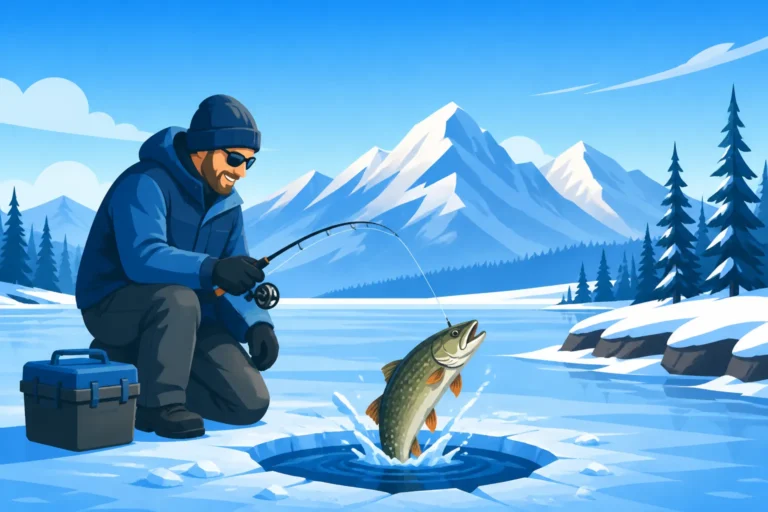
For the truly hardy and adventurous angler, Lake Athabasca offers an unparalleled ice fishing experience. Typically, the lake is safe for ice fishing from late December or early January, extending into March. This is a very different kind of fishing, demanding specialized gear and a high degree of preparedness for extreme cold. Access during this time is almost exclusively via the winter ice road to Fort Chipewyan, from where snowmobiles or tracked vehicles are often used to reach fishing spots.
Ice fishing on Lake Athabasca targets primarily lake trout, burbot, and pike. Large jigging spoons, heavy tube jigs, and tip-ups set with bait are popular choices. The sheer size of the lake under a blanket of ice is awe-inspiring, offering a sense of solitude found almost nowhere else. However, safety is paramount. Ice thickness can vary, especially with fluctuating winter temperatures. Always check local conditions, travel with experienced guides or groups, and have emergency shelters and heating. For those considering this unique adventure, looking into guides like Best Ice Fishing Lakes in Alberta will give you a good starting point for finding the best areas and techniques to maximize your success.
Lake Athabasca Access Overview
Here's a quick look at the main ways to access Lake Athabasca, highlighting key considerations for each method.
| Access Type | Primary Method | Season | Key Pros | Key Cons |
|---|---|---|---|---|
| Land (Fort Chipewyan) | Winter Ice Road | Dec – Mar | Cost-effective for personal gear, unique experience | Long, challenging journey; weather-dependent; basic facilities |
| Land (Fort Chipewyan) | Summer Barge / Water Taxi | Apr – Nov | Can transport heavy gear; scenic river journey | Slow, requires advance booking, can be costly for vehicles |
| Air (Charter/Fly-in) | Float Plane / Bush Plane | Open Water | Direct to remote spots, saves significant travel time, high comfort | Most expensive, strict weight limits, weather-dependent flights |
| Water (Athabasca River) | Personal Boat (River Route) | Open Water | Great adventure, full control over itinerary, self-reliance | Requires extensive boating experience, large vessel, slow journey |
Disclaimer
The information provided in this guide is for general informational purposes only and does not constitute professional advice. Fishing regulations, access conditions, and safety protocols can change rapidly. Always consult the most current Alberta Guide to Sportfishing Regulations and local authorities (e.g., Alberta Environment and Protected Areas) before planning your trip. Angling in remote wilderness areas carries inherent risks; proper preparation, navigation skills, and safety equipment are essential for a safe and enjoyable experience.