Best fishing spots on the Highwood River
For many Alberta anglers, the Highwood River holds a special, almost mythical allure. It's not just another river; it's a pristine, challenging, and incredibly rewarding destination that often pushes your skills and patience to their limits. Finding those truly productive spots can feel like a secret handshake among veterans, but this guide is here to pull back the curtain and share some of the best fishing spots on the Highwood River, helping you plan a successful and memorable trip.
Understanding the Highwood River: A Trout Angler's Paradise
The Highwood River, flowing through the stunning landscapes of Kananaskis Country and then eastward towards the prairies, is a gem for those who love chasing wild trout. It's a river that truly embodies the spirit of Alberta's mountain streams, offering crystal-clear, cold waters and breathtaking scenery. But what makes it tick, and what can you expect to find swimming in its currents?
The River's Character and Ecosystem
Imagine a river born from high mountain snowmelt, tumbling down through rugged valleys, carving out a diverse aquatic habitat. That's the Highwood. Its character changes significantly from its headwaters in the Highwood Pass area to its lower reaches near Longview. Upstream, you'll find classic freestone stream features: fast-flowing riffles, deep plunge pools, and smooth runs that provide perfect holding water for trout. The substrate is often rocky, making wading a cautious but necessary dance.
The water clarity here is usually exceptional, which means stealth and presentation are paramount. The colder temperatures year-round are ideal for trout, and the river's health is often a good indicator of the surrounding wilderness. As you move downstream, the gradient lessens, and the river widens, featuring longer, slower runs and larger pools, though it retains much of its mountain charm. The dense riparian vegetation offers shade and cover, contributing to a rich insect life that forms the base of the trout's diet.
Primary Trout Species of the Highwood
When you drop a line in the Highwood, you're primarily targeting native trout species, each with its own charm and challenge. This isn't a stocked pond; these are wild, often wary fish that have earned their stripes.
- Cutthroat Trout: These beautiful fish, particularly the Westslope Cutthroat, are often the primary target in the upper and mid-sections of the Highwood. Known for the distinctive red slash under their jaw, they are aggressive eaters, especially during prolific insect hatches. They thrive in the cold, clear waters and are incredibly striking to catch. Their willingness to rise to a well-presented dry fly makes them a favorite for many fly anglers.
- Rainbow Trout: While not as prevalent as cutthroat in the uppermost reaches, rainbow trout become more common as you move downstream, particularly in the mid-river sections where the river flows closer to the Forestry Trunk Road. These acrobatic fighters are a thrill on light tackle and can grow to respectable sizes. They often coexist with cutthroat, providing a diverse angling experience. If you're keen on trout in general, you might also find our guide on Rainbow Trout Fishing on the Bow River useful for general tactics.
- Brown Trout: In the lower sections of the Highwood, particularly closer to the town of Longview, you might encounter brown trout. These elusive and often larger trout prefer slower, more structured water and can be quite challenging to entice. They are known for their predatory nature, often feeding on smaller fish and larger insects.
- Bull Trout: This is where conservation comes heavily into play. The Highwood River is home to Alberta's native bull trout, but they are a provincially threatened species. Due to their vulnerable status, the Highwood River has a strict zero possession limit for bull trout. If you accidentally catch one (and it's a real possibility in this river), you must release it immediately and with the utmost care. It's vital to understand the Alberta Bull Trout Zero Possession Rule before you even cast a line. For more details on responsible handling, check out our piece on How to Catch Bull Trout and Release Them Safely.
Knowing these species and their preferred habitats will significantly improve your chances and ensure you're fishing responsibly.
Key Access Points and Prime Fishing Zones on the Highwood
Accessing the Highwood River can be part of the adventure itself. Unlike some more urban rivers, many prime spots on the Highwood require a bit of effort, often involving walks through dense bush or navigating gravel roads. This effort, however, is often rewarded with stunning solitude and untouched stretches of water.
Upstream Sections: Wilderness and Solitude
For those seeking a true wilderness experience, the upper reaches of the Highwood, within Kananaskis Country, are your sanctuary. These sections are typically accessed via the Highwood Pass area off Highway 40, which is usually open seasonally (check local road closures before you go).
- Highwood Pass Tributaries: While the main stem is fantastic, don't overlook the smaller tributaries feeding into the Highwood near the pass. These smaller streams often hold eager cutthroat trout, though they require more bushwhacking. Access here is primarily walk-in, often following faint game trails or making your own path. Expect challenging terrain but incredible scenery. These spots are perfect for ultralight fly rods or short spinning setups.
- Upper Highwood River (Above Cataract Creek): This area is quintessential mountain fishing. The river is narrower, with a steeper gradient, abundant pocket water, and deep pools formed by fallen timber and large rocks. Access often involves parking at designated pull-offs along Highway 40 and then hiking down to the river. Look for areas where the river braids or creates oxbows, as these can concentrate fish. The solitude here is unmatched, though you might encounter wildlife like deer, elk, or even bears, so always carry bear spray and make noise. For those looking for pure wilderness angling, a local guide booked through a service like FishingBooker can often lead you to these less-fished, hidden gems.
Mid-River Access: Forestry Trunk Road Stretch
As the Highwood River flows out of the higher mountains, it parallels a significant portion of the Forestry Trunk Road (Highway 541/940), offering more accessible (but still rugged) fishing opportunities. This stretch sees more pressure but can still be incredibly productive.
- Junction with Cataract Creek: The confluence of Cataract Creek with the Highwood River is a well-known spot. The mixing of these two cold-water streams often creates excellent holding water. There are various pull-offs along the Forestry Trunk Road that provide access. While popular, walking a bit upstream or downstream from obvious access points can put you onto less-fished water. Expect a mix of cutthroat and rainbow trout here.
- Highwood Ranger Station Area: Around the Highwood Ranger Station, there are more established access points and sometimes even small campgrounds. The river here begins to broaden, offering longer runs and more expansive riffles. It's a great area for wading, but always be mindful of changing water levels, especially during spring runoff. This section is often a sweet spot for both fly and spin anglers due to the varied water types. Many find that booking a guided trip through services like FishingBooker often provides access to prime spots you might otherwise miss, especially in these more accessible but still challenging areas.
Lower River Areas: Closer to Communities
Once the Highwood River exits Kananaskis Country and flows eastward towards the town of Longview, its character softens, becoming a more typical prairie-foothills river. While still predominantly trout water, the species mix can start to change, and access points might be different.
- Near Longview: Closer to Longview, the river flows through a mix of private land and some public access points. It's crucial to respect private property and only access the river where public access is clearly marked or permitted. The river here is wider and often slower, with deeper pools and cut banks that provide excellent cover for larger brown trout and even some rainbow trout. While less "mountainous" in feel, it can offer a unique challenge for those targeting elusive browns. You might even find some smaller whitefish here.
- Parkland County Access: Further downstream, the river continues its flow, occasionally offering public land access points within Parkland County. These sections are generally less pressured than the mountain stretches, offering a different kind of angling experience. For those looking to explore extensively or learn the ropes, a local guide can make all the difference. Websites like FishingBooker often list experienced guides who specialize in the Highwood River, providing expertise on where to go and what to use across its diverse sections.
Table: Highwood River Fishing Zone Overview
| River Section | Primary Access Point | Target Species | Typical Conditions | Recommended Techniques | Unique Challenges |
|---|---|---|---|---|---|
| Upper Highwood | Highwood Pass (Hwy 40) | Westslope Cutthroat, Bull Trout (C&R) | Steep gradient, clear, cold, pocket water | Dry flies, Nymphs, Light Spin | Strenuous hiking, wildlife, seasonal access |
| Mid-River | Forestry Trunk Road | Cutthroat, Rainbow, Bull Trout (C&R) | Varied runs, riffles, accessible banks | Dry flies, Nymphs, Streamers, Spin | Moderate pressure, variable water levels |
| Lower River | Near Longview (Hwy 541) | Brown Trout, Rainbow, Whitefish, Bull Trout (C&R) | Wider, slower runs, deeper pools, cut banks | Streamers, Nymphs, Spin, Bait | Private land access, less consistent trout action |
C&R = Catch and Release
Mastering Techniques for Highwood River Trout
The Highwood River's challenging yet rewarding nature demands thoughtful technique. Its clear waters and wild trout mean that presentation often trumps sheer power. Whether you're a seasoned fly angler or prefer spin fishing, adapting your approach to the conditions is key.
Fly Fishing Strategies for Clear Mountain Water
Fly fishing is arguably the most popular method on the Highwood, and for good reason. The river's abundant insect life and wary trout make it a perfect classroom for refined techniques.
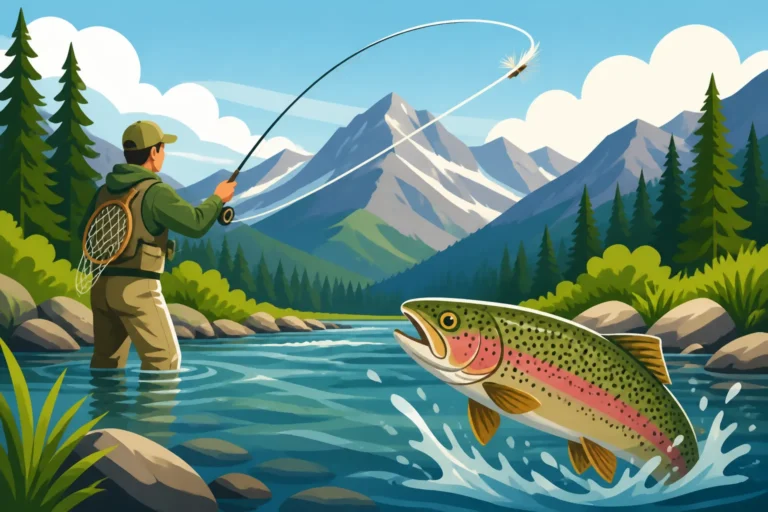
- Dry Fly Fishing: When conditions are right, particularly during summer hatches of caddis, mayflies, or stoneflies, dry fly fishing on the Highwood can be exceptional. Look for slower eddies, seams, and the heads of pools where trout might be rising. A perfect drag-free drift is crucial. Often, high-floating, visible patterns like an Elk Hair Caddis, Parachute Adams, or stimulator patterns work well, especially in the upper sections where cutthroat are eager to look up. Patience and a delicate presentation will lead to success. If you're a dry fly enthusiast, our guide on Dry Fly Fishing Alberta Mountain Streams offers more specific patterns and techniques.
- Nymphing Techniques: More often than not, trout are feeding subsurface. Nymphing is incredibly effective, especially in faster riffles and deeper runs. Techniques like indicator nymphing with patterns resembling stonefly nymphs (e.g., Prince Nymph, Pat's Rubber Legs), caddis larvae (e.g., Hare's Ear), or mayfly nymphs (e.g., Pheasant Tail) can be deadly. Dead-drifting your nymphs naturally along the bottom, making sure to get them down quickly in the swift current, is key. Euro Nymphing or contact nymphing is also highly effective here, allowing for precise depth control and sensitivity to subtle takes.
- Streamer Fishing: For larger, more aggressive trout, especially brown trout in the lower sections or bull trout (remember catch and release!), streamers can be incredibly effective. Patterns that imitate baitfish or larger aquatic insects, stripped through deeper pools and along undercut banks, can trigger violent strikes. Focus on low-light conditions or after a rain when the water might have a slight tint.
Spin Fishing Tactics for Diverse Conditions
While fly fishing gets a lot of attention, spin fishing can be just as productive on the Highwood, especially for those who prefer its versatility or when conditions aren't ideal for flies.
- Small Spinners and Spoons: Ultralight spinning gear with small inline spinners (like Mepps Aglias or Panther Martins in sizes #0-2) or tiny spoons (like Kastmasters or Little Cleos) are incredibly effective for all trout species. Focus on casting upstream and retrieving just fast enough to get the blade spinning, letting it drift naturally through pools and runs. The flash and vibration mimic small baitfish or escaping insects. Natural colors like silver, gold, or copper often work best in the clear water.
- Soft Plastics and Jigs: Small soft plastic grubs or trout worms, fished under a tiny float or on a light jig head, can be surprisingly effective, especially in deeper, slower pools. The subtle action of soft plastics can entice wary trout when other presentations fail. For the Highwood, keep your jig heads light (1/32 to 1/8 oz) to maintain a natural drift.
- Presentation is Paramount: Regardless of your chosen lure, remember the clear water. Long casts, light lines (4-6 lb fluorocarbon leader is often beneficial for its invisibility), and quiet movements on the bank are essential. Any unnatural splash or silhouette can spook fish. Casting upstream and working your lure back with the current, allowing for a natural drift, is often more successful than casting directly across or downstream. When exploring new areas, keep your setup versatile; our guide on Best Fishing Rods for Alberta Rivers can help you choose the right gear.
Best Times and Conditions to Fish
Timing can make a huge difference on the Highwood River.
- Seasonal Fishing: The prime season for trout fishing on the Highwood typically runs from late spring (after runoff subsides, usually late May/early June) through early fall (September/October). Spring offers aggressive fish coming off winter, while summer sees abundant insect hatches. Fall can be fantastic for larger trout before winter sets in. Always consult Alberta Fishing Season Dates by Zone for the most accurate information.
- Water Levels: Water levels are critical. High water from spring runoff or heavy rains can make the river unfishable due to turbidity and strong currents. Conversely, extremely low water in late summer or fall can make fish very spooky and concentrate them in fewer, deeper pools. Ideal conditions are moderate flows with good clarity. You can often check Alberta Environment and Protected Areas' streamflow data online before heading out.
- Weather Conditions: Overcast days can be great for trout, as the lower light makes fish less wary. Bright, sunny days often push fish into deeper, shadier lies, making them harder to catch. Early mornings and late evenings are almost always productive, as trout are often more active during these cooler, lower-light periods. For specific tactics, our guide on Spring Trout Fishing Techniques for Alberta Streams offers valuable insights.
Navigating Regulations and Conservation on the Highwood
Fishing on the Highwood River, like all waterways in Alberta, comes with a responsibility to understand and adhere to the regulations. These rules are in place to protect the delicate ecosystem and ensure sustainable fishing for future generations.
Highwood River Specific Regulations
The Highwood River falls under specific regulations detailed in the Alberta Guide to Sportfishing Regulations. It's crucial to always have the most current guide, either a physical copy or the digital version via the Alberta Fishing Regulations App, which can explain Alberta Fishing Regulations Explained in detail.
- Zone ES1: The Highwood River is primarily located within Fishing Management Zone ES1 (Eastern Slopes Zone 1). This zone often has specific rules for trout species, season dates, and allowable gear. For instance, the general trout season in ES1 typically opens on June 16th and closes on October 31st, but always double-check the current guide for precise dates and any exceptions for specific Highwood River sections or tributaries.
- Barbless Hooks Requirement: A significant regulation on many Alberta trout rivers, including critical stretches of the Highwood, is the mandatory use of barbless hooks. This rule is designed to minimize harm to fish, particularly for catch-and-release practices. Ensure all your flies, spinners, and hooks have had their barbs crimped down. If you're unsure which waters require this, our article on Alberta Barbless Hook Requirement Waters can provide clarity.
- Catch Limits and Possession: While the Highwood is generally considered a strong catch-and-release river, specific sections might have varying catch and possession limits for species other than bull trout. For example, some sections might allow for the retention of a limited number of cutthroat or rainbow trout. Always verify the current regulations for the specific section you intend to fish. Remember, if you want to fish, you'll need an Alberta Fishing License Guide for 2026, which outlines everything you need to know about purchasing and holding a valid license.
Practicing Responsible Angling
Conservation isn't just about following the rules; it's about adopting an ethical approach to your time on the water. The Highwood is a wild fishery, and responsible angling ensures its health for years to come.
- Catch and Release Best Practices: For all trout, and especially for bull trout, practicing good catch and release is paramount.
- Minimize handling: Keep the fish in the water as much as possible.
- Wet hands: Always wet your hands before touching a fish to protect its protective slime layer.
- Barbless hooks: As mentioned, they make release much easier and less damaging.
- Use appropriate gear: Don't use excessively light tackle that prolongs the fight and exhausts the fish.
- Revive the fish: Hold the fish gently in the current, facing upstream, until it can swim away under its own power.
- Leave No Trace: Pack out everything you pack in. This includes all your trash, discarded fishing line, and any other waste. Respect the natural environment, stick to established trails where possible, and avoid disturbing wildlife.
- Respect Private Property: A significant portion of Alberta's rivers flows through private land. Always be aware of land ownership and only access the river where you have legal right to do so. Trespassing not only creates a bad impression for anglers but can also lead to legal repercussions.
- Consider a Guide: Especially for new anglers or those unfamiliar with the Highwood, hiring a local guide is a fantastic way to learn the river, understand the regulations, and develop proper techniques. Many guides listed on platforms like FishingBooker are passionate conservationists who prioritize teaching responsible angling practices. For those planning a trip from out of province and want to ensure a productive day, checking out guided trips on platforms like FishingBooker can streamline your planning and ensure you're fishing ethically and effectively.
The Highwood River is a truly special place for fishing in Alberta. It's not always easy, but the rewards—in terms of beautiful fish, stunning scenery, and the satisfaction of a challenge met—are immeasurable. Approach it with respect, knowledge, and the right techniques, and you're in for an unforgettable angling adventure.
Disclaimer
The information provided in this guide is for general informational purposes only and is subject to change. Fishing regulations, season dates, and access points can vary and be updated frequently. Always consult the official Alberta Guide to Sportfishing Regulations and relevant local authorities before planning any fishing trip to ensure compliance with the most current rules and safety guidelines.